Review · MATCHA EXPERIENCES
Kyoto: Tea Ceremony Meditation – Make Matcha with Tea Master
Kyoto’s tea ceremony can seem formal and mysterious until someone shows you what each movement means. In this 45-minute session, you sit inside a 100-year-old townhouse, watch a tea master prepare matcha, then whisk your own bowl with traditional tools. It is a practical introduction, not a long silent ritual.
I especially like the small group size, limited to 10, and the easy English instruction. I also like that you use real handcrafted utensils and finish with a Japanese sweet, rather than simply watching a demonstration from the sidelines.
The main trade-off is time. Forty-five minutes gives you a clear taste of the ceremony, but not a full study of tea culture or a kimono experience. Kimono rental and hair styling are not included, and there is only one bowl of matcha.
Key points at a glance
- A hands-on introduction: You watch the ceremony, then make your own bowl of matcha.
- A historic Kyoto setting: The activity takes place in a traditional townhouse about 100 years old.
- Small and conversational: Groups are limited to 10, leaving room for questions and personal help.
- English-speaking tea masters: Hosts including Miki, Aki, Yoko, and Kiyoka have been praised for clear, patient instruction.
- A useful price point: At $45 per person, the session offers a focused cultural activity without taking half a day.
- Practical restrictions: Avoid perfume, arrive no more than 10 minutes early, and do not bring food or bikes inside.
Entering the 100-year-old Kyoto townhouse
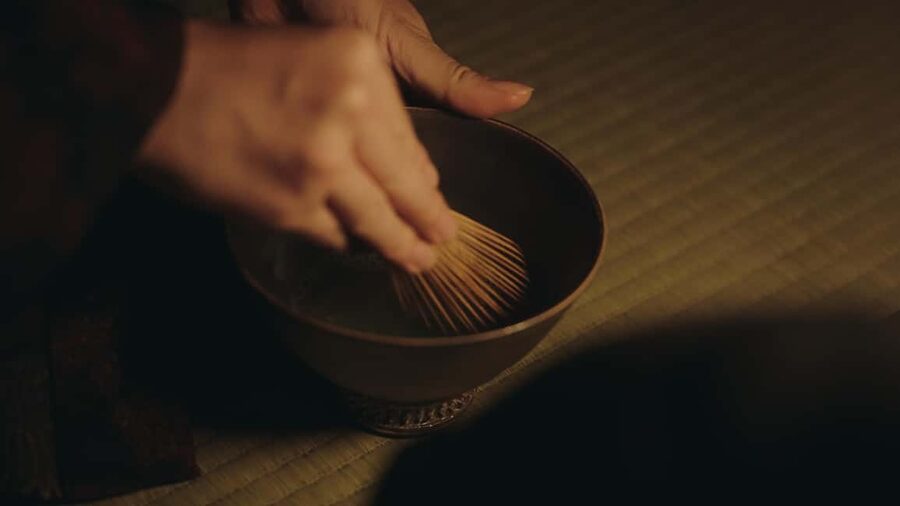
The activity begins at aeru gojo, in central Kyoto. From Karasuma-dori Street, turn at the corner by the Family Mart, continue straight for one block, and look for the sign beside Only Corporation and across from Zen Kyoto.
The setting does much of the work. A traditional townhouse, tatami, quiet rooms, and the scent of tea create a clear change of pace from Kyoto’s busy streets. You are not being placed in a staged outdoor attraction. You are stepping into a real-style Japanese interior where small details matter.
Arrive no earlier than 10 minutes before your booked time. The venue is compact, so an early arrival can get in the way rather than help. There is no parking lot, and bikes are not allowed. If you arrive by rental bicycle, use a public bicycle parking area. The closest listed option is linked with the booking information.
You should also skip perfume or cologne for this activity. That may seem fussy at first, but matcha has a delicate aroma, and the room is designed for people to notice it. Strong scents can distract you and the rest of the group.
More Matcha Experiences in Kyoto
- Kyoto: Kimono Tea Ceremony with Matcha and Sweet
★ 4.9 · 249 reviews - Kyoto: Arashiyama Bamboo, Temple, Matcha, Monkeys & secret spots
★ 5.0 · 219 reviews - Kyoto Matcha Green Tea Tour
★ 4.7 · 28 reviews
A clear look at the Omotesenke tea tradition
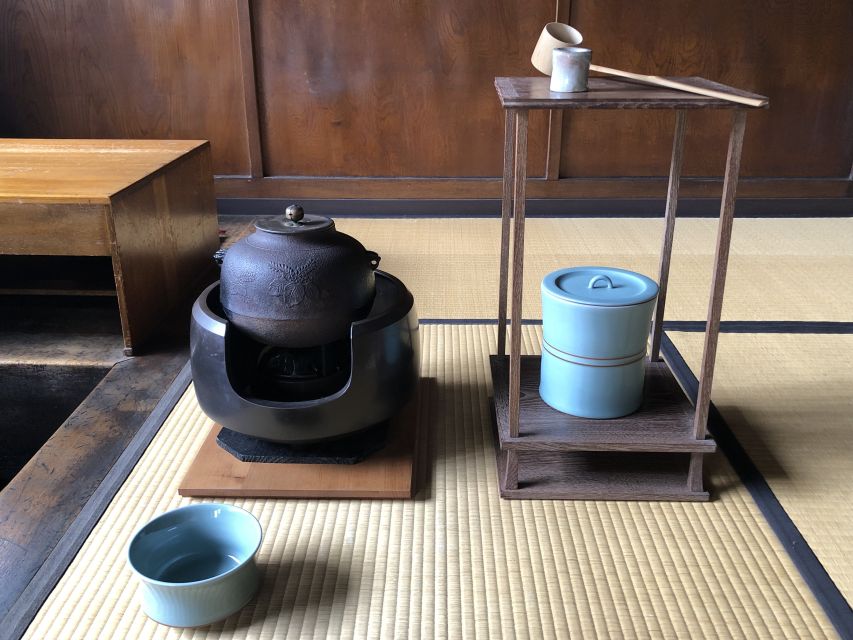
Your tea master begins by explaining the ceremony and showing you how the host prepares matcha. The instruction follows the Omotesenke tradition, one of Japan’s respected schools of tea ceremony.
You will see that the ceremony is not simply a matter of stirring green powder into hot water. The placement of the utensils, the way the bowl is handled, and the movements used to prepare the tea all carry meaning. The pace is controlled and quiet, which makes the demonstration pleasant to watch even before you try it yourself.
The English-speaking hosts keep the lesson open and approachable. Miki is praised for being calm and thorough, while Aki, Yoko, Joko, and Kiyoka are also named in individual accounts as friendly and clear instructors. The host assigned to your session may differ, but the activity is designed for English instruction.
This is a good place to ask basic questions. You can ask about the ceremony, matcha, Japanese customs, or the meaning behind particular actions. The strongest part of the format is that questions are welcomed instead of treated as interruptions.
Making your own bowl of matcha
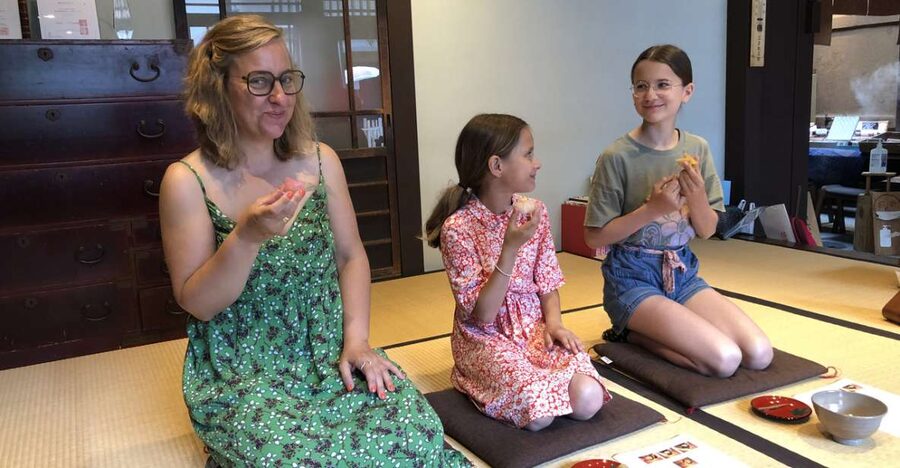
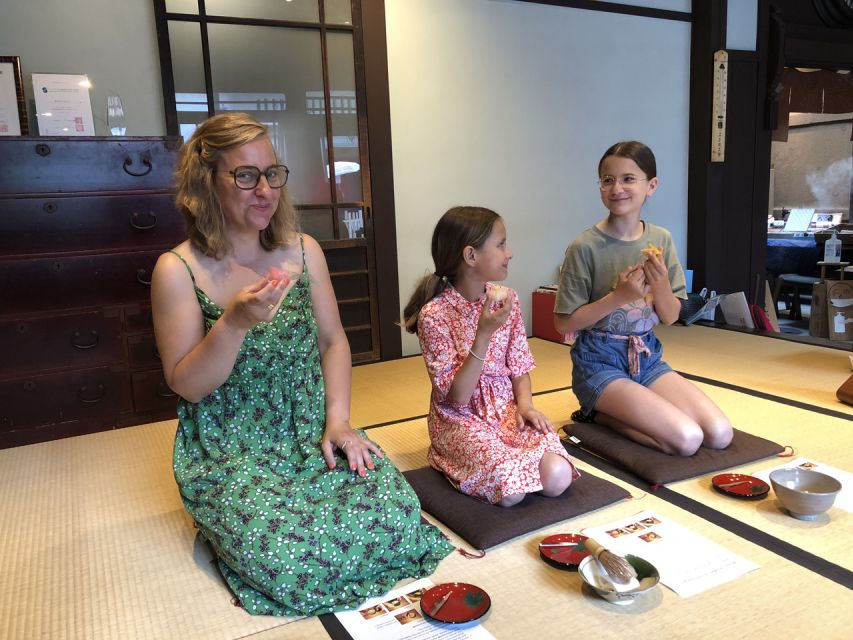
After the demonstration, you prepare your own tea. This is the moment that makes the session more useful than a ceremony you only watch.
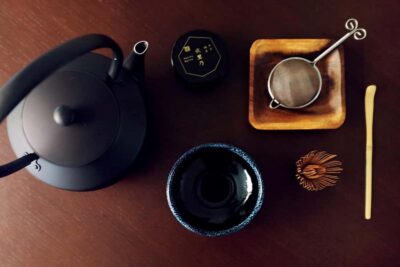
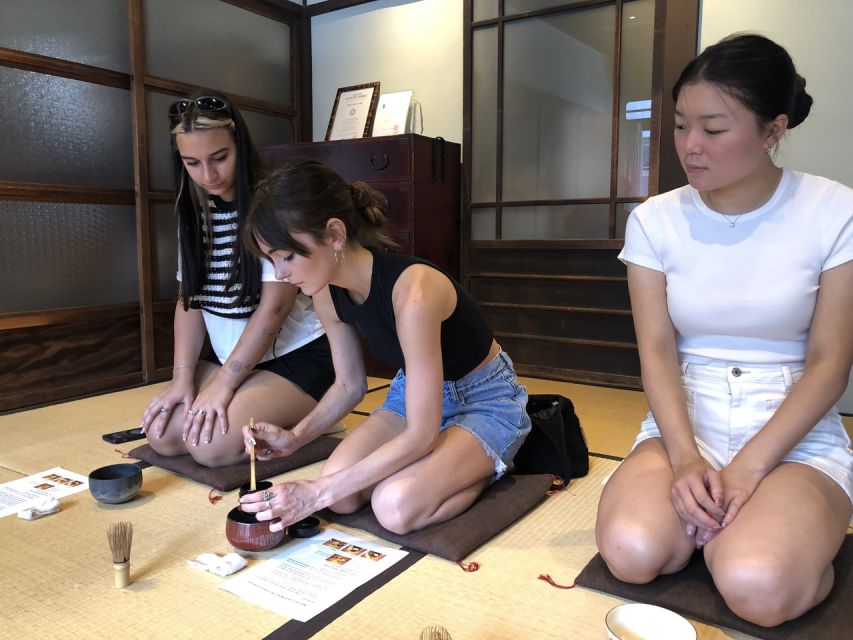
Your host guides you through the process and gives you time to copy the movements. You use authentic utensils made by Japanese artisans, so the bowl, whisk, and other tools feel like part of the lesson rather than generic workshop equipment.
Do not worry about making a perfect bowl on your first attempt. The point is to learn the basic technique and understand the care behind it. The hosts are used to first-time participants and provide individual help when needed. Small groups matter here. With no more than 10 people, the tea master can watch what you are doing and offer a correction or extra explanation.
The setting also helps children and teenagers take part. An 8-year-old and a 10-year-old were described as finding the mix of explanation and hands-on work suitable, and teenage boys also enjoyed the activity. At the same time, one account points out that very young children who cannot settle may find the quiet atmosphere difficult. I would choose this for children who can follow a short demonstration and respect a calm room.
Once you finish, you drink the matcha you made with a traditional Japanese sweet. The sweet provides a small contrast to the tea’s bitter, grassy taste and completes the host-and-guest rhythm of the ceremony.
Why the 45-minute length works
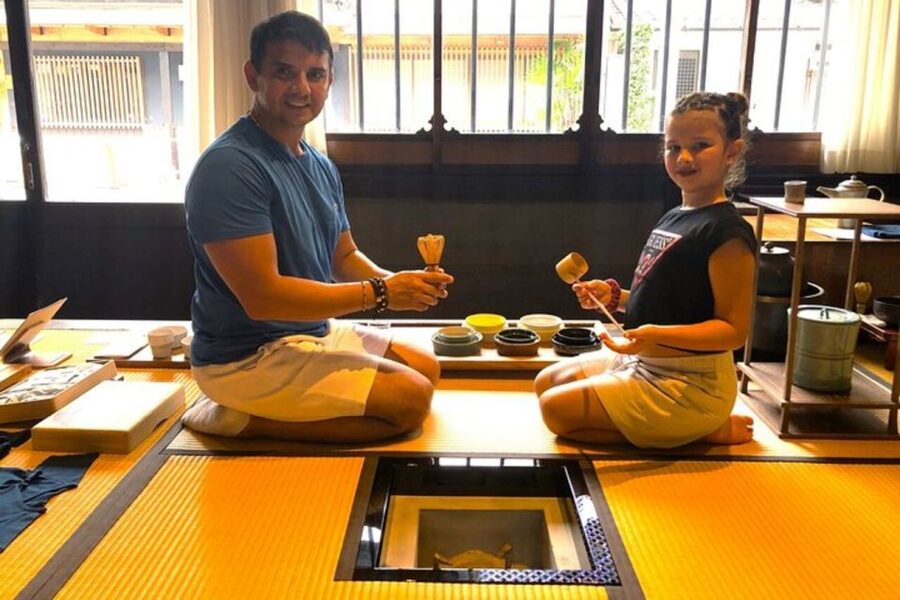
Forty-five minutes is a smart length for many Kyoto itineraries. It is long enough to introduce the ceremony, let you prepare matcha, and leave time for questions. It does not consume a full morning or afternoon, so you can fit it between temples, shopping, or a meal.
The short format also keeps the session focused. You are not expected to study every rule of tea ceremony or sit through an extended formal performance. Instead, you get the main ideas, a demonstration, a turn at the tools, and a cup of tea.
There is a limit to this convenience. If you already have a serious interest in tea schools, Japanese aesthetics, or the full etiquette of a formal ceremony, you may want more time than this provides. You also should not book it expecting a kimono photo session. Kimono rental and hair setting are specifically excluded.
For a first introduction, though, the length is practical. Several people have found it especially suitable near the end of a Kyoto visit, when they wanted one calm cultural activity without adding a complicated excursion.
More Tea and Calligraphy Workshops in Japan
- Kyoto Hidden Riverside Zen Mediation and Uji Matcha Experience
★ 5.0 · 9 reviews - Kyoto: Nighttime Zen Meditation and Matcha Tea Experience
★ 5.0 · 7 reviews - Whisk Your Own Matcha: A Zen Matcha Experience at Temple
★ 3.6 · 7 reviews - Osaka: Tea Ceremony, Calligraphy, and Kimono Experience
★ 4.9 · 130 reviews
The value of $45 per person
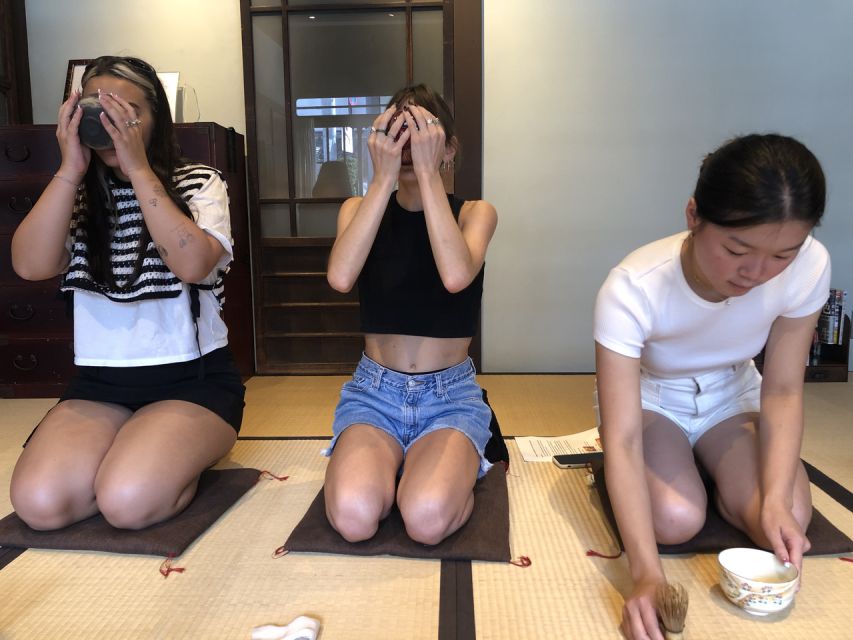
At $45 per person, the price is fair for a guided cultural activity in central Kyoto. You are paying for more than a bowl of matcha. The fee includes the tea ceremony, one cup of matcha, the traditional sweet, English instruction, use of handcrafted utensils, and the chance to prepare the tea yourself.
The small group is important to the value. A cheaper demonstration with a large crowd might give you less opportunity to ask questions or handle the tools. Here, the group limit of 10 supports a more personal lesson without the cost of a private ceremony.
The price also makes sense if you want an activity with cultural substance but do not want to commit to a full-day tour. You can learn how the ceremony works and leave with a skill you can demonstrate at home.
Be realistic about what is not included. There are no hotel transfers, no kimono, no hairstyling, no meal, and no free refills. You receive one bowl of matcha and a sweet. That is enough for the stated lesson, but people looking for a long tea tasting should choose another activity.
A calm lesson for solo visitors and families
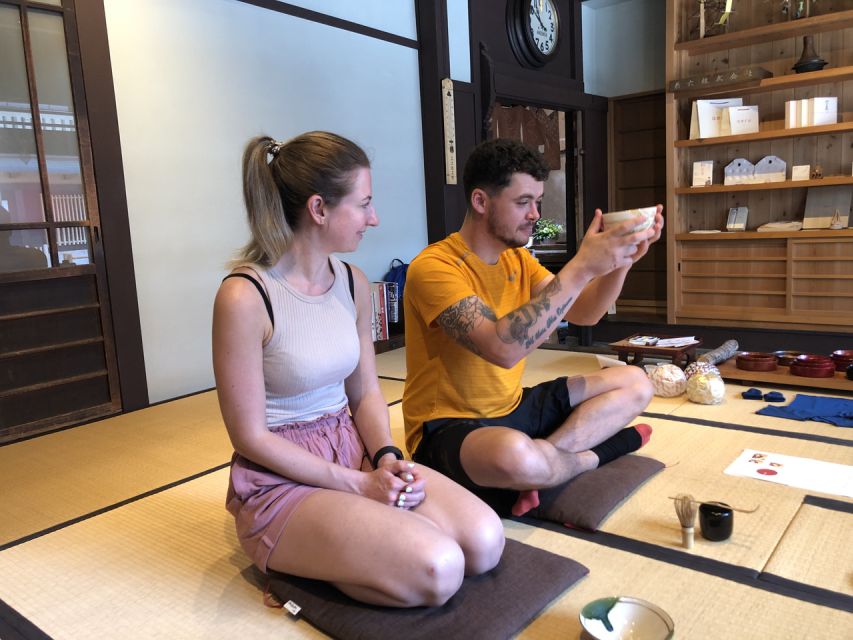
This session suits solo visitors particularly well. You do not need a travel companion to make it worthwhile, and a small group gives you a natural way to meet others while doing something together.
Couples and families can also fit comfortably into the format. The host can adjust the pace when a child needs help, and the activity has enough movement to keep older children involved. Still, the room is meant for attention and calm. It is not a place to eat snacks, wander around, or let a restless toddler take over.
I would also recommend it to anyone who has seen matcha on a café menu but knows little about its place in Japanese culture. The ceremony provides context that a quick drink at a shop cannot. You learn why the preparation is deliberate, how the host and guest interact, and why the tools receive such care.
People who dislike sitting quietly may find the experience slower than expected. That is part of the point. The session asks you to put down your phone, watch closely, and let a few simple actions take their time.
Selected Japanese crafts and possible souvenirs
At the end, you can look at selected Japanese crafts and buy items to take home. This gives the experience a practical finish, especially if you want a souvenir linked to something you learned rather than another mass-produced Kyoto item.
The crafts also help explain why the utensils matter. A tea bowl or tool is not just equipment. Its shape, texture, and handling contribute to the ceremony. You are not required to buy anything, and the included activity remains complete without a purchase.
If you do shop, take a moment to ask the host about the objects. The English-speaking format makes it possible to learn what you are looking at rather than choosing by appearance alone.
Getting there without a parking headache
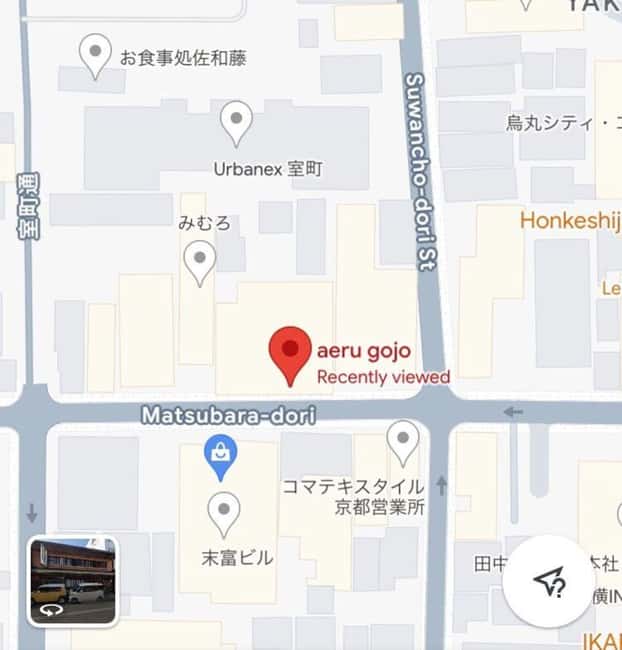
The meeting point is easiest to reach on foot or by public transport, though no transport directions beyond the nearby streets are provided here. Use the Family Mart on Karasuma-dori as your turning landmark, then continue one block to the aeru gojo sign.
Do not plan to park a rental car at the venue. There is no parking lot. Bicycles are also not permitted at the activity location, so use the listed public bicycle parking area if you are cycling around Kyoto.
The location is described as easy to find once you are near it, but give yourself enough time to identify the sign. Kyoto streets can be confusing, and arriving late would cut into a short 45-minute session.
Free cancellation is available up to 24 hours before the scheduled time, with a full refund. You can also reserve now and pay later, which helps if your Kyoto schedule is still changing.
What to bring and how to behave
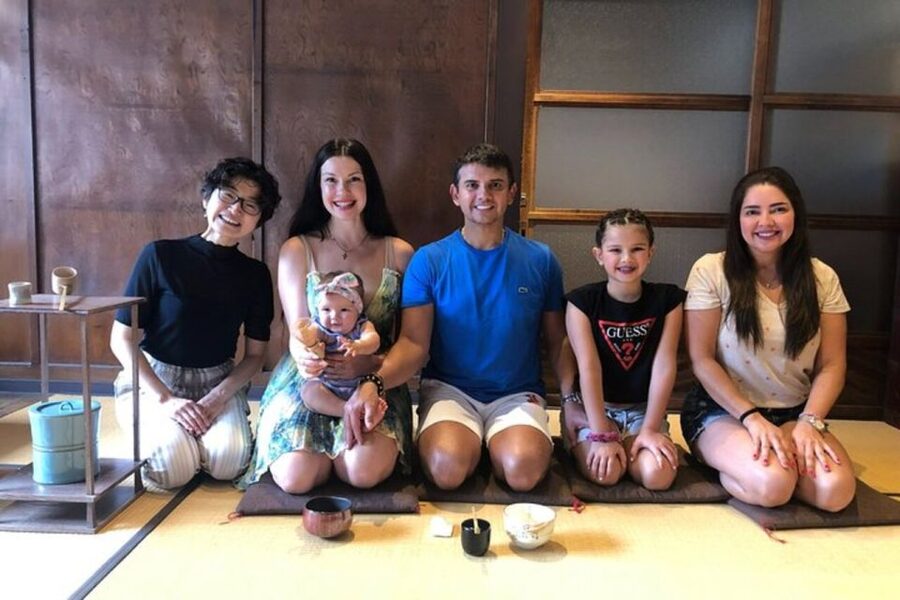
You do not need special clothing or equipment. Wear something comfortable for sitting in a traditional room, and avoid perfume or cologne so the matcha’s aroma remains clear.
Do not bring food or drinks into the venue. The space is not suitable for eating, and the included sweet is part of the tea service. Bikes are not allowed, and kimono rental is not part of the booking.
A respectful attitude matters more than perfect etiquette. Listen during the demonstration, follow the host’s instructions, and ask questions when invited. The hosts are accustomed to international visitors, so you do not need prior knowledge of Japanese tea ceremony.
The venue is wheelchair accessible, which is useful for visitors who need step-free access. If you have specific mobility questions beyond that, confirm details when booking because the supplied information does not describe the room layout or seating arrangement.
Who should book this tea ceremony
I would choose this for a first tea ceremony in Kyoto, especially if you want to understand what you are seeing rather than simply take photos. It also works well for solo visitors, couples, older children, and anyone with a free 45-minute gap in a central Kyoto schedule.
It is a particularly good fit if you value:
- Clear English instruction
- A small group rather than a large performance
- Hands-on practice with traditional utensils
- Questions about Japanese culture
- A calm indoor activity
- A modest price and flexible cancellation
I would look elsewhere if your main goal is wearing a kimono, enjoying several kinds of tea, receiving a full meal, or taking part in a long formal ceremony. Those are not included here.
Should you book it?
Book this activity if you want a short, friendly, hands-on introduction to matcha in a traditional Kyoto setting. The strongest reasons are the small group, patient English-speaking hosts, real utensils, and the chance to make the tea yourself.
Skip it only if you need a full formal ceremony, kimono rental, or more than one serving of tea. For most first-time visitors, $45 buys a thoughtful cultural lesson, a sweet, a bowl of matcha, and a better understanding of one of Japan’s most recognizable traditions.
FAQ
Where does the tea ceremony take place?
It takes place at aeru gojo in a 100-year-old traditional Kyoto townhouse. The meeting point is beside Only Corporation and across from Zen Kyoto.
How long does the activity last?
The tea ceremony and matcha-making session lasts 45 minutes.
How much does it cost?
The listed price is $45 per person.
Is the activity conducted in English?
Yes. The instructor language is English, and the hosts explain the ceremony and answer questions in English.
How many people are in each group?
The activity is limited to 10 participants.
What is included in the price?
The price includes the tea ceremony experience, one cup of matcha, and Japanese traditional sweets.
Is kimono rental included?
No. Kimono rental and hair setting are not included.
Can I cancel for a full refund?
Yes. You can cancel up to 24 hours in advance for a full refund.
Is the venue wheelchair accessible?
Yes. The activity is listed as wheelchair accessible.
More Tea and Calligraphy Workshops in Kyoto
- Experience all of Japanese culture and Japanese food experience classes “origami, udon, Japanese food, green tea, calligraphy” in 4 hours
★ 5.0 · 105 reviews - Tokyo: Practicing Zen with a Japanese Tea Ceremony
★ 4.7 · 105 reviews - An Amazing set of Cultural experience: Kimono, Tea Ceremony and Calligraphy
★ 5.0 · 69 reviews - Beijing Culture: Tea Ceremony, Heritage Instrument & Calligraphy
★ 5.0 · 57 reviews
More Tea Ceremonies in Kyoto
- Kyoto: Tea Ceremony in a Traditional Tea House in Kiyomizu
★ 4.9 · 3,519 reviews - Kyoto: Tea Ceremony Ju-An at Jotokuji Temple
★ 4.9 · 3,207 reviews - Kyoto: 45-Minute Tea Ceremony Lesson Experience
★ 4.3 · 2,378 reviews - Kyoto: Table-Style Tea Ceremony at a Kyo-Machiya
★ 4.9 · 1,211 reviews
Fresh tea listings around Kyoto
- Cycling Tour at Uji’s Matcha Green Tea Fields and Heritage★ 5.0 · 10 reviews
- Authentic Tea Ceremony & Sushi in The Museum of Kyoto★ 5.0 · 3 reviews
- Kyoto Hidden Riverside Zen Mediation and Uji Matcha Experience★ 5.0 · 9 reviews
- Whisk Your Own Matcha: A Zen Matcha Experience at Temple★ 3.6 · 7 reviews
- Kyoto: Nighttime Zen Meditation and Matcha Tea Experience★ 5.0 · 7 reviews
- Kyoto Fushimiinari:Wagashi Making & Small Group Tea Ceremony★ 5.0 · 14 reviews
- 2 Types of Japanese Sweets making and Tea Ceremony★ 4.6 · 17 reviews
- Matcha Grinding Experience and Walking Tour in Uji Kyoto★ 5.0 · 26 reviews
Matcha Experiences, compared.
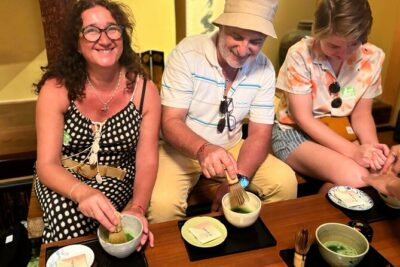
World Heritage Kyoto & Nara Uji Authentic Matcha Experience
Read our review →
Matcha Making Class in Tokyo with Authentic Japanese Sweets Set
Read our review →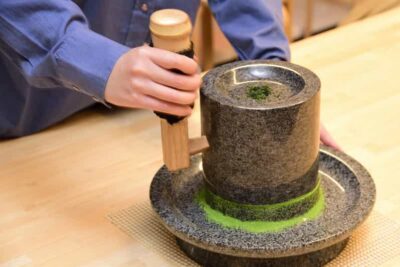
Kyoto: Tea Museum Tickets and Matcha Grinding Experience
Read our review →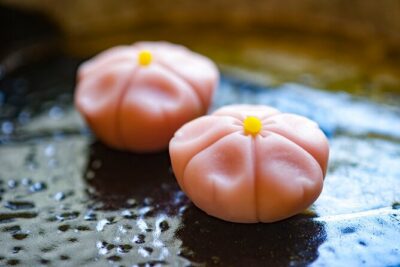
Matcha Making Class in Osaka with Authentic Japanese Sweets Set
Read our review →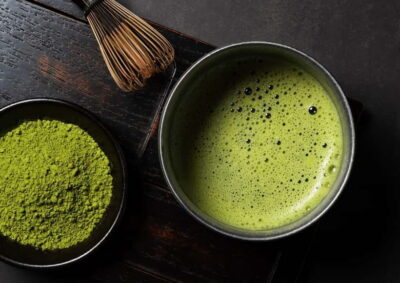
Tokyo: Matcha Making Experience with Mochi Sweets in Asakusa
Read our review →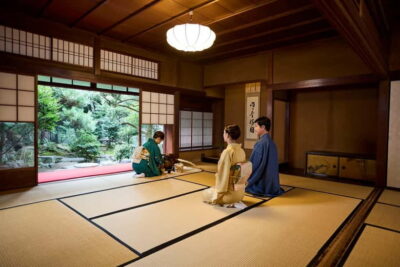
Kyoto: Kimono Tea Ceremony with Matcha and Sweet
Read our review →