
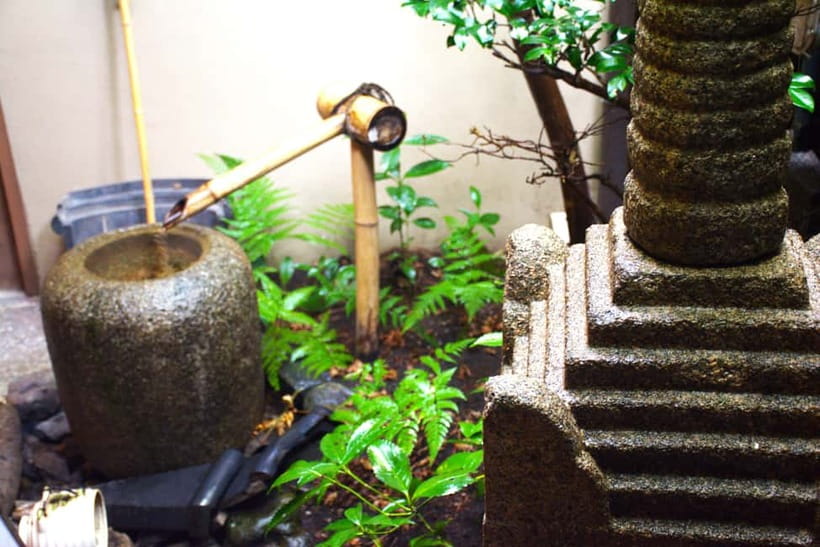
Review · MATCHA EXPERIENCES
Whisk Your Own Matcha: A Zen Matcha Experience at Temple
The heart of this 45-minute experience is simple: you sit in a Japanese temple setting, learn why matcha preparation matters, and make your own bowl with traditional tools. Sakura leads the session in English, explaining the meaning behind the gestures instead of treating the ceremony as a quick photo opportunity.
I like the hands-on format and the chance to ask questions at your own pace. I also like that the $32 price includes tea, a Kyoto sweet, and a photo shoot. The main drawback is practical rather than cultural: the meeting-point information appears confusing, and at least one booking failed because the guide was not there.
Key points to know before booking
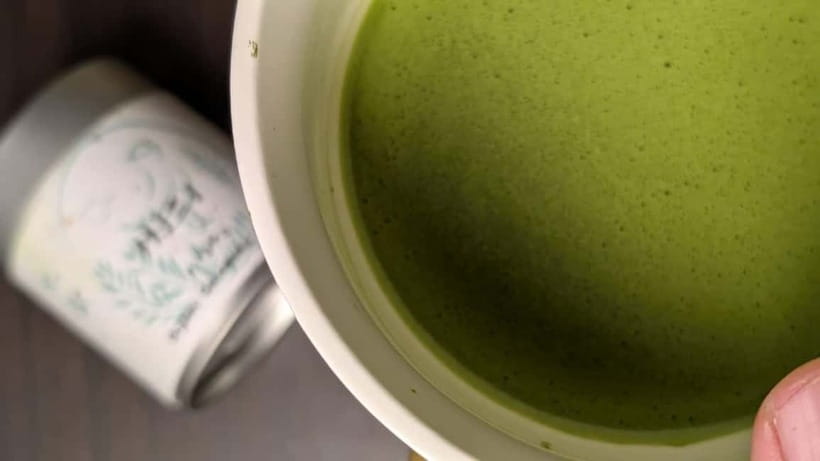
- Whisk your own matcha: You prepare the tea yourself under Sakura’s guidance rather than only watching a demonstration.
- English instruction: The host explains the ceremony, its history, and the meaning of its movements in English.
- Tea and a Kyoto sweet included: Your tasting includes matcha and a traditional sweet, described by participants as mochi.
- The venue may be difficult to identify: Official directions point to Shokoji Temple, while several successful bookings used the Grapevine Cafe near Ichinen-zaka and Ninen-zaka.
- Short and potentially private: The session lasts 45 minutes, and one booking described the ceremony as private for that party.
- Good cancellation flexibility: You can cancel up to 24 hours ahead for a full refund, and you can reserve without paying immediately.
A quiet introduction to matcha in Kyoto
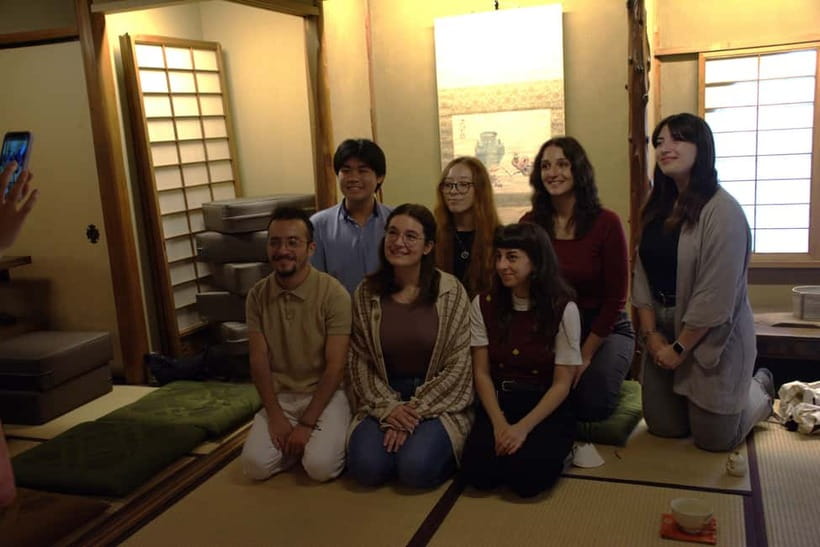
This is not a full formal tea ceremony lasting several hours. It is a compact introduction designed to give you the basic feel of the practice without asking you to commit half a day.
You begin by learning about the history of Japanese tea ceremony and its connection with Zen practice. The useful part is the explanation of meaning: the tools, the preparation, and the careful movements are presented as more than decoration. They are part of a calm ritual built around attention and respect.
Sakura then guides you through making your own matcha. You use traditional tea tools and follow her instructions as you whisk the powdered tea into a drinkable bowl. If you have never prepared matcha before, this hands-on step is the reason to choose this experience over simply ordering matcha at a cafe.
The session ends with tea and a traditional Kyoto sweet. The sweet is described as mochi in one account, though the supplied activity details only promise a traditional Kyoto sweet. The pairing matters: Japanese sweets are often served with matcha because their sweetness balances the tea’s sharp, grassy taste.
More Matcha Experiences in Kyoto
- Kyoto: Tea Ceremony Meditation – Make Matcha with Tea Master
★ 4.8 · 406 reviews - Kyoto: Kimono Tea Ceremony with Matcha and Sweet
★ 4.9 · 249 reviews - Kyoto: Arashiyama Bamboo, Temple, Matcha, Monkeys & secret spots
★ 5.0 · 219 reviews
What Sakura adds to the 45 minutes
Sakura is the named host connected with the strongest experiences here. She explains the ceremony in English, answers questions, and gives recommendations for buying matcha. That last point is useful if you want to continue exploring tea after the session rather than treating this as a one-off activity.
Her approach also appears flexible. You can ask questions during the explanation, and the session has been described as warm, friendly, and full of laughter. That makes a difference because tea ceremony can seem formal or mysterious if every movement is presented without context.
I would not book this expecting a silent, highly formal ceremony performed entirely by a master. You are there to learn and participate. The atmosphere appears more approachable than strict, which suits first-time visitors and anyone curious about Japanese customs but unsure of the etiquette.
One particularly appealing detail is the possibility of a private session. A booking in October described the ceremony as being for one party rather than a large group. The activity does not promise that every departure will be private, so treat this as a possibility, not a guarantee. Still, the short format and reported small-scale setting may give you more room to ask questions.
Tea tools, whisking, and the taste of matcha
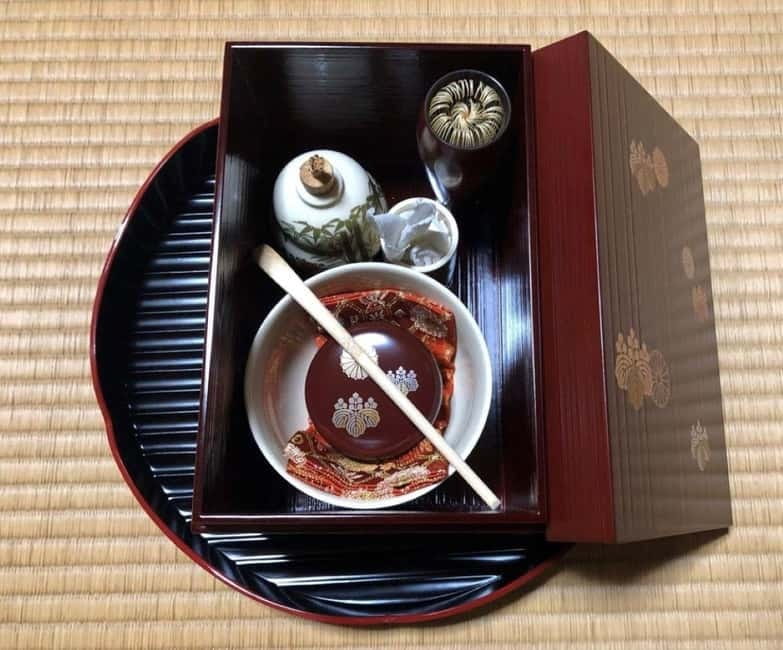
The practical lesson is the center of the experience. You receive the tea and use traditional tools to whisk it yourself. The host’s guidance lets you focus on the movement rather than worry about doing everything perfectly.
Matcha is not prepared like an ordinary cup of loose-leaf tea. The powdered tea is whisked directly into water, so the finished drink has a fuller texture and a stronger taste. Your first bowl may not look exactly like a professional’s, and that is part of the point. You are learning by doing.
The ritual slows the process down. Instead of rushing from sightseeing stop to sightseeing stop, you pause, watch, copy, and taste. I like this as a counterpoint to Kyoto’s crowded sightseeing areas, especially if you schedule it after a morning of temples and walking.
The traditional sweet gives the tea a gentler edge. If you are new to matcha, the sweet may make the first tasting more approachable. If you already drink matcha, the value is less about discovering the flavor and more about understanding how tea fits into Japanese culture.
The temple setting and a serious meeting-point warning
The activity is presented as taking place in a serene Japanese temple atmosphere, with directions from Kyoto Station leading north along Karasuma Street to Shokoji Temple. The instructions say to use the north central exit, walk straight north for about 10 minutes, and look for the small temple on the right after several intersections.
That sounds straightforward, but the venue information needs your attention. Several successful bookings located the experience at the Grapevine Cafe near the corner of Ichinen-zaka Street and Ninen-zaka Path. The useful visual clue is grapevines at the top of the cafe, and one person said you may need to knock to enter.
This is not a minor detail. Another booking ended unsuccessfully because the participant could not find the tea ceremony and local people could not identify it. A separate report said the guide did not appear and the owner said the guide was out of the country and no longer offering the service at that time.
Because of this, I would contact the provider before setting out and confirm the exact entrance, not just the general neighborhood. Save the phone number, 080-5259-3796, and keep the email contact available. Arrive with enough time to check both the written address and any venue clue supplied in your confirmation.
The mixed information may reflect a change of location, an entrance that is hard to spot, or old directions that were not updated. I cannot resolve that from the details provided, so you should treat the meeting point as the biggest booking risk.
More Tea and Calligraphy Workshops in Japan
- Kyoto Hidden Riverside Zen Mediation and Uji Matcha Experience
★ 5.0 · 9 reviews - Kyoto: Nighttime Zen Meditation and Matcha Tea Experience
★ 5.0 · 7 reviews - Osaka: Tea Ceremony, Calligraphy, and Kimono Experience
★ 4.9 · 130 reviews - Experience all of Japanese culture and Japanese food experience classes “origami, udon, Japanese food, green tea, calligraphy” in 4 hours
★ 5.0 · 105 reviews
Is $32 a fair price?
At $32 per person, the value is solid if you want instruction rather than just a cup of tea. You receive a 45-minute lesson, the tea, a traditional sweet, an English-speaking host, and a photo shoot. Comparable value depends on what you would otherwise pay for a cultural demonstration, but this package includes participation, not only observation.
The session is also short enough to fit between Kyoto plans. You do not need to sacrifice a full morning, and the reserve-now, pay-later option helps if your schedule is still shifting.
The price is less appealing if you are mainly looking for a grand temple visit or a long, formal ceremony. The focus is matcha preparation and cultural explanation. The temple setting adds atmosphere, but the supplied details do not promise a wider temple tour or extended sightseeing.
Transportation is not included. From Kyoto Station, the stated route is a roughly 10-minute walk, but the conflicting venue clues mean you should not assume the station directions are the only information you need. Any taxi, train, or local transportation beyond the included walking instructions comes out of your budget.
Tips are also not included. Tipping is not required by the activity details, so consider it optional rather than an expected extra charge.
Who will enjoy this experience most?
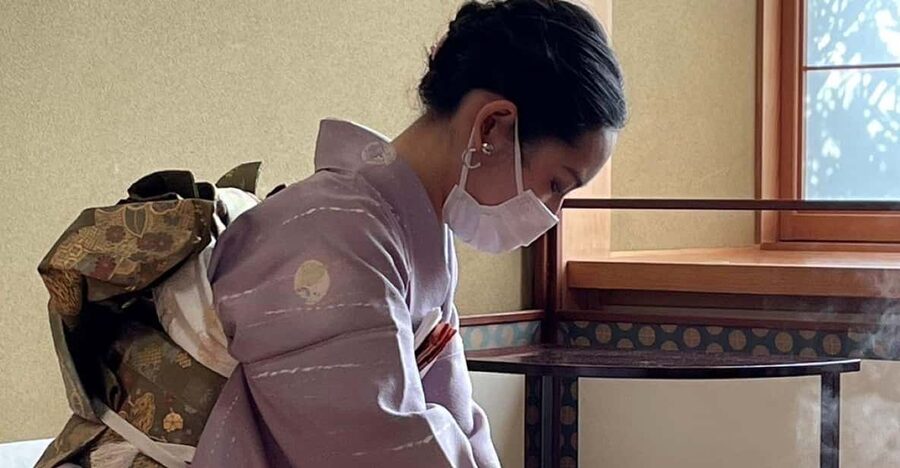
I would recommend it to a first-time visitor who wants a manageable introduction to Japanese tea culture. The English explanation, short duration, and hands-on format make it less intimidating than a formal ceremony where you simply sit and watch.
It also suits tea enthusiasts who want context for the drink they already enjoy. Sakura’s advice about buying matcha could help you make better choices later, although the activity is not presented as a shopping tour or tasting class with several varieties.
The experience is a good fit for couples, solo visitors, and small parties who prefer questions and conversation. The private format reported by one participant would make the session especially appealing if you want personal attention, but group size should be confirmed before booking.
It is not suitable for children under 10. It is also not recommended for people with back problems, which may matter if the ceremony requires sitting in a traditional position. The supplied information does not specify seating arrangements, so contact the provider if this is a concern.
Party groups should choose another activity. Alcohol and drugs are not allowed, and the setting calls for a calm, respectful approach.
Practical planning for your Kyoto day
Allow more than the official 45 minutes. The lesson itself lasts 45 minutes, but you also need time to find the entrance, especially given the conflicting directions. I would avoid scheduling a tight reservation, train departure, or major attraction immediately afterward.
The session is available at various starting times, subject to availability. That makes it easy to place in a Kyoto itinerary, but the best time depends on your route. If you are starting at Kyoto Station, the supplied directions are designed around a walk north on Karasuma Street. If your confirmation points instead to the Grapevine Cafe near Ichinen-zaka and Ninen-zaka, plan around that location.
Wheelchair access is listed as available. Even so, anyone needing specific seating or entry arrangements should confirm the details directly, since the information does not explain the exact setup inside the venue.
The activity is offered in English. If you want a Japanese-language ceremony or instruction in another language, this is not the right choice based on the information available.
The cancellation policy is traveler-friendly: cancel at least 24 hours before the activity for a full refund. You can also reserve now and pay later, which is useful when Kyoto plans are still moving around.
The experience’s uneven reliability
The cultural side receives very strong praise. Five of the seven recorded ratings gave the experience five stars, highlighting Sakura’s warmth, clear explanations, willingness to answer questions, and ability to make the ceremony feel relaxed. The tea, matcha, mochi, and personal attention are repeatedly singled out as satisfying parts of the session.
But two one-star ratings point to serious service problems. One person could not locate the venue, while another arrived to find that the guide was reportedly away and the activity was no longer being offered at that location. That produces an overall rating of 3.6 from seven ratings, a middling score that reflects a sharp split between excellent instruction and poor arrival reliability.
I would not ignore those low ratings. A tea ceremony can be wonderful once you are seated with Sakura, but that benefit disappears if the meeting point is wrong or the host is unavailable.
The best protection is direct confirmation. Ask for the exact current venue, the entrance description, and confirmation that Sakura is scheduled for your date. If the answer is vague, consider choosing a different tea experience with a clearer meeting system.
Should you book this matcha experience?
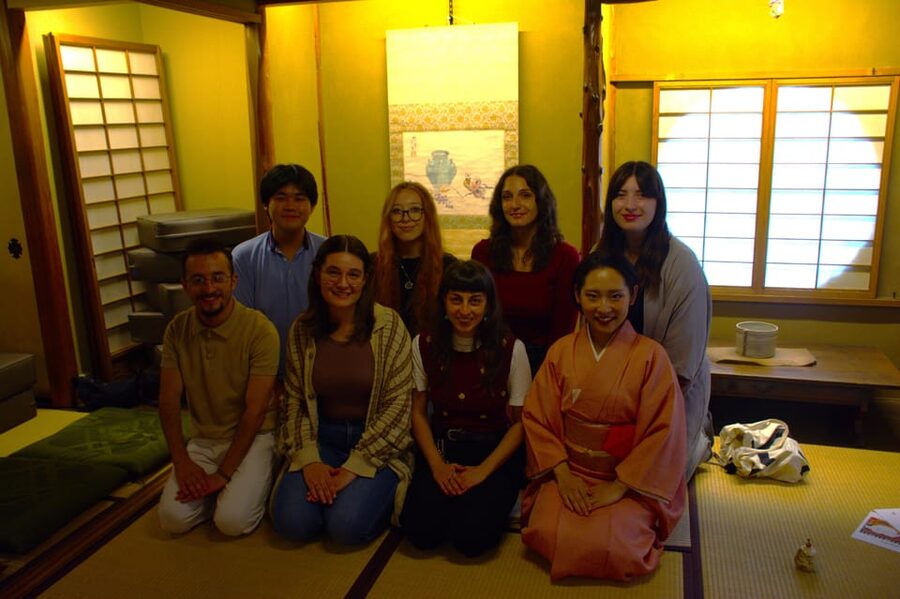
Book it if you want a short, friendly, hands-on lesson with a host who can explain the meaning behind matcha and answer questions in English. The $32 price is reasonable for the instruction, tea, sweet, photo shoot, and possible private atmosphere.
I would be especially comfortable recommending it to flexible visitors who can spend a little extra time finding the venue and confirming the details. Sakura’s teaching is the strongest reason to go.
I would skip it if you need a perfectly dependable meeting point, have a tightly timed itinerary, or want a large, formal tea ceremony in a clearly identified temple. The cultural experience appears worthwhile, but the location and availability problems deserve serious attention before payment.
FAQ
How long does the matcha experience last?
The activity lasts 45 minutes.
What is included in the price?
Tea, one traditional Kyoto sweet, and a photo shoot are included.
How much does the experience cost?
The listed price is $32 per person.
Is the activity conducted in English?
Yes. The listed instructor language is English, and Sakura is the named host associated with the experience.
Do I make my own matcha?
Yes. You whisk your own bowl of matcha with traditional tea tools under the host’s guidance.
Where is the meeting point?
The supplied directions point to Shokoji Temple, about a 10-minute walk north from Kyoto Station’s north central exit along Karasuma Street. Several successful bookings used the Grapevine Cafe near Ichinen-zaka Street and Ninen-zaka Path, so confirm the current venue before going.
Is transportation included?
No. Transportation costs to the location are not included.
Can children join the experience?
Children under 10 are not suitable for this activity.
Can I cancel for a refund?
Yes. You can cancel up to 24 hours in advance for a full refund. The activity also offers a reserve-now, pay-later option.
More Tea and Calligraphy Workshops in Kyoto
- Tokyo: Practicing Zen with a Japanese Tea Ceremony
★ 4.7 · 105 reviews - An Amazing set of Cultural experience: Kimono, Tea Ceremony and Calligraphy
★ 5.0 · 69 reviews - Beijing Culture: Tea Ceremony, Heritage Instrument & Calligraphy
★ 5.0 · 57 reviews - Osaka: Private Tea Ceremony and Calligraphy Experience
★ 5.0 · 50 reviews
Fresh tea listings around Kyoto
- Kyoto: Nighttime Zen Meditation and Matcha Tea Experience★ 5.0 · 7 reviews
- Kyoto Fushimiinari:Wagashi Making & Small Group Tea Ceremony★ 5.0 · 14 reviews
- 2 Types of Japanese Sweets making and Tea Ceremony★ 4.6 · 17 reviews
- Kyoto Hidden Riverside Zen Mediation and Uji Matcha Experience★ 5.0 · 9 reviews
- Matcha Grinding Experience and Walking Tour in Uji Kyoto★ 5.0 · 26 reviews
- Kyoto: Traditional Tea Ceremony with Matcha & Sweets in Gion★ 4.9 · 27 reviews
- Stunning Private Tea Ceremony: Camellia Garden Teahouse★ 5.0 · 28 reviews
- Kyoto Matcha Green Tea Tour★ 4.7 · 28 reviews
Matcha Experiences, compared.
World Heritage Kyoto & Nara Uji Authentic Matcha Experience
Read our review →
Matcha Making Class in Tokyo with Authentic Japanese Sweets Set
Read our review →
Kyoto: Tea Museum Tickets and Matcha Grinding Experience
Read our review →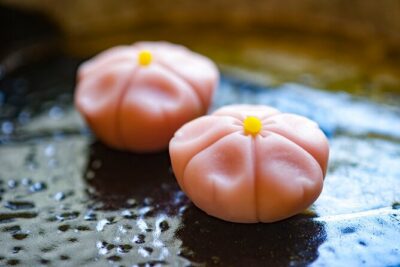
Matcha Making Class in Osaka with Authentic Japanese Sweets Set
Read our review →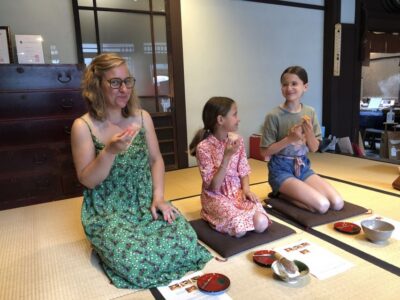
Kyoto: Tea Ceremony Meditation – Make Matcha with Tea Master
Read our review →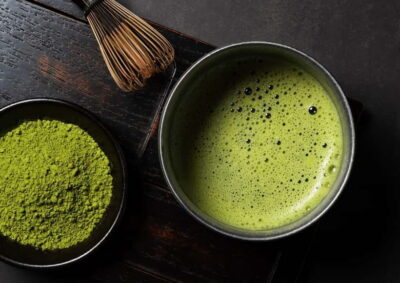
Tokyo: Matcha Making Experience with Mochi Sweets in Asakusa
Read our review →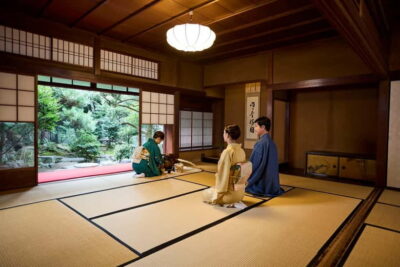
Kyoto: Kimono Tea Ceremony with Matcha and Sweet
Read our review →
Browse the lists this tour appears in