
Review · TEA CEREMONY EXPERIENCES
Sencha-do the Japanese Tea Ceremony Workshop in Kyoto
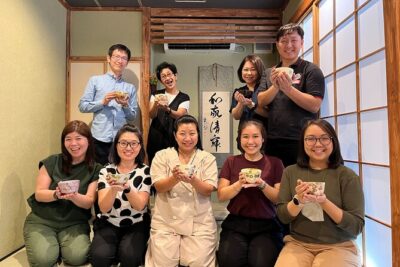
Kyoto’s senchado workshop gives you something many tea ceremonies do not: your hands on the utensils. A master of the Higashi Abe school first demonstrates the careful sequence, then guides you as you brew and serve sencha yourself. The tea is made from loose leaves, not whisked matcha, so you get a useful look at a less familiar side of Japanese tea culture.
I like the tiny group size of four, which makes room for questions and step-by-step help. I also like the warm, personal teaching style associated with Kyo, the instructor named in several class descriptions, and the chance to hear about the school’s family traditions. The main caution is practical: the studio can be hard to locate using basic online directions, so allow extra time and follow the host’s instructions closely.
Key points to know before you book
- You brew the tea yourself: This is a hands-on lesson, not just a demonstration.
- Senchado is different from matcha service: You learn to prepare brewed sencha from steamed tea leaves.
- The group is capped at four people: That suits families, couples, and solo visitors who prefer personal attention.
- The class lasts about 90 minutes: The program includes a demonstration, instruction, tea, and wagashi sweets.
- The setting is near Kitano Tenmangu: It fits neatly with time in Kyoto’s Kitano area.
- The meeting point needs care: The Higashi Abe School address is 668-12 Toriimaecho, Kamigyo Ward, Kyoto.
Senchado gives you a different view of Japanese tea
Many first-time visitors connect Japanese tea only with matcha. Senchado offers another path. Instead of grinding tea into powder and whisking it into a frothy drink, you prepare sencha leaves with hot water and serve the finished tea in a refined, formal manner.
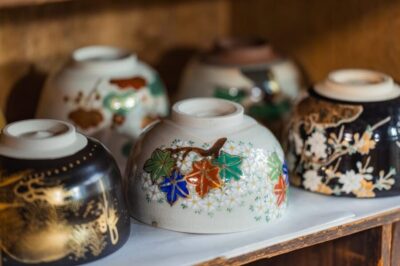
That difference matters. You can taste the tea more as a brewed leaf infusion, with a flavor that the class descriptions characterize as sweet and full. The ceremony also shows how much attention goes into water, utensils, movement, timing, and presentation.
The practice is ritualized, but this workshop is built for participation. You do not simply sit quietly while an expert performs every step. After watching the demonstration, you handle the equipment and repeat the process under guidance.
That makes the class useful for two kinds of people. If you already care about tea, you get a close look at a specific school and its methods. If you know little about Japanese tea, you get a clear introduction without needing to arrive with background knowledge.
More Green Tea Tours in Japan
- Scenic Green Tea Fields of Hidden Kyoto & Local Tea Exp (Private)
★ 5.0 · 32 reviews - Kyoto Matcha Green Tea Tour
★ 4.7 · 28 reviews - Cycling Tour at Uji’s Matcha Green Tea Fields and Heritage
★ 5.0 · 10 reviews
Arriving at the Higashi Abe School studio
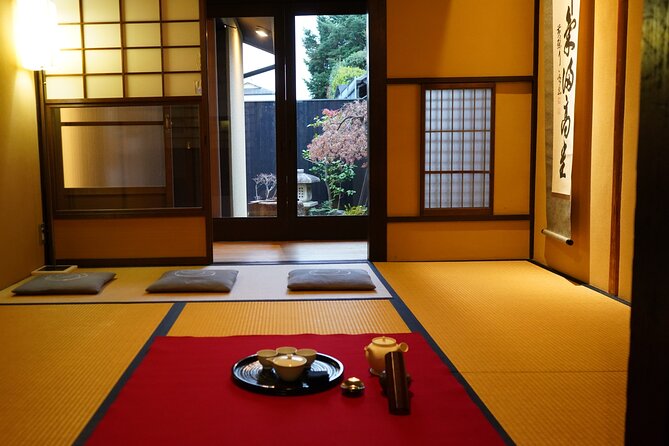
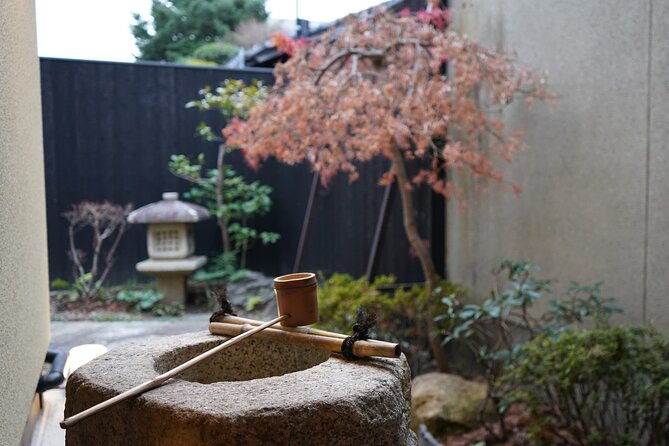
The class meets at Higashi Abe School, also identified as Gaisuian, at 668-12 Toriimaecho in Kyoto’s Kamigyo Ward. It is near public transportation and close to the Kitano area, including Kitano Tenmangu, so you can pair the workshop with temple sightseeing.
The location is part of the charm, but it is also the main logistical weak spot. One participant found the school easily with advice from the host, while another had trouble with the directions supplied online. Do not treat this as a place to locate at the last minute. Save the Japanese address, check your route before leaving, and keep the host’s directions available on your phone.
The studio itself is described as traditional. That does not mean you should expect a large visitor center or a polished attraction with signs on every corner. You are visiting a working tea school, which is part of the appeal, but it also means a little preparation helps.
The mobile ticket is convenient, and confirmation is provided when you book. The activity begins and ends at the same meeting point, with no private transportation included.
The opening demonstration sets the pace
The first part of the 90-minute session is a senchado demonstration by the host. Watch closely here. The value is not only in seeing tea prepared, but in learning why each movement is done with such care.
The ceremony places importance on precise handling, order, attention to detail, and the look of the setting. The instructor puts the utensils into use in a deliberate sequence, giving you a model to follow once it is your turn.
This is also the time to ask questions about the difference between senchado and other Japanese tea traditions. The class has been especially useful for people surprised by how many forms of tea ceremony exist in Japan. Kyoto is full of cultural activities, but many of them present a broad introduction. This one focuses on a particular school and a particular way of serving sencha.
The teaching can also include the school’s background and the history of its ceremony. One family-oriented account described learning about the school’s traditions as well as the ceremony itself. Another described the instructor sharing family history and explaining what makes this style different from other tea ceremonies in Kyoto.
You are welcome to take photographs throughout the experience. That is a practical plus if you want a visual record of the utensils and movements, though you should still be respectful during the demonstration and follow the instructor’s cues.
Your turn: brewing and serving sencha
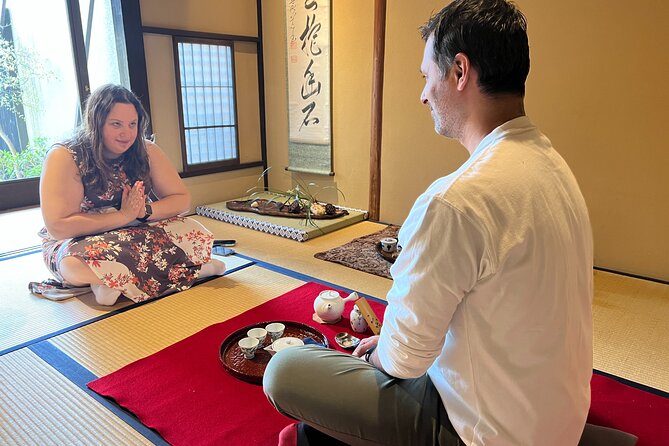
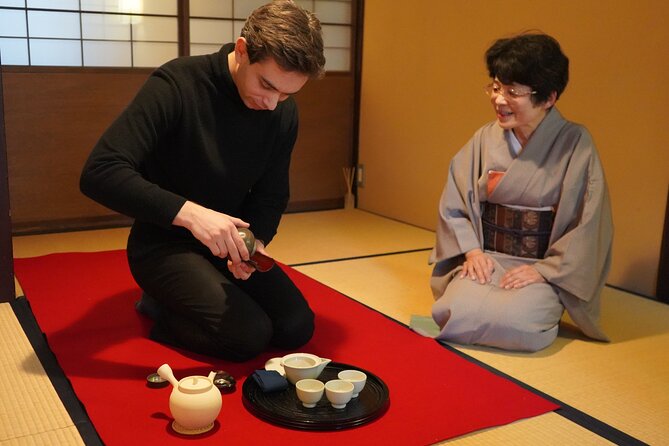
The hands-on portion is the heart of the workshop. Under the master’s direction, you prepare and serve the tea rather than watching from the sidelines.
Expect careful instruction. The class is not presented as a quick activity where you pour hot water and move on. Senchado asks you to pay attention to how the utensils are held, how the tea is prepared, and how it is offered. The master teaches each stage gently, making the process manageable even if you have never taken part in a tea ceremony.
This is where the group limit matters most. With no more than four participants, the instructor has a better chance to correct your movements and answer questions. Families can take turns, couples can work through the steps together, and solo visitors are not lost in a crowd.
The activity is also more personal than a standard performance. The instructor named in the class material is Kyo, described as patient and respectful of the traditions. The teaching style seems suited to visitors who want context as well as ceremony, not just a photo opportunity.
Do not expect to master senchado in one session. The class gives you a guided first attempt. The ceremony takes time to learn, and the workshop makes that clear. That is not a flaw. It gives you a better sense of the discipline behind the graceful movements you see in a formal demonstration.
More Tea Ceremonies in Kyoto
- Kyoto: Tea Ceremony in a Traditional Tea House in Kiyomizu
★ 4.9 · 3,519 reviews - Kyoto: Tea Ceremony Ju-An at Jotokuji Temple
★ 4.9 · 3,207 reviews - Kyoto: 45-Minute Tea Ceremony Lesson Experience
★ 4.3 · 2,378 reviews - Kyoto: Table-Style Tea Ceremony at a Kyo-Machiya
★ 4.9 · 1,211 reviews
Sencha and wagashi provide the pleasant finish
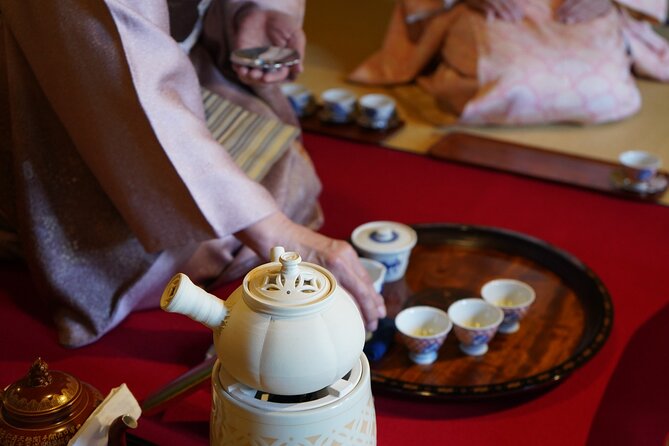
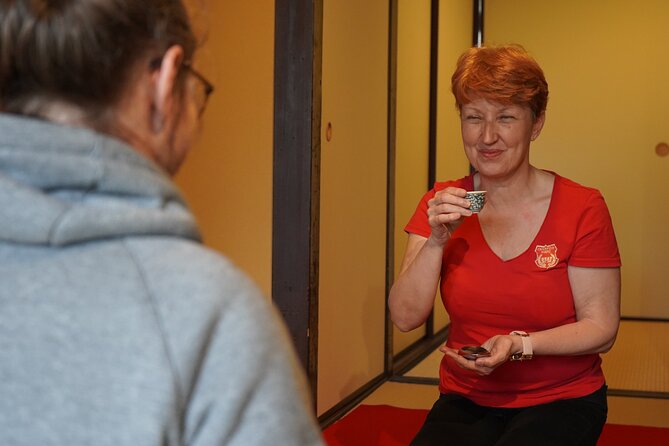
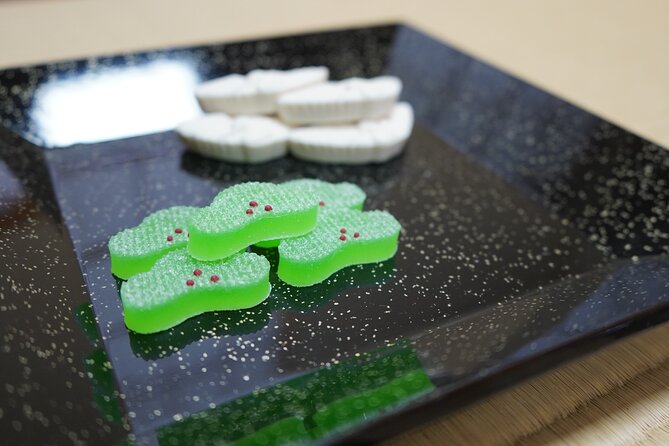
After preparing the tea, you drink your own sencha with wagashi, traditional Japanese sweets. Green tea and Japanese sweets are included in the price, so there is no separate tasting charge to consider.
The sweet is an important part of the experience. Wagashi balances the tea and gives the final portion of the class a relaxed, social feel after the concentration of the ceremony. You are not simply being handed a drink. You are tasting the result of the work you have just learned.
The tea itself may be a revelation if your experience with Japanese tea is limited to matcha. Sencha is brewed rather than whisked, and the flavor is described as sweet and full. That makes this workshop a good choice if you want to understand Japanese tea beyond the most familiar version.
The food offering is simple, not a full meal. Plan to eat elsewhere if you need lunch or dinner. Here, the sweets are part of the tea practice, not a substitute for a restaurant stop.
Why the four-person limit improves the lesson
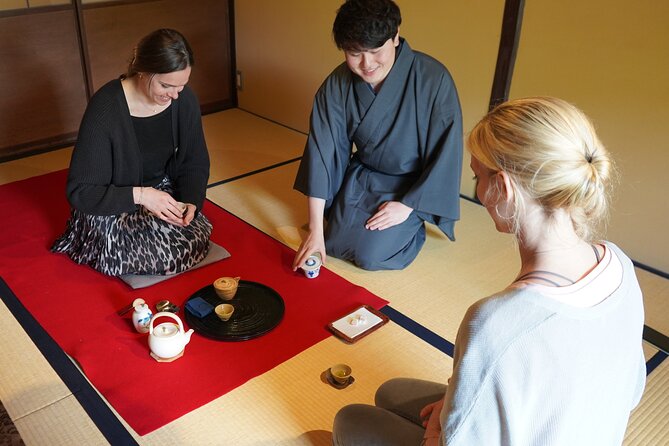
A maximum of four participants is one of the strongest features of this class. Tea ceremony can lose some of its force when you are in a large group, watching from the back while an instructor repeats a fixed script.
Here, the small format supports questions and individual practice. You can see the utensils clearly. You can follow the instructor’s hands. You have a reasonable chance to take part instead of waiting through several turns.
It also makes the workshop suitable for different types of visitors. Families can include children who are interested in doing rather than only observing. Couples can share a quiet cultural activity. Solo visitors can ask questions without feeling they need to speak over a crowd.
There is one tradeoff. A small class may have fewer available spaces, so this is not the sort of Kyoto activity I would leave until the day before. It is booked, on average, 23 days ahead. If the timing matters to you, reserve early and check the exact meeting instructions.
Price, timing, and practical value
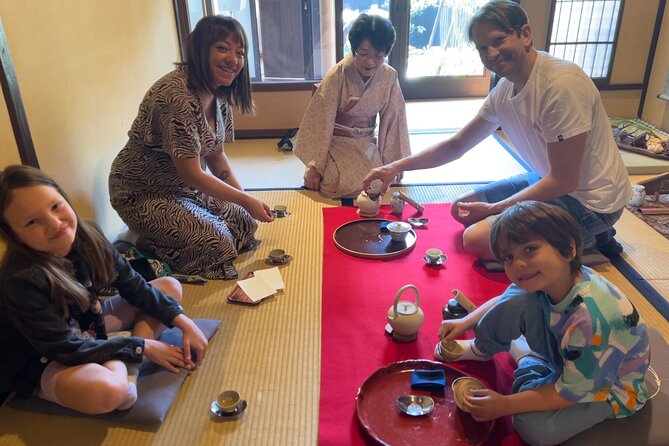
The listed price is $107.45 per person for about 1 hour and 30 minutes. That is not a bargain-priced tea and sweets stop. You are paying for a private-feeling lesson with a trained master, use of the utensils, direct instruction, cultural explanation, tea, and wagashi.
I think the price makes the most sense if you value access and participation. A brief bowl of tea can be inexpensive elsewhere, but it will not necessarily teach you how the ceremony works or let you perform the steps yourself. This activity offers more than refreshment, but less than a full-day cultural course.
The workshop is also efficient for a Kyoto itinerary. Ninety minutes leaves room for Kitano Tenmangu and other sights in the area. Since the activity returns to its starting point, you do not need to plan around a distant drop-off.
Group discounts are available, which can improve the calculation for families or small parties. The activity accepts mobile tickets, and most people can participate. Service animals are allowed. The supplied information does not promise special seating or detailed mobility arrangements, so contact the provider in advance if you have specific access needs.
Who should choose this Kyoto tea workshop
I would recommend it most strongly to you if you want a cultural activity that is intimate, instructional, and specific to Kyoto. It works particularly well for:
- First-time visitors who know matcha but not sencha
- Families looking for a hands-on activity
- Couples who want something quieter than a major sightseeing stop
- Solo visitors who enjoy asking questions and learning by doing
- Tea enthusiasts interested in Japanese schools and brewing methods
- Anyone already planning to visit the Kitano area
It may be less suitable if you want a fast, casual tasting with little ceremony. The movements are formal, and the practice requires concentration. You also need to accept that the class teaches a tradition rather than offering a theatrical show.
The workshop is conducted in a small setting, so your experience may feel more like entering a school than attending a staged tourist attraction. For many people, that is exactly the point.
Booking and cancellation details worth knowing
Free cancellation is available up to 24 hours before the start time for a full refund. Changes or cancellations made less than 24 hours before the start are not accepted for a refund.
The provider may cancel if the minimum number of participants is not met or if poor weather affects the activity. In those cases, you are offered another date or experience, or a full refund. Cutoff times use Kyoto local time, so check the clock carefully if you are making a last-minute change.
The listing says confirmation arrives at booking. Still, I would keep the confirmation and Japanese address together, especially because finding the studio may take more effort than expected.
Should you book the Sencha-do workshop?
Book it if you want to do more than watch a tea ceremony. The chance to handle the utensils, brew sencha, serve it, and enjoy it with wagashi gives the class real substance. The four-person cap and patient teaching make it a strong pick for families, couples, and curious solo visitors.
Skip it if your schedule is packed, you dislike formal rituals, or you want a simple cup of tea with no lesson attached. At $107.45, this is best understood as a personal cultural class, not a snack break.
For a first look at Kyoto’s tea traditions, I like the balance: a demonstration, useful history, hands-on practice, and a calm finish. Just plan your route carefully, allow extra time to find the studio, and book ahead if your dates are fixed.
FAQ
How long does the Sencha-do tea ceremony workshop last?
The activity lasts approximately 1 hour and 30 minutes.
What tea do you learn to prepare?
You learn to prepare and serve sencha, a brewed green tea made from steamed tea leaves. This differs from matcha, which is whisked from powdered tea.
Can I handle the tea utensils?
Yes. This is a hands-on workshop, and you are taught how to use the utensils while preparing and serving sencha.
What is included in the price?
Green tea and Japanese sweets called wagashi are included.
Where does the workshop meet?
It meets at Higashi Abe School, also identified as Gaisuian, at 668-12 Toriimaecho, Kamigyo Ward, Kyoto, postal code 602-8393. The activity ends at the same location.
How many people can join the class?
The activity has a maximum of four participants.
Is the workshop suitable for most people?
The provided information says most people can participate. Service animals are allowed, and the meeting point is near public transportation.
Can I take photographs during the class?
Yes. You are welcome to take photographs during the experience.
What is the cancellation policy?
You can cancel up to 24 hours before the start time for a full refund. Cancellations or changes made less than 24 hours before the start are not accepted for a refund. If the activity is canceled because of poor weather or an unmet minimum, you are offered another date or experience, or a full refund.
More Green Tea Tours in Kyoto
- Matcha Green Tea Plantation and Matcha Factory Visit
★ 5.0 · 6 reviews - Family Mitsui House Museum with green tea admission ticket
★ 4.0 · 5 reviews - Experience all of Japanese culture and Japanese food experience classes “origami, udon, Japanese food, green tea, calligraphy” in 4 hours
★ 5.0 · 105 reviews - Uji: Green Tea Tour with Byodoin and Koshoji Temple Visits
★ 4.8 · 72 reviews
Fresh tea listings around Kyoto
- Traditional Tea Ceremony in Kyoto★ 4.5 · 3 reviews
- Kyoto: Authentic Tea Ceremony in a Small Group★ 5.0 · 7 reviews
- Uji Walking Tour – Byodo-in temple and Tea Ceremony from Kyoto★ 3.5 · 3 reviews
- Tea Ceremony Experience in Traditional Kyoto Townhouse★ 5.0 · 19 reviews
- Tea Ceremony in 150 Years Old Townhouse with Tables and Chairs★ 5.0 · 22 reviews
- Tea ceremony at Kyoto’s Zen Temple Teahouse★ 5.0 · 2 reviews
- Silent Beauty of Kyoto Zen Walk and Tea Experience★ 5.0 · 2 reviews
- KYOTO: Private Tea Ceremony in Hidden Townhouse (Kid-Friendly)★ 5.0 · 20 reviews
Tea Ceremony Experiences, compared.
Kyoto: Tea Ceremony in a Traditional Tea House in Kiyomizu
Read our review →
Kyoto: 45-Minute Tea Ceremony Lesson Experience
Read our review →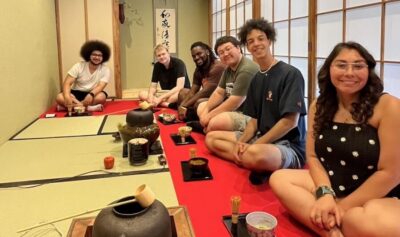
Kyoto: Table-Style Tea Ceremony at a Kyo-Machiya
Read our review →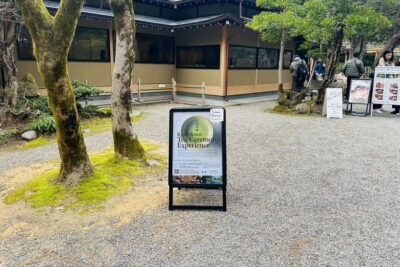
Browse the lists this tour appears in