
Review · GREEN TEA TOURS
Uji: Green Tea Tour with Byodoin and Koshoji Temple Visits
Uji’s tea culture makes sense only when you see how samurai, temples, and family tea shops fit together. This four-hour walk links those pieces neatly, from a teahouse operating since 1160 to a careful tasting of high-grade Gyokuro, followed by Byodoin, Ujigami Shrine, and Koshoji Temple.
I like the balance here: you get a real tea lesson rather than a quick sample, and you also see Uji’s river, wooded hills, shrines, and temples. Guides such as Bryan, David, Ferdinand, Damien, and Kevin have been praised for clear explanations, local context, and help with practical details such as finding the correct train afterward. The catch is simple: this is a walking tour with stairs, so it is not a good fit for limited mobility, back problems, or heart problems.
Key points to know before booking
- Taste Gyokuro properly: Learn how brewing time and technique change the flavor, then eat the softened tea leaves with ponzu sauce.
- Visit a tea house dating to 1160: Hear how one samurai vassal’s family became the shop’s 24th generation of tea merchants.
- See three important religious sites: Byodoin, Ujigami Shrine, and Koshoji each reveal a different part of Uji’s past.
- Walk beyond central Kyoto: Uji is about 30 minutes from central Kyoto by local train, with river views and fewer crowds.
- Expect a physical half-day: The route includes stairs, hills, and outdoor walking in all weather.
- Choose a guide who fits your style: English and Spanish tours are offered, with private and small-group options.
Why Uji makes a better tea outing than a quick Kyoto tasting
Kyoto has no shortage of matcha sweets and tea counters. Uji offers something more useful: a place where tea remains tied to farming, water, family businesses, religion, and regional identity.
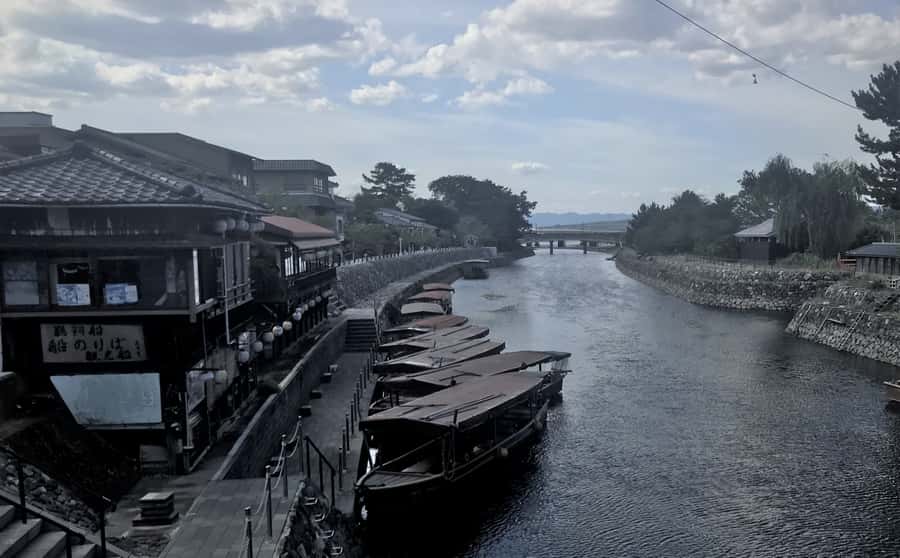
The town is roughly 30 minutes from central Kyoto areas such as Kyoto Station or Gion by local train. That makes it an easy side trip, yet the feel changes quickly. The Uji River opens the view, mountains rise nearby, and the route leaves the dense temple traffic of central Kyoto behind.
I especially like that this tour does not treat tea as a stand-alone food trend. You learn why Uji tea is prized, how it is brewed, and how its use connects with old religious and political power. The guide helps connect details that are easy to miss when walking alone.
The four-hour length is useful. It gives you enough time for a proper tasting and several major sites without turning the day into a rushed checklist. You should still expect a fairly active morning or afternoon, not a seated tea class with a few sightseeing stops attached.
More Green Tea Tours in Japan
- Experience all of Japanese culture and Japanese food experience classes “origami, udon, Japanese food, green tea, calligraphy” in 4 hours
★ 5.0 · 105 reviews - Scenic Green Tea Fields of Hidden Kyoto & Local Tea Exp (Private)
★ 5.0 · 32 reviews - Osaka; Japanese Tea ceremony experience, Macha and Sencha
★ 4.9 · 29 reviews
Starting at Uji Station and the oldest operating teahouse
The meeting point is the only exit at Keihan Uji Station. An escalator reaches ground level, which makes the station relatively simple to find, but you should still arrive ready to begin walking.
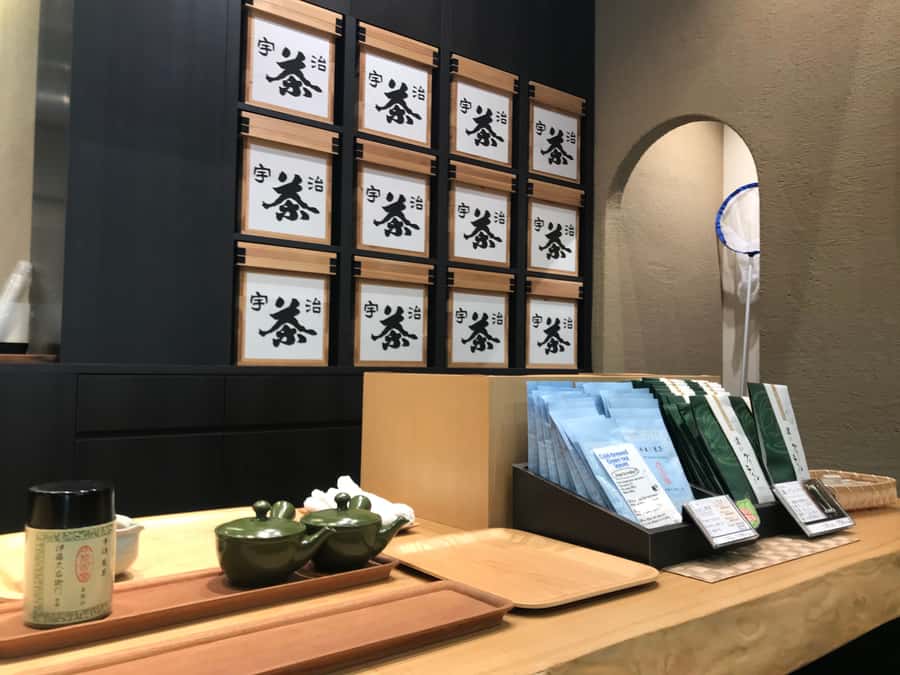
The opening stop is a tea house said to have operated since 1160. That date gives the experience real weight. You are not simply buying a packet of matcha in a modern shop. You are hearing how a former vassal of a famous samurai warrior became the head of a tea family that has continued for 24 generations.
That family story helps explain why tea in Uji is more than a drink. Political connections, land, religious institutions, and careful craft all helped shape the town’s tea trade. Your guide can place the shop within that larger story, rather than leaving you with a list of production terms.
This is also a good point to ask questions. Guides have been praised for adapting their explanations to different interests, from Japanese customs and temple etiquette to anime, manga, and general questions about Kyoto. If you have a curious guide such as Bryan, David, or Ferdinand, this early stop can set the tone for the whole visit.
The Gyokuro tasting and tea-leaf surprise
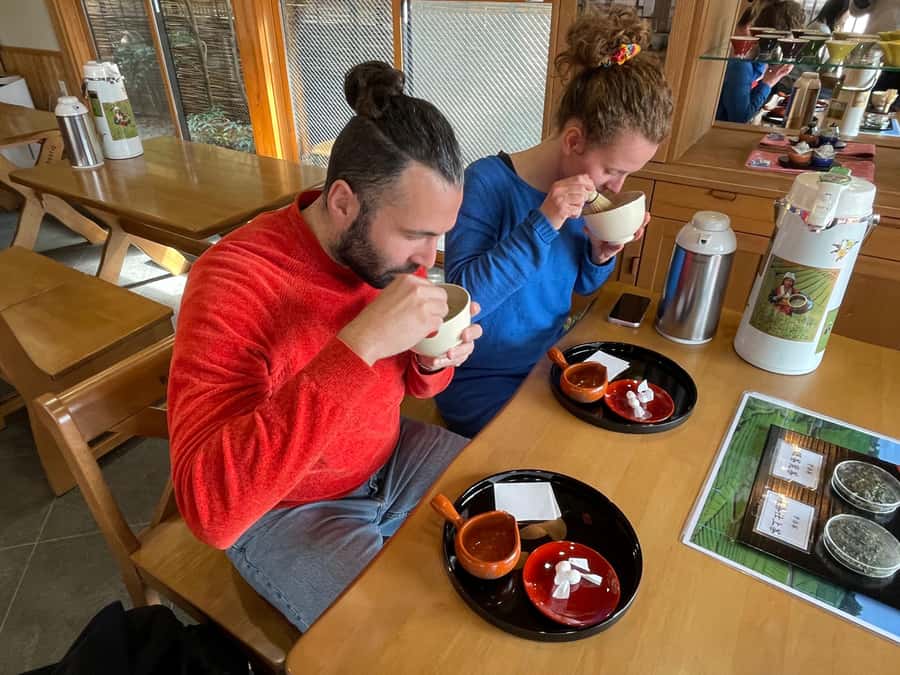
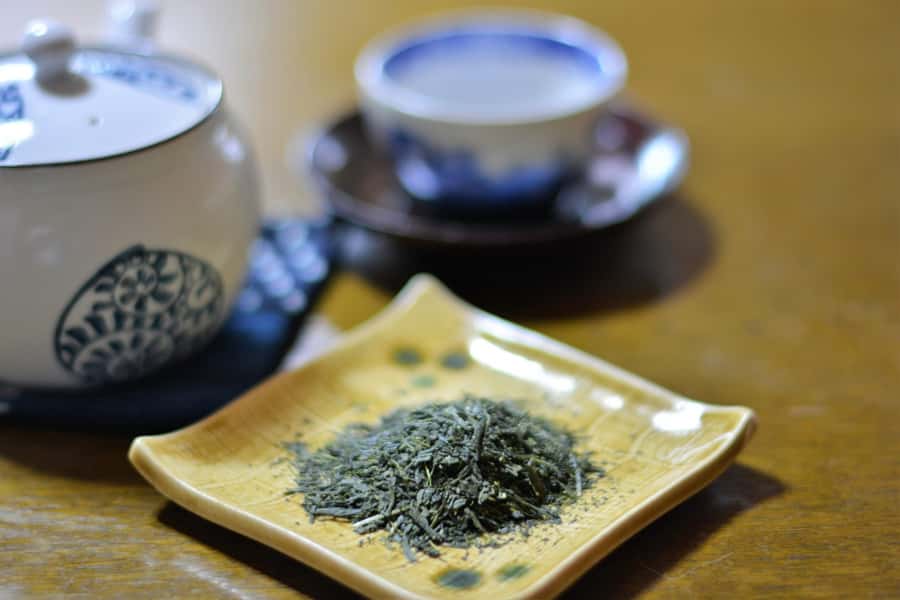
The tea portion is the heart of the tour. You taste high-grade Gyokuro and learn how it is grown, prepared, and brewed. Gyokuro is not presented as simply another green tea. The point is to notice its character and understand why careful preparation matters.
The brewing lesson gives you something practical to take home. A change in water, timing, or method can alter the cup’s taste. The guide explains those changes while you try the tea, so the lesson is tied to your own senses rather than abstract instructions.
One unusual detail makes this more memorable: after drinking the tea, you can mix the remaining leaves with ponzu sauce and eat them. It is a small but revealing touch. The leaves are treated as food, not waste, and the tasting becomes a fuller look at how tea is used.
The experience includes both a Gyokuro green tea experience and tea tasting. Food and drinks outside this portion are not included, so plan to buy lunch, sweets, or another drink separately. Uji’s tea shops and restaurants make that easy later in the route, but do not assume the tasting will replace a meal.
A practical warning: the tasting may not always go exactly as planned. One group had to adjust when the tea tasting was sold out, and the guide adapted. That suggests flexibility is part of the experience, but it also means you should not book this solely for one guaranteed tea-shop transaction. The wider Uji walk and temple visits carry much of the value.
Ujigami Shrine, natural spring water, and wooded paths

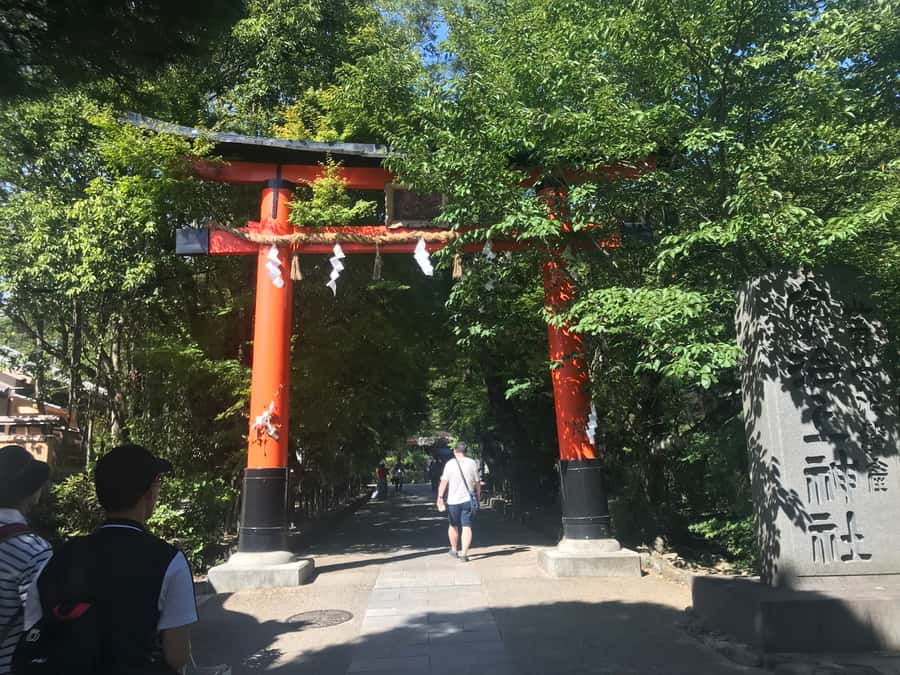
After tea, the route moves into greener surroundings toward Ujigami Shrine. The shrine is described as Japan’s oldest original Shinto shrine and is listed as a UNESCO World Heritage Site. It houses Uji’s guardian deities and offers a quieter setting than the main shopping streets.
The connection to tea is especially interesting. Ujigami Shrine contains the last remaining source of natural spring water in the area, and tea houses have traditionally collected water there for brewing. You can step into the stone grotto and purify yourself with the spring water.
This stop is a good example of why a guide helps. Shinto and Buddhism can seem confusing when you move from one shrine or temple to another without context. Guides have explained how to perform a blessing and how to behave respectfully at religious sites, while also making clear that you do not need to perform every action perfectly.
The route through the trees also changes the pace. After the focused tasting, you get shade, stone paths, and a little quiet. Still, do not mistake this for an effortless stroll. The tour includes stairs and uneven outdoor walking, and the rain-or-shine policy applies to the entire route.
Same city, a very different cup:
- Kyoto: Tea Ceremony in a Traditional Tea House in Kiyomizu
★ 4.9 · 3,519 reviews - Kyoto: Tea Ceremony Ju-An at Jotokuji Temple
★ 4.9 · 3,207 reviews - Kyoto: 45-Minute Tea Ceremony Lesson Experience
★ 4.3 · 2,378 reviews - World Heritage Kyoto & Nara Uji Authentic Matcha Experience
★ 5.0 · 1,573 reviews
Crossing the Uji River toward Byodoin

The Uji River is one of the visual highlights. You cross the river and follow the approach toward Byodoin Temple, passing a street lined with tea shops that reach back to the medieval period. This is where Uji’s present-day tea trade and older pilgrimage traditions meet.
You will find tea-themed snacks, drinks, gifts, and restaurants along the way. Matcha noodles and matcha ice cream are among the options noted along this stretch. These purchases are not part of the tour price, but the street is a useful place to continue your tea exploration after the guided portion.
The river crossing also gives the group a natural pause. Guides have been praised for allowing time for photographs and keeping the pace relaxed. That matters in Uji, where the pleasure comes from looking around rather than rushing from one ticket gate to the next.
Byodoin Temple and the Phoenix Hall
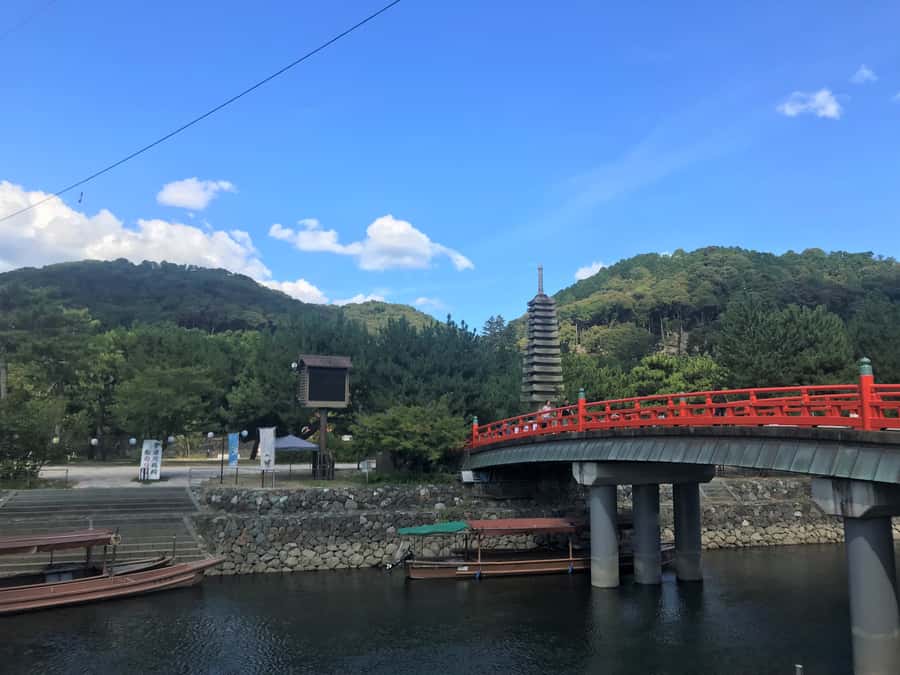
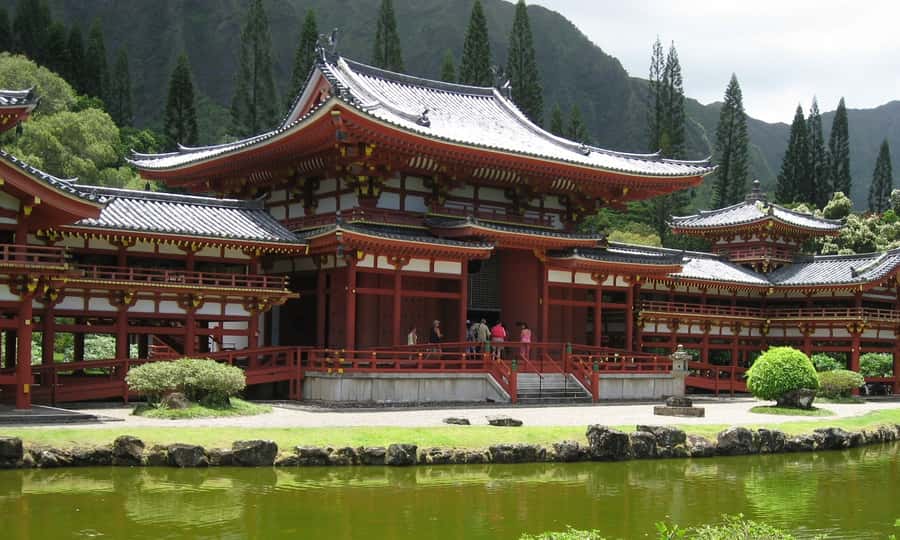
Byodoin is the major architectural stop, and admission is included. The temple is a UNESCO World Heritage site best known for Phoenix Hall, the elegant building shown on the Japanese 10-yen coin.
The tour uses Byodoin to connect architecture with Buddhist belief, the Heian period from 794 to 1185, samurai power, and the growth of tea culture. You are not only looking at a famous building. You are learning why the site mattered and how religious ideas shaped the people and institutions around it.
The modern museum is another strong part of the visit. It displays Buddhist art and older objects while offering a clearer explanation of the temple’s spiritual purpose. Some guests have found the museum particularly powerful when paired with quiet storytelling from the guide.
Byodoin can draw more people than the wooded paths around Koshoji or Ujigami Shrine. Arriving early may help if your schedule allows, although the tour’s exact starting time depends on availability. One group began early and found the temple nearly empty, while another guide stayed beyond the planned four hours when the visit took longer. Do not count on extra time, but a private or small-group format may allow more flexibility.
Koshoji Temple and a final stretch of quiet
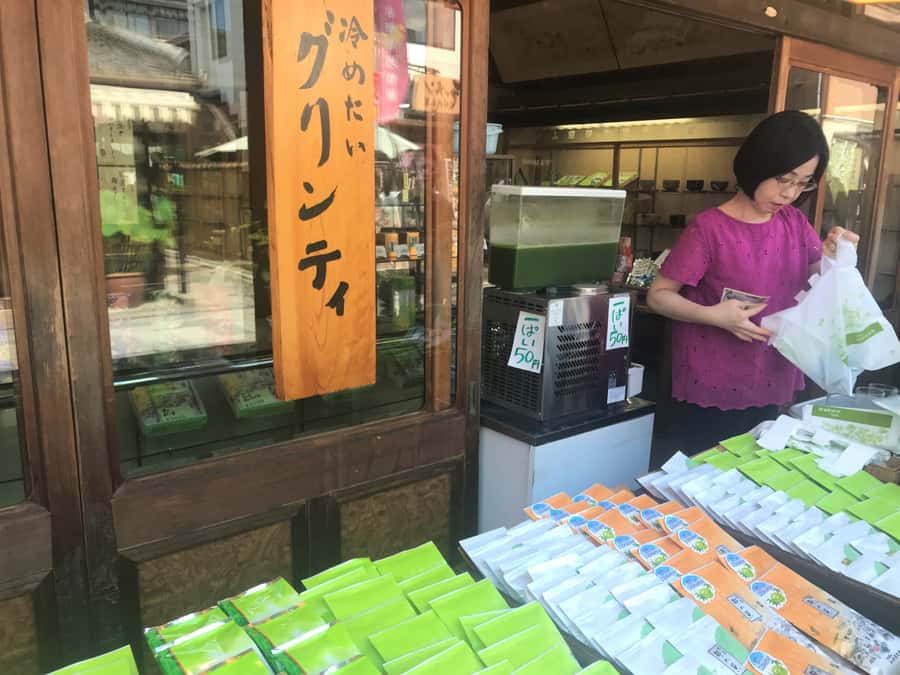
Koshoji Temple gives the tour a different ending. Rather than finishing among shops, you head into the mountain area, where the temple hugs the slope and the setting encourages a slower pace.
This is the place to let the day settle. Byodoin gives you grand architecture and a museum. Ujigami Shrine gives you sacred spring water and wooded paths. Koshoji adds mountain scenery and a Zen atmosphere.
The temple visit also keeps the itinerary from becoming a tea-only excursion. If you are interested in Japanese religion, architecture, and local history, the mix feels well judged. If you care only about tasting tea, the temple stops may feel like a lot of walking around your main interest.
Admission to Koshoji is included. The route back ends at the original meeting point, so you do not have to solve a new transportation plan at the end. Still, ask your guide about the return train if you are unfamiliar with the station system. Kevin, for example, has helped a visitor get onto the correct train after the tour.
What $111 buys you
At $111 per person, this is not the cheapest way to see Uji. You can visit the town independently for the cost of local transportation and individual admissions. The real question is what the guide adds.
You receive admission to Byodoin and Koshoji, a guided Gyokuro tasting, a tea lesson, and several hours of historical and cultural explanation. You also avoid having to research how the tea house, shrine, river route, and temples fit together.
For a private or small group, the price is easier to justify. You get the chance to ask questions and, depending on the guide and schedule, adjust the pace. A larger group may be less personal, but it can still work well if you want an organized introduction to Uji.
I would book this if you are already paying for several major Kyoto sights and want one outing that explains the area rather than simply showing it to you. I would skip it if you prefer spontaneous wandering, dislike scheduled tastings, or want to spend the whole day sampling food and shopping.
Free cancellation up to 24 hours before the start and the reserve-now, pay-later option reduce the financial risk. Those policies are helpful, but the more important planning issue is physical comfort. Wear comfortable shoes and be prepared for stairs, slopes, and changing weather.
Which guide style may suit you?
The guide matters a lot on a culture-heavy tour. Bryan has been praised for bringing Uji’s past to life, explaining shrine and temple customs, and finding quieter paths away from the main crowds. David has been noted for detailed explanations of tea, shrines, and temples, along with a relaxed pace and flexibility.
Ferdinand’s strength is broad cultural explanation. He has connected tea, religion, traditions, and Japanese social customs in a way that helps visitors from Western backgrounds ask better questions. Damien has received praise for flexibility, clear explanations of Shinto and Buddhist practices, and making the morning easy to manage.
Other named guides include Kevin, Lito, Mardi, and Brian. The exact guide is not guaranteed, so book for the itinerary and format rather than for a particular person. If your booking allows a request, it may be worth asking.
The tour is offered in English or Spanish. Private and small-group formats are available, which is useful for families or couples who want more room for questions. One family of five found the format worthwhile, while other groups appreciated guides taking photographs and sharing Kyoto recommendations.
Who should book this Uji tour?
You are a strong match if you want tea with context, not just a sweet matcha drink. The tour also suits first-time visitors who want help understanding the difference between Shinto shrines and Buddhist temples.
It is especially useful as a side trip from Kyoto when you want river views, wooded paths, and a slower setting without committing to a full day away. Families can enjoy the variety, though children should be comfortable walking and handling stairs.
You should think twice if you have mobility limitations, back problems, or heart problems. The tour is not recommended for those conditions, and rain does not cancel the walking route. Comfortable shoes are essential.
Should you book the Uji Green Tea Tour?
Book it if you want a well-shaped half-day that joins Gyokuro, Uji’s old tea families, and major religious sites. The tea tasting is distinctive, the temple admissions are included, and the guides add the cultural links that are hard to build on your own.
Skip it if you want a slow café visit, a full meal, or a completely self-directed day. At $111, the value comes from the guide, the organized route, and the interpretation. For visitors who want to understand why Uji matters, that is a fair trade.
FAQ
Where does the tour begin?
The tour begins at the only exit of Keihan Uji Station. An escalator goes up to ground level.
Where does the tour end?
The activity ends back at the meeting point.
How long does the tour last?
The tour lasts four hours. Starting times depend on availability.
What languages are available?
Live guiding is available in English and Spanish.
Is the tea tasting included?
Yes. The tour includes a Japanese Gyokuro green tea experience and tea tasting.
Are temple entrance fees included?
Yes. Admission to Byodoin Temple and Koshoji Temple is included.
Is food included?
Food and drinks outside the tea experience are not included. You may find restaurants, tea shops, and matcha treats along the route.
Is the tour suitable for people with limited mobility?
No. The tour is not recommended for people with limited mobility, back problems, or heart problems. Stairs are involved, and the tour operates rain or shine.
Fresh tea listings around Japan
- Cycling Tour at Uji’s Matcha Green Tea Fields and Heritage★ 5.0 · 10 reviews
- Asakusa Cultural Walk & Matcha Making Tour★ 4.5 · 7 reviews
- Authentic Tea Ceremony & Sushi in The Museum of Kyoto★ 5.0 · 3 reviews
- Authentic Japanese tea tasting: sencha, matcha and gyokuro★ 5.0 · 12 reviews
- At an Antique Shop, Tea Ceremony and Japanese Sweets Forming★ 5.0 · 5 reviews
- Authentic Japanese Tea Ceremony Experience in Kamakura★ 4.5 · 8 reviews
- Japanese Sweets Making & Tea Ceremony in Yokohama, suburban Tokyo★ 5.0 · 4 reviews
- Matcha tasting for all five senses at Hotel Yokohama★ 5.0 · 7 reviews
Green Tea Tours, compared.

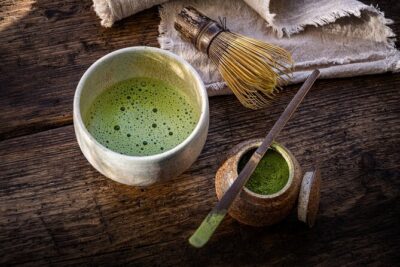
Scenic Green Tea Fields of Hidden Kyoto & Local Tea Exp (Private)
Read our review →
Osaka; Japanese Tea ceremony experience, Macha and Sencha
Read our review →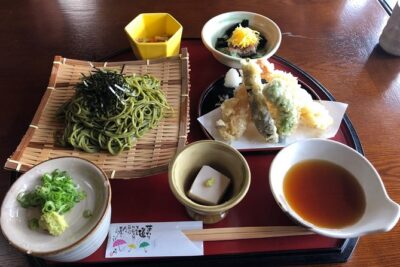
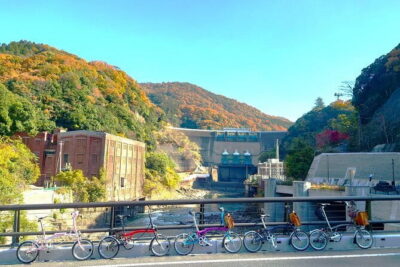
Slow Cycling Tour at Uji’s Matcha Green Tea Fields and Heritage
Read our review →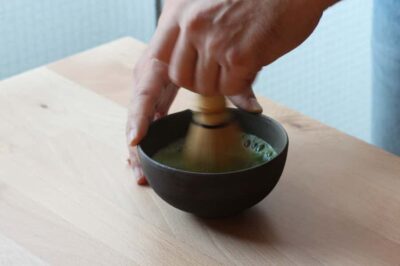
Authentic Japanese tea tasting: sencha, matcha and gyokuro
Read our review →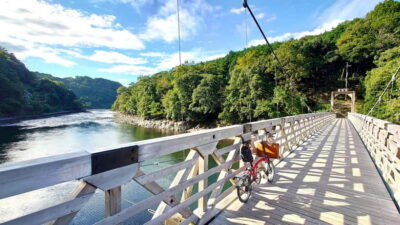
Cycling Tour at Uji’s Matcha Green Tea Fields and Heritage
Read our review →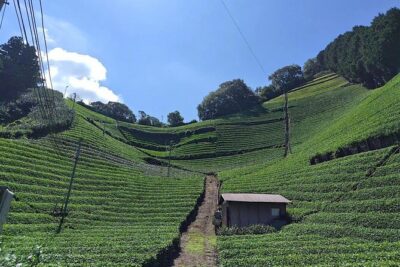
Small Group Japanese Green Tea Tasting in Shizuoka
Read our review →Browse the lists this tour appears in