
Review · MATCHA EXPERIENCES
7 Hours Private Guided Tour Uji and Wazuka Matcha Farm
Uji’s tea story becomes far more interesting when you leave the famous shops and reach Wazuka’s working farms. This private day with Masae combines Byōdō-in and Uji’s old tea town with tea fields, farmer conversations, hands-on picking, and tastings of premium matcha connected to a farm once owned by the Imperial Family.
I like the personal scale and the unusual access. You get at least three teas, a Japanese lunch in a traditional home, and time with a fifth-generation tea farmer rather than a quick stop at a shop. The main drawback is the price, $520 per person, and the farm road can be muddy and bumpy, so this is not the easiest choice for every budget or mobility level.
Key points at a glance
- Uji begins the story: Start at Uji Station, visit Byōdō-in, and walk through one of Japan’s most important tea towns.
- Wazuka is the rural centerpiece: Reach the tea hills where matcha has been produced for more than 800 years.
- Meet a fifth-generation farmer: Learn how tea is grown and handled from someone whose family has worked the fields for generations.
- Taste more than one kind of tea: Sample at least three local teas, including premium ceremonial-grade matcha.
- Lunch is part of the culture: Enjoy a carefully prepared Japanese lunch set in a traditional-style home, with a vegetarian option available if requested ahead of time.
- Private and personal: Only your group takes part, with Masae guiding the day in English.
Starting in Uji, where temples and tea meet
You meet Masae at Uji Station, conveniently near public transportation. Uji is compact enough to explore on foot, but it carries more historical weight than its size suggests. The town is known for Japan’s oldest bridge, its connection with tea, and the elegant Byōdō-in temple.
The first major stop is Byōdō-in, one of Japan’s most recognizable Buddhist temples. Its Phoenix Hall is especially famous, and the temple gives you a useful starting point for understanding Uji’s place in Japanese culture. This is not simply a photo stop before the tea begins. The temple helps set the scene for a town shaped by religion, literature, tea production, and refined taste.
Masae also guides you through town, so you are not left to guess which streets or traditions matter. Her background is part of the appeal. She has traveled widely, lived overseas for more than seven years, and returned to her home area to share its tea culture. That makes her a natural bridge for English-speaking visitors who want context without a stiff lecture.
The exact order of the stops can vary, but you should expect the Uji portion to provide the cultural frame, then Wazuka to show where the tea itself begins.
More Matcha Experiences in Uji:
- Kyoto: Tea Museum Tickets and Matcha Grinding Experience
★ 4.9 · 739 reviews - Slow Cycling Tour at Uji’s Matcha Green Tea Fields and Heritage
★ 5.0 · 25 reviews - Kyoto Matcha Green Tea Tour
★ 4.5 · 23 reviews
Leaving Uji for Wazuka’s tea hills
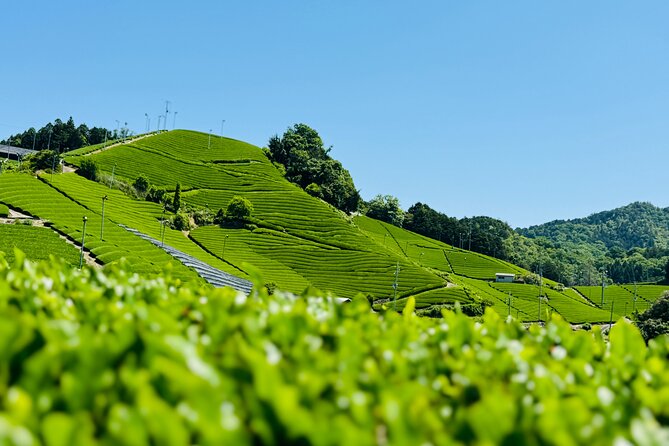
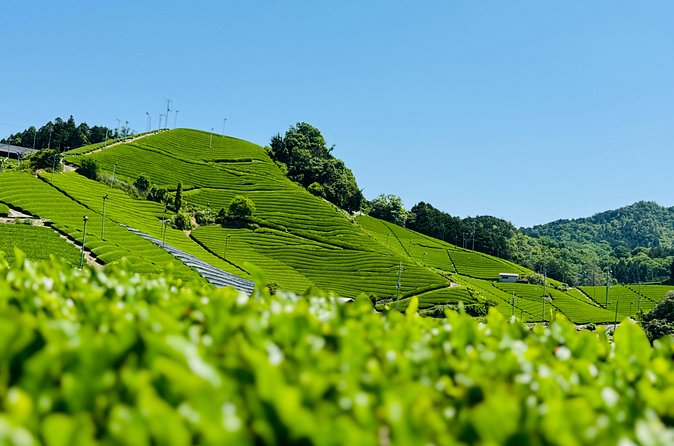
Wazuka is the quieter half of the day. Its rolling tea fields look very different from the temple streets of Uji, and that contrast is one of the tour’s strongest features. You move from a historic town with well-known sights into a rural tea-growing area where farming remains central to daily life.
The area has produced high-quality tea for more than 800 years. The connection to the Imperial Family gives the tea farm visit extra historical interest, but the real value is seeing the work behind the drink. Matcha does not begin as a bright green powder in a café bowl. It starts as carefully grown tea leaves, shaped by the soil, weather, shade, picking, and processing.
The included viewpoint visit gives you a broader look at the tea country. This is a good place to slow down and understand how the fields fit into the hills around Wazuka. Bring a camera if you like scenic views, but do not expect a formal sightseeing platform with a long list of facilities. The attraction is the setting itself and the chance to see a working tea region.
Farm access may be bumpy and muddy. Wear shoes with a firm sole and clothes that can handle a little dirt. The note matters most after rain, and anyone who dislikes uneven ground should ask for current conditions before booking.
Walking a working tea farm
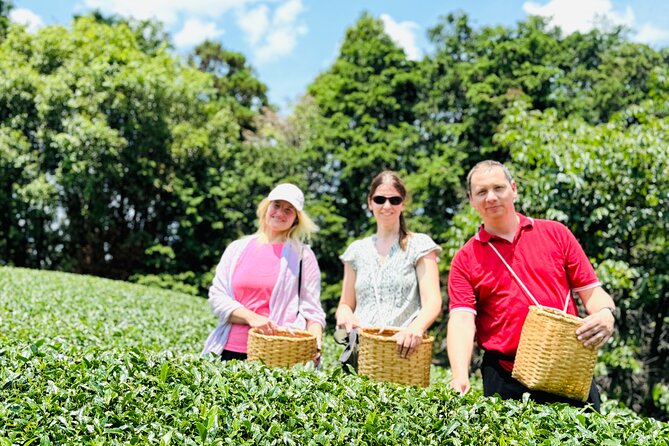
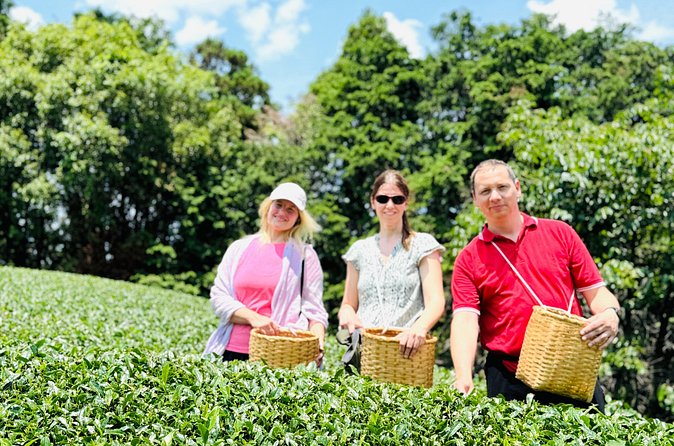
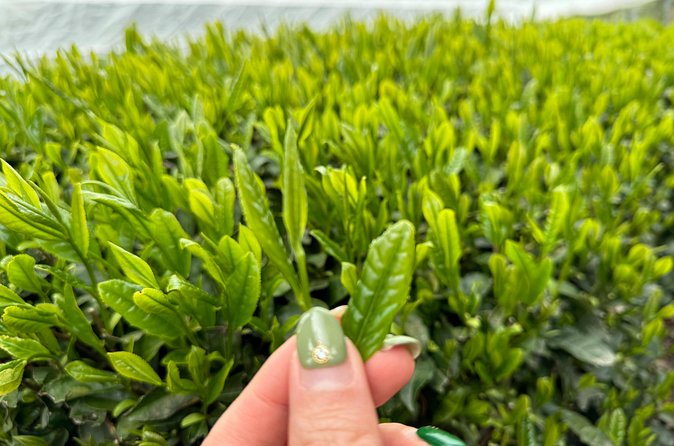
The farm walk is more useful than a simple view of tea rows because it connects the scenery to the product in your cup. You can see the plants up close, learn about their care, and try hand-picking tea leaves. That small activity helps explain why premium tea depends on timing and careful handling.
A fifth-generation tea farmer takes part in the experience. This gives you direct contact with a family trade rather than a generic demonstration designed only for sightseeing. You can ask questions about the fields, the craft, and the difference between teas while standing in the place where the leaves are grown.
The farm’s Imperial Family connection is also part of the story. Tea from this source was once reserved for the Imperial Family, which helps explain the emphasis on quality. Still, the most useful lesson is practical: premium matcha is the result of careful farming and processing, not simply a high price or a striking green color.
The walk is likely to appeal most to people who want to understand tea from the ground up. If you only want to drink matcha and take a few pictures, the full private tour may feel longer than necessary. If you enjoy food origins, traditional crafts, and conversations with local producers, this is where the day earns its keep.
Learning to taste matcha instead of simply drinking it
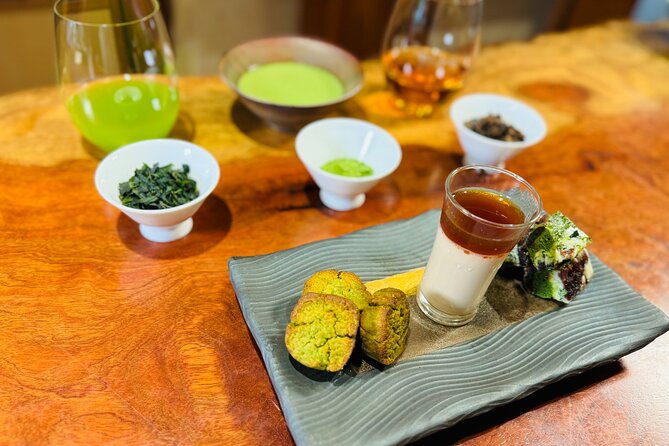
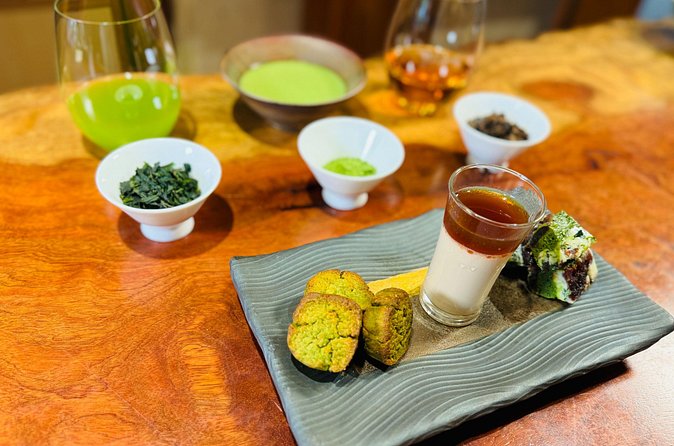
Tea tasting is included, with a minimum of three different kinds of local tea. That comparison is important. One cup tells you what a tea tastes like. Several cups help you notice differences in aroma, texture, sweetness, bitterness, and finish.
The experience includes premium matcha described as ceremonial grade. You also get coffee and/or local tea tasting, depending on the day’s arrangements. Ask Masae what you are tasting as each cup arrives, since the value is not only in the number of samples but in learning how to compare them.
You also have a chance to whisk matcha in the traditional Zen style. The activity gives you a physical sense of the preparation, from handling the powder to creating the familiar foam. It is a simple action, but doing it yourself makes the tea ritual easier to understand than watching someone else perform it.
You can take home some of the premium matcha from the farm. This is a practical advantage over a tasting alone. It lets you revisit the experience later, though the supplied details do not specify the amount included or whether additional tea is purchased separately. Ask before the tasting if you want to plan space in your luggage.
More Farm Visits in Uji:
- Uji and Wazuka Matcha Farm Half Day Private Guided Tour
★ 5.0 · 21 reviews - Nairobi to Kiambethu Tea Farm Tour
★ 5.0 · 51 reviews - Private Day Trip to Kiambethu Tea Farm in Limuru from Nairobi
★ 5.0 · 31 reviews - Day Tour To Kiambethu Tea Farm in Limuru
★ 5.0 · 22 reviews
A Japanese lunch in a traditional home
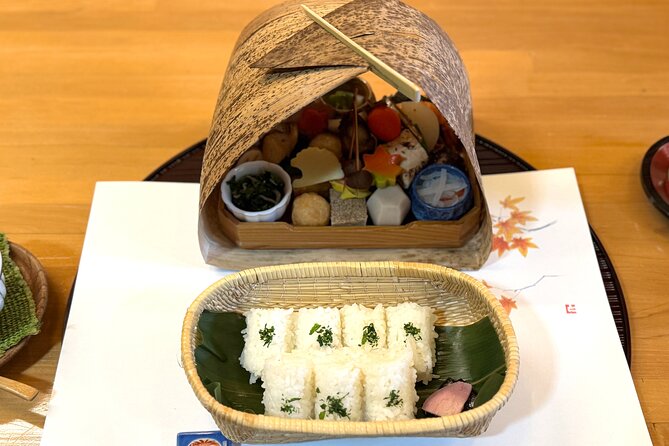
Lunch is a Japanese lunch set served in a traditional-style home. The setting matters. Instead of treating food as a break between attractions, the meal becomes another way to experience local customs and presentation.
The meal is described as delicately crafted, but you should not assume that every dish will suit your diet unless you arrange it in advance. A vegetarian option is available with advance request. If you need vegetarian food, mention it when booking rather than waiting until the morning of the tour.
Extra drinks, snacks, and food purchased on the street are not included. That is a small point, but it affects your spending on a long day. The included lunch should cover the main meal, while casual purchases in Uji remain your responsibility.
The private format also makes lunch feel less rushed. With only your group taking part, you can ask about unfamiliar dishes and tea customs without trying to keep up with a large crowd. That personal pace is one reason the cost can make sense for the right group.
What $520 per person really buys
At $520 per person, this is an expensive day trip. The price is easier to justify for a couple, family, or small group that values privacy, a dedicated guide, and access to a working farm. It includes the viewpoint visit, farm walk, tea tastings, lunch, Uji guiding, and the private arrangement.
You are also paying for the shape of the day. A standard Uji visit can cover a temple, a tea shop, and a few streets without explaining how the tea is grown. This experience links the temple town with the farming community and gives you a farmer-led perspective.
The value drops if your main goal is a cheap matcha tasting. You can find tea shops in Uji without booking a private excursion. You should choose this tour because you want the full connection between place, people, farming, food, and preparation.
Group discounts may be available, which makes the cost worth checking if you are traveling with several people. Since the price is listed per person, ask how the discount applies to your party before confirming.
Six hours, or closer to seven?
The tour title describes a seven-hour private guided tour, while the stated duration is approximately six hours. That difference is worth clarifying before you book. Travel time, the exact farm schedule, and the order of the stops may affect the final length.
The day begins and ends at Uji Station. The tour does not provide a separate return location, so you should plan your onward travel from the same meeting point. This is convenient if you are staying in Kyoto or connecting through nearby rail service, but allow time after the tour if you have a fixed dinner reservation or train.
The experience is booked, on average, about 28 days ahead. That suggests you should not leave it until the last moment, especially if you need a particular date or a vegetarian lunch. Confirmation arrives at booking, and free cancellation is available until 24 hours before the start time. Changes or cancellations inside that window are not refunded.
Who will enjoy this private tea day?
I would recommend it most strongly to matcha enthusiasts, food-focused visitors, families, solo travelers who prefer a personal guide, and anyone who wants more than a quick Uji photo stop. Masae’s fluent English and local connection are especially useful if you want to ask detailed questions about tea ritual, farming, and Japanese culture.
It also suits people who enjoy meeting producers. The fifth-generation farmer and local tea setting give the day a human side that a shop-based tasting cannot provide. The two available ratings are both five out of five, and the strongest praise focuses on the depth of the tea instruction, Masae’s English, her friendliness, and how quickly the seven-hour day passes.
I would be more cautious if you have a tight schedule, a limited budget, or difficulty walking on muddy and uneven farm access. This is a private activity, but private does not mean effortless. You still move between an urban town, rural fields, and a farm road.
Service animals are allowed, and the activity is near public transportation. The information provided does not give a detailed accessibility plan, so contact the provider before booking if you need help with surfaces, transfers, or seating.
Should you book the Uji and Wazuka matcha tour?
Book it if you want to understand how matcha moves from tea field to cup, and if you value a private guide who can connect Uji’s temples with Wazuka’s farming traditions. The tea tasting, hands-on whisking, traditional lunch, and farmer meeting create a fuller day than a standard Uji sightseeing walk.
Skip it if you only want a short tea ceremony, a low-cost tasting, or a simple temple visit. At $520 per person, the price demands real interest in tea and local culture. For the right visitor, though, this is a rare chance to leave the tea counter, walk among the plants, and meet the people who make the drink possible.
FAQ
Where does the tour begin?
The tour begins at Uji Station in Uji, Japan. The listed address is 17 Uji Umonji, Uji, Kyoto 611-0021.
Where does the tour end?
The activity ends back at the meeting point, Uji Station.
How long does the tour last?
The tour title describes seven hours, while the stated duration is approximately six hours. Confirm the expected timing with the provider before booking.
Is this a private tour?
Yes. Only your group participates in the activity.
Who leads the tour?
The tour is led by Masae, who has traveled to more than 40 countries, lived overseas for more than seven years, and returned to her home area to share its matcha and cultural traditions.
What is included?
The tour includes a viewpoint visit, a tea farm walk, tasting of coffee and/or local tea with at least three different kinds, a Japanese lunch set, and guiding through Uji.
Is a vegetarian lunch available?
Yes. A vegetarian lunch option is available when requested in advance.
How many teas will I taste?
The experience includes a minimum of three different kinds of tea. It also includes premium ceremonial-grade matcha tasting.
Can I buy extra food or drinks?
Extra drinks, snacks, and street food are not included, but they are available for purchase.
Is the farm easy to access?
The farm access can be bumpy and muddy. Wear suitable shoes and contact the provider ahead of time if you have mobility concerns.
Are service animals allowed?
Yes. Service animals are allowed.
Can I cancel for a full refund?
Yes, if you cancel at least 24 hours before the experience start time. Cancellations or changes made less than 24 hours before the start time are not refunded.
Fresh tea listings around Uji
- Uji: Private immersion into Kyoto’s tea and reglious culture★ 5.0 · 17 reviews
- Uji Tea Ceremony and UNESCO Heritage Walking Tour★ 5.0 · 20 reviews
- Kyoto tea town for matcha lovers★ 5.0 · 16 reviews
- Kyoto Matcha Green Tea Tour★ 4.5 · 23 reviews
- Utilising upcycled Matcha! Creating matcha incense (Uji, Kyoto)★ 5.0 · 6 reviews
- Uji and Wazuka Matcha Farm Half Day Private Guided Tour★ 5.0 · 21 reviews
- Half Day Matcha Tour in Uji, home of culture, with a local★ 4.8 · 14 reviews
- Kyoto: Tea Museum and Tsuen Teahouse Guided Tour★ 5.0 · 2 reviews
Matcha Experiences, compared.
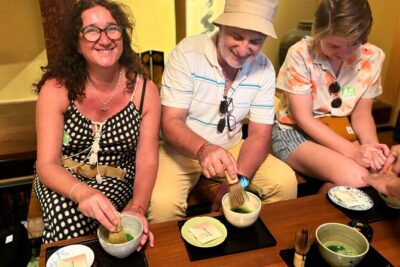
World Heritage Kyoto & Nara Uji Authentic Matcha Experience
Read our review →
Matcha Making Class in Tokyo with Authentic Japanese Sweets Set
Read our review →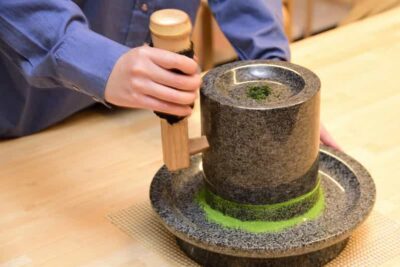
Kyoto: Tea Museum Tickets and Matcha Grinding Experience
Read our review →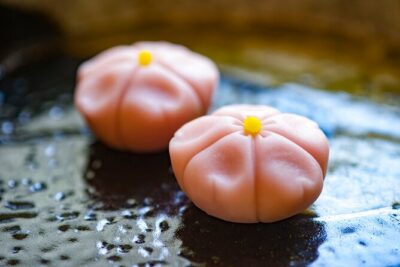
Matcha Making Class in Osaka with Authentic Japanese Sweets Set
Read our review →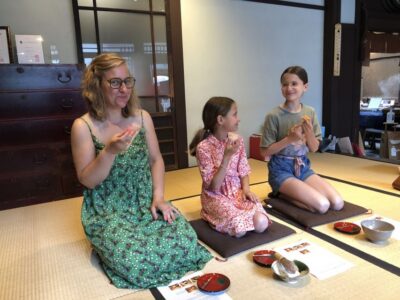
Kyoto: Tea Ceremony Meditation – Make Matcha with Tea Master
Read our review →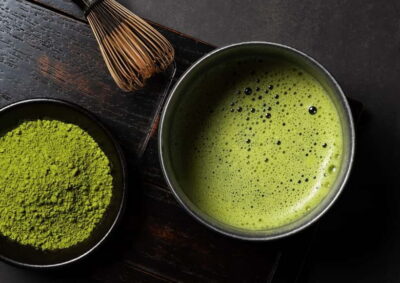
Tokyo: Matcha Making Experience with Mochi Sweets in Asakusa
Read our review →
Kyoto: Kimono Tea Ceremony with Matcha and Sweet
Read our review →
Browse the lists this tour appears in