
Review · TEA FACTORY TOURS
Kyoto: Tea Museum and Tsuen Teahouse Guided Tour
Uji’s tea story comes together nicely in this compact tour. You begin at the modern Chazuna Tea Museum, then walk into Tsuen, a teahouse founded in 1160 at the foot of Uji Bridge. The contrast is the point: one stop explains tea, and the other lets you feel its place in daily life.
I like the clear two-part design and the tea and sweets tasting at Tsuen. I also like that this is a private-group tour, with an English or Japanese-speaking local guide. The main drawback is the short 90-minute length, so this is a focused introduction rather than a full day in Uji.
Key points
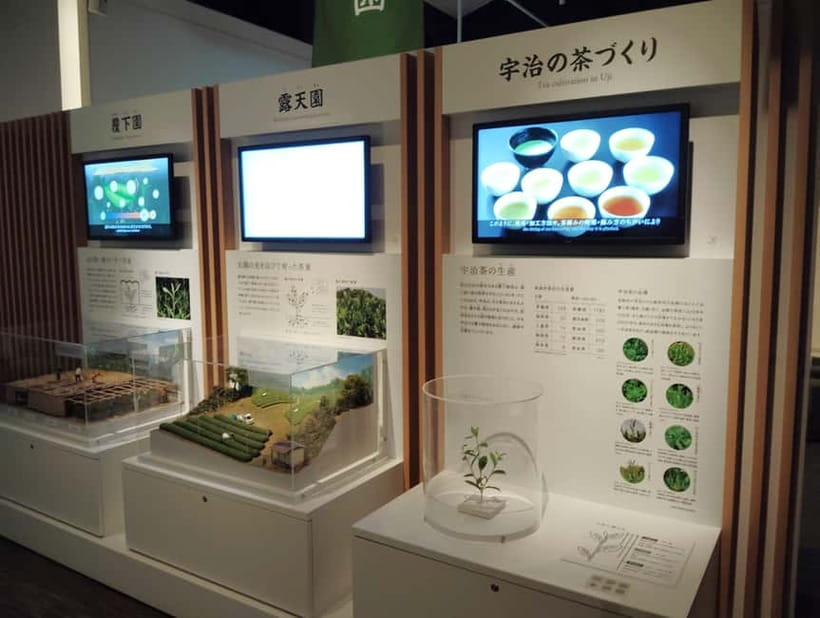
- Chazuna explains the full tea process: Learn about cultivation, processing, and tea’s role in Japanese culture through multimedia and hands-on displays.
- Tsuen dates to 1160: The old teahouse has served people at Uji Bridge for more than eight centuries.
- A tasting is included: Tea and traditional sweets give the visit a practical, sensory finish.
- The tour stays small: A private group makes it easier to ask questions and shape the pace.
- Teppei may guide your visit: One family specifically praised his kindness, flexibility, and clear knowledge of the subject.
- The price is $68 per person: That is reasonable if you want a guide and tasting, but less so if you only want to browse a museum.
Starting at Chazuna, Uji’s modern tea gateway
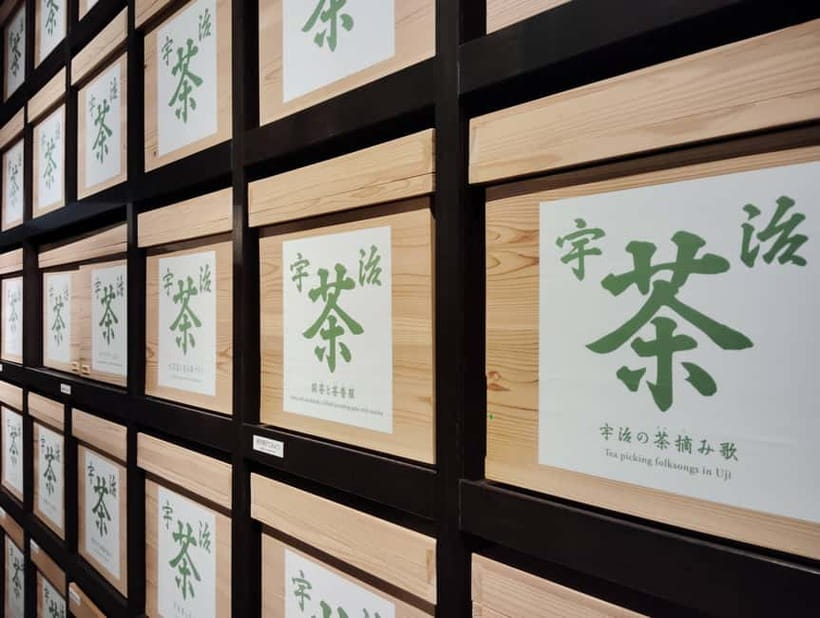
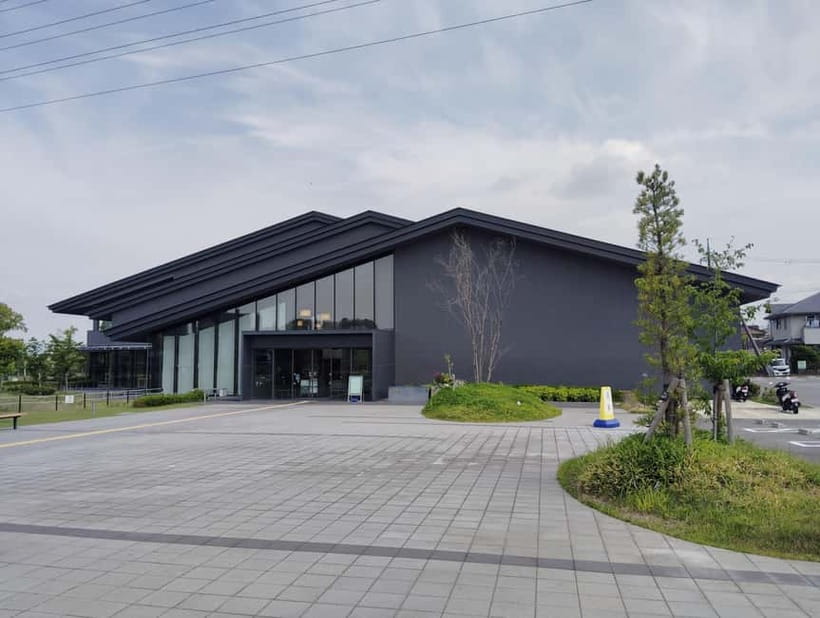
You meet your guide in front of Chazuna, officially the Ocha to Uji no Machi Koryukan Chazuna, or Uji Tea Museum. Look for a guide holding a yellow DeepExperience sign. This simple meeting arrangement matters because the tour begins at the museum itself, not at a station or a separate office.
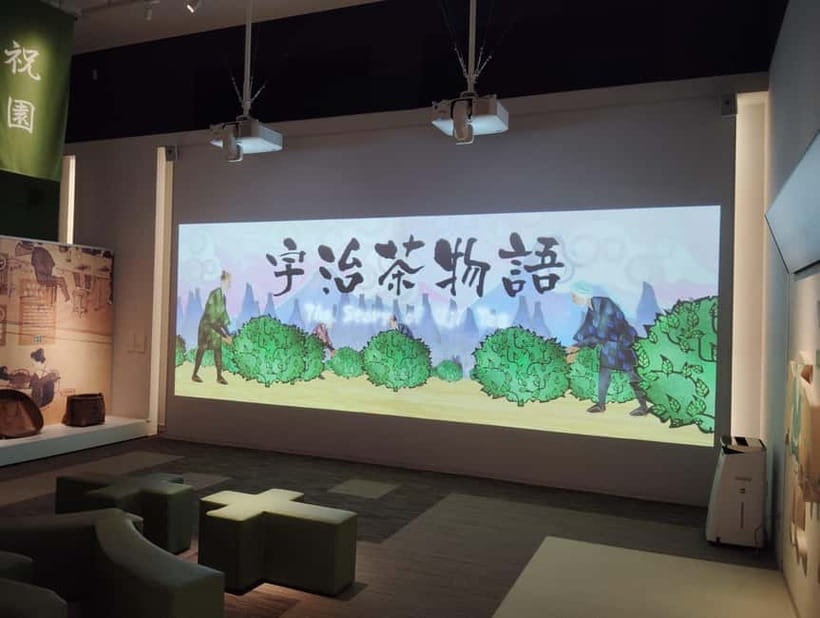
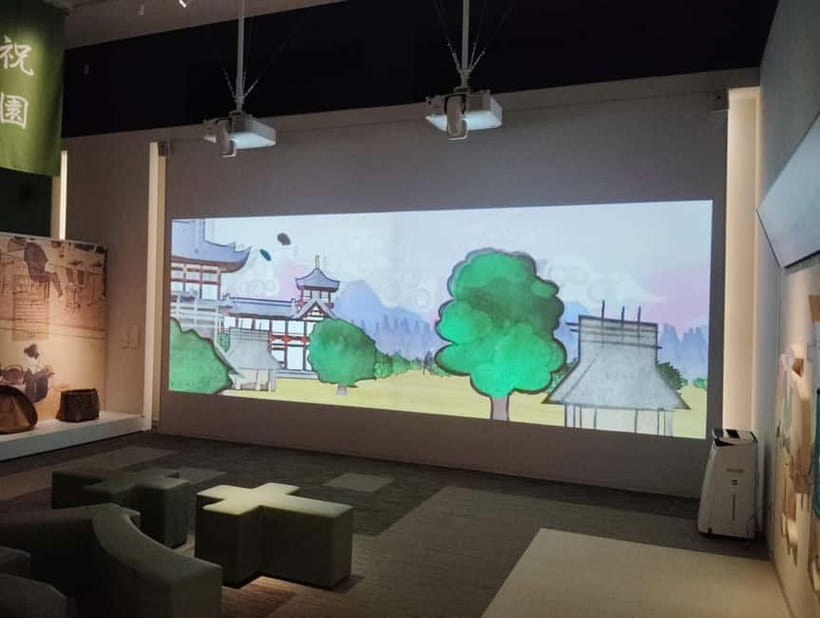
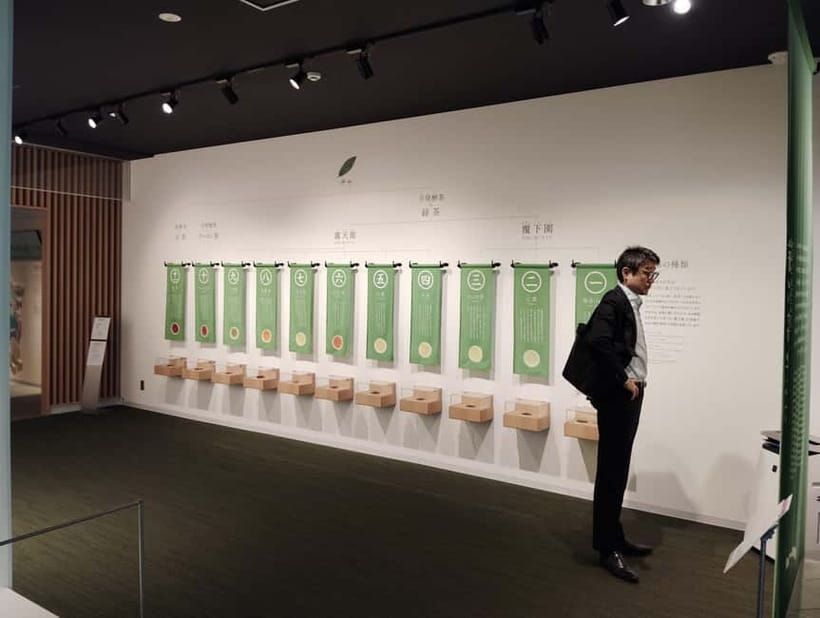
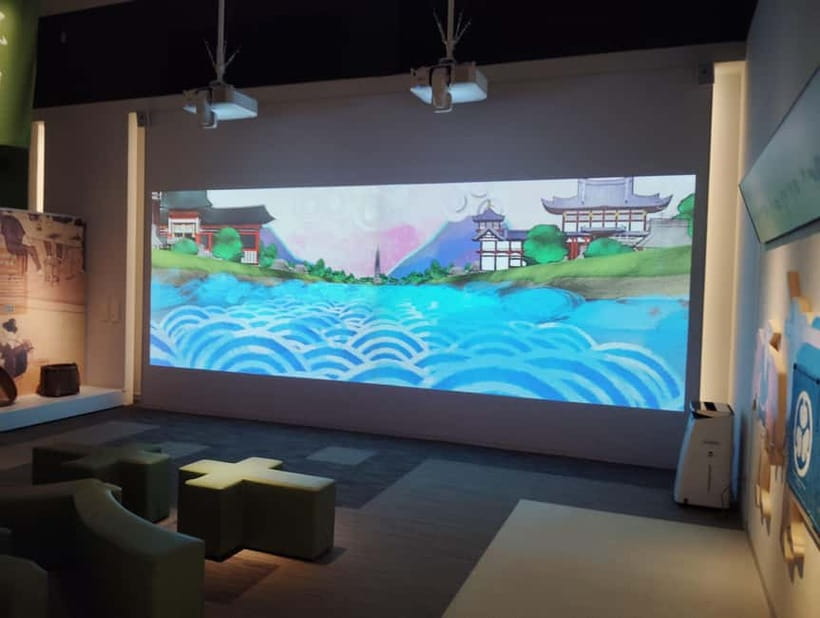
Chazuna is not presented as a dry collection of objects. Its design links tea with nature and harmony, using a contemporary setting to explain an old tradition. You can expect multimedia displays, hands-on exhibits, and information about how tea is cultivated and processed in Uji.
That format works well for you if tea knowledge is limited. Instead of assuming you already know the difference between growing, harvesting, and processing, the museum gives those stages a clear place in the story. You learn not only what is in the cup, but how Uji became known for producing tea.
The museum also gives cultural context. Tea in Japan is not simply a hot drink served after a meal. It can carry ideas about hospitality, care, patience, and attention to place. Chazuna helps explain those ideas before you enter the older, more personal setting at Tsuen.
You should allow yourself to look closely rather than rushing from display to display. The museum portion lasts about one hour, making it the main part of the tour. The exhibits are designed to be seen and handled, so this stop should suit families and first-time visitors who prefer learning through images and activity rather than long blocks of text.
More Tea Factory Tours in Uji:
- Kyoto: Tea Museum Tickets and Matcha Grinding Experience
★ 4.9 · 739 reviews - Uva Halpewatte Tea Factory Tour in Ella Sri Lanka
★ 5.0 · 653 reviews - Nuwara Eliya: Tea Factory and Pickle Waterfalls Tuk Tuk Tour
★ 4.7 · 113 reviews
What the museum can and cannot do
Chazuna gives you a strong foundation, but a museum cannot reproduce every part of tea production. You will learn about cultivation and processing, yet this is not described as a farm visit or a hands-on tea-making workshop.
That distinction helps set fair expectations. You are not heading into the fields to pick leaves, and you should not expect a long lesson in formal tea ceremony. Instead, the museum explains the larger system behind Uji tea and prepares you for the historic teahouse.
I like this order. If you visited Tsuen first, you might enjoy the atmosphere without fully understanding how tea reached the cup. By starting at Chazuna, you have a framework for the older building and the tasting that follows.
The architecture itself is part of the presentation. Its modern lines are inspired by the connection between tea and nature, giving you a calm setting before the tour moves into Uji’s older streets and traditions. You do not need to be a tea specialist to appreciate this contrast.
Walking from modern Chazuna to historic Tsuen
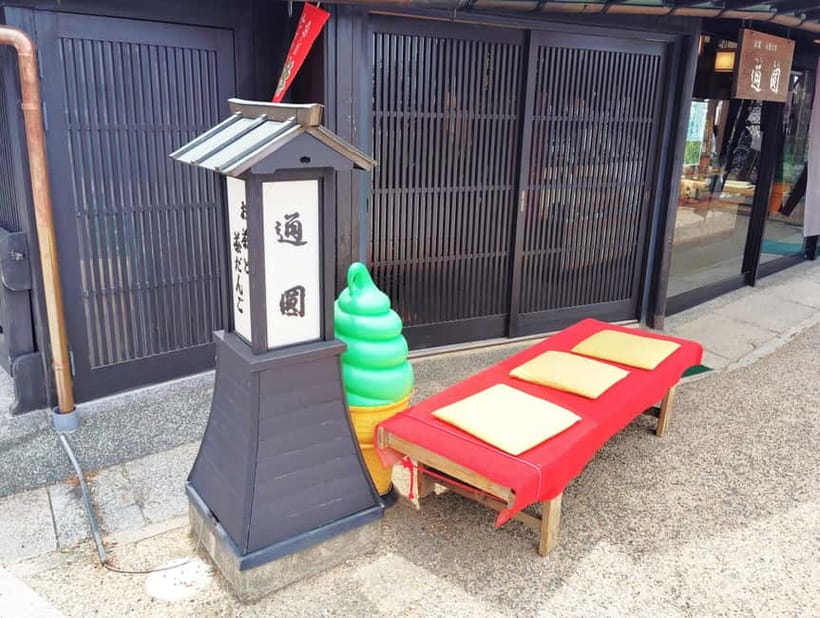
The next stop is Tsuen Main Branch, located at the foot of Uji Bridge. The schedule allows about 30 minutes here, including the visit, a short break, sightseeing, photographs, and the tasting.
Tsuen was founded in 1160 and has served people crossing Uji Bridge for more than 800 years. Its customers over the centuries included samurai, monks, and emperors. That long connection with passing people gives the teahouse a different feel from a museum. It is a place built around welcome, rest, and refreshment.
You enter through timeworn doors into a building where hospitality remains central. The Japanese idea of omotenashi is useful here, not as a slogan, but as a way to understand the setting. Tea is offered as an act of care, and the sweets make the custom easier to appreciate with your senses.
The visit is short, so do not expect a long historical lecture or an extended ceremony. The value comes from the setting and the guide’s explanation. You get a clear look at how tea culture moves from production and tradition into an everyday act of serving someone well.
Tea and sweets at an eight-century-old teahouse
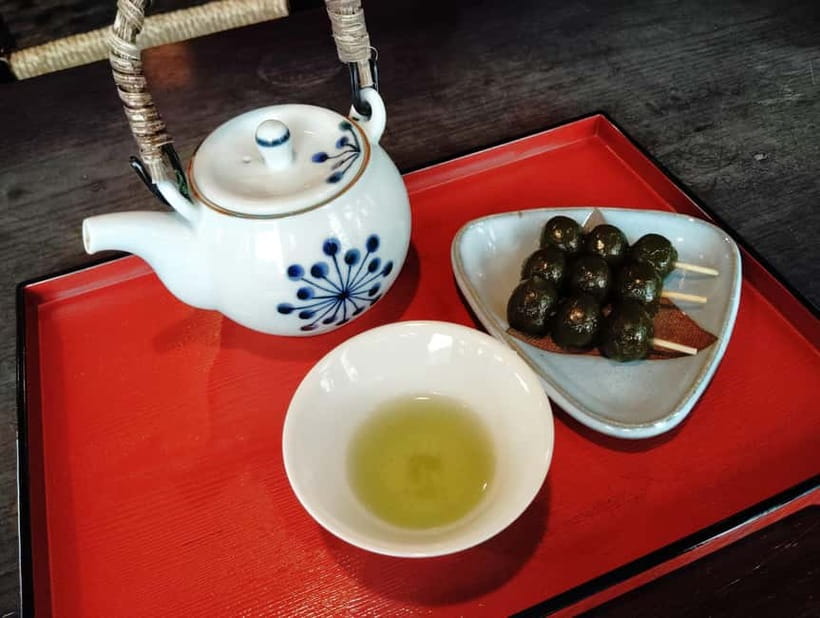
The included tasting is one of the strongest reasons to choose this tour. Information about tea can remain abstract until you actually taste it. At Tsuen, you have tea and traditional sweets in the same place where the history of hospitality is still part of the experience.
The sweets are not a small extra to ignore. They help you understand how Japanese tea service balances flavor, texture, and presentation. The supplied details do not identify the exact tea or sweets served, so you should treat the tasting as a seasonal or house-specific part of the visit rather than expect a named menu.
A family who took the tour with Teppei found the teahouse items delicious. That is useful practical evidence, especially if you are booking for several people with different levels of interest in tea. The tasting gives children and less enthusiastic museum visitors something immediate to enjoy.
Still, the tasting is not described as a full meal. Have lunch or a snack plan elsewhere if you need substantial food. This is a cultural tasting within a 90-minute tour, not a food tour through Uji.
More Museums in Uji:
- Afternoon Tea at the British Museum
★ 4.2 · 511 reviews - Private Abu Dhabi Sheikh zayed mosque with Louver Museum & Emirates Place Tea
★ 5.0 · 173 reviews - London: National Gallery Guided Tour and Afternoon Tea
★ 4.5 · 64 reviews - Official National Gallery Highlights Tour and Afternoon Tea
★ 3.5 · 10 reviews
Why the guide matters on a short private tour
The private-group format is a real advantage here. You can ask questions about tea cultivation, the museum displays, Tsuen, or Japanese hospitality without trying to catch a guide’s attention in a large crowd.
The tour is offered in English or Japanese. One guide named Teppei received specific praise for being kind, accommodating, and well informed. That description points to the sort of help that matters on a compact tour: clear explanations, patience with a family group, and flexibility when people need a little more time at a stop.
I would still remember that a named guide is not guaranteed unless your booking confirms it. The available information identifies Teppei as the guide for one family’s visit, not as a promise that he leads every departure.
A private tour also gives you a better chance to connect the two locations. Ask how Uji’s tea is grown and processed, then ask how those traditions appear in the way Tsuen serves tea. Those links are where the tour gains depth.
Is $68 per person fair value?
At $68 per person, this is not the cheapest way to see Chazuna or have tea in Uji. The price makes more sense if you value a private guide, an English-language explanation, the Tsuen visit, and the included tea and sweets.
You are paying for interpretation as much as entry. Anyone can walk into a museum and look at displays, but a guide can explain why the exhibits matter and connect them to the older teahouse. The private format adds value for families, couples, or small groups who want a more personal pace.
The short duration keeps the financial decision clear. Ninety minutes is enough for a focused introduction, but not enough to cover every part of Uji’s tea culture. If you want farms, extensive tastings, a tea ceremony, or several historic sites, you will need to add other plans and budget separately.
I see the price as fair for a visitor who has limited time in Uji and wants more than a self-guided museum visit. It is less compelling for someone who already knows tea production, speaks Japanese comfortably, and prefers to explore independently.
Who will get the most from this experience?
This tour suits you best if you are visiting Uji for the first time and want a clear introduction without committing half a day. The museum gives structure, the teahouse gives atmosphere, and the tasting keeps the experience from becoming too academic.
Families are another good match. The hands-on and multimedia displays at Chazuna can hold attention better than a display of written panels alone, while the tea and sweets at Tsuen add a pleasant reward. Teppei’s kind and accommodating approach was especially appreciated by one family, though your guide may be someone else.
Tea lovers will appreciate the focus on cultivation and processing in Uji. You may not get the technical depth of a specialist workshop, but you will gain useful context for the region and its reputation.
This is also a good choice for people who enjoy historic buildings but do not want a long formal ceremony. Tsuen offers a sense of age and continuity without requiring you to spend hours sitting through a complex ritual.
You may want to skip it if your main goal is a broad sightseeing tour of Uji. The schedule centers on tea, and the 30-minute Tsuen visit leaves little room for unrelated attractions. It is also not the right pick if you want a field visit, a full meal, or a detailed tea-making class, since none of those are included.
Timing, meeting point, and cancellation flexibility
The tour lasts 1.5 hours, with one hour at Chazuna and about 30 minutes at Tsuen. Starting times vary, so check availability when you choose a date.
Meet in front of the Chazuna entrance, where the guide holds a yellow sign marked DeepExperience. The tour finishes at Tsuen Main Branch, also written as 通圓本店. Since the start and end points are different, you should note the finish location when planning what comes next.
The experience is available as a private group in English or Japanese. You can cancel up to 24 hours in advance for a full refund, and the reserve-now, pay-later option gives you more flexibility while organizing your Japan plans.
These policies do not change the content of the tour, but they make it easier to fit into a busy Kyoto or Uji schedule. The key point is to arrive at Chazuna, not Tsuen, because the museum is the meeting point.
The final call: book it for a focused taste of Uji
I would book this tour if you want a compact, well-shaped introduction to Uji tea. The strongest combination is the modern Chazuna museum, the eight-century-old Tsuen setting, and the included tea and sweets. You get both explanation and atmosphere in 90 minutes.
The value is best for first-time visitors, families, and small private groups who want an English-speaking guide to make sense of the details. Teppei’s kind and flexible manner is a promising sign, though guide assignment can vary.
I would pass if you want a longer food tour, a farm visit, or a formal tea ceremony. For everyone else, $68 is a reasonable price for a concise cultural stop that shows how Uji tea moves from field and processing room to cup and teahouse.
FAQ
Where does the tour begin?
The tour begins in front of the entrance to Chazuna, the Uji Tea Museum. Your guide will be holding a yellow sign that says DeepExperience.
Where does the tour finish?
The tour finishes at Tsuen Main Branch, also identified as 通圓本店, at the foot of Uji Bridge.
How long does the tour last?
The tour lasts 90 minutes, or 1.5 hours. About one hour is spent at Chazuna and about 30 minutes at Tsuen.
Is tea tasting included?
Yes. Tea and tea sweets at the traditional Tsuen teahouse are included.
What languages are available?
The tour is offered with a live guide in English or Japanese.
Can I cancel the booking?
Yes. You can cancel up to 24 hours in advance for a full refund. A reserve-now, pay-later option is also available.
Fresh tea listings around Uji
- Uji: Private immersion into Kyoto’s tea and reglious culture★ 5.0 · 17 reviews
- Uji Tea Ceremony and UNESCO Heritage Walking Tour★ 5.0 · 20 reviews
- Kyoto tea town for matcha lovers★ 5.0 · 16 reviews
- Kyoto Matcha Green Tea Tour★ 4.5 · 23 reviews
- Utilising upcycled Matcha! Creating matcha incense (Uji, Kyoto)★ 5.0 · 6 reviews
- Uji and Wazuka Matcha Farm Half Day Private Guided Tour★ 5.0 · 21 reviews
- 7 Hours Private Guided Tour Uji and Wazuka Matcha Farm★ 5.0 · 2 reviews
- Half Day Matcha Tour in Uji, home of culture, with a local★ 4.8 · 14 reviews
Tea Factory Tours, compared.
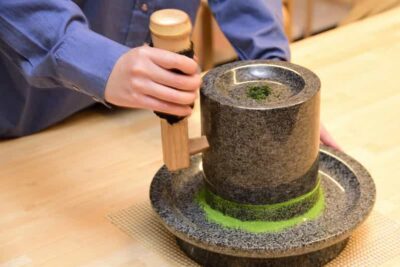
Kyoto: Tea Museum Tickets and Matcha Grinding Experience
Read our review →Uva Halpewatte Tea Factory Tour in Ella Sri Lanka
Read our review →
Nuwara Eliya: Tea Factory and Pickle Waterfalls Tuk Tuk Tour
Read our review →
From Colombo: Kandy, Pinnawala and Tea Factory Full-Day Trip
Read our review →
Ella: Tea Factory, Train, and Nine Arch Day Tour with Pickup
Read our review →

Ella Private Day Trip with Train Ride & Tea Factory-All Inclusive
Read our review →
Munnar: Tea trail, Tea Factory, and Tea Tasting Tour
Read our review →Browse the lists this tour appears in