
Review · TEA CEREMONY EXPERIENCES
Uji Tea Ceremony and UNESCO Heritage Walking Tour
Uji’s best story is told through two cups: one made of history, the other made of green tea. This three-hour walk brings you to Byodoin Temple, Uji’s great architectural treasure, then shows you how tea is prepared at Taihoan, in the town most closely linked with Japanese green tea.
I like the small maximum group of nine, which gives guides such as Naoki, Maru, and Katsuhiko room to answer questions. I also like the balance between major sights and quiet walks over Asagiri Bridge and Uji’s old shrines. The main limitation is time: the tea ceremony is fairly brief, so this works better as a focused introduction than as a long formal tea lesson.
Key points at a glance
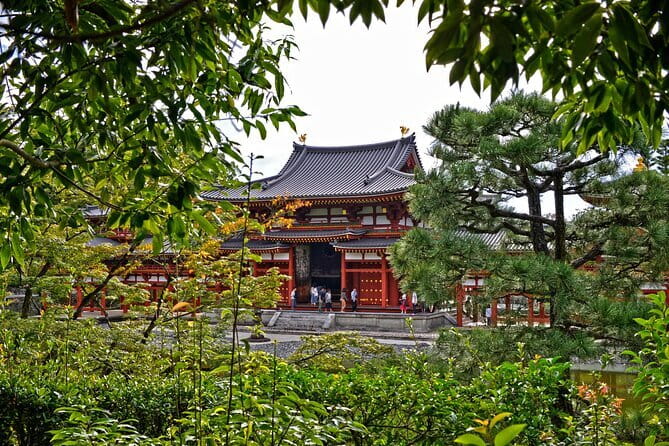
- Byodoin Temple admission is included, with about an hour for the Phoenix Hall and museum.
- Taihoan provides a traditional tea ceremony, with around 30 minutes of tea instruction inside a 40-minute stop.
- The group is limited to nine people, a useful size for questions and a steady walking pace.
- The route links Uji’s main sights, including Uji Shrine, Ujigami Shrine, Uji Bridge, and two suspension bridges.
- The tour costs $70 per person, including the English-speaking guide and Byodoin entrance fee.
- The walk suits families and first-time visitors, though anyone seeking a long, highly formal tea lesson may want more time.
Why Uji makes a good half-day from Kyoto

Uji gives you a different view of the Kyoto area. It is known for tea, riverside scenery, Buddhist temples, and Shinto shrines, all packed into a walkable town. This tour brings those pieces together without making you plan separate visits or puzzle out the meaning of each site on your own.
The meeting point is Uji Station at 9:45 am. From there, you spend about three hours on foot, ending near Uji Bridge. Hotel pickup and drop-off are not included, so you need to reach Uji yourself. The town is served by public transportation, making the start point practical if you are staying in Kyoto or nearby.
I see the route as a good choice for a first visit. You get the headline attraction, Byodoin Temple, but you also see smaller religious sites and the river. Guides have been praised for making the area easier to understand, including the significance of places that could otherwise look like a pleasant but confusing collection of buildings.
More Green Tea Tours in Japan
- Uji: Green Tea Tour with Byodoin and Koshoji Temple Visits
★ 4.8 · 72 reviews - Slow Cycling Tour at Uji’s Matcha Green Tea Fields and Heritage
★ 5.0 · 25 reviews - Kyoto Matcha Green Tea Tour
★ 4.5 · 23 reviews
Byodoin Temple and the Phoenix Hall
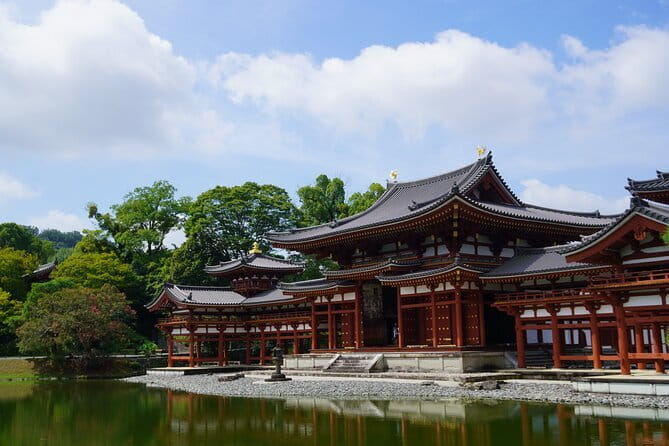
The tour begins with about an hour at Byodoin Temple, a UNESCO World Heritage Site with more than a thousand years of history. The star here is Phoenix Hall, an elegant building associated with one of Japan’s most recognizable temple views.
This is not simply a quick photo stop. Admission is included, and the schedule gives you enough time to appreciate the temple grounds and visit the museum. The museum adds useful context, especially if you want to understand the objects, artwork, and religious ideas connected with the site rather than only admire the exterior.
A good guide changes the experience here. The architecture has plenty of visual appeal, but the details can be easy to miss without explanation. You can expect attention to the temple’s age, its design, and its importance in Uji. One guide, Nobumasa Myake, was singled out for making the temple’s past and the surrounding area clear and engaging.
The one-hour visit also sets the pace for the rest of the morning. You are not being rushed through a long list of stops. Instead, the tour gives its largest block of time to the place most visitors come to Uji to see.
Tea at Taihoan, where the lesson is short but useful
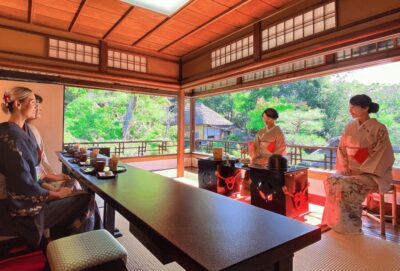
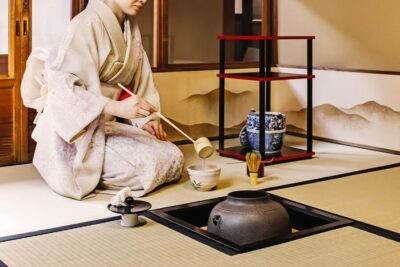
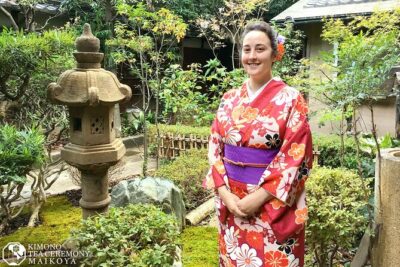
At Taihoan, you take part in a traditional Japanese tea ceremony. The stop is listed at 40 minutes, while the included tea ceremony itself is described as 30 minutes. That distinction matters. You will learn the basic manner of preparing and serving tea, but you should not expect an extended workshop or a leisurely multi-course ritual.
For many people, this length is just right. You get a clear introduction without giving up most of the afternoon. The tea ceremony also connects directly with Uji’s identity. Tea is not an unrelated activity added to a temple walk. It helps explain why this town is such an important stop for anyone interested in Japanese food and culture.
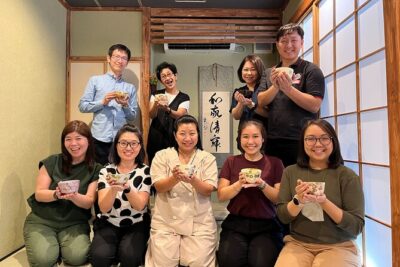
The experience can work well for families. One child was especially pleased with the tea ceremony, and another family found the overall timing comfortable with children. The small group should also make it easier to see and hear what is happening.
Still, the short format is the tour’s clearest compromise. If you have already attended a Japanese tea ceremony and want detailed instruction in tea preparation, this may feel too brief. If this is your first exposure, it gives you the basic shape of the practice and a chance to taste Uji’s famous tea without making the morning feel overly formal.
Suspension bridges and river views
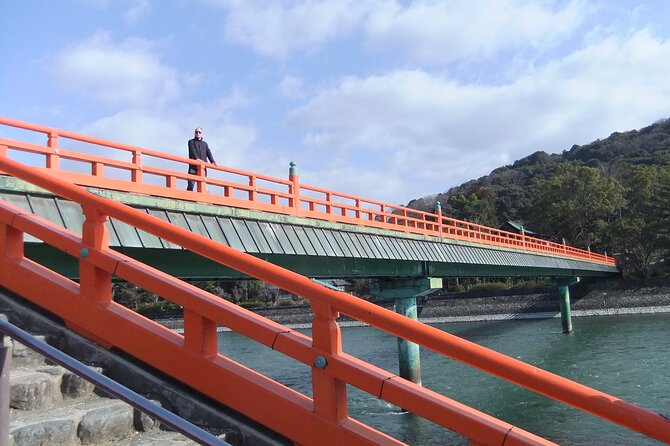
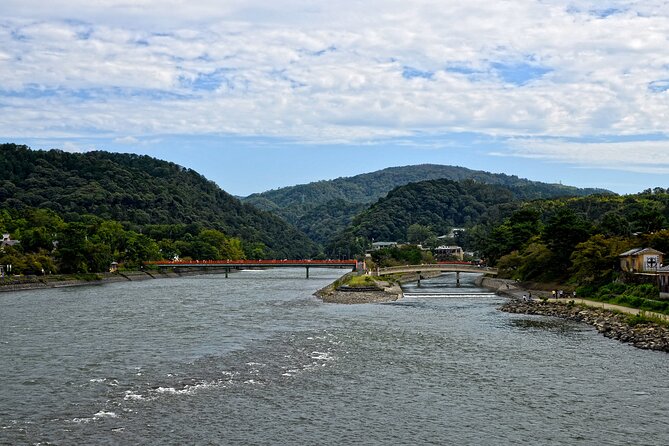
After the temple and tea, the route moves outdoors to Asagiri Bridge and Tachibana Bridge. The bridge portion takes about 15 minutes, so think of it as a scenic pause rather than a major hiking section.
These crossings give you a fresh view of Uji. The river, bridges, and surrounding town provide a change from temple interiors and shrine gates. It is also a good moment for photographs, especially if you enjoy simple views of water and traditional town scenery.
The walk is not designed as a strenuous nature outing. You are moving through a town with several cultural stops, not spending hours on a trail. That makes the tour manageable for most people who can take part in a normal walking tour. Good shoes still make sense, since the experience involves several stops and steady movement over three hours.
The route’s timing is one of its strengths. The bridge visit breaks up the more serious cultural material and keeps the morning from becoming a string of indoor explanations. Guides have also been praised for taking quieter routes and timing the walk well during autumn, when the area can be especially attractive.
More Tea Ceremonies in Uji:
- Uji: UNESCO Heritage & Tea Ceremony Walking Tour
★ 4.6 · 54 reviews - Kyoto: Tea Ceremony in a Traditional Tea House in Kiyomizu
★ 4.9 · 3,519 reviews - Kyoto: Tea Ceremony Ju-An at Jotokuji Temple
★ 4.9 · 3,207 reviews - Kyoto: 45-Minute Tea Ceremony Lesson Experience
★ 4.3 · 2,378 reviews
Uji Shrine and Ujigami Shrine
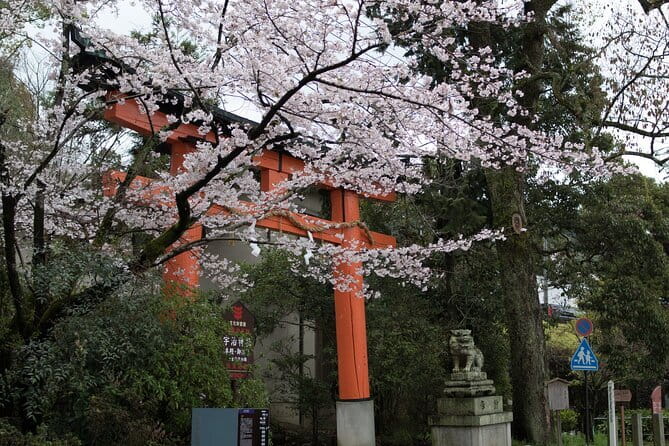
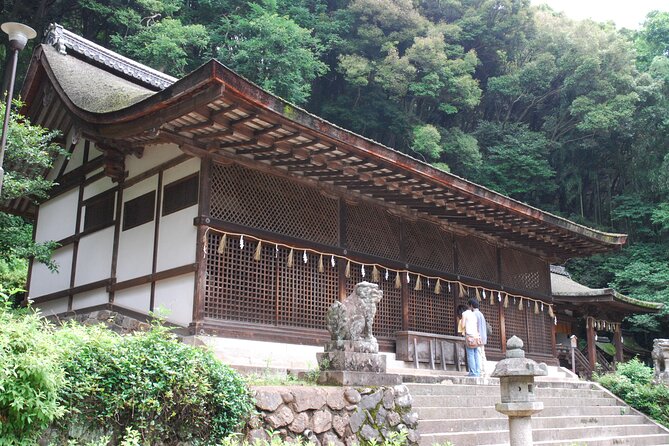
The next section brings you to Uji Shrine and Ujigami Shrine, two historic Shinto sites with a calmer feel than Byodoin. Together, they add another layer to the town’s identity.
These shrines are valuable partly because they show you a different religious tradition. Byodoin introduces Buddhist architecture and art, while the shrines offer sacred paths, gates, and a quieter atmosphere. A guide can help you understand why both kinds of site matter in the same town.
The scheduled time for this section is about 20 minutes. That is enough to look around and hear the main points, but it is not a long independent visit. If you like to linger at shrine grounds, photograph every detail, or read signs at length, you may want to return later on your own.
I would pay close attention to the guide here. Uji’s shrines may seem modest after the grandeur of Phoenix Hall, but their importance is easier to appreciate when someone explains the local setting and cultural meaning. This is where the tour’s educational side earns its place.
Finishing at Uji Bridge with tea and local treats
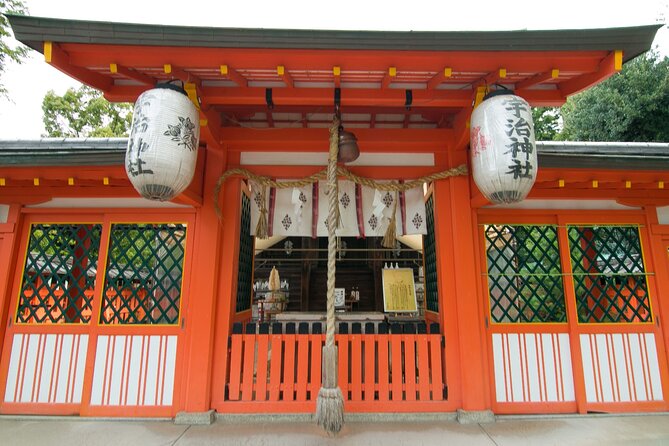
The final 45-minute section ends around Uji Bridge. This is a useful finish because you are left in an active part of town with time to think about what you have seen and try local green tea or food specialties.
Guides have offered suggestions for matcha shops to visit afterward, which can be especially helpful if you want to continue exploring without spending time guessing where to go. The tour itself includes the chance to taste Uji green tea and local delicacies, though the exact food selection is not specified.
Uji Bridge is also a practical endpoint. You are not returned to Uji Station, so plan for that when arranging the rest of your day. The end point is in Uji, near the river and local shops, rather than back at your hotel.
This closing section gives the tour a pleasant rhythm. You begin with a major temple, move into tea culture, cross the river, visit shrines, and finish with food and drink. It feels more like an introduction to a town than a single attraction with a few extras attached.
How the $70 price works
At $70 per person, the value depends on how much help you want with Uji. The fee includes an English-speaking guide, entry to Byodoin, and the tea ceremony. You are paying for interpretation and structure as much as for admission tickets.
That is a fair arrangement if you want the temple explained, the shrine visits placed in context, and the tea ceremony handled without guesswork. Byodoin admission alone is part of the cost, and the group size is capped at nine. A small group can make a noticeable difference when you want to ask questions or keep the pace comfortable.
The price is less attractive if you prefer to explore independently. Uji is accessible by public transportation, and you could visit the town’s sights on your own. The tour earns its cost through the guide’s local explanations, the organized tea experience, and the fact that you do not need to build the route yourself.
Group discounts are available, and a mobile ticket makes the booking side simple. Personal expenses are not included, so allow extra money for tea, snacks, and any purchases after the walk.
The guides and the pace
The strongest part of the experience is the guide. Guides named Naoki, Maru, Katsuhiko, and Nobumasa Myake have been praised for being friendly, funny, clear, and well informed about Uji. Their role is not limited to leading you from gate to gate. They explain why the places matter and suggest what to do after the tour.
That personal approach seems especially useful at Byodoin and the shrines. You can see a temple or shrine without help, but you may not understand what makes one building important or how tea shaped Uji’s identity.
The pacing also suits a mixed group. One family found the timing comfortable with children, while another visitor appreciated that the tour covered plenty of ground without feeling hurried. At three hours, the walk is long enough to feel substantial but short enough to fit into a broader Kyoto itinerary.
You should expect a group experience, not a private tour. With no more than nine people, it remains fairly personal, but the guide will still need to keep everyone moving together.
Who should book this Uji walk?
I would choose this tour if you are staying in Kyoto and want a structured introduction to Uji without giving the town a full day. It is also a good match if you care about both tea and temple culture, rather than wanting only a famous photo stop.
Families may appreciate the manageable length and the short tea lesson. First-time visitors can rely on the guide to explain the customs and point out places that are easy to overlook. Anyone interested in photography will have plenty of variety, from Phoenix Hall to river bridges and shrine grounds.
I would hesitate if your top priority is a long tea ceremony. The tea segment is brief, and the main focus is the wider Uji walk. I would also think twice if you dislike fixed schedules or prefer to spend an hour at every shrine and museum display.
The tour requires good weather. If poor weather forces cancellation, you can receive a full refund or choose another date. For your own cancellation, you need to cancel at least 24 hours before the 9:45 am start for a full refund.
Should you book the Uji Tea Ceremony and UNESCO Heritage Walking Tour?
Book it if you want the main sights of Uji explained by a local guide, with a short tea ceremony added to the morning. The strongest reasons are the included Byodoin admission, the group limit of nine, the useful route, and the guides’ talent for making local history easy to follow.
Skip it if you want an in-depth tea school lesson or a slow, self-directed day. For most first visits, though, $70 buys a well-shaped introduction to Uji: one major temple, two important shrines, river views, tea culture, and practical suggestions for continuing on your own.
FAQ
Where does the tour start?
The tour starts at Uji Station in Uji, Kyoto, at 9:45 am.
Where does the tour end?
The tour ends at Uji Bridge, near Otsukata in Uji.
How long does the experience last?
The walking tour lasts approximately three hours.
Is admission to Byodoin Temple included?
Yes. Entrance to Byodoin Temple is included in the tour price.
How many people can join the group?
The maximum group size is nine people.
Can I cancel for a full refund?
Yes. You can receive a full refund if you cancel at least 24 hours before the experience start time. Poor-weather cancellations also allow a different date or a full refund.
More History Tours in Uji
- World Heritage Kyoto & Nara Uji Authentic Matcha Experience
★ 5.0 · 1,573 reviews - Beijing Culture: Tea Ceremony, Heritage Instrument & Calligraphy
★ 5.0 · 57 reviews - Tea and Doughnuts: Historic Walking Food Tour of Southwark
★ 4.6 · 14 reviews - Victoria Falls: Cultural Tour with High Tea
★ 4.8 · 12 reviews
More Green Tea Tours in Uji
- Experience all of Japanese culture and Japanese food experience classes “origami, udon, Japanese food, green tea, calligraphy” in 4 hours
★ 5.0 · 105 reviews - Scenic Green Tea Fields of Hidden Kyoto & Local Tea Exp (Private)
★ 5.0 · 32 reviews - Osaka; Japanese Tea ceremony experience, Macha and Sencha
★ 4.9 · 29 reviews - Kyoto Matcha Green Tea Tour
★ 4.7 · 28 reviews
Fresh tea listings around Uji
- Uji: Private immersion into Kyoto’s tea and reglious culture★ 5.0 · 17 reviews
- Kyoto tea town for matcha lovers★ 5.0 · 16 reviews
- Kyoto Matcha Green Tea Tour★ 4.5 · 23 reviews
- Utilising upcycled Matcha! Creating matcha incense (Uji, Kyoto)★ 5.0 · 6 reviews
- Uji and Wazuka Matcha Farm Half Day Private Guided Tour★ 5.0 · 21 reviews
- 7 Hours Private Guided Tour Uji and Wazuka Matcha Farm★ 5.0 · 2 reviews
- Half Day Matcha Tour in Uji, home of culture, with a local★ 4.8 · 14 reviews
- Kyoto: Tea Museum and Tsuen Teahouse Guided Tour★ 5.0 · 2 reviews
Tea Ceremony Experiences, compared.
Kyoto: Tea Ceremony in a Traditional Tea House in Kiyomizu
Read our review →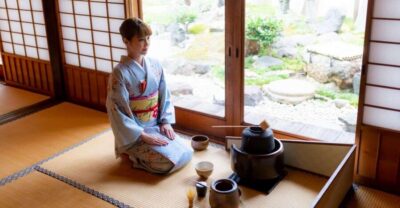
Kyoto: 45-Minute Tea Ceremony Lesson Experience
Read our review →
Kyoto: Table-Style Tea Ceremony at a Kyo-Machiya
Read our review →
Browse the lists this tour appears in