
Review · TEA CEREMONY EXPERIENCES
Uji: UNESCO Heritage & Tea Ceremony Walking Tour
Uji’s best feature is that its famous tea culture comes with real historical weight. In three hours, you move from Byodoin Temple’s grand Phoenix Hall to a quiet tea room, then on to old shrines, river views, and matcha snacks. It is a compact way to see why Uji is far more than a place to buy green tea.
I like the small group of no more than nine, which gives the guide room to explain Shinto customs and tea etiquette without turning the walk into a parade. I also like the mix of sights: Byodoin Temple and the tea ceremony give you major cultural stops, while the bridges and food break up the formal temple visits.
The main consideration is pace. This is a walking tour with stairs, bridges, and outdoor time, and the tea ceremony is conducted in Japanese with translation from your guide. It is not a good fit if you have mobility, heart, respiratory, or pregnancy-related concerns.
Key points to know before booking
- Byodoin Temple is the visual centerpiece, with about 50 minutes for a guided visit and admission included.
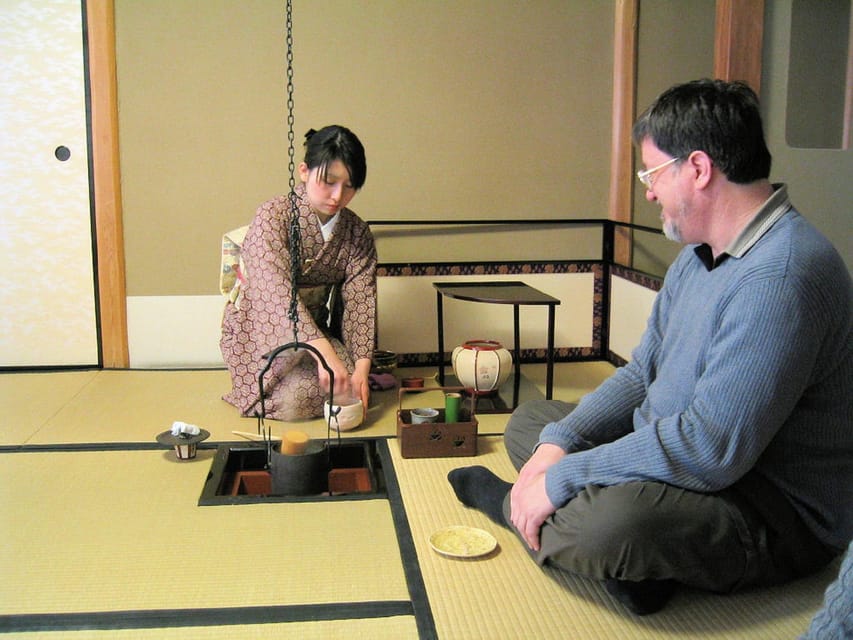
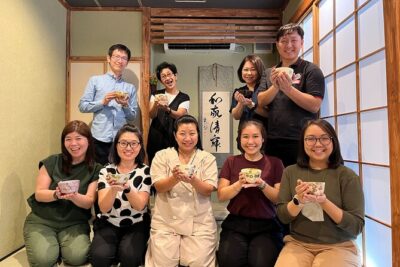
- The tea ceremony is held at Taihoan, where you learn the basic movements and try the ritual yourself.
- English-speaking guides add cultural context, with past guides including Yuko, Katsuhiko, Katsu, and Nobumasa Miyake.
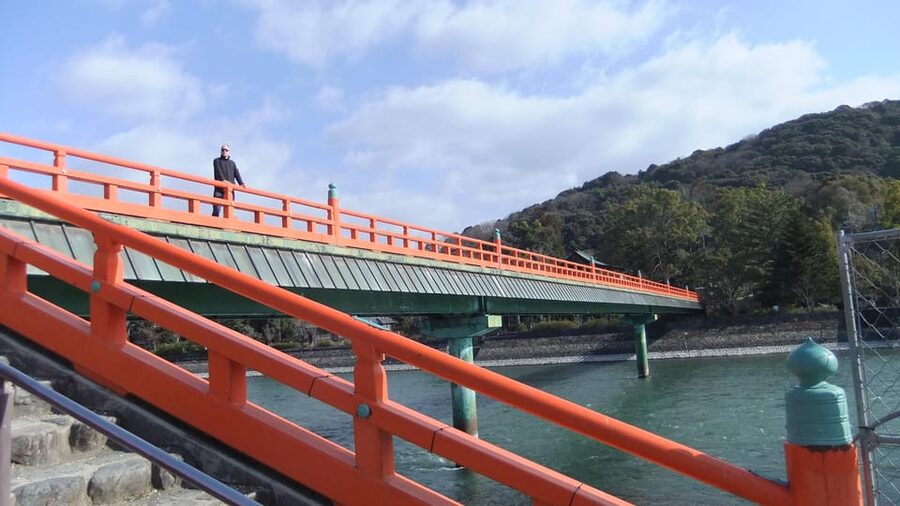
- Tachibara and Asagiri suspension bridges provide a change of pace, with views over the Uji River and surrounding area.
- The tour ends at Uji Bridge, giving you time to continue exploring matcha shops and local food on your own.
- The $66 price is reasonable for a small group, since it covers the guide, Byodoin entrance, and tea ceremony.
Why Uji works so well in three hours
Uji sits south of Kyoto and is closely tied to Japanese tea culture, but its appeal is not limited to tea shops. The town brings together Buddhist temples, Shinto shrines, river scenery, traditional sweets, and one of Japan’s best-known historic buildings.
This tour is arranged as a walking route rather than a series of disconnected stops. You begin at JR Uji Station, move toward Byodoin Temple, pause for tea, cross the river, visit two shrines, and finish near Uji Bridge. That order makes sense. The tour starts with the biggest historic sight, then becomes quieter and more local as it continues.
You should expect a steady three-hour outing, not a slow day with long breaks. The schedule includes roughly 50 minutes at Byodoin, about 30 to 40 minutes for tea, short walking time, two shrine visits of around 20 minutes each, and about 40 minutes for local snacks. Wear shoes you can walk in comfortably and arrive at least 10 minutes early at the south exit of JR Uji Station.
More Tea Ceremonies in Japan:
- Kyoto: Tea Ceremony in a Traditional Tea House in Kiyomizu
★ 4.9 · 3,519 reviews - Kyoto: Tea Ceremony Ju-An at Jotokuji Temple
★ 4.9 · 3,207 reviews - Kyoto: 45-Minute Tea Ceremony Lesson Experience
★ 4.3 · 2,378 reviews
Meeting your guide at JR Uji Station
Your guide meets you at the south exit of JR Uji Station, wearing a TripGuru shirt or holding a TripGuru sign. This is a practical meeting point if you are arriving by train, though you should allow extra time during busy morning periods. Traffic can be much slower than navigation apps suggest, so do not plan your arrival too tightly if you are coming by road.
The tour is in English, and the small group format matters here. Uji’s religious sites have customs that can be easy to miss if you explore alone, such as how Buddhist temples differ from Shinto shrines and what certain gates, buildings, and rituals mean. A good guide can turn a beautiful walk into a more understandable one.
The guides who have led this experience include Yuko, Katsuhiko, Katsu, and Nobumasa Miyake. The strongest praise has focused on clear English, patience, humor, and the ability to answer questions about Japanese culture. Yuko has been especially noted for useful recommendations for restaurants, matcha stores, and mochi shops. Nobumasa Miyake has also been praised for adding cultural explanation and, at times, showing more of Uji than the basic route requires.
Guide quality can always vary from one date to another, but this tour appears designed around interpretation rather than simply pointing out buildings. That is important in Uji, where a little explanation helps you see the difference between a tea tradition, a Buddhist temple, and a Shinto shrine.
Byodoin Temple and the Phoenix Hall
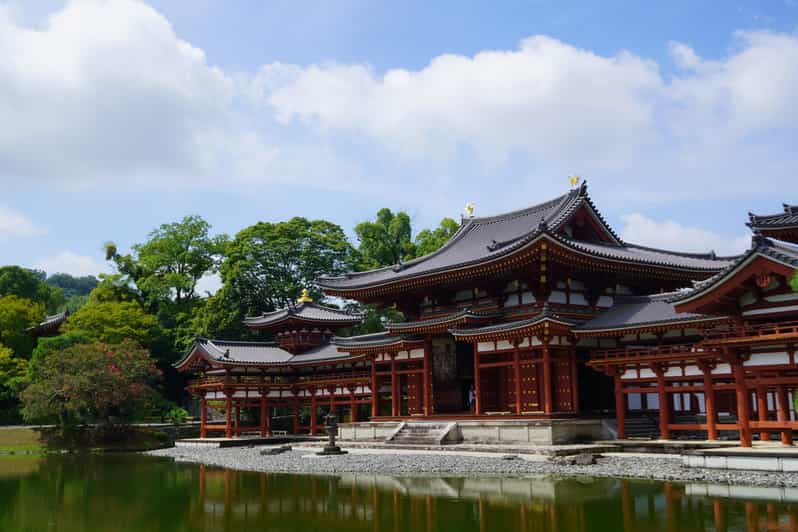
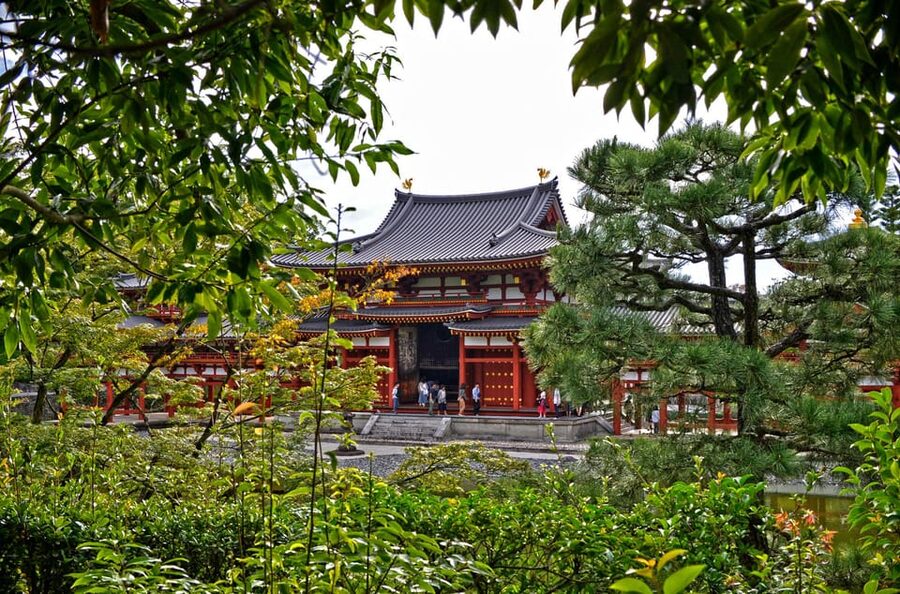
The first major stop is Byodoin Temple, with a guided visit of about 50 minutes. The temple is a UNESCO World Heritage Site and one of Uji’s defining sights. Its best-known building is the Phoenix Hall, a graceful structure associated with the image printed on the Japanese 10-yen coin.
Admission to Byodoin is included, which improves the value of the tour. You do not have to manage tickets while trying to keep up with a group, and your guide can place the building within Japan’s religious and artistic traditions.
Fifty minutes is enough for a meaningful visit, though not enough for every corner of the temple grounds. That is a fair trade for a three-hour tour. You get time to look carefully, hear the key stories, and take photographs, then move on before the day becomes a single long temple visit.
Byodoin can be a busy stop, especially during popular seasons. A guide cannot remove the crowds, but can help you focus on the parts that matter. Bring a camera for the exterior and grounds, but remember that photography and video are prohibited during the tea ceremony later in the tour.
Learning tea etiquette at Taihoan
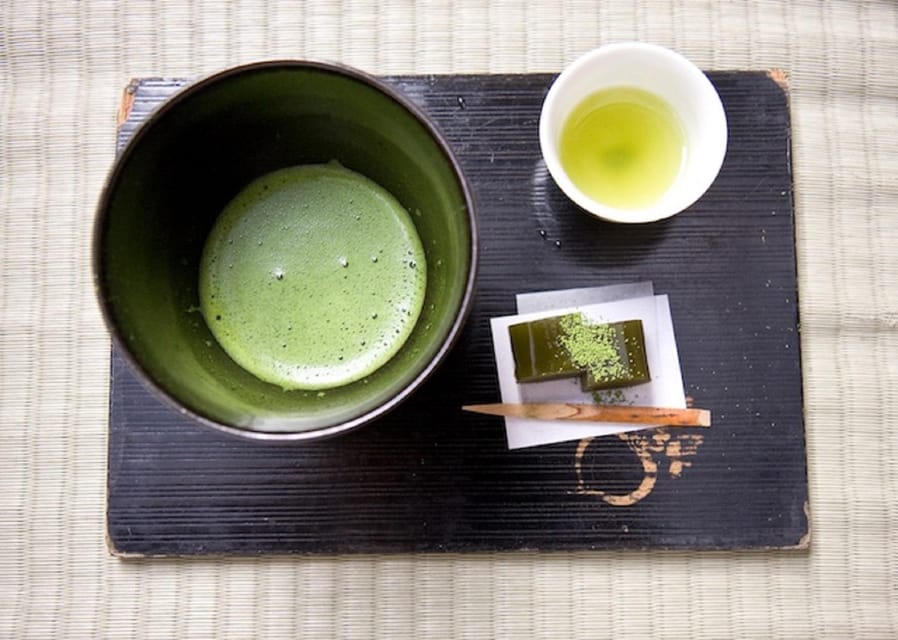
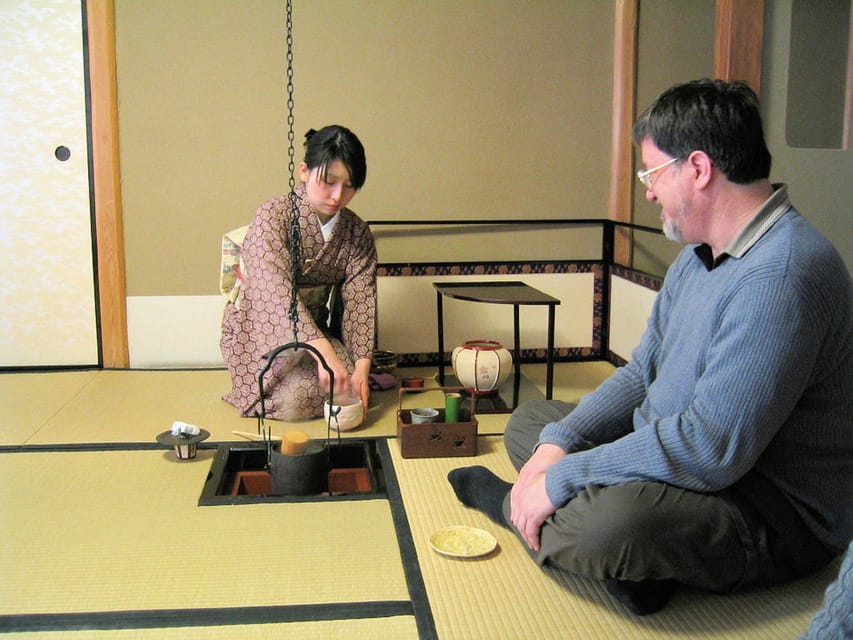
The tea ceremony at Taihoan is the most distinctive part of the experience. It lasts around 30 to 40 minutes, depending on how the schedule is described, and gives you more than a cup of matcha. You learn how the ceremony is performed, how to behave as a guest, and how to take part in the basic steps yourself.
The ceremony is conducted in Japanese. Your English-speaking guide translates and explains what is happening, so you are not left guessing why you bow, turn the bowl, or follow a particular sequence. That translation is essential for first-time visitors. Tea ceremony etiquette can seem mysterious when you only watch from a distance.
The atmosphere is formal, but you do not need to arrive with perfect manners. The host is described as welcoming and forgiving when someone gets a step wrong. That makes this a good introduction rather than an intimidating performance.
You cannot record photos or video during the ceremony. Treat that restriction as part of the experience. Put the phone away, watch the movements, and pay attention to the small details. The quiet, deliberate pace is the point.
The tea ceremony may be less appealing if you want a casual tasting with lots of food. This is a cultural activity first, not a café stop. You may also find the translated explanations depend on timing, since your guide must interpret between the host and the group. Still, for anyone curious about Japanese customs, this is where the tour earns much of its price.
More History Tours in Japan:
- World Heritage Kyoto & Nara Uji Authentic Matcha Experience
★ 5.0 · 1,573 reviews - Slow Cycling Tour at Uji’s Matcha Green Tea Fields and Heritage
★ 5.0 · 25 reviews - Cycling Tour at Uji’s Matcha Green Tea Fields and Heritage
★ 5.0 · 10 reviews - Beijing Culture: Tea Ceremony, Heritage Instrument & Calligraphy
★ 5.0 · 57 reviews
Crossing the Tachibara and Asagiri bridges
After the tea ceremony, the route includes a short walk of about 10 minutes and crosses the Tachibara and Asagiri suspension bridges. These bridges add welcome variety after the indoor ceremony and temple grounds.
The views over the Uji River give you a chance to see the town from a different angle. You get open air, water, and hills rather than another enclosed religious site. The bridges are also good points for photographs, although you should be prepared for movement underfoot and take care in wet weather.
This section is one reason comfortable shoes matter. The activity is not a strenuous hike, but it is not entirely flat indoor sightseeing either. If you have mobility limitations, ask before booking because the tour is specifically not recommended for people with mobility impairments.
Uji Shrine and Ujigami Shrine
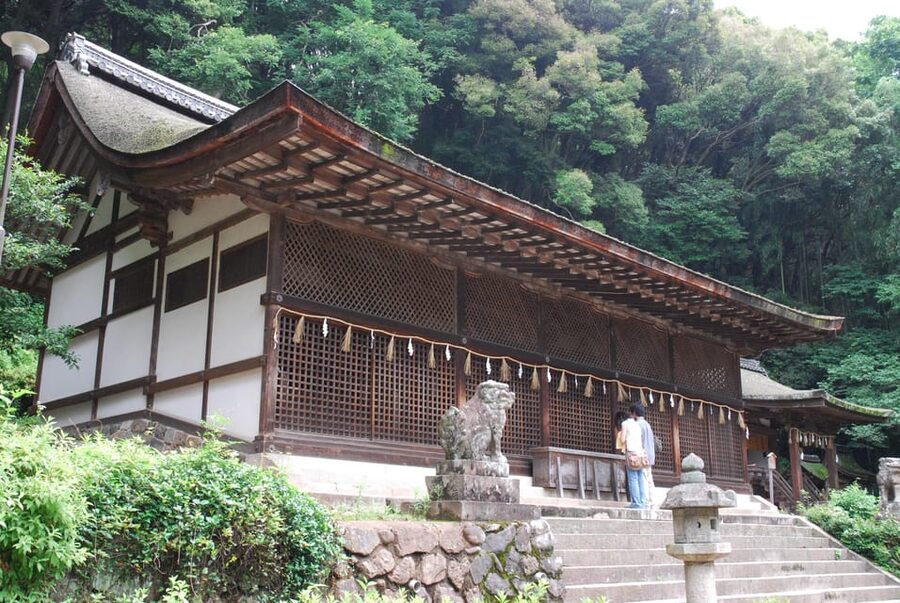
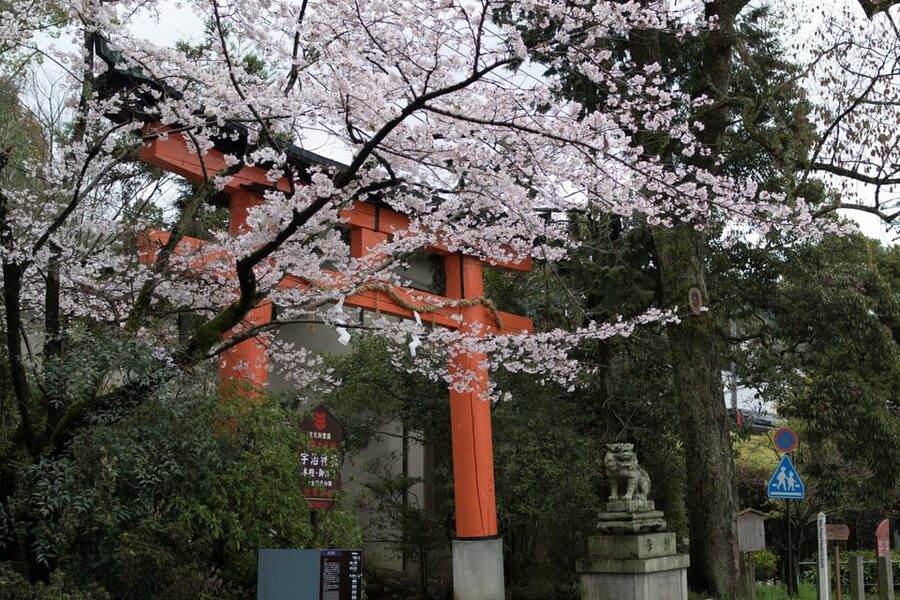
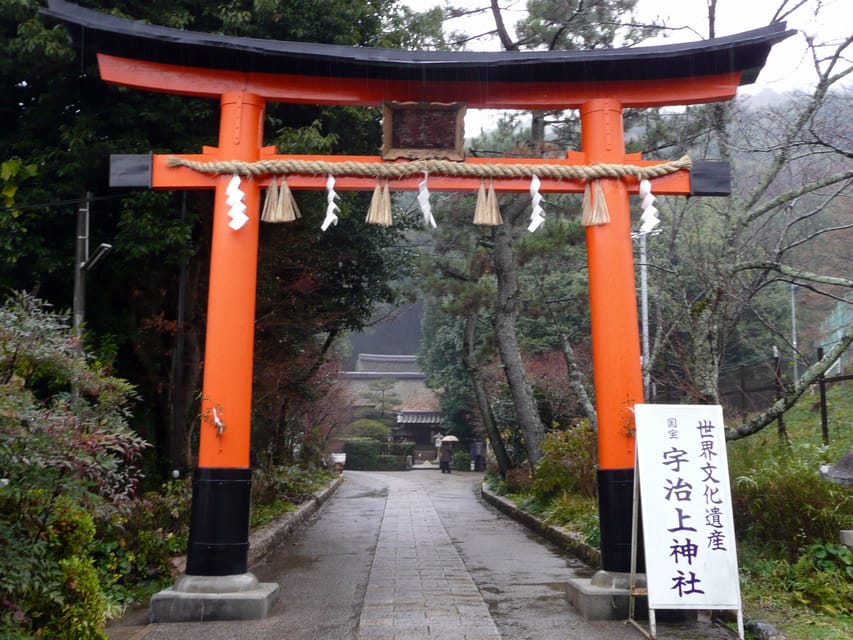
The next stops are Uji Shrine and Ujigami Shrine, each scheduled for about 20 minutes. Their close location makes it possible to compare Buddhist and Shinto traditions within the same walking route.
Uji Shrine offers a chance to learn about Shinto practice and the role of shrines in Japanese culture. Ujigami Shrine is especially important as one of the historic religious sites connected with Uji. Your guide can explain what you are seeing rather than leaving you to sort out the meaning of gates, worship areas, and shrine buildings on your own.
Twenty minutes at each shrine is enough for an introduction, but do not expect a long period of quiet reflection. The schedule is organized and fairly brisk. If you prefer to linger at every site, a self-guided day would give you more freedom.
The value here is context. Many first-time visitors see a torii gate and a temple roof but do not know which tradition they are looking at. The explanations from guides such as Yuko, Katsuhiko, and Nobumasa Miyake have been especially appreciated for making Shinto and Buddhist customs easier to understand.
Matcha, mochi, and local flavors
The final 40-minute section focuses on local snacks and Uji’s tea culture, ending around Uji Bridge. This is not simply a chance to buy souvenirs. It helps connect the formal tea ceremony with the way matcha appears in everyday food.
You may sample or explore local green tea and culinary treats, with possible stops around the matcha and mochi shops near the route. Exact food offerings can vary, and personal purchases are not included, so bring cash. The guide can also point you toward restaurants and shops for later.
This is another area where guide recommendations add practical value. If you want matcha sweets, tea, or mochi after the tour, take notes. The walk ends at Uji Bridge rather than returning you to the station, so you can continue exploring on your own or make your way back when ready.
Ending at the bridge is useful. You are not rushed straight onto a train, and you finish near one of Uji’s recognizable public spaces. The one drawback is that the tour does not include hotel pickup or drop-off. You arrange your own way to the starting point and from the end of the route.
What $66 gets you
At $66 per person, this is a fair price for a three-hour small-group experience. The fee includes an English-speaking guide, Byodoin entrance, and the tea ceremony. Those inclusions matter because Byodoin is the most important paid sight on the route, while the tea ceremony would be difficult to arrange with the same translation and structure on your own.
You are also paying for the guide’s interpretation. A solo visit to Uji would cost less if you only walked around the public streets and shrines, but you would miss the organized cultural explanation and the guided tea experience.
The value is strongest for a first visit to Uji, especially if you are staying in Kyoto and have limited time. It is less compelling for someone who has already visited Byodoin, understands tea ceremony etiquette, and prefers to spend a full day browsing shops at an unhurried pace.
Personal expenses are not included. Set aside money for snacks, tea, souvenirs, or a meal after the walk.
Who should book this Uji walking tour
I would recommend this experience if you want a clear introduction to Uji without planning every stop yourself. It suits couples, solo visitors, families with older children, and small groups who enjoy history, religion, architecture, and food in equal measure.
It is particularly useful for you if Japanese temple and shrine customs are unfamiliar. The guides explain the difference between Shinto and Buddhism in plain English, and the tea ceremony gives you a respectful way to participate rather than simply watch.
You should think twice if you dislike fixed schedules, cannot walk comfortably for three hours, or want extensive time inside each site. Pregnant people and those with mobility, heart, or respiratory problems are advised not to join. The route includes outdoor walking, bridges, and a ceremony that requires attention to etiquette.
Bring comfortable shoes, a camera for the outdoor sights, and cash for personal purchases. Do not plan to film the tea ceremony.
Should you book it?
Book this tour if you want Uji’s major sights tied together by a human guide, with a real tea ceremony at the center. The combination of Byodoin, two shrines, river crossings, and local snacks gives you a useful first look at the town without wasting time on transport between scattered stops.
I would choose it over a simple matcha tasting because it explains where Uji’s tea culture fits within the town’s religious and historical setting. The main limitation is the brisk pace and the fixed route. If that sounds fine, $66 is a reasonable spend for a small group, included temple admission, translation during the ceremony, and a practical introduction to Uji.
FAQ
Where does the Uji tour start?
The meeting point is the south exit of JR Uji Station. Your guide will be wearing a TripGuru shirt or holding a TripGuru sign.
Where does the tour finish?
The tour finishes at Uji Bridge. Hotel pickup and drop-off are not included.
How long is the experience?
The walking tour lasts three hours. The schedule includes visits to Byodoin Temple, the tea ceremony, Uji Shrine, Ujigami Shrine, and local snack stops.
Is the tea ceremony conducted in English?
The tea ceremony is conducted in Japanese. Your English-speaking guide translates and explains the ceremony to you.
Can I take photos during the tea ceremony?
No. Photo and video recording are prohibited during the tea ceremony. You can bring a camera for the outdoor portions of the tour.
Is Byodoin Temple admission included?
Yes. Entrance to Byodoin Temple is included in the tour price.
What should I bring?
Bring comfortable shoes, a camera, and cash for personal expenses such as snacks or purchases. You should also arrive at the meeting point at least 10 minutes before the stated start time.
More Walking Tours in Japan
- Asakusa Cultural Walk & Matcha Making Tour
★ 5.0 · 245 reviews - Kyoto Tea Ceremony & Kiyomizu-dera Temple Walking Tour
★ 5.0 · 115 reviews - The Way of Tea: Kyoto Crafts, Hidden Temples & Wabi-Sabi Walk
★ 5.0 · 41 reviews - Matcha Grinding Experience and Walking Tour in Uji Kyoto
★ 5.0 · 26 reviews
Fresh tea listings around Japan
- Cycling Tour at Uji’s Matcha Green Tea Fields and Heritage★ 5.0 · 10 reviews
- Authentic Japanese tea tasting: sencha, matcha and gyokuro★ 5.0 · 12 reviews
- Asakusa Cultural Walk & Matcha Making Tour★ 4.5 · 7 reviews
- Authentic Tea Ceremony & Sushi in The Museum of Kyoto★ 5.0 · 3 reviews
- At an Antique Shop, Tea Ceremony and Japanese Sweets Forming★ 5.0 · 5 reviews
- Authentic Japanese Tea Ceremony Experience in Kamakura★ 4.5 · 8 reviews
- Yokohama: Sushi & Gyoza Cooking with Matcha Experience★ 5.0 · 4 reviews
- Japanese Sweets Making & Tea Ceremony in Yokohama, suburban Tokyo★ 5.0 · 4 reviews
Tea Ceremony Experiences, compared.
Kyoto: Tea Ceremony in a Traditional Tea House in Kiyomizu
Read our review →
Kyoto: 45-Minute Tea Ceremony Lesson Experience
Read our review →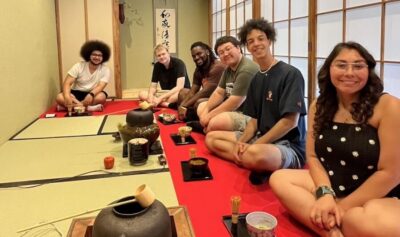
Kyoto: Table-Style Tea Ceremony at a Kyo-Machiya
Read our review →
Browse the lists this tour appears in