
Review · TEA CEREMONY EXPERIENCES
Kyoto: 45-Minute Tea Ceremony Lesson Experience
The most appealing thing here is that this is a real lesson, not a quick photo stop dressed up as culture. You sit on tatami while an Urasenke-licensed tea master shows the careful preparation of matcha, then you make your own tea according to the proper rules. I like the calm, serious tone and the chance to learn why each movement matters.
I also like the $22 price, which is unusually fair for a guided cultural activity in Kyoto, and the choice of private, public, or candlelight sessions. The main consideration is time: 45 minutes passes quickly, and the formal approach may feel rushed if you want a long chat or a leisurely kimono photo session.
Key points at a glance
- A full beginner lesson: You watch the host prepare matcha, then whisk your own tea using the traditional method.
- A licensed Urasenke instructor: The host explains the ceremony’s history, spiritual role, etiquette, and effect of each preparation method on flavor.
- Two teas and Japanese sweets: The experience includes two flavors of green tea and traditional sweets.
- Near Kinkakuji: The tea house is a one-minute walk from the Kinkakuji-Michi bus stop and the gate of Kinkakuji Temple.
- Three moods to choose from: Book a public group session, a private ceremony, or a candlelight ceremony after sunset.
- Kimono rental is optional: Reserve it ahead of time and arrive 20 minutes early for dressing and photos.
What the 45-minute Kyoto tea ceremony is really like
Tea Ceremony Koto presents the experience as a traditional lesson for Japanese beginners, rather than a shortened performance made only for overseas visitors. That distinction matters. You are expected to pay attention to the rules, sit quietly, and treat the ceremony as a cultural practice rather than a stage show.
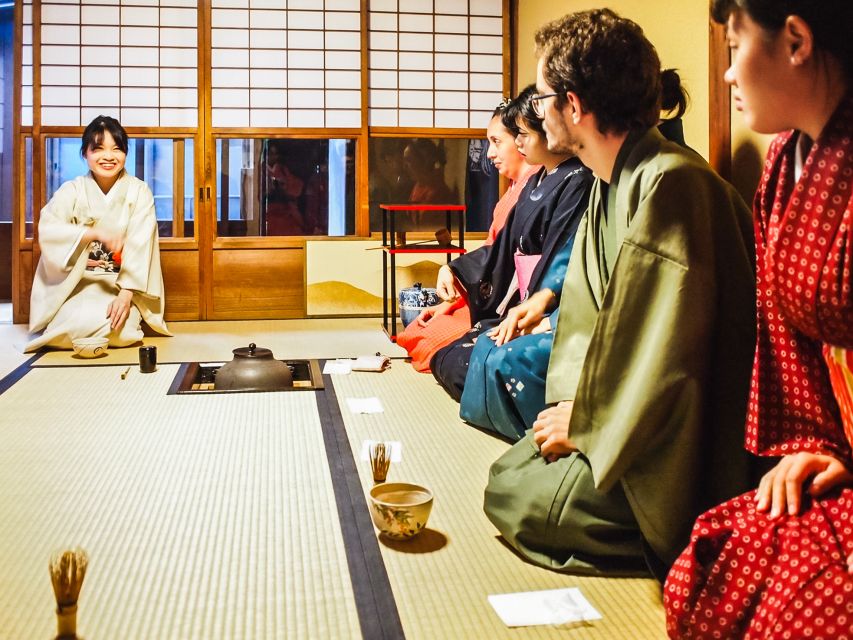
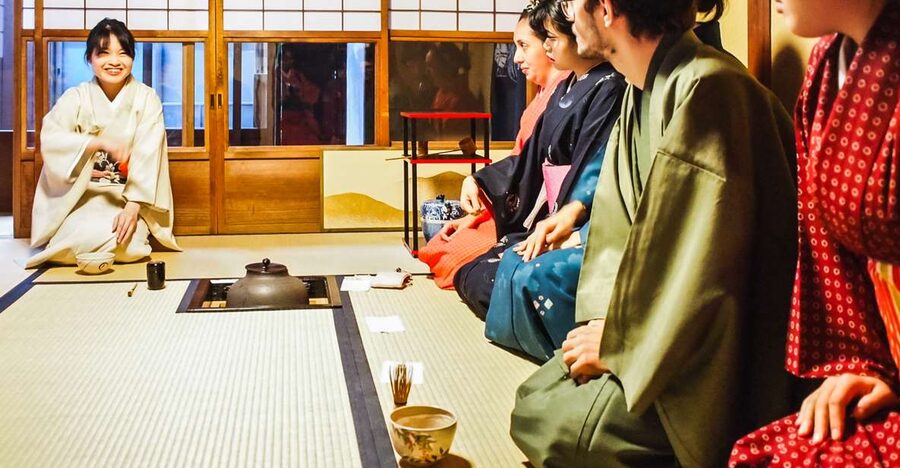
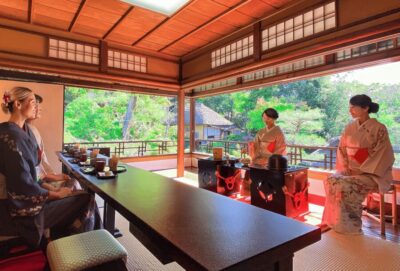
The session takes place on tatami, the woven floor mats used in traditional Japanese rooms. Your English-speaking host introduces the background of the tea ceremony and explains its spiritual side before showing you the preparation of matcha, powdered green tea.
You then take your turn. The host guides you through the process and explains the correct manners for handling the bowl, preparing the tea, and drinking it. You are not simply handed a cup. You take part in the ritual.
The format is compact, but it has a good rhythm. First you watch, then you learn, then you try the method yourself. Two flavors of Japanese green tea are included, along with traditional sweets. The sweets are not just a snack. They help balance the bitterness of matcha and make it easier to notice how the tea tastes.
More Tea Ceremonies in Kyoto
- Kyoto: Tea Ceremony in a Traditional Tea House in Kiyomizu
★ 4.9 · 3,519 reviews - Kyoto: Tea Ceremony Ju-An at Jotokuji Temple
★ 4.9 · 3,207 reviews - Kyoto: Table-Style Tea Ceremony at a Kyo-Machiya
★ 4.9 · 1,211 reviews
Why the tea master matters
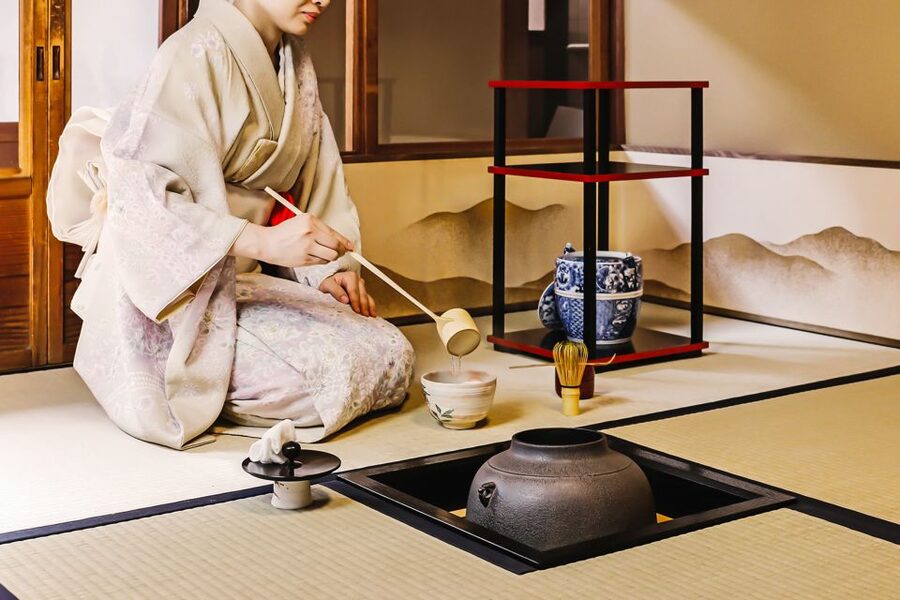
A tea ceremony can look simple from the outside. A bowl, a bamboo whisk, powdered tea, hot water. Yet the small actions carry much of the meaning. The angle of a movement, the order of preparation, and the way the bowl is handled all belong to a system built around care and respect.
That is why the instructor makes such a difference. Tea Ceremony Koto uses licensed Urasenke tea masters, from the largest school of tea ceremony in Japan. The teaching is available in English and Japanese, and the English used in the sessions is described as clear and easy to follow.
The host explains the history and spiritual role of the ceremony, but the most useful part is often the practical detail. You learn how different ways of preparing the tea affect its flavor. You also learn what to say and how to behave during the ceremony.
Several sessions have been led by a host named Joseph, who is described as friendly and helpful. Other sessions are led by women tea masters, so the exact instructor depends on the date and booking. The teaching style may be direct. That is not necessarily a flaw here. The point is to learn the actual form, including the parts that are easy to get wrong.
Your first view of the matcha preparation
The host begins by carrying out the ceremonial preparation. Watch closely. The value of this opening demonstration is not speed or spectacle, but precision.
You will see how the tea is measured, mixed, and whisked. The host also explains the order of actions and the reason behind them. This gives you a better sense of the ceremony as an art of hospitality, not simply a way to make a drink.
The session is deliberately quiet. Phones may be used for photos, but video recording is not allowed. That rule can feel strict if you are used to filming every stop on a Kyoto itinerary, yet it helps preserve the concentration of the room.
This is a good activity for anyone who wants a break from temple hopping. After the crowds and walking around Kinkakuji, sitting on tatami and focusing on one careful sequence can feel like a reset.
Making your own tea, one careful movement at a time
After the demonstration, you prepare matcha yourself. The host gives instructions and helps you follow the formal process, so you do not need previous experience.
This is where the experience becomes more than a cultural talk. You learn through your hands. You notice the effort needed to create a smooth, frothy tea, and you begin to understand why the ceremony values patience and control.
The host also explains proper manners for drinking the tea. These details may seem small, but they are the heart of the lesson. The ceremony is built around respect for the person serving, the person receiving, the tools, and the setting.
Do not expect a casual workshop where everyone talks loudly and experiments freely. The atmosphere is quiet and respectful. That will suit you if you want a serious introduction to Japanese tradition. If you prefer a playful, highly interactive activity, this may feel formal.
The 45-minute length works well for a first lesson, but it leaves little spare time. One participant described the experience as rushed before and after the ceremony. Arrive on time, and avoid planning another activity immediately afterward.
Same city, a very different cup:
- Kimono Tea Ceremony at Kyoto Maikoya, NISHIKI
★ 5.0 · 911 reviews - Kyoto: Kimono Tea Ceremony at Orizuruya Gion
★ 4.9 · 618 reviews - Kyoto: Tea Ceremony in 100-year-old Kyo-Machiya Townhouse
★ 4.8 · 546 reviews - Kyoto: Tea Ceremony Experience
★ 4.8 · 511 reviews
Matcha, sweets, textiles, and the closing photos
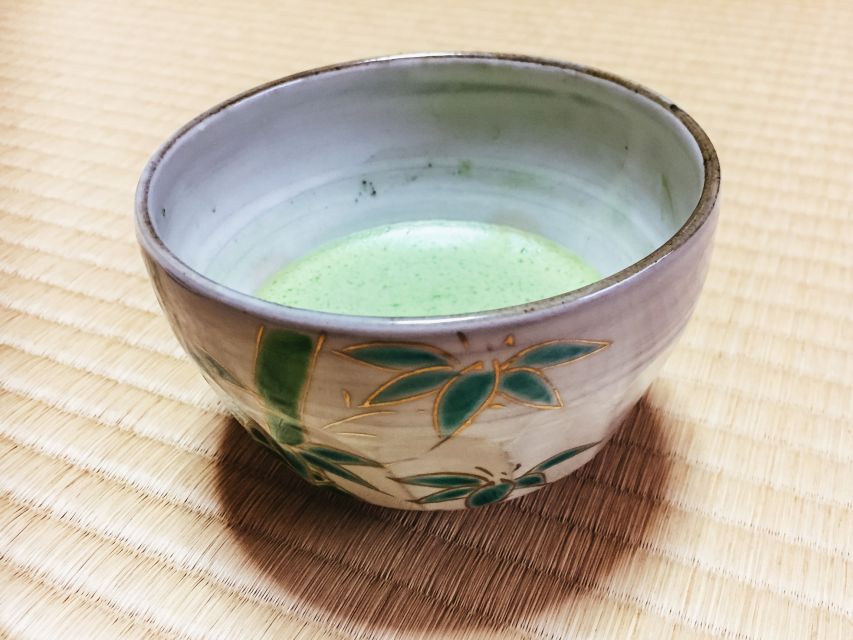
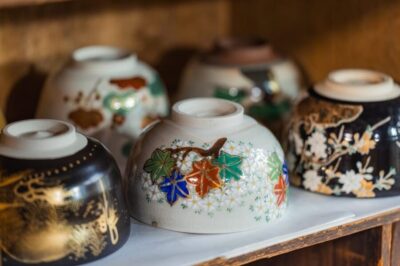
Once the ceremony ends, you can enjoy traditional Japanese sweets and take photos. The host also shows examples of kimono and beautiful woven textiles made in Kyoto’s Nishijin district.
This final portion gives the lesson a wider cultural frame. Nishijin is famous for textile work, and seeing the fabric alongside the tea ceremony helps connect the clothing, room, utensils, and gestures into one traditional setting.
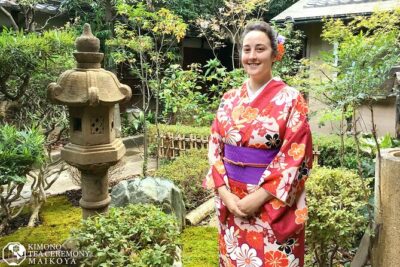
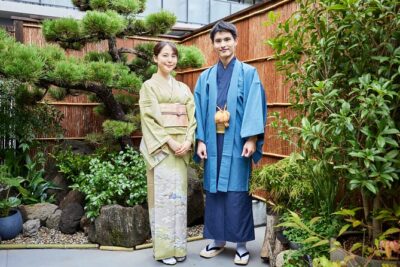
Photography is allowed after the ceremony, but video is not. If you book the kimono add-on, the host helps dress you before the tea session and gives you time for photographs. The kimono option is popular because it adds a visual memory to an experience that is otherwise built around quiet observation.
Be realistic about the timing. The kimono dressing is described as quick, so it is best viewed as a short traditional dress-up option rather than a long styling appointment. Hair setting is not included.
You must reserve the kimono in advance. It is difficult to add it when you arrive, and you need to come 20 minutes before the ceremony. There is no dress code for the tea lesson itself.
Choosing public, private, or candlelight
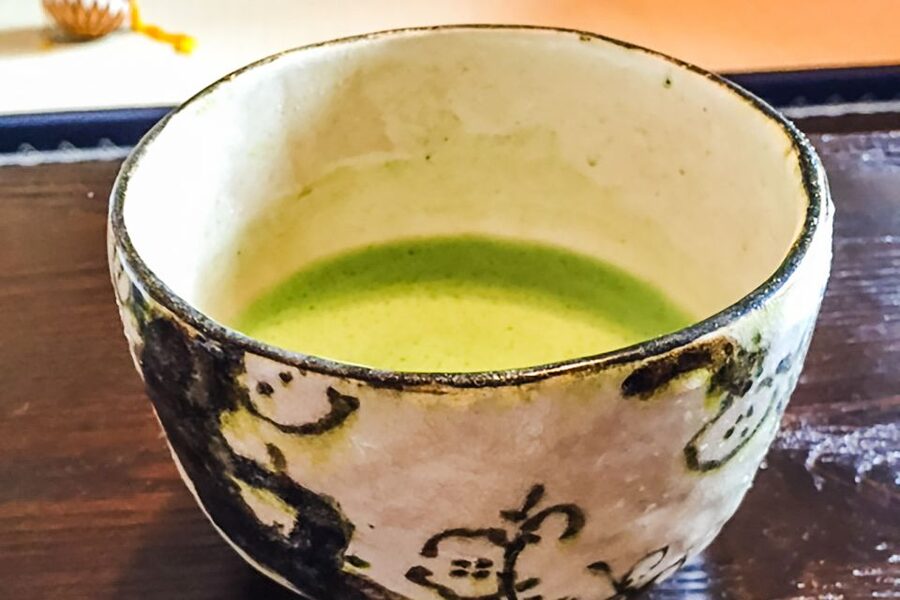
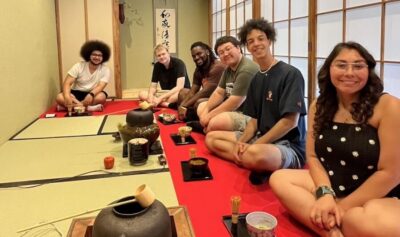
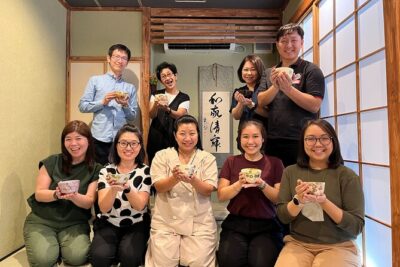
The public ceremony is the most social choice. You join a small group and learn alongside other beginners. This suits solo participants and couples who like sharing a cultural activity, though the pace follows the group rather than your own questions.
The private ceremony gives you and your party a quieter setting. You receive closer attention from the tea master and can move through the lesson at your own pace. Families, couples, and anyone who wants to ask many questions should consider this option.
The candlelight ceremony is the most atmospheric. Held after sunset, it uses traditional candlelight to recreate an older Kyoto mood. The low light gives the ceremony a more reflective feel, especially when combined with kimono rental.
Candlelight is not automatically better. It is simply more unusual and visually memorable. If your priority is learning as much as possible, a standard daytime or private session may be easier. If you want a special evening activity, candlelight is the clear choice.
Getting to Tea Ceremony Koto near Kinkakuji
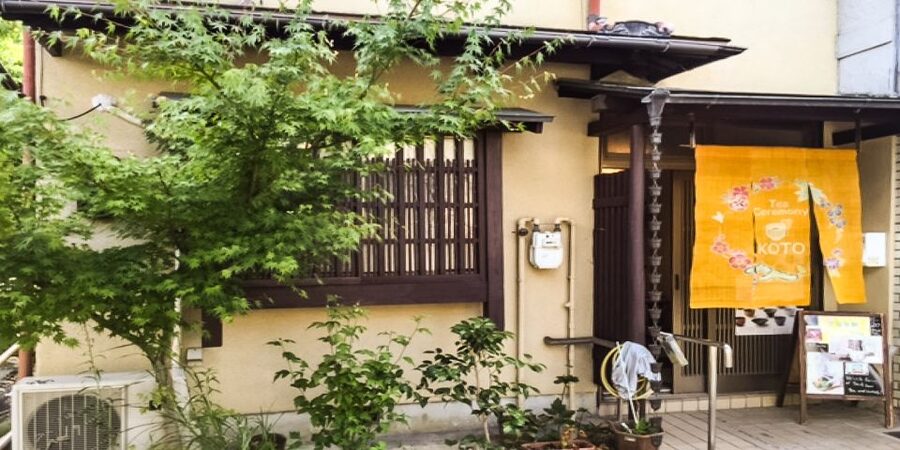
The meeting point is especially convenient if Kinkakuji Temple is already on your schedule. Enter through the sliding door with the orange curtain at the building.
The activity is a one-minute walk from the Kinkakuji-Michi city bus stop. From Kitaoji subway station, Kyoto city buses 204 or 205 take about 10 to 15 minutes. The same buses take about 10 to 15 minutes from JR Enmachi.
If you are coming directly from Kinkakuji, the tea house is about a one-minute walk from the temple gate. Look beside the bicycle parking area. This makes the activity easy to pair with the Golden Pavilion, but remember that Kinkakuji itself can take longer than expected if you are stopping for photos.
Taxi planning needs a little thought. Taxi companies may not answer the phone at once after the activity, and the taxi stand in front of the location usually opens around 5:30 PM. Public transport is the safer plan for daytime bookings.
Sitting on tatami and other practical details
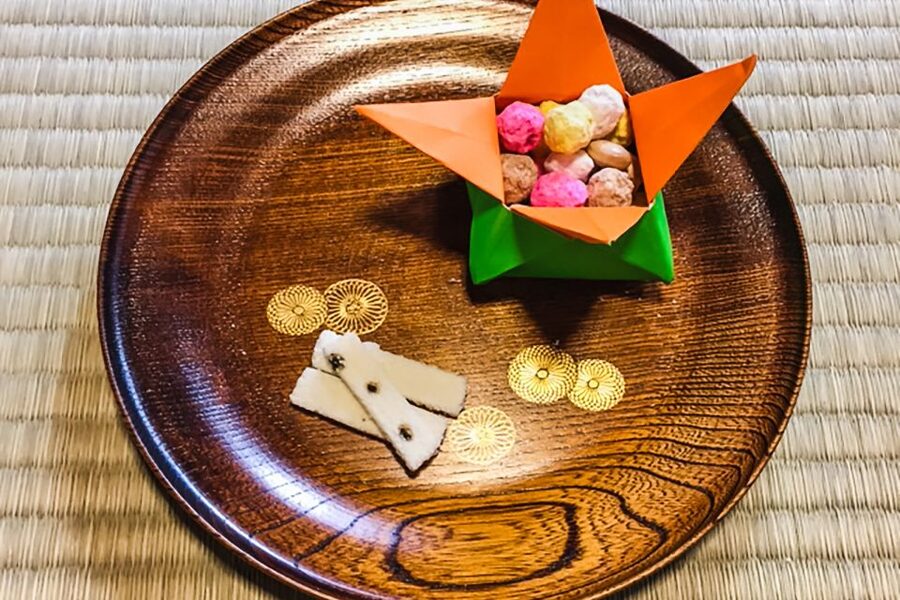
The ceremony is performed on the floor, so sitting on tatami may be uncomfortable if you have knee, hip, or mobility problems. Tell the provider in advance if you may have trouble sitting on the floor. Chairs can be provided.
The experience has no dress code. Comfortable clothing is sensible, especially if you choose to sit formally for much of the session. If you book a kimono, arrive early enough for the dressing process.
Late arrival is risky. Some hosts have allowed participants to join several minutes late, but you should not count on that. Missing the opening demonstration means losing part of the lesson, and the short format leaves little room to catch up.
The no-video rule is firm. You can take photos, particularly after the ceremony and during the kimono option, but recording the ceremony itself is not permitted.
Is $22 good value?
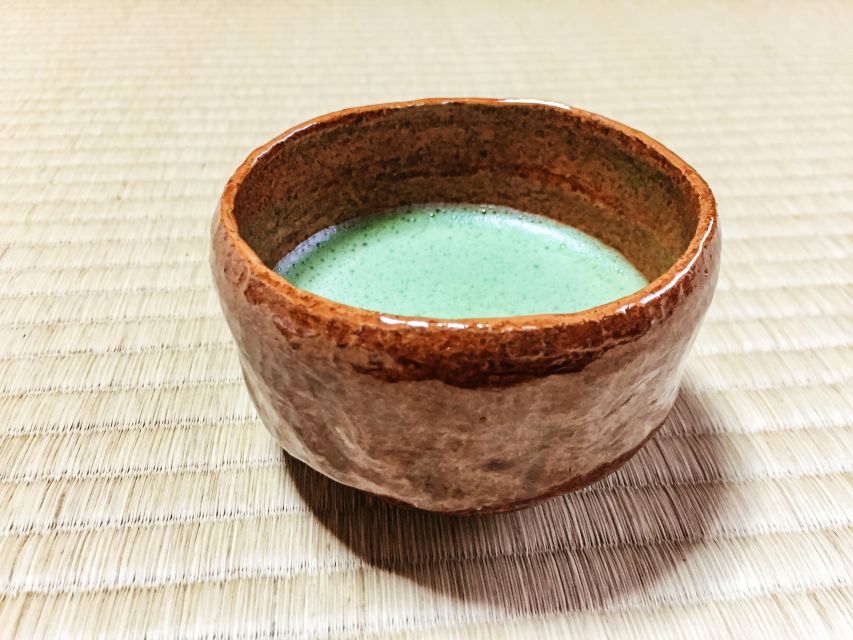
At $22 per person, this is one of the better-value ways to add a structured cultural lesson to a Kyoto itinerary. The price includes the instruction, two flavors of green tea, and traditional Japanese sweets. You are also paying for access to a licensed tea master and a proper tatami setting near one of Kyoto’s major sights.
The low price does come with limits. This is not a long private tea gathering, a full kimono studio session, or an elaborate meal. The 45-minute format is designed to teach the basics and give you a genuine taste of the practice.
I think the value is strongest for first-time visitors who want more than a picture of themselves holding matcha. You get context, a demonstration, hands-on practice, and a chance to ask questions. The private and kimono options cost extra, so compare the final price before booking.
Free cancellation is available up to 24 hours in advance, and you can reserve now and pay later. Those terms help if your Kyoto plans are still shifting.
Who should book this experience?
I would recommend it to you if you want to understand Japanese etiquette rather than simply watch a performance. It also suits families, couples, solo visitors, and anyone with an interest in crafts, food, textiles, or traditional religion.
The lesson is a strong match for a first visit to Japan because it explains customs you may see elsewhere. You learn why tea is served in a particular way and how small gestures can show care.
The private option is better for families with young children, though the quiet setting still requires respectful behavior. The candlelight option suits couples and anyone looking for an evening activity with a slower mood.
You may want to skip it if you strongly dislike floor seating, cannot spare a focused 45 minutes, or want a lively social workshop. The ceremony is formal. The host may correct you, and the rules are part of the point.
Should you book the Kyoto tea ceremony?
Book it if you want an authentic, affordable introduction to matcha and Japanese tea etiquette close to Kinkakuji. The best parts are the licensed Urasenke instruction, the chance to prepare your own tea, and the explanation of meaning behind each action.
Choose private or candlelight if the setting matters as much as the lesson. Add the kimono only if you reserve ahead and arrive 20 minutes early. If you want the best value, the standard 45-minute session already gives you the central experience without unnecessary extras.
Go in ready to listen, sit quietly, and follow the rules. That respectful attitude is what makes this short lesson feel like a genuine encounter with Kyoto tradition rather than a quick tourist performance.
FAQ
How long does the tea ceremony experience last?
The tea ceremony lesson lasts 45 minutes.
How much does the experience cost?
The listed price is $22 per person. Kimono rental is an optional add-on.
What is included in the price?
The experience includes two flavors of Japanese green tea, traditional Japanese sweets, instruction from the tea master, and the tea preparation lesson.
Is the tea ceremony available in English?
Yes. The instructors teach in English and Japanese.
Can I book a private ceremony?
Yes. A private group option is available for couples, families, or anyone who wants a more personal setting.
Is there a candlelight option?
Yes. The candlelight ceremony takes place after sunset and creates a traditional, atmospheric setting.
Can I wear a kimono?
Yes. Kimono rental can be selected as an add-on during booking. You need to reserve it in advance and arrive 20 minutes before the tea ceremony.
Can I take photos or record video?
Photos are allowed, including after the ceremony and with the kimono option. Video recording is not allowed.
Can I sit on a chair instead of the tatami floor?
Yes, but you should tell the provider in advance if sitting on the floor may be difficult. Chairs can be provided.
Fresh tea listings around Kyoto
- Kyoto Fushimiinari:Wagashi Making & Small Group Tea Ceremony★ 5.0 · 14 reviews
- 2 Types of Japanese Sweets making and Tea Ceremony★ 4.6 · 17 reviews
- Kyoto Hidden Riverside Zen Mediation and Uji Matcha Experience★ 5.0 · 9 reviews
- Whisk Your Own Matcha: A Zen Matcha Experience at Temple★ 3.6 · 7 reviews
- Kyoto: Nighttime Zen Meditation and Matcha Tea Experience★ 5.0 · 7 reviews
- Matcha Grinding Experience and Walking Tour in Uji Kyoto★ 5.0 · 26 reviews
- Stunning Private Tea Ceremony: Camellia Garden Teahouse★ 5.0 · 28 reviews
- Kyoto Matcha Green Tea Tour★ 4.7 · 28 reviews
Tea Ceremony Experiences, compared.
Kyoto: Tea Ceremony in a Traditional Tea House in Kiyomizu
Read our review →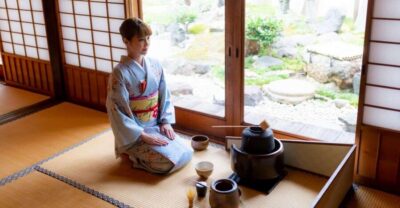
Kyoto: Table-Style Tea Ceremony at a Kyo-Machiya
Read our review →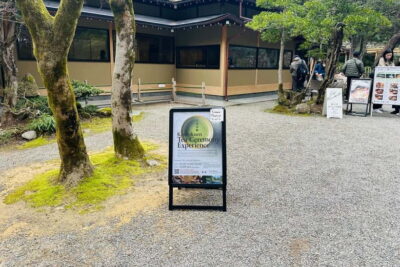
Browse the lists this tour appears in