
Review · KIMONO & TEA CEREMONY
Kimono Tea Ceremony at Tokyo, Asakusa Maikoya
The best part of this Asakusa experience is the change of pace. Tokyo can feel like a city-sized pinball machine, but here you sit in a formal tea room, learn why each movement matters, and prepare matcha with careful guidance. The kimono dressing turns a short lesson into a full cultural activity, with time for photos before and after the ceremony.
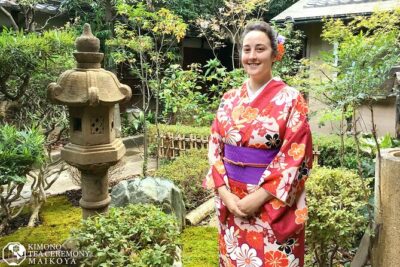
I like the simple hairstyle and kimono fitting, which make the experience feel personal rather than like a quick costume rental. I also like the chance to wear the kimono outside afterward, if that option is available on your booking, and walk toward nearby Senso-ji for pictures.
The main consideration is time. The ceremony lasts about 90 minutes, and dressing takes part of that period. Photo and video use is controlled during the ritual, and the published group-size information is not fully consistent, so confirm the setup if your party is larger than three people.
Key points to know before you book
- Kimono dressing comes first: Staff help you choose your outfit, dress you properly, and arrange a simple hairstyle if you want one.
- You make your own matcha: A tea master explains the tools, etiquette, and movements before guiding you through the preparation.
- Asakusa is part of the appeal: The meeting point is near Senso-ji and public transportation, making it easy to pair with temple sightseeing.
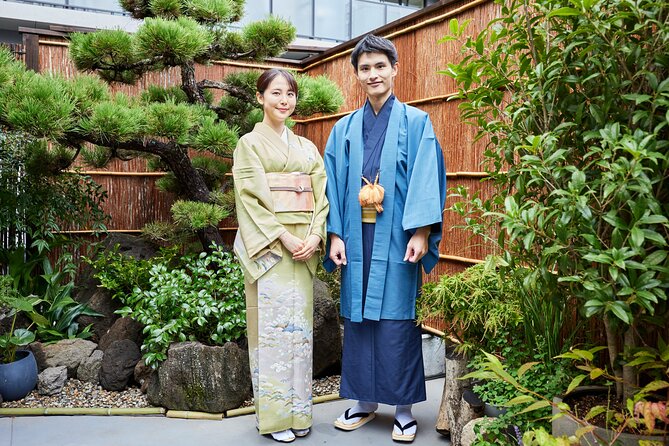
- Photos are built into the experience: You can use the decorated photo areas and, when permitted, wear the kimono outside for more pictures.
- Men, women, and solo participants are welcome: The activity is not limited to couples or families.
- Children under 6 are not permitted: The additional information also says children under 7 cannot enter, so families should confirm the age rule before booking.
A quiet tea lesson in the middle of Asakusa
Maikoya Asakusa offers a useful introduction to two Japanese traditions at once: kimono dressing and the tea ceremony. You meet at 1-chome-12-2 Asakusa, Taito City, Tokyo, and return to the same place when the activity ends.
The setting matters. Asakusa is one of Tokyo’s easiest districts for combining a cultural appointment with independent sightseeing. Senso-ji is nearby, and the venue is close to public transportation. You do not need hotel pickup, since transportation is not included, but the central location makes this a manageable stop in a day of temple visits, shopping, and old-style streets.
The activity is not simply a photo session. The tea ceremony gives the dressing experience a purpose. You learn how the room, utensils, gestures, and serving sequence fit together. The tea master also explains the background of the ritual and the etiquette expected during it.
That explanation is important. Without it, wearing a kimono can become little more than dress-up. Here, you are shown why the tea ceremony values calm attention, hospitality, and respect. You may not leave as a tea expert, but you will understand far more than you would from a quick demonstration.
More Kimono and Tea Ceremonies in Tokyo
- Tokyo: Matcha and Kimono Experience
★ 4.7 · 219 reviews - Tokyo: Asakusa Kimono Dressing and Matcha Experience
★ 4.9 · 173 reviews - Asakusa: Kimono Tea Ceremony with Matcha and Sweet
★ 4.9 · 153 reviews
Choosing a kimono and getting ready
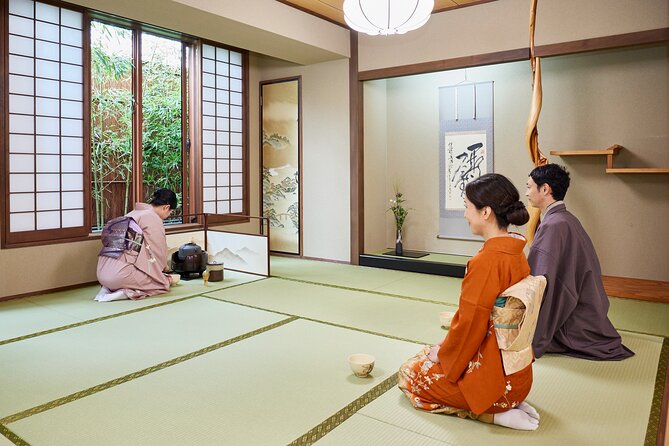
The preparation begins with a choice of kimono. Staff assist you rather than leaving you to sort through the clothing alone. That help is especially useful if you have never worn one before, since the outfit needs to be arranged carefully to look right and remain comfortable while you sit.
The staff also provide a simple hairstyle if you choose it. This is a small detail, but it changes the photographs. A kimono with a suitable hairstyle looks more finished, and you avoid having to plan your own hair appointment before arriving.
The dressing process takes time, so do not schedule a major attraction immediately after the advertised 90 minutes. Some sessions move efficiently, but the exact pace depends on the size of your party and how much assistance each person needs. You want enough breathing room to enjoy the preparation rather than watching the clock.
The activity is open to men and women. That matters for mixed groups, couples, families, and friends who do not all want the same kind of participation. Men are not treated as an afterthought, and the experience can work well for a solo participant too. Solo visitors can take part without needing to arrange a larger group.
What happens in the tea room
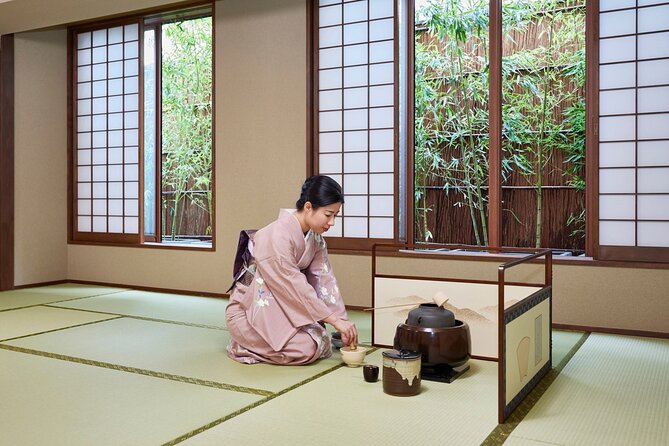
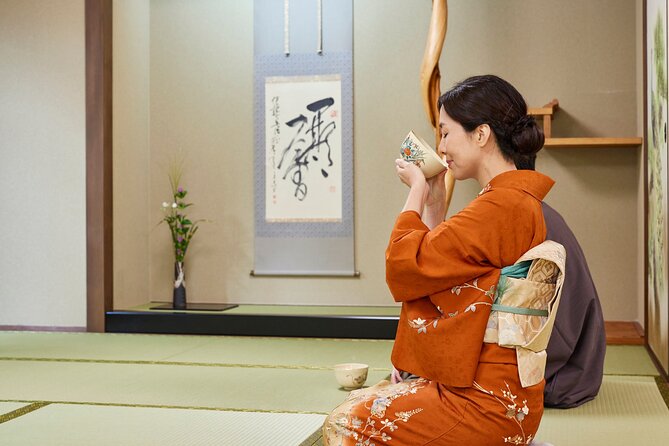
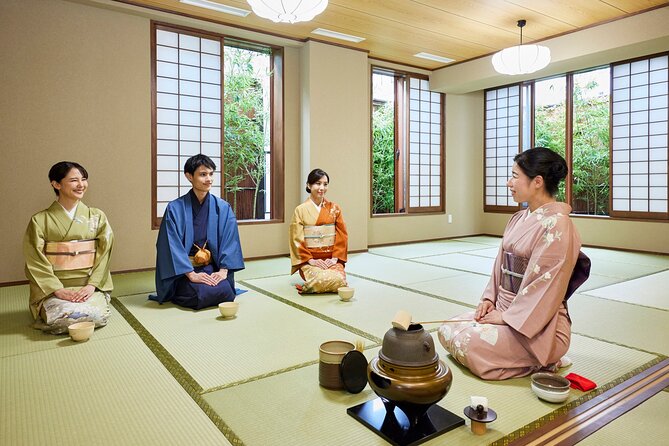
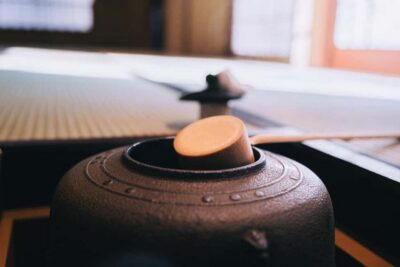
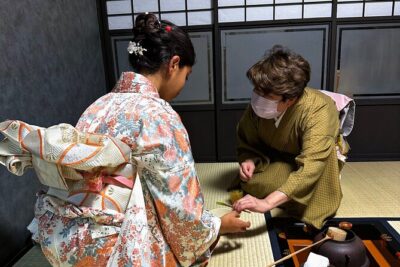
Once everyone is dressed, you enter the formal room for the main lesson. The tea master demonstrates the process and explains the purpose of the tools and movements. You are expected to watch closely, but the atmosphere is instructional rather than intimidating.
The ceremony has a measured pace. You will see the tea prepared with attention to small actions, then receive guidance as you make your own bowl of matcha. This hands-on section is the heart of the activity. You are not only watching a ritual from the sidelines; you are asked to follow the method yourself.
The tea master also covers proper etiquette. You learn how to behave in the room, how to approach the tea, and why the sequence matters. English-language guidance is available, and hosts named in the feedback include Iyume and Erika. The exact host can vary, but the experience is designed to explain the ceremony clearly to an English-speaking audience.
The lesson includes green tea and snacks. The food is a light accompaniment, not a full meal, so eat beforehand if you are arriving hungry. The point is to understand the relationship between the tea, the sweets or snacks, and the formal rhythm of the gathering.
You should also expect limits on photography during the ceremony. Tripods are not allowed, and the tea master may restrict photos or video while the ritual is underway. Follow those instructions. The ceremony depends on concentration, and holding up a phone at every step would work against the calm mood the activity is trying to create.
Why making matcha yourself matters
Watching a tea master prepare matcha is pleasant, but making the tea yourself gives you a clearer sense of the discipline involved. You hold the utensils, follow the directions, and whisk the green tea under supervision. Even a simple bowl requires care if you are trying to copy the demonstrated movements.
This is also the most accessible part of the cultural lesson. You do not need prior knowledge of tea ceremony customs. The guide breaks the process into steps, gives the background, and lets you try. If your first bowl is not perfect, that is part of the fun. The aim is participation and understanding, not a formal examination.
I find the ceremony most rewarding when you treat it as a lesson in attention rather than a performance. Tokyo offers endless sensory noise outside, but the tea room asks you to slow down and notice small details. That contrast gives the activity its value.
The experience also avoids a common problem with cultural activities: showing the surface without explaining the meaning. The guide discusses the room’s furnishings, art pieces, history, and ritual actions. Those details help connect the clothing and tea to Japanese customs instead of presenting them as disconnected attractions.
More Tea Ceremonies in Tokyo
- Tokyo: Traditional Tea Ceremony with a Tea Master
★ 5.0 · 528 reviews - Tea Ceremony Workshop in Tokyo by the Experienced Instrucor
★ 5.0 · 189 reviews - Tea Ceremony Experience in a Private Tea Room in Shibuya
★ 4.9 · 125 reviews - Tokyo: Practicing Zen with a Japanese Tea Ceremony
★ 4.7 · 105 reviews
Photo time inside and around the venue
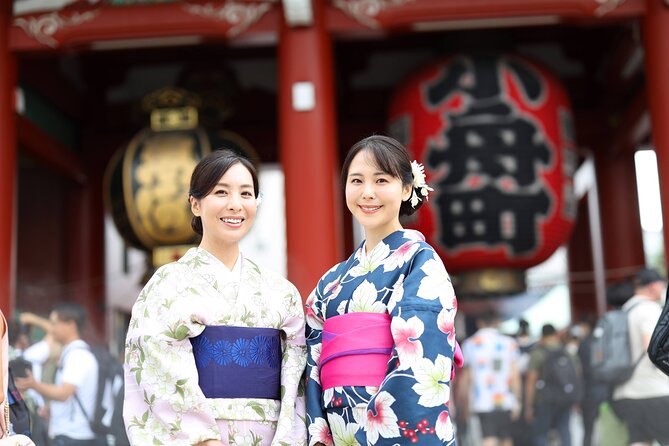
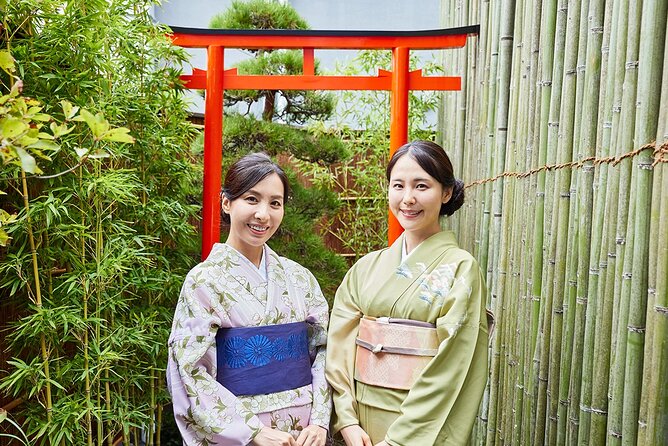
After the ceremony, you have time for photographs. The venue includes a photo area with Japanese-style decorations, umbrellas, and garden spaces. This gives you controlled backgrounds and a chance to take pictures without interrupting the tea lesson.
The patio and outdoor areas are useful for group portraits. If you are visiting with family or friends, plan a little time for everyone to photograph one another. The dressing team can also help you pose or adjust the outfit, although the exact amount of assistance may depend on how busy the venue is.
Some bookings allow you to keep the kimono on after the ceremony and walk around the surrounding area until the stated return time. Several people used that opportunity to visit nearby Senso-ji and take additional pictures. This can add real value to the booking, since you get more than a few minutes in a decorated room.
Do not assume the extended kimono use is guaranteed for every booking. The supplied information confirms the costume and photo opportunities, while the extra outdoor time appears in individual accounts of the experience. Ask at check-in about the return deadline, permitted area, and whether your session includes the longer use.
If you do wear the kimono outside, plan your route sensibly. You will want to avoid a rushed walk across half of Tokyo, and you must return the clothing before the venue closes. One useful approach is to combine the appointment with Senso-ji, since it is close and offers a natural setting for more photos.
How much value do you get for $55.81?
At $55.81 per person, this is not the cheapest way to drink matcha in Tokyo. You are paying for several services bundled together: kimono rental, assistance with dressing, a simple hairstyle, a guided tea lesson, green tea, snacks, utensils, and photo time.
The value is strongest if you want a cultural activity with a clear beginning, middle, and end. A basic tea drink would cost far less, but it would not include the instruction, clothing, hairstyle, or help with the ceremony. A kimono rental by itself may also require you to organize the dressing and decide where to go.
The package makes particular sense for first-time visitors who want an organized introduction without committing to a full-day cultural program. It is also useful for families and couples looking for a shared activity, although remember that children under 6 are not allowed and the age information elsewhere says under 7 cannot enter.
The price is less attractive if your only goal is a quick set of kimono photos. In that case, the tea explanation may feel like an obligation rather than a benefit. Book this because you want both the clothing and the cultural lesson.
The strong customer score, listed as 4.9 from 638 ratings with 99 percent recommending it, points to a consistently well-received experience. I would still read the practical details carefully, especially if you are booking for a large group or counting on wearing the kimono all day.
Timing, group size, and comfort
You can choose a morning or afternoon slot. That flexibility helps when you are building an Asakusa day around temple visits, shopping, or a river-area outing. Morning may suit you if you want photographs before a busy sightseeing schedule. Afternoon works well after exploring Senso-ji, provided you arrive on time and leave enough room for dressing.
The advertised duration is about 1 hour and 30 minutes. Treat that as the core appointment, not necessarily the full time you will spend at the venue. Dressing, hair, photos, and questions can affect the pace.
There is conflicting group information in the booking details. One note says a maximum of seven people can be reserved through Viator, while another says the activity has a maximum of three participants. Separate accounts also describe larger parties being split into different time slots. If you are traveling with more than three people, contact Maikoya before paying and ask whether your group will be divided.
That detail matters because smaller groups allow more direct help with clothing, hair, and photographs. Larger groups can be fun, but they may involve more waiting and less one-to-one attention. Splitting a big family or friend group across time slots may produce a calmer ceremony, though you will need to coordinate your day.
For comfort, sitting directly on tatami may be part of the traditional setting. Special chairs and tables are available in at least some sessions for people who have difficulty kneeling or sitting low. If this matters to you, request or confirm the arrangement in advance rather than assuming it will happen automatically.
Who will enjoy this experience most
This activity fits you if you want a hands-on cultural lesson rather than a passive show. It is especially good for:
- First-time visitors to Tokyo who want an introduction to tea ceremony etiquette
- Couples and friends looking for distinctive photographs
- Families with children old enough to meet the age rule
- Solo visitors who want a structured activity
- People who enjoy learning the meaning behind traditional objects and gestures
- Anyone planning to visit Senso-ji and wanting a nearby appointment
It may not suit you if you dislike dressing up, sitting through a formal demonstration, or following rules about photography. The ceremony is gentle, but it is not a casual café stop. You are expected to listen, observe, and respect the room.
It is also not ideal for very young children. The under-6 restriction is clear, and the additional information uses under 7, so families should confirm the exact cutoff before booking. Children who can sit quietly and follow instructions will get more from the experience than children who need constant movement.
Practical details before you go
Your mobile ticket is accepted, and booking confirmation is provided at the time of reservation. The activity begins and ends at Maikoya Asakusa, with no hotel pickup or drop-off.
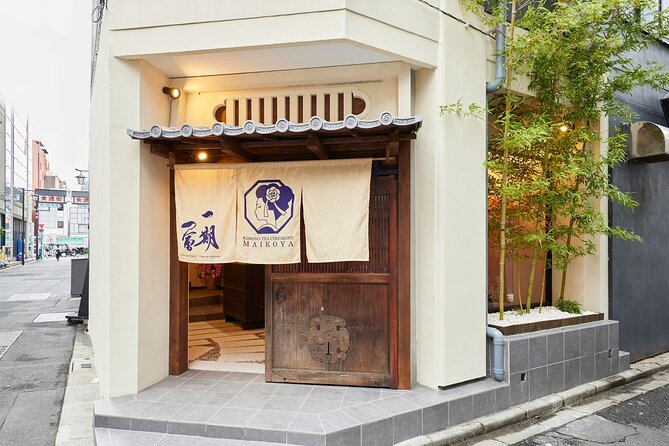
Give yourself extra time to locate the entrance. One person arrived early but was uncertain about the exact doorway until signs were placed outside before the appointment. Arriving early is sensible, but do not expect the venue to look obvious from a distance.
Wear something that allows you to change comfortably. The kimono dressing is done by staff, so avoid arriving in clothing that makes the process awkward. You will also want shoes that are easy to manage, especially if you plan to walk to a nearby shrine or temple afterward.
Remember that the outfit must be returned by the required closing time if you are allowed to wear it outside. Ask about the deadline before leaving. Do not build an evening reservation across town around an assumed all-day rental.
Cancellation is free if you cancel at least 24 hours before the start time. Cancellations or changes made less than 24 hours ahead are not refundable, and the cutoff uses Tokyo local time.
Should you book Maikoya Asakusa?
I would book this if you want the kimono and the meaning behind the tea ceremony, not just a costume photograph. The staff-led dressing, simple hair styling, matcha preparation, snacks, and nearby photo opportunities make the $55.81 price reasonable for a compact cultural activity.
The strongest plan is to reserve a morning or afternoon slot, leave extra time around it, and pair the visit with Senso-ji. Confirm the age rule, group-size arrangement, and outdoor kimono policy before booking, especially for a large party.
Skip it if you want a fast, informal tea or if you cannot sit through a structured lesson. For everyone else, this is a friendly and practical way to slow down in Tokyo, learn a few meaningful customs, and leave Asakusa with photographs that show more than a rented outfit.
FAQ
How long does the kimono tea ceremony last?
The scheduled experience lasts approximately 1 hour and 30 minutes. Dressing, hairstyling, the tea ceremony, and photos take place within or around that appointment, so allow extra time if your schedule is tight.
What is included in the price?
The experience includes a kimono costume, simple hairstyling, green tea, utensils, and snacks. Transportation and hotel pickup or drop-off are not included.
Can men and women participate?
Yes. Both men and women can join the experience, and solo participants are also welcome.
Can children attend?
Children under 6 are not permitted. The additional information also says children under 7 cannot enter the venue, so families should confirm the exact age requirement before booking.
Can I take photos during the ceremony?
Photography and video may be limited during the tea ceremony, and tripods are not allowed. Follow the tea master’s directions about when recording is appropriate. Additional photo areas are available after the ceremony.
Can I wear the kimono outside after the ceremony?
Some sessions allow you to keep the kimono on while walking around nearby and taking photos, including visits toward Senso-ji. Confirm the outdoor-use rules, permitted return time, and closing deadline at the venue, since this option may depend on the booking.
Fresh tea listings around Tokyo
- Mochi Matcha Gluten Free Japanese Sweets Class near Shibuya area★ 5.0 · 26 reviews
- Japanese Matcha Tea Ceremony and Kimono Experience in Hanayaka★ 5.0 · 26 reviews
- Tokyo: Two Types of Japanese Sweets Making and Tea Ceremony★ 4.6 · 26 reviews
- Matcha Experience with of Japanese Tea Tasting in Tokyo★ 5.0 · 31 reviews
- Tokyo:Genuine Tea Ceremony, Kimono Dressing, and Photography★ 5.0 · 33 reviews
- EDOCCO Tea House–A Quick Dive into Japanese Traditional Culture★ 5.0 · 34 reviews
- Tokyo: Tea Ceremony Experience in Asakusa★ 5.0 · 36 reviews
- Tokyo Traditional Tea Ceremony with a Japanese Tea Master★ 5.0 · 40 reviews
Kimono & Tea Ceremony, compared.
KYOTO Tea Ceremony with kimono near by Imamiya Jinjya Shrine
Read our review →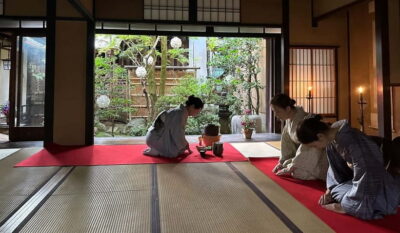
Kyoto: Kimono and Tea Ceremony Experience at Cultural Asset
Read our review →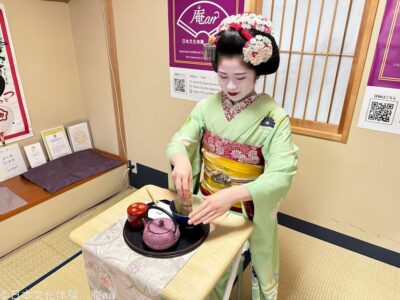
Kyoto: Kimono Tea Ceremony with Matcha and Sweet
Read our review →
Browse the lists this tour appears in