
Review · MATCHA EXPERIENCES
2 Hours Mochi &Nerikiri Making & Matcha Class in Bunkyo
The best part of this Bunkyo class is its one-table setting in a Japanese home, where Yuko teaches you to shape mochi, dango, and nerikiri with patient, personal guidance. This is not a large cooking studio with a row of strangers. It feels closer to being welcomed into someone’s kitchen for a lesson.
I like two things right away: you make the sweets yourself rather than simply watching, and you learn why they matter in Japanese life. Yuko explains links to New Year celebrations, special events, and the tea ceremony. The class also ends with matcha, giving the session a calm finish.
The main consideration is the price, about $78.83 per person for two hours. That is fair for a private lesson, but it is more than a casual market snack or group cooking class. You should also allow time to find the residential meeting point at 1-chōme-27-8 Sekiguchi.
Key points at a glance
- Yuko teaches in her own Bunkyo home: Expect a personal, homely class rather than a commercial kitchen.
- Three course choices are available: Pick mochi and dango, nerikiri, or the combination of all three.
- You make traditional wagashi by hand: The class covers practical shaping methods you can try again at home.
- The cultural context is part of the lesson: Yuko explains how different sweets connect with New Year, celebrations, and tea ceremony customs.
- The class is private: Only your own group takes part, making it a good fit for families, couples, and solo visitors.
- Matcha closes the session: You finish with tea after the hands-on sweets work.
Why this small Bunkyo class feels different
Tokyo offers plenty of food activities, but many place you in a busy room with a fixed demonstration and a set of instructions to follow. This class takes a quieter path. You meet Yuko at her home in Bunkyo, a central Tokyo neighborhood, and work at one table with her.
That small scale matters. If your mochi folds badly or your nerikiri shape looks less than perfect, you can ask for help at once. Yuko can slow down, repeat a technique, or show the movement again. The private format also lets you ask cultural questions without worrying about holding up a class of twenty people.
The setting is especially useful for families. Parents and children can work together, and the lesson has enough variety to keep the activity from feeling like a single long demonstration. Couples and solo visitors also fit naturally into the format. One solo participant described the space as intimate and comfortable, which is exactly the appeal here.
Yuko is bilingual, Japanese, and trained by the Wagashi Association of Japan. That combination gives the class a useful balance. You receive instructions in English while learning from someone with a direct connection to Japanese sweets traditions.
More Matcha Experiences in Tokyo
- Matcha Making Class in Tokyo with Authentic Japanese Sweets Set
★ 5.0 · 744 reviews - Tokyo: Matcha Making Experience with Mochi Sweets in Asakusa
★ 4.9 · 388 reviews - Asakusa Cultural Walk & Matcha Making Tour
★ 5.0 · 245 reviews
Finding the home at 10:00 a.m.
The meeting point is 1-chōme-27-8 Sekiguchi, Bunkyo City, Tokyo 112-0014. The experience is near public transportation, and the stated start time is 10:00 a.m. Since this is a home rather than a large attraction with a clear front entrance, I would not cut your arrival too close.
Have the mobile ticket ready and check the address before leaving your hotel. The provider has contacted participants in advance to help with directions, and the meeting point is described as easy to reach, but a residential street can still take a few extra minutes to identify.
The activity lasts about two hours and ends back at the meeting point. That makes it easy to place between other Tokyo plans. A morning class can lead into lunch and an afternoon visit elsewhere in the city without taking over your day.
Choosing between mochi, dango, and nerikiri
You have three course choices:
- Mochi and dango
- Nerikiri
- Combination mochi, dango, and nerikiri
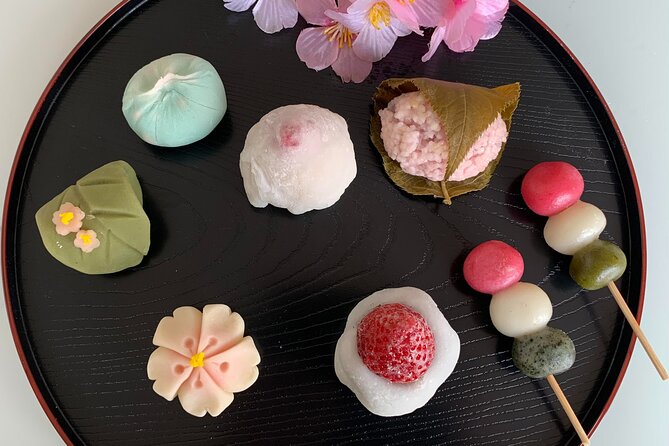
The combination course gives you the broadest look at Japanese wagashi. If this is your only sweets class in Japan, it is the most complete choice because the three sweets use different techniques and have different cultural roles.
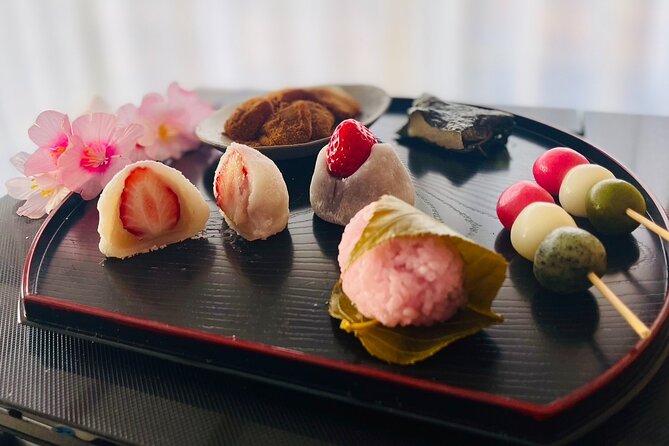
Mochi is the soft, chewy favorite familiar to many people outside Japan, but making it yourself shows how much texture and shape depend on careful handling. The class covers more than one type of mochi, with examples linked to New Year and new-birth celebrations.
Dango gives you another style of Japanese sweet. These round treats are associated with special events, so the lesson connects the food with occasions rather than treating it as an isolated recipe.
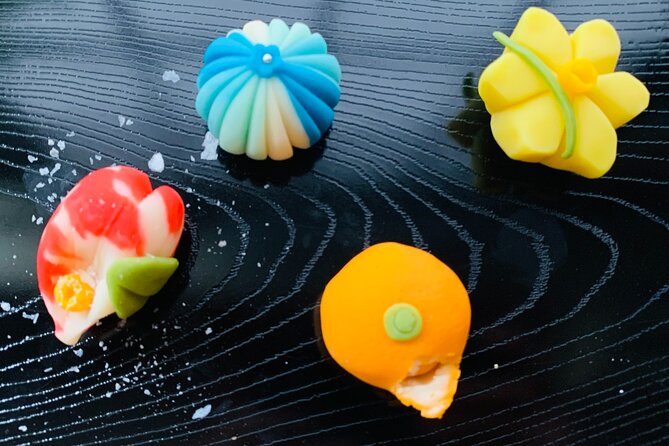
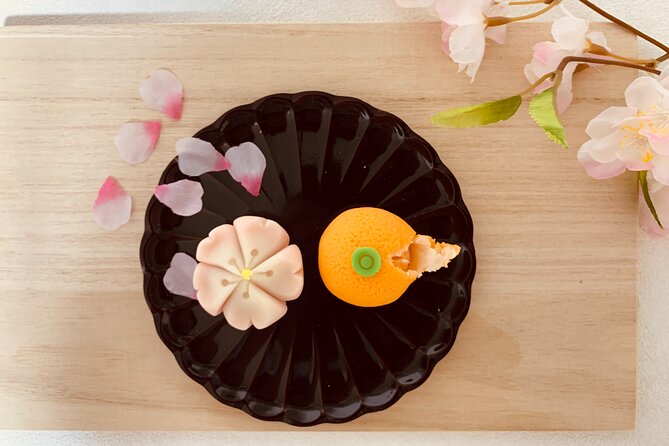
Nerikiri is the most decorative option. It is often connected with the tea ceremony, and its appearance matters almost as much as its flavor. You work with shape and design, turning a simple sweet into something that can reflect a season, celebration, or visual theme.
If you mainly want to learn a recipe you can repeat at home, mochi and dango may be enough. If you enjoy fine detail, color, and presentation, nerikiri deserves attention. The combination class should suit anyone who wants the full two-hour experience and does not want to choose between the three.
The hands-on lesson, step by step
The session begins with an introduction to traditional Japanese sweets and the ingredients used in the class. You are not expected to arrive with cooking experience. The recipes are designed for beginners, and Yuko demonstrates each stage before you try it yourself.
That order works well. You first see the correct hand movement, then copy it with Yuko nearby. The instruction is not rushed, and the private format means the pace can match your group.
The making process is the heart of the activity. You shape the sweets yourself, using the techniques demonstrated at the table. The point is not to produce factory-perfect pieces on the first attempt. It is to understand how the sweets are formed and to gain enough confidence to try again later.
Several participants appreciated that Yuko showed each type step by step. One person even took notes during the session, a useful idea if you want to recreate the sweets once you return home. Bring a phone or small notebook if you like recording instructions, though the supplied information does not promise a printed recipe.
The artistic side becomes clearest with nerikiri. Yuko demonstrates how a plain portion becomes a decorative sweet, and you then create your own version. The results may not all look identical, which is part of the fun. You get a small lesson in Japanese food presentation as well as a cooking activity.
More Tea and Sweets Making in Tokyo
- Make Traditional Nerikiri Sweets & Matcha experience in Shibuya
★ 5.0 · 130 reviews - Sweets Making and Kimono Tea Ceremony at Tokyo Maikoya
★ 5.0 · 57 reviews - Japanese Traditional Sweets making and Tea Ceremony
★ 4.7 · 50 reviews - Mochi Matcha Gluten Free Japanese Sweets Class near Shibuya area
★ 5.0 · 26 reviews
What the cultural explanations add
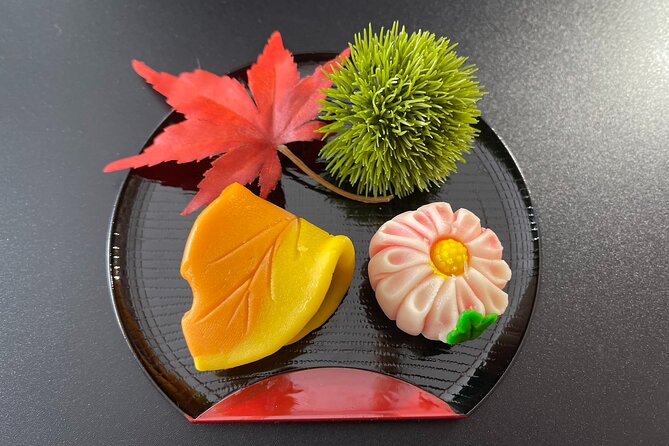
This is not only a lesson in sweet making. Yuko explains the role of each type in Japanese culture, including connections with New Year, births, special events, and tea ceremony customs.
That context changes how you look at the finished food. Mochi is no longer just a chewy dessert. Dango is tied to occasions. Nerikiri becomes part of a formal visual tradition in which shape, season, and presentation all matter.
The cultural information is also one reason this class offers more value than buying prepared wagashi. A shop can show you the final result, but it cannot give you the same understanding of how the sweet is made and why it appears in a particular setting.
The class includes tea at the beginning or during the experience, with matcha at the end. One participant particularly enjoyed the tea ceremony element, while another described finishing with delicious matcha after the sweets work. The exact flow may vary by course and pace, but tea is clearly part of the experience rather than an afterthought.
A warm home setting, with a few practical limits
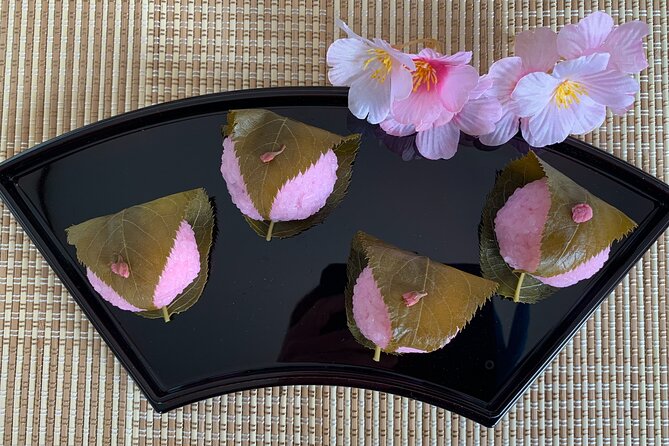
The strongest praise for this class centers on Yuko herself. She is described as kind, attentive, patient, and welcoming. The tone is personal, with several families saying they felt at home in her kitchen and dining room.
That warmth is a major part of the value. You are not simply paying for ingredients and a recipe. You are paying for time with an instructor who can explain the food, answer questions, and adjust the lesson to your group.
The home setting also has limits. It is not the right choice if you want a polished, high-capacity cooking school, a formal restaurant meal, or a fast demonstration with many dishes. The intimate room is part of the charm, but some people prefer larger spaces and a more structured commercial setup.
The activity also focuses on making and tasting sweets, not a full Japanese meal. If you want sushi, ramen, or a broad survey of Japanese cooking, this is too narrow. If you have a serious food allergy or dietary concern, the provided information does not explain ingredient substitutions, so ask before booking.
How much value do you get for $78.83?
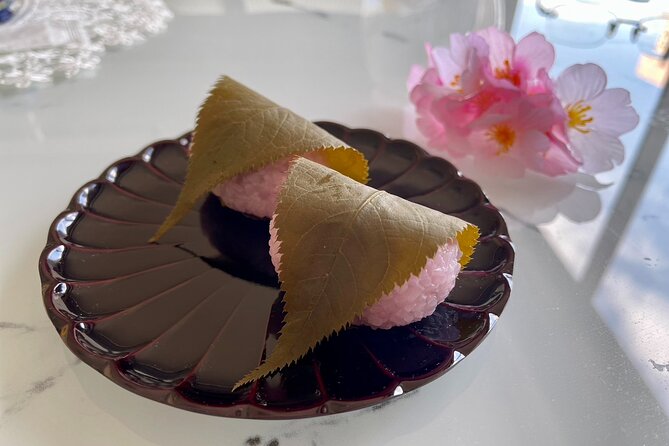
At about $78.83 per person, this is not the cheapest food activity in Tokyo. The price makes more sense when you consider what is included in the format: two hours, private instruction, a bilingual teacher, hands-on work, several traditional sweet types, cultural explanations, and matcha.
A group class can cost less per person, but you may spend more time waiting for help. Here, the instructor’s attention is directed only to your group. That matters most when you are learning delicate shaping techniques or want to ask questions about Japanese customs.
The experience also leaves you with a repeatable skill. Several participants were given sweets to take home, and one person mentioned a takeout tray and goodie bag. These extras are not specifically listed as guaranteed inclusions, so I would treat them as possible host touches rather than part of the promised price.
I see the best value for people who care about personal contact and cultural meaning. If you only want to taste mochi, spend less at a shop. If you want to understand how it is made and leave with techniques to practice, the cost is easier to justify.
Who should book this experience?
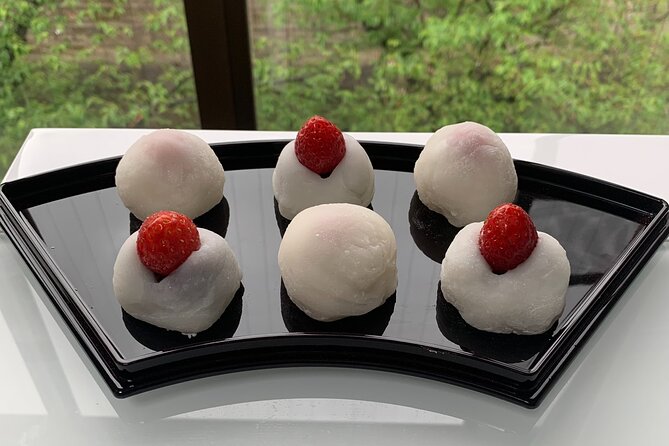
This class suits families particularly well. Children can take part in shaping the sweets, while adults get the cultural background and a relaxed activity away from Tokyo’s crowded streets. The private format also means your group can share the lesson without being mixed with strangers.
Couples will appreciate the gentle pace and the chance to make something together. It also works for solo visitors. A private class can sometimes feel awkward when you arrive alone, but the one-table format and Yuko’s personal teaching style make it a natural choice for an independent visitor.
Food lovers and anyone with a sweet tooth are obvious candidates. You do not need previous Japanese cooking experience, and the class is short enough to fit into a packed itinerary.
I would be less likely to recommend it to someone who dislikes sweets, wants a full meal, or prefers a large group with lively social energy. The quiet home setting is the point, so choose it because you want a personal lesson, not despite that fact.
Planning the rest of your Tokyo day
The 10:00 a.m. start and two-hour length make this easy to pair with other plans. You finish at the same Bunkyo meeting point, so you do not need to arrange a second pickup or find a separate end location.
I would keep the morning free rather than scheduling a timed attraction immediately afterward. Home-based activities can occasionally run at a relaxed pace, especially when families are making several types of sweets. The class is listed as approximately two hours, so leave a little breathing room.
The location is near public transportation, but you should still confirm your route in advance. A mobile ticket is provided, and confirmation arrives at booking. For changes, free cancellation is available up to 24 hours before the local start time. Cancellations or changes made inside that window are not accepted for a refund.
Should you book Yuko’s wagashi class?
Book it if you want a small, personal Japanese food experience rather than a quick tasting stop. Yuko’s patience, bilingual instruction, cultural explanations, and willingness to teach each technique step by step are the main reasons to choose it.
The class earns its price through attention and atmosphere. You make the sweets, learn where they fit in Japanese life, and finish with matcha in a home setting. Just remember that it is a sweets workshop, not a general cooking class, and that the home venue may feel compact.
For families, couples, solo visitors, and anyone curious about wagashi, I would book it. Choose the combination course if you want the widest range of techniques, or select mochi and dango or nerikiri if one style interests you most.
FAQ
How long does the mochi and nerikiri class last?
The class lasts approximately two hours and ends back at the meeting point.
Where does the class take place?
It takes place at 1-chōme-27-8 Sekiguchi, Bunkyo City, Tokyo 112-0014, Japan, in the instructor’s home.
What time does the class start?
The stated start time is 10:00 a.m.
Which sweets can I learn to make?
You can choose a mochi and dango course, a nerikiri course, or a combination course covering mochi, dango, and nerikiri.
Is the class private?
Yes. Only your own group participates in the private activity.
Can I cancel for a full refund?
Yes, you can cancel for a full refund up to 24 hours before the experience start time. Cancellations or changes made less than 24 hours before the start are not accepted for a refund.
More Two-Hour Experiences in Tokyo
- Skipton: 2-Hour Afternoon Tea Cruise
★ 4.8 · 508 reviews - Twinings 2-Hour Tea Tasting Masterclass in London
★ 5.0 · 105 reviews - Agafay Desert, 2H of Quad Biking, tea & transfer from Marrakech
★ 5.0 · 55 reviews - Sydney Harbour: 2-Hour Morning Yacht Cruise with Morning Tea
★ 4.8 · 42 reviews
Fresh tea listings around Tokyo
- Yokohama : Tea Ceremony with Sweets and Souvenir★ 5.0 · 5 reviews
- Walking Tour: Yanaka,Nezu& Sendagi: Tea Ceremony & Old Tokyo★ 5.0 · 3 reviews
- Private Mochi・Matcha sweets Making Class Near Shibuya Area★ 5.0 · 22 reviews
- Private Kimono and tea ceremony at local home near Tokyo Disney★ 5.0 · 6 reviews
- Kimono and Tea Ceremony in Asakusa Private Food Tour With Guide★ 5.0 · 4 reviews
- Tokyo: Tea Ceremony & Japanese Sweets Making★ 5.0 · 10 reviews
- Tokyo Sweets Tour: Hidden Gems & Matcha at an Old Tea House★ 5.0 · 6 reviews
- Tokyo: Matcha Tea Ceremony Experience at Japanese room in Shibuya★ 5.0 · 11 reviews
Matcha Experiences, compared.
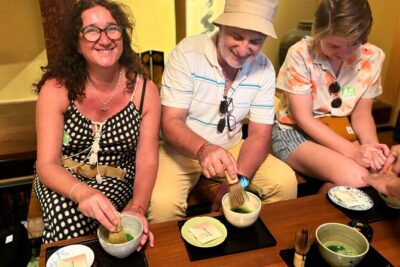
World Heritage Kyoto & Nara Uji Authentic Matcha Experience
Read our review →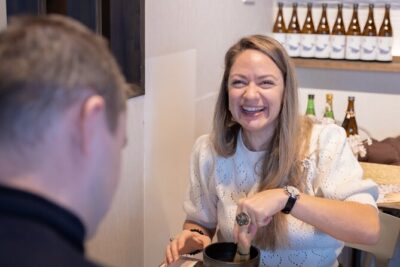
Matcha Making Class in Tokyo with Authentic Japanese Sweets Set
Read our review →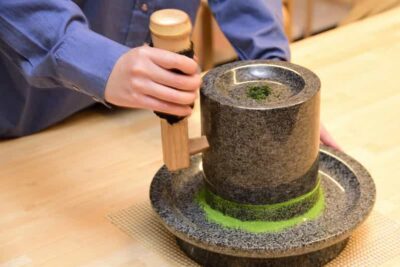
Kyoto: Tea Museum Tickets and Matcha Grinding Experience
Read our review →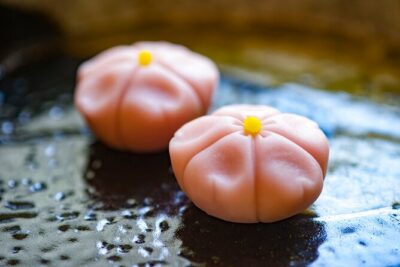
Matcha Making Class in Osaka with Authentic Japanese Sweets Set
Read our review →
Kyoto: Tea Ceremony Meditation – Make Matcha with Tea Master
Read our review →
Tokyo: Matcha Making Experience with Mochi Sweets in Asakusa
Read our review →
Kyoto: Kimono Tea Ceremony with Matcha and Sweet
Read our review →
Browse the lists this tour appears in