
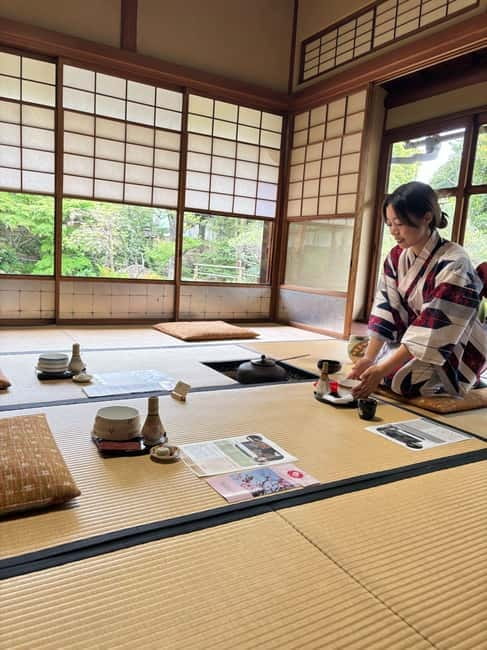
Review · TEA CEREMONY EXPERIENCES
Yokohama : Tea Ceremony with Sweets and Souvenir
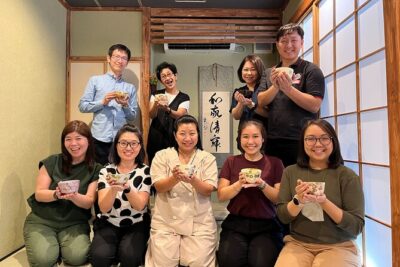
Yokohama’s tea ceremony is hands-on from the start. Instead of sitting quietly while someone else performs every step, you learn to brew your own tea with help from English-speaking guides such as Ryota and Sarina. I like the friendly, social feel, and I like that traditional sweets and a take-home tea set are included. The main thing to consider is the short one-hour schedule, which gives you a pleasant introduction rather than a full, formal study of tea ceremony.
Key points to know
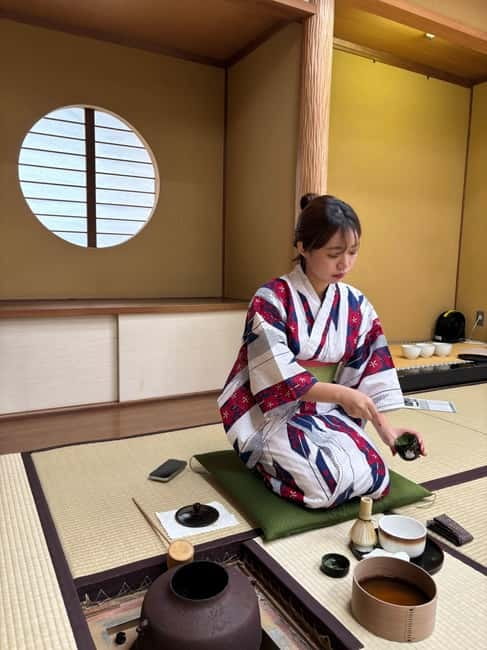
- You brew the tea yourself: The guide demonstrates the method, then helps you prepare your own cup.
- Ryota and Sarina guide in English: Their warm, conversational style suits first-time visitors.
- Japanese sweets are part of the session: The sweets are chosen to pair with the tea.
- The group is limited to 10 people: That keeps the lesson personal without making it too quiet or formal.
- You receive an original tea set: It gives the one-hour activity a useful souvenir instead of a forgettable trinket.
- The meeting point can change: The tea room location varies, so wait for the organizer’s instructions before setting out.
A hands-on introduction to Japanese tea in Yokohama
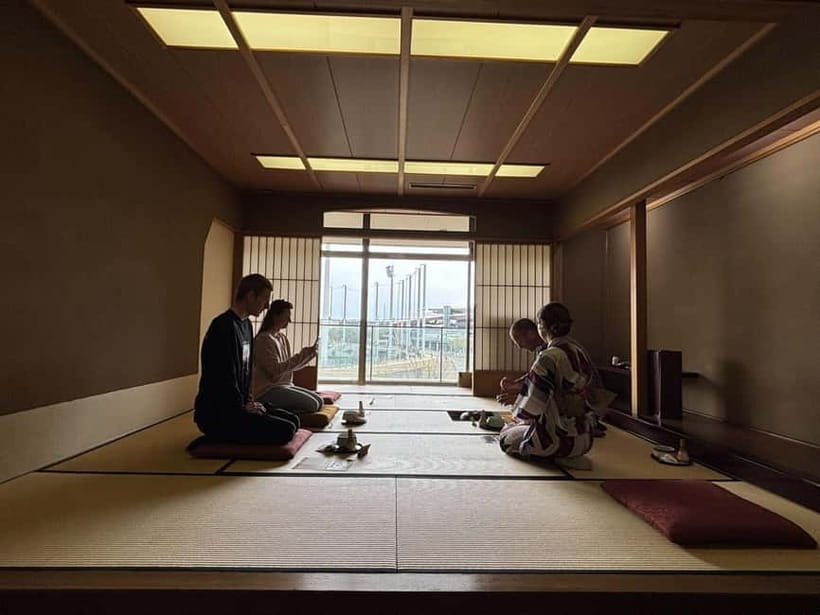
This is a good choice if you want to understand Japanese tea ceremony without committing to a long, highly formal performance. The setting is designed for overseas visitors, and the tone is casual. You learn what to do, try it yourself, and have time to talk with the people around you.
I especially like that the activity treats tea ceremony as a shared social moment. The tea matters, but so does the conversation. That makes this a comfortable option for solo visitors, couples, friends, and small families who want a cultural activity with a human touch.
The session lasts one hour. That is enough time to learn the basic process, prepare tea, taste sweets, and chat afterward. It is not enough time for a detailed course in every rule, school, utensil, or historical period. I would think of it as a friendly first step, not a specialist workshop.
More Tea and Sweets Making in Tokyo
- Matcha Making Class in Tokyo with Authentic Japanese Sweets Set
★ 5.0 · 744 reviews - Tokyo: Matcha Making Experience with Mochi Sweets in Asakusa
★ 4.9 · 388 reviews - Make Traditional Nerikiri Sweets & Matcha experience in Shibuya
★ 5.0 · 130 reviews
Meeting Ryota and Sarina
The activity is led in English, with Ryota and Sarina among the hosts named for the experience. Their role is more than simply showing you where to place a bowl or how to stir. They explain the purpose behind the actions and help you feel at ease while you try them.
That matters because tea ceremony can look intimidating from the outside. You may worry about making a mistake, using the wrong hand, or missing a small gesture. Here, the format is built for beginners, and the guides demonstrate the process before asking you to do it yourself.
The personal side of the hosting is one of the strongest parts. The conversation can move beyond tea to everyday life and places to visit in Yokohama. If you want a quick local orientation, you can ask the hosts for ideas while you enjoy the tea.
One practical note: the meeting point is not fixed. It depends on the tea room used for your session, and the organizer contacts you with the details. Do not assume you can simply walk to one permanent venue listed on a map.
Brewing your own Japanese tea
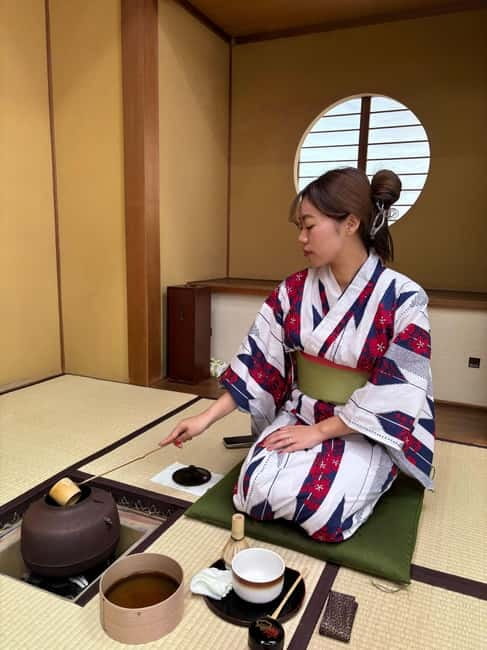
The central part of the session is active rather than theatrical. You watch the correct way to brew the tea, then prepare your own cup with guidance. That small act changes the mood. You are not just looking at a cultural custom from the outside. You are taking part in it.
The guide helps with the method and can explain what you are doing in English. For a first visit to Japan, this is useful because tea ceremony has several quiet details that are easy to miss when you only watch a demonstration.
The pace is relaxed. You can focus on the movements, taste the tea, and ask questions without needing prior experience. If you are a tea enthusiast, you may want more technical detail about tea varieties and preparation. The available information points to a welcoming introduction rather than an advanced tasting course.
The tea itself is treated with care, but the session does not appear to demand severe silence or strict formal behavior from beginners. That is a plus for people who want cultural context without feeling tested.
Japanese sweets with the tea
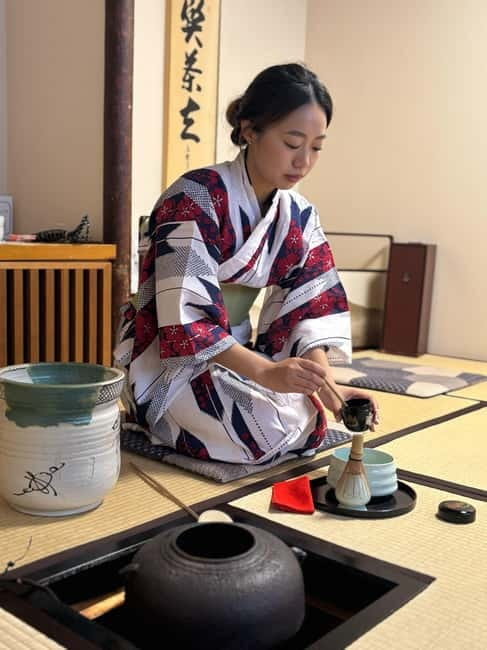
Traditional Japanese sweets are served alongside the tea. They are selected to work with its flavor, so the tasting is not an afterthought. The contrast between a sweet and a more savory or grassy tea is part of the pleasure.
This pairing also helps explain why Japanese tea is often enjoyed with food rather than judged on its own. You get a simple sensory lesson: taste the sweet, drink the tea, and notice how the balance changes.
The exact sweets are not specified in advance, so do not book this expecting a particular confection. If you have food restrictions, the provided information does not confirm ingredient or allergy options. Ask before booking if that detail is important to you.
More Tea Ceremonies in Tokyo
- Kimono Tea Ceremony at Tokyo, Asakusa Maikoya
★ 5.0 · 638 reviews - Tokyo: Traditional Tea Ceremony with a Tea Master
★ 5.0 · 528 reviews - Tea Ceremony Workshop in Tokyo by the Experienced Instrucor
★ 5.0 · 189 reviews - Asakusa: Kimono Tea Ceremony with Matcha and Sweet
★ 4.9 · 153 reviews
A small group with room for conversation
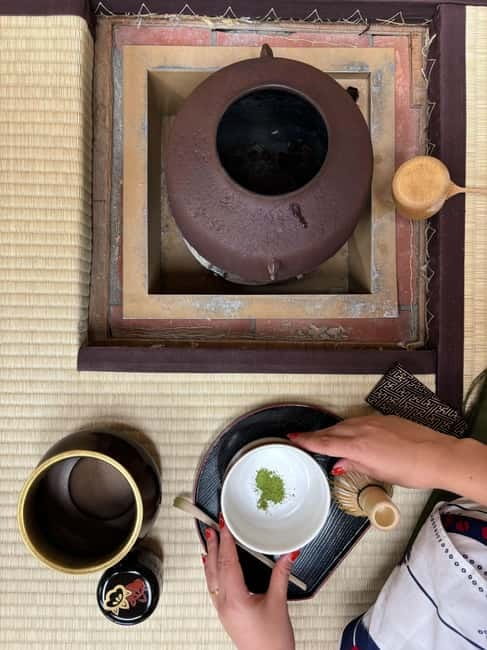
The group is limited to 10 participants. That size gives the activity a social feel, but it should still allow the guide to watch as you prepare your tea and offer help when needed.
I like this balance. A private lesson can feel intense, while a large group can turn a hands-on activity into a demonstration at the front of a room. Ten people keeps the experience shared and informal.
You can come alone and still have a natural reason to talk with others. You can also come with friends and use the activity as a calm break from sightseeing. The point is not only to learn a procedure, but to enjoy time with people over tea.
The social tone will not suit everyone. If you want a silent, highly ceremonial performance with no conversation, this is probably too casual. If you want a low-pressure cultural activity, the group format is a good fit.
What may happen before or after the ceremony
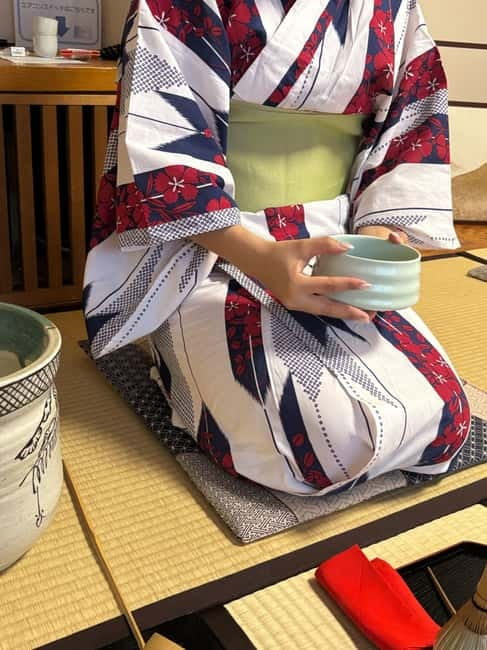
The core details promise one hour of tea, sweets, guidance, and a souvenir. Some arrangements may include extra hospitality, but you should not assume those additions are guaranteed.
One booking included a hotel meeting, transport in a Tesla, time in a Japanese garden while the hosts prepared, photographs taken during the activity, and a ride back to the hotel. Those details show the kind of personal service that may be arranged in some cases, but they are not listed as standard inclusions for every booking.
The safest plan is to treat the tea ceremony itself as the product. If your confirmation includes a pickup, garden visit, photos, or return transport, enjoy those extras. If not, make your own way to the stated meeting point and keep your expectations focused on the one-hour session.
The meeting location can vary according to the tea room. Since the organizer will contact you, check messages before leaving your hotel. This is one of the few parts that requires more attention than a standard attraction with a fixed entrance.
The tea set makes the $45 price more useful
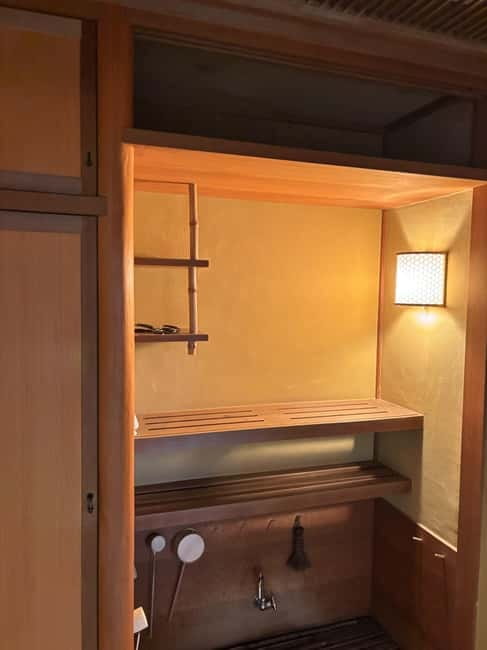
At $45 per person, this is not the cheapest way to spend an hour in Yokohama. You are paying for an instructor-led activity, English support, tea, sweets, a small group setting, and an original Japanese tea set to take home.
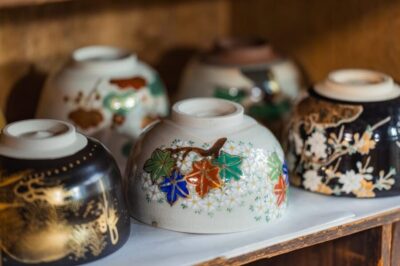
The souvenir changes the value calculation. Many short cultural activities end when you walk out the door. Here, you leave with something practical and decorative that can remind you how to prepare tea at home. The exact design and contents are not specified, so you should not expect a particular brand or style.
I would consider the price reasonable for someone who values personal instruction and a cultural keepsake. It is less compelling if you only want to sample matcha quickly or are already planning several paid food and craft activities.
The activity also saves you from having to decode the etiquette alone. A guide who can explain each step in English has real value, especially when you have only a short time in Yokohama.
Who should book this tea ceremony
This works best for first-time visitors who want a gentle introduction to Japanese customs. You do not need previous experience with tea ceremony, and the hands-on format gives you something to do rather than simply watch.
It also suits:
- Solo visitors who enjoy meeting people in small groups
- Couples looking for a calm shared activity
- Friends who want a cultural break between sightseeing stops
- Tea lovers who like learning through preparation and tasting
- Visitors who want an English-speaking guide
- Anyone who appreciates a useful Japanese souvenir
Families may also find it appealing, but the supplied details do not give a minimum age or child policy. Ask the organizer if you are booking for young children.
I would choose another activity if you want a long, formal ceremony, detailed instruction in tea-school traditions, or a fixed venue with a clearly published schedule. This experience is intentionally casual and compact.
Practical details before you book
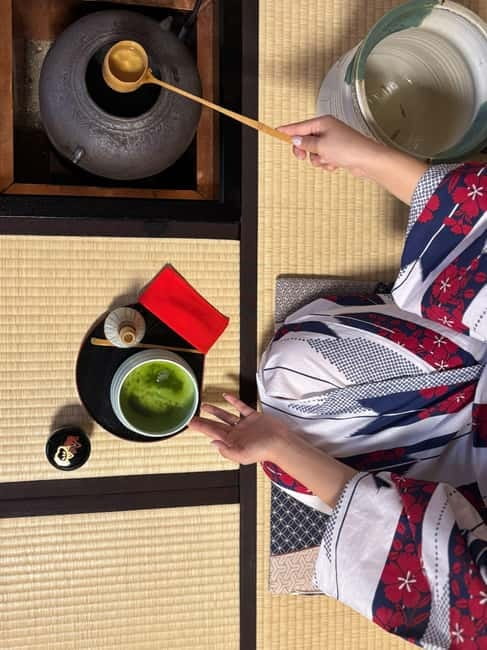
The activity runs for one hour, and starting times vary. Check availability for the date and time that suits your Yokohama plans.
The group can include up to 10 participants. The instructor speaks English, and the included elements are the tea-brewing session, Japanese sweets, English guidance, and an original Japanese souvenir.
Bring a camera if you want to record the setting or your tea-making steps. Smoking is not allowed.
Cancellation is free if you cancel at least seven days in advance. That policy gives you some flexibility, but the meeting point still needs attention because it changes with the tea room.
The activity is listed with an express security check or skip-the-line feature. Since the tea room location and exact arrangement can vary, read the final instructions closely so you know where that feature applies.
Why the personal welcome matters
A tea ceremony can become a checklist item if the guide focuses only on rules. This activity appears to work better because the hosts connect the tea to conversation and everyday Japanese life.
The strongest part for me is the combination of structure and warmth. You have a clear process to follow, but you also have permission to ask questions, chat, and enjoy the moment. That makes the activity feel less like a staged display and more like an invitation into a local custom.
The personal welcome also helps if you are uncertain about etiquette. The guides can show you what to do instead of leaving you to copy someone across the room. Small mistakes become part of learning, not a reason to sit out.
One hour goes quickly, especially if the group wants to talk after the tea. If you hope for an extended discussion about Japanese history or regional tea production, you may need to ask your questions early.
Is this Yokohama tea ceremony worth booking?
I would book it if you want a friendly, beginner-level introduction to Japanese tea with English guidance, hands-on preparation, sweets, and a physical souvenir. The hosts, especially Ryota and Sarina, add a personal touch, and the small group keeps the session comfortable.
I would skip it if you want a strict, formal ceremony or if you are only looking for the lowest-cost matcha tasting. The $45 price makes the most sense when you value instruction, conversation, and the included tea set.
For many visitors, this is a pleasant way to slow down in Yokohama. You learn a real custom, meet people, taste tea and sweets, and leave with something you can use later. Just confirm the meeting point and remember that the one-hour format offers an introduction, not a full course.
FAQ
How long does the Yokohama tea ceremony last?
The activity lasts one hour.
How much does the tea ceremony cost?
The price is $45 per person.
Is the guide able to speak English?
Yes. English-speaking instruction is included.
How many people can join the activity?
The group is limited to 10 participants.
Do I get to brew my own tea?
Yes. The guide demonstrates the correct method and then helps you prepare your own Japanese tea.
Are Japanese sweets included?
Yes. Traditional Japanese sweets are provided and selected to pair with the tea.
Do I receive a souvenir?
Yes. An original Japanese tea set is included as a souvenir.
Where is the meeting point?
The meeting point varies according to the location of the tea room. The organizer will contact you with the details.
What should I bring?
A camera is recommended.
Can I cancel for a full refund?
Yes. You can cancel up to seven days in advance for a full refund.
Fresh tea listings around Tokyo
- Walking Tour: Yanaka,Nezu& Sendagi: Tea Ceremony & Old Tokyo★ 5.0 · 3 reviews
- Private Mochi・Matcha sweets Making Class Near Shibuya Area★ 5.0 · 22 reviews
- Private Kimono and tea ceremony at local home near Tokyo Disney★ 5.0 · 6 reviews
- 2 Hours Mochi &Nerikiri Making & Matcha Class in Bunkyo★ 5.0 · 21 reviews
- Kimono and Tea Ceremony in Asakusa Private Food Tour With Guide★ 5.0 · 4 reviews
- Tokyo: Tea Ceremony & Japanese Sweets Making★ 5.0 · 10 reviews
- Tokyo Sweets Tour: Hidden Gems & Matcha at an Old Tea House★ 5.0 · 6 reviews
- Tokyo: Matcha Tea Ceremony Experience at Japanese room in Shibuya★ 5.0 · 11 reviews
Tea Ceremony Experiences, compared.
Kyoto: Tea Ceremony in a Traditional Tea House in Kiyomizu
Read our review →
Kyoto: 45-Minute Tea Ceremony Lesson Experience
Read our review →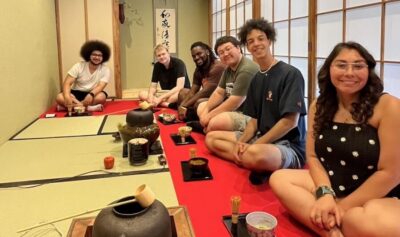
Kyoto: Table-Style Tea Ceremony at a Kyo-Machiya
Read our review →
Browse the lists this tour appears in