
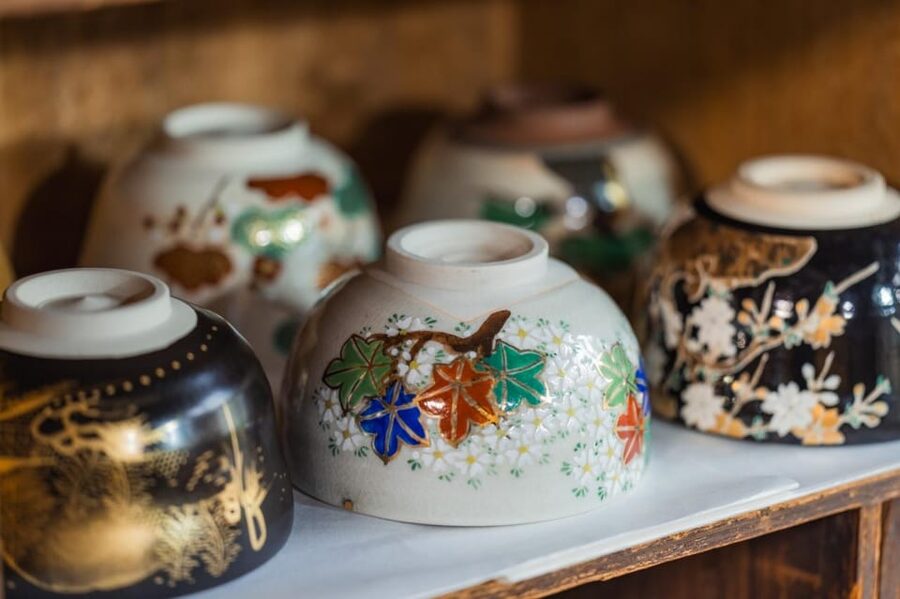
Review · TEA CEREMONY EXPERIENCES
Kyoto: Table-Style Tea Ceremony at a Kyo-Machiya
A tea ceremony does not have to mean folding your legs on the floor. Here, you sit at a table in a 100-year-old Kyo-machiya, a traditional Kyoto townhouse, and learn the movements, manners, and meaning behind matcha in a relaxed setting. I like the chair seating and the chance to make your own frothy tea. I also like the personal touches, especially having your name written in Japanese and exploring the old house.
The main drawback is location. This experience is in Fushimi, south of central Kyoto, not beside Gion or Kiyomizu-dera. That adds train time, but it also puts you in a sake-making district with shopping streets, casual restaurants, Fushimi Inari, and easy rail links to Uji, Osaka, and Nara.
Key points
- Chair seating: Learn tea ceremony manners at a table instead of sitting on the floor.
- Old Kyoto setting: Walk through a townhouse more than a century old, with a garden, traditional altars, and antiques.
- Hands-on matcha: Whisk your own creamy tea with a bamboo whisk after watching the formal service.
- More than tea: Try calligraphy, flower arranging, sweets, welcome drinks, and photos with fans, umbrellas, and a katana.
- Optional kimono: Arrive 30 minutes early if you add the kimono rental, with time for dressing and pictures.
- Useful base in Fushimi: Pair the visit with sake shops, Fushimi Inari Shrine, or a side trip to Uji.
Tea ceremony without the floor seating
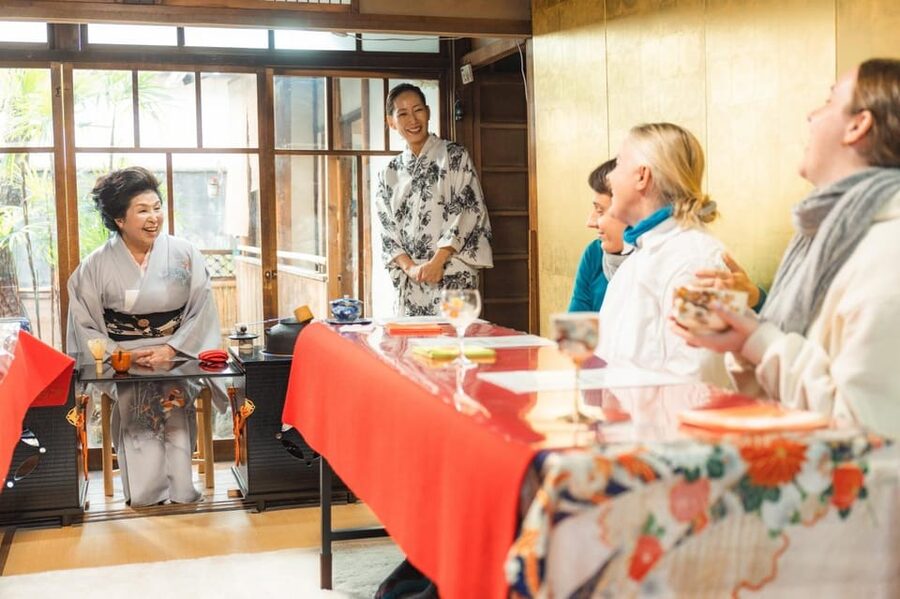
The clever idea here is simple: you get the atmosphere and rituals of a Japanese tea ceremony without the discomfort that can come with sitting on tatami mats. You use tables and chairs, which makes this a better choice for anyone with stiff knees, limited flexibility, or little interest in spending a formal ceremony kneeling.
That adjustment does not remove the cultural content. You still learn how to receive tea, how to handle the bowl, why certain gestures matter, and how the ceremony reflects Japanese manners and hospitality. The English-speaking instructors explain the background with a presentation before guiding you through the activity.
I like this format for a first introduction. A formal tea ceremony can be quiet and difficult to follow if you do not know what to watch. Here, the hosts explain the movements before asking you to copy them, so you can pay attention to the details instead of worrying about making a mistake.
More Tea Ceremonies in Kyoto
- Kyoto: Tea Ceremony in a Traditional Tea House in Kiyomizu
★ 4.9 · 3,519 reviews - Kyoto: Tea Ceremony Ju-An at Jotokuji Temple
★ 4.9 · 3,207 reviews - Kyoto: 45-Minute Tea Ceremony Lesson Experience
★ 4.3 · 2,378 reviews
A 100-year-old townhouse in southern Kyoto
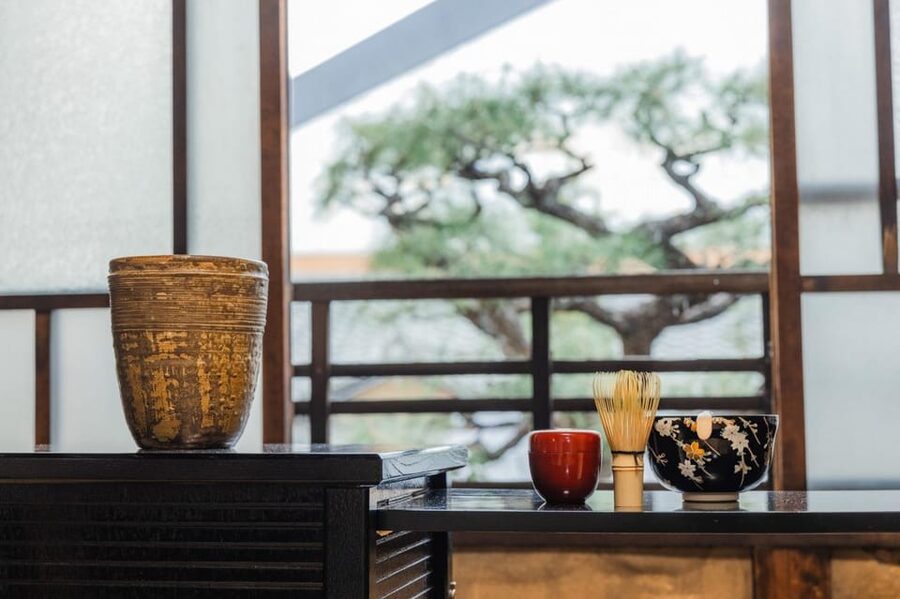
The setting gives the activity much of its character. The house is a traditional Kyo-machiya, the narrow wooden townhouse style once common in Kyoto. From the outside, it may look modest. Inside, you can stroll through an older domestic space with a garden, Buddhist and Shinto altars, antiques, and the small details that show how a Kyoto home was used.
Before the ceremony, you can take part in a purification ritual at a stone basin in the garden. This echoes the custom of cleansing yourself at a shrine before prayer. It is a small action, but it gives you a physical way to understand the connection between tea practice, religion, cleanliness, and careful preparation.
The house is also the backdrop for photographs. Depending on the options you choose, you can pose with Japanese umbrellas, folding fans, and a katana sword. These props are clearly part of the photo-friendly side of the activity, but they also help families and younger visitors stay engaged during the quieter parts.
The townhouse is not a museum with a long route and dozens of displays. You are visiting a living cultural setting for a short period. That makes the visit feel more intimate, though anyone expecting a large garden or a full historic-house tour should keep the scale in mind.
What happens during the 90 minutes
The exact order can vary, but you can expect a compact series of cultural activities rather than one long tea demonstration.
You begin with a welcome drink. The choices may include sake or juice, along with Japanese tea. This gives you time to settle in, meet the hosts, and look around the townhouse before the formal portion begins.
Next comes an explanation of tea ceremony history, Japanese spirit, and manners. A PowerPoint presentation helps put the ritual in context. You learn that the ceremony is not simply about drinking powdered tea. The arrangement of the room, the utensils, the movements, the sweets, and the way people greet one another all matter.
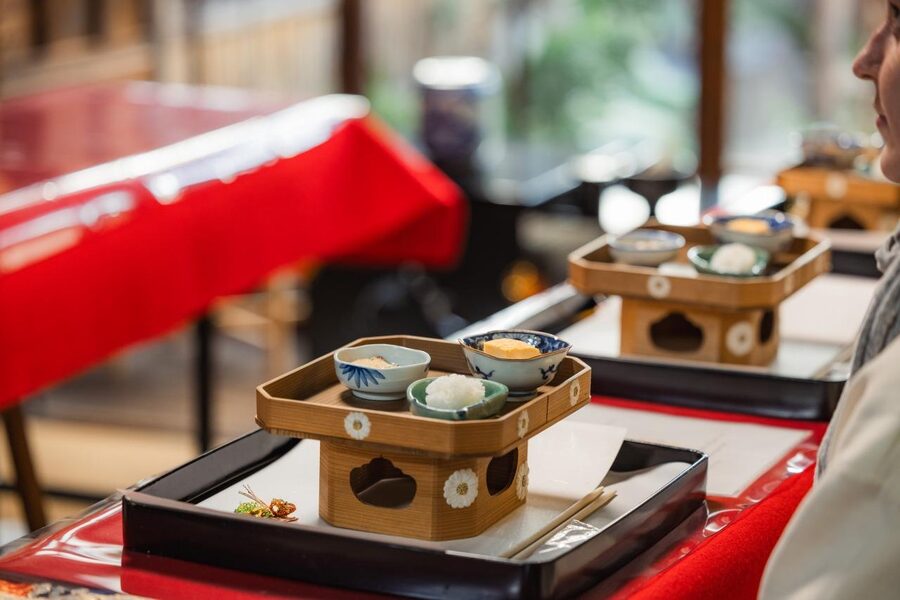
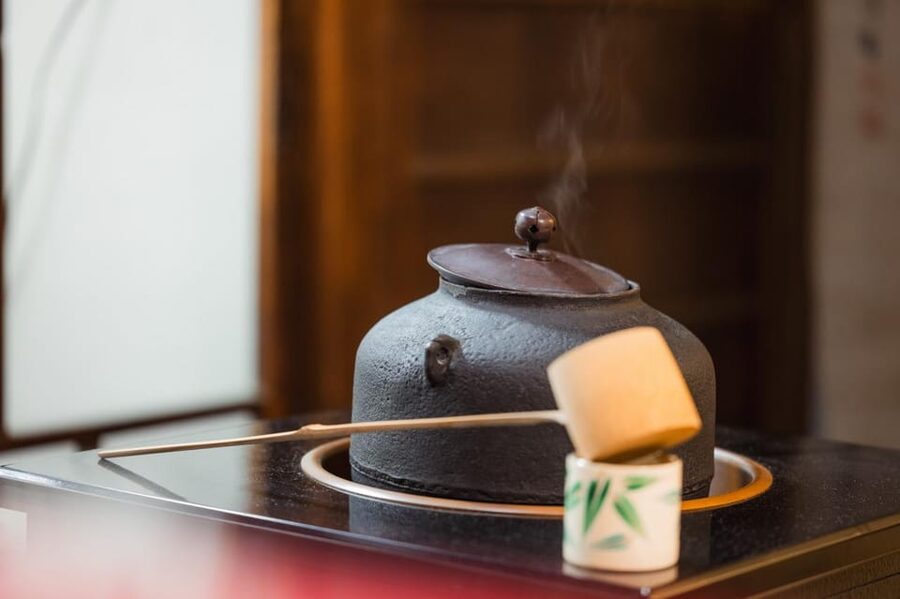
The hosts then demonstrate the tea service. Watch the sequence carefully. The interest is in the deliberate movements, not speed or showmanship. You will see how the tea is prepared and served, then receive traditional sweets to eat with it.
The sweets are not just a snack added to the booking. Their sweetness balances the strong, grassy taste of matcha. If you have never had thick Japanese tea before, this pairing makes the drink easier to appreciate.
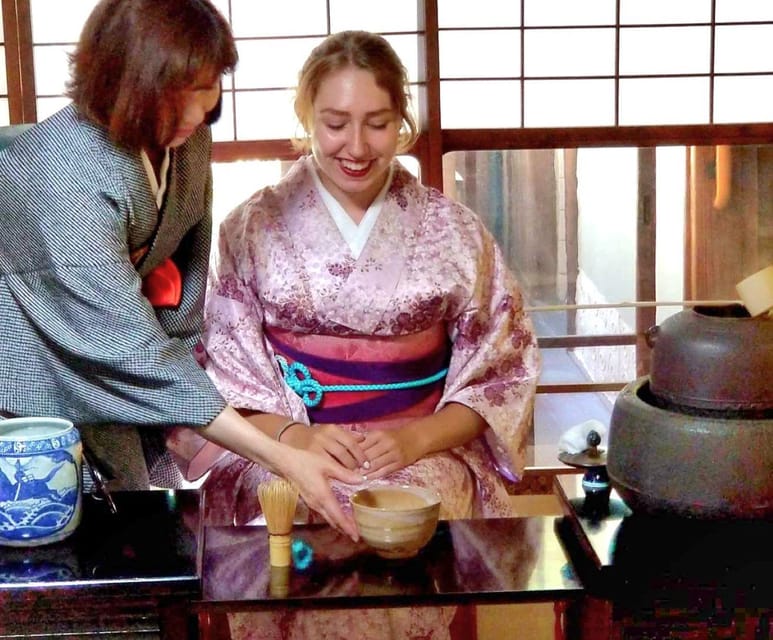
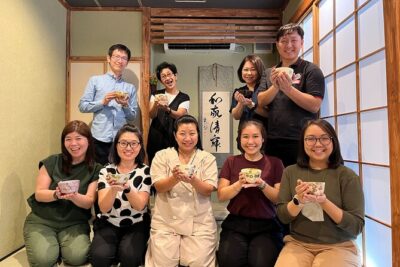
After watching, you make your own matcha with a bamboo whisk. This is one of the most rewarding parts because it turns observation into practice. You add the tea and water, then whisk until the surface becomes creamy and frothy.
Do not expect your first bowl to look exactly like the instructor’s. The point is learning the motion and feeling the change in texture as the tea aerates. The hosts guide you through it patiently, which is helpful if you have never used a bamboo whisk.
The program can also include latte art made with thick tea. This adds a playful modern touch to a tradition that can otherwise feel formal. It is a nice contrast to the careful tea service.
Calligraphy and your name in Japanese
Near the end, you get a chance to write your name in Japanese. The activity may involve kanji, hiragana, and katakana, depending on the arrangement and the guidance you receive.
You do not need to know Japanese to take part. The hosts help you understand the characters and guide your brush or pen work. You can receive your name on a hanging scroll or envelope, giving you a small keepsake that is more personal than a standard souvenir.
I especially like this part for families and teenagers. It gives everyone a task with a clear result, and the finished writing becomes a reminder of the afternoon. It also shows that Japanese writing is not one single alphabet, but a mix of writing systems used for different purposes.
Calligraphy can be humbling. The characters look simple when an experienced person writes them, but brush control takes care. That is part of the fun. You are not being graded, and the hosts focus on helping you enjoy the attempt.
Same city, a very different cup:
- Kimono Tea Ceremony at Kyoto Maikoya, NISHIKI
★ 5.0 · 911 reviews - Kyoto: Kimono Tea Ceremony at Orizuruya Gion
★ 4.9 · 618 reviews - Kyoto: Tea Ceremony in 100-year-old Kyo-Machiya Townhouse
★ 4.8 · 546 reviews - Kyoto: Tea Ceremony Experience
★ 4.8 · 511 reviews
Flower arranging and other small cultural details
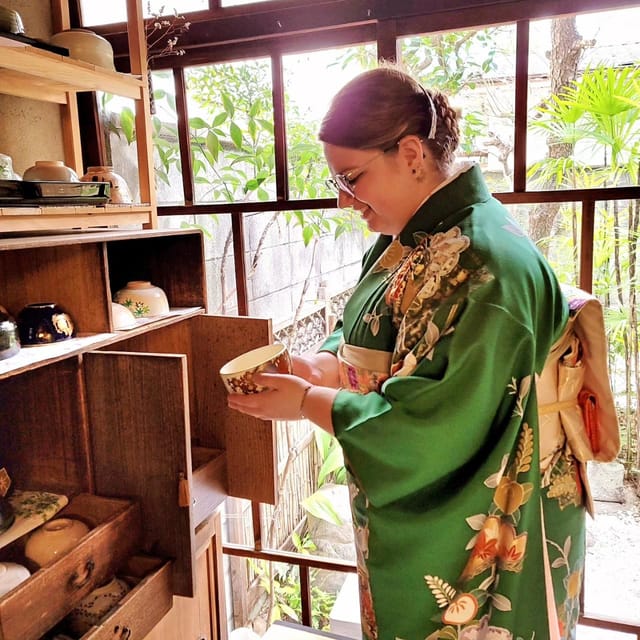
Flower arranging, or ikebana, may be included as part of the program. The activity adds another way to look at Japanese aesthetics, where balance, space, and the shape of each stem matter.
This is not presented as a full professional flower-arranging course. Think of it as a short hands-on introduction alongside the tea ceremony, calligraphy, and house tour. The variety is useful because it keeps the 90-minute session moving and gives you several ways to connect with Japanese culture.
You may also hear a ceremonial bell and learn small customs connected with the house and the tea room. These details help the visit feel less like a staged drink tasting and more like an introduction to the etiquette surrounding a traditional gathering.
The hosts are English-speaking, and the activity is designed for international visitors. That matters here. Tea ceremony has plenty of quiet rules, but you get much more from it when you understand why a gesture is made rather than simply copying it.
Should you add the kimono option?
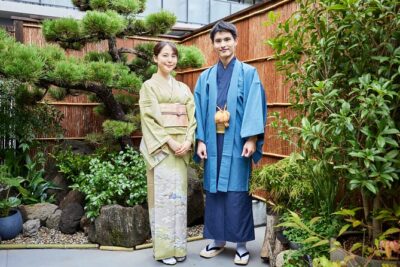
If photographs and dressing up matter to you, the kimono option adds a lot. The hosts help you select and put on a kimono, and you can wear it during the ceremony and while taking pictures around the townhouse and garden.
The kimono is not required for the tea ceremony. You can take part in the full cultural program in ordinary clothing, which keeps the basic price at about $45 per person. The rental is an extra option, so check the booking choices carefully rather than assuming it is included.
Arrive 30 minutes before the scheduled start if you reserve the kimono. Dressing takes time, and arriving early prevents the first part of the activity from feeling rushed. The hosts have a range of garments, and the fitting is part of the experience rather than a quick costume change.
There is one important restriction: pregnant visitors are asked not to wear a kimono for health and safety reasons. The experience itself may still be suitable, but the clothing option is not.
The kimono also changes the feel of the photographs. A fan, umbrella, old wooden house, and traditional garden provide an appealing setting without needing a separate photo session. If you are taking a family trip or celebrating a special occasion, I think the upgrade can be worth considering.
Why Fushimi is a smart place to spend an afternoon
Fushimi is south of central Kyoto and is well known for sake production. The area has shopping streets, casual restaurants, and places to browse before or after the ceremony.
From Kintetsu Kyoto Station, take an express train for about 15 minutes to Kintetsu Momoyama-Goryo-mae Station. From Keihan Gion-Shijo, use Fushimi-Momoyama Station. From JR Momoyama Station, the walk takes you toward the Otesuji shopping arcade and past Gokogu Shrine.
The final directions are worth reading before you leave the station. Walk west along Otesuji Arcade, then turn right near Mizuho Bank or the Rakuten mobile shop. Continue for a few minutes and look for an old townhouse with a blue curtain. Guides wearing kimono wait near the entrance.
The total journey is roughly 20 to 25 minutes from central Kyoto, depending on your departure point and the train you use. That is not a serious burden, but you should leave enough time. This is not a drop-in activity beside Kyoto Station.
The location gives you several useful pairing options. Fushimi Inari Shrine is about 15 minutes from Keihan Fushimi Inari Station, and Uji, famous for tea, is about 20 minutes away by train. Osaka is about 40 minutes by express train, while Nara takes about 50 minutes.
Fushimi was developed as a historic town under Toyotomi Hideyoshi, and its old streets and sake connection make it a pleasant change from Kyoto’s busiest central sights. I would schedule the tea ceremony on a day when you already plan to explore southern Kyoto.
Is $45 a fair price?
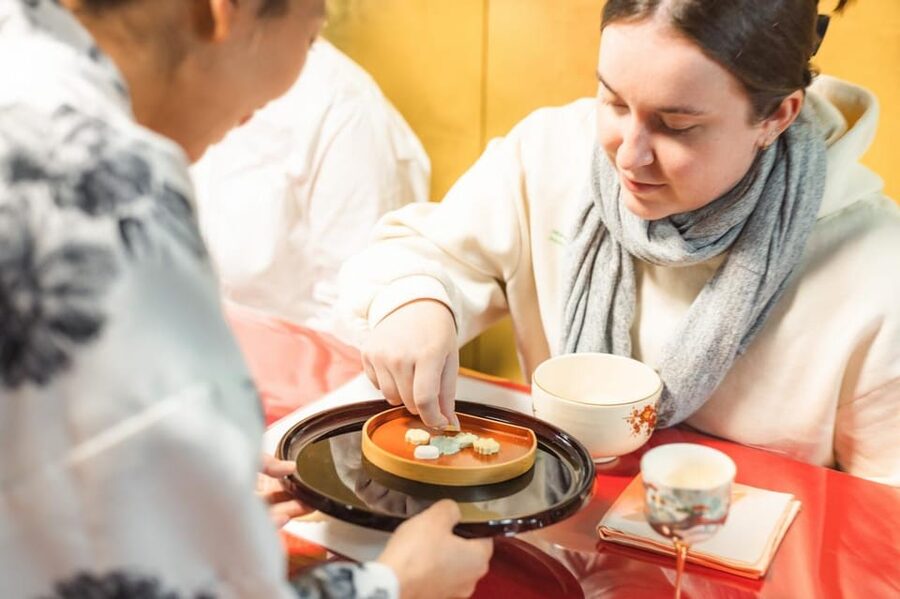
At $45 per person, the basic activity offers more than a simple cup of tea. You receive the tea ceremony, traditional sweets, a welcome drink, matcha preparation, calligraphy, a Japanese name keepsake, and access to the townhouse setting.
The value comes from the number of guided activities packed into 90 minutes. You are not paying only for the drink. You are paying for instruction, translation, the use of the house, the hosts’ time, and several hands-on cultural exercises.
That said, this is an introduction, not an advanced tea-school lesson. If you already practice chanoyu or want a long, quiet ceremony with strict traditional form, this adapted format may feel light. For most first-time visitors, though, the accessible seating and plain English explanations make the price reasonable.
Private and small-group bookings are available. A small group gives you more chances to ask questions and take photographs, while a private booking may work better for families or couples who want a slower, more personal visit.
Who will enjoy this most?
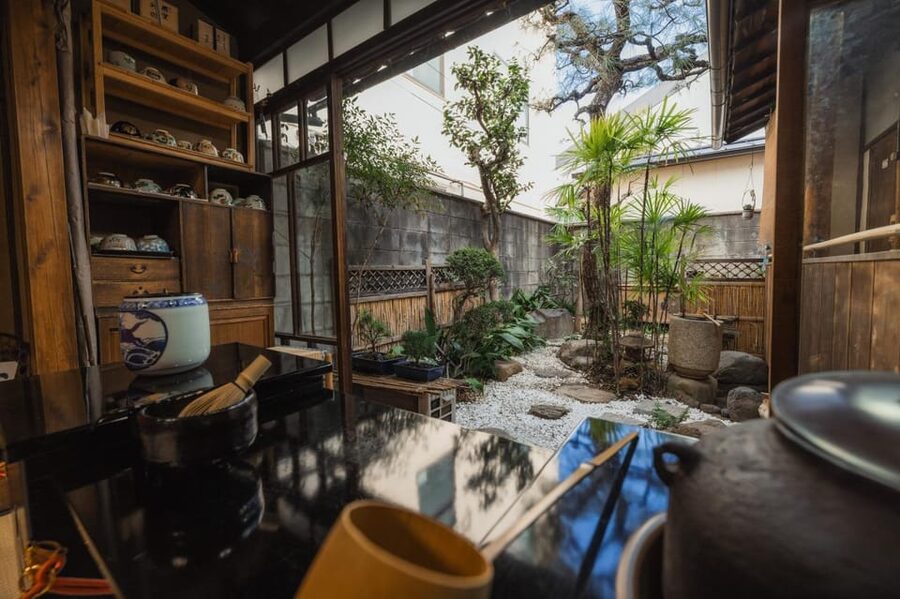
I would recommend this activity to first-time visitors who want a clear introduction to Japanese tea culture without committing to a formal multi-hour ceremony. It also suits families because the schedule includes several practical activities rather than asking everyone to sit quietly for the full 90 minutes.
Couples often appreciate the kimono and garden photographs. Older visitors or anyone with knee and hip concerns will value the chairs. The activity also works well for teenagers, who may connect more quickly with calligraphy, matcha-making, props, and name writing.
You should think twice if you use a wheelchair, since the activity is not suitable for wheelchair users. Anyone with a tight sightseeing schedule should also allow time for the train ride and the walk from the station.
The English instruction is a major practical advantage. The hosts explain the ceremony, answer questions, and help with the activities in English. One booking also received some French support, but English is the stated language for the activity.
Practical booking advice
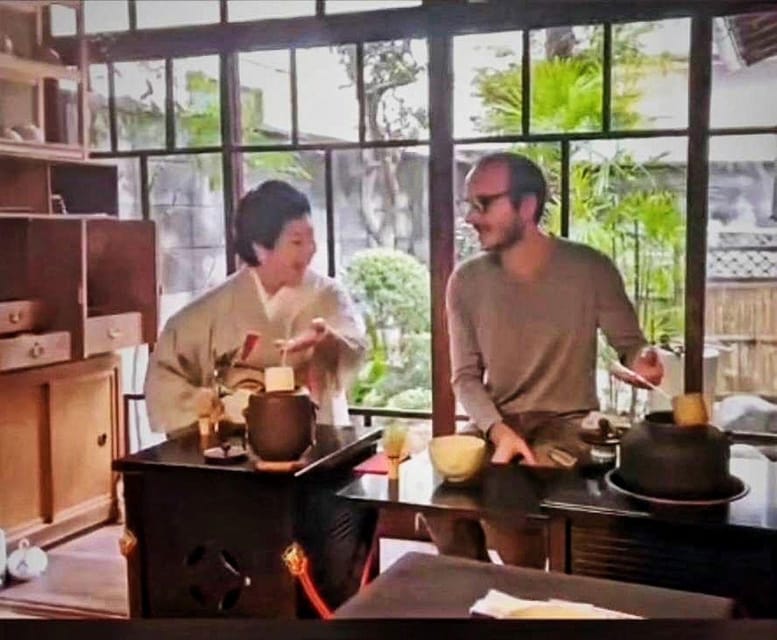
Choose your date carefully, then check the start time and the kimono selection before paying. The booking allows cancellation up to 24 hours ahead for a full refund, and you can reserve now and pay later, which helps if your Kyoto plans are still shifting.
Wear clothing that is comfortable under a kimono if you choose that option. Arrive 30 minutes early for dressing, and allow extra time to find the townhouse if you are coming from central Kyoto.
If you do not rent a kimono, arrive with enough time to find the blue curtain and meet the kimono-clad guides. Save the address and station directions on your phone before leaving the train station.
I would also leave room after the ceremony for Fushimi’s shopping arcade or a casual meal. The sake district gives you a natural second activity, and you will not have to rush straight back to central Kyoto.
Should you book this Kyoto tea ceremony?
Book it if you want a friendly, hands-on cultural introduction rather than a strict ceremonial performance. The chair seating, clear English instruction, old townhouse, matcha practice, calligraphy, and optional kimono create a well-rounded afternoon.
I would add the kimono if photographs are important to you, and I would pair the visit with Fushimi Inari, Uji, or a stroll through the sake district. Skip it only if you need wheelchair access, have no time for the train journey, or want a highly formal tea-school experience.
For most visitors, the combination of personal instruction and several small activities makes this a strong value at $45. It gives you something to do, something to learn, and a keepsake to take home without asking you to sit on the floor.
FAQ
How long does the tea ceremony experience last?
The activity lasts 90 minutes.
Where does the experience take place?
It takes place in a traditional Kyoto townhouse in Fushimi, in the southern part of Kyoto. The house is more than 100 years old and includes a garden, traditional altars, and antiques.
Do I have to sit on the floor?
No. The tea ceremony is conducted using tables and chairs.
Is the activity available in English?
Yes. The instructor language is English, and the hosts explain the tea ceremony, manners, and activities in English.
What is included in the basic experience?
The experience includes the tea ceremony, traditional sweets, a welcome drink such as sake or juice, matcha preparation, calligraphy, and a hanging scroll or envelope with your name written in Japanese. Flower arranging is also included.
Is the kimono included?
Kimono rental is included only if you select the kimono option. If you choose it, arrive 30 minutes before the activity begins. Pregnant visitors are asked not to wear a kimono for health and safety reasons.
Is the activity suitable for wheelchair users?
No. The activity is not suitable for wheelchair users.
Fresh tea listings around Kyoto
- Cycling Tour at Uji’s Matcha Green Tea Fields and Heritage★ 5.0 · 10 reviews
- Authentic Tea Ceremony & Sushi in The Museum of Kyoto★ 5.0 · 3 reviews
- 2 Types of Japanese Sweets making and Tea Ceremony★ 4.6 · 17 reviews
- Kyoto Hidden Riverside Zen Mediation and Uji Matcha Experience★ 5.0 · 9 reviews
- Whisk Your Own Matcha: A Zen Matcha Experience at Temple★ 3.6 · 7 reviews
- Kyoto: Nighttime Zen Meditation and Matcha Tea Experience★ 5.0 · 7 reviews
- Kyoto Fushimiinari:Wagashi Making & Small Group Tea Ceremony★ 5.0 · 14 reviews
- Matcha Grinding Experience and Walking Tour in Uji Kyoto★ 5.0 · 26 reviews
Tea Ceremony Experiences, compared.
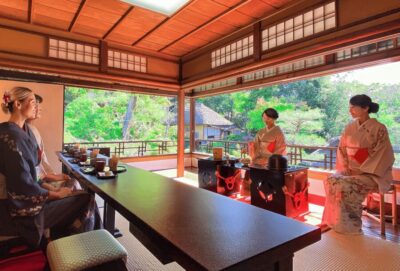
Kyoto: Tea Ceremony in a Traditional Tea House in Kiyomizu
Read our review →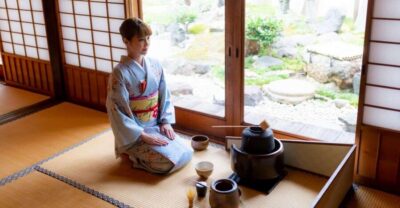
Kyoto: 45-Minute Tea Ceremony Lesson Experience
Read our review →
Browse the lists this tour appears in