
Review · TEA CEREMONY EXPERIENCES
Kyoto: Authentic Tea Ceremony in a Small Group
At Chanoyu The KYOTO Uzumasa, the main attraction is not a staged show in a busy hall. You enter a quiet tea room, put on a traditional haori, study a carefully arranged garden, and watch the Urasenke tea procedure at close range. Then you prepare your own bowl of matcha.
I like the serious attention given to the tea and sweets, especially the use of matcha from Marukyu Koyamaen and wagashi from a long-established Kyoto shop. I also like the private format: your group alone takes part, so the host can explain the utensils and customs without a crowd looking over your shoulder.
The main drawback is the price. At $586.38 for up to six people, it can be good value for a full group, but it is a costly one-hour activity for a couple or solo visitor. The meeting point in Uzumasa also requires you to plan your route rather than simply walk in from central Kyoto.
Key points to know before booking
- Private group of up to six: Your party participates alone, which makes questions and hands-on practice easier.
- Two servings of matcha: You first enjoy prepared matcha, then whisk your own bowl.
- High-quality Kyoto pairing: The experience includes matcha from Marukyu Koyamaen and traditional sweets from a long-established Kyoto wagashi shop.
- A garden inside the tea-room setting: You are invited to notice the carefully arranged miniature garden, not just sit through a demonstration.
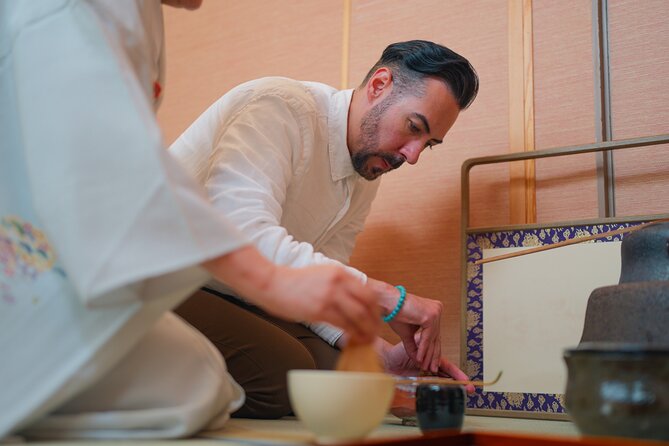
- Urasenke procedure and utensil instruction: The host explains the movements, tools, history, and cultural meaning behind chanoyu.
- One-hour format: This is focused and manageable, but too short if you want a full tea-school lesson or a broader Kyoto cultural tour.
A quiet tea room in Uzumasa
Kyoto offers tea ceremonies in many forms, from quick visitor demonstrations to formal lessons that require more time and patience. This one aims for a polished, intimate middle ground. You receive a short introduction to chanoyu, watch a formal tea procedure, taste sweets and matcha, and take part yourself.
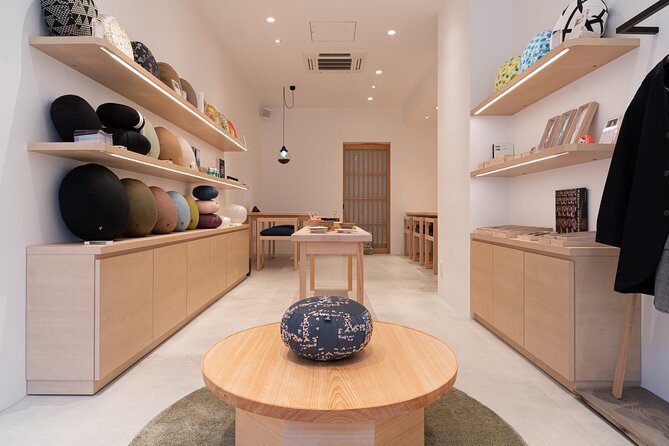
The setting matters. Chanoyu The KYOTO Uzumasa is in the Uzumasa district of Ukyo Ward, an area associated with the older side of Kyoto. The interior leads to a tea room and a carefully designed garden. The mood is meant to feel removed from city noise, even though the activity is still close to public transportation.
That makes this a good choice when you want a cultural stop with a calm pace. You will not spend half a day moving between several sites. Instead, you get one concentrated hour devoted to tea, manners, objects, and taste.
The location is also part of the tradeoff. If your day is built around Gion, Kiyomizu-dera, or Nishiki Market, you should allow time to reach Uzumasa and return. The meeting point is at Chanoyu The KYOTO Uzumasa, at Japan, 616-8101 Kyoto, Ukyo Ward, Uzumasa Izumishikibuchō, 19, North 1st floor. Transportation is not included, so you handle the journey yourself.
More Tea Ceremonies in Kyoto
- Kyoto: Tea Ceremony in a Traditional Tea House in Kiyomizu
★ 4.9 · 3,519 reviews - Kyoto: Tea Ceremony Ju-An at Jotokuji Temple
★ 4.9 · 3,207 reviews - Kyoto: 45-Minute Tea Ceremony Lesson Experience
★ 4.3 · 2,378 reviews
What happens when you arrive
The experience begins with the atmosphere rather than a long lecture. You are welcomed into the tea-room setting and given a traditional haori, a kimono-style jacket. This is a simple touch, but it helps mark the change from ordinary sightseeing to a formal cultural activity.
You then have a chance to appreciate the garden arranged within the tea-room environment. It is described as a meticulously crafted miniature garden, and the presentation is clearly intended to be noticed as part of the experience. In chanoyu, the room, garden, utensils, sweets, and tea are not random decorations. They help set the tone before anyone drinks.
I like this opening because it gives you something to look at and think about. A tea ceremony can seem mysterious if you only watch the host’s hands. Seeing the room and garden first gives you a sense of how much care goes into the setting.
Still, keep your expectations in check. This is a one-hour activity, not a full course in Japanese garden design or the complete history of tea. The garden is one carefully planned part of the tea-room presentation.
Watching the Urasenke tea procedure
The next stage is the formal tea preparation. You observe the graceful Urasenke procedure while the host explains what is happening. Urasenke is one of the major tea traditions in Japan, and the movements are deliberate, ordered, and quiet.
For a first-time visitor, this is where the host’s explanation becomes important. Without context, the careful handling of a bowl or bamboo utensil can look like a set of mysterious rules. Here, you are introduced to the history and cultural background of chanoyu, along with the meaning of the utensils used.
The tea tools are not treated as disposable props. You learn about the traditional utensils used during the ceremony and why they matter. That gives the activity more substance than simply drinking powdered green tea in a Japanese-style room.
The pace should appeal to you if you enjoy watching skilled handwork. It may feel slow if you prefer constant activity or a more theatrical performance. The quiet pauses are part of the point, but they will not suit everyone.
The ceremony follows the Urasenke style listed for the experience. It is useful to know this in advance because tea ceremony customs vary between schools and settings. You are not receiving an all-purpose explanation of every tea tradition in Japan. You are getting an introduction framed through this particular procedure.
Kyoto sweets come before the hands-on lesson
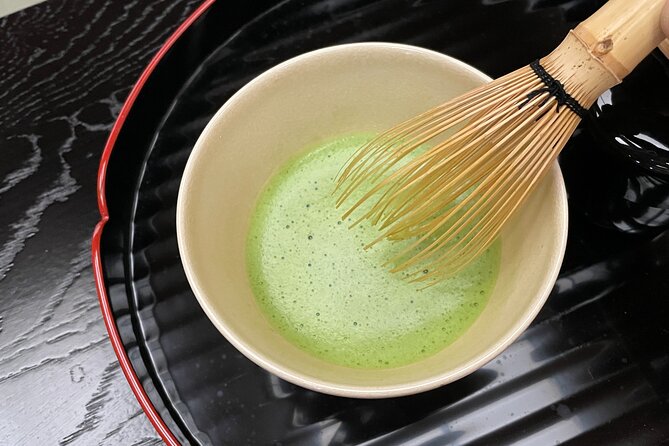
The tasting begins with traditional Kyoto sweets and matcha. The sweets come from a long-established Kyoto wagashi shop, and they are selected to pair with the tea rather than serve as an unrelated snack.
Wagashi can be beautiful as well as sweet. The point is not only flavor. The shape, texture, and seasonal presentation can prepare your palate for matcha, which has a strong, grassy taste and a pleasant bitterness.
The quality of the sweets is one of the strongest reasons to consider this activity. Several comments about the experience single out the combination of the matcha and traditional confections, with particular attention given to the unusually smooth and enjoyable tea. If you normally find matcha too bitter, a carefully chosen sweet pairing can make the first taste easier.
The matcha is from Marukyu Koyamaen, a respected tea producer. That does not mean you will suddenly prefer matcha if you dislike green tea. It does mean the tea selection is being treated as a central part of the experience rather than an afterthought.
You should also note that the included food is described as Kyoto sweets and snacks, not a meal. Have lunch or dinner plans separate from this booking.
Same city, a very different cup:
- Kyoto: Table-Style Tea Ceremony at a Kyo-Machiya
★ 4.9 · 1,211 reviews - Kimono Tea Ceremony at Kyoto Maikoya, NISHIKI
★ 5.0 · 911 reviews - Kyoto: Kimono Tea Ceremony at Orizuruya Gion
★ 4.9 · 618 reviews - Kyoto: Tea Ceremony in 100-year-old Kyo-Machiya Townhouse
★ 4.8 · 546 reviews
Making your own bowl of matcha
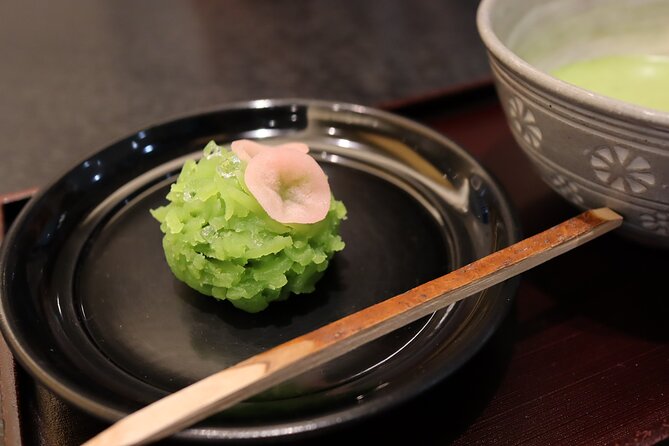
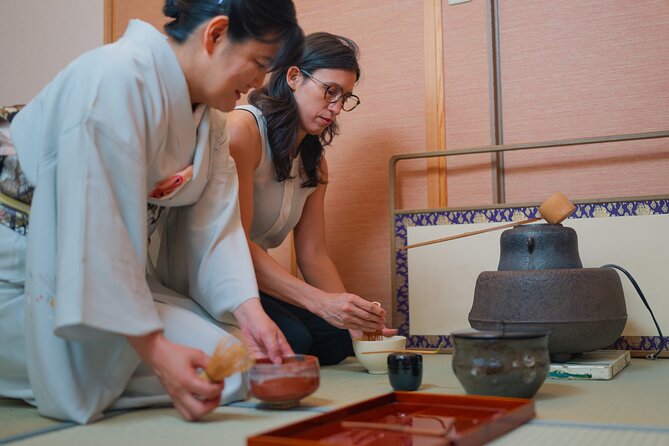
After watching the host, you whisk your own bowl of matcha. This is the most active part of the hour and the point at which the ceremony becomes your experience rather than a demonstration.
You are shown how to use the tea utensils and prepare the drink. The setting is private, so your group can focus on the steps without a large audience. For a first attempt, that is useful. You can concentrate on the movement of the whisk and the texture of the tea instead of worrying about making a mistake in front of strangers.
The second traditional sweet is served with the matcha you prepare. This gives you another chance to notice how the sweet changes the tea’s bitterness and texture.
Do not expect to leave as a trained tea practitioner. One session gives you an introduction to the basic action and the ideas behind it. It does not replace repeated practice. The value is in gaining respect for the process and understanding why the preparation is treated with such care.
I also like that the hands-on portion comes after the formal demonstration. You first see the proper rhythm, then try it yourself. That sequence makes more sense than asking first-time visitors to prepare tea with no example.
Why the private format matters
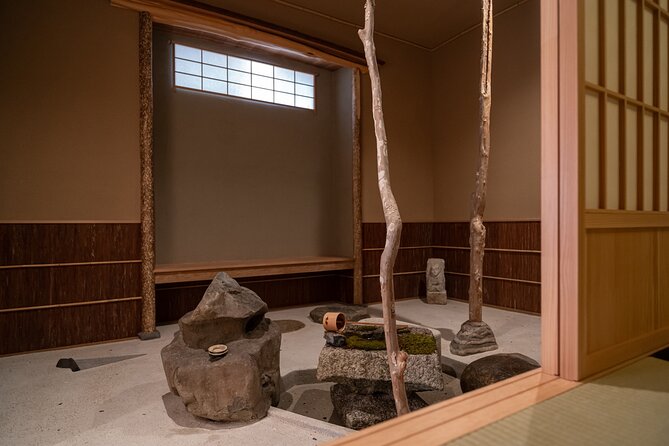
This is a private activity for your own group, with a maximum of six people. That is a meaningful difference from a large cultural demonstration. You can ask about the utensils, the procedure, the garden, or the taste of the tea as the experience unfolds.
For a family, two couples, or a small group of friends, the price becomes easier to understand. At the full capacity, the listed cost works out to about $97.73 per person. That is still not cheap for an hour, but it includes the room, instruction, haori, sweets, two tea moments, and a private booking.
For one or two people, the calculation changes. A couple would pay roughly $293.19 per person, assuming the group price does not change. At that level, you should book only if the tea ceremony itself is a major priority and you value privacy over a lower-cost group session.
The private setting may also help if you are nervous about Japanese etiquette. You can ask questions without feeling that you are slowing down a larger class. The experience is designed to explain chanoyu, not simply expect you to know the rules already.
The tradeoff is that the atmosphere depends partly on your group. A quiet, attentive party will get more from the room than a group treating the hour as a quick photo opportunity.
What makes the tea and sweets worth noticing
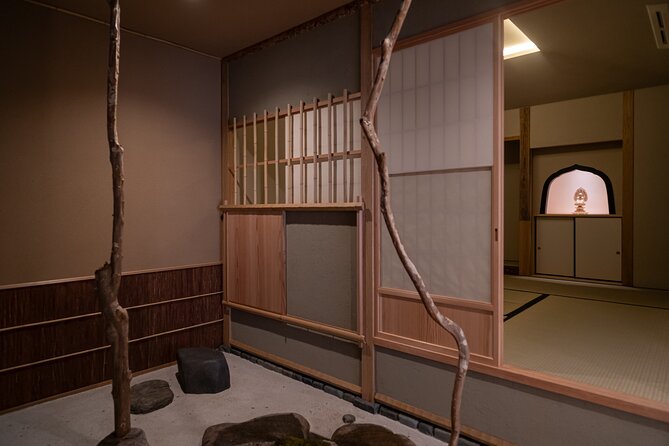
The strongest focus here is quality. The hosts say they use carefully selected matcha, sweets, and utensils, and the supplied details support that emphasis. The sweets come from a long-established Kyoto wagashi shop, while the matcha comes from Marukyu Koyamaen.
The tea received especially strong praise in the available comments. The descriptions repeatedly return to its taste, with one person calling it the best matcha they had tried. That is useful information if you care more about the actual drink than about dressing up for a cultural activity.
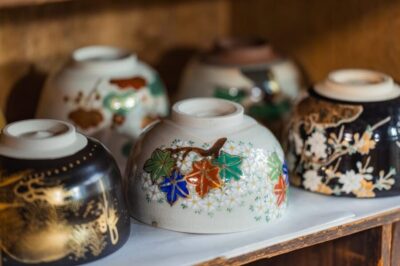
The room also earns attention. The tea house, garden, and utensils are presented as a complete setting, not separate attractions. You may find the ceremony most rewarding if you notice small details and allow yourself to slow down.
There is a risk of overpromising when an experience uses words such as finest or best. Taste is personal. If you already know that you dislike matcha, do not book on the assumption that premium tea will change your mind. Book because you want to understand the ritual and sample a carefully chosen version of the drink.
Timing, transport, and practical planning
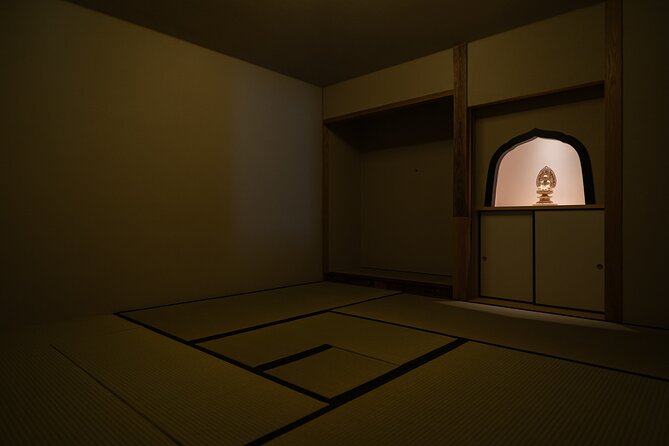
The activity lasts about one hour and ends back at the meeting point. That makes it easy to fit into a larger Kyoto day, but do not schedule a major attraction immediately afterward if you have a tight reservation. You will need time to reach Uzumasa and then continue to your next stop.
The location is near public transportation, but no private transportation is included. Check your route before leaving your hotel, especially if this is your first visit to Kyoto. The address should be saved on your phone, and the mobile ticket is useful for keeping the booking details close at hand.
Confirmation is provided at booking. Free cancellation is available if you cancel at least 24 hours before the start time. Cancellations or changes made less than 24 hours ahead are not accepted for a refund, and the cut-off follows local time.
The experience is listed as a private tour or activity, with only your group participating. The available information does not give specific accessibility details, so you should contact the provider before booking if you have mobility or seating concerns.
Who will enjoy this Kyoto tea ceremony
I would recommend this for someone who wants a focused cultural encounter rather than a broad city tour. It suits first-time visitors who want an introduction to chanoyu, as well as people already interested in Japanese ceramics, gardens, etiquette, and traditional sweets.
It is especially well suited to:
- Small groups that can share the fixed price
- Couples who place a high value on privacy
- Visitors who want a calm break from a packed sightseeing schedule
- Anyone curious about why tea utensils and gestures matter
- People who enjoy tasting high-quality matcha and wagashi
- Families or friends who prefer hands-on activities to passive sightseeing
It may not suit you if you want a long lesson, a full meal, or an inexpensive drop-in activity. The one-hour schedule is neat and focused, but it limits how much historical and practical detail can fit into the session.
Should you book Chanoyu The KYOTO Uzumasa?
Book it if you want a private, polished introduction to tea culture with excellent ingredients, a carefully arranged room, and a chance to prepare your own matcha. The strongest features are the quiet setting, the private group format, the Urasenke procedure, and the quality of the tea and sweets.
Think carefully about the price before committing. For six people, it becomes a reasonable shared splurge. For one or two, it is a major expense for 60 minutes. Also account for the trip to Uzumasa rather than assuming it sits beside Kyoto’s best-known central sights.
If those limits work for you, this is a thoughtful way to encounter chanoyu. You will not master the tea ceremony in an hour, but you will leave with a better sense of its pace, manners, tools, and attention to detail.
FAQ
How long does the tea ceremony last?
The experience lasts approximately one hour.
Where does the activity begin and end?
It begins and ends at Chanoyu The KYOTO Uzumasa in Uzumasa, Ukyo Ward, Kyoto. The full address is Japan, 616-8101 Kyoto, Ukyo Ward, Uzumasa Izumishikibuchō, 19, North 1st floor.
How many people can join the private booking?
The private activity is for your group only, with up to six people.
What food and drink are included?
The experience includes Kyoto sweets and matcha. A second traditional sweet is served with the matcha you prepare yourself.
Which matcha is served?
The experience uses matcha from Marukyu Koyamaen.
Will I be able to make matcha myself?
Yes. After watching the Urasenke tea procedure and learning about the utensils, you will whisk your own bowl of matcha.
Do I get to wear traditional clothing?
Yes. A traditional haori, or kimono-style jacket, is included.
Is transportation included?
No. Private transportation is not included. The meeting point is near public transportation.
Can I cancel for a full refund?
Yes, if you cancel at least 24 hours before the scheduled start time. Cancellations or changes made less than 24 hours before the start are not accepted for a refund.
Fresh tea listings around Kyoto
- Traditional Tea Ceremony in Kyoto★ 4.5 · 3 reviews
- Uji Walking Tour – Byodo-in temple and Tea Ceremony from Kyoto★ 3.5 · 3 reviews
- Tea Ceremony Experience in Traditional Kyoto Townhouse★ 5.0 · 19 reviews
- Tea Ceremony in 150 Years Old Townhouse with Tables and Chairs★ 5.0 · 22 reviews
- Tea ceremony at Kyoto’s Zen Temple Teahouse★ 5.0 · 2 reviews
- Sencha-do the Japanese Tea Ceremony Workshop in Kyoto★ 5.0 · 21 reviews
- Silent Beauty of Kyoto Zen Walk and Tea Experience★ 5.0 · 2 reviews
- KYOTO: Private Tea Ceremony in Hidden Townhouse (Kid-Friendly)★ 5.0 · 20 reviews
Tea Ceremony Experiences, compared.
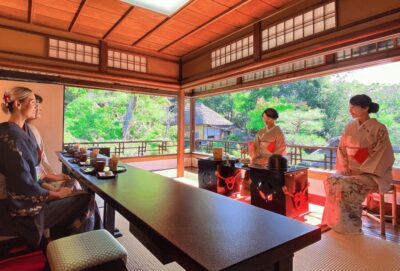
Kyoto: Tea Ceremony in a Traditional Tea House in Kiyomizu
Read our review →
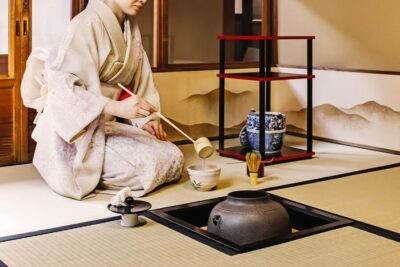
Kyoto: 45-Minute Tea Ceremony Lesson Experience
Read our review →
Kyoto: Table-Style Tea Ceremony at a Kyo-Machiya
Read our review →
Browse the lists this tour appears in