
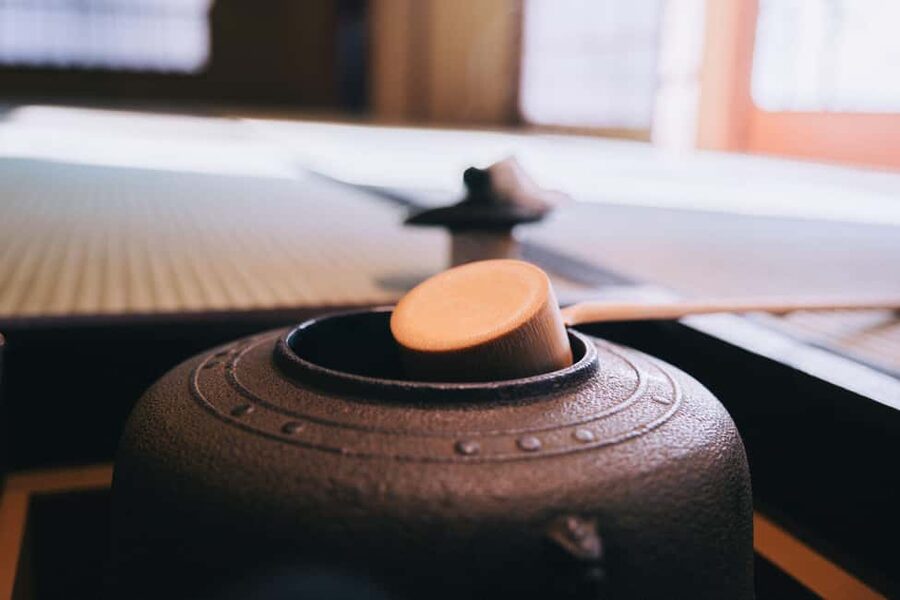
Review · KIMONO & TEA CEREMONY
Kyoto: Kimono Tea Ceremony at Orizuruya Gion
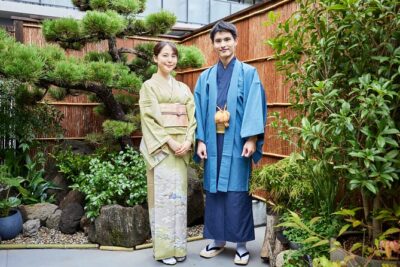
Kyoto’s Orizuruya Gion tea ceremony begins with a colorful choice: more than 200 kimono designs, followed by professional dressing and, for women, simple hairstyling. Then you enter a quiet tea room, learn the manners and meaning behind the ceremony, and prepare your own bowl of matcha with a bamboo whisk. It is a polished way to try Japanese customs without worrying about making a mistake.
I like the small group of no more than 10 people, which gives the English-speaking instructor room to explain the details and answer questions. I also like the chance to keep wearing the kimono after the session, often until 5 p.m., so an early booking can become part tea lesson and part Gion photo walk. The main consideration is that dressing takes time, and the formal ceremony itself is calm and structured rather than fast-moving.
Key points at a glance
- Choose from more than 200 kimono designs: Staff help you select and dress in traditional clothing.
- Learn by making your own matcha: You watch the ceremony, then use a bamboo whisk yourself.
- Add Japanese calligraphy: The longer option takes about two hours and includes calligraphy materials.
- Stay in costume after the lesson: Early bookings may leave time to walk through Gion until 5 p.m.
- Small English-speaking group: The maximum group size is 10, with all fees, sweets, tea, and rentals included.
- Convenient Gion location: Orizuruya is a 7-minute walk from Keihan Gion-Shijo Station and 10 minutes from Hankyu Kyoto-Kawaramachi Station.
Choosing a kimono at Orizuruya Gion
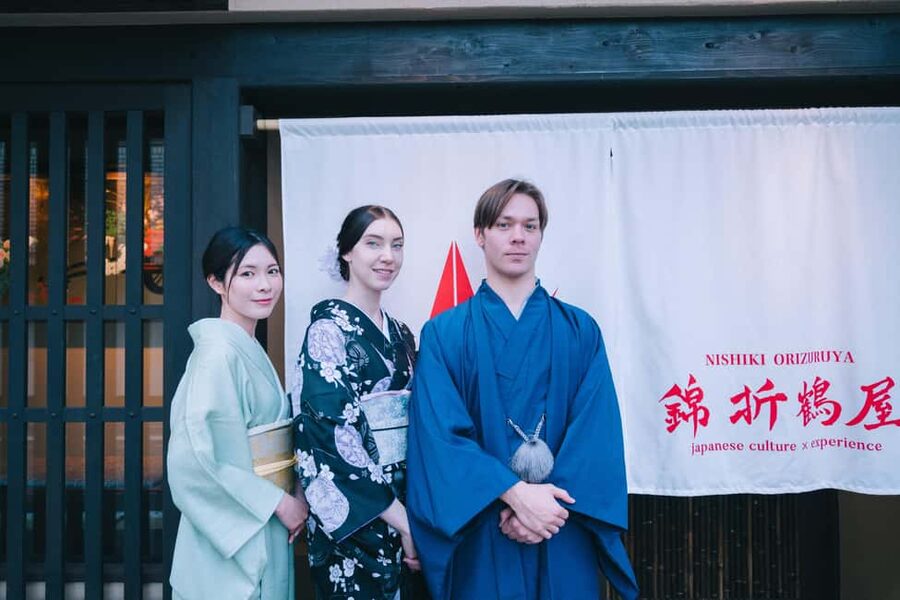
The experience starts at Gion Oritsuruya, at 572-7 Minamigawa, Gion-machi, in Kyoto’s Higashiyama district. This puts you in one of Kyoto’s most useful areas for combining a cultural activity with temples, traditional streets, restaurants, and evening walks.
Your first task is choosing a kimono. With more than 200 designs, you get real choice instead of being handed one standard outfit. That is fun, but it can also slow things down. If you are visiting with a partner or family, allow everyone time to look, compare colors, and settle on a style.
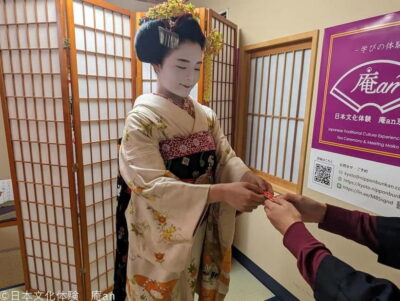
Staff then help you into the kimono set. This is not simply putting on a robe over ordinary clothes. The layers and obi belt need to be arranged properly, and the dressing team handles that work. The careful fitting matters because a kimono looks best when it is tidy, but it also keeps you from having to figure out the clothing yourself.
Women receive simple hairstyling as part of the experience. It is a modest finishing touch rather than a full salon appointment, but it completes the traditional look and makes photographs feel more special. Several details are handled for you, including the kimono rental, tea utensils, and fees.
Men, women, and children can enjoy the cultural activity, though the supplied information specifically confirms complimentary hairstyling for women. If hair styling is important to your booking, check the current arrangements when you reserve.
More Kimono and Tea Ceremonies in Kyoto
- Kimono Tea Ceremony at Kyoto Maikoya, NISHIKI
★ 5.0 · 911 reviews - KYOTO Tea Ceremony with kimono near by Imamiya Jinjya Shrine
★ 5.0 · 343 reviews - Kyoto: Kimono and Tea Ceremony Experience at Cultural Asset
★ 4.3 · 306 reviews
What the 90-minute tea ceremony teaches you
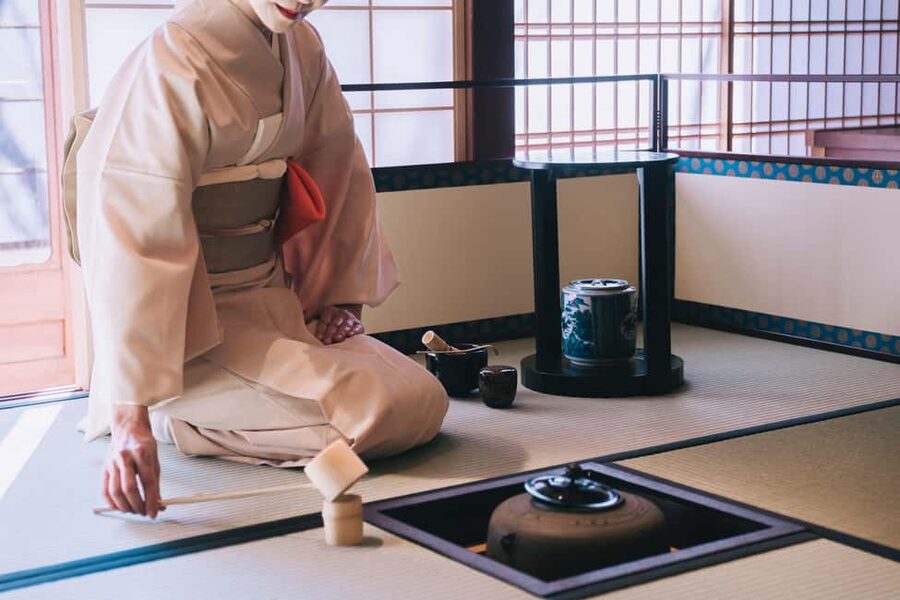
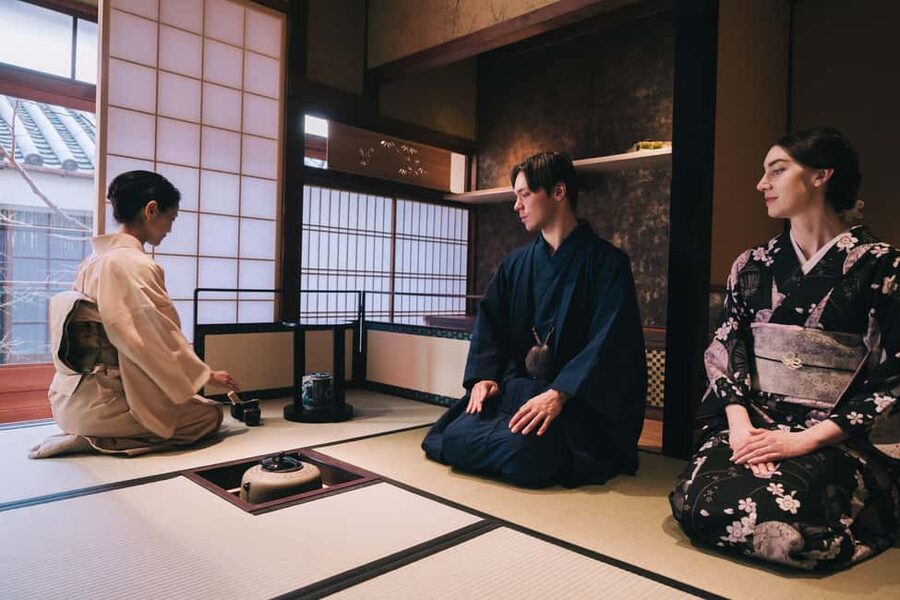
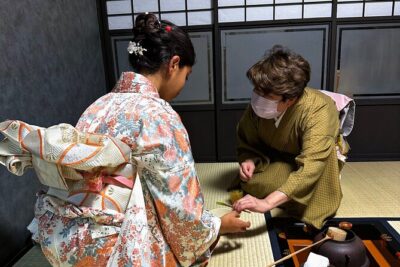
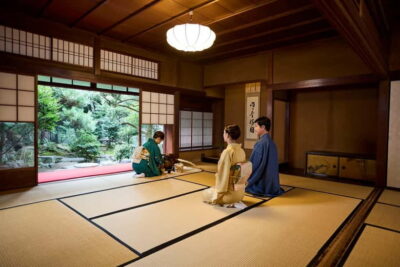
Once dressed, you move into a tea room for the main lesson. The English-speaking instructor explains the ceremony step by step, so you are not left guessing when to bow, how to handle the bowl, or what each movement means.
A tea ceremony is not a race to make a drink. The slow pace is part of the lesson. You watch the preparation, notice the careful handling of each utensil, and learn why the actions are arranged in a particular order. That quiet rhythm gives the activity a different feel from a standard sightseeing stop.
The most practical part comes when you make your own matcha. You use a traditional bamboo whisk, called a chasen, and follow the instructor’s guidance. You will not simply watch a tea master perform while you sit still. You get a chance to practice the basic technique and leave with a new skill you can try again at home.
The matcha is served with wagashi, a Japanese sweet from a century-old confectionery. The sweet provides a gentle contrast to matcha’s more earthy, bitter flavor. It also shows how Japanese tea service treats the snack as part of the experience, not as an unrelated refreshment.
The ceremony is particularly good for first-time visitors to Japan. You receive enough explanation to understand the etiquette, but you are not expected to already know the rules. The instructor’s role is to make the process clear and comfortable.
Why the small group matters
The maximum group size is 10 people. That is large enough to create a shared activity, but small enough for the teacher to demonstrate the movements clearly and respond to questions.
This matters most during the matcha preparation. A large class might turn the hands-on portion into a quick demonstration at the front of the room. Here, the format gives you a better chance to see the whisking technique and correct your own movements.
The group size can vary, and some sessions may be much smaller. One booking even had a one-on-one format, though you should not count on receiving a private lesson. The English instruction is useful for cultural questions about matcha, tea ceremony customs, and the meaning behind the objects in the room.
The staff who help with dressing may speak less English than the main instructor. That does not prevent the clothing process from working, since much of the dressing is practical and visual. Still, if you want a long conversation about fabrics or styling, the tea instructor is the better person to ask.
Staff member Juki has been specifically praised for the tea experience, photographs, and friendly assistance. Names and staffing can change, but the personal attention is part of what makes the activity feel more inviting than a simple costume rental.
The calligraphy option adds a useful second skill
You can choose the tea ceremony by itself, which lasts about 90 minutes, or select the tea ceremony with Japanese calligraphy, which takes about two hours. The longer option includes a calligraphy set rental.
Calligraphy changes the balance of the activity. The tea ceremony asks you to slow down and observe. Calligraphy gives you a more active task, with brush control, ink, and the challenge of creating a Japanese character. It is a good choice if you want something tangible to practice rather than a session focused only on watching and tasting.
The calligraphy lesson also suits families and couples who enjoy learning side by side. You can compare your work, ask for help, and take photographs of the finished piece. The instructor is described as patient and encouraging, which helps because brush writing can feel unfamiliar at first.
Choose the longer option if you have enough time and want a fuller cultural session. Choose the shorter option if the tea ceremony is your main goal or if you have a tight Kyoto schedule. Do not book the two-hour version simply because it sounds like better value if you prefer a quiet, focused tea lesson.
More Tea Ceremonies in Kyoto
- Kyoto: Tea Ceremony in a Traditional Tea House in Kiyomizu
★ 4.9 · 3,519 reviews - Kyoto: Tea Ceremony Ju-An at Jotokuji Temple
★ 4.9 · 3,207 reviews - Kyoto: 45-Minute Tea Ceremony Lesson Experience
★ 4.3 · 2,378 reviews - Kyoto: Table-Style Tea Ceremony at a Kyo-Machiya
★ 4.9 · 1,211 reviews
Wearing the kimono around Gion afterward

One of the most useful extras is the option to keep the kimono on after the formal activity. The exact return arrangement should be confirmed at booking, but the supplied experience details and multiple accounts indicate that the kimono may be worn until 5 p.m.
This can make a morning appointment especially good value. You complete the tea ceremony, then walk through Gion in traditional dress, take photographs, visit a nearby temple, or stop for lunch before returning the kimono. A temple is about a 10-minute walk away, according to the activity information.
The arrangement is not the same as having unlimited freedom for the rest of the day. You still need to return the clothing by the stated time, and you should plan your route accordingly. Gion’s streets are easy to combine with the activity, but walking in a kimono is different from walking in ordinary clothes. Keep your route manageable, especially in cold weather or if you are not used to the footwear.
This after-ceremony period is also where the experience becomes more than a tea lesson. You are not only dressing up for a few photographs inside the shop. You can use the costume to frame your time in Gion, provided you respect the return deadline and handle the clothing carefully.
Price, timing, and overall value
The listed price is $49 per person. That includes the kimono set rental, tea utensils, wagashi and matcha, simple hairstyling for women, the English-speaking guide, and taxes and fees.
At that price, the value depends on how you use the session. If you attend only for the tea and immediately change back, you are paying for a guided cultural lesson with clothing and refreshments. That is already a fair package for someone who wants a structured introduction rather than a self-guided tea demonstration.
The value improves if you make use of the kimono afterward. An early booking can give you several additional hours in costume around Gion, though you should confirm the current return time. The two-hour calligraphy version adds another hands-on activity and is likely the better fit if you want to spend a substantial part of the day at Orizuruya.
The experience lasts about 90 minutes without calligraphy and two hours with it. It is long enough to feel worthwhile but short enough to fit before an afternoon temple visit or evening meal. Allow extra time before the formal lesson for arrival, kimono selection, dressing, and hairstyling.
You can cancel up to 24 hours before the start time for a full refund. A reserve-now, pay-later option is also available, which helps if your Kyoto plans are still shifting. Your own transport to and from Gion is not included.
Getting to the Gion meeting point
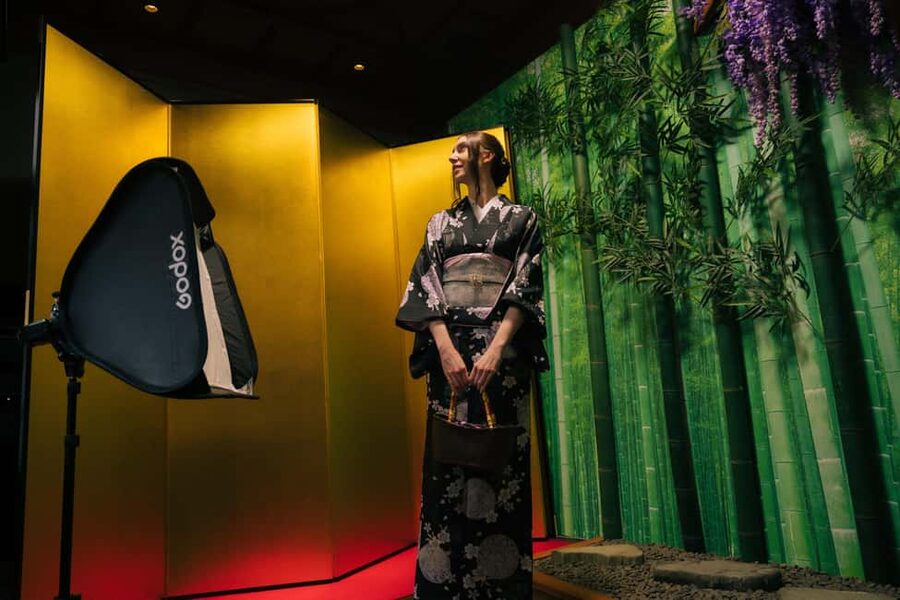
From Keihan Gion-Shijo Station, Orizuruya is about a 7-minute walk. From Hankyu Kyoto-Kawaramachi Station, allow about 10 minutes on foot.
The location is practical because you can pair the activity with Gion before or after the lesson. Plan to arrive with enough time to find the address and avoid turning the dressing stage into a rushed start.
Wear clothing that is easy to change around. The kimono dressing process includes several layers, so simple clothes underneath are more convenient than a complicated outfit. The experience does not list luggage storage or special changing arrangements, so avoid bringing more than you need.
Who will enjoy this experience most
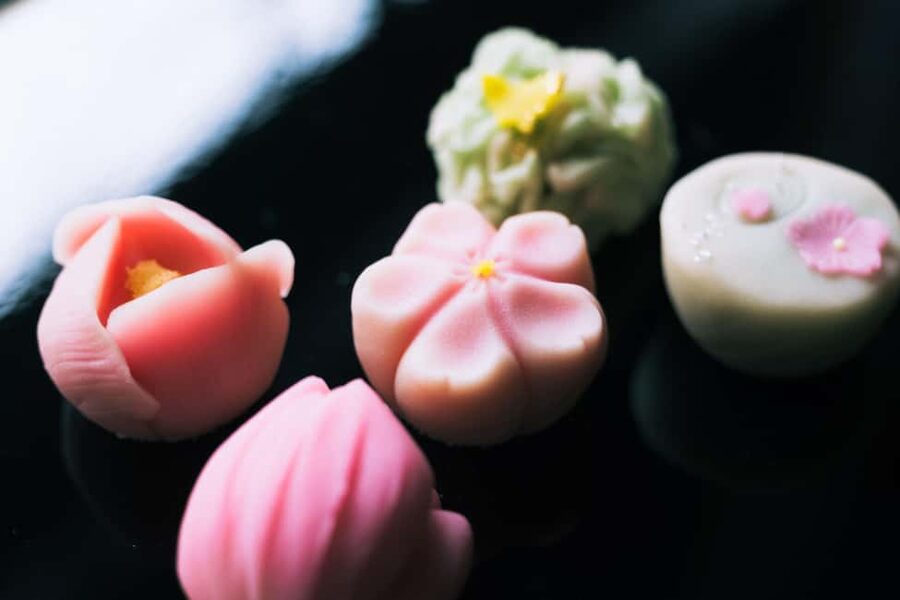
I would recommend Orizuruya Gion to you if this is your first visit to Kyoto and you want a clear introduction to two familiar Japanese symbols: kimono and matcha. The instructor explains the etiquette, the staff handle the dressing, and you get to practice instead of only watching.
It also works well for couples. The dressing, photographs, ceremony, and walk through Gion create a natural half-day plan. One visitor described it as a memorable gift for a girlfriend, and the format suits a special occasion without requiring a full-day commitment.
Families with older children and teenagers may enjoy it too, especially if you select the calligraphy option. The tea ceremony requires patience and quiet attention, while calligraphy gives younger participants a more hands-on challenge.
You may want to choose another activity if you dislike formal clothing, prefer a quick demonstration, or have only a very small gap in your schedule. The kimono process is a major part of the experience, not a five-minute photo prop. The ceremony is also deliberately calm, so it will not suit someone looking for a fast-paced tour.
My practical verdict on authenticity and comfort
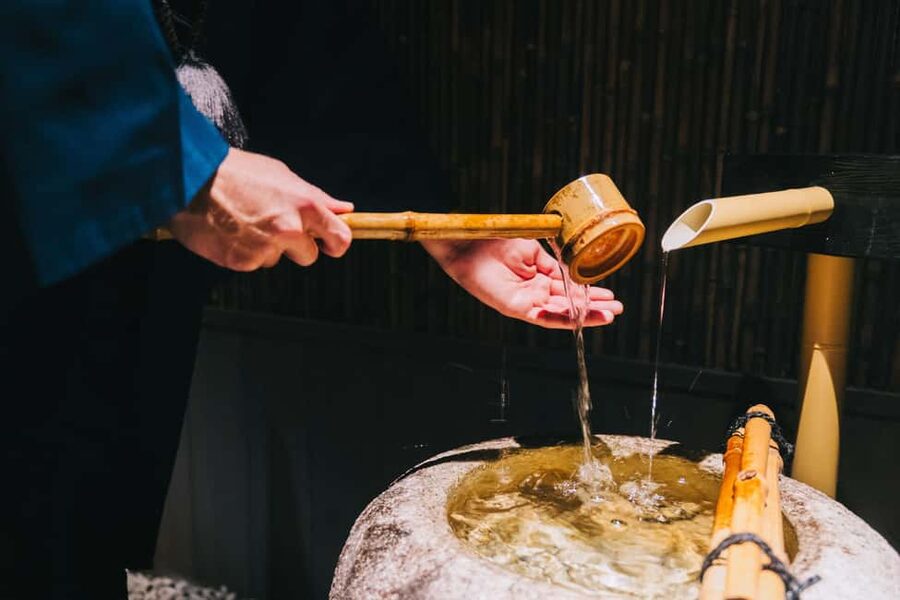
This is a visitor-friendly introduction to a traditional practice. It is designed for people who may not know Japanese etiquette, and that is its strength. You receive guidance without being made to feel awkward for not knowing the rules.
The setting is clearly prepared for international visitors, yet the main activities are not empty photo tricks. You learn to whisk matcha, taste wagashi, handle tea utensils, and understand the order of the ceremony. The calligraphy option adds another real skill.
The experience is polished and tourist-oriented, so it should not be confused with attending a private tea ceremony in a family home or a formal school setting. For most first-time visitors, that balance is useful. You get cultural context in English and enough instruction to take part respectfully.
The strongest reasons to book are the staff care, the wide kimono choice, the hands-on matcha preparation, and the ability to continue exploring Gion in costume. The main drawbacks are the time needed for dressing and the possibility that the kimono walk will be less comfortable than expected.
Should you book Orizuruya Gion?
Book it if you want a well-organized cultural activity that combines dressing, explanation, tasting, and participation in roughly 90 minutes. The $49 price is strongest when you use the kimono afterward and choose an early time.
Add calligraphy if you want a two-hour session with another skill to practice. Skip that option if tea ceremony is your priority or your Kyoto schedule is already full.
For a first Kyoto visit, this is an easy way to add a meaningful cultural pause between sightseeing stops. You do not need prior knowledge, Japanese language ability, or confidence with tea etiquette. Arrive ready to slow down, listen, and enjoy looking the part while you explore Gion afterward.
FAQ
How long does the Kyoto kimono tea ceremony take?
The tea ceremony experience takes about 1 hour and 30 minutes. The tea ceremony with Japanese calligraphy takes about two hours.
What is included in the $49 price?
The experience includes the kimono set rental, tea ceremony utensils, wagashi and matcha, simple hairstyling, an English-speaking licensed guide, and all fees and taxes. Japanese calligraphy materials are included only with the calligraphy option.
Can I choose my own kimono?
Yes. You can choose from more than 200 kimono designs, with staff assistance during the selection and dressing process.
Can I wear the kimono after the tea ceremony?
Yes, the experience information states that you may keep the kimono for a walk afterward, with several accounts specifying use until 5 p.m. Confirm the current return details when booking.
Where is Orizuruya Gion?
The address is 572-7 Minamigawa, Gion-machi, Higashiyama-ku, Kyoto-shi, Kyoto. It is about a 7-minute walk from Keihan Gion-Shijo Station and a 10-minute walk from Hankyu Kyoto-Kawaramachi Station.
Can I cancel the booking?
You can cancel up to 24 hours in advance for a full refund. A reserve-now, pay-later option is also available.
Fresh tea listings around Kyoto
- Kyoto: Nighttime Zen Meditation and Matcha Tea Experience★ 5.0 · 7 reviews
- Kyoto Fushimiinari:Wagashi Making & Small Group Tea Ceremony★ 5.0 · 14 reviews
- 2 Types of Japanese Sweets making and Tea Ceremony★ 4.6 · 17 reviews
- Kyoto Hidden Riverside Zen Mediation and Uji Matcha Experience★ 5.0 · 9 reviews
- Whisk Your Own Matcha: A Zen Matcha Experience at Temple★ 3.6 · 7 reviews
- Matcha Grinding Experience and Walking Tour in Uji Kyoto★ 5.0 · 26 reviews
- Kyoto: Traditional Tea Ceremony with Matcha & Sweets in Gion★ 4.9 · 27 reviews
- Stunning Private Tea Ceremony: Camellia Garden Teahouse★ 5.0 · 28 reviews
Kimono & Tea Ceremony, compared.
KYOTO Tea Ceremony with kimono near by Imamiya Jinjya Shrine
Read our review →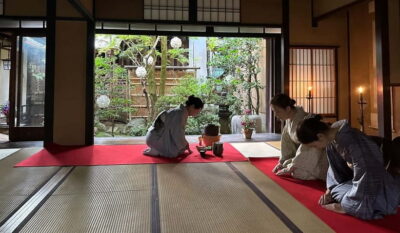
Kyoto: Kimono and Tea Ceremony Experience at Cultural Asset
Read our review →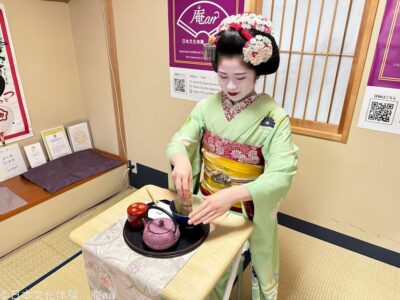
Kyoto: Kimono Tea Ceremony with Matcha and Sweet
Read our review →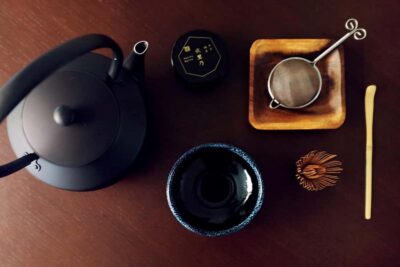
Browse the lists this tour appears in