
Review · KIMONO & TEA CEREMONY
Tokyo: Matcha and Kimono Experience
Tokyo has plenty of photo-ready cultural activities, but this one gives you something useful to take home: the ability to prepare a proper bowl of matcha. You choose a quick-to-wear kimono, compare matcha from Japan with overseas versions, and learn why color, aroma, and taste matter.
I like the access from Yotsuya, the small-group feel described by participants, and the host Komei’s relaxed teaching style. I also like that you do not simply watch a ceremony. You handle the tools and make the tea yourself. The main consideration is that the kimono portion may take more time than the matcha-making portion, so those most interested in tea should keep that balance in mind.
Key points at a glance
- First-flush matcha: Taste a high-grade selection chosen from a collection of more than 100 Japanese matchas.
- Four cultural subjects: Learn about tea ceremony, teaism, matcha, and kimono in one session.
- Quick kimono dressing: Wear a specially designed kimono without the roughly 30 minutes often needed for a standard one.
- Hands-on preparation: Practice four key steps for making a beautiful bowl of matcha at home.
- Real versus imitation matcha: Use your eyes, nose, and tongue to compare quality and origin.
- Convenient setting: Meet about six minutes from Yotsuya Station, near Shinjuku, and finish at the same place.
A practical cultural lesson near Yotsuya
This experience takes place near Yotsuya, a useful base between central Tokyo neighborhoods. The meeting point is in front of the LUUP scooter stand beside the ACN Yotsuya Building, where the guide waits with a workshop sign. From Yotsuya Station, allow about six minutes on foot.
That short walk matters. You do not need to commit half a day to reach a remote tea house, and the activity ends back at the same location. You can pair it with sightseeing around Shinjuku, though you should leave enough time to arrive early. The late-arrival rule is strict: the booking is automatically canceled after 10 minutes, with no refund.
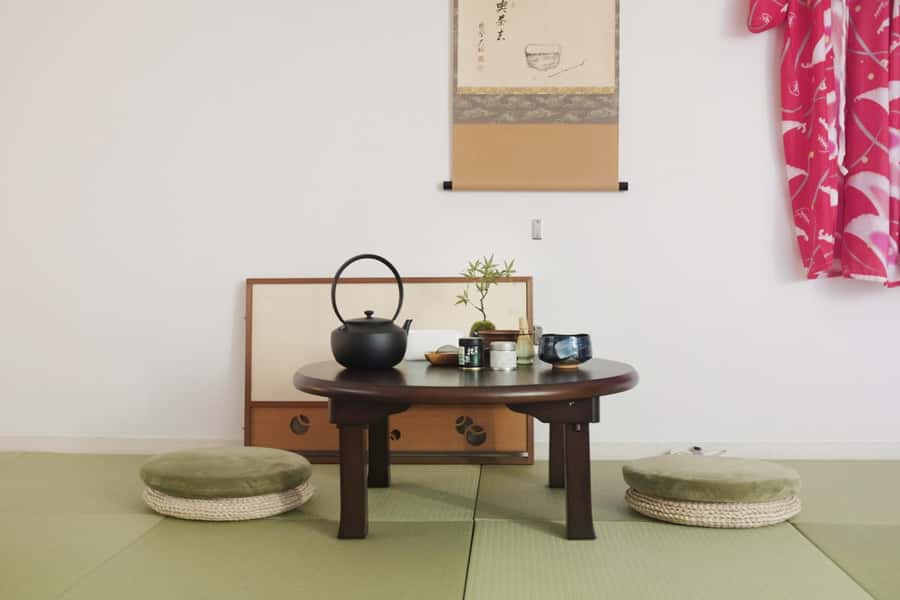
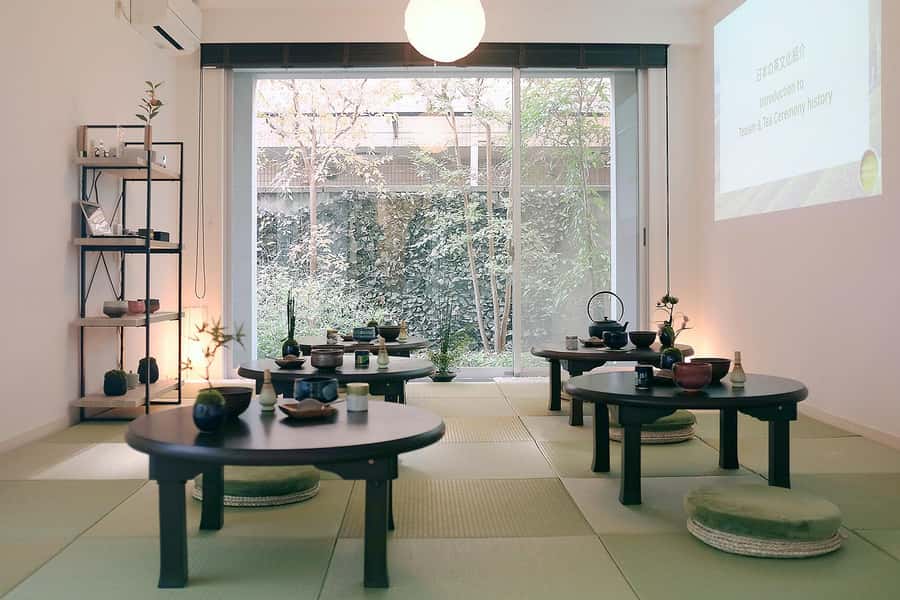
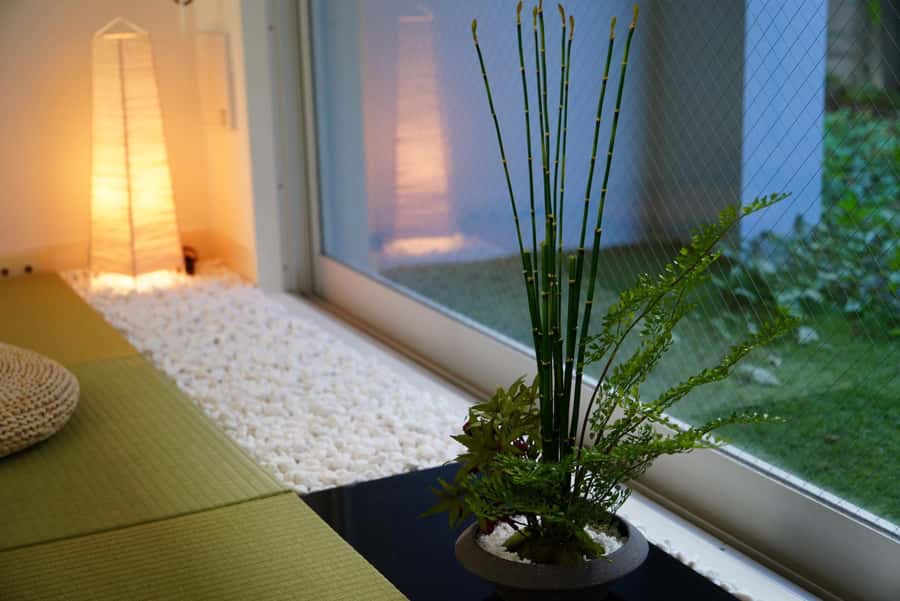
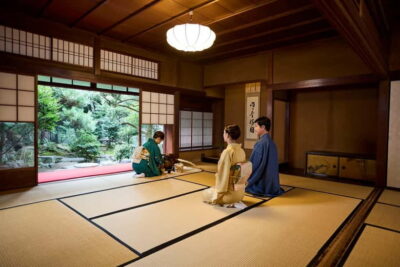
The setting is described as a local Japanese flat with a decorated tea room. That gives the session a more personal feel than a large stage presentation. It is still a lesson, not a formal tea ceremony performed entirely for you, so expect explanation, discussion, and practice alongside the ritual.
English and Japanese are available. The host Komei receives repeated praise for being warm, funny, and easy to follow, which is especially useful when a ceremony has unfamiliar rules and vocabulary.
More Kimono and Tea Ceremonies in Tokyo
- Kimono Tea Ceremony at Tokyo, Asakusa Maikoya
★ 5.0 · 638 reviews - Tokyo: Asakusa Kimono Dressing and Matcha Experience
★ 4.9 · 173 reviews - Asakusa: Kimono Tea Ceremony with Matcha and Sweet
★ 4.9 · 153 reviews
Choosing a kimono without a 30-minute ordeal
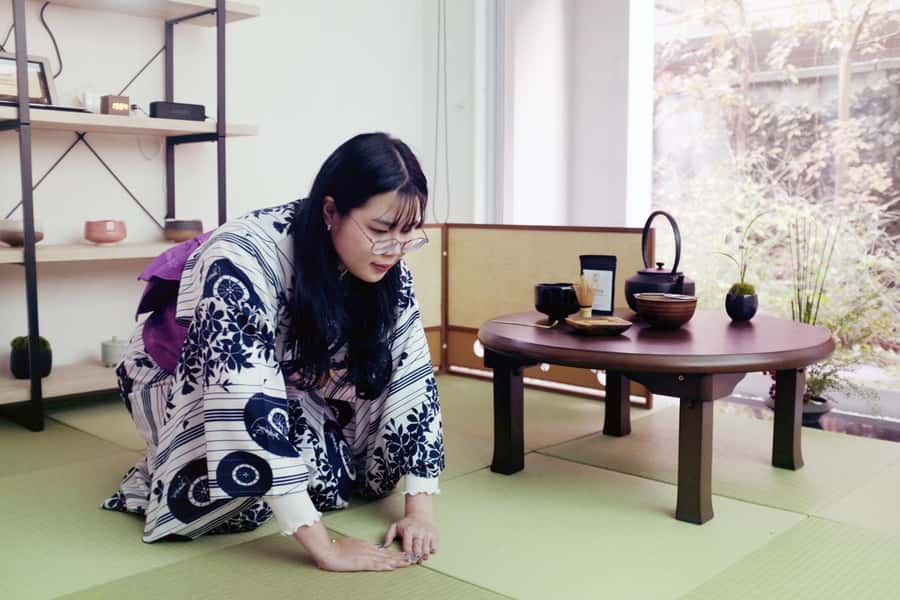
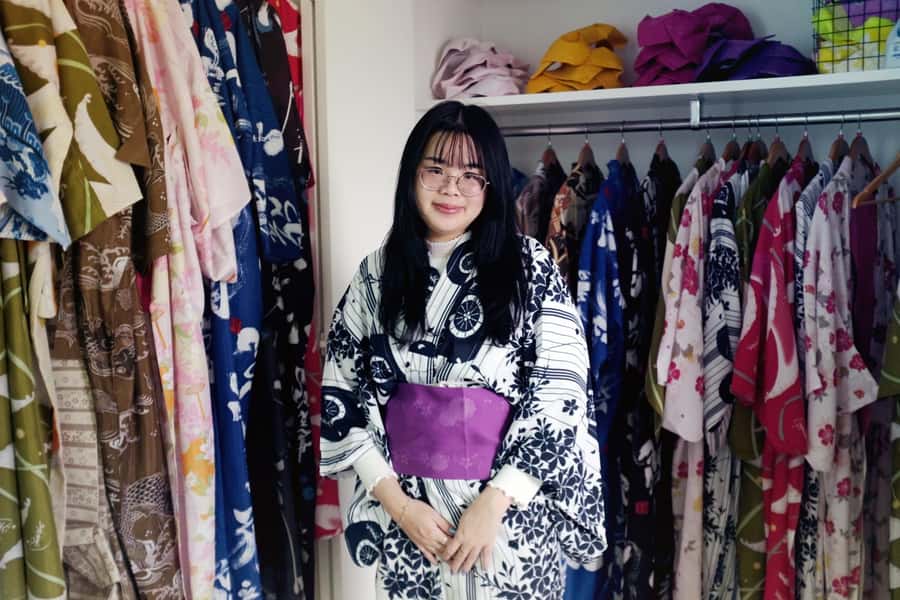
Before the main lesson, you choose a kimono to wear throughout the experience. The garments are designed for quick dressing, unlike a standard kimono, which can take about 30 minutes to put on properly.
That shortcut is a practical feature. You get the look and feel of traditional clothing without giving up a large part of the session to layers, ties, and formal dressing. You also learn basic points about how a kimono should be worn, rather than treating it as a costume with no cultural context.
The selection itself is part of the fun. One participant particularly enjoyed having many attractive kimonos to choose from, and several people called the clothing a highlight and a good photo opportunity. Komei has also taken photographs for groups, though photography should be treated as a possible courtesy rather than a guaranteed service.
Bring socks. You will be asked to protect the traditional flooring, and if you forget, you may need to buy a pair at the workshop. Strong fragrances are not allowed, partly because scent would interfere with tasting and partly out of respect for the room and other participants.
If your main goal is the tea, keep an eye on the clock. One person felt a little more time could have gone to matcha and a little less to dressing. That is not a major flaw, but it helps set your expectations.
What teaism adds to a matcha lesson
The session does more than explain which powder to whisk. You learn about teaism, the philosophy connected with tea, and the meaning behind the tea ceremony. The lesson also compares green, black, Chinese, and other types of tea, giving you a wider frame for understanding matcha.
This context is valuable because matcha can otherwise seem like a trendy green drink. Here, the focus is on attention, manners, tools, and the relationship between host and visitor. Even if you do not plan to attend another tea ceremony, you come away with a better sense of why the movements are deliberate and why serving and drinking have their own manners.
The teaching style appears conversational rather than stiff. Komei is described as passionate, humorous, and willing to answer questions. Several participants appreciated the organized presentation, including a PowerPoint covering Japanese history and matcha. That structure helps keep the subject from becoming a blur of dates and unfamiliar terms.
Do not expect an academic course. The experience is an introduction, designed for visitors who want a clear starting point. If you already study Japanese tea schools or formal ceremony procedure, you may want something more specialized. For a first encounter, the blend of history, philosophy, and practice makes sense.
Tasting first-flush matcha from more than 100 selections
A major selling point is the first-flush matcha. First flush refers to the earliest harvest, and the experience describes this as the highest-quality category. The host selects the featured tea from a collection of more than 100 matchas gathered from around Japan.
You do not simply receive a bowl and move on. The tasting asks you to use your eyes, nose, and tongue to identify what you prefer. That turns the session into a small lesson in tasting. You may notice differences in color, aroma, bitterness, sweetness, or texture, though the exact selections can change.
The comparison between Japanese and overseas matcha is another useful touch. The session makes clear that powders sold under the same name can differ greatly in quality and character. You also examine the difference between real and imitation matcha. This is practical knowledge for shopping after the experience, particularly if you plan to bring tea home.
The word real can be used loosely in the tea market, so this part is best treated as a guided introduction rather than a scientific certification test. Still, being shown what to inspect gives you a better starting point than buying by bright green color alone.
A welcome drink and Japanese traditional sweets are included. The sweets matter because they help balance matcha’s stronger flavors and show how tea is served in a traditional setting. If you have a sweet tooth, this adds pleasure. If you are looking for a full meal, it does not replace one.
More Matcha Experiences in Tokyo
- Matcha Making Class in Tokyo with Authentic Japanese Sweets Set
★ 5.0 · 744 reviews - Tokyo: Matcha Making Experience with Mochi Sweets in Asakusa
★ 4.9 · 388 reviews - Asakusa Cultural Walk & Matcha Making Tour
★ 5.0 · 245 reviews - Make Traditional Nerikiri Sweets & Matcha experience in Shibuya
★ 5.0 · 130 reviews
Making your own bowl with traditional tools
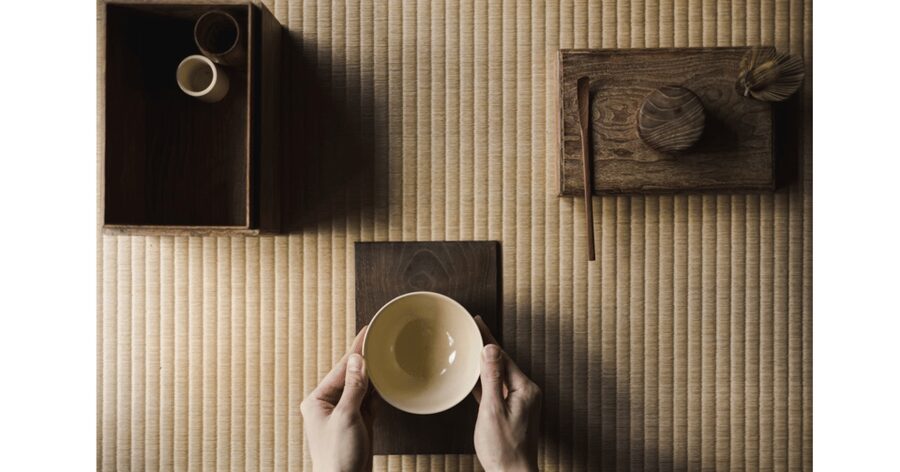
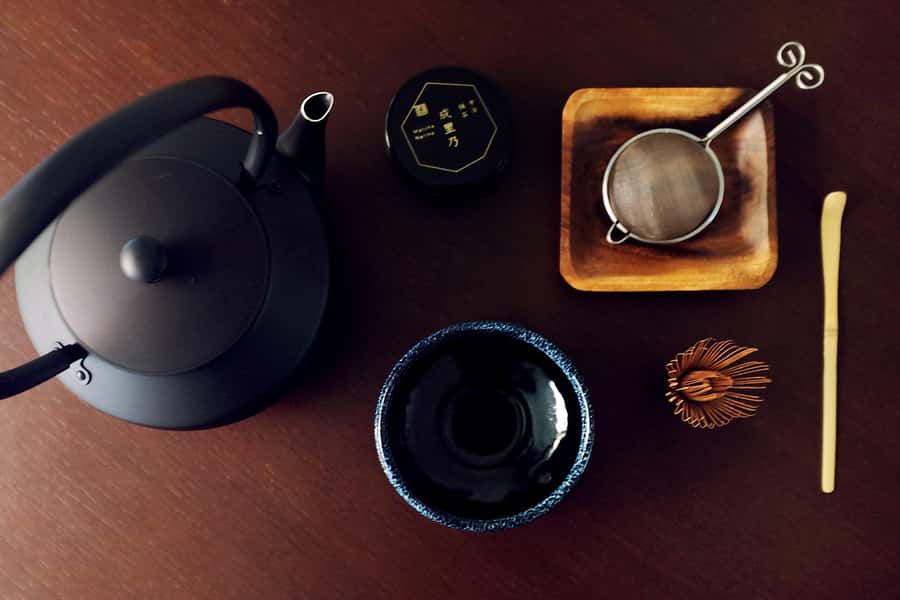
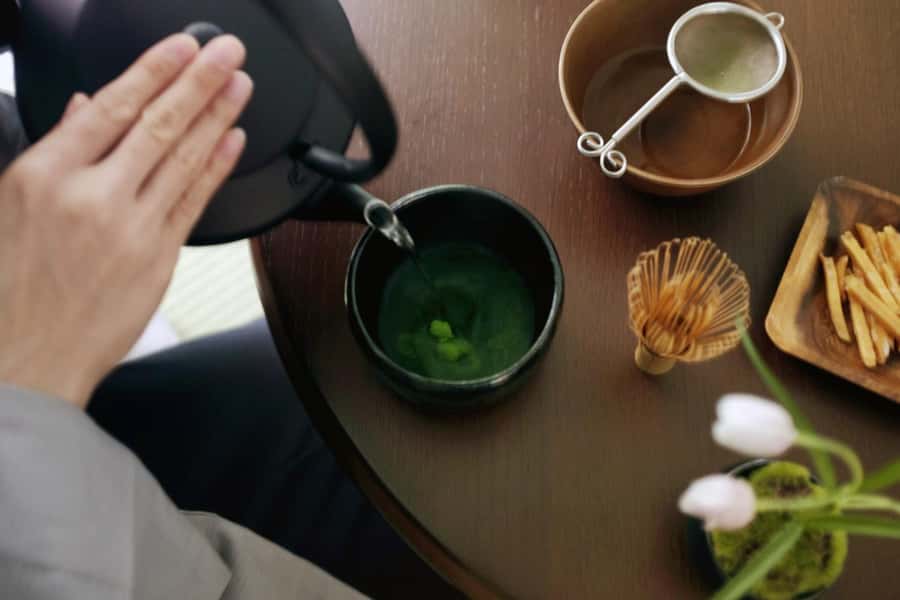
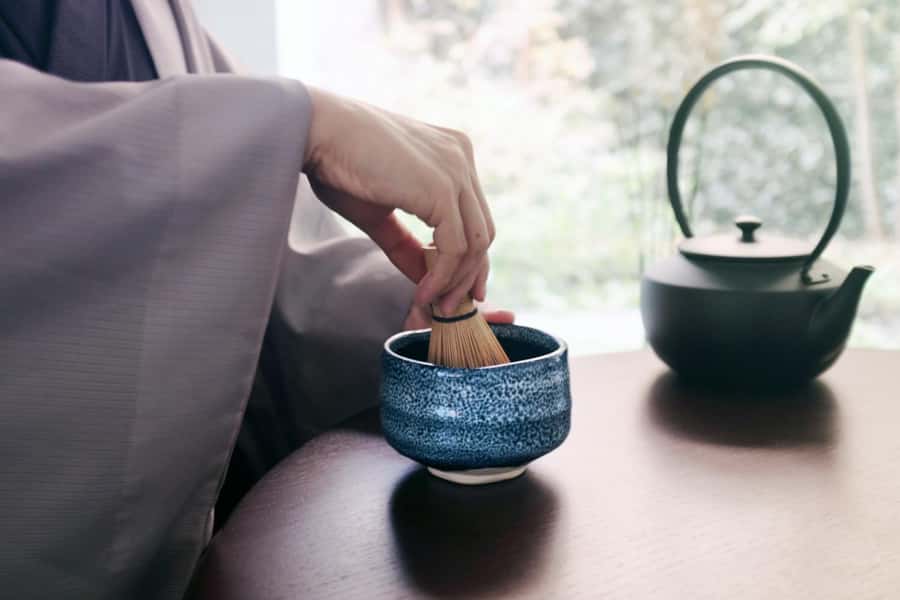
After the explanation, you use tea tools to prepare matcha yourself. The activity focuses on four key points for making a good bowl at home, and equipment rental is included.
This hands-on part is where the experience earns its keep. Watching a tea master whisk matcha is pleasant, but doing it yourself reveals how much control goes into the result. You learn the basic process, practice the movements, and see how preparation affects the finished drink.
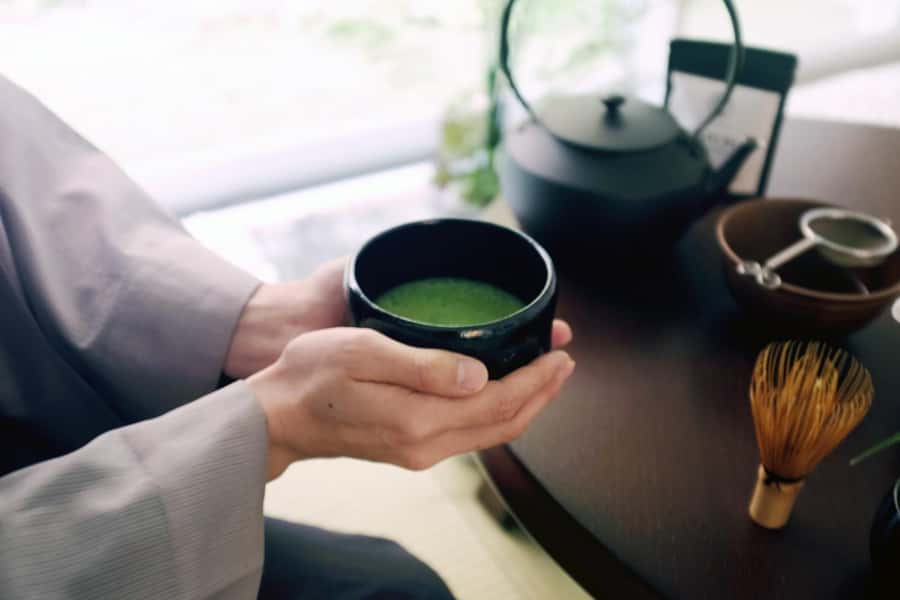
You also learn the proper basic manner for drinking a bowl of matcha. That can feel like a small detail, but it changes how you approach the tea. The ceremony is not only about producing a drink. It is also about receiving it with care.
The lesson is designed to be approachable. People with no prior experience can follow along, while matcha fans can ask more focused questions about taste, quality, and preparation. One participant who already loved matcha was especially pleased with the presentation and the instructor’s command of the subject.
The balance is worth noting. This is not a silent, highly formal tea ceremony where you sit back and watch every gesture in a strict sequence. It is a hands-on workshop that explains the tradition and lets you practice selected elements. That makes it friendlier for first-time visitors, but less suitable if you want a full ceremonial performance with no interruptions.
Why the teaching style matters
The strongest feature here is the instructor. Komei is repeatedly described as friendly, passionate, clear, and entertaining. Those qualities make a real difference when the session covers four subjects and includes unfamiliar etiquette.
A dry explanation of whisking technique would be easy to forget. A warm teacher who explains why each step matters can turn a simple cup of tea into a memorable cultural lesson. Participants also appreciated that Komei answered questions and adjusted his explanations to the group.
His enthusiasm appears to extend beyond matcha. The lesson connects the tea itself with kimono, ceremony, philosophy, and Japanese history. That wider view keeps the activity from feeling like a product demonstration.
Still, the experience is host-led. Your enjoyment will depend partly on the group and the day’s pace. The available feedback points to a personable presentation, but no fixed duration or guaranteed private format is provided. One participant described a group of five, so you might find the session intimate, but you should not assume every departure has exactly that size.
Is $57 a fair price?
At $57 per person, this is not the cheapest cup of matcha in Tokyo. You are paying for a bundled cultural lesson rather than a drink. The price includes kimono use, a tea lecture, first-flush matcha, sweets, a welcome drink, tea tools, and guided practice.
I consider that a reasonable value if you want several related experiences in one stop. Separate kimono dressing, tea tasting, and matcha-making activities can take more time and planning. Here, the subjects support each other: the kimono sets the tone, teaism explains the values, tasting develops your palate, and preparation gives you a skill to repeat at home.
The value is weaker if you only want a quick photo in traditional clothing or a single bowl of matcha. You could spend less on a casual tea in Tokyo, and the kimono is not a full formal dressing appointment. The best match for the price is someone who wants instruction and conversation, not just a souvenir picture.
I also like that the experience gives you something beyond the day itself. Once you understand the basic method and what to look for in matcha, you can use that knowledge at home. That lasting benefit helps justify the cost.
Who should book this experience?
This is a good fit for first-time visitors who want a manageable introduction to Japanese culture. It suits couples, friends, and small groups, especially if one person wants tea and another is more excited about kimono.
Matcha fans will appreciate the tasting and the discussion of Japanese versus overseas powder. Culture-minded visitors will like the links among tea ceremony, teaism, clothing, manners, and history. The relaxed teaching style also makes it suitable for people who worry that a formal ceremony will be too quiet or hard to understand.
Children under five are not permitted. For older children, the provided information does not specify age rules beyond that restriction, so check before booking if you are traveling with a young family.
This may not be your best choice if you dislike sitting through a lecture, have a strong sensitivity to bitter tea, or want a long, strictly formal ceremony. The experience is educational and participatory, with a meaningful amount of explanation.
Booking details worth knowing
You can cancel up to 24 hours in advance for a full refund. A reserve-now, pay-later option is available, which helps if your Tokyo plans are still shifting.
Arrive early and bring socks. Do not wear strong fragrance, and avoid alcohol or drugs before the session. Noise is not allowed, so the atmosphere depends on treating the room as a cultural space rather than a casual party venue.
The activity begins and ends at the Yotsuya meeting point. It is offered in English and Japanese, and the price is $57 per person. Since the late-arrival cutoff is only 10 minutes, build in extra time for the walk from the station and for finding the ACN Yotsuya Building.
Should you book it?
Book this if you want more than a dressed-up photo and a sweet drink. The strongest reasons are the first-flush tasting, the chance to compare matcha quality, the clear home-preparation lesson, and Komei’s friendly way of teaching.
I would especially recommend it during a first Tokyo visit when you want a cultural activity close to central neighborhoods without committing to a full-day outing. Go in expecting a guided workshop with a kimono component, not a lengthy formal tea ceremony. If that sounds right, $57 buys a thoughtful introduction to four parts of Japanese culture in one compact experience.
FAQ
Where does the matcha and kimono experience meet?
Meet in front of the LUUP scooter stand next to the ACN Yotsuya Building. The guide waits there with a workshop sign.
How far is the meeting point from Yotsuya Station?
The meeting point is about a six-minute walk from Yotsuya Station.
Where does the activity end?
The experience ends back at the meeting point.
What is included in the $57 price?
The price includes the matcha experience, a kimono to wear during the activity, a teaism and matcha lecture, a matcha-making lesson, exclusive first-flush matcha, Japanese traditional sweets, a welcome drink, and rental of tea ceremony tools.
Do I need to bring anything?
Bring your own socks to protect the traditional flooring. If you forget them, you may be asked to buy socks at the workshop.
What languages are available?
The experience is available in English and Japanese.
Can children join?
Children under five years old are not permitted to participate.
What happens if I arrive late?
Your booking is automatically canceled after 10 minutes of delay from the appointment time, and no refund is accepted in that case.
Can I cancel for a refund?
You can cancel up to 24 hours in advance for a full refund. A reserve-now, pay-later option is also available.
Fresh tea listings around Tokyo
- Authentic Japanese tea tasting: sencha, matcha and gyokuro★ 5.0 · 12 reviews
- At an Antique Shop, Tea Ceremony and Japanese Sweets Forming★ 5.0 · 5 reviews
- Mochi Matcha Gluten Free Japanese Sweets Class near Shibuya area★ 5.0 · 26 reviews
- Tokyo: Two Types of Japanese Sweets Making and Tea Ceremony★ 4.6 · 26 reviews
- Japanese Matcha Tea Ceremony and Kimono Experience in Hanayaka★ 5.0 · 26 reviews
- Matcha Experience with of Japanese Tea Tasting in Tokyo★ 5.0 · 31 reviews
- EDOCCO Tea House–A Quick Dive into Japanese Traditional Culture★ 5.0 · 34 reviews
- Tokyo: Tea Ceremony Experience in Asakusa★ 5.0 · 36 reviews
Kimono & Tea Ceremony, compared.
KYOTO Tea Ceremony with kimono near by Imamiya Jinjya Shrine
Read our review →
Kyoto: Kimono and Tea Ceremony Experience at Cultural Asset
Read our review →
Kyoto: Kimono Tea Ceremony with Matcha and Sweet
Read our review →
Browse the lists this tour appears in