Review · KIMONO & TEA CEREMONY
Asakusa: Kimono Tea Ceremony with Matcha and Sweet
The best part of this Asakusa experience is that you do not simply watch a tea ceremony from the sidelines. You choose a kimono, have it fitted and styled, then sit in a quiet tea room to learn the meaning behind Wa, Kei, Sei, and Jaku: harmony, respect, purity, and tranquility. You also whisk your own matcha, which turns a formal ritual into something you can understand with your hands.
I like the generous kimono choice and the careful help with the obi, hairpiece, and hairstyle. I also like the staff’s attention to photographs, especially for solo visitors and couples. The main thing to consider is the calm pace and tatami seating. This is not a quick costume stop or a loud group show, and children under seven cannot attend.
Key details at a glance
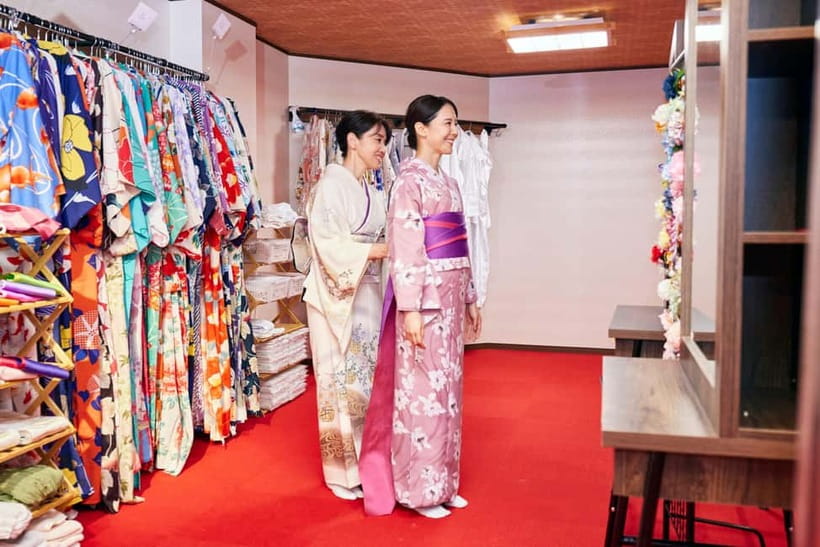
- Seasonal kimono selection: Choose from many colors and patterns, with staff help for the obi and accessories.
- Professional dressing and styling: Women with long hair can receive a matching hairstyle, while staff help everyone prepare for photographs.
- Hands-on matcha making: Watch the tea master, then whisk your own bowl of Japanese green tea.
- Traditional wagashi pairing: Seasonal Japanese sweets accompany the matcha and reflect the time of year.
- English guidance: The ceremony and cultural explanation are conducted in English, with bilingual staff available.
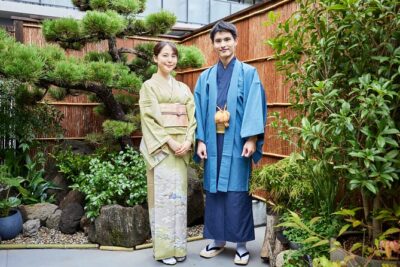
- Photo time included: A small garden and indoor setups provide places for portraits, couples’ pictures, and group shots.
Choosing a kimono in Asakusa
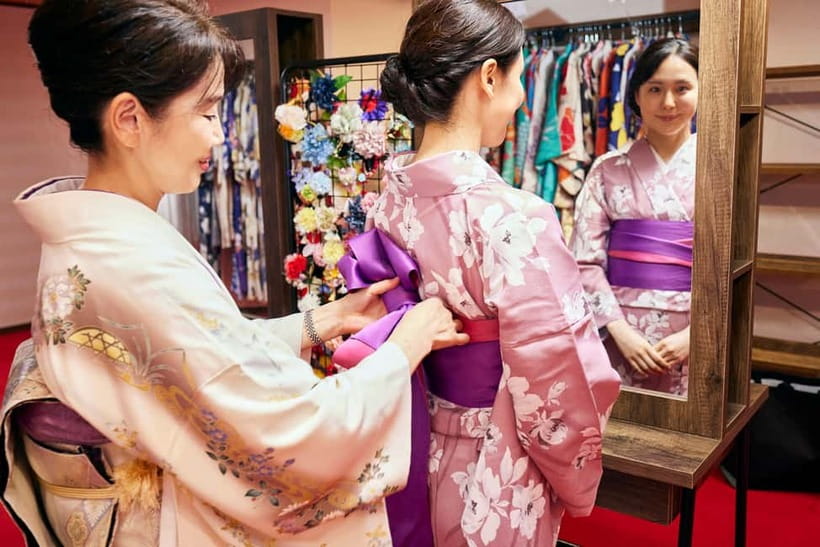
The experience begins with the visual treat: a rack of seasonal kimonos and accessories. You choose the main garment, then work with the dressing staff to find an obi and hairpiece that suit it. The selection includes many colors and prints, so it helps to arrive with a general idea of the colors you like.
You do not need to know how a kimono is assembled. The staff handle the complicated work, including the layers, ties, and obi. That assistance matters because a kimono looks simple when finished, but the dressing process involves far more than slipping on a robe.
For women with long hair, hair styling is included. The result is designed to match the outfit rather than look like a separate salon service. Guests have described the hair work as quick, polished, and well suited to the kimono. If you have short hair, the listed inclusion does not promise a full hairstyle, so keep your expectations modest.
The dressing stage takes a meaningful portion of the 90-minute session. That is good for the photographs and the sense of occasion, but it leaves less time for a long tea lesson. You are paying for both parts: the costume experience and the ceremony. Think of it as a compact cultural activity, not an extended traditional arts workshop.
More Kimono and Tea Ceremonies in Tokyo
- Kimono Tea Ceremony at Tokyo, Asakusa Maikoya
★ 5.0 · 638 reviews - Tokyo: Matcha and Kimono Experience
★ 4.7 · 219 reviews - Tokyo: Asakusa Kimono Dressing and Matcha Experience
★ 4.9 · 173 reviews
Why the dressing is more than a costume change
A rented kimono changes how you move. The outfit is fitted closely, the obi keeps your posture upright, and your steps naturally become smaller. That physical change helps you notice that traditional Japanese clothing is not just a pretty backdrop for pictures.
The staff also help with the finishing touches. The obi and hairpiece give the outfit shape, while the hairstyle brings the look together. For couples, the reveal can be part of the fun. For solo visitors, staff are willing to help take photographs, which removes one common problem with dress-up activities.
You may also be able to keep the kimono for a while after the ceremony and walk around nearby. This option is especially useful in Asakusa, where the outfit fits the setting and gives you more time for photographs. Ask the staff about the exact return arrangement on the day, and remember that winter weather can make outdoor sightseeing uncomfortable.
The kimono is not the best choice if you want to race from one attraction to another. It is better for a slow stroll, a few pictures, and a meal or café stop nearby. Shoes are not allowed during the activity, so wear something easy to remove and expect to spend time indoors in socks or the provided indoor arrangement.
Entering the quiet tea room
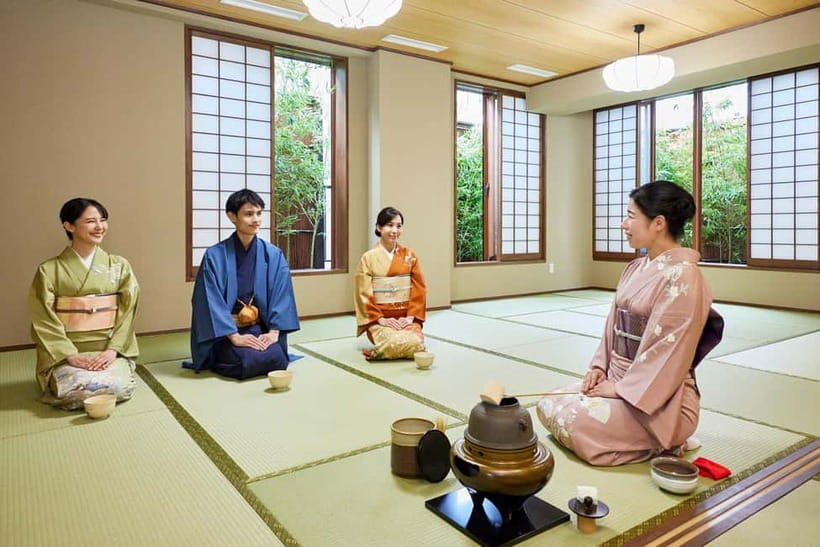
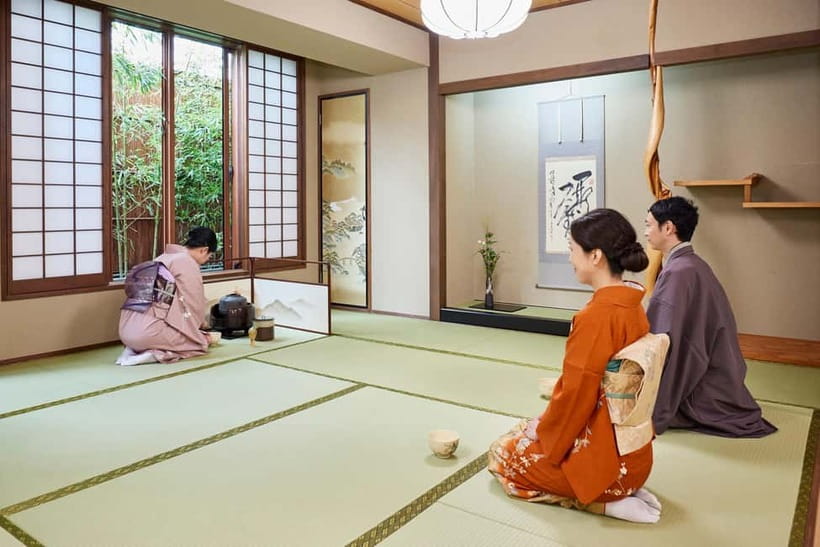
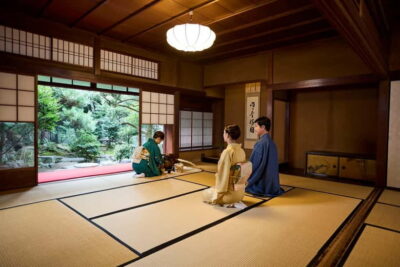
After dressing, you move into a calm tea room. Seating is on tatami mats, an important detail for anyone with stiff knees, limited mobility, or trouble sitting on the floor. Bamboo chairs are available if requested in advance, so arrange this before the session rather than waiting until you arrive.
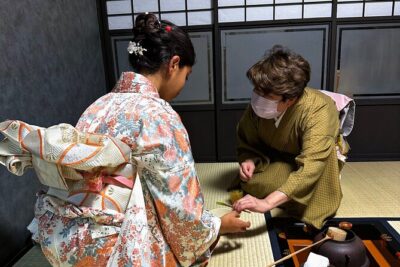
The room is designed for attention rather than entertainment. The tea master explains the purpose of the ceremony, the order of the movements, and the meaning of its central ideas. The four principles are often translated as:
- Wa: harmony between people, objects, and surroundings
- Kei: respect for the host, the bowl, and the other people present
- Sei: purity, expressed through clean tools and a clear mind
- Jaku: tranquility, the quiet state that comes from practicing the first three
This explanation gives the ceremony some context. Without it, the bows, turns, and careful handling of the bowl can seem like a series of rules. With it, you begin to see the purpose behind the slow movements.
The English guidance is a strong feature for visitors who want more than photographs. Hosts including Mia, Wakana, Yoko, and Kyoko have been praised for making the explanations friendly and easy to follow. The exact host depends on the session, but the activity is conducted in English.
Watching the matcha preparation
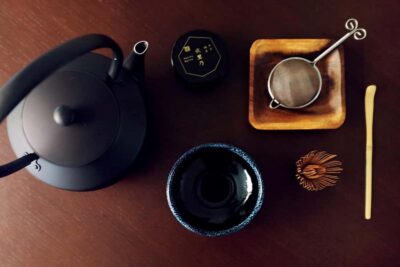
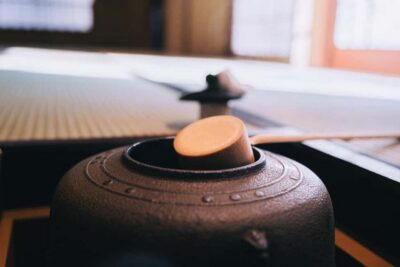
The tea master demonstrates how the utensils are handled and how the matcha is prepared. The appeal lies in the precision. Every tool has a place, and each movement is deliberate rather than rushed.
You can watch the handling of tea implements that may be treated as treasured objects. The ceremony is not simply about making a hot drink. It is about giving full attention to the meeting, the tools, the season, and the person who prepared the tea.
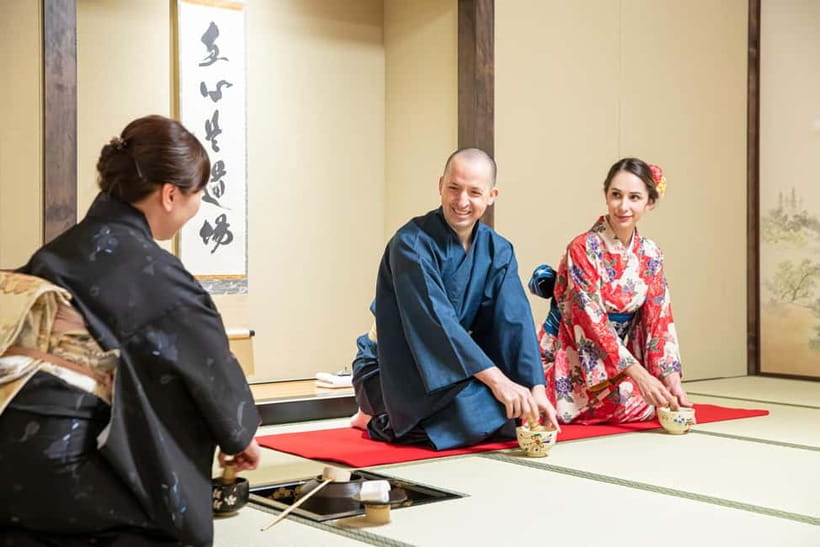
Then you try it yourself. You receive a bowl and whisk the matcha in the traditional way. This hands-on part makes the lesson memorable because you feel the movement and see the powder change into tea. Do not expect to become an expert in one session, but you will leave knowing the basic rhythm of the preparation.
The tea may taste stronger and more earthy than the sweetened matcha drinks served in many cafés. That is part of the point. The wagashi balances the tea with a gentle sweetness, so try the two together rather than judging the matcha on its own.
More Matcha Experiences in Tokyo
- Matcha Making Class in Tokyo with Authentic Japanese Sweets Set
★ 5.0 · 744 reviews - Tokyo: Matcha Making Experience with Mochi Sweets in Asakusa
★ 4.9 · 388 reviews - Asakusa Cultural Walk & Matcha Making Tour
★ 5.0 · 245 reviews - Make Traditional Nerikiri Sweets & Matcha experience in Shibuya
★ 5.0 · 130 reviews
Wagashi and the meaning of the season
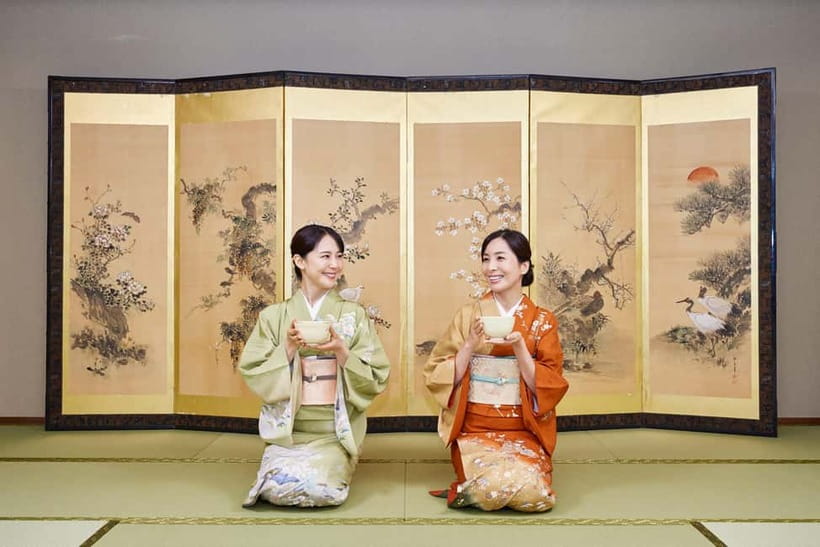
The matcha is served with wagashi, traditional Japanese sweets chosen to reflect the season. Their shapes, colors, and flavors are part of the experience, not just a snack added to the ticket.
The sweets are generally delicate rather than heavy. One recent participant specifically noted that the wagashi was vegan friendly, though dietary needs should still be confirmed when booking or on arrival because recipes can vary.
This pairing also shows how the tea ceremony brings nature indoors. Seasonal awareness is important in Japanese culture, and the sweet gives you a small, edible reminder of that idea. You do not get a full meal, so plan lunch or dinner separately.
Photos in the garden and indoor sets
Once the formal part ends, you have time for photographs. The venue has a small garden and indoor setups arranged for kimono portraits. Staff can help take pictures, including couple shots and photos for solo visitors.
This is one of the strongest practical benefits of the experience. A friend or partner does not need to spend the entire activity behind the camera, and solo visitors are not left trying to balance a phone against a wall. The staff’s help also means you can focus on posture, sleeves, and the way the kimono looks rather than rushing through a few snapshots.
The settings are designed for portraits, so this is not a full sightseeing tour of Asakusa. You are getting a controlled photo opportunity connected to the cultural activity. If you are hoping for long outdoor sessions at famous landmarks, you will need to arrange that separately.
If the day’s rules allow you to wear the kimono outside afterward, nearby Asakusa is a natural place for a short walk and more pictures. You should confirm how long the rental lasts and when the kimono must be returned. The supplied experience information and recent booking accounts indicate that extended wear may be available, but the practical details can depend on the arrangement for your session.
Group size and the feel of the session
The session generally has about 12 to 14 participants because people from different booking channels may be combined. That is small enough for the English explanation to remain personal, but it is not a private tea ceremony.
Group size can vary in practice. Some sessions may feel especially intimate, while others may have a larger shared audience. If you want a private experience, this activity does not promise one.
A group also changes the photography rhythm. You may wait briefly while another person takes pictures, but it gives couples and solo visitors a chance to see different kimono choices and poses. The quiet tone keeps the group from feeling like a noisy stage show.
This works well for couples, families with older children, friends, and solo visitors. Children under seven are not permitted, and younger children who cannot remain quiet would not suit the setting anyway. The tea room calls for patience and attention.
Is $66 a fair price?
At $66 per person, the value depends on how much of the package you would otherwise book separately. The price includes kimono rental, professional dressing, hair styling for women with long hair, the tea ceremony, matcha preparation, wagashi, English instruction, and photo time.
That is a solid bundle for a 90-minute Tokyo activity. A simple kimono rental alone may not include dressing, styling, cultural instruction, or help with photographs. Here, you get all four in one appointment.
The limitation is duration. Ninety minutes passes quickly once you include clothing selection, dressing, hair, the ceremony, and photographs. You should not expect a long lecture on tea history or a full-day kimono rental to be guaranteed in every booking.
The value is strongest if you want an easy cultural introduction with good pictures. It is less convincing if you already know tea ceremony procedures or want a slow, private lesson. For most first-time visitors, the combination of clothing, instruction, and hands-on matcha makes the cost reasonable.
Free cancellation up to 24 hours before the activity and a reserve-now, pay-later option also reduce the risk when your Tokyo schedule is still changing. Transportation is not included, and food beyond the wagashi is not included, so allow time and budget to reach the venue and eat elsewhere.
What to wear and what to bring
Shoes are not allowed inside the experience. Choose footwear that comes off easily, and consider wearing clean socks since you will spend time without outdoor shoes.
Wear comfortable clothing under the kimono. The dressing team needs to fit the outfit properly, and bulky layers may feel awkward beneath it. The provided information does not specify a dress code beyond removing shoes, so you do not need to arrive in formal clothing.
Bring a phone or camera with enough battery for photographs. The staff may help take pictures, and the small garden and indoor sets give you several backgrounds. You do not need to bring tea equipment or sweets, since both are provided.
If you request bamboo chairs, do so in advance. Tatami seating is part of the traditional atmosphere, but it is not comfortable for everyone. This is a simple request that can make the session much more enjoyable.
Who should book this Asakusa experience?
I would choose this for a first visit to Japan, a couple wanting memorable photographs, or a solo visitor who wants staff help with pictures. It is also a good fit if you enjoy learning the why behind a cultural practice instead of only taking part in the visual side.
The activity suits people who can stay quiet and attentive for a short ceremony. It is not a match for anyone seeking a lively performance, a full meal, or a long practical tea course.
It also makes sense for visitors with only a short block of free time in Asakusa. The 90-minute format is easy to fit around other plans, and the option to wear the kimono afterward may add extra sightseeing value.
Should you book it?
Book this Asakusa kimono tea ceremony if you want three things in one appointment: a properly fitted kimono, a clear English introduction to tea ceremony, and polished photographs. The strongest parts are the kind dressing staff, the broad kimono selection, the chance to whisk your own matcha, and the help provided to solo visitors and couples.
Skip it if sitting on tatami is a serious problem and you cannot arrange a bamboo chair in advance, or if you want a private ceremony with a long scholarly lesson. For most visitors, though, $66 buys a thoughtful and well-paced introduction to Japanese customs, with enough hands-on practice to make the memory last beyond the photographs.
FAQ
How long does the kimono tea ceremony last?
The entire experience lasts approximately 90 minutes.
What is included in the $66 price?
The price includes the traditional tea ceremony, kimono rental and professional dressing, hair styling for women with long hair, matcha preparation, seasonal wagashi, and English guidance.
Is the experience conducted in English?
Yes. The instructor and guidance are in English, and bilingual staff assist throughout the activity.
Can I choose my own kimono?
Yes. You can select a seasonal kimono, then receive help choosing the obi and accessories.
Is hair styling included?
Hair styling is included for women with long hair. The information provided does not specify a full hairstyle service for short hair.
Do I have to sit on the floor?
Seating is on tatami mats. Bamboo chairs are available if requested in advance.
Are children allowed to attend?
Children under seven years old are not permitted.
Can I cancel the booking?
Yes. You can cancel up to 24 hours in advance for a full refund. A reserve-now, pay-later option is also available.
More Tea Ceremonies in Tokyo
- Tokyo: Traditional Tea Ceremony with a Tea Master
★ 5.0 · 528 reviews - Tea Ceremony Workshop in Tokyo by the Experienced Instrucor
★ 5.0 · 189 reviews - Tea Ceremony Experience in a Private Tea Room in Shibuya
★ 4.9 · 125 reviews - Tokyo: Practicing Zen with a Japanese Tea Ceremony
★ 4.7 · 105 reviews
Fresh tea listings around Tokyo
- Authentic Japanese tea tasting: sencha, matcha and gyokuro★ 5.0 · 12 reviews
- At an Antique Shop, Tea Ceremony and Japanese Sweets Forming★ 5.0 · 5 reviews
- Mochi Matcha Gluten Free Japanese Sweets Class near Shibuya area★ 5.0 · 26 reviews
- Tokyo: Two Types of Japanese Sweets Making and Tea Ceremony★ 4.6 · 26 reviews
- Japanese Matcha Tea Ceremony and Kimono Experience in Hanayaka★ 5.0 · 26 reviews
- Matcha Experience with of Japanese Tea Tasting in Tokyo★ 5.0 · 31 reviews
- Tokyo:Genuine Tea Ceremony, Kimono Dressing, and Photography★ 5.0 · 33 reviews
- EDOCCO Tea House–A Quick Dive into Japanese Traditional Culture★ 5.0 · 34 reviews
Kimono & Tea Ceremony, compared.
KYOTO Tea Ceremony with kimono near by Imamiya Jinjya Shrine
Read our review →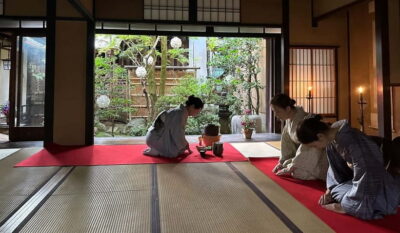
Kyoto: Kimono and Tea Ceremony Experience at Cultural Asset
Read our review →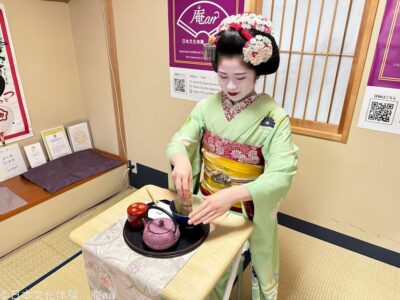
Kyoto: Kimono Tea Ceremony with Matcha and Sweet
Read our review →