
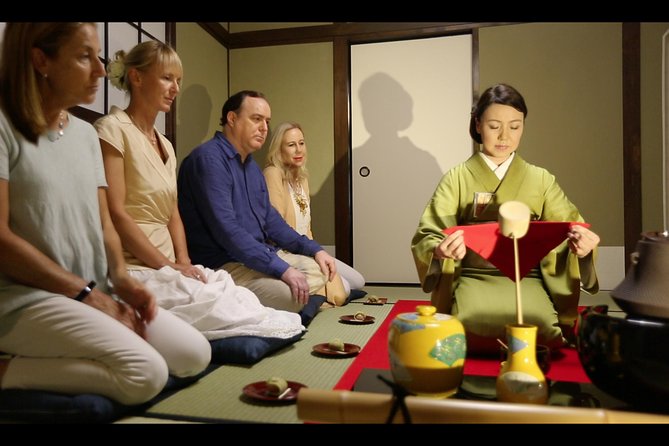
Review · TEA CEREMONY EXPERIENCES
Tea Ceremony Workshop in Tokyo by the Experienced Instrucor
A formal Japanese tea ceremony is not simply a cup of matcha. It is a carefully ordered meeting of host, guest, room, bowl, sweets, and tea. This Tokyo workshop lets you watch the ritual, learn why each step matters, then make and serve your own bowl in a traditional tearoom.
I like the small-group setting, which gives the instructor room to explain the details instead of rushing through a staged display. I also like the mix of koicha, usucha, local sweets, and tea-bowl instruction. You get more than a sweet matcha drink and a photo.
The main consideration is the old building. The tearoom is upstairs, reached by a very steep staircase, and you must wear socks on the tatami. The workshop is a good introduction, but it is not a full-length tea-master training course.
Key points to know before booking
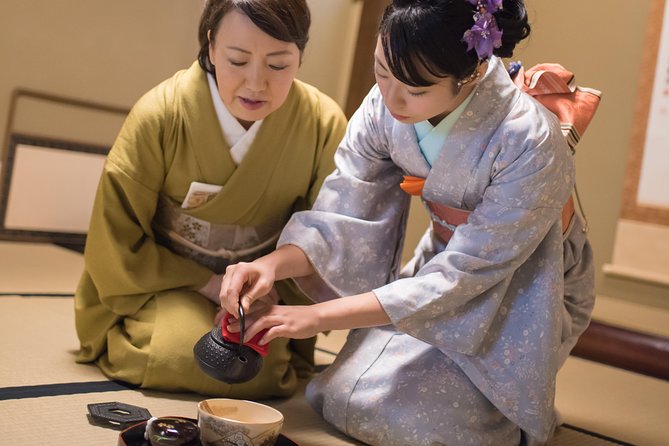
- Licensed Urasenke connection: The workshop is offered through a school licensed by the Urasenke Chado School in Kyoto.
- Watch, then participate: You first see a formal tea preparation, then make your own bowl of usucha.
- Two very different matchas: Koicha is thick and strong, while usucha is lighter and foamy.
- A quiet traditional room: The session takes place on tatami in an old Japanese-style house built in the 1940s.
- Practical clothing rules: Bring socks, and avoid miniskirts and tight pants.
- Small groups and flexible times: The maximum is six people, with several workshop times available.
A calm introduction to Chado in Asakusa
This experience takes place at 2-chōme-3-12 Kotobuki in Taito City, close to Asakusa and public transportation. The address matters, since some map results reportedly show 2-3-3 instead. Use the newer address carefully when finding the meeting point.
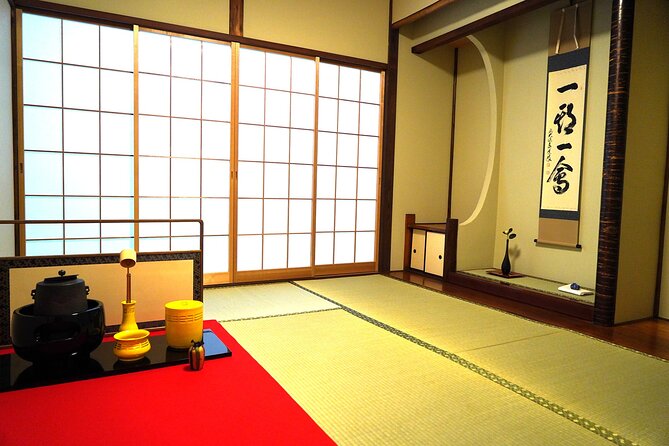
The setting helps make the workshop feel more serious than a quick matcha demonstration in a café. You enter an old Japanese house and go upstairs to a tearoom with tatami mats. The building dates from the 1940s, so expect character, not modern convenience.
The instructor leads the session in English and explains the ideas behind Chado, the Japanese way of tea. Ms. Haneishi is identified in the program feedback as an instructor with many years of practice, and her teaching style is described as warm, clear, and patient. That matters here. The gestures can look mysterious if nobody explains them.
The tone is quiet and focused, but not stiff. You are not expected to know Japanese etiquette before arriving. The instructor shows you what to do as a host and as a guest, so you can follow along without worrying about making a cultural mistake.
More Tea Ceremonies in Tokyo
- Kimono Tea Ceremony at Tokyo, Asakusa Maikoya
★ 5.0 · 638 reviews - Tokyo: Traditional Tea Ceremony with a Tea Master
★ 5.0 · 528 reviews - Asakusa: Kimono Tea Ceremony with Matcha and Sweet
★ 4.9 · 153 reviews
Sakura tea begins the workshop
The opening drink is Sakura tea, made with cherry blossom. It works as a gentle welcome and gives the instructor a chance to explain that tea gatherings begin before the main matcha is served.
This first cup is also a useful reminder that Japanese tea culture is broader than matcha alone. Flavors, presentation, season, and hospitality all matter. The welcome drink is brief, but it sets the tone for the rest of the session.
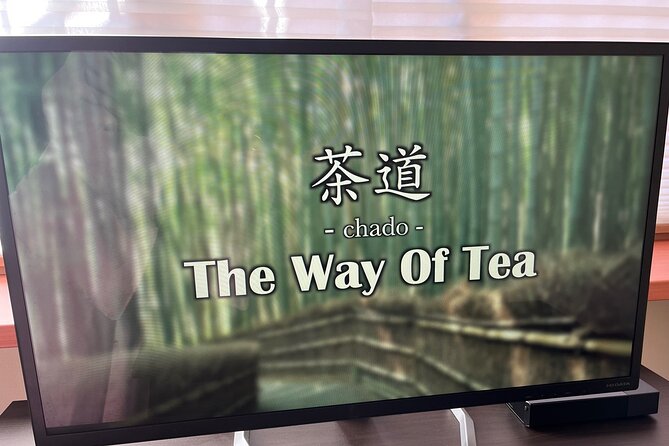
Next comes a roughly 10-minute introductory video. It covers the history and central ideas of Chado before you enter the main tea room. Some people may find a video less personal than a spoken introduction, but it gives you a basic framework quickly. You will understand more of the ceremony once the formal movements begin.
If you have little background in Japanese culture, this opening section is especially useful. It explains why the ritual is slow, why the objects receive attention, and why the host’s actions are arranged in a precise order.
Entering the tatami room
The tearoom is the heart of the activity. You sit on tatami, look at the room and its objects, and allow the pace to change from ordinary Tokyo sightseeing.
The workshop includes a period described as meditation. You are encouraged to leave daily concerns aside and pay attention to the room, the tea, and the interaction between host and guest. This is not presented as a separate religious ceremony. It is a short period of stillness built into the tea experience.
You do not have to sit in seiza, the traditional kneeling position with your legs folded beneath you. If sitting on the floor is impossible, a chair can be provided. That is a useful accommodation, though the steep staircase may still make the old building difficult for anyone with significant mobility limits.
Socks are required because you will enter the tatami room. Bare feet are not allowed. Wear clean, comfortable socks and clothing that lets you sit and move without fuss. Miniskirts and tight pants are specifically discouraged.
Watching the formal koicha ceremony
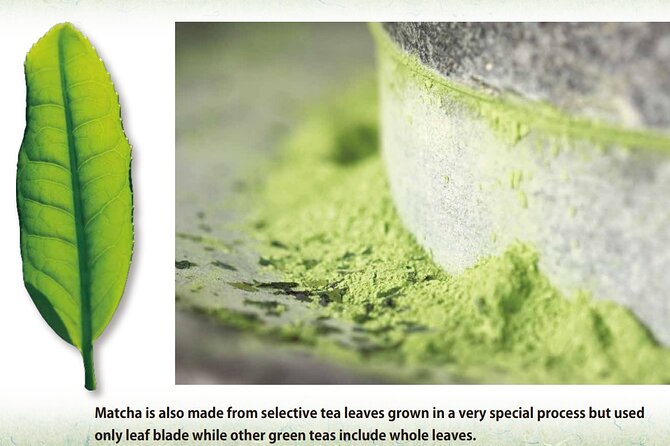
The instructor performs the formal preparation of koicha, the thick matcha used in the ceremony. This is not the familiar light green drink topped with a soft foam. Koicha is dense, concentrated, and made to be tasted slowly.
The demonstration gives you a chance to watch the order of the movements before you try anything yourself. Pay attention to how the host handles the bowl, whisk, scoop, and other utensils. The point is not speed. Each action shows care toward the guest and respect for the objects.
The workshop connects koicha with the older form of tea associated with samurai. That historical detail gives the tasting more meaning, though the flavor may surprise you if you expect a sweet café matcha. Koicha is strong, and the program itself encourages you to discover which teas suit your taste.
This is one place where expectations matter. If you mainly want a mild, sweet drink, the strong tea may not be your favorite part. If you are curious about how ceremonial matcha differs from a modern café version, it is an important comparison.
Same city, a very different cup:
- Matcha Making Class in Tokyo with Authentic Japanese Sweets Set
★ 5.0 · 744 reviews - Dynamic Tokyo: Tokyo Tower, Tea Experience, Bay Cruise Day Tour
★ 4.5 · 521 reviews - Tokyo: Matcha Making Experience with Mochi Sweets in Asakusa
★ 4.9 · 388 reviews - Asakusa Cultural Walk & Matcha Making Tour
★ 5.0 · 245 reviews
Tea bowls, sweets, and the details that change the experience
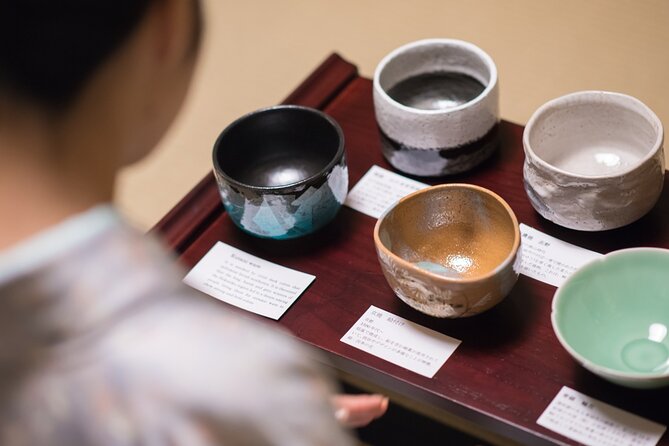
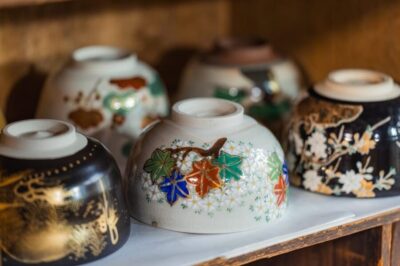
The instructor explains tea bowls from different regions and shows how shape affects the way you experience the tea. This may sound like a small detail, but the bowl changes how you hold the drink, view its color, and notice its aroma.
A tea bowl is not merely a container. Its shape, surface, weight, and origin form part of the host’s presentation. You learn to look at it as an object with its own character rather than reaching immediately for the tea.
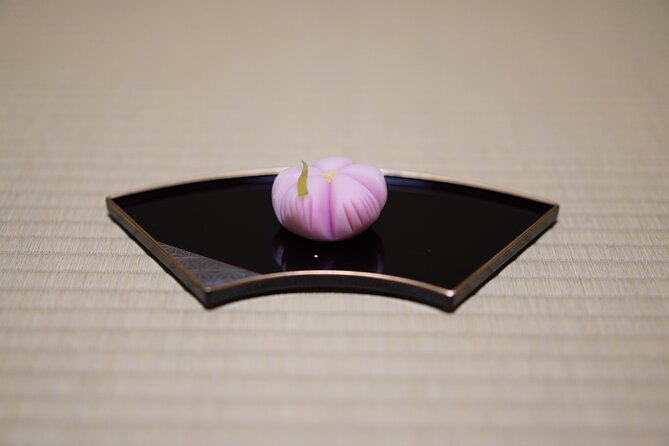
Sweets are served during the session, including three kinds of local Japanese confectionery. You also receive dry sweets before drinking usucha. Their sweetness helps balance the bitterness of matcha, and their appearance is part of the presentation.
The sweets add welcome variety to the workshop. They also show how a tea gathering balances taste. Matcha is bitter and earthy, while the confectionery gives your palate a different note before or after the tea.
Making your own usucha
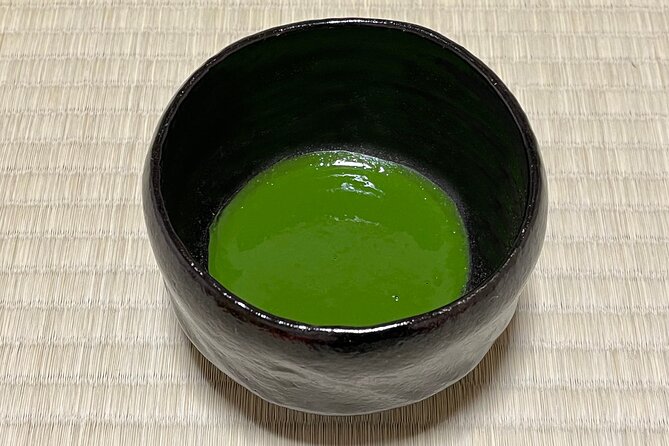
After watching the formal ceremony, you take part in the hands-on lesson. You learn to prepare usucha, the thinner matcha served with a foamy surface.
This is the most practical part of the workshop. The instructor gives you the materials and walks you through the process, allowing you to make a bowl rather than simply watch someone else. You also practice the guest side of the exchange, so the session covers both serving and receiving tea.
Do not worry about producing a perfect foam on your first try. The value is in learning the sequence and understanding what the whisk, powder, water, bowl, and hand movements each do. The instructor is there to show the method and explain the meaning behind it.
You taste your own usucha after preparing it. Because the workshop includes more than one type of tea, you can compare the strong koicha with the lighter usucha. That comparison is more useful than tasting one matcha in isolation.
The hands-on section also makes the workshop a good choice for families with older children. The activity is designed for ages 10 and above. A 13-year-old or 15-year-old can take part, but younger children are not included in the stated age range.
How the small group affects the experience
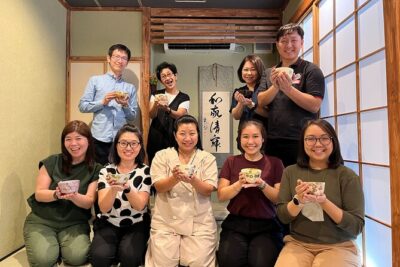
The maximum group size is six people. Some sessions may be smaller, including private groups or intimate gatherings with only a few participants. A small room and a small group suit this activity well.
With fewer people, you have more opportunity to ask about the ceremony, the tea bowls, and the etiquette. You can also see the instructor’s hand movements more clearly. That is especially helpful during the whisking lesson.
The small size does not guarantee a private booking unless your reservation is for a private group. You may share the room with other participants. Still, six people is a manageable number for a traditional tearoom and much more personal than a large performance.
The house has a weight capacity because of its age. In unusual cases, the operator may ask a group to change its time in order to balance the number of people in the building. This is a safety matter tied to the old structure, not a feature of the tea lesson itself.
Is the price fair at $38.47?
At $38.47 per person, I consider this a fair price for a structured cultural activity in Tokyo. You receive an English-language introduction, a Sakura tea welcome, a video, a formal koicha demonstration, several kinds of sweets, tea-bowl instruction, and a hands-on usucha lesson.
The value is strongest if you want context. A matcha drink alone would cost far less, but that is not what you are buying here. You are paying for the instructor’s time, the traditional room, the guided explanation, and the chance to participate correctly.
The price is also reasonable for someone with only a short window in Tokyo. The session takes about 90 minutes, so it can fit around sightseeing in Asakusa. It gives you a focused cultural experience without taking half a day.
I would not choose it if your only goal is to sample matcha quickly or buy tea to take home. Choose it if you want to understand the ritual and try the method yourself.
Getting there and handling the old building
The meeting point is 2-chōme-3-12 Kotobuki, Taito City, Tokyo 111-0042. The activity ends at the same location, so you do not need to arrange transportation from a separate finish point.
The building is near public transportation, but check the address before setting out. Some map services may display 2-3-3, while the current address is 2-3-12. A few extra minutes of planning can prevent a stressful start.
The tearoom is on the second floor. The staircase is very steep, and the operator does not have machinery to assist with climbing it. Most people can take part, but you should consider this carefully if stairs are difficult for you.
Once upstairs, you may sit on the tatami or request a chair if you cannot sit on the floor. The chair option helps with comfort, but it does not remove the staircase issue.
Who will enjoy this workshop most?
I would recommend this to you if you want a quieter cultural activity between Tokyo’s busier sights. It suits couples, families with children aged 10 or older, and solo visitors who enjoy learning through direct participation.
It is also a good fit if you are curious about the difference between a tea ceremony and a casual matcha café. The formal movements, sweets, tea bowls, and host-guest etiquette give you a fuller picture of Chado.
The workshop may be less satisfying if you want a long, highly formal ceremony with no teaching pauses. This session is designed as an introduction. It includes a performance, but it also explains the steps and lets you make tea yourself.
You should also think about floor seating, clothing, and stairs before booking. Those practical details affect your comfort more than the tea itself.
Should you book this Tokyo tea ceremony?
Book it if you want a small, English-language introduction to Japanese tea culture with real participation. The licensed Urasenke connection, the traditional room, and the combination of koicha and usucha give the session substance. The instructor’s clear explanations are a major part of the value.
I would especially choose it for a first visit to Tokyo, a family outing with older children, or a rainy-day plan in Asakusa. Bring socks, wear comfortable clothing, confirm the 2-3-12 address, and allow for the steep stairs.
Skip it if you are looking only for a quick drink, cannot manage the staircase, or want a full professional-level ceremony. For everyone else, this is a thoughtful way to slow down and learn why Japanese tea is about far more than matcha powder.
FAQ
Where does the tea ceremony workshop take place?
It takes place at 2-chōme-3-12 Kotobuki, Taito City, Tokyo 111-0042, Japan, in the Asakusa area. Some map results may show 2-3-3, so use the 2-3-12 address.
How long does the workshop last?
The program is approximately 90 minutes. It includes an introductory video, tea ceremony instruction, tastings, sweets, and hands-on tea preparation.
What kinds of tea will I try?
You will try Sakura tea, koicha, and usucha. Koicha is a thick, strong matcha, while usucha is a thinner tea with a foamy top.
Do I get to make matcha myself?
Yes. The instructor teaches you how to prepare a bowl of usucha and gives you the materials needed for the hands-on lesson.
Are sweets included?
Yes. The session includes three kinds of local Japanese confectionery and dry sweets served before usucha.
Do I have to sit in seiza?
No. You do not have to sit in seiza. A chair can be provided if you cannot sit on the tatami.
What should I wear?
Bring socks because bare feet are not allowed in the tearoom. Miniskirts and tight pants are not recommended.
Can children participate?
The workshop is designed for participants aged 10 and older. It has a maximum group size of six people.
Fresh tea listings around Tokyo
- Authentic Japanese tea tasting: sencha, matcha and gyokuro★ 5.0 · 12 reviews
- At an Antique Shop, Tea Ceremony and Japanese Sweets Forming★ 5.0 · 5 reviews
- Mochi Matcha Gluten Free Japanese Sweets Class near Shibuya area★ 5.0 · 26 reviews
- Tokyo: Two Types of Japanese Sweets Making and Tea Ceremony★ 4.6 · 26 reviews
- Japanese Matcha Tea Ceremony and Kimono Experience in Hanayaka★ 5.0 · 26 reviews
- Matcha Experience with of Japanese Tea Tasting in Tokyo★ 5.0 · 31 reviews
- Tokyo:Genuine Tea Ceremony, Kimono Dressing, and Photography★ 5.0 · 33 reviews
- EDOCCO Tea House–A Quick Dive into Japanese Traditional Culture★ 5.0 · 34 reviews
Tea Ceremony Experiences, compared.
Kyoto: Tea Ceremony in a Traditional Tea House in Kiyomizu
Read our review →
Kyoto: 45-Minute Tea Ceremony Lesson Experience
Read our review →
Kyoto: Table-Style Tea Ceremony at a Kyo-Machiya
Read our review →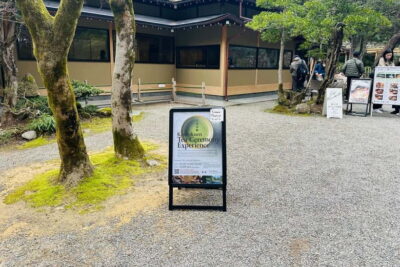
Browse the lists this tour appears in