
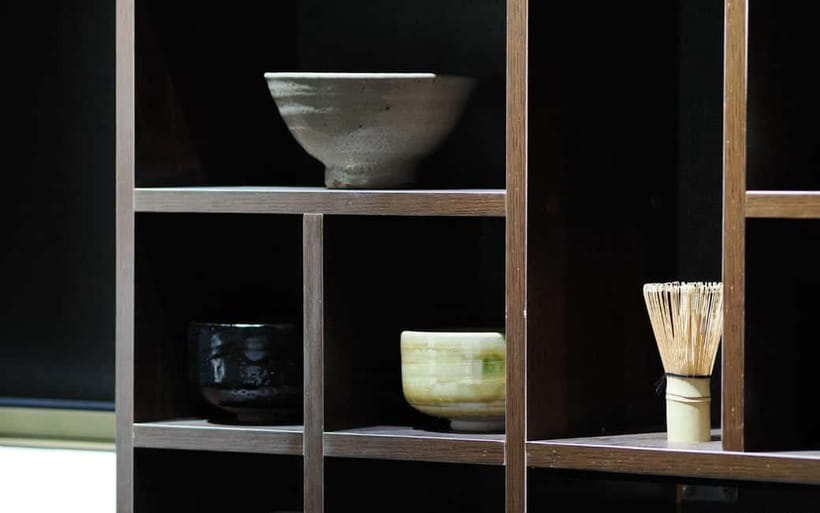
Review · TEA CEREMONY EXPERIENCES
Tokyo: Traditional Tea Ceremony with a Tea Master
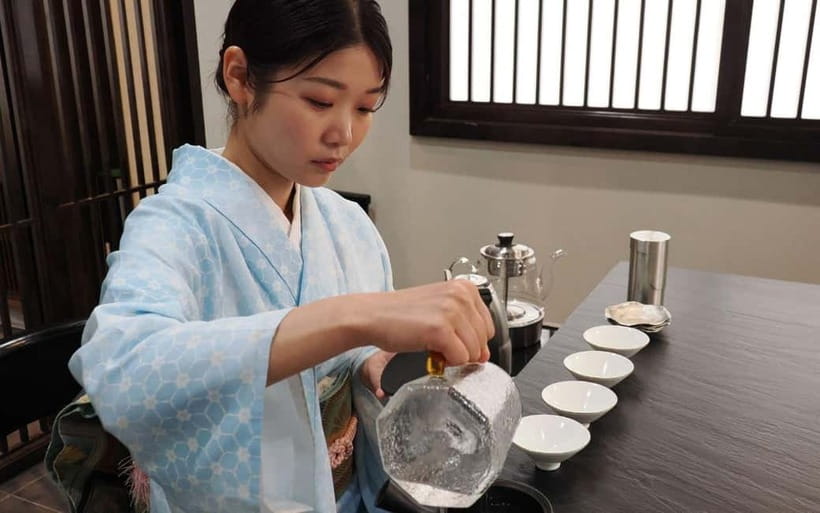
The most interesting part of this Tokyo experience is that you do more than watch a formal tea ritual. At Ocharu, you taste several very different teas, learn why water temperature matters, and make your own matcha with a tea master guiding your hand.
I especially like the generous tasting lineup, from fruity Shizuoka wakocha to top-grade Gyokuro and soothing Genmaicha. I also like the friendly, relaxed teaching style, which makes the ceremony approachable for first-timers and even for people who do not usually drink tea. The main drawback is that the session is short, and wheelchair users cannot take part.
Key points to know before booking
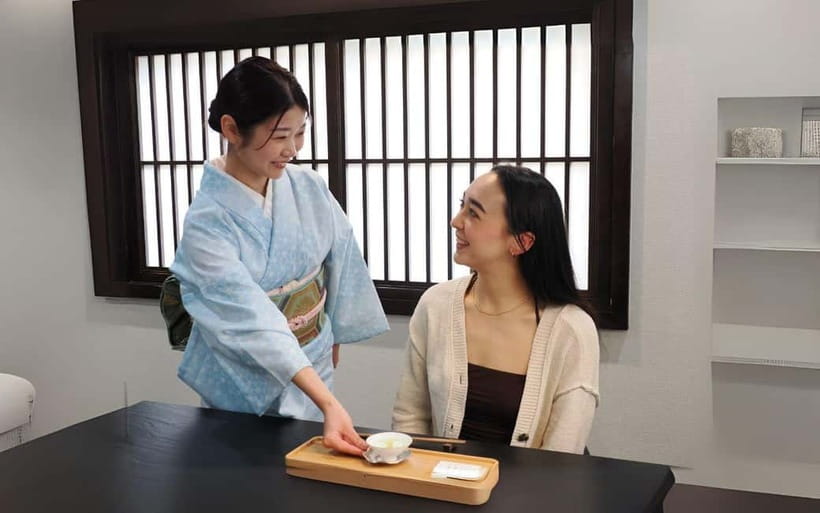
- Four distinct tea experiences: Taste wakocha, Gyokuro sencha, matcha, and Genmaicha, with explanations of how each one is prepared.
- Hands-on matcha making: Use traditional tools and whisk your own bowl of matcha instead of only watching a demonstration.
- Seasonal wagashi from Ougiya: Enjoy Japanese sweets from a confectioner with generations of experience.
- A relaxed English-language lesson: Guides such as Shinichi-san and Aikiko have been praised for clear explanations, humor, and patience.
- Easy to pair with Tokyo University: The Ocharu room is directly across from the university, near other attractions such as the zoo.
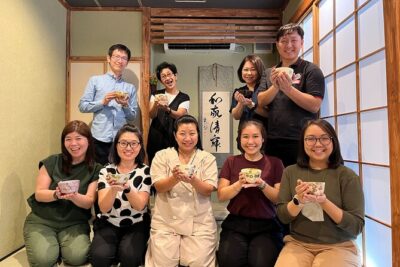
- A useful keepsake: You receive a completion certificate and a group photo at the end.
A practical introduction to Japanese tea at Ocharu
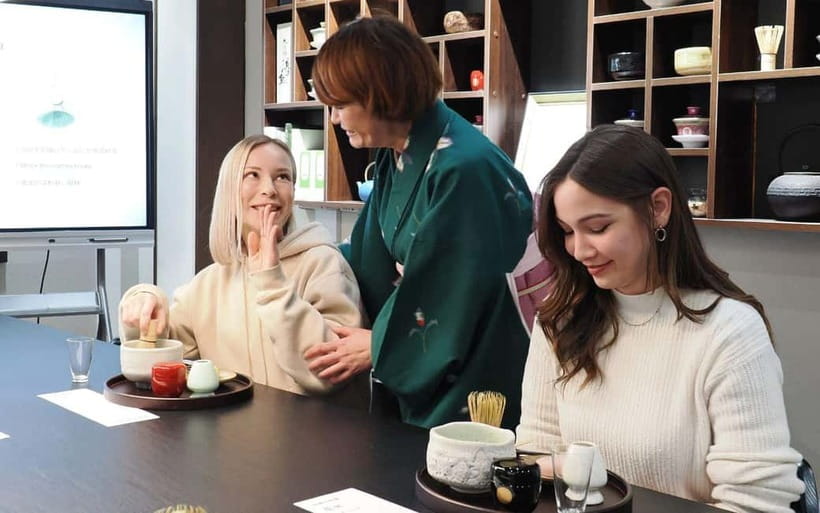
Traditional Japanese tea ceremonies can seem formal from the outside. There may be careful movements, set manners, and rituals that are hard to understand if you are simply watching from the side.
Ocharu takes a more welcoming approach. You still learn about etiquette and the meaning behind tea preparation, but the hour is built around tasting, questions, and participation. The result feels less like a silent performance and more like a compact cultural lesson.
The setting is across from Tokyo University, which gives you an easy landmark for planning. Look for the green OCHARU logo on the building. One useful warning: the sign may be higher than you expect. If you walk past it, check the tea shop rather than assuming you are in the wrong place.
Arrive about five minutes early. The experience generally lasts one hour, though one session was reported as closer to 50 minutes, so do not schedule another activity with a tight connection immediately afterward.
More Tea Ceremonies in Tokyo
- Kimono Tea Ceremony at Tokyo, Asakusa Maikoya
★ 5.0 · 638 reviews - Tea Ceremony Workshop in Tokyo by the Experienced Instrucor
★ 5.0 · 189 reviews - Asakusa: Kimono Tea Ceremony with Matcha and Sweet
★ 4.9 · 153 reviews
Wakocha and cake provide a gentle start
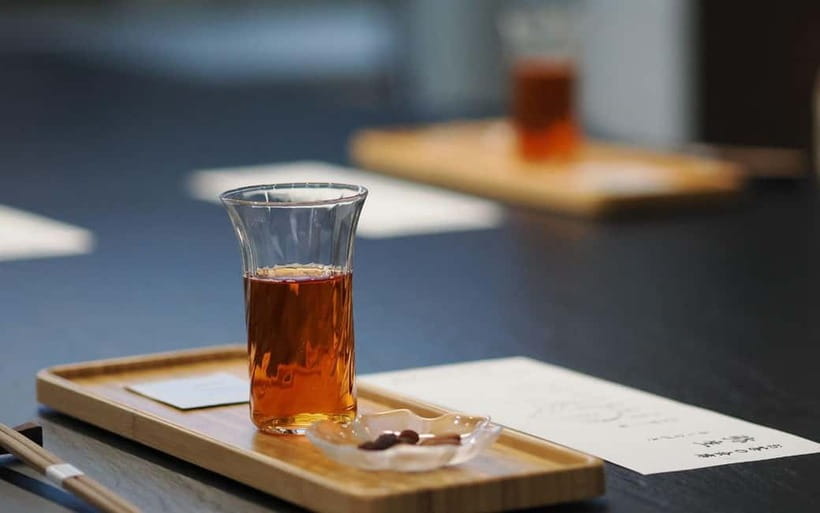
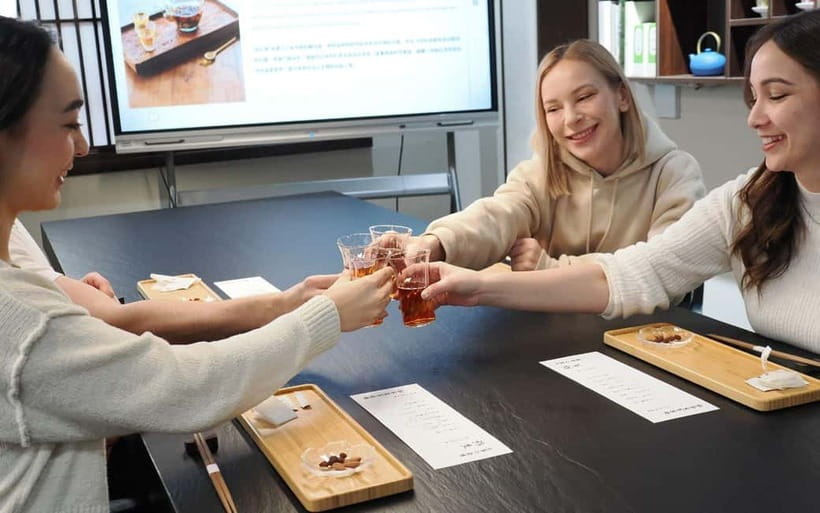
The first tea is wakocha, Japanese black tea from Shizuoka. This is not the same as the strong, brisk black tea commonly served with milk in other countries. Wakocha can have fruity and floral notes, making it a pleasant introduction to Japanese tea.
You receive a traditional tea cake with the opening cup. That small pairing matters because Japanese tea is often enjoyed with food that balances its bitterness. The sweetness of the cake prepares your palate for the teas that follow.
I like this opening because it gives you a reference point. Instead of hearing a list of tea names, you begin by tasting something that is familiar in color and broad category, but distinctly Japanese in character.
The guide explains the tea’s origin and flavor. This is also a good moment to ask basic questions. If you are new to tea, you can start with simple comparisons. If you already drink green tea, you can ask about growing regions, brewing temperatures, and the differences between processing methods.
Gyokuro shows why temperature matters
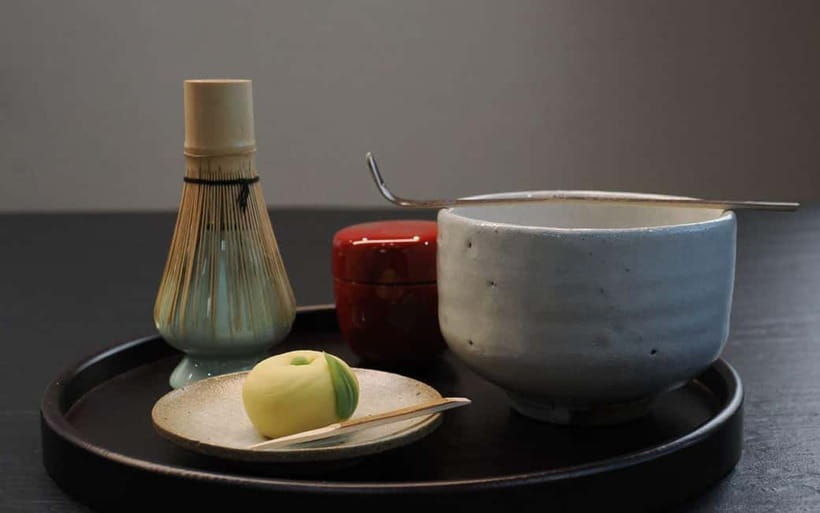
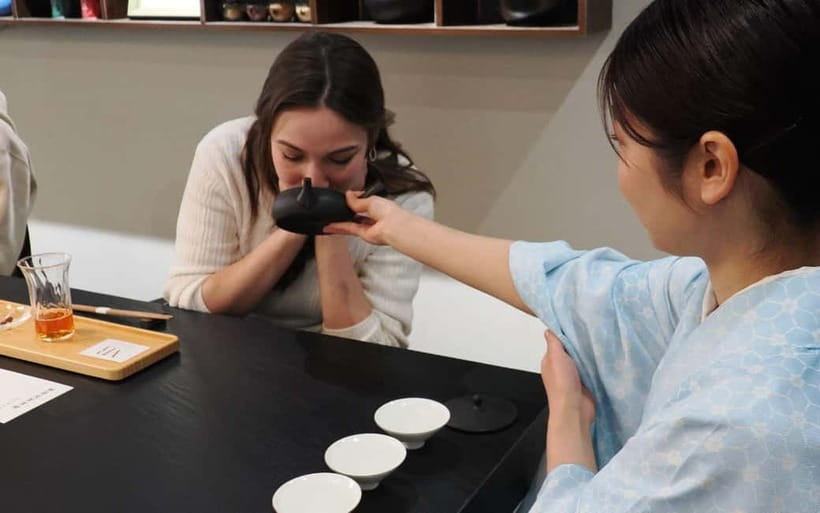
Next comes Gyokuro sencha, one of the highest grades of Japanese green tea. The preparation is handled with care, and the tea master explains the process before you taste it.
Gyokuro is valuable partly because it is brewed differently from ordinary green tea. Water temperature affects the flavor, and the session shows you that boiling water is not automatically best for every tea. This practical point is one of the strongest reasons to book the experience. You leave with something you can use when making tea at home.
The tea master also serves the leaves for tasting. That may sound unusual, but it gives you another way to understand how the tea was prepared and how much flavor remains in the leaves. You should not expect a large portion. This is a small, thoughtful part of the lesson rather than a meal.
The Gyokuro presentation is also where the experience feels most refined. You see the difference between simply pouring hot water over leaves and preparing tea with attention to quantity, temperature, and timing.
Ougiya wagashi adds color and sweetness
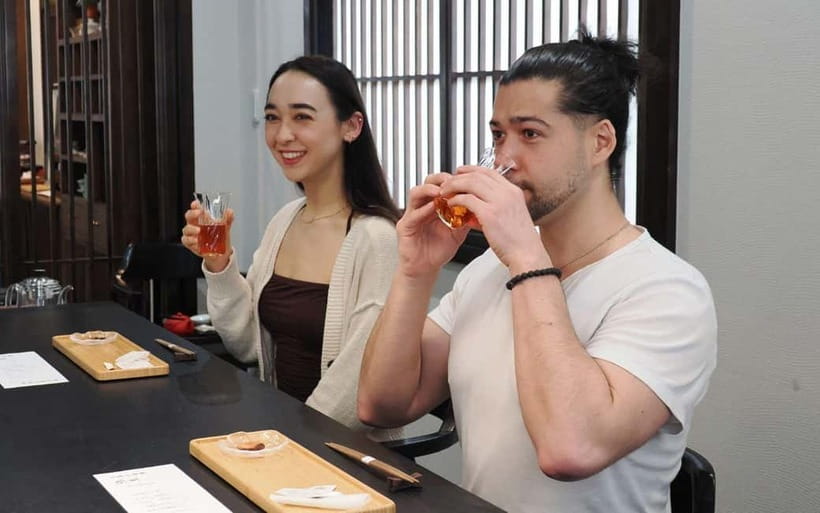
Seasonal wagashi from Ougiya accompanies the Gyokuro. Wagashi are Japanese sweets designed to be enjoyed with tea, and their appearance often reflects the season.
The sweets are more than a snack between tastings. They show how Japanese tea culture balances flavor, texture, and presentation. A sweet bite can soften the sharper notes of green tea, allowing you to appreciate another sip with a different impression.
The selection is seasonal, so you should not expect the exact same sweet on every date. That is part of the appeal. The food helps connect the ceremony to the time of year rather than treating it as a fixed show.
You may also learn the proper way to handle the sweet before drinking the tea. Do not worry about getting every gesture perfect. The atmosphere is described as calm and polite, but not stiff. Guides explain the manners in a simple way and let you try them yourself.
Same city, a very different cup:
- Matcha Making Class in Tokyo with Authentic Japanese Sweets Set
★ 5.0 · 744 reviews - Dynamic Tokyo: Tokyo Tower, Tea Experience, Bay Cruise Day Tour
★ 4.5 · 521 reviews - Tokyo: Matcha Making Experience with Mochi Sweets in Asakusa
★ 4.9 · 388 reviews - Asakusa Cultural Walk & Matcha Making Tour
★ 5.0 · 245 reviews
Making matcha is the hands-on centerpiece
The matcha session is the part most people will remember. After watching the tea master, you use a bamboo whisk and other traditional utensils to prepare your own bowl.
Matcha is made from powdered green tea rather than steeped leaves. Whisking it creates a fine foam and changes the texture completely. The tea master demonstrates the movement, then gives you time to copy it.
This is not a contest. Your first bowl may not look exactly like the instructor’s, and that is fine. The useful part is feeling how the whisk moves and seeing how powder, water, and technique work together.
You also learn how to drink the tea with appropriate manners. These details are explained in an accessible way, without making you feel as if you are taking an examination.
The guides receive the strongest praise for this section. Shinichi-san is described as enthusiastic and clear, while Aikiko has been praised for a calm manner and for including children. Another instructor, Ekiko, has helped visitors in English and even added French explanations at times. Since staffing can vary, you should not book expecting a particular person unless the provider confirms it.
The instruction is in English. Most sessions appear to be conversational, and the tea masters answer questions about tea, Japan, language, and customs. One person found an accent slightly difficult to follow, so if you have trouble hearing a word, ask for it to be repeated. The class is intended to be interactive.
Genmaicha ends the hour on a comfortable note
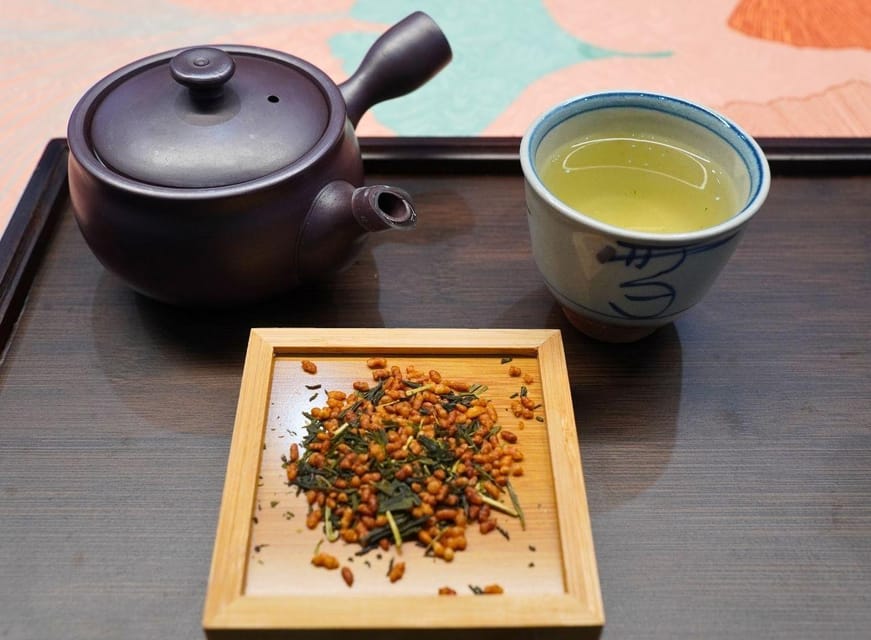
The final tea is Genmaicha, a blend of sencha and roasted rice from Niigata Prefecture. Its toasted rice flavor gives it a warmer, more familiar character than the delicate Gyokuro.
This is a smart way to finish. After tasting fine green tea and making matcha, you receive a cup that feels easygoing and comforting. The progression lets you compare not just different teas, but different moods.
By the end, you have sampled tea with contrasting aromas, textures, and levels of intensity. For anyone who normally reaches for tea bags, the variety can be eye-opening. For an experienced tea drinker, the useful lesson is the attention paid to water temperature and preparation.
Some people also stop at the small café downstairs afterward. Tea and matcha are available there, along with products to take home. Shopping is not part of the formal one-hour activity, but it can be convenient if the session inspires you to buy tea or accessories.
What the $38 price really includes
At $38 per person, this is a good value for a short cultural activity, provided you want participation rather than a long formal ceremony.
You receive several tea tastings, a cake, seasonal wagashi, the matcha-making lesson, Genmaicha, access to the dedicated tea room, a certificate, and a group photo. The certificate may be personalized with your name in Japanese, which makes it more memorable than a generic printed ticket.
The price also covers the teaching. You are not only paying for drinks and sweets. You are paying for someone to explain why the teas differ and to correct your technique as you prepare matcha.
The limitation is time. An hour allows for an appealing introduction, but not an advanced study of tea production or a full-length traditional ceremony. If you are looking for a quiet, highly formal ritual with long pauses and elaborate movement, this may feel more like a friendly workshop.
For most people, that is a strength. You get enough structure to understand the tradition, but the session does not require you to already know the rules.
Who will enjoy this tea ceremony most
I would recommend Ocharu to first-time visitors who want a cultural activity with clear English instruction. It works especially well when you want something calmer than a major sightseeing stop.
Tea lovers will appreciate the chance to compare four styles and learn how preparation affects flavor. People who do not normally drink tea can still enjoy the sweets, the hands-on activity, and the social teaching style. One participant noted that a companion who was not a tea fan still enjoyed the experience.
Families can consider it too. A ten-year-old was included in the session with special attention from the guide, though children should be comfortable sitting, listening, and following instructions for the hour.
It also suits couples and small groups. One private one-to-one session was described as an especially personal way to learn the customs and rituals behind matcha. Group size is not specified, so you should not assume every booking will be private.
This is less suitable if you need wheelchair access. The activity is specifically listed as unsuitable for wheelchair users.
Pairing Ocharu with Tokyo University and the zoo
The location makes this easy to fit into a day around northern central Tokyo. Tokyo University is directly across the street, and the zoo is also nearby, making the tea room useful as part of a larger outing.
You can schedule the tea before or after exploring the area. The certificate and photo take only a moment at the end, so you do not need to build in a long closing ceremony.
Getting there deserves a little care. The green OCHARU sign is the main clue, but it may be mounted high on the building. One person walked past several times before realizing the tea shop marked the entrance. Arrive early, check the building carefully, and allow extra time if you are unfamiliar with the neighborhood.
The exact route depends on where you start in Tokyo. Use the confirmed meeting details from your booking and rely on the OCHARU logo as your final visual check.
A relaxed format, with one small tradeoff
The tone is one of the experience’s best features. Guides are consistently described as friendly, funny, polite, and willing to answer questions. That makes it easier to ask about subjects beyond tea, including Japanese culture and language.
You should not confuse relaxed with unstructured. The session still covers tea origins, brewing methods, manners, and the meaning of the ceremony. It simply avoids making first-time participants feel clumsy.
The tradeoff is that the exact quality of the English may depend on the instructor. Most feedback describes the explanations as easy to understand, but one person found an accent challenging. The guides may also vary in personality. Some are humorous and chatty, while others may focus more closely on the ritual.
That variation is normal in a live lesson. The important point is that English instruction is provided, and the activity is designed for international visitors.
Booking details worth knowing
The activity is offered in English and lasts about one hour. Starting times vary, so check availability for your date.
You can cancel up to 24 hours before the activity for a full refund. You can also reserve now and pay later, which helps if your Tokyo schedule is still shifting.
The meeting point is the Ocharu tea room across from Tokyo University. Arrive five minutes before the start for check-in. Bring your curiosity, but no special tea knowledge is required.
The experience includes the tea, sweets, utensils, certificate, and group photo. If you want tea to take home, the downstairs café may offer a chance to shop after the session, but that is separate from the core activity.
Should you book the Ocharu tea ceremony?
Book it if you want a hands-on introduction to Japanese tea rather than a ceremony you only observe. The combination of wakocha, Gyokuro, wagashi, matcha preparation, and Genmaicha gives you a lot to taste in a single hour.
I would especially choose it for a first visit to Tokyo, a rainy-day plan, a family outing with an older child, or a quiet break between sightseeing stops. The $38 price is fair because it includes both food and drink and a real lesson in technique.
Skip it if you need wheelchair access, want a long and highly formal tea ceremony, or have no room for a one-hour appointment. Also remember that finding the entrance may take a few extra minutes.
For everyone else, Ocharu offers a friendly way to understand tea as a daily practice, a social custom, and a carefully prepared food experience. You leave with new vocabulary, a certificate, and enough practical advice to make your next cup at home with greater care.
FAQ
How long does the Tokyo tea ceremony last?
The stated duration is one hour. Some sessions may finish closer to 50 minutes, so allow a little extra time around the appointment.
How much does the experience cost?
The price is $38 per person.
Which teas are included?
You taste Shizuoka wakocha, Gyokuro sencha, matcha that you prepare yourself, and Genmaicha made with sencha and roasted rice from Niigata Prefecture.
Is food included?
Yes. You receive a traditional tea cake with the welcome tea and seasonal wagashi from Ougiya with the Gyokuro tasting.
Can I make my own matcha?
Yes. The tea master demonstrates the process, then guides you as you use traditional tools and utensils to whisk your own matcha.
Is the activity conducted in English?
Yes. English instruction is provided.
Where does the experience take place?
It takes place in the Ocharu Tea Ceremony Room across from Tokyo University. Look for the green OCHARU logo on the building.
What do I receive at the end?
You receive a certificate of completion and a group photo. Some certificates may be written with your name in Japanese.
Fresh tea listings around Tokyo
- Authentic Japanese tea tasting: sencha, matcha and gyokuro★ 5.0 · 12 reviews
- At an Antique Shop, Tea Ceremony and Japanese Sweets Forming★ 5.0 · 5 reviews
- Mochi Matcha Gluten Free Japanese Sweets Class near Shibuya area★ 5.0 · 26 reviews
- Tokyo: Two Types of Japanese Sweets Making and Tea Ceremony★ 4.6 · 26 reviews
- Japanese Matcha Tea Ceremony and Kimono Experience in Hanayaka★ 5.0 · 26 reviews
- Matcha Experience with of Japanese Tea Tasting in Tokyo★ 5.0 · 31 reviews
- EDOCCO Tea House–A Quick Dive into Japanese Traditional Culture★ 5.0 · 34 reviews
- Tokyo: Tea Ceremony Experience in Asakusa★ 5.0 · 36 reviews
Tea Ceremony Experiences, compared.
Kyoto: Tea Ceremony in a Traditional Tea House in Kiyomizu
Read our review →
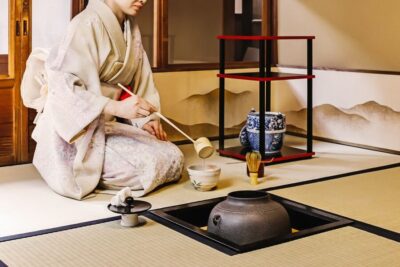
Kyoto: 45-Minute Tea Ceremony Lesson Experience
Read our review →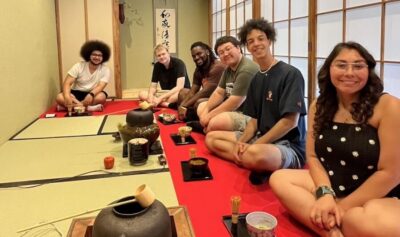
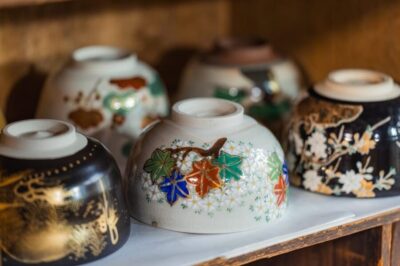
Kyoto: Table-Style Tea Ceremony at a Kyo-Machiya
Read our review →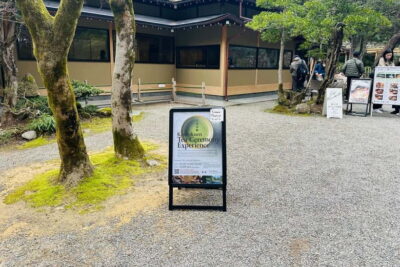
Browse the lists this tour appears in