
Review · TEA CEREMONY EXPERIENCES
Kyoto: Tea Ceremony Ju-An at Jotokuji Temple
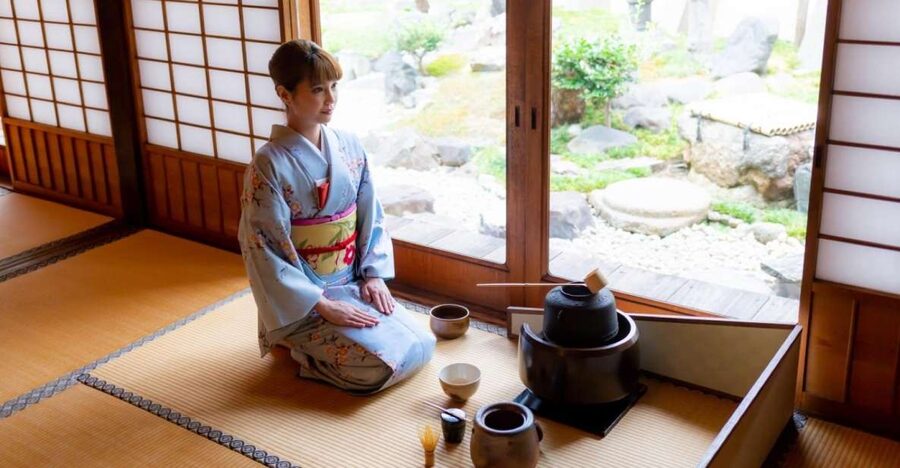
Kyoto’s tea ceremony is not just about drinking powdered tea. At Jotokuji Temple, every movement has a purpose, from purifying your hands at the fountain to turning the tea bowl in the correct direction. I like the calm temple setting and the fact that the tea master does not simply perform for you: you get to prepare your own matcha under guidance. The English explanations from hosts such as Kate, Taka, and Yaki help make the ritual clear rather than mysterious.
I also like the small group of up to 10 people, which leaves room for questions and personal help. The main consideration is physical comfort: the temple itself is accessible, but the tearoom has three steps and is not wheelchair accessible. Floor seating is traditional, though chairs and stools can be provided.
Key points
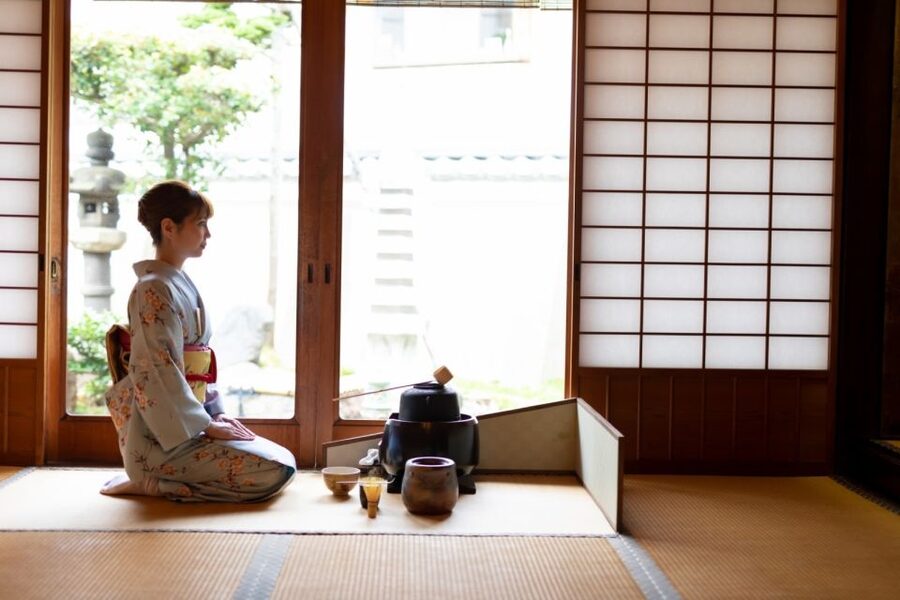
- A 70-minute introduction to chanoyu: You see the ceremony, learn its meaning, and take part in preparing matcha.
- Jotokuji Temple adds real atmosphere: The gates, main hall, purification fountain, and tearoom make the setting part of the lesson.
- You get more than a demonstration: After watching the tea master, you can make your own bowl of matcha with help.
- English instruction keeps the ritual approachable: Guides explain the history, gestures, etiquette, and philosophy in clear terms.
- Matcha and sweets are included: The tea is served with a traditional sweet, giving you the full flavor pairing.
- Plan around three steps into the tearoom: Stools and chairs are available, but the room is not wheelchair accessible.
Why this Kyoto tea ceremony feels different
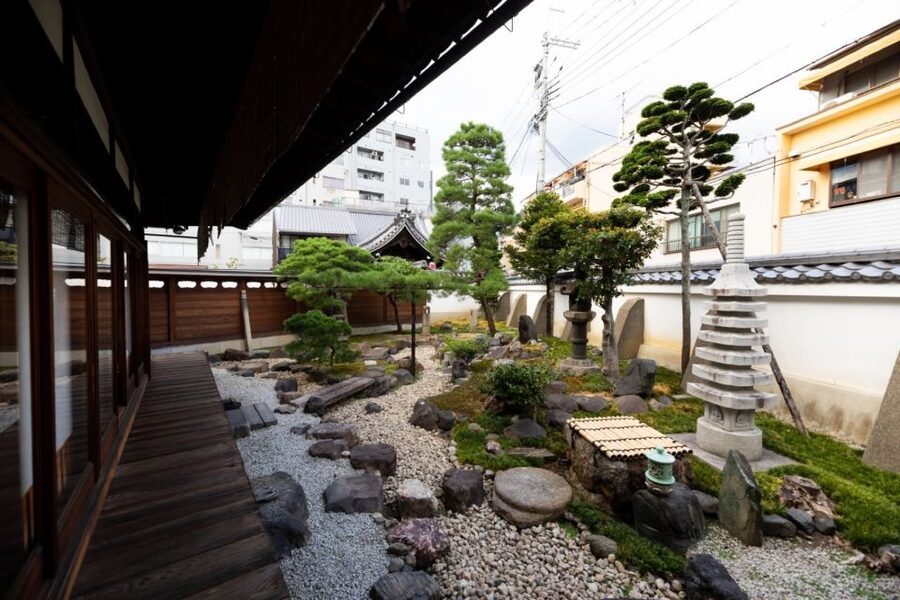
Many cultural activities give you a quick look at an old custom and send you on your way. This one gives you enough time to understand why the custom matters. The ceremony is an introduction rather than a four-hour formal tea gathering, but that is part of its appeal. In 70 minutes, you get a focused lesson without giving up half your day in Kyoto.
I like the balance here. You are not expected to sit silently while someone performs an unfamiliar ritual. The guide explains what is happening, the tea master shows each step, and you have a chance to try the process yourself. That makes the ceremony less intimidating, especially if this is your first contact with chanoyu.
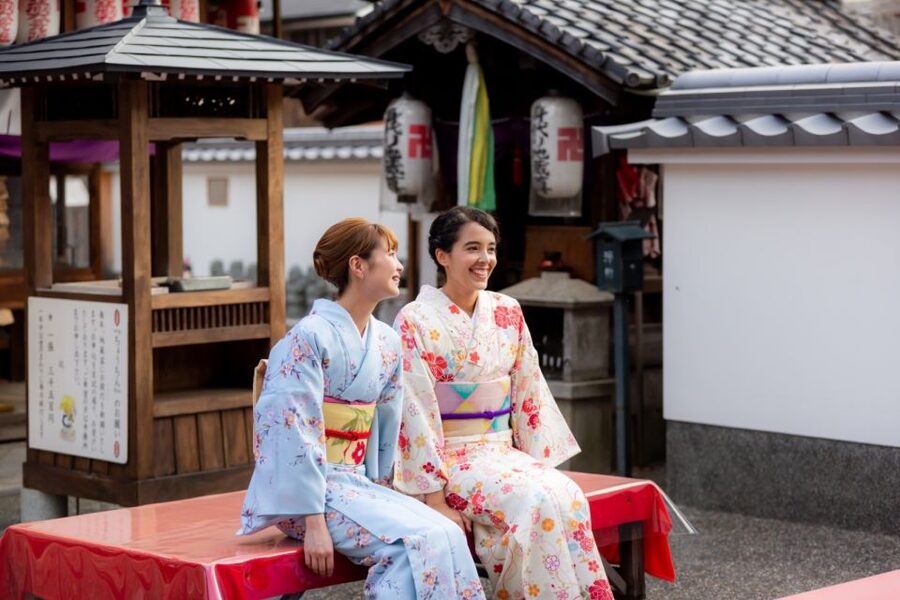
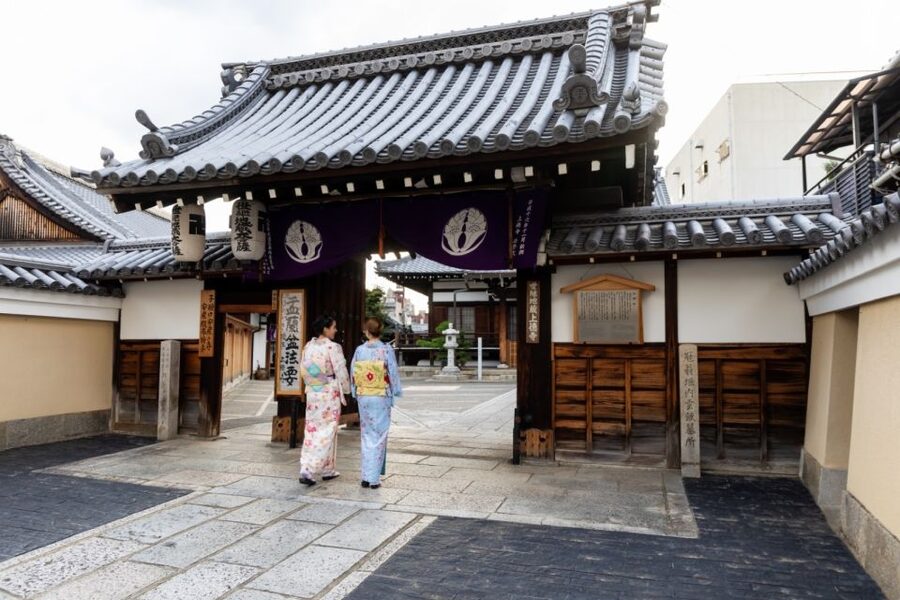
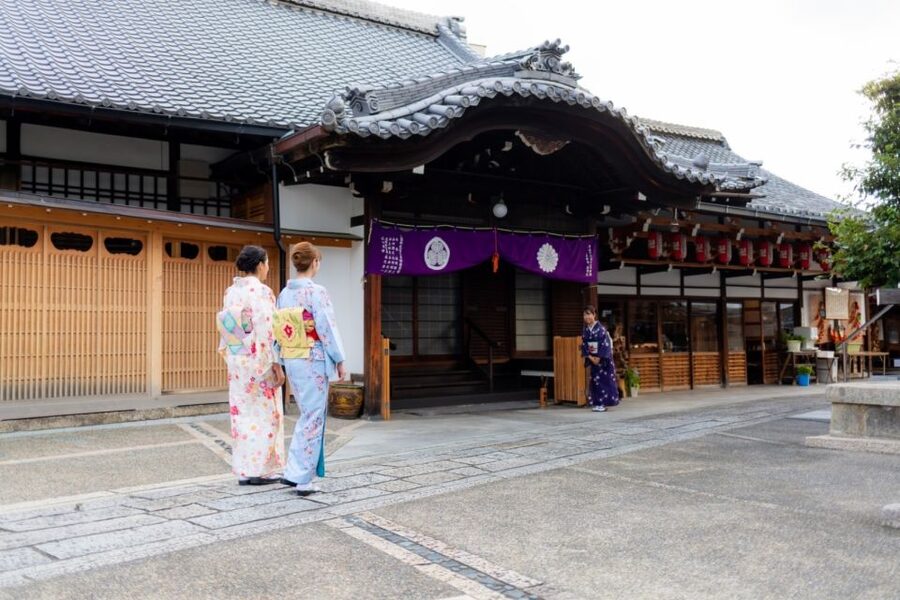
The atmosphere also does some of the teaching. Jotokuji Temple provides a setting where the ritual makes sense. You enter through the temple gates, pass the Grand Tearoom and parish shop, and wait near the red benches before the session begins. This short pause helps you slow down before the formal part starts.
Several parts of the experience are praised again and again for good reason: the warm hosts, clear English explanations, the peaceful setting, and the chance to make your own matcha. The strongest feature is the human touch. Hosts such as Kate are described as patient, engaging, and easy to understand, while the tea masters are gentle when correcting beginners.
More Tea Ceremonies in Kyoto
- Kyoto: Tea Ceremony in a Traditional Tea House in Kiyomizu
★ 4.9 · 3,519 reviews - Kyoto: 45-Minute Tea Ceremony Lesson Experience
★ 4.3 · 2,378 reviews - Kyoto: Table-Style Tea Ceremony at a Kyo-Machiya
★ 4.9 · 1,211 reviews
Entering Jotokuji Temple through the main gates
The meeting point is Tea Ceremony Ju-An at 556 Gojo-sagaru, Tominokoji Dori, Shimogyo-Ku, Kyoto. Once inside the temple, face the Main Hall and look to the left for the steps leading to the tea room.
You do not rush straight into the ceremony. First, you pass through the main gates and get your bearings. The entrance to the Grand Tearoom is on your left, with a parish shop nearby. You meet the guide at the red benches, which serve as a simple waiting place and a chance to take in the site.
This beginning is useful because it gives the temple a role in the experience. You can look at the architecture and pause beside the purification fountain. If the weather is pleasant, you may sit at the benches for a short break. In rainy weather, you can wait under the shop’s gable or inside the Grand Tearoom.
Do not treat this opening as dead time. The temple surroundings help you understand the relationship between tea and place. The tea ceremony is not presented as a stage show in a rented room. You are entering a religious site, observing its layout, and preparing yourself to behave with care.
The purification ritual before the tea
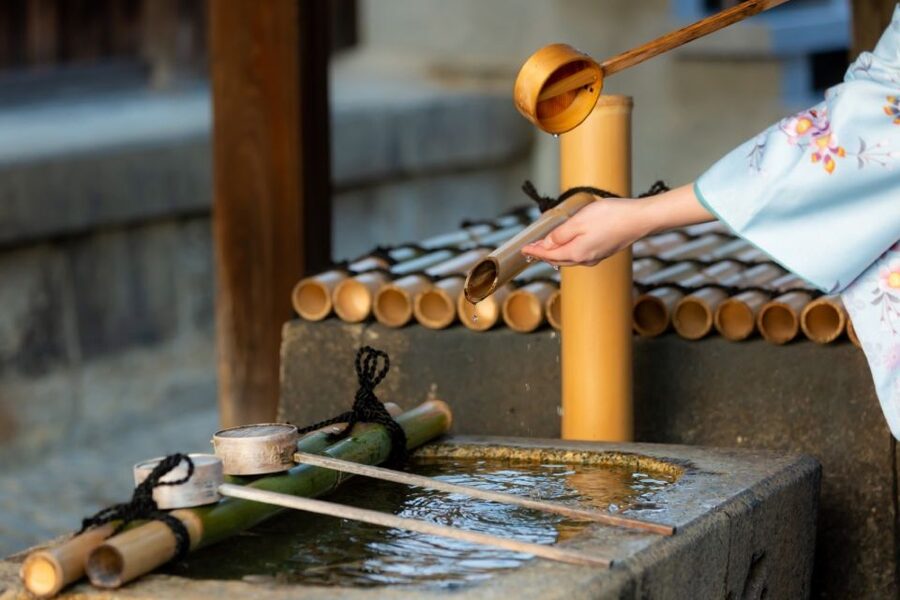
The session begins with a traditional purification ritual. You are shown how to use the fountain, a small but meaningful step that may be unfamiliar if you come from outside Japan.
This ritual matters because it sets the tone for everything that follows. You are not just washing your hands for practical reasons. The action marks a shift from ordinary sightseeing to attentive participation. It asks you to slow down, notice what you are doing, and show respect for the place.
I find this one of the most valuable parts for first-time visitors. You may have seen purification fountains at shrines and temples, but a guide can explain how to approach them rather than leaving you to copy the nearest person. The lesson is brief, but it gives context to an action that can otherwise feel like a confusing bit of ceremony.
After the purification, you remove your shoes before entering the Grand Tearoom. This is an important practical detail, so wear shoes that are easy to take off and put back on. The room has three steps, and the traditional setting means you should be ready for a more intimate space than a standard tour room.
Inside the Grand Tearoom with the tea master
Once everyone is seated, the tea master leads you through the ceremony. The guide provides English explanations, helping you follow the order of events and understand the purpose behind each gesture.
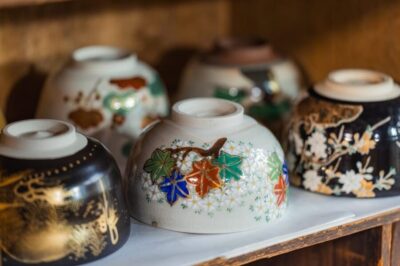
You learn how matcha is prepared and how it is traditionally consumed. The tea master’s movements are measured and deliberate. The point is not speed. The bowl, scoop, whisk, and other implements are handled with care, and the sequence gives you time to see how each object fits into the ritual.
This is where a good guide makes a real difference. Without explanation, a tea ceremony can look beautiful but remain distant. With the English commentary, you learn the why behind the actions. You are taught the fine points of drinking matcha, not just handed a cup and told to enjoy it.
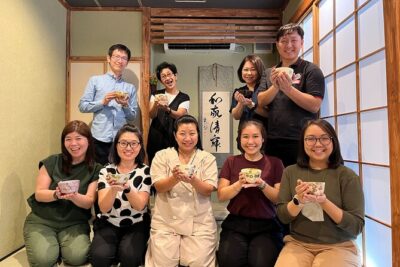
The tone is formal without being stiff. Questions are welcome, and the hosts work to include everyone. That is especially helpful in a small group, where you may feel more comfortable asking about etiquette, the tea utensils, or the meaning of a gesture.
The tea master then prepares matcha for the group. You taste the tea at its best, paired with a sweet. The sweet is not an incidental snack. It balances the strong, grassy bitterness of matcha and gives you a better sense of how the elements of the tea service work together.
Same city, a very different cup:
- Kimono Tea Ceremony at Kyoto Maikoya, NISHIKI
★ 5.0 · 911 reviews - Kyoto: Kimono Tea Ceremony at Orizuruya Gion
★ 4.9 · 618 reviews - Kyoto: Tea Ceremony in 100-year-old Kyo-Machiya Townhouse
★ 4.8 · 546 reviews - Kyoto: Tea Ceremony Experience
★ 4.8 · 511 reviews
Making your own matcha
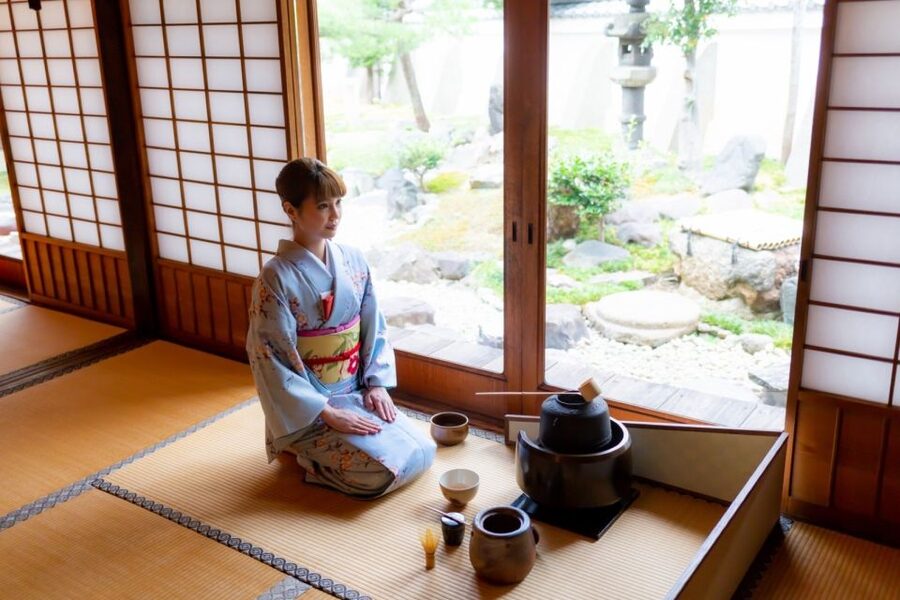
The most engaging part comes when you prepare your own tea under instruction. You do not need prior experience. The tea master demonstrates the method, and the guide helps explain what your hands should do.
This practical step turns the experience from a lecture into a workshop. You notice the texture of the tea, the motion of the whisk, and the care needed to create a smooth drink. Your bowl may not look exactly like the tea master’s, but that is part of the fun. You are learning through action rather than trying to memorize a series of rules.
The opportunity to participate also makes the $29 price easier to justify. You are paying for a guided cultural lesson, access to a temple tearoom, matcha, a sweet, and direct instruction in a custom that is difficult to understand from a distance. It is not the cheapest cup of tea in Kyoto, but it is far more than a beverage stop.
The session also avoids one common problem with cultural demonstrations: being left out. You watch first, then try the process yourself. That progression works well for families, couples, and solo visitors who want a calm activity with enough structure to feel meaningful.
What the guide adds to the experience
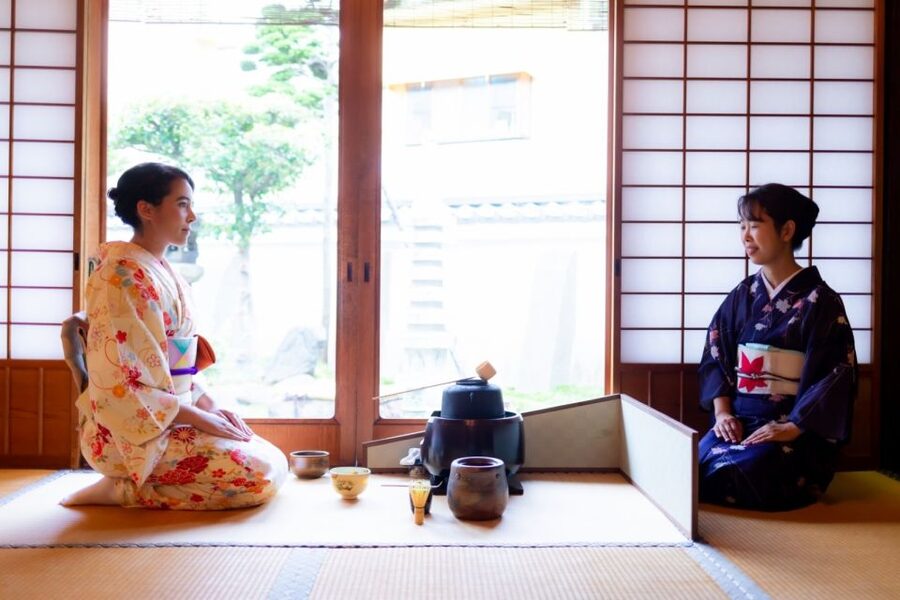
The tea master handles the formal preparation, but the English-speaking guide is central to your understanding. Kate is praised for explaining the ceremony in a clear and engaging way, and Taka and Yaki are also associated with warm, helpful instruction in the experience.
The most useful explanations cover the history of the ceremony, the reason for the purification ritual, the meaning of the gestures, and how to drink the tea respectfully. The guide also acts as a bridge between you and the tea master, translating when needed and making space for questions.
I value that role because the ceremony uses visual details that can be easy to miss. A turn of the bowl, a pause in preparation, or the way an object is placed may look decorative when it actually carries meaning. Good interpretation helps you notice those moments.
The hosts also seem to understand that international visitors may worry about making a mistake. Their approach is patient and encouraging. You are taught the custom without being made to feel foolish for not knowing it already.
Group size, seating, and accessibility
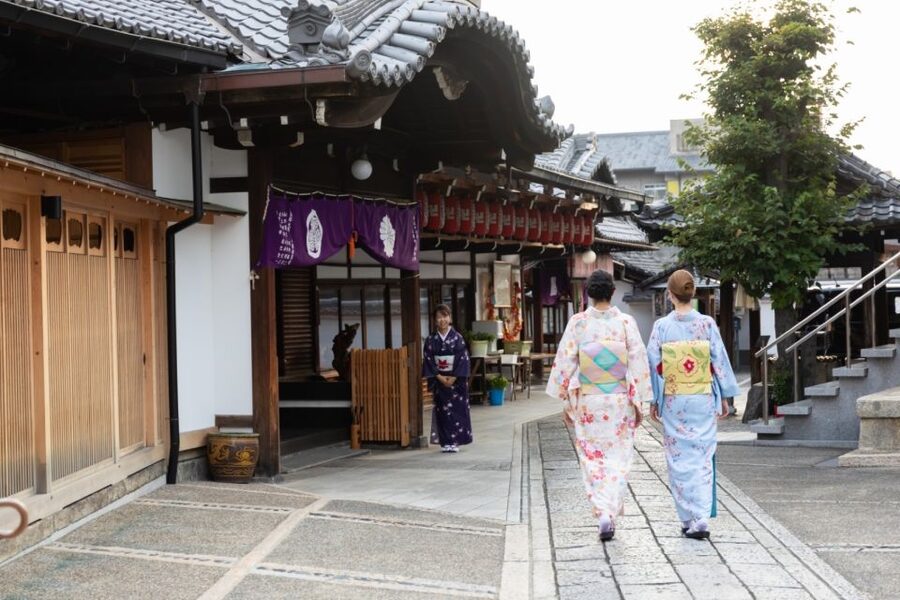
The group is limited to 10 participants. That is a useful size for this type of activity. A large crowd would make the room feel less personal and would limit the tea master’s ability to help each person prepare matcha.
You should expect a traditional floor-based setting. If you are not comfortable sitting on the floor in the usual position, seats and stools can be provided. Mention your needs to the host so the arrangement is comfortable from the start.
The temple is wheelchair accessible, but the tearoom is not because of three steps. The activity is specifically listed as unsuitable for wheelchair users. This is the main accessibility limitation and should be considered before booking.
The 70-minute length also works well for most Kyoto itineraries. You have enough time for the temple visit, purification, demonstration, tasting, and hands-on practice, but the activity will not take over an entire morning or afternoon. Check the available starting times when you plan your day.
Is $29 a fair price?
At $29 per person, this is a sensible buy if you want more than a quick cultural photo opportunity. The price includes the guide, the chanoyu workshop, matcha, and the sweet served during the ceremony. Kimono rental is not included, so budget extra if you want traditional clothing.
The value comes from the setting and the instruction. You can find matcha in many parts of Kyoto, but a tea ceremony gives you the context that a cafe cannot. Here, you learn how the drink is prepared, why the process is careful, and how the ceremony reflects ideas about attention, respect, and hospitality.
I would not book it if your main goal is a long, highly formal tea ceremony. This is a compact introduction, and one of the hosts explains that a full traditional ceremony can last around four hours. For most visitors, though, the shorter format is a practical advantage.
The flexible booking terms also reduce the risk of fitting it into a busy trip. You can cancel up to 24 hours in advance for a full refund, and you can reserve now and pay later. Those policies are useful when your Kyoto schedule may change.
Who will enjoy Ju-An most?
I would recommend this to first-time visitors who want a respectful introduction to Japanese culture without needing specialist knowledge. It suits couples, families with older children, solo visitors, and anyone who enjoys hands-on activities more than passive sightseeing.
It is also a good choice for people who find major Kyoto sights tiring. The ceremony offers a quiet pause from crowded streets and busy temple routes. You still learn something substantial, but the pace is gentle.
You will likely appreciate it most if you are willing to pay attention to small details. This is not a loud, fast activity. Its rewards come from watching the tea master’s hands, listening to the explanations, and noticing how the room and ritual work together.
It may not be ideal if you dislike sitting on the floor, have difficulty with three steps, or want to wear a kimono as part of the package. Kimono rental is separate, and wheelchair users should not book this particular tearoom session.
Practical tips before you go
Wear shoes that come off easily. You will remove them before entering the Grand Tearoom, and simple footwear makes the transition easier.
Arrive ready to follow a few basic customs. The guide will explain the purification ritual and the tea etiquette, so you do not need to study beforehand. Still, a respectful attitude will help you get more from the session.
Keep some room in your schedule before and after the ceremony. The experience lasts 70 minutes, but the temple setting is best enjoyed without racing away the moment the tea is finished.
If you need a stool or chair, ask for one. The traditional floor position is not required, and the hosts can provide alternatives. If you use a wheelchair, note that the temple and the tearoom have different levels of access, and the tearoom is not suitable.
Should you book the Jotokuji Temple tea ceremony?
Yes, if you want a short, well-explained, hands-on introduction to Japanese tea culture. The combination of temple architecture, purification, a tea master’s demonstration, matcha, sweets, and your own attempt at preparing the tea gives the session real substance.
The strongest reason to book is the balance between tradition and approachability. You see a serious ritual in its proper setting, but English-speaking hosts such as Kate, Taka, and Yaki help you understand it without making you feel like an outsider.
Skip it if you need full wheelchair access, cannot manage the tearoom’s three steps, or are seeking a four-hour formal ceremony. For most visitors, however, $29 buys a peaceful and thoughtful break from Kyoto’s busy sightseeing circuit, with enough participation to make the memory last.
FAQ
How long does the tea ceremony at Jotokuji Temple last?
The experience lasts 70 minutes. It includes the temple arrival, purification ritual, tea ceremony instruction, matcha tasting, sweets, and the chance to prepare your own tea.
How much does the experience cost?
The listed price is $29 per person. The guide and chanoyu workshop are included. Kimono rental is not included and can be arranged separately.
Is the tea ceremony conducted in English?
Yes. The instructor and guide provide English explanations throughout the activity.
Can I make my own matcha?
Yes. The tea master first demonstrates the preparation, then you can prepare your own matcha under guidance.
Is the tearoom wheelchair accessible?
No. The temple is wheelchair accessible, but the tearoom has three steps and is not wheelchair accessible. The activity is listed as unsuitable for wheelchair users.
Do I have to sit on the floor?
Traditional floor seating is used, but chairs and stools can be provided for people who are not comfortable sitting on the floor in the usual position.
Fresh tea listings around Kyoto
- Kyoto Fushimiinari:Wagashi Making & Small Group Tea Ceremony★ 5.0 · 14 reviews
- 2 Types of Japanese Sweets making and Tea Ceremony★ 4.6 · 17 reviews
- Kyoto Hidden Riverside Zen Mediation and Uji Matcha Experience★ 5.0 · 9 reviews
- Whisk Your Own Matcha: A Zen Matcha Experience at Temple★ 3.6 · 7 reviews
- Kyoto: Nighttime Zen Meditation and Matcha Tea Experience★ 5.0 · 7 reviews
- Matcha Grinding Experience and Walking Tour in Uji Kyoto★ 5.0 · 26 reviews
- Kyoto Matcha Green Tea Tour★ 4.7 · 28 reviews
- Kyoto: Traditional Tea Ceremony with Matcha & Sweets in Gion★ 4.9 · 27 reviews
Tea Ceremony Experiences, compared.
Kyoto: Tea Ceremony in a Traditional Tea House in Kiyomizu
Read our review →
Kyoto: 45-Minute Tea Ceremony Lesson Experience
Read our review →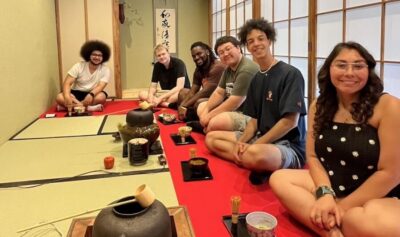
Kyoto: Table-Style Tea Ceremony at a Kyo-Machiya
Read our review →
Browse the lists this tour appears in