
Review · TEA CEREMONY EXPERIENCES
Traditional Tea Ceremony in Kyoto
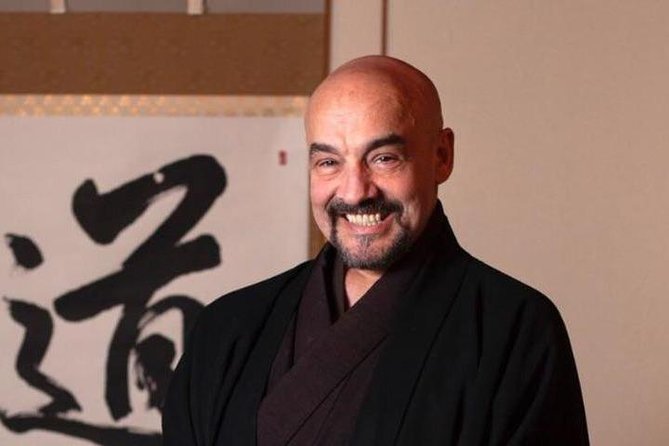
Kyoto’s tea tradition becomes much easier to understand when you can watch a master explain each movement, then prepare matcha yourself. Randy Channell Soei presents ryurei, a formal style of tea ceremony developed in the 1870s for welcoming foreign dignitaries.
I like the clear teaching and the chance to make your own bowl of tea. I also like the taste of the experience: Kyoto-grown matcha paired with sweets from well-known Kyoto makers. The main drawback is the setting. You sit on benches rather than tatami mats or low tables, and the townhouse can feel small if you expect a grand ceremonial room.
Key points to know before booking
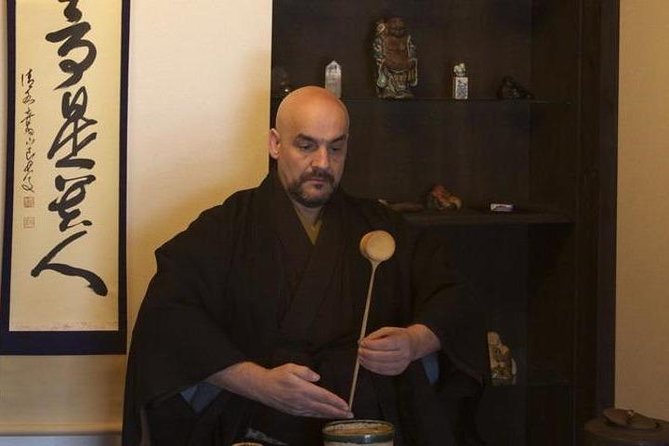
- Randy Channell Soei leads the ceremony: He is described as the highest-ranked tea master from outside Japan.
- Ryurei uses raised seating: You do not sit on tatami mats or at low tables, which may be more comfortable for many people.
- You make your own matcha: The session is not only a demonstration, so you take part in preparing the tea.
- Kyoto sweets and local matcha are included: The tasting gives the ceremony a useful culinary side.
- The session lasts about 90 minutes: It is long enough for instruction and participation without taking up half your day.
- The group can reach 25 people: This keeps the cost moderate, though it may feel less private than a small lesson.
Why this Kyoto tea ceremony is different
Many tea ceremonies ask you to sit quietly and watch a host prepare matcha. This one gives you a clearer lesson in the customs behind the performance, then lets you try the process yourself.
The central idea is ryurei, a style of tea ceremony performed with chairs or benches rather than the kneeling position often associated with tea rooms. It dates to the 1870s and was used as a formal way to welcome foreign dignitaries. That background gives the session a practical purpose: you are not only watching someone whisk tea, but learning how a host presents hospitality in a formal setting.
Randy Channell Soei is the person who guides the experience. His position as the highest-ranked tea master from outside Japan makes the lesson especially appealing if you want instruction from someone with an unusual connection to both Japanese tea culture and international audiences.
I would choose this activity for a first introduction to chanoyu, the Japanese art of tea. You get enough explanation to understand what you are seeing, but the session remains hands-on rather than turning into a lecture.
More Tea Ceremonies in Kyoto
- Kyoto: Tea Ceremony in a Traditional Tea House in Kiyomizu
★ 4.9 · 3,519 reviews - Kyoto: Tea Ceremony Ju-An at Jotokuji Temple
★ 4.9 · 3,207 reviews - Kyoto: 45-Minute Tea Ceremony Lesson Experience
★ 4.3 · 2,378 reviews
Entering the townhouse at Hotei64
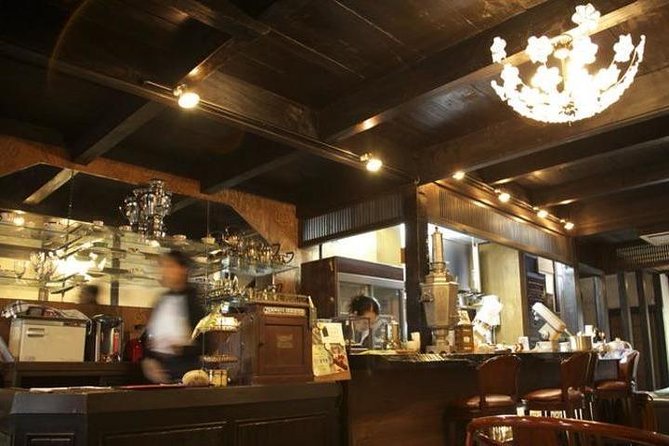
The meeting point is listed as ran Hotei64, Kamikawaracho, in Kyoto’s Nakagyo Ward. Transportation is not included, so you need to reach the meeting point yourself. The venue is near public transportation, which helps, but you should still allow time to find the entrance in Kyoto’s dense urban streets.
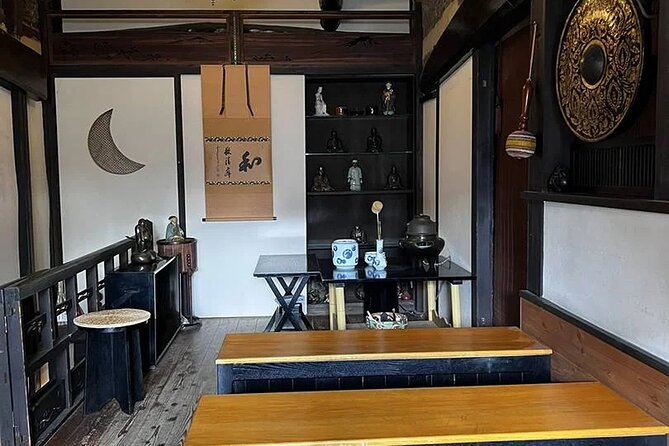
The ceremony takes place in a townhouse connected with Randy’s tea work. Do not expect a large museum-style room or a grand hall. One recent assessment found the space very small, so the size may affect how spacious or ceremonial the occasion feels.
That compact setting has two sides. A smaller room can keep the focus on the teacher and the tea-making process. At the same time, a group of up to 25 people can make the room feel crowded, especially if everyone is watching the same preparation from benches.
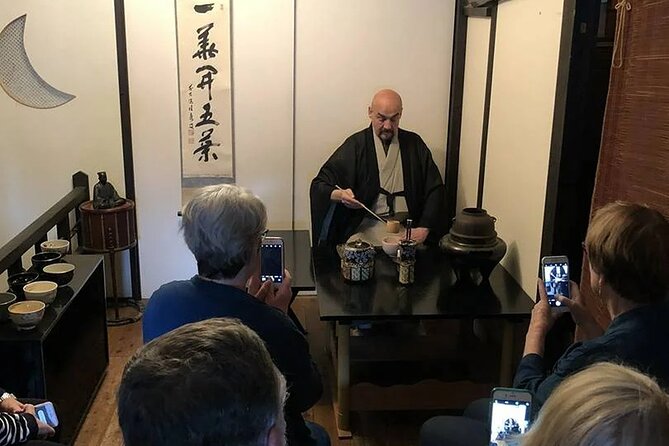
You are not seated on tatami mats or at low tables. This matters for two reasons. First, it means the activity is more approachable if kneeling is uncomfortable. Second, it may disappoint you if your picture of a tea ceremony includes sitting on the floor in a traditional tea room. The raised seating is not a mistake or a shortcut. It fits the ryurei style, but the setting remains different from the image many people bring to Kyoto.
The formal welcome and the meaning of ryurei
The opening section explains the formal side of tea. In Japanese tea practice, the movements may look simple, but small details carry meaning. The way tea is offered, received, and prepared forms part of the host’s welcome.
Ryurei was created for occasions involving foreign dignitaries, so the format has a direct connection to cross-cultural hospitality. You are invited to consider what it would feel like to arrive as an official visitor and be welcomed through a carefully ordered tea service.
I find that context useful because it stops the ceremony from becoming a sequence of mysterious gestures. Instead, you can connect the etiquette to a basic human idea: showing respect through care, order, and attention.
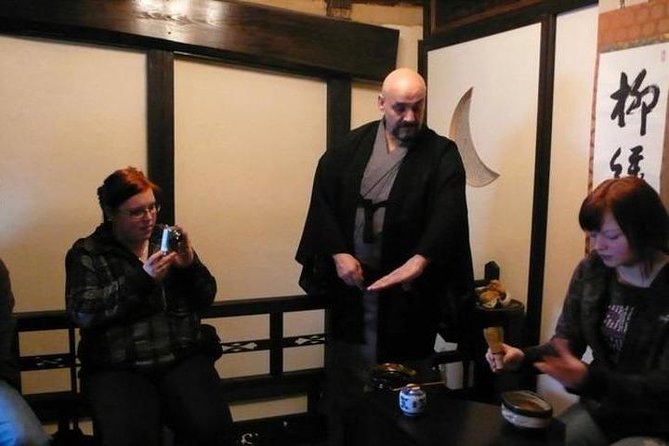
Randy explains the details of a formal ceremony, including the etiquette expected from the person receiving tea. The exact balance between explanation and demonstration may depend on the group, but the experience is built around instruction. If you want to understand why a tea ceremony takes its form, this is more useful than simply taking a photo in traditional clothing.
Matcha, Kyoto sweets, and your turn with the whisk
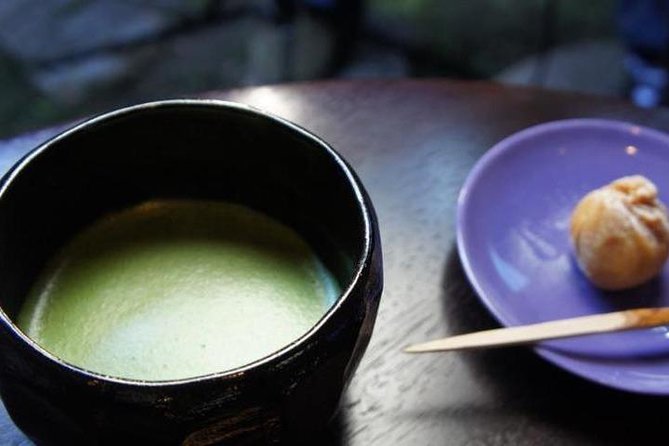
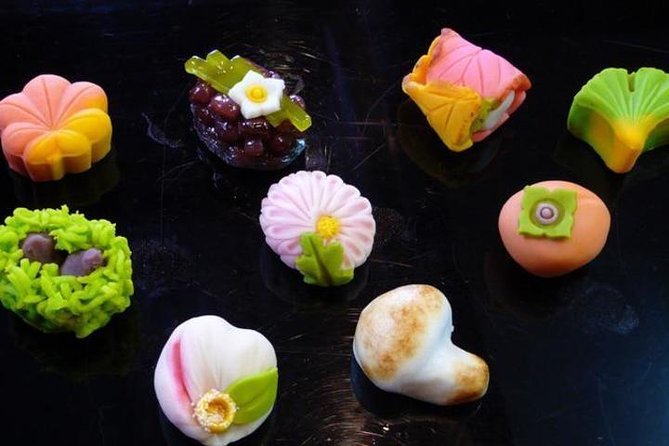
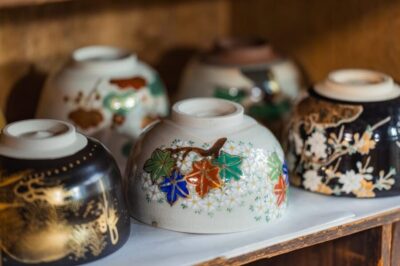
The tasting portion includes Randy Sensei’s original Kyoto-grown matcha and traditional sweets from famous Kyoto sweet makers. The sweets are not just a side snack. In a tea ceremony, the sweet taste helps prepare your palate for the bitter, grassy character of matcha.
You also make your own bowl of matcha. This is one of the strongest reasons to book the activity. You can see the tools and method, then put the lesson into practice while the instructions are fresh.
One person described learning how to make matcha and developing a liking for it through the experience. That is a useful sign for anyone who has tried matcha and decided it was too sharp or unfamiliar. The preparation and the sweet pairing can make the flavor easier to understand.
Another strong point is that everyone gets a chance to prepare tea, rather than watching only the master. That turns the activity into a short workshop. You will not leave as a tea master after 90 minutes, but you will know more about the process and have a better sense of the care involved.
The tea itself received praise for its flavor, but your experience will also depend on your own taste. Matcha is still matcha: powdered green tea with a distinct bitterness and vegetal edge. The sweets help balance it, but they do not remove its character.
Same city, a very different cup:
- Kyoto: Table-Style Tea Ceremony at a Kyo-Machiya
★ 4.9 · 1,211 reviews - Kimono Tea Ceremony at Kyoto Maikoya, NISHIKI
★ 5.0 · 911 reviews - Kyoto: Kimono Tea Ceremony at Orizuruya Gion
★ 4.9 · 618 reviews - Kyoto: Tea Ceremony in 100-year-old Kyo-Machiya Townhouse
★ 4.8 · 546 reviews
What the 90-minute schedule gives you
At about an hour and a half, the activity fits neatly into a Kyoto day. You could schedule it between sightseeing stops, though you should not add a tight appointment immediately afterward. The start requires reaching the meeting point, and the ceremony includes both explanation and participation.
The time is long enough for four useful parts:
- An introduction to the tea master and the setting
- An explanation of formal ceremony etiquette
- A demonstration of tea and sweets
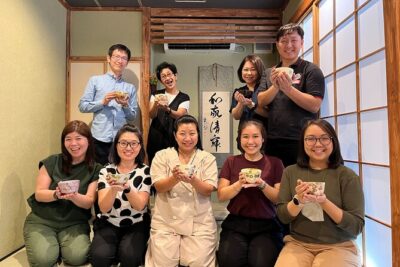
- Your own matcha preparation, followed by a group photo
This is a good length for a first lesson. A shorter session might feel like a staged tasting, while a much longer ceremony could test your patience if you are new to tea customs.
The activity ends back at the meeting point. Since no transportation is included, you can continue exploring Kyoto from there or return to your own accommodation by public transit. The exact pace may vary with the group, and a maximum of 25 people means the lesson is not guaranteed to feel intimate.
How much value do you get for $56.34?
The price is $56.34 per person, with group discounts available. I would judge that as a fair mid-range price for a hosted cultural lesson, especially because it includes the tea ceremony, matcha, Kyoto sweets, your own bowl of tea, and a group photo.
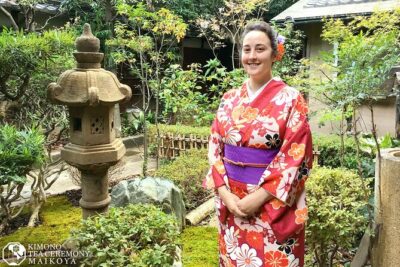
The value depends on what you want from the word ceremony. If you want a highly private setting, historic architecture, a kimono, and floor seating, this price will not deliver all of that. Kimono is not included, and the seating is on benches.
If you want a direct introduction to tea etiquette with a tea master, the price makes more sense. You are paying for instruction and participation, not just a drink. The chance to prepare matcha yourself adds more value than a simple tasting.
I would also consider the cost of your time. Ninety minutes is manageable, and the activity does not require transportation beyond getting to the meeting point. For a group, the discount may make the experience more attractive, particularly if several people want the same cultural activity.
The average booking point is 61 days ahead, which suggests that advance planning is sensible. Confirmation is sent within 48 hours of booking, subject to availability. I would not leave this until the last moment if the ceremony is important to your schedule.
Who will enjoy this experience most
I would recommend this ceremony to you if you want a clear introduction to Japanese tea and prefer doing something rather than only watching. It works well for first-time visitors to Kyoto, families with older children, couples, and groups looking for a calm cultural activity.
It is also a good fit if you are curious about etiquette. The experience puts the formal rules into context and gives you a chance to practice at least part of the process.
The raised seating makes it easier for people who do not want to sit on tatami mats or kneel at a low table. That is a practical advantage, not merely a comfort detail.
You may want to choose another activity if your main goal is a private, highly traditional tea-room setting. The group may reach 25 people, the venue is small, and the format uses benches. You should also skip it if you have no interest in tasting or preparing matcha, since the tea itself is central to the session.
Practical details that affect your day
The tour offers a mobile ticket, which is convenient when you are moving around Kyoto. Bring the booking details on your phone and check the meeting point carefully before setting out.
Transportation is not included. The meeting point is near public transportation, but you are responsible for reaching it and returning afterward. The end point is the same as the start.
The activity is open to most people, but the supplied information does not provide a detailed accessibility breakdown. The bench seating may suit you better than floor seating, though you should confirm any specific mobility needs before booking.
The cancellation rule is friendly if your plans may change. You can receive a full refund if you cancel at least 24 hours before the local start time. Changes or cancellations made inside that 24-hour window are not accepted for a refund.
The published rating is 4.3 from three reviews, so I would treat it as an encouraging but limited sample. The strongest praise focuses on Randy’s teaching, the educational value, the tea, and the chance for everyone to prepare matcha. The main criticism concerns the small room and the less traditional bench seating.
Should you book Randy’s Kyoto tea ceremony?
Book this experience if you want an informative, hands-on introduction to matcha and Japanese tea etiquette. Randy Channell Soei’s role, the ryurei format, Kyoto-grown tea, traditional sweets, and your own preparation make it more useful than a quick tea tasting.
Go in with the right picture. You will not wear a kimono, sit on tatami, or necessarily enjoy a spacious tea room. The group can be large, and the townhouse is small.
For me, the deciding point is participation. If you want to understand the ceremony and try making matcha yourself, the $56.34 price is reasonable. If you want quiet intimacy and a picture-perfect traditional setting, choose a smaller private ceremony instead.
FAQ
Where does the tea ceremony take place?
It takes place in Kyoto at ran Hotei64, Kamikawaracho, in Nakagyo Ward. The activity begins and ends at the same meeting point.
How long does the experience last?
The tea ceremony lasts approximately 1 hour and 30 minutes.
Who leads the ceremony?
Randy Channell Soei leads the experience. He is described as the highest-ranked tea master from outside Japan.
What is ryurei?
Ryurei is a formal style of Japanese tea ceremony that dates back to the 1870s. It was used as a way to show hospitality to visiting foreign dignitaries.
Do I sit on tatami mats?
No. You sit on benches rather than tatami mats or low tables.
Is matcha and food included?
Yes. The experience includes Randy Sensei’s original Kyoto-grown matcha, traditional sweets from Kyoto sweet makers, and the chance to make your own bowl of matcha.
Can I cancel for a refund?
Yes. You can cancel for a full refund at least 24 hours before the local start time. Cancellations or changes made less than 24 hours before the start are not refunded.
Fresh tea listings around Kyoto
- Uji Walking Tour – Byodo-in temple and Tea Ceremony from Kyoto★ 3.5 · 3 reviews
- Kyoto: Authentic Tea Ceremony in a Small Group★ 5.0 · 7 reviews
- Tea Ceremony Experience in Traditional Kyoto Townhouse★ 5.0 · 19 reviews
- Tea Ceremony in 150 Years Old Townhouse with Tables and Chairs★ 5.0 · 22 reviews
- Tea ceremony at Kyoto’s Zen Temple Teahouse★ 5.0 · 2 reviews
- Sencha-do the Japanese Tea Ceremony Workshop in Kyoto★ 5.0 · 21 reviews
- Silent Beauty of Kyoto Zen Walk and Tea Experience★ 5.0 · 2 reviews
- Kyoto Private Tea Ceremony at a Japanese Inns★ 5.0 · 12 reviews
Tea Ceremony Experiences, compared.
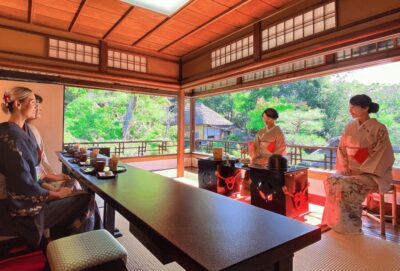
Kyoto: Tea Ceremony in a Traditional Tea House in Kiyomizu
Read our review →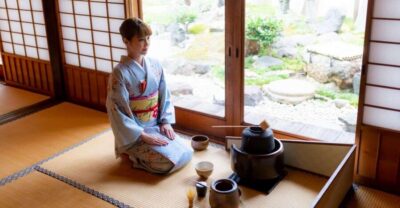
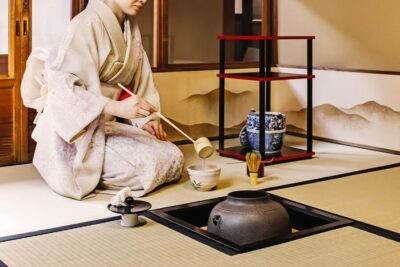
Kyoto: 45-Minute Tea Ceremony Lesson Experience
Read our review →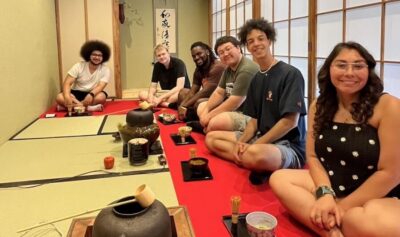
Kyoto: Table-Style Tea Ceremony at a Kyo-Machiya
Read our review →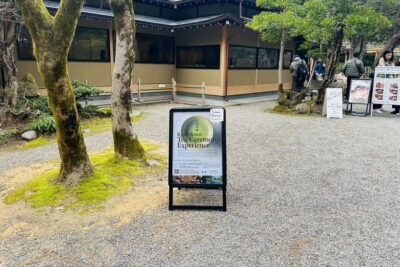
Browse the lists this tour appears in