
Review · TEA CEREMONY EXPERIENCES
Tea Ceremony Experience in Traditional Kyoto Townhouse
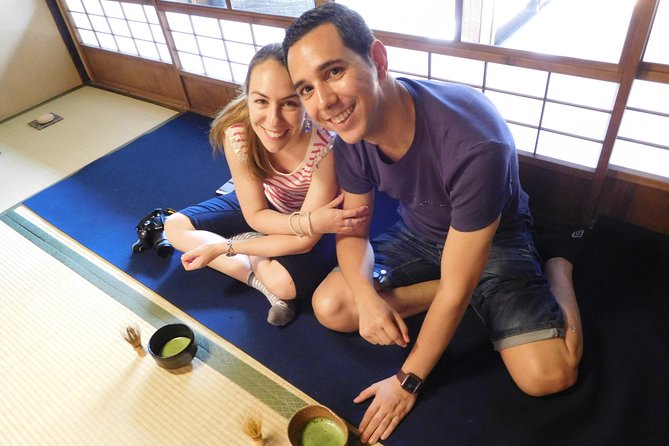
Kyoto’s tea culture makes the most sense inside a machiya, and this one-hour visit gives you a look inside an 80-year-old wooden townhouse while showing you how matcha is prepared. You will hear how tea became linked with monks and samurais, watch a careful demonstration, then make your own bowl.
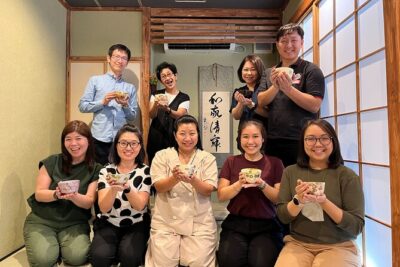
I like the small maximum of six people, which should make it easier to follow the host and ask questions. I also like the balance between explanation and participation: you do not just sit through a formal ritual, you whisk matcha yourself and eat Japanese sweets with it.
The main limitation is time. One hour is enough for a focused introduction, but not for a long study of Japanese tea culture. You also need to reach the meeting point at 605 Nishidachō yourself, since hotel pickup and drop-off are not included.
Key points to know before booking
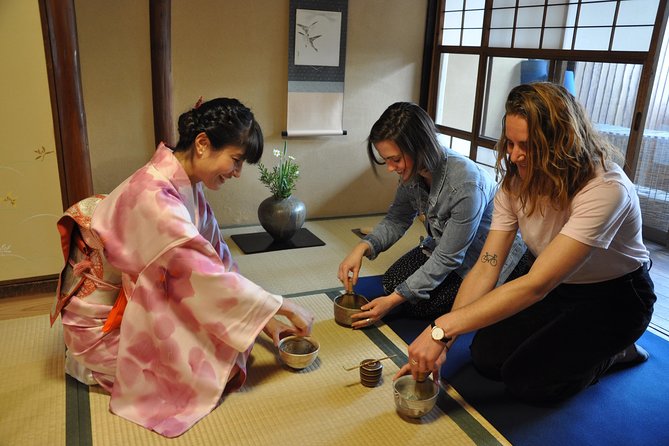
- An 80-year-old Kyoto townhouse: Ami Kyoto gives you access to a traditional machiya, a simple wooden house once common across Kyoto.
- You make your own matcha: The session includes instruction and hands-on preparation, not only a demonstration.
- Organic tea and Kyoto sweets: Your bowl of matcha comes with Japanese confectionery from a well-known Kyoto maker.
- A small group setting: The experience accepts no more than six people, a useful feature for a hands-on lesson.
- A short cultural lesson: The host explains the tea ceremony’s links with monks and samurais before showing you the ritual.
- A practical central-Kyoto outing: The activity lasts about one hour, ends where it begins, and is near public transportation.
Inside Ami Kyoto’s 80-year-old machiya
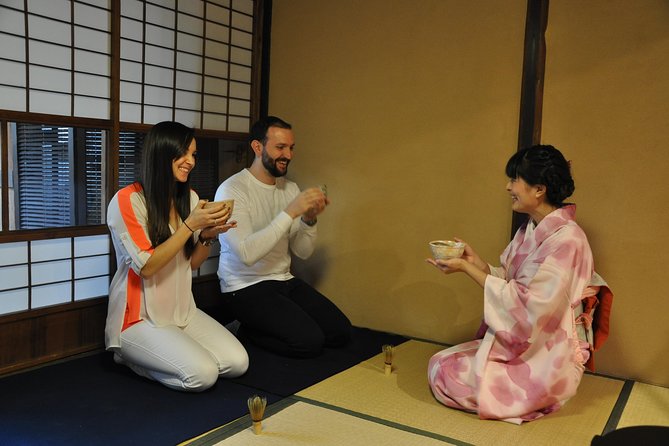
The setting does much of the teaching before anyone picks up a tea whisk. Ami Kyoto is in an old wooden townhouse, a type of home and shop that once filled Kyoto’s streets. The building is about 80 years old, and the visit gives you a chance to see one of these traditional spaces from the inside.
That matters because a tea ceremony can feel abstract in a modern room. In a machiya, the ceremony has a stronger sense of place. You are not only learning how to prepare powdered tea. You are seeing how a small, elegant setting can frame an important Japanese custom.
Expect the townhouse to feel quaint rather than grand. This is not a major temple complex or a museum with a long route through several rooms. It is a compact cultural visit built around one room, one host, and the preparation of matcha.
I like that the building is part of the activity instead of a backdrop used for photographs. You get a direct look at a surviving piece of Kyoto’s older residential character, then connect the space with the ritual taking place inside it.
More Tea Ceremonies in Kyoto
- Kyoto: Tea Ceremony in a Traditional Tea House in Kiyomizu
★ 4.9 · 3,519 reviews - Kyoto: Tea Ceremony Ju-An at Jotokuji Temple
★ 4.9 · 3,207 reviews - Kyoto: 45-Minute Tea Ceremony Lesson Experience
★ 4.3 · 2,378 reviews
The story behind monks, samurais, and matcha
The session begins with background on the tea ceremony and its place in Japanese culture. The explanation includes the lesser-known history of the ritual and its connections with monks and samurais. That gives the ceremony some useful context before you watch the preparation.
You do not need prior knowledge of Japanese tea. The activity is designed to explain the basic ideas in clear, simple terms. If you have seen a tea ceremony before, the background can still help you understand why the movements and utensils are handled with such care.
A host response identifies Kimi as part of the Ami Kyoto team, but the supplied details do not confirm that Kimi personally leads every departure. You should therefore treat the name as a contact associated with the experience, not a promise that Kimi will be your host.
The explanations are meant to be accessible, which is especially helpful if you are visiting Kyoto with parents or other family members. The tone is not presented as an advanced lesson for tea specialists. It is a short introduction that makes the ceremony easier to follow.
Watching the matcha demonstration
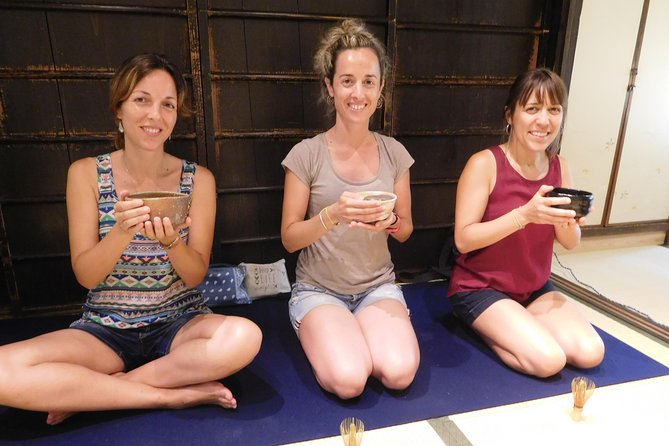
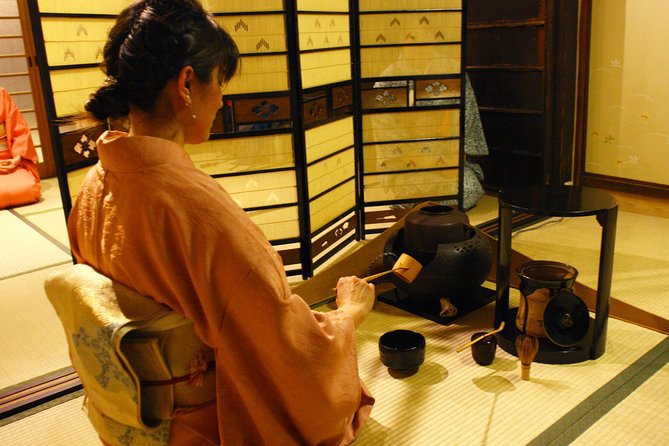
The demonstration is the bridge between the cultural talk and the hands-on part of the visit. You watch the host prepare matcha and see the main steps before trying them yourself.
The goal is to learn how to brew a good bowl using high-quality matcha from an organic farm. The activity does not simply hand you a finished drink. You get an explanation of the preparation and a personalized demonstration before making tea yourself.
That sequence works well for a first visit. You can watch the technique without pressure, then copy what you have just seen. The small group size should also help you see the demonstration clearly, though the exact seating arrangement is not specified.
Do not expect this to turn you into a tea master in an hour. Matcha preparation has a formal side that takes practice, and the session is best viewed as a useful introduction. You will leave knowing more about the basic process and having tried it with guidance.
Making your own bowl of matcha
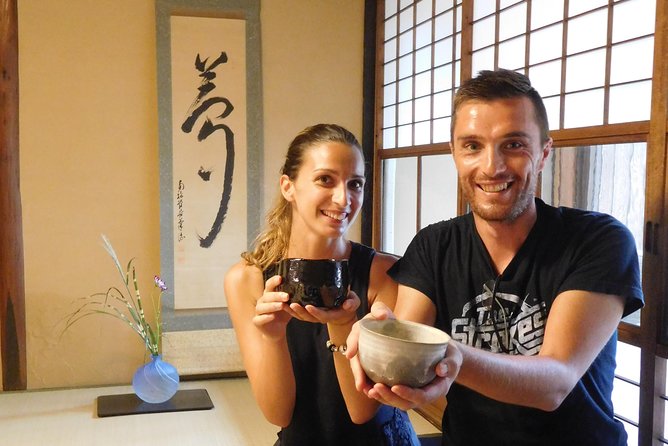
The hands-on portion is the heart of the experience. You prepare your own bowl of matcha after the host has explained the method and shown you how it is done.
This makes the activity a better value than a simple tea tasting. You are paying for instruction, a cultural explanation, use of the townhouse, and the chance to take part in the preparation. The lesson also gives you a clearer idea of the work behind the smooth, frothy drink served in many Japanese cafés.
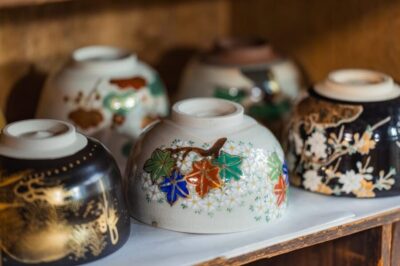
The experience includes one bowl of matcha and Japanese sweets. The tea comes from an organic farm, and the sweets are supplied by a famous Kyoto confectionary. Those details add a small but worthwhile sense of quality to a modestly priced activity.
You should approach the preparation with curiosity rather than concern about getting every movement perfect. The point is to learn the basic method and understand the care involved. A host is there to demonstrate and guide you, so you are not expected to work it out alone.
Same city, a very different cup:
- Kyoto: Table-Style Tea Ceremony at a Kyo-Machiya
★ 4.9 · 1,211 reviews - Kimono Tea Ceremony at Kyoto Maikoya, NISHIKI
★ 5.0 · 911 reviews - Kyoto: Kimono Tea Ceremony at Orizuruya Gion
★ 4.9 · 618 reviews - Kyoto: Tea Ceremony in 100-year-old Kyo-Machiya Townhouse
★ 4.8 · 546 reviews
A formal tea ceremony after the lesson
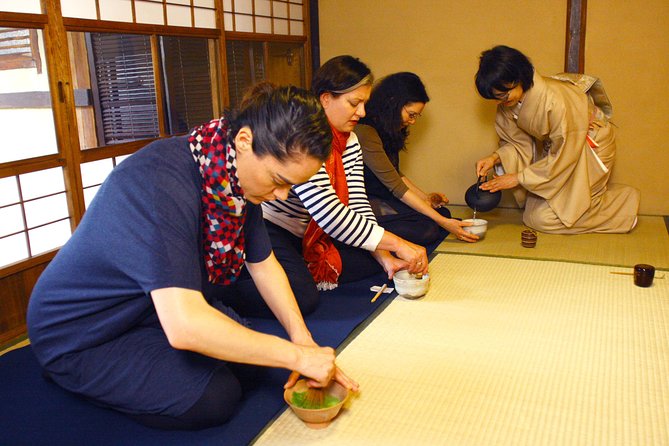
The workshop also includes a genuine tea ceremony experience. The demonstration and your own preparation lead into the more formal cultural side of the visit.
That combination is useful. A ceremony watched without explanation can feel mysterious, with movements that are easy to miss or misunderstand. By learning how the tea is prepared first, you have a better frame for the ceremony that follows.
The activity description does not provide a full sequence of every ceremonial step, so you should not book it expecting a long, elaborate performance. Think of it as a short ceremony paired with a practical lesson. At about one hour, it fits neatly into a Kyoto day without taking over your schedule.
The sweets are part of the experience, not an afterthought. Japanese confectionery is traditionally paired with matcha because its sweetness balances the tea’s earthy bitterness. Here, you get to enjoy that pairing in the same townhouse where you learn the preparation.
Why the small group size matters
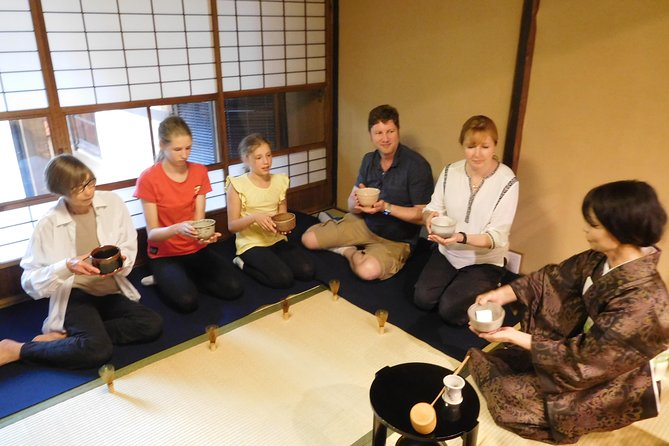
The maximum group size is six people. That is one of the strongest practical features of the activity because a hands-on lesson works better when the host can watch each person prepare tea.
A small group also keeps the setting quieter and more personal than a large demonstration. You should have a better chance of hearing the explanations and seeing the preparation. The available feedback places particular emphasis on clear, simple explanations, a thorough demonstration, and the fun of making tea.
The experience also worked well for a family group consisting of parents and adult children. That suggests the activity can suit different ages and levels of interest, provided everyone is comfortable taking part in a short cultural lesson.
Still, six is a maximum, not a guarantee that every session will feel private. If you want one-on-one teaching, this is not advertised as a private class. Its value comes from being small enough for participation without carrying the cost of a private booking.
The one-hour schedule and meeting point
The visit begins and ends at 605 Nishidachō, in Kyoto’s Shimogyo Ward, postal code 600-8397. Hotel pickup and drop-off are not included, so allow time to reach the townhouse before the scheduled start.
The activity is near public transportation, which makes it practical to combine with other Kyoto plans. The exact nearest station or walking route is not provided, so check the meeting point on a map before leaving your hotel.
One hour is a sensible length for this kind of stop. You can fit it between sightseeing plans, use it as a calm break from crowded attractions, or schedule it early in your visit to give later tea shops and cafés more context.
The short format also creates a tradeoff. You get a clear introduction without committing half a day, but the host cannot cover every part of Japanese tea culture. If your main goal is a long, highly formal ceremony, look for a longer specialist program. If you want a practical first encounter, the timing works well.
Is $27.59 a fair price?
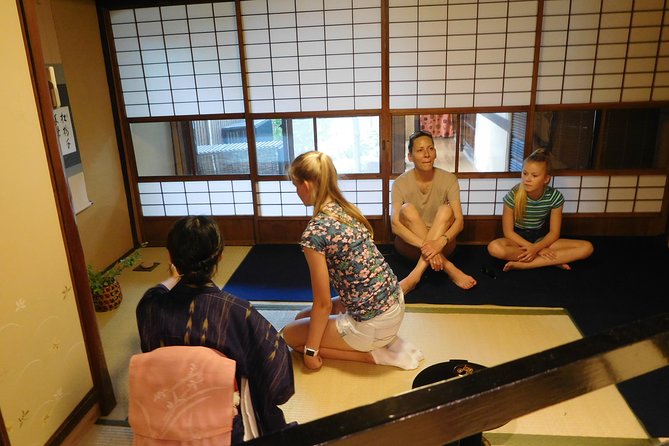
At $27.59 per person, the price is reasonable for a one-hour cultural activity that includes matcha, Japanese sweets, instruction, and access to a traditional townhouse.
The value is not in the drink alone. A bowl of matcha by itself can cost far less, but this visit adds the setting, the cultural explanation, the demonstration, and your own attempt at preparation. You are also paying for a small-group format capped at six people.
I would especially consider it good value if you are already interested in matcha, Japanese customs, or traditional Kyoto architecture. It is less compelling if you only want a quick cup of tea and do not care about the preparation or ceremony.
The experience has a five-star rating from 19 reviews, with 100 percent recommending it. That is a small sample, so I would not treat it as proof that every booking will be perfect. It does support the practical strengths of the format: clear explanations, a thorough demonstration, kind and professional hosting, and an enjoyable chance to make tea.
Who will enjoy this Kyoto tea experience?
I would recommend it to first-time visitors who want a manageable introduction to Japanese tea culture. You get enough background to understand the ritual, but the session does not require previous knowledge.
It also suits matcha fans who want to learn how the drink is made rather than simply ordering it at a café. The organic tea and sweets from a known Kyoto confectionary add interest for anyone who pays attention to ingredients and presentation.
Families can find it a good shared activity, especially when older children or adults are willing to listen and participate. The experience is also suitable for most people, according to the participation details, but the supplied information does not specify particular accommodations for mobility or other access needs.
I would be less likely to choose it if you have already taken a detailed tea ceremony class and want advanced instruction. The short duration points to an introductory format, not a professional course.
Booking, cancellation, and what to expect
Confirmation is sent within 48 hours of booking, subject to availability. The activity is often reserved about 19 days in advance, so I would not leave it until the last minute if the time matters to your schedule.
A mobile ticket is provided, which keeps the booking simple once you are on the way. The activity ends back at the meeting point, so you can plan your next stop from the same part of Kyoto.
You can cancel for a full refund up to 24 hours before the local start time. Cancellations or changes made less than 24 hours before the start are not accepted for a refund. That is a fair policy, but note the deadline when arranging a packed Kyoto itinerary.
Should you book this tea ceremony?
Book it if you want a hands-on introduction to matcha in a real Kyoto townhouse, especially at a modest price and with a group of no more than six. The best parts are the old machiya setting, the simple cultural explanation, and the chance to prepare tea yourself before taking part in the ceremony.
Skip it if you want a long, highly formal tea ritual or advanced instruction. For most first-time visitors, though, this is a smart one-hour addition to a Kyoto itinerary. You get a taste of the custom, a look inside an old wooden house, and a practical lesson you can remember the next time you order matcha.
FAQ
How long does the tea ceremony experience last?
The activity lasts about one hour.
Where does the experience start?
It starts at 605 Nishidachō, Shimogyo Ward, Kyoto, 600-8397, Japan.
Does the activity include hotel pickup and drop-off?
No. Hotel pickup and drop-off are not included.
What food and drink are included?
The experience includes one bowl of matcha green tea and Japanese sweets.
How many people can join the activity?
The maximum group size is six people.
Is the activity suitable for most people?
The additional information states that most people can participate.
Can I cancel for a full refund?
Yes. You can cancel at least 24 hours before the local start time for a full refund. Cancellations or changes made less than 24 hours before the start are not refunded or accepted.
Fresh tea listings around Kyoto
- Uji Walking Tour – Byodo-in temple and Tea Ceremony from Kyoto★ 3.5 · 3 reviews
- Traditional Tea Ceremony in Kyoto★ 4.5 · 3 reviews
- Kyoto: Authentic Tea Ceremony in a Small Group★ 5.0 · 7 reviews
- Tea Ceremony in 150 Years Old Townhouse with Tables and Chairs★ 5.0 · 22 reviews
- Tea ceremony at Kyoto’s Zen Temple Teahouse★ 5.0 · 2 reviews
- Sencha-do the Japanese Tea Ceremony Workshop in Kyoto★ 5.0 · 21 reviews
- Silent Beauty of Kyoto Zen Walk and Tea Experience★ 5.0 · 2 reviews
- Kyoto Private Tea Ceremony at a Japanese Inns★ 5.0 · 12 reviews
Tea Ceremony Experiences, compared.
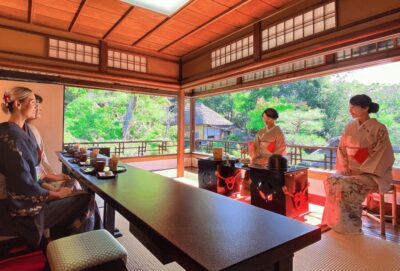
Kyoto: Tea Ceremony in a Traditional Tea House in Kiyomizu
Read our review →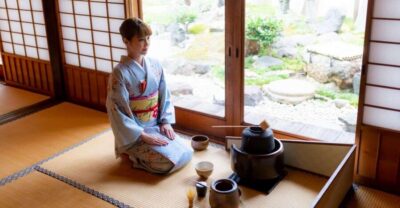
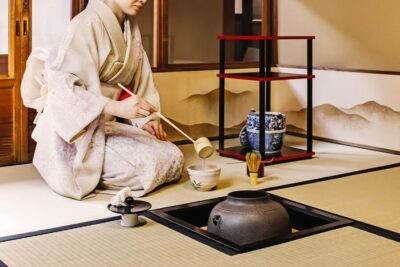
Kyoto: 45-Minute Tea Ceremony Lesson Experience
Read our review →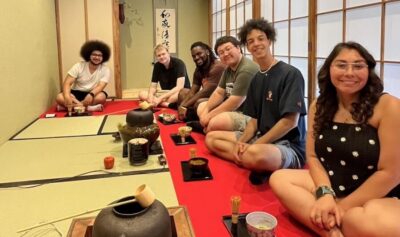
Kyoto: Table-Style Tea Ceremony at a Kyo-Machiya
Read our review →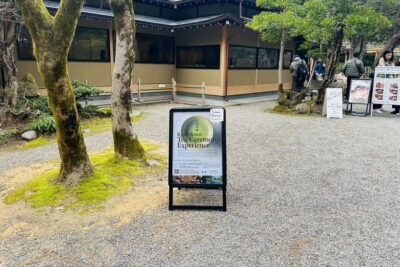
Browse the lists this tour appears in