
Review · MATCHA EXPERIENCES
World Heritage Kyoto & Nara Uji Authentic Matcha Experience
Nara’s deer and Uji’s tea culture make this more than a temple checklist. In one long day, you see Todai-ji’s Great Buddha, walk through Kasuga Taisha and Nara Park, then prepare matcha at a tea shop with more than 500 years of tradition. It is a smart way to link two major sights without sorting out several trains and buses.
I like the comfortable air-conditioned coach and the mix of guided history with free time to wander. I also like that the matcha session is hands-on, not just a quick cup served at a counter. The main drawback is the pace: eight and a half hours, plenty of walking, hills, stairs, and a group of up to 38 people.
Key points
- Nara’s classic sights in one sweep: See Kasuga Taisha, Nara Park, Nandaimon, Todai-ji, and the Heijo Palace site.
- A proper matcha activity: Whisk your own bowl and learn how to drink it in the traditional style.
- Comfortable long-distance transport: The air-conditioned coach includes Wi-Fi and multilingual audio guidance.
- Strong guide element: English-speaking guides including Nanami, Yuta, Mai, At-Chan, Ciel, and Den have received especially warm praise for clear explanations and good group care.
- Lunch is optional: Choose the Japanese set meal if you want a simpler day, or arrange your own food.
- Plan for serious walking: The bus cannot take you right to every sight, and some walks from parking areas take more than 15 minutes.
A full Nara and Uji day from Kyoto
This tour begins at 7:50 a.m. outside Tully’s Coffee on the first floor of Kyoto Avanti, near Kyoto Station. It returns to the same meeting point after about eight and a half hours.
That early start matters. Nara and Uji are close enough to visit in one day, but not so close that the schedule feels leisurely. The coach lets you cover the distance while an English-speaking guide explains the places along the way. Multilingual audio is also available in English, Spanish, French, Italian, German, Portuguese, and Ukrainian.
The route may change order because of traffic, weather, or local operating conditions. You should also arrive early. Late arrivals cannot join midway, and there is no hotel pickup or drop-off.
More Matcha Experiences in Japan:
- Matcha Making Class in Tokyo with Authentic Japanese Sweets Set
★ 5.0 · 744 reviews - Kyoto: Tea Museum Tickets and Matcha Grinding Experience
★ 4.9 · 739 reviews - Matcha Making Class in Osaka with Authentic Japanese Sweets Set
★ 5.0 · 509 reviews
Kasuga Taisha and Nara Park
Kasuga Taisha is Nara’s best-known shrine, set among the wooded grounds east of the city. You get about 30 minutes here, enough to see the approach and main areas, take photographs, and hear the basic story of the shrine.
Do not expect a slow, detailed shrine visit. This is an orientation stop within a packed day. If you like studying architecture, reading every sign, or exploring side paths, you may want a separate visit to Nara later.
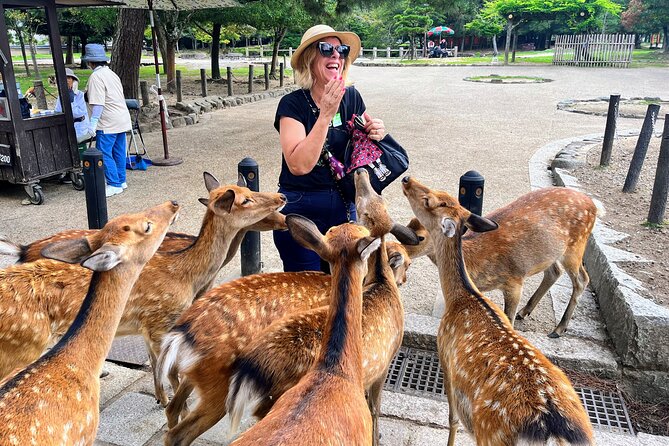
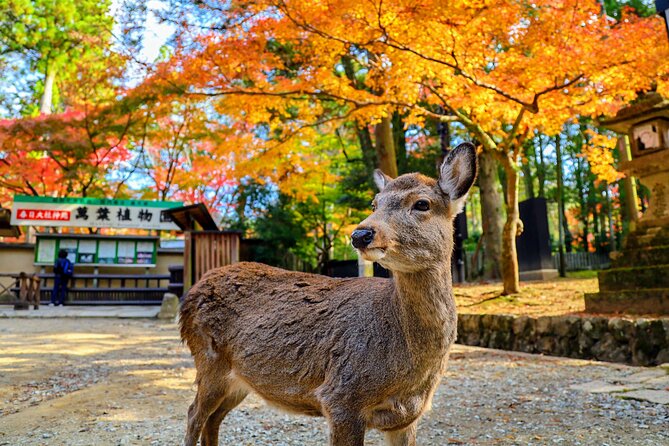
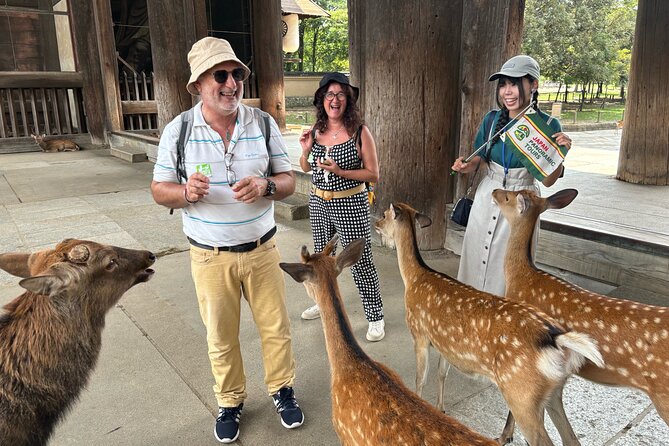
Next comes Nara Park, famous for the roughly 1,400 deer that live around the park and nearby temple grounds. You can get close to them and buy deer crackers if you want to feed them. Bring some yen for that purchase, since food is not included.
The deer are appealing, but treat them with care. A deer that sees crackers in your hand may follow you or give a firm pinch if you stop feeding. Keep food away when you are finished, and pay attention rather than assuming every deer is docile. This is a fun stop for families, though young children should stay close to an adult.
The time here is about 30 minutes. That is enough for a first encounter, but not enough for a long park walk. The tour is designed to give you a taste of Nara Park while keeping the wider schedule moving.
Nandaimon and Todai-ji’s Great Buddha
The five-minute stop at Nandaimon, Todai-ji’s great South Gate, is brief but worthwhile. The gate is a massive example of traditional Japanese wooden construction, and its guardian statues give you an immediate sense of the scale of Todai-ji.
You then spend about 40 minutes at Todai-ji Temple, with admission included. The temple houses the Great Buddha of Nara and occupies one of the world’s largest wooden buildings. The sheer size is the point here. Even if you have seen many temples in Kyoto, Todai-ji feels different because of its vast entrance, huge timber frame, and monumental Buddha image.
The 40-minute visit gives you time to enter, see the main hall, and take in the Buddha without needing to manage tickets or directions. It is still a short visit for such a major site. If Todai-ji is at the top of your personal list, you may wish you had more time for the surrounding grounds.
The practical issue is walking. The bus parking area is not always right beside the temple, and one account of the day noted a walk of more than 15 minutes between the coach and the historic site. Add the park paths, shrine grounds, stairs, and hills, and this is not a good match for anyone who struggles with long distances.
The Heijo Palace site from the coach
The route also includes the Heijo Palace site, one of Nara’s World Heritage locations. The supplied schedule gives no separate stop length, so you should not count on a long independent visit here.
The palace site helps connect the day’s sights to Nara’s role as an early capital of Japan. It is best treated as part of the broader route rather than as a full museum visit. The guide and audio system can give useful context as the coach passes through the area.
More History Tours in Japan:
- Uji: UNESCO Heritage & Tea Ceremony Walking Tour
★ 4.6 · 54 reviews - Slow Cycling Tour at Uji’s Matcha Green Tea Fields and Heritage
★ 5.0 · 25 reviews - Beijing Culture: Tea Ceremony, Heritage Instrument & Calligraphy
★ 5.0 · 57 reviews - Victoria Falls: Cultural Tour with High Tea
★ 4.8 · 12 reviews
Lunch beside the Uji River
The Uji portion begins with an optional Japanese set meal at a restaurant along the Uji River. The meal is available only if selected during booking, and a vegetarian option can be arranged if you provide the request at least two days before the tour.
This is a useful choice for a tightly scheduled day. A set meal means you do not need to spend part of your limited Uji time finding a restaurant, ordering, and paying. Several accounts of the tour singled out the lunch as tasty and well presented, with one description noting an artistic presentation.
The restaurant can change for operational reasons. Also, last-minute bookings receive the regular meal, so do not assume a vegetarian arrangement can be added at the last minute. If lunch is not selected, food and drinks are your responsibility.
Byodoin Temple and the Phoenix Hall
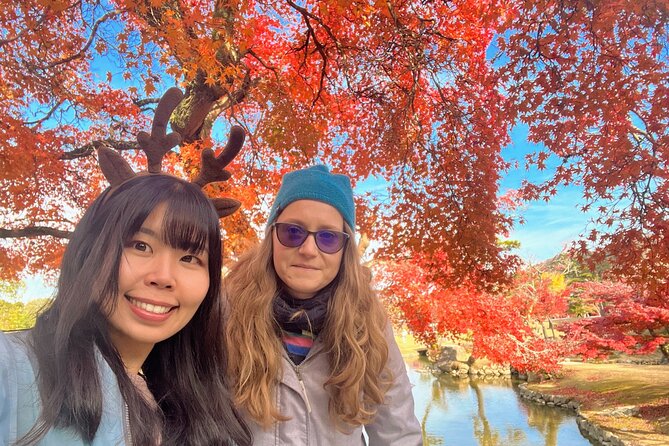
Byodoin Temple is one of Uji’s most recognizable sights. Its Phoenix Hall appears on the Japanese 10 yen coin, a small detail that makes the building easy to identify once you arrive.
Admission is included, and the visit gives you a look at one of Uji’s key cultural landmarks. The temple stop pairs well with the tea activity because Uji is closely linked with Japanese tea production and tea culture.
Again, time is limited. You will see the main attraction and receive background from the guide, but this is not a slow architectural study. The itinerary gives you about 30 minutes at Byodoin, and the order of the Uji stops can shift.
Making matcha at a 500-year-old tea shop
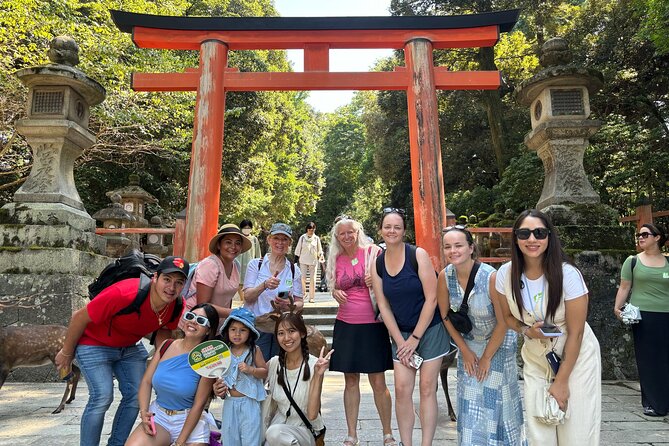
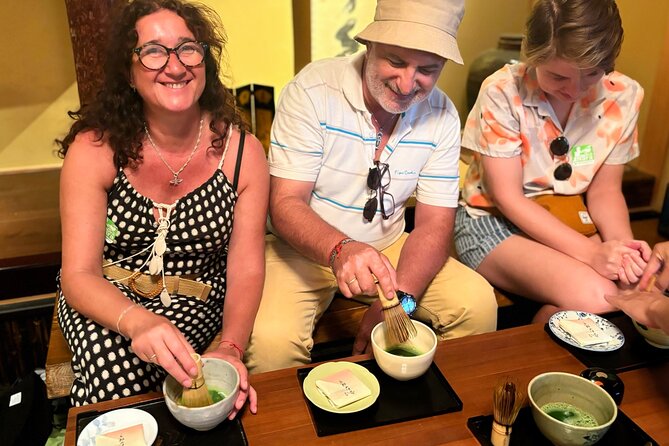
The matcha session is the most distinctive part of the day. At a historic tea shop with more than 500 years of tradition, you prepare your own bowl of matcha and learn the proper traditional way to drink it.
This is not presented as a formal, full-length tea ceremony. It is a practical introduction. You get to whisk the powdered tea yourself, see how the texture changes, and taste the result. That hands-on step makes the tea culture easier to understand than simply buying a matcha drink.
The session lasts about 30 minutes. Several guides, including Ciel, At-Chan, and Yuta, have been praised for making this part clear and enjoyable. One particularly memorable detail is the friendly shop owner, whose humor added warmth to the lesson.
Do not expect sweet, milk-based café matcha unless you buy something separately. The focus is on traditional preparation and drinking. If you enjoy food and craft activities, this stop may be the highlight of the whole tour.
Walking along Byodoin Omotesando
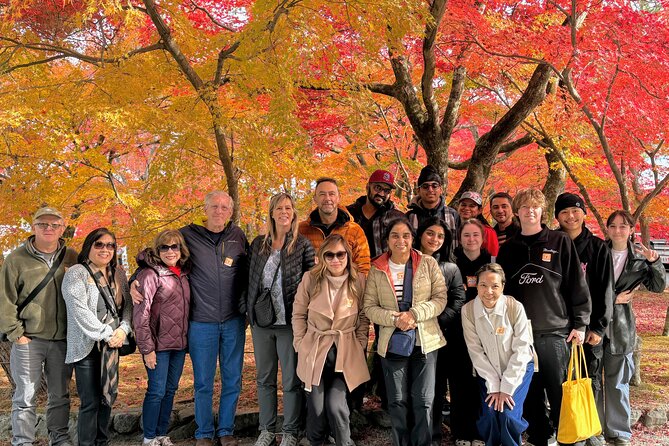
After the temple and tea lesson, you have about 30 minutes to walk along Byodoin Omotesando. This is Uji’s main approach street, where you can browse tea products and sample matcha-flavored sweets.
It is a short shopping break rather than an open-ended market visit. You will have time to look around and taste local treats, but the group must keep to the schedule. This is also a good chance to buy tea or souvenirs if you do not want to spend time shopping in Kyoto later.
The Uji section gives the day a useful change of mood. Nara is about temple scale, open parkland, and deer. Uji is quieter in tone, focused on tea, sweets, and a riverside town setting.
How the guides shape the day
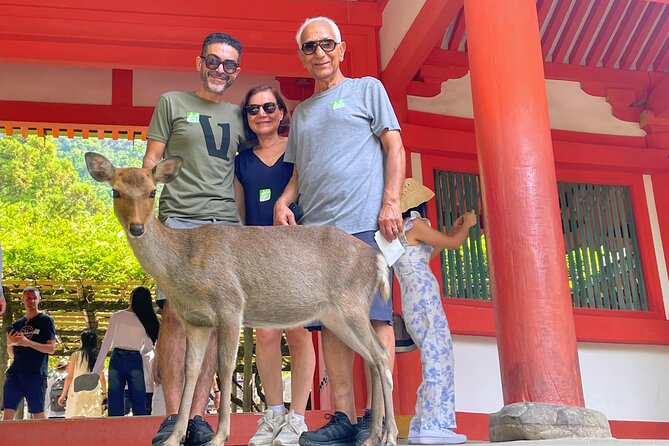
The guide can make a major difference on a coach tour with many stops. Names that recur in the strongest feedback include Nanami, Yuta, Mai, At-Chan, Ciel, Den, Harry, Keigo, and Tommy.
Nanami has been especially effective at explaining history and culture in a lively way while leaving time for independent exploration. Yuta has been praised for clear communication, practical recommendations, and keeping the group together. Mai and At-Chan have also received strong marks for warmth, pacing, and useful explanations.
That does not mean every departure will feel identical. Guides vary, and one serious complaint described a group meeting problem at the first stop. It appears to be an exception among the overwhelmingly positive feedback, but it is a reminder to listen carefully to meeting instructions and stay alert when the group regathers.
The tour uses an English-speaking professional guide, with audio guidance on the bus for several other languages. You should still expect the guide to lead the main explanations and walking portions.
Is the $129.25 price good value?
At $129.25 per person, this is not the cheapest way to see Nara. You are paying for transport from Kyoto, a guide, Todai-ji admission, Byodoin admission, the matcha-making activity, and the convenience of combining Nara and Uji in one day. Lunch costs extra unless you select it.
I see the value in the transport and time saved. Planning Nara and Uji independently means checking train connections, finding the correct local buses, buying temple tickets, and keeping an eye on the clock. This tour removes much of that work.
The value is strongest if you have only one free day for both places. It is weaker if you have several days in the Kansai region and prefer long visits at fewer sights. Independent travelers can spend more time at Todai-ji, Nara Park, or Byodoin for less money, but they will handle the logistics themselves.
The price also makes more sense if you choose the lunch. A traditional set meal, transport, admissions, and the matcha lesson create a fairly full package. Check the exact booking option before paying so you know if lunch is included.
Who should book this day trip?
I would choose this for a first visit to the Kyoto area, especially if you want an efficient introduction to Nara and Uji without renting a car or managing several connections.
It suits families, couples, and solo visitors who like a mix of landmarks, food, animals, and a hands-on cultural activity. A four-year-old enjoyed the deer and matcha elements on one departure, though the long day and walking still require patience.
I would be cautious if you have limited mobility, dislike group schedules, or want quiet time at temples. The tour involves long walks, stairs, hills, and waiting for a group to gather. Hot and humid weather can make the walking feel much harder, especially for older visitors.
The maximum group size is 38. That is small enough for a guide-led outing to work, but large enough that you should not expect a private tour or instant flexibility.
Practical details before you go
Wear comfortable shoes. This advice matters more here than a polished outfit, since the route includes temple grounds, shrine paths, park walking, and streets in Uji.
Bring yen for deer crackers and extra food or drinks. The optional lunch includes a vegetarian choice, but arrange it at least two days ahead. If you book at the last minute, plan on the regular meal.
The vehicle is air-conditioned and has Wi-Fi, which helps during the longer rides. Still, the coach is transport between places, not a substitute for rest during a demanding day.
The provider offers free cancellation if you cancel at least 24 hours before the local start time. Changes or cancellations within 24 hours are not accepted for a refund. Weather, traffic, closed sites, and suspended operations can force changes, and the operator may provide an alternative or a gift instead of a refund.
Should you book the Nara and Uji matcha tour?
Book it if you want maximum coverage in one day, a guide to explain the cultural sites, and a simple way to connect Nara with Uji. The deer, Todai-ji, and matcha lesson give the day a good range, while the coach keeps the route manageable.
Skip it if your ideal day means lingering at one temple, taking long photographs, or moving at your own pace. The schedule is full, and the walking is real.
For most first-time visitors with limited time, I think the package offers solid value, especially with lunch selected. Arrive early, wear good shoes, keep track of the meeting point, and approach the day as a lively introduction rather than an exhaustive study of Nara and Uji.
FAQ
Where does the tour start and end?
The tour starts at 7:50 a.m. at Tully’s Coffee on the first floor of Kyoto Avanti, near Kyoto Station. It ends back at the same meeting point.
Is hotel pickup included?
No. Hotel pickup and drop-off are not included, and no extra pickup or drop-off service is provided.
Is lunch included in the price?
Lunch is included only if you select the lunch option. A Japanese set meal is served at a restaurant along the Uji River, and a vegetarian option can be arranged up to two days before the tour.
How much walking is involved?
The tour includes substantial walking, stairs, and hills. Some walks between coach parking areas and the sights can take more than 15 minutes, so it is not recommended for people who cannot walk long distances.
What languages are supported?
A professional English-speaking guide leads the tour. Multilingual audio guidance is available on the coach in English, Spanish, French, Italian, German, Portuguese, and Ukrainian.
Can I cancel for a full refund?
Yes, if you cancel at least 24 hours before the local start time. Cancellations or changes made less than 24 hours before departure are not refunded or accepted.
Fresh tea listings around Japan
- Authentic Japanese tea tasting: sencha, matcha and gyokuro★ 5.0 · 12 reviews
- Asakusa Cultural Walk & Matcha Making Tour★ 4.5 · 7 reviews
- Authentic Tea Ceremony & Sushi in The Museum of Kyoto★ 5.0 · 3 reviews
- At an Antique Shop, Tea Ceremony and Japanese Sweets Forming★ 5.0 · 5 reviews
- Authentic Japanese Tea Ceremony Experience in Kamakura★ 4.5 · 8 reviews
- Japanese Sweets Making & Tea Ceremony in Yokohama, suburban Tokyo★ 5.0 · 4 reviews
- Matcha tasting for all five senses at Hotel Yokohama★ 5.0 · 7 reviews
- Yokohama: Sushi & Gyoza Cooking with Matcha Experience★ 5.0 · 4 reviews
Matcha Experiences, compared.

Matcha Making Class in Tokyo with Authentic Japanese Sweets Set
Read our review →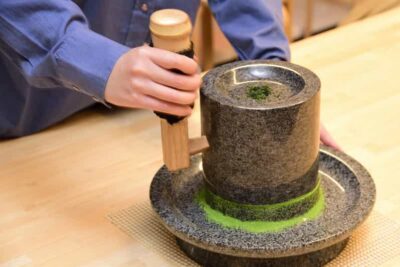
Kyoto: Tea Museum Tickets and Matcha Grinding Experience
Read our review →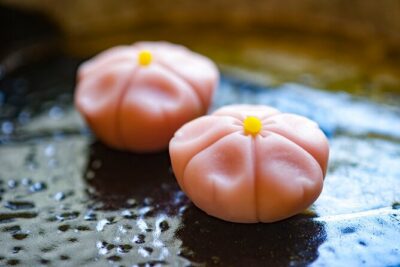
Matcha Making Class in Osaka with Authentic Japanese Sweets Set
Read our review →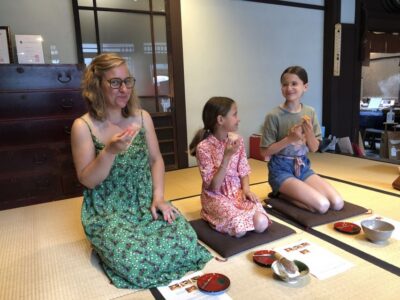
Kyoto: Tea Ceremony Meditation – Make Matcha with Tea Master
Read our review →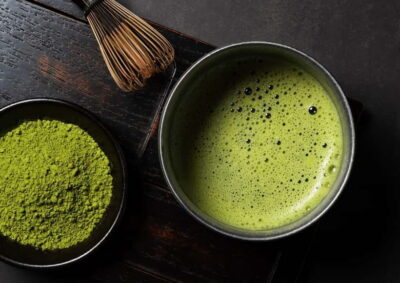
Tokyo: Matcha Making Experience with Mochi Sweets in Asakusa
Read our review →
Kyoto: Kimono Tea Ceremony with Matcha and Sweet
Read our review →
Browse the lists this tour appears in