
Review · MATCHA EXPERIENCES
Yokohama: Sushi & Gyoza Cooking with Matcha & GreenTea Experience
The most unusual part of this Yokohama experience comes before the cooking: you enter a traditional tatami tea room in a private Japanese home, then choose how you want to spend your first hour. Yuka offers a simple matcha experience, manga-style drawing, or quiet time with tea and sweets.
I like the warm, personal scale, with no more than six people, and I like that the class covers two very different Japanese staples: sushi rolls and handmade gyoza. The main consideration is the short walk from Odoriba Station to the home, so allow time after meeting at the station, especially in poor weather.
Key points at a glance
- Private tea-room setting: Begin in a traditional chashitsu rather than a busy cooking studio.
- Three cultural choices: Try matcha, draw manga-style art, or simply enjoy tea, sweets, and the quiet room.
- Two hands-on dishes: Make sushi rolls and fold and cook gyoza with guidance from Yuka.
- Small group size: The experience accepts a maximum of six people, with the possibility of a very intimate class.
- Personal host service: Yuka meets you at Odoriba Station and speaks English well, according to the available trip details.
- Useful timing: Plan on about two and a half hours, starting at 10:30 a.m. and ending back at the meeting point.
A quiet start in Yokohama’s residential streets
The meeting point is at Odoriba Station, at 1 Chome-1 Nakatahigashi in Izumi Ward. From there, you walk about ten minutes to Yuka’s home through a Japanese residential area. That walk is not a major burden, but it is useful to know in advance. This is not a tour that begins at a restaurant or a commercial cooking school.
Yuka meets you at the station and takes you to the house. One especially thoughtful detail is that she has brought umbrellas when rain is expected. That small gesture gives you a sense of how personal the visit can feel.
The house itself is part of the appeal. You are seeing a traditional home in an ordinary Yokohama neighborhood, not a staged tourist attraction built only for demonstrations. The setting gives the food lesson a useful context. Sushi and gyoza are not presented as distant cultural objects. They become part of a visit to someone’s home.
The location also works for visitors who want a break from central Yokohama. You are near public transportation, but the atmosphere is calmer than the city’s major sightseeing areas. If you want a class surrounded by shops, signs, and restaurant activity, this is not that. If you like seeing how a quieter residential part of Japan feels, the setting adds value.
More Matcha Experiences in Japan:
- World Heritage Kyoto & Nara Uji Authentic Matcha Experience
★ 5.0 · 1,573 reviews - Matcha Making Class in Tokyo with Authentic Japanese Sweets Set
★ 5.0 · 744 reviews - Kyoto: Tea Museum Tickets and Matcha Grinding Experience
★ 4.9 · 739 reviews
Choosing your first hour in the tatami room
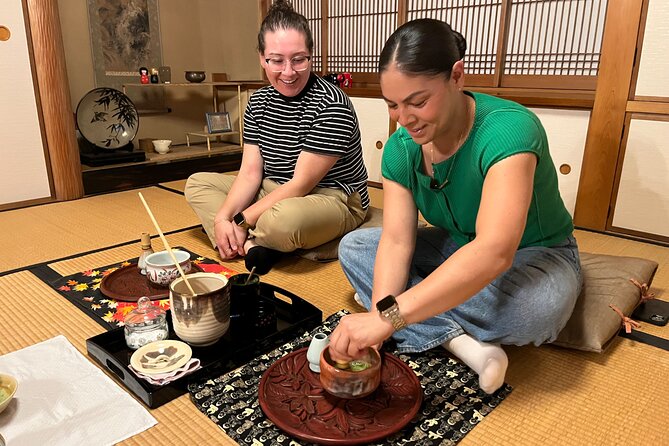
The first part takes place in a serene tatami tea room. Sliding doors, traditional furnishings, and the low-key pace create a clear change from the station and the outside streets. You can sit with tea and Japanese sweets before moving into the kitchen.
You choose one of three options:
- A simple tea ceremony experience with matcha tasting
- Manga-style illustration using traditional tools
- Relaxation time with tea and sweets
This choice makes the activity more flexible than a standard cooking lesson. You do not have to take part in an activity that does not appeal to you. If you want a cultural introduction, choose matcha. If you enjoy drawing, the manga option gives the first hour a creative focus. If you are already tired from sightseeing, quiet tea-room time may be the best choice.
The matcha option includes a tasting and an introduction to Japanese tea culture. Matcha has a strong, grassy flavor that some people find intense. For a gentler drink, you can request a creamy matcha latte. That option matters if you are curious about matcha but do not usually enjoy unsweetened green tea.
The tea-room hour is also a good chance to ask questions and settle into the experience. You are not rushed straight into chopping and folding. The pace leaves room for conversation, photos, and a closer look at the room.
The manga choice gives the visit a different tone. You use authentic tools and take inspiration from Yuka’s own artwork. The supplied details do not promise a formal art lesson, so think of this as a guided creative activity rather than a full drawing course.
The relaxation option is the simplest. You can enjoy Japanese sweets and tea while taking in the room. For some people, that will be the most appealing part of the visit, especially after a busy day in Yokohama.
From sliding doors to the kitchen
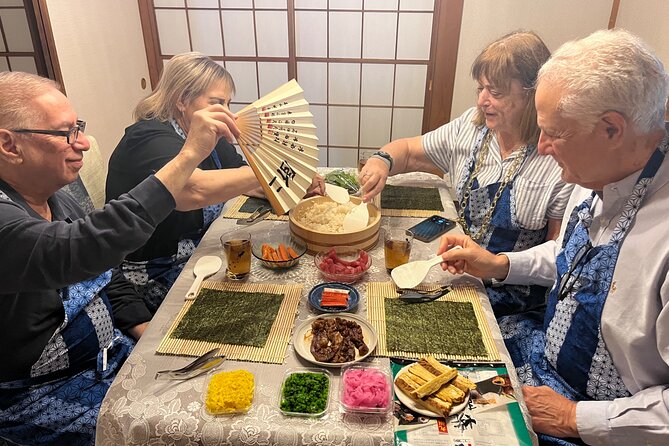
After the cultural hour, sliding doors open to the kitchen. That transition is one of the experience’s memorable details. You move from the quiet, traditional room to a practical cooking space, where the focus shifts from observation to participation.
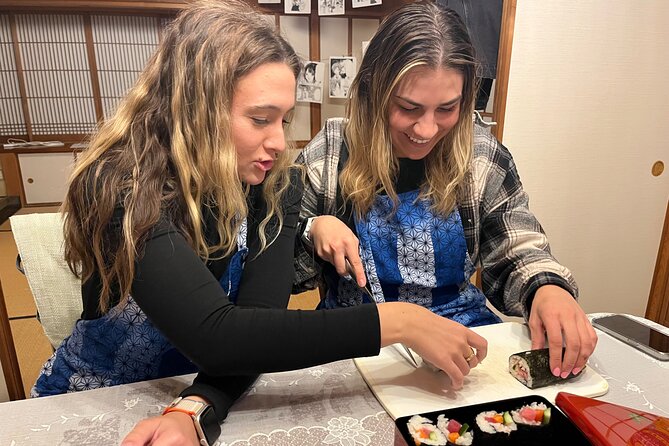
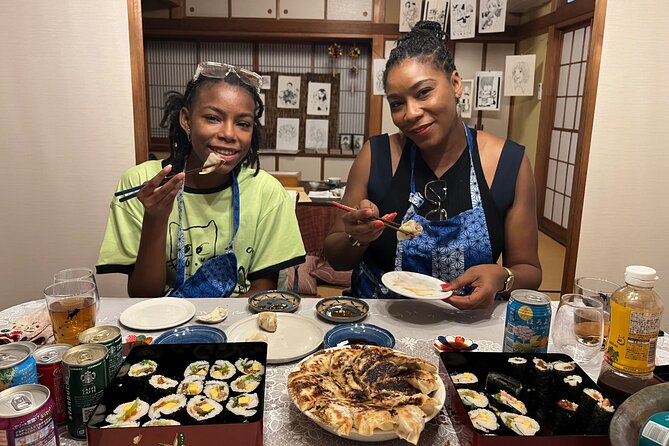
You make two dishes: sushi rolls, called maki, and handmade gyoza. The class is designed to be hands-on, with Yuka guiding you through the process. You are not simply watching her prepare food while someone else does the work.
For the sushi, you work with fresh ingredients and learn how to assemble rolls. The provided details do not list the exact fillings, so do not book this expecting a specific menu. The useful point is that you will practice making maki rather than only receiving a demonstration.
Sushi rolls are a good teaching dish because small changes in pressure and placement affect the final shape. You get to see how the separate ingredients become a finished roll, then enjoy what you have made.
The gyoza portion adds a different skill. You prepare and fold handmade dumplings, then cook them. Gyoza can look simple until you try to seal each one neatly. Yuka’s guidance helps keep the process manageable, particularly if you have never folded dumplings before.
The two dishes also give the class a nice contrast. Sushi requires careful assembly, while gyoza involves folding and cooking. You leave with more than one technique, and the meal feels substantial enough to justify the class price.
What the small group changes
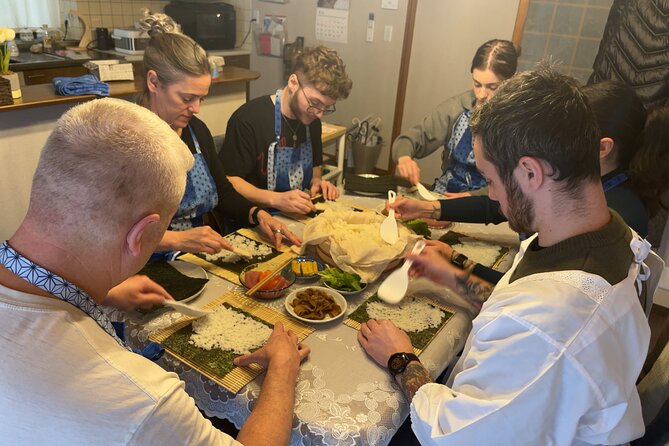
The maximum group size is six people. That number is small enough for personal instruction, but the actual group may be smaller. The available details include a class attended by only a party of two, which shows how private the experience can feel.
A small group matters in a cooking class. You have more chances to ask Yuka for help, and you are less likely to wait while another large group takes over the work surface. It also suits people who prefer a calm setting instead of a loud, social class.
The tradeoff is that this is not designed as a large group activity for meeting lots of fellow visitors. You may share the experience with only your own party or a few other people. That is a plus for couples, families, and solo visitors who want more direct attention, but less useful if your main aim is to make new friends.
The home setting also calls for ordinary courtesy. Follow Yuka’s instructions, be mindful of the traditional room, and expect the atmosphere to be more personal than a commercial venue. The tone is welcoming, but you are entering someone’s home.
More Cooking Classes in Japan:
- Private Kyoto Sushi Cooking Class & Tea Ceremony with Emika
★ 5.0 · 66 reviews - Osaka Japanese Cooking And Matcha Class near Osaka Castle
★ 5.0 · 22 reviews - Home Made Onigiri and Matcha Cooking Class in Hiroshima
★ 5.0 · 11 reviews - Osaka: Japanese Cooking Class with Matcha Experience
★ 5.0 · 4 reviews
Yuka’s role in making the visit work
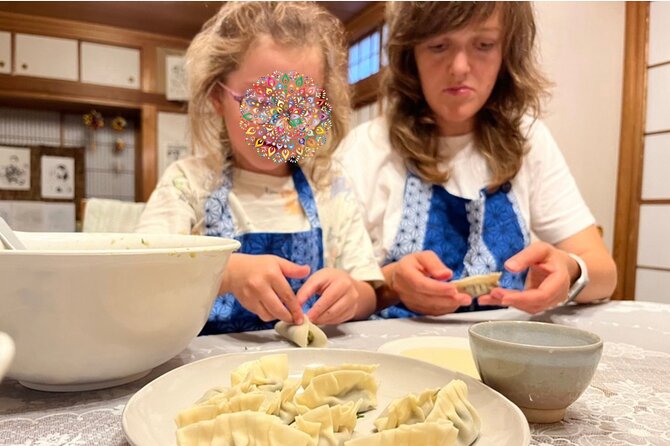
Yuka is the host and activity provider. She meets you at the station, leads you to the house, introduces the tea-room choices, and guides the cooking. Her English is described as good, which is important when a class involves food preparation and folding techniques.
A host’s personality matters here more than it would on a short restaurant visit. You spend two and a half hours in a private setting, so clear instructions and a warm manner can make the difference between a relaxed class and an awkward one.
The available information points to a host who pays attention to practical details, including the weather. That is especially useful because the meeting involves a short walk outdoors before the indoor portion begins.
You should also expect a personal welcome rather than a polished stage performance. The appeal is the chance to learn in a home with guidance from one host. It is not a food show, and the small scale means the pace may adjust to the people in the room.
Is $71.53 a fair price?
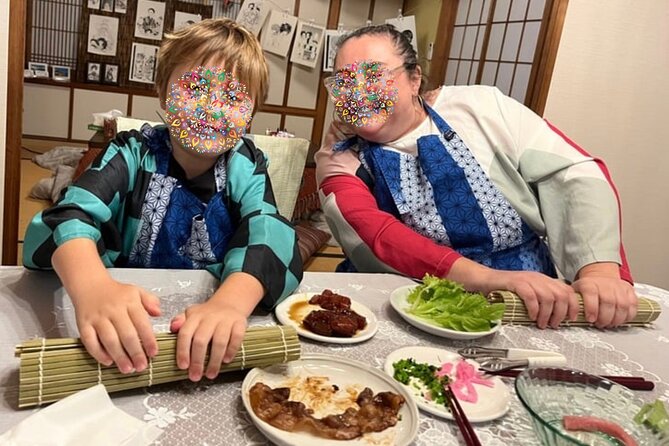
At $71.53 per person, this is not the cheapest way to eat sushi or gyoza in Yokohama. You could buy both dishes at a restaurant for less. The price makes more sense when you count the full experience: roughly two and a half hours, a private-home setting, tea and sweets, a cultural activity, instruction, ingredients, and a meal you help prepare.
The strongest value comes from the combination. A basic sushi class might give you one cooking lesson. Here, you get sushi rolls and gyoza, plus a choice of tea, drawing, or quiet time in a traditional room.
The small group also supports the price. More personal instruction usually has greater value than a large class where you mainly copy a demonstration. If the group is very small, you may receive much more direct help from Yuka.
Still, price-sensitive visitors should decide what they want from the day. If you only want lunch, this costs more than a meal. If you want a cultural activity that combines food, conversation, and a private setting, the price is reasonable.
The experience is also a better fit for people who value setting and personal attention. The tea room and residential home are not extras you can separate from the cooking. They are central to why the activity costs more than a casual restaurant stop.
Timing, transport, and practical details
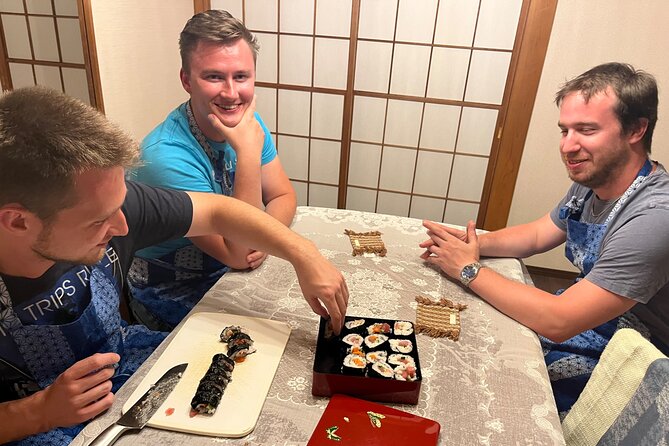
The experience starts at 10:30 a.m. and ends back at the meeting point. The stated duration is about two hours and 30 minutes. That gives you a half-day activity without taking over your full schedule.
Because the meeting begins at Odoriba Station, check your route before the morning starts. You have a short walk from the station to the home, and the walk is part of the arrival process. If rain is forecast, bring suitable footwear and allow a little extra time, even though Yuka may provide umbrellas.
The activity is near public transportation, and service animals are allowed. The group limit is six people. Confirmation is received at booking, and the experience offers free cancellation if you cancel at least 24 hours before the local start time.
The cancellation rule is worth noting because the class takes place in a private home and depends on a small group. Cancellations within 24 hours are not refunded, and changes made inside that window are not accepted.
Photos are welcome as part of the experience. The tea room gives you a traditional background, and your finished sushi and gyoza provide natural subjects. Ask before photographing personal areas of the home, and keep the camera from getting in the way during food preparation.
Who will enjoy this most
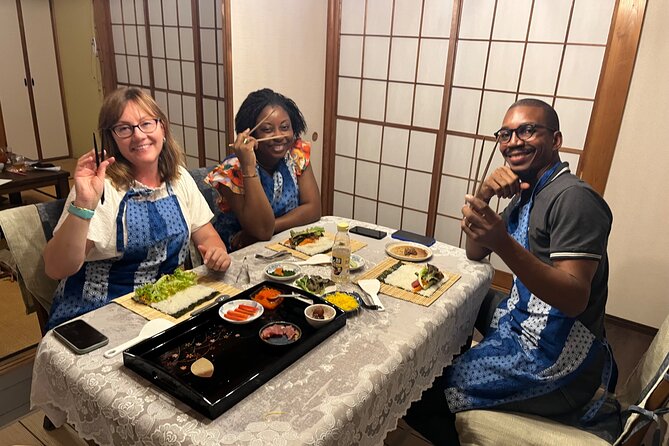
I would recommend this experience to couples, families, solo visitors, and small groups who want food and culture in the same activity. It works particularly well if you prefer a quiet home setting to a crowded restaurant or a large cooking school.
It also suits visitors who enjoy learning by doing. You will fold, roll, prepare, and cook, so this is not the right choice if you want only a formal tea ceremony or a meal served to you.
The flexible first hour helps different personalities enjoy the same booking. One person can choose matcha, another can draw manga-style art, and someone else can simply sit with tea and sweets. The supplied information does not state that every person must select the same option, so ask Yuka if your group wants different activities.
Families should consider the two-and-a-half-hour length and the quiet tea-room portion. Children who enjoy drawing or food preparation may have a good time, while younger children who need constant movement may find the first hour slow.
The experience is also a good match for repeat visitors to Japan. You get everyday food, a residential neighborhood, a traditional room, and contact with a local host rather than another major sightseeing stop.
Who may want a different activity
This may not suit you if you want a central Yokohama location. Odoriba Station is the starting point, and the host’s home is about a ten-minute walk away in a residential area.
It may also disappoint anyone expecting a long, formal tea ceremony. The tea option is described as a simple introduction with matcha tasting. The activity then moves on to drawing or cooking, so tea is one part of a broader visit.
Food-focused visitors who need a precise ingredient list should ask before booking. The experience includes fresh ingredients for sushi and handmade gyoza, but the exact fillings and any dietary arrangements are not provided.
Finally, the small group format is personal, not anonymous. If you prefer to keep your distance from a host or want a busy class with many people, a commercial cooking school may suit you better.
Should you book the Yokohama sushi and gyoza class?
Book it if you want more than a meal and like the idea of entering a traditional home, sitting in a tatami tea room, and making two Japanese dishes with direct help from Yuka. The private setting, small group limit, matcha option, and choice of manga drawing or quiet tea time give it a broader appeal than a standard cooking class.
Think twice if you want a central location, a formal tea ceremony, or a fixed menu with clearly listed ingredients. The ten-minute walk from Odoriba Station and the home-based format are part of the charm, but they also require a little flexibility.
For most visitors who value personal contact and hands-on food, $71.53 is a fair price for the amount packed into two and a half hours. You leave with cooking practice, a taste of Japanese home life, and photos that show more than another restaurant table.
FAQ
Where does the experience begin?
It begins at Odoriba Station, at 1 Chome-1 Nakatahigashi, Izumi Ward, Yokohama, Kanagawa 245-0013, Japan.
Where does the experience end?
It ends back at the meeting point.
What time does the activity start?
The activity starts at 10:30 a.m.
How long does the experience last?
The experience lasts approximately two hours and 30 minutes.
How many people can join?
The activity has a maximum of six travelers.
What dishes will I make?
You will make sushi rolls, also called maki, and handmade gyoza.
What can I choose to do in the tea room?
You can choose a simple tea ceremony experience with matcha, manga-style illustration, or quiet time with Japanese sweets and tea. A creamy matcha latte is available for those who prefer a milder flavor.
Can I cancel for a full refund?
Yes. You can receive a full refund if you cancel at least 24 hours before the experience’s local start time. Cancellations and changes made less than 24 hours before the start are not accepted for a refund.
Fresh tea listings around Japan
- Yokohama : Tea Ceremony with Sweets and Souvenir★ 5.0 · 5 reviews
- Walking Tour: Yanaka,Nezu& Sendagi: Tea Ceremony & Old Tokyo★ 5.0 · 3 reviews
- Visit local home for music and tea ceremony near Disney★ 4.9 · 13 reviews
- Trip to Kamakura & Enoshima: Shrines, Seaside, Temples &Tea★ 5.0 · 11 reviews
- Uji: Private immersion into Kyoto’s tea and reglious culture★ 5.0 · 17 reviews
- Uji Tea Ceremony and UNESCO Heritage Walking Tour★ 5.0 · 20 reviews
- Kyoto tea town for matcha lovers★ 5.0 · 16 reviews
- Kyoto Matcha Green Tea Tour★ 4.5 · 23 reviews
Matcha Experiences, compared.
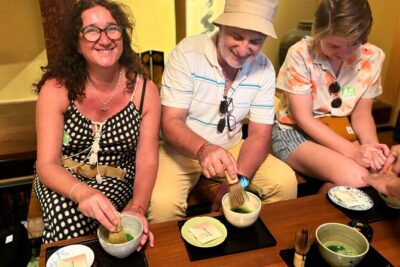
World Heritage Kyoto & Nara Uji Authentic Matcha Experience
Read our review →
Matcha Making Class in Tokyo with Authentic Japanese Sweets Set
Read our review →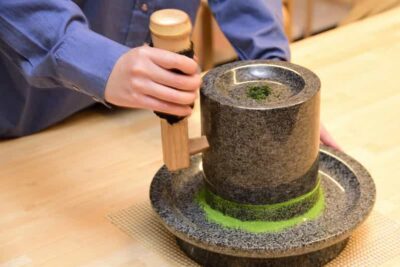
Kyoto: Tea Museum Tickets and Matcha Grinding Experience
Read our review →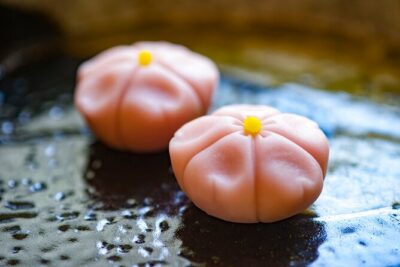
Matcha Making Class in Osaka with Authentic Japanese Sweets Set
Read our review →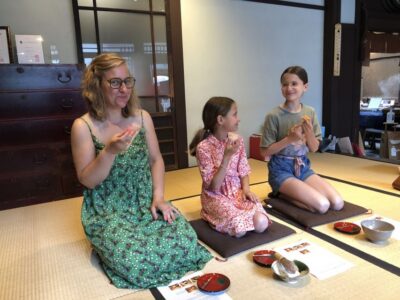
Kyoto: Tea Ceremony Meditation – Make Matcha with Tea Master
Read our review →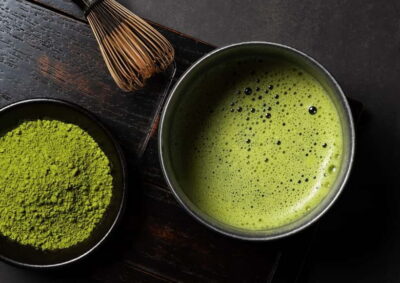
Tokyo: Matcha Making Experience with Mochi Sweets in Asakusa
Read our review →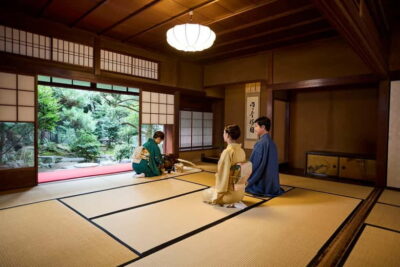
Kyoto: Kimono Tea Ceremony with Matcha and Sweet
Read our review →
Browse the lists this tour appears in