
Review · MATCHA EXPERIENCES
Home Made Onigiri and Matcha Cooking Class in Hiroshima
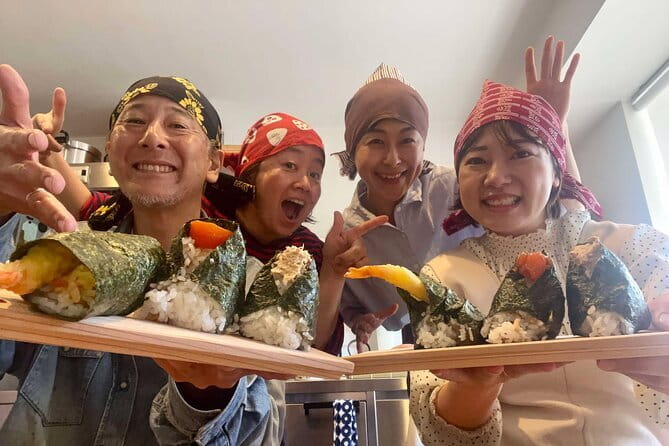
Hiroshima’s most personal food experience may be a warm rice ball made by your own hands. In this 90-minute onigiri and matcha class, local mothers guide you through two onigiri flavors, miso soup, and a simple tea ceremony near the Atomic Bomb Dome.
I like the small maximum of six people, which leaves room for questions and real conversation. I also like the location: you can finish before lunch and walk to Peace Memorial Park, the museum, or the dome without giving up much of your sightseeing day.
The main consideration is the price, $81.65 per person. That is more than a quick meal, but it includes instruction, lunch, matcha, wagashi, local contact, and gratuities. Vegetarians and vegans need to ask ahead, since those menus are still being prepared.
Key points at a glance
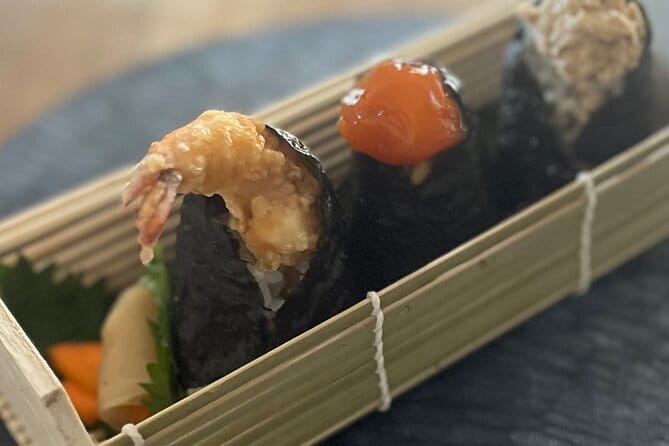
- Make two kinds of onigiri: The standard choices are tuna mayonnaise and shrimp tempura, with fresh egg yolk available by advance request.
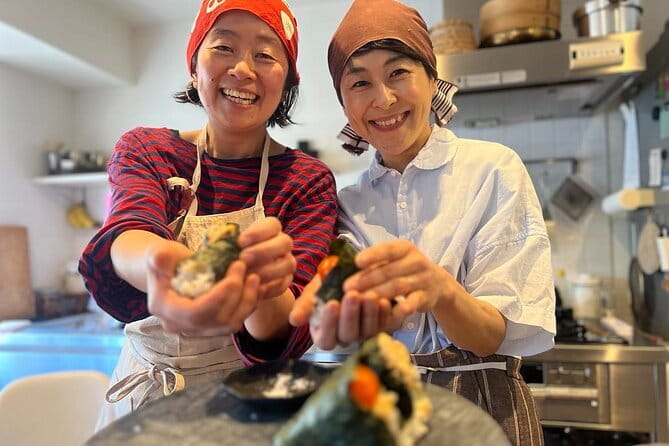
- Cook with local mothers: Midori and Weiko are named hosts connected with the experience, and English is spoken.
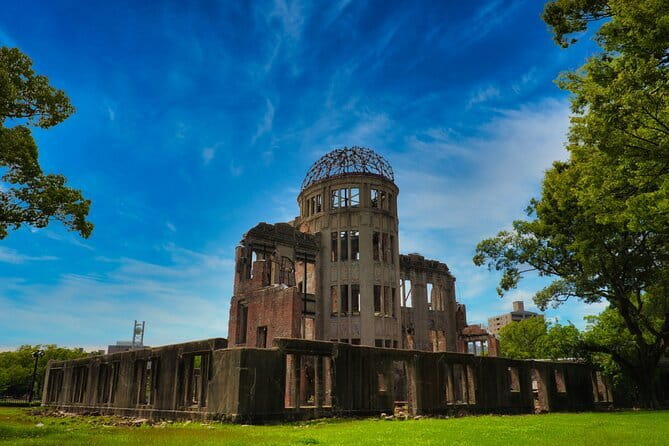
- Finish near Hiroshima’s major sights: The class is about a five-minute walk from the Atomic Bomb Dome and six minutes from the Peace Memorial Museum.
- Bring the family: Children are welcome, and a toy area gives young ones something to do between steps.
- Learn more than a recipe: The session includes onigiri background, miso soup, matcha, wagashi, and basic tea ceremony manners.
- Plan for a small group: The maximum is six people, and the class begins at 10:30 am at Guitar Top in Sakaimachi.
Making breakfast into a local welcome
Onigiri is simple food: cooked rice shaped by hand, often with a filling or topping. Yet the simplicity is the point. You are handling hot, freshly prepared rice and learning how an everyday Japanese food fits into home life.
The class presents onigiri as an older food tradition than sushi. That gives the activity useful context without turning it into a lecture. You learn why the rice ball matters, then put the idea into practice with your own hands.
The setting is designed to feel personal rather than formal. You make food with local mothers, talk with them, and share the finished meal at the same table. The hosts also speak English and have lived overseas, a helpful combination if you want conversation without worrying about a language gap.
This is not a cooking school built around professional kitchen technique. It is closer to being welcomed into a local food routine. You should come ready to participate, ask questions, and accept that the pleasure comes as much from the exchange as from the finished rice balls.
More Matcha Experiences in Japan:
- World Heritage Kyoto & Nara Uji Authentic Matcha Experience
★ 5.0 · 1,573 reviews - Matcha Making Class in Tokyo with Authentic Japanese Sweets Set
★ 5.0 · 744 reviews - Kyoto: Tea Museum Tickets and Matcha Grinding Experience
★ 4.9 · 739 reviews
Two fillings, with a few choices to settle early
The regular class offers two flavors: tuna mayonnaise and shrimp tempura. They give you a useful contrast, one creamy and familiar, the other crisp and savory.
Fresh egg yolk is another option, but it requires a special preparation method and must be requested when you book. Do not wait until you arrive if that is the flavor you want.
Allergies also need to be reported in advance. The class specifically asks you to share this information before the session, which is especially important with seafood-based choices.
Vegetarian and vegan menus are being prepared, but they are not presented as standard options yet. If you avoid fish, shellfish, egg, or mayonnaise, ask before paying so you know what can be arranged. The same advice applies to anyone with a serious allergy.
You will not be left with only a demonstration. The appeal is in holding the rice, shaping the onigiri, and seeing how a few everyday ingredients become lunch. For children, this hands-on step can be more memorable than simply eating at a restaurant.
Miso soup and the pleasure of an everyday meal
The class also includes miso soup served in a chawan bowl. That matters because the meal feels complete rather than like a tasting of one item.
You may also receive recipes that can be made with a cafe au lait bowl at home. This is a nice practical touch. The class is not only about what you eat in Hiroshima; it gives you a way to repeat part of the experience after returning home.
The food is meant to be shared with a sense of gratitude for ordinary daily blessings. That may sound modest, but it suits the class. Onigiri is not presented as a rare restaurant dish. It is food connected to home, family, packed lunches, and routine.
The meal is included in the price, along with gratuities. Bottled water, soda, coffee, tea, and alcohol are not included, and no alcohol is served. If you need a drink beyond what is provided, plan accordingly.
Matcha, wagashi, and a short tea lesson
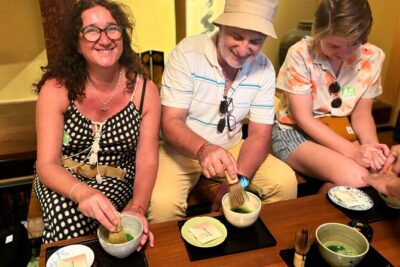
After the savory food, you make matcha and enjoy it with Japanese wagashi, or traditional sweets. This gives the morning a clear second half: first cooking, then a quiet dessert and tea ritual.
You will learn basic manners associated with sadou, the Japanese tea ceremony. The class presents this in a friendly way, encouraging you to try the movements rather than expecting formal mastery.
This is not a full tea ceremony school, and the 90-minute duration limits how far the lesson can go. Still, matcha preparation adds something that a standard cooking class would miss. You get a small introduction to how food, movement, hospitality, and attention fit together.
The wagashi also balances the stronger flavors of tuna, shrimp, miso, and rice. If you have never made matcha yourself, this final step gives the session a distinct finish instead of ending as soon as lunch is served.
More Cooking Classes in Japan:
- Private Kyoto Sushi Cooking Class & Tea Ceremony with Emika
★ 5.0 · 66 reviews - Osaka Japanese Cooking And Matcha Class near Osaka Castle
★ 5.0 · 22 reviews - Osaka: Japanese Cooking Class with Matcha Experience
★ 5.0 · 4 reviews - Yokohama: Sushi & Gyoza Cooking with Matcha Experience
★ 5.0 · 4 reviews
A strong choice for families with young children
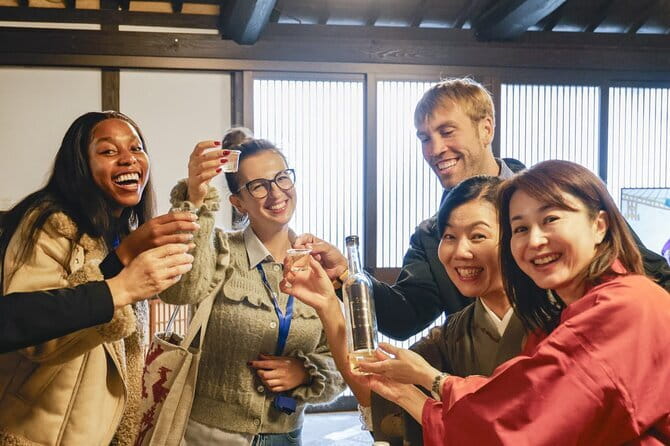
Children are welcome, and a play area with toys is available. That does not mean every child will stay engaged through the full class, but it gives families some flexibility.
The family-friendly setup is one of the more useful details here. Cooking with hot rice and learning several steps can be demanding for very young children, so having a place to play may make the morning easier for parents.
Families also receive more than a meal. Children can see how rice is handled, how soup is prepared, and how matcha is made. The class does not require advanced cooking skill, and the recipe is described as easy for all ages.
The group limit of six is another advantage for families. A small room is easier to manage than a large class, and parents can ask questions about ingredients or adapt their participation as needed.
Still, you should tell the hosts about allergies and dietary needs before arrival. The standard menu includes seafood and other ingredients that may not suit every child.
Why the Peace Park location helps
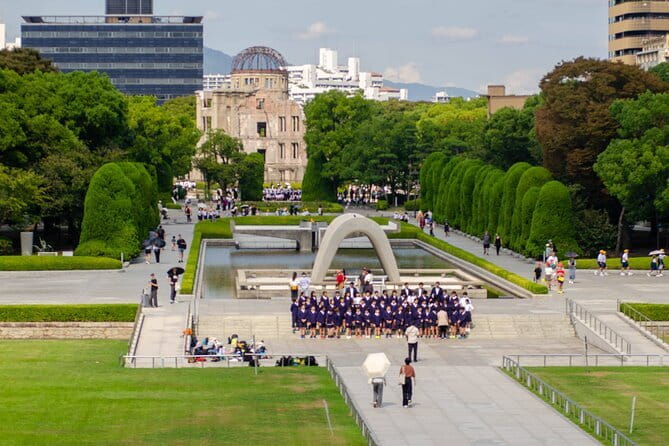
The meeting point is Guitar Top, at 1-3 Sakaimachi, Naka Ward, Hiroshima. From there, the Atomic Bomb Dome is about a five-minute walk, and the Peace Memorial Museum is about six minutes away.
That makes this a useful morning activity on a sightseeing day. You can make lunch, then continue directly into Hiroshima’s central memorial area. Starting at 10:30 am also avoids an extremely early morning while leaving much of the afternoon free.
The location is especially helpful if you want food and cultural learning near the city’s main historic sites. You do not need to spend half a day crossing Hiroshima for a short class.
From Hiroshima Station, a taxi to Sheba Cafe takes about 12 minutes. By streetcar, Hiroshima Electric Railway Line 2 reaches Honkawacho Station in about 21 minutes, with the station described as the nearest stop to Sheba Cafe.
If you are staying at the Hilton Hotel, the walk is listed as about 26 minutes. Pickup may be offered, and one family experience included a hotel pickup by Midori, transport to Weiko’s home, and a return drop-off. Because the class can sometimes take place at a private home, confirm the exact meeting and pickup details when booking.
What the 90-minute schedule means for your day
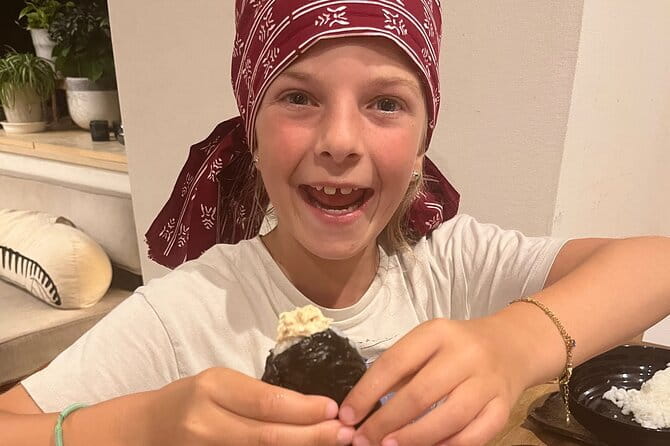
The class starts at 10:30 am and ends back at the meeting point. The short duration is a real benefit in Hiroshima, where you may also want time for Peace Park, the museum, the castle, Shukkeien Garden, or other sights.
A likely flow is an introduction to onigiri, hands-on preparation of the two flavors, miso soup, the shared meal, and the matcha and wagashi portion. The exact order can vary, especially if the session is held at a home, so treat this as a guide rather than a minute-by-minute promise.
The schedule is compact enough for solo visitors, couples, and families with limited time. It also finishes around lunchtime, which means you do not lose a full morning to a long culinary program.
The tradeoff is that you will not get a broad survey of Japanese cooking. There is no indication of sushi, ramen, or several regional dishes in this class. If your goal is one approachable Japanese food, local conversation, and a small cultural lesson, the length works well. If you want a full cooking curriculum, choose a longer program.
The hosts are part of the value
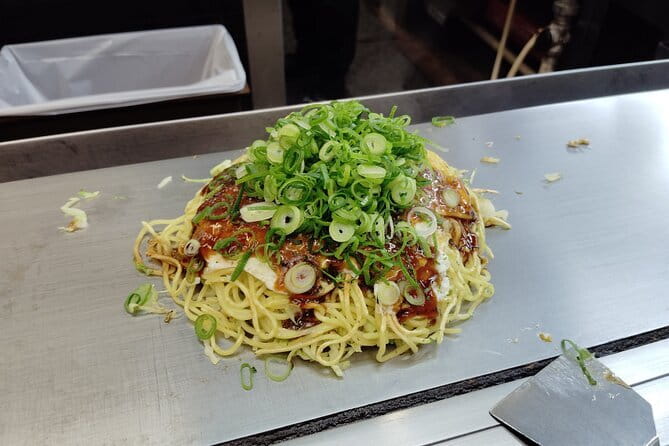
The class is built around contact with local people, not only instructions from a guide. Midori and Weiko are named in the experience details, and the hosts speak English. One host has also lived overseas, which may help keep the conversation relaxed and clear.
That human element is important because onigiri is closely tied to home cooking. A chef demonstrating a restaurant recipe would give you technique, but a mother sharing everyday food gives you a different view of Japanese meals.
The available feedback places heavy emphasis on clear communication, history, laughter, and the feeling that the class was more than simply shaping rice. That matches the structure of the session, which combines food, conversation, and tea.
You should not expect a polished stage performance or a large entertainment program. The appeal is warmth and participation. If you prefer to watch quietly, the hands-on format may feel more active than you want. If you enjoy meeting people and learning through conversation, the small group should suit you.
Is $81.65 a fair price?
At $81.65 per person, this is not the cheapest way to eat onigiri in Hiroshima. You could buy rice balls from a convenience store for a small fraction of the cost.
That comparison misses what you are paying for. The fee includes two onigiri flavors, miso soup, matcha, wagashi, instruction, local conversation, and gratuities. You also receive a short cultural lesson and the chance to make the food yourself.
The value is strongest for a first visit to Japan, a family wanting an easy shared activity, or a solo visitor who wants direct contact with local people. The class can also be worthwhile for anyone who plans to recreate the recipes at home.
The value is weaker if you are focused only on quantity, already know how to make onigiri, or have strict dietary needs that cannot be accommodated. Ask about vegetarian, vegan, and allergy arrangements before booking rather than assuming the menu can be changed.
Group discounts are offered, though the exact saving is not specified. With a maximum of six people, the class remains more personal than many large food tours.
Practical details before you reserve
Confirmation is received at booking, and the activity is near public transportation. The experience ends where it starts, unless pickup and return transport have been arranged.
Free cancellation is available up to 24 hours before the start time for a full refund. Changes or cancellations inside that 24-hour window are not accepted for a refund.
The experience requires good weather. If poor weather causes cancellation, you can receive a different date or a full refund. Since the class is primarily indoors but may involve pickup or movement between locations, check the conditions and contact the provider if the forecast looks uncertain.
No alcohol is served. Bottled water, soda, coffee, and tea beyond the included matcha are not included, so bring or buy other drinks if needed.
The class is capped at six people. That makes it a good fit for a small party, but availability may be limited. It is booked, on average, 19 days ahead, so reserve early if your Hiroshima dates are fixed.
Should you book this Hiroshima cooking class?
Book it if you want a small, friendly food experience that fits neatly beside Peace Park. You will make familiar Japanese food, learn a little about its place in daily life, share miso soup and wagashi, and meet local mothers who speak English.
I would especially recommend it to families, first-time visitors to Japan, solo visitors seeking conversation, and anyone curious about food seen in anime or films. The short schedule, child-friendly play area, and central location add real practical value.
Think twice if you want advanced cooking instruction, a large menu, alcohol, or a bargain meal. Also confirm seafood, egg, vegetarian, or vegan arrangements before booking.
For most people who value personal contact over restaurant convenience, the combination of onigiri, matcha, and Peace Park access makes the price reasonable. It is a gentle way to spend a morning, with enough food and local connection to feel like more than lunch.
FAQ
Where does the class meet?
The listed meeting point is Guitar Top, 1-3 Sakaimachi, Naka Ward, Hiroshima, 730-0853, Japan.
What time does the activity start?
The class starts at 10:30 am.
How long does the class last?
The activity lasts approximately 1 hour and 30 minutes.
Where does the class end?
The activity ends back at the meeting point.
How many people can join?
The class has a maximum of six participants.
Is pickup available?
Pickup is offered. One arrangement included hotel pickup and return transport, but you should confirm the exact pickup details when booking.
What food is included?
The included meal has two types of onigiri, miso soup, matcha, and wagashi.
What onigiri flavors are available?
The standard flavors are tuna mayonnaise and shrimp tempura. Fresh egg yolk can be requested in advance.
Are vegetarian and vegan menus available?
Vegetarian and vegan menus are being prepared. Ask about them when you make your reservation.
Can I cancel for a full refund?
You can cancel at least 24 hours before the start time for a full refund. Poor-weather cancellations offer a different date or a full refund.
Fresh tea listings around Japan
- Yokohama : Tea Ceremony with Sweets and Souvenir★ 5.0 · 5 reviews
- Walking Tour: Yanaka,Nezu& Sendagi: Tea Ceremony & Old Tokyo★ 5.0 · 3 reviews
- Visit local home for music and tea ceremony near Disney★ 4.9 · 13 reviews
- Yokohama: Sushi & Gyoza Cooking with Matcha & GreenTea Experience★ 5.0 · 3 reviews
- Trip to Kamakura & Enoshima: Shrines, Seaside, Temples &Tea★ 5.0 · 11 reviews
- Uji: Private immersion into Kyoto’s tea and reglious culture★ 5.0 · 17 reviews
- Uji Tea Ceremony and UNESCO Heritage Walking Tour★ 5.0 · 20 reviews
- Kyoto tea town for matcha lovers★ 5.0 · 16 reviews
Matcha Experiences, compared.
World Heritage Kyoto & Nara Uji Authentic Matcha Experience
Read our review →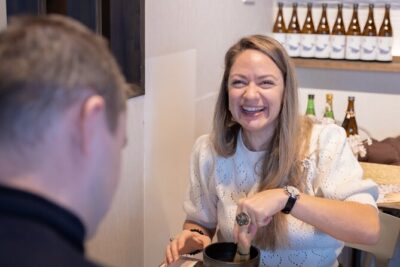
Matcha Making Class in Tokyo with Authentic Japanese Sweets Set
Read our review →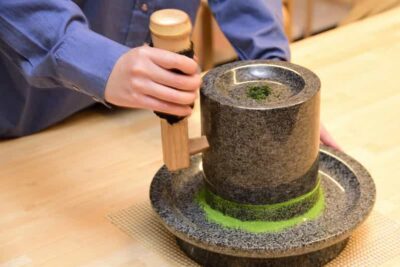
Kyoto: Tea Museum Tickets and Matcha Grinding Experience
Read our review →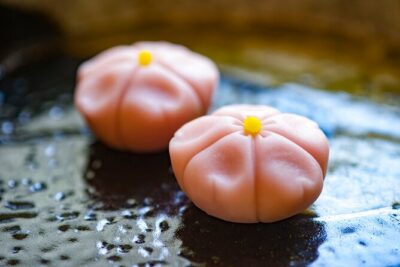
Matcha Making Class in Osaka with Authentic Japanese Sweets Set
Read our review →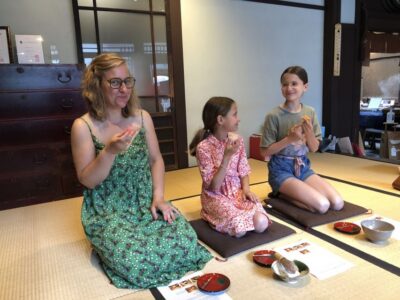
Kyoto: Tea Ceremony Meditation – Make Matcha with Tea Master
Read our review →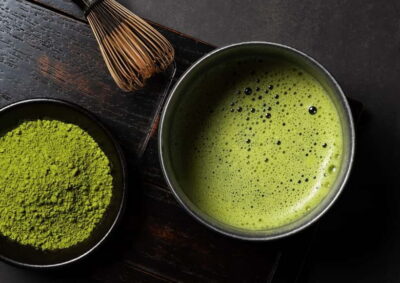
Tokyo: Matcha Making Experience with Mochi Sweets in Asakusa
Read our review →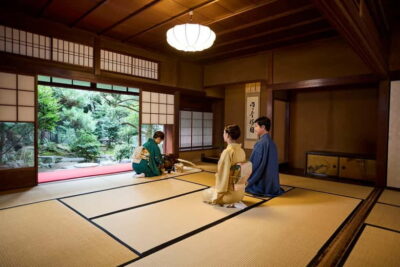
Kyoto: Kimono Tea Ceremony with Matcha and Sweet
Read our review →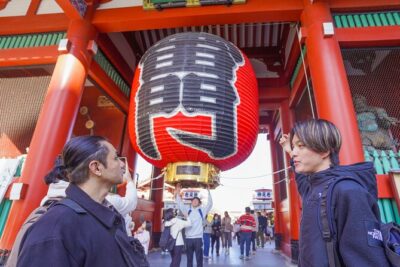
Browse the lists this tour appears in