
Review · TEA CEREMONY EXPERIENCES
Visit local home for music and tea ceremony near Disney
Walking into a Japanese home for tea and koto music gives you something a theme park cannot: a personal look at how tradition fits into daily life. Noriko welcomes you into her home near Tokyo Disney Resort, explains the meaning behind the tea ceremony, and lets you try the 13-string koto yourself.
I like the small, private setting, where you can ask questions freely, and the mix of watching and doing. You taste two green teas with seasonal sweets, then learn part of Sakura on a two-meter-long instrument. The main consideration is that this is a home visit, not a polished stage show, so the experience may run longer than planned and is best for people with an open schedule.
Key points to know before booking
- Tea in a real Japanese home: Noriko demonstrates the ceremony, explains its customs, and guides you through making your own tea.
- Seasonal wagashi included: You receive traditional Japanese sweets with two cups of green tea. Tell the host about allergies or food restrictions in advance.
- Koto lesson, not just a concert: Hear three pieces, including Sakura, then try the 13-string Japanese harp yourself.
- Easy access from Disney: Shin-Urayasu Station is a four-minute walk from the home, about 20 minutes from Tokyo Station by train.
- Optional cotton yukata: Add dressing and photographs for 3,500 JPY per person, payable at the home. Request it ahead of time and provide your height.
- Personal and flexible atmosphere: Noriko may offer extra cultural explanations, local suggestions, or additional food experiences, so avoid a tight appointment afterward.
A local home visit near Tokyo Disney Resort
This experience is built around hospitality rather than a sightseeing checklist. You meet Noriko at JR Shin-Urayasu Station, then walk roughly four minutes to her home. The short transfer matters if you are staying near Disney or want a cultural activity without crossing central Tokyo.
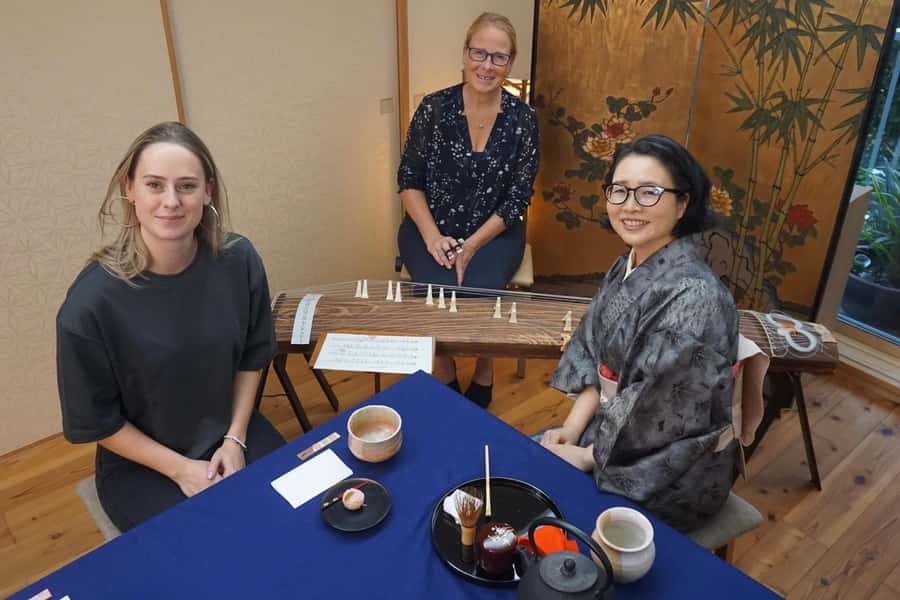
The setting is part of the appeal. You enter a private Japanese house rather than a museum room or a large commercial venue. Japanese décor, a garden view, a folding screen, and a traditional room help create the feeling of stepping into someone’s everyday world, with selected cultural details prepared for your visit.
That balance is important. You are not simply watching a formal performance from a distance. Noriko explains customs, answers questions, and adjusts the pace to the people in front of her. Several parts of the visit can become conversational, especially if you are curious about food, Japanese history, or daily life.
The home setting also comes with a few practical rules. Wear socks, since bare feet are not allowed. Leave strong fragrances at home, do not smoke indoors, and do not bring pets. The activity is not suitable for wheelchair users, children under four, or people with a cold.
More Tea Ceremonies in Japan:
- Kyoto: Tea Ceremony in a Traditional Tea House in Kiyomizu
★ 4.9 · 3,519 reviews - Kyoto: Tea Ceremony Ju-An at Jotokuji Temple
★ 4.9 · 3,207 reviews - Kyoto: 45-Minute Tea Ceremony Lesson Experience
★ 4.3 · 2,378 reviews
Finding the meeting point at Shin-Urayasu Station
The meeting point is on the second floor of JR Shin-Urayasu Station, beside the ticket gates. First look for the NewDays convenience store with its green sign. To the left is an automatic door leading to Blossom and Bouquet, the sandwich shop where Noriko waits.
This is a sensible meeting place because it is indoors, air-conditioned, and heated. If you arrive early, you can wait comfortably instead of searching around the station plaza. The station is on the JR Keiyo Line, about 20 minutes from Tokyo Station. It is also approximately 10 minutes from Disney Resort Maihama Station, making this a handy add-on to a Disney day.
I would not schedule this with a rushed park reservation or a train connection immediately afterward. The planned activities are clear, but the warm home atmosphere can lead to extra conversation and suggestions. One family even received help finding food after arriving directly from a flight, and visitors with a rental car had parking arranged because they gave advance notice. Do not count on those extras as guaranteed services, but do tell Noriko about practical needs before you arrive.
The activity ends back at the station meeting point. That makes the return simple, especially if you are heading back toward Tokyo, Maihama, or another stop on the Keiyo Line.
Tea ceremony with two cups of green tea
The tea portion begins with a demonstration. Noriko shows you how the utensils are handled, how the tea is prepared, and why the movements follow a set order. She also explains the cultural background instead of asking you to copy a series of gestures without context.
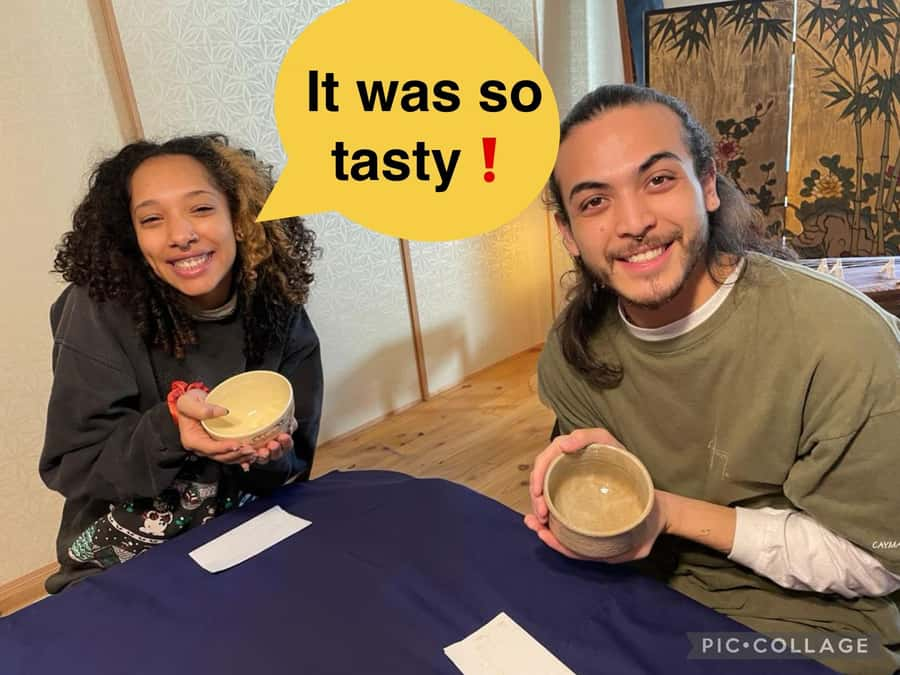
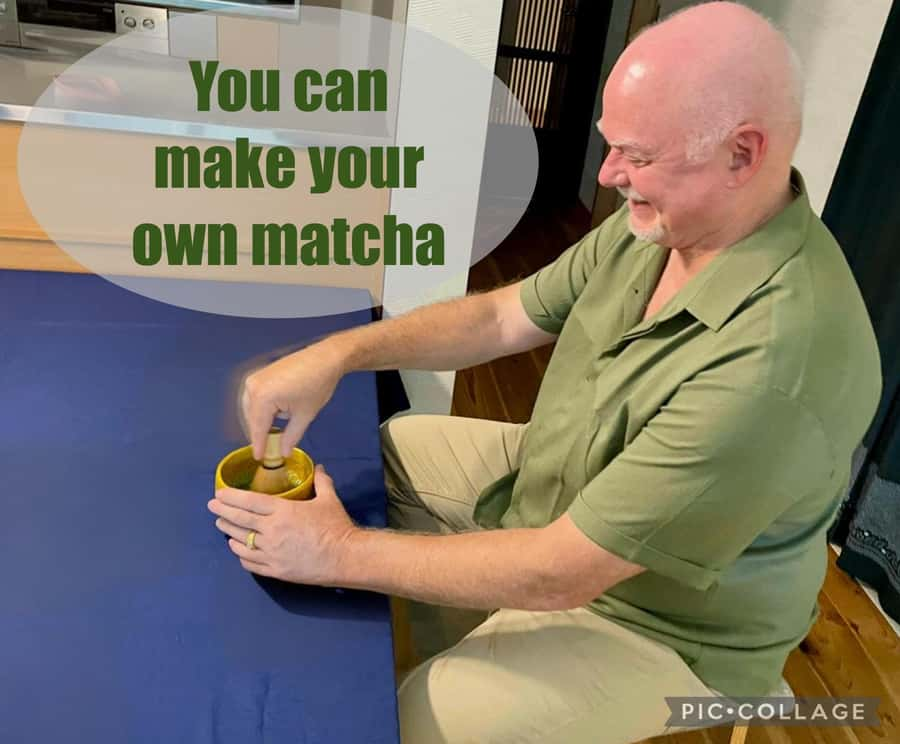
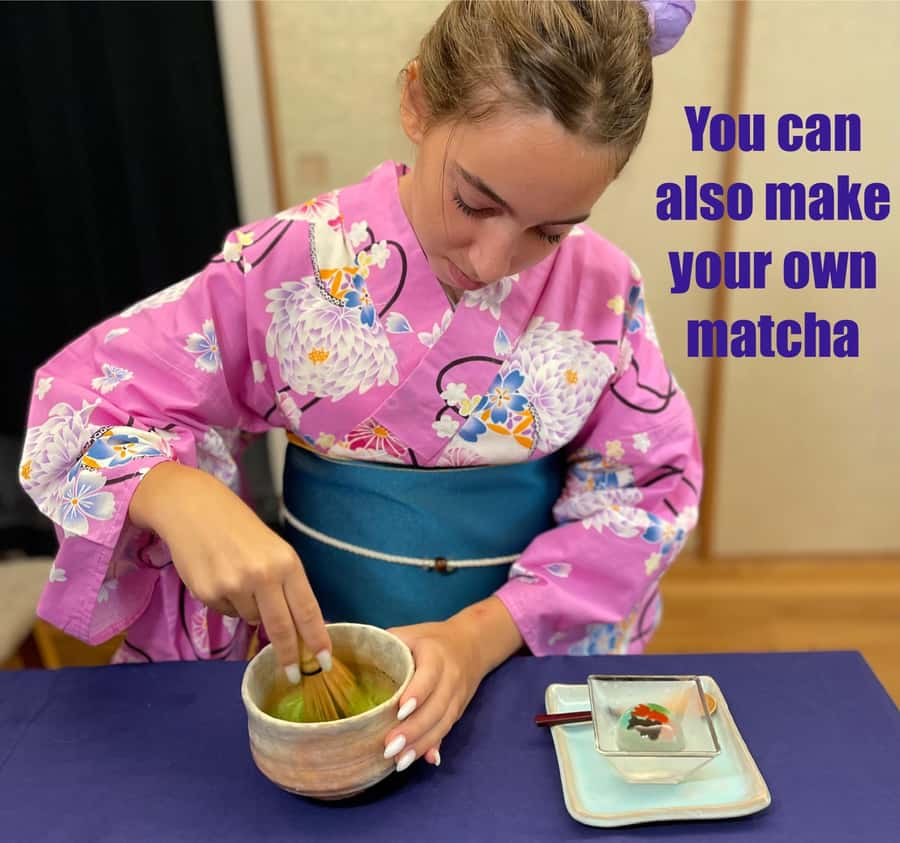
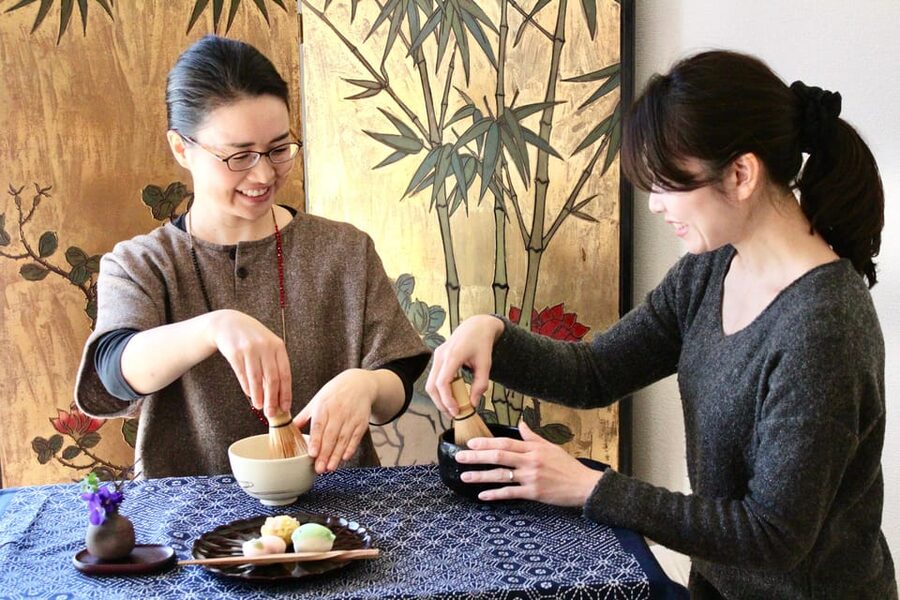
You then prepare your own tea with her guidance. This hands-on step makes the ceremony easier to understand. You notice the care given to the bowl, the whisk, the pace, and the presentation. You also get to choose from available tea bowls, adding a small personal choice to an otherwise formal tradition.
Two cups of green tea are served with traditional Japanese sweets. The sweets are seasonal wagashi, so the exact appearance and flavor can change. Their sweetness balances the bitterness of green tea, and their shapes often add to the visual side of the ceremony.
The ceremony is also a good chance to ask about Japanese customs. Noriko connects the process to history and everyday behavior, including the meaning behind different actions. The setting can feel calm and reflective, but it is not stiff. Her friendly style makes this suitable for first-time visitors who might otherwise worry about making a mistake.
Green tea contains caffeine, so keep that in mind if you are sensitive to it or planning a late evening. Tell Noriko about allergies, dietary restrictions, or specific food taboos ahead of time. She can prepare the sweets and refreshments with those needs in mind, but advance notice is important.
A private koto concert and your first lesson
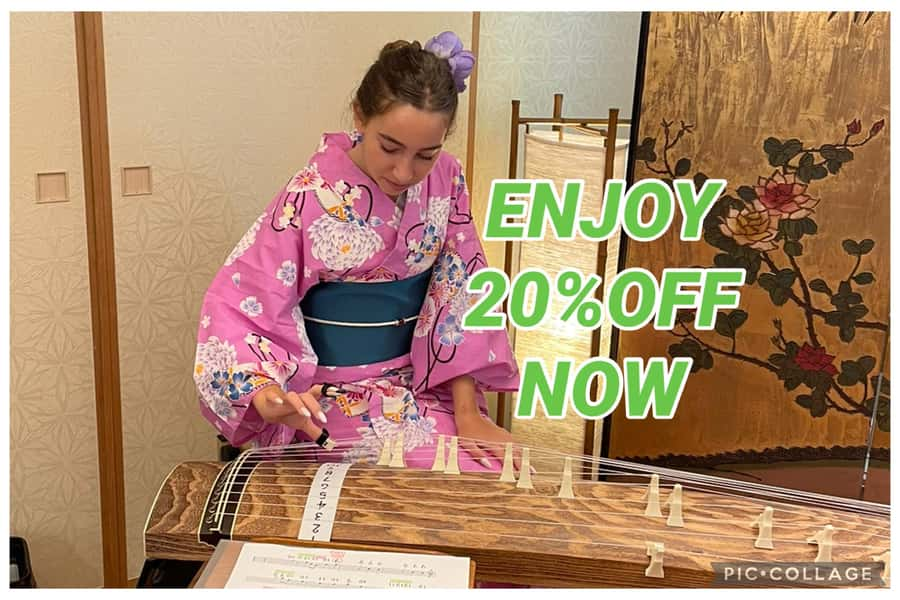
The second main part features the koto, a Japanese string instrument often described as a harp. This one is about two meters long and has 13 strings. Noriko plays three pieces, including the familiar Sakura, while dressed in a kimono and performing near a traditional folding screen.
The concert gives you a chance to hear the instrument properly before trying it. Its sound has a clear, delicate quality, and the visual setting adds to the sense of occasion. You are not being asked to sit through a long recital. The music is paired with explanation, so you learn what you are hearing and how the instrument works.
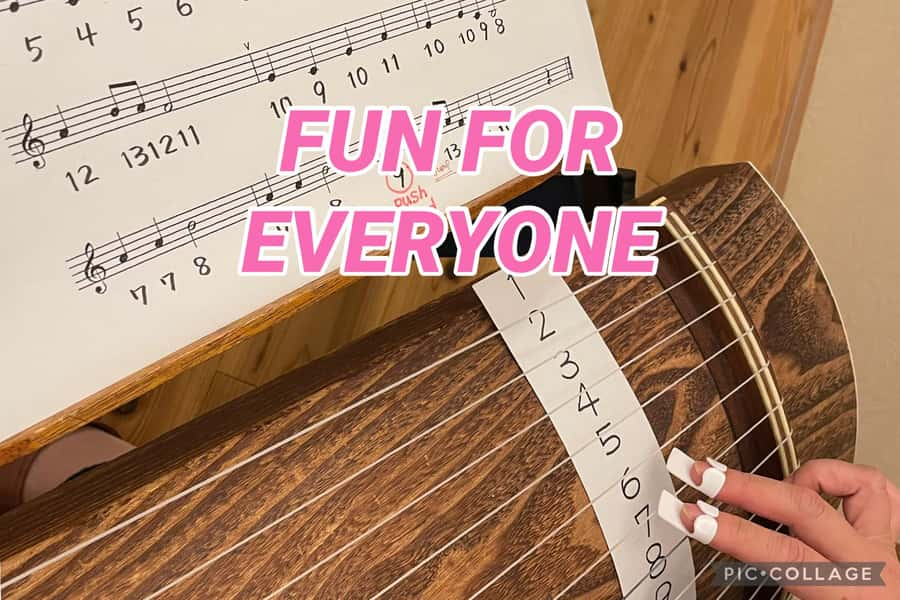
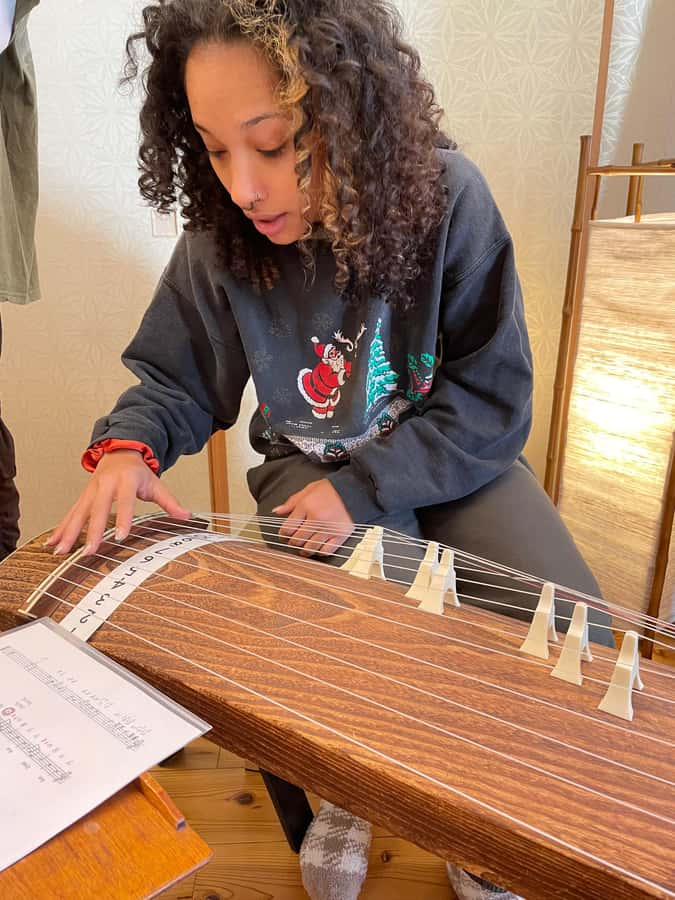
Then it is your turn. Noriko teaches you how to play Sakura on the koto. The lesson is designed for beginners, and the hands-on format means you do not need previous musical training. You may not leave as a concert performer, but you can produce part of a recognizable Japanese melody and understand the instrument better.
This is one of the strongest reasons to choose this activity over a standard cultural demonstration. You participate in both major sections. The tea ceremony asks you to prepare the drink, and the music session puts the instrument in your hands.
The music section can also be a nice choice for families with older children, couples, and anyone who likes a clear activity rather than a lecture. Very young children may not be a good match, and the experience is officially unsuitable for children under four.
More tea experiences around Japan if you are still choosing
- World Heritage Kyoto & Nara Uji Authentic Matcha Experience
★ 5.0 · 1,573 reviews - Osaka: Tea Ceremony Experience
★ 4.9 · 1,426 reviews - Kyoto: Table-Style Tea Ceremony at a Kyo-Machiya
★ 4.9 · 1,211 reviews - Kanazawa: Kenrokuen Tea Ceremony Experience
★ 4.8 · 1,139 reviews
Optional yukata dressing and photographs
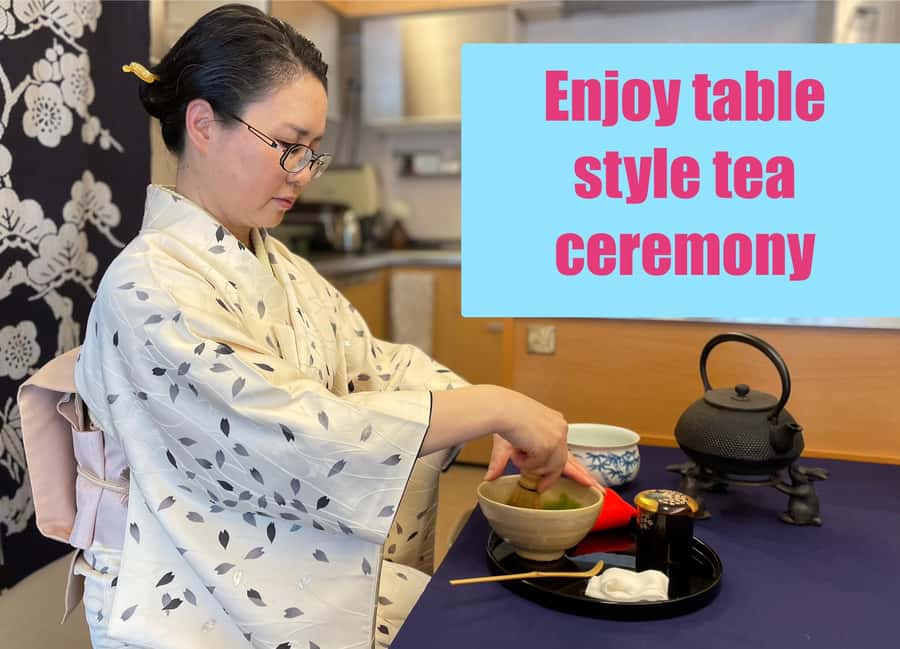
You can add cotton yukata dressing for 3,500 JPY per person, paid on-site. Request this in advance and provide your height so the host can prepare properly.
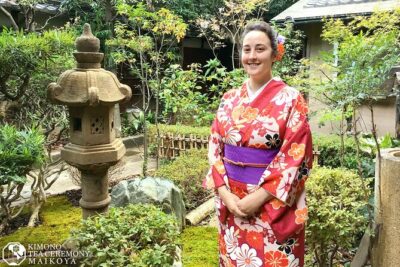
A yukata is lighter and more casual than a formal kimono. Wearing one changes the way you move through the visit, and Noriko also explains how to behave while dressed in traditional clothing. The added session can include photographs, giving you a keepsake from the home setting rather than a quick costume rental at a busy attraction.
The extra cost is reasonable if photographs and clothing are a major part of your Japan plans. If your priority is tea and music, the base experience already includes plenty to do, so the yukata is an optional enhancement rather than a necessary add-on.
You should also plan your clothing with the visit in mind. Socks are required, and comfortable clothes will make changing and sitting easier. Bare feet are not permitted.
What the 66 dollar price delivers
At 66 dollars per person, the experience costs more than a simple tea served in a café, but it includes several connected activities. You receive a private home visit, a guided tea ceremony, two cups of green tea, seasonal wagashi, a three-piece koto performance, and a beginner koto lesson.
The value comes from the access and the attention. A public demonstration may show you the ceremony or the instrument, but here you can ask questions throughout and handle the tools and koto under guidance. You also get a direct introduction to a local host, rather than a presentation designed for a large crowd.
The price looks especially fair if you are already near Disney Resort or Tokyo Station. The short train ride and four-minute walk keep transportation costs and planning time modest. The experience can fill a cultural gap in a Disney-focused itinerary without requiring a full day away from the area.
Still, you should know what you are paying for. This is not a broad tour of Tokyo, a meal-centered cooking class, or a formal theater concert. The value is strongest for someone who wants personal contact, cultural explanation, and a chance to try traditional arts.
Some additional food or cooking may be offered in the home, such as okonomiyaki, but do not book expecting that to be a guaranteed part of the standard program. The confirmed core is tea, wagashi, koto music, and the koto lesson.
Timing, language, and the right pace
The experience is offered in English and Japanese. Noriko’s role is more than demonstration. She explains the history of tea, the meaning of the ceremony, and details about Japanese life. Her easygoing manner suits people who want to talk, not just follow instructions.
Allow extra time around the activity. The scheduled components may be straightforward, but the home visit can become a longer conversation. You might receive recommendations for food and places to see, and you may want time for photographs, especially if you add the yukata.
I would place this near the beginning of a Japan trip if you enjoy local advice. The host can help you think about food and sightseeing choices after the visit. It also works well during a Disney stay, when you want a quieter cultural afternoon or evening away from the crowds.
The activity is not suitable for someone who needs wheelchair access. It may also be uncomfortable if you have a cold, since the setting is a private home. The no-pets, no-smoking, no-strong-fragrance rules are simple, but follow them carefully out of respect for the household.
Who will enjoy this most
I recommend this experience for you if you want:
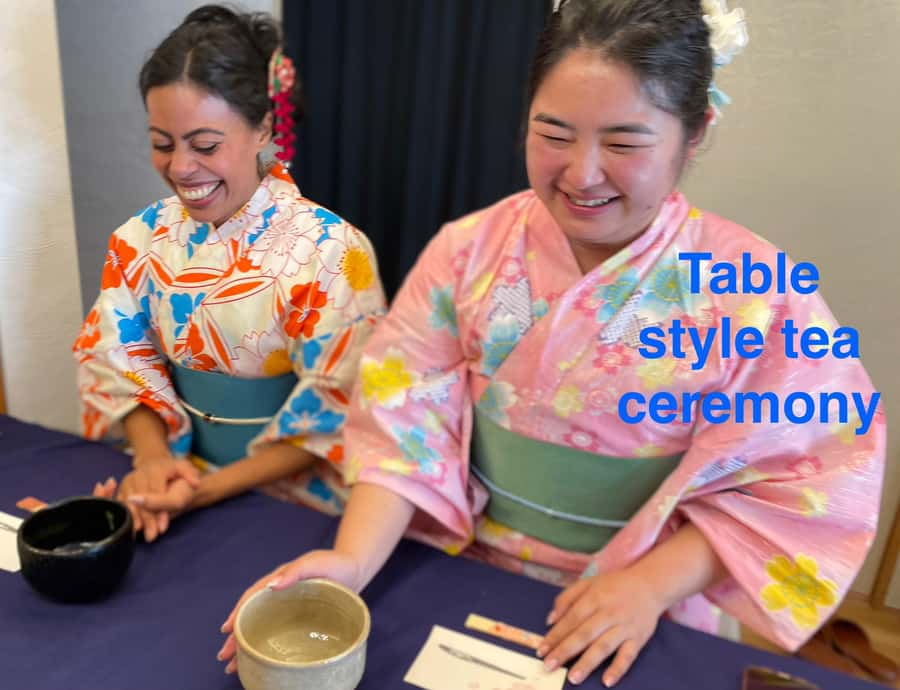
- A personal introduction to Japanese customs in a home setting
- A calm cultural activity near Tokyo Disney Resort
- Hands-on participation rather than watching from the sidelines
- Seasonal sweets and green tea
- A beginner music lesson with a memorable instrument
- Time to ask questions about Japanese history and daily life
- An optional yukata experience without booking a separate studio
It is less suitable if you want a fast, tightly timed attraction, a full Japanese meal, or a large theatrical performance. It may also be too quiet for children who need constant movement.
The private format works particularly well for couples, small families, solo visitors, and friends who want to share an unusual afternoon. If you are nervous about cultural etiquette, that is not a reason to avoid it. Noriko guides you through each step and explains what the actions mean.
Practical details before you go
Bring a camera if photographs matter to you. Wear socks, since you will be entering a home and bare feet are not allowed.
Tell Noriko in advance about allergies, dietary restrictions, or food taboos. This matters for the wagashi and refreshments. Also mention if you want the optional yukata, along with your height.
The green tea contains caffeine. The activity is available in English and Japanese, and it ends where you met at Shin-Urayasu Station. You can reserve now and pay later, and cancellation is allowed up to 24 hours before the activity for a full refund.
The current price is 66 dollars per person, with the cotton yukata costing an additional 3,500 JPY per person. Since the activity takes place in a private home, advance communication is especially useful for dietary needs, parking questions, and the clothing option.
Should you book this Japanese home experience?
Book it if you want a personal, low-key cultural encounter near Disney, especially if you like learning by doing. The best parts are the two-way nature of the visit: you prepare tea rather than simply watch it, and you play Sakura rather than only hear a koto recital.
The price makes sense for the combination of host time, private setting, sweets, music, and instruction. Just leave room in your schedule, follow the household rules, and do not expect a standard sightseeing tour or guaranteed extra cooking. For a first taste of tea ceremony and traditional music, this is a friendly and practical choice.
FAQ
Where does the activity meet?
Meet Noriko on the second floor of JR Shin-Urayasu Station, JE08, in front of the Blossom and Bouquet sandwich shop beside the ticket gates. Look for the NewDays convenience store with a green sign and the automatic door beside it.
How far is Shin-Urayasu Station from Tokyo?
Shin-Urayasu Station is about 20 minutes from Tokyo Station on the JR Keiyo Line.
How close is the experience to Disney Resort?
The experience is about 10 minutes from Disney Resort Maihama Station by train, followed by a walk of about four minutes from Shin-Urayasu Station to the home.
What is included in the tea ceremony?
You receive a demonstration and explanation, then prepare your own tea with guidance. The experience includes two cups of green tea and traditional Japanese sweets.
Can I play the koto?
Yes. After a private concert of three Japanese pieces, including Sakura, you can learn and play the song on a 13-string, two-meter-long koto.
Is the yukata included?
No. Cotton yukata dressing costs an additional 3,500 JPY per person, payable on-site. Request it in advance and provide your height.
What should I bring and what restrictions apply?
Bring a camera and wear socks. Pets, indoor smoking, strong fragrances, and bare feet are not allowed. The activity is not suitable for children under four, wheelchair users, or people with a cold.
Fresh tea listings around Japan
- Yokohama : Tea Ceremony with Sweets and Souvenir★ 5.0 · 5 reviews
- Walking Tour: Yanaka,Nezu& Sendagi: Tea Ceremony & Old Tokyo★ 5.0 · 3 reviews
- Yokohama: Sushi & Gyoza Cooking with Matcha & GreenTea Experience★ 5.0 · 3 reviews
- Trip to Kamakura & Enoshima: Shrines, Seaside, Temples &Tea★ 5.0 · 11 reviews
- Uji: Private immersion into Kyoto’s tea and reglious culture★ 5.0 · 17 reviews
- Uji Tea Ceremony and UNESCO Heritage Walking Tour★ 5.0 · 20 reviews
- Kyoto tea town for matcha lovers★ 5.0 · 16 reviews
- Kyoto Matcha Green Tea Tour★ 4.5 · 23 reviews
Tea Ceremony Experiences, compared.
Kyoto: Tea Ceremony in a Traditional Tea House in Kiyomizu
Read our review →
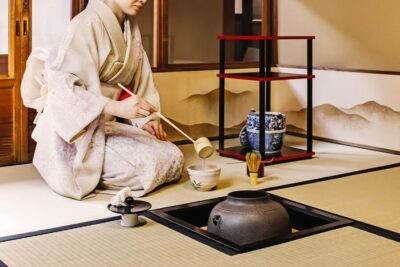
Kyoto: 45-Minute Tea Ceremony Lesson Experience
Read our review →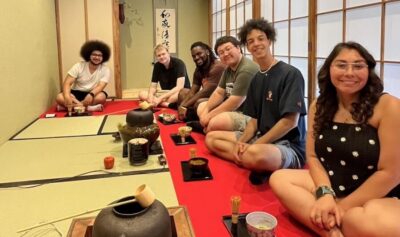
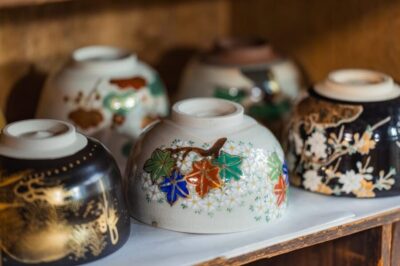
Kyoto: Table-Style Tea Ceremony at a Kyo-Machiya
Read our review →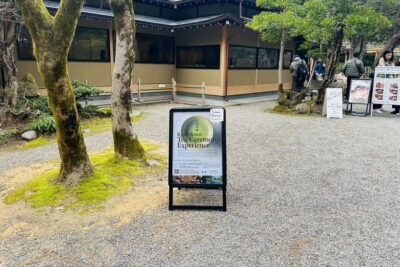
Browse the lists this tour appears in