
Review · JAPAN TEA TOURS
Trip to Kamakura & Enoshima: Shrines, Seaside, Temples &Tea
The most unusual part of this day is not simply seeing Kamakura’s Great Buddha, but being able to step inside the statue. Add a quiet matcha experience beside bamboo, koi feeding at a shrine, and a ride on the old-fashioned Enoden railway, and you get a full day that feels far removed from Tokyo.
I like the way the tour mixes hands-on moments with major sights. Feeding koi and tasting wasanbon sweet give you more to remember than a quick photo stop, while the Enoden ride and walk along the coast show you how Kamakura and Enoshima fit together. I also like that guides such as Naoto, Beth, Jade, and Jeff have been praised for clear explanations and helpful food suggestions.
The main drawback is the pace. This is a long day with several hours on foot, public transport, stairs, and outdoor walking. At $150 per person, it offers solid value if you want transport, admissions, and a guide handled for you, but independent visitors who already know the area may prefer a cheaper self-guided day.
Key points at a glance
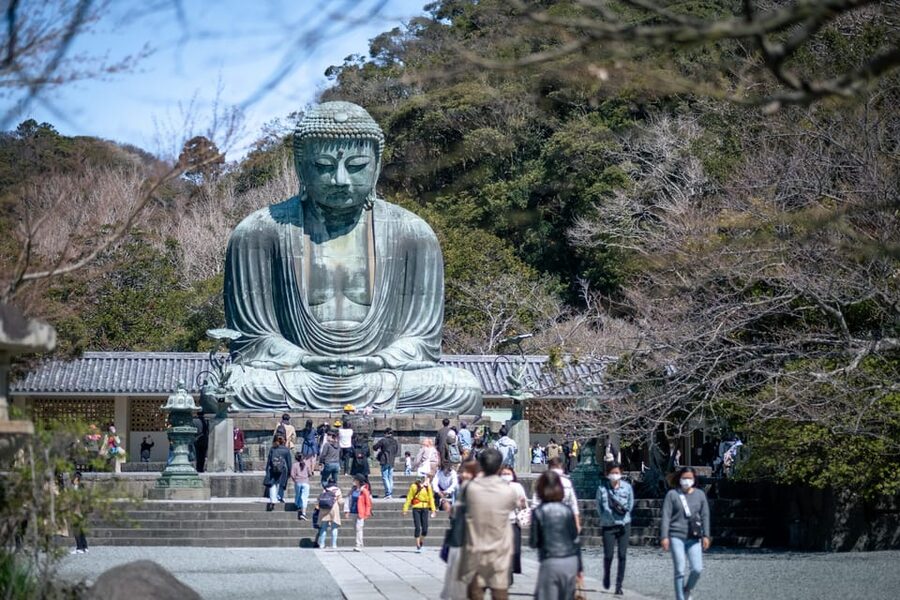
- Step inside the Great Buddha: Kōtoku-in admission includes the rare chance to enter the famous bronze statue.
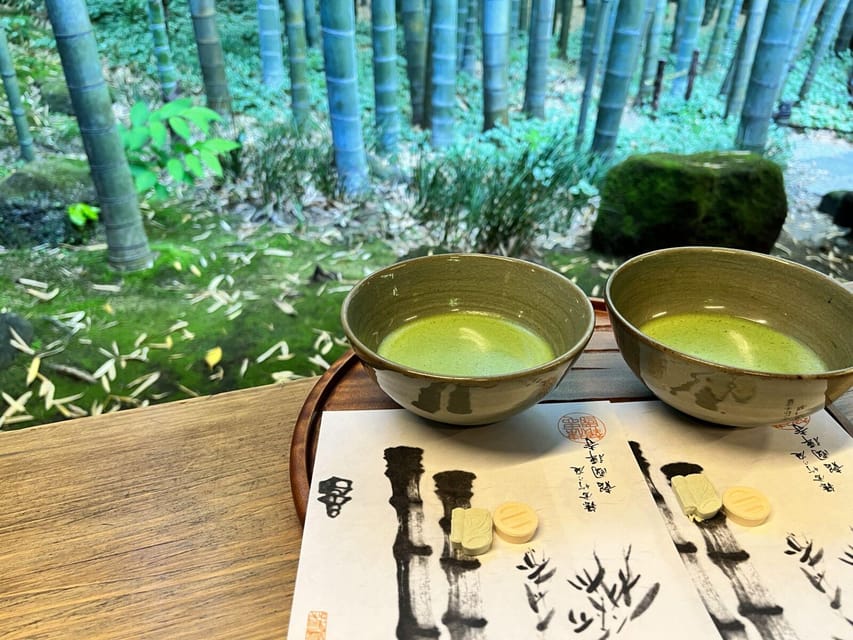
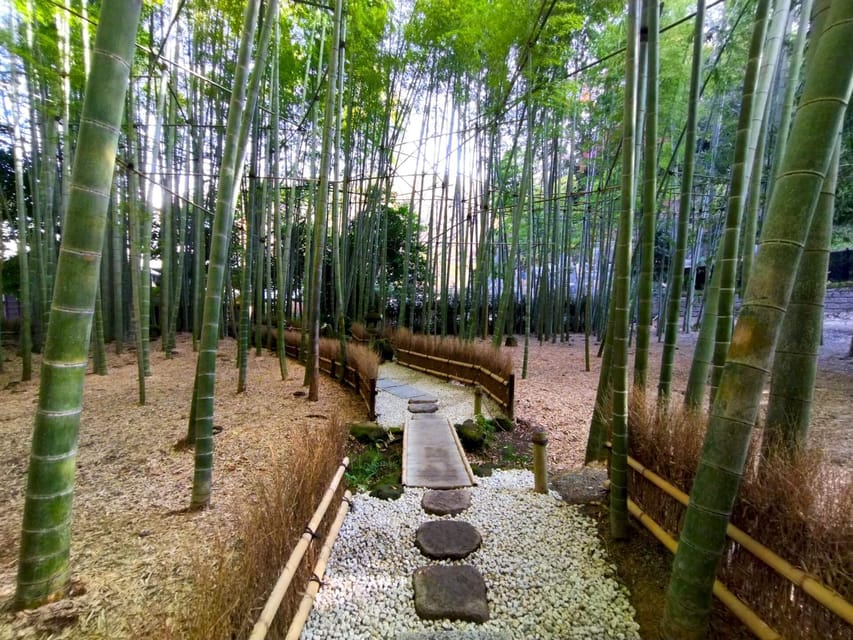
- Sip matcha by bamboo: Hokokuji combines a peaceful garden, bamboo grove, temple history, and a traditional sweet.
- Ride the Enoden railway: The small local train runs through Kamakura and along the shore toward Enoshima.
- Feed koi at Shirahata Shrine: This simple activity adds a personal touch to the shrine visit.
- Use the Enoshima escalators: Admission includes the island escalators and observatory, useful after a full day of walking.
- Plan for a long day: The tour leaves Shinjuku at 8:00 a.m. and returns there after an active day outdoors.
Why this Kamakura and Enoshima day works
Kamakura is one of the best day trips from Tokyo if you want temples, shrines, traditional streets, and the sea in one outing. Enoshima adds a coastal finish, with island views and the possibility of seeing Mount Fuji on a clear day.
What makes this tour useful is the way it joins several sights that can feel scattered when you visit alone. You do not have to work out the transfer from Shinjuku to Fujisawa, the Enoden railway, the walk between the sights, or the return route from Enoshima.
The experience also has a good mix of quiet and busy moments. Hokokuji gives you a calm start, Kamakura’s shopping streets bring food and activity, Kōtoku-in supplies the big landmark, and Enoshima finishes the day with open views. That variety helps the long schedule feel less repetitive.
Still, this is not a slow temple retreat. You will move from place to place, keep an eye on meeting times, and spend much of the day outside. I would choose it for a first visit to Kamakura, especially if you want context and company rather than a loose list of sights.
More tea experiences around Japan if you are still choosing
- Kyoto: Tea Ceremony in a Traditional Tea House in Kiyomizu
★ 4.9 · 3,519 reviews - Kyoto: Tea Ceremony Ju-An at Jotokuji Temple
★ 4.9 · 3,207 reviews - Kyoto: 45-Minute Tea Ceremony Lesson Experience
★ 4.3 · 2,378 reviews
Meeting your guide at Shinjuku South Gate
The day begins at 8:00 a.m. outside Shinjuku Station’s South Gate, by the Green Window ticket office, also called midori no madoguchi. Look for the guide holding a Snow Monkey Resorts sign.
Shinjuku Station is large, so allow enough time to reach the South Gate. The starting point is specific, and you do not want to begin a full day trip by rushing through the station.
From there, the group takes a train toward Fujisawa. The journey is described as roughly 60 minutes, while the detailed schedule allows about 85 minutes for the train portion. Public transport times can shift with crowds and delays, so treat the morning timing as an estimate rather than a guarantee.
Your English-speaking guide escorts you through the first connections. Guides named Naoto, Beth, Jade, and Jeff have led this experience at different times. The tone can vary by guide, but the important advantage is having someone explain the customs and places as you go.
The Enoden ride begins the sightseeing
At Fujisawa, you board the Enoden, the small local railway used to reach Kamakura. The train is part of the experience, not just a way to get there. Its retro feel and route through ordinary streets toward the coast give you an early look at the area outside Tokyo’s high-rise center.
This is one of the day’s most appealing transitions. You are not sealed inside a tourist coach. Instead, you see bits of local life through the train windows and watch the setting change from city railways to Kamakura streets and seaside views.
The tour then reaches Kamakura Station and begins walking. The first walk takes about 30 minutes, following a river and passing traditional houses. Wear shoes that are comfortable for steady walking, not just shoes chosen for temple photographs.
Hokokuji and its bamboo grove
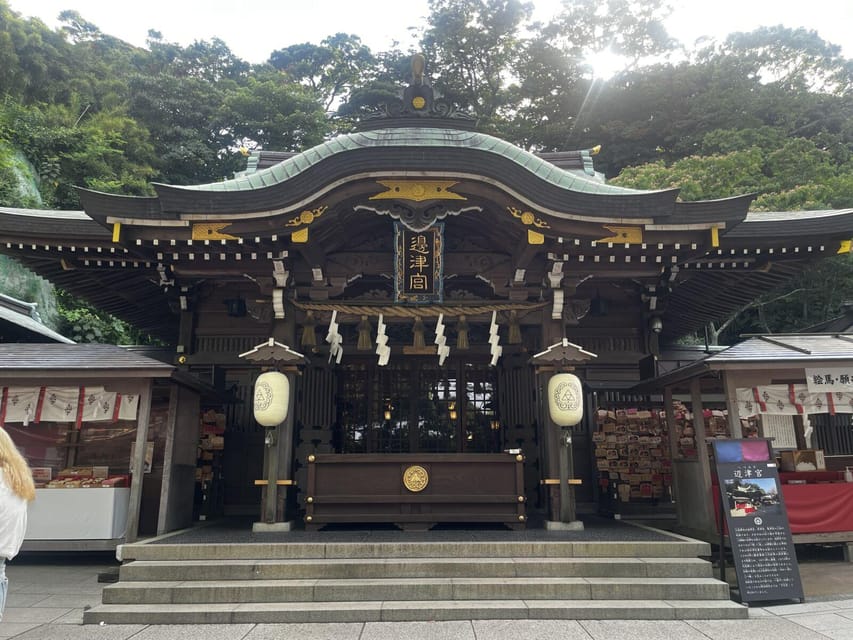
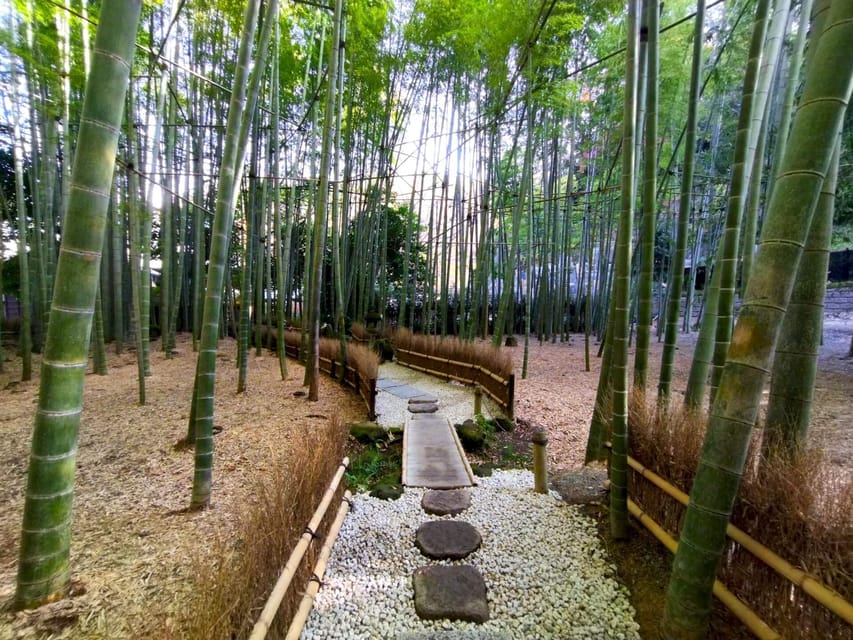
Hokokuji is a strong first stop because it offers several experiences in one place. You walk among bamboo, see temple grounds and statues, and learn why the site matters from your guide.
The bamboo grove is compact rather than a full-day attraction, which makes the guided visit work well. Your guide can point out details you might otherwise pass without understanding, then give you time to take in the quiet setting.
The temple’s tea house looks over the bamboo area. Here you receive matcha and wasanbon, a traditional Japanese sweet. This is not presented as a full formal tea ceremony, so set your expectations accordingly. It is a chance to learn about Japanese tea culture while sitting in a setting that makes the drink feel connected to the place.
I especially like this part for first-time visitors. Matcha can taste strong and bitter if you have not tried it before, while the sweet provides a traditional contrast. The experience gives you a small cultural lesson without requiring the time or ceremony of a longer tea program.
Plan on about an hour for the temple visit and another hour for the tea experience as shown in the schedule. Exact timing may shift, so you should listen carefully for the next meeting point.
Same city, a very different cup:
- World Heritage Kyoto & Nara Uji Authentic Matcha Experience
★ 5.0 · 1,573 reviews - Osaka: Tea Ceremony Experience
★ 4.9 · 1,426 reviews - Kyoto: Table-Style Tea Ceremony at a Kyo-Machiya
★ 4.9 · 1,211 reviews - Kanazawa: Kenrokuen Tea Ceremony Experience
★ 4.8 · 1,139 reviews
Shirahata Shrine and a hands-on pond visit
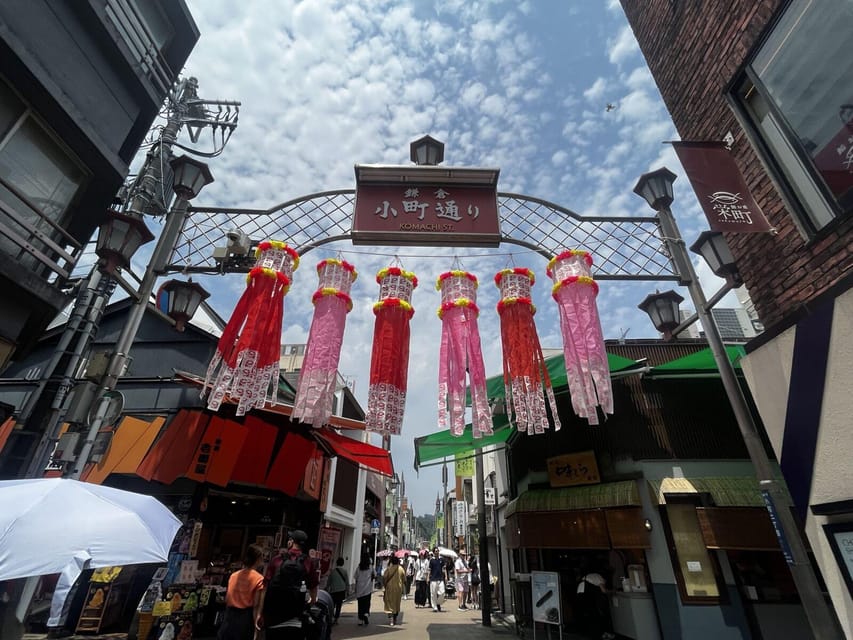
After Hokokuji, you walk about 20 minutes back toward central Kamakura and visit Shirahata Shrine. The approach gives you another look at the town instead of moving directly by vehicle from one attraction to the next.
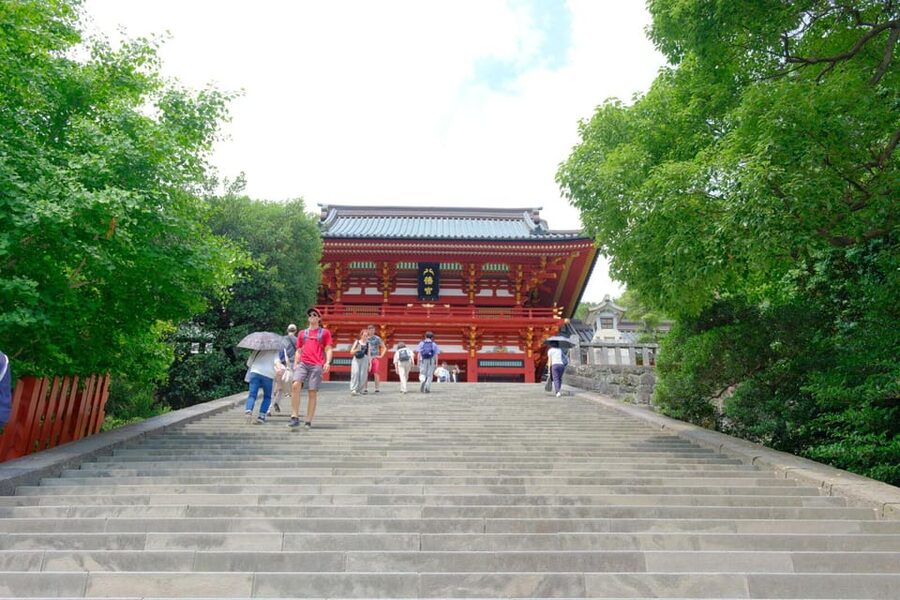
The shrine is known for its large red torii gate, bridges, and shrine grounds. You spend about 30 minutes learning about its background, then feed the resident koi in the pond.
The koi feeding is a small activity, but it changes the rhythm of the visit. You are not only looking at a gate or taking a picture. You are interacting with part of the garden setting, and it is a particularly easy moment for families to enjoy.
The stop is short, so do not expect a long shrine exploration. Its value comes from the explanation, the pond, and the contrast with Hokokuji’s bamboo and tea. If you are interested in religious architecture above all else, the limited time may feel brief.
Kamakura lunch and street food
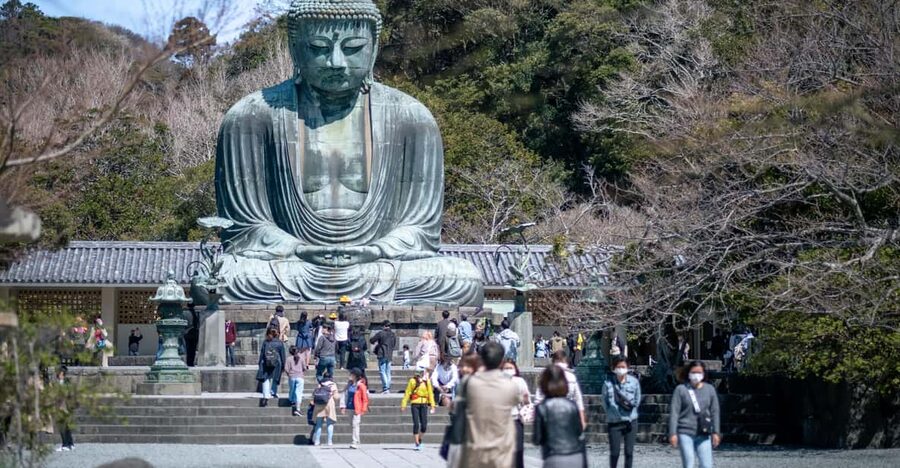
A short walk brings you to Kamakura’s main shopping and eating area. Your guide introduces the district and points out local foods to try, then you have about an hour of free time for lunch, snacks, and souvenirs.
This is a useful arrangement because the group does not force everyone into one restaurant. You can choose what suits your appetite and budget. The tour price does not include lunch or extra drinks, so this is the part of the day where you pay directly for what you want.
I would use the guide’s recommendations, then keep an eye on the clock. Kamakura is a good place for street food, and one review specifically praised the wide choice available. That variety is a plus, but it can also make an hour pass quickly.
Do not plan a long sit-down meal unless your guide confirms there is enough time. You still need to reach Kōtoku-in and later catch the Enoden to Enoshima.
Entering the Great Buddha at Kōtoku-in
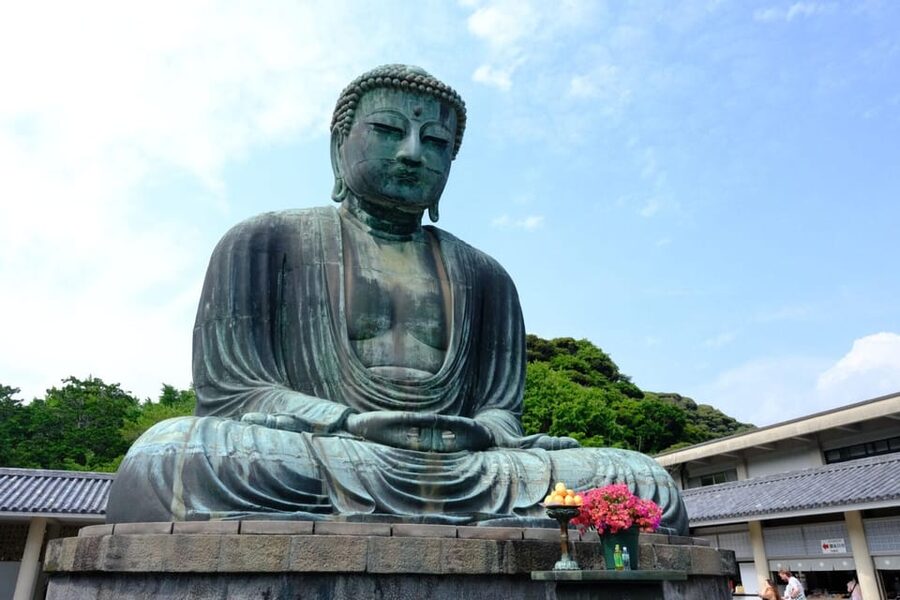
Kōtoku-in contains Kamakura’s most famous sight, the Great Buddha. The bronze figure is impressive from outside, but this tour includes admission to go inside the statue, which makes the visit more than a standard photo stop.
You will have about 30 minutes here, including the guided explanation. The time is enough to understand the scale and importance of the statue, enter it, and take photographs, but it is not an unhurried museum visit.
For many people, this will be the day’s main landmark. Kamakura is strongly associated with the Great Buddha, and seeing the interior gives you a physical sense of how the statue was made and assembled. The outside view is the classic one, but the inside is the detail you might miss if you came independently and skipped the extra admission.
The short schedule is worth noting. If you like lingering at major monuments, you may wish for more time. On the other hand, the tour still has Enoshima ahead, and the compact visit keeps the whole day moving.
Enoden to Enoshima and the coastal walk
From Kōtoku-in, you walk about five minutes to Hase Station and board the Enoden again. The train ride to Enoshima takes roughly 23 to 25 minutes.
This second rail segment is one of the reasons I would not describe the tour as a simple temple circuit. You see how the local railway connects the inland temple area with the coast, and the change of setting gives the afternoon a fresh start.
After arriving, the group walks along the coastline. The shore offers some of the best views back toward Enoshima Island, and on very clear days you may see Mount Fuji. That sight depends on weather, so treat it as a bonus rather than a promise.
The seaside walk is relaxing in theory, but remember that you have already been walking since morning. Comfortable footwear and protection from sun or rain matter here. The tour runs in changing weather, and an umbrella or raincoat is sensible if the forecast calls for it.
Enoshima Island, shrine, and observatory
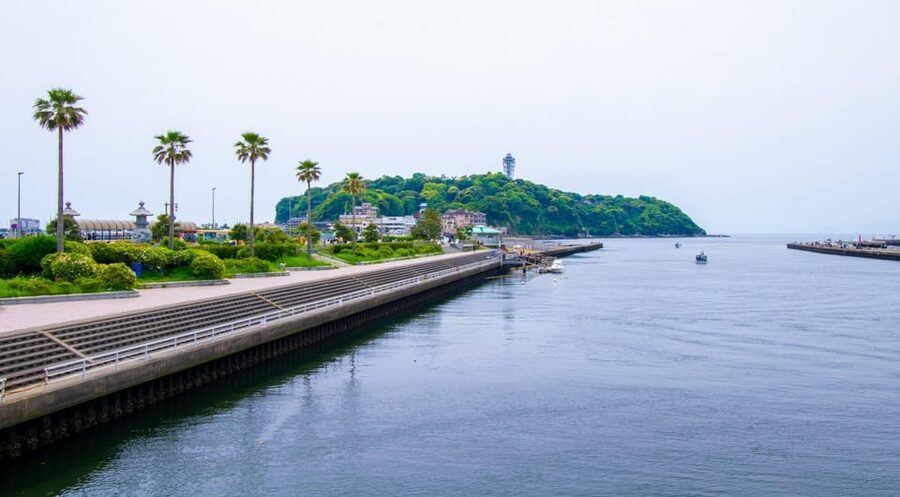
Enoshima is the final major stop, with about an hour and a half for a guided visit and hiking. The island combines shrine buildings, views, and uphill movement, so this is where the physical demand of the day becomes most noticeable.
Admission includes the Enoshima escalators and observatory. The escalators are especially useful because they reduce some of the uphill effort, though you should still expect walking around the island and its shrine areas.
At the top, the observatory provides wide views over the coast and surrounding area. The view is the payoff for saving energy through the earlier parts of the day. If the weather is clear, the coast feels open and spacious after the tighter streets and temple grounds of Kamakura.
Depending on the season, you may catch sunset while leaving Enoshima. The timing is not guaranteed, but it is a pleasant possible finish. You then walk back to Katase Enoshima Station, take a train to Fujisawa, and board the train back toward Shinjuku. The return journey can take about an hour and a half, so expect to arrive back at the original meeting area in the evening.
What the $150 price covers
At $150 per person, this is not the cheapest way to see Kamakura. The price makes more sense when you count what is included: the Enoshima Kamakura Freepass for the tour’s transport, Hokokuji admission, the matcha and sweet experience, koi feeding, Kōtoku-in admission, entry inside the Great Buddha, Enoshima escalators, the observatory, and an English-speaking guide.
You still pay for lunch, drinks, and transport before the tour begins and after it ends. That distinction matters. If you are comparing the tour with an independent day, calculate your own train fares and admission fees, then add the value of the guide’s route planning and explanations.
I see the strongest value for visitors on a first Japan trip, people uneasy about navigating several rail connections, and anyone who wants to cover both Kamakura and Enoshima in one day. If you already understand the railway system and prefer to spend two hours at one temple, the fixed schedule may not suit you.
The free cancellation period is 24 hours before departure, and you can reserve now and pay later. Those terms help if your Tokyo plans are still shifting, but the main decision is physical: can you handle a full day of walking, stairs, trains, and outdoor stops?
Who should book this day trip
You should consider this tour if you want:
- A first introduction to Kamakura’s temples, shrine culture, Great Buddha, and food streets
- A guide to explain Japanese customs and local history in English
- A planned route that links Kamakura with Enoshima
- A mix of quiet gardens, hands-on activities, rail travel, and coastal views
- Help with transport while still receiving free time for lunch
You may want to skip it if you dislike early starts, group schedules, or long walks. It is also less suitable if you have already visited Kamakura several times and would rather explore one neighborhood at your own pace.
The guide can make a real difference. Naoto has been singled out for taking time with questions and explaining details, while Beth has been praised for small groups, personal attention, and lunch recommendations. Jade and Jeff have also led enjoyable days, with Jeff noted for explaining Japanese customs even though he was not Japanese. Guide assignments can change, so book for the route and structure rather than expecting a particular person.
Final decision: a strong first Kamakura day
I would book this tour if Kamakura and Enoshima are high on your Tokyo list and you want the day organized for you. The best parts are specific and memorable: matcha beside bamboo, koi at Shirahata Shrine, the interior of the Great Buddha, the Enoden railway, and the view from Enoshima.
I would not book it expecting a relaxed spa-like outing. The schedule is full, lunch is not included, weather affects the coastal views, and the return to Shinjuku makes this a long day. But if you wear good shoes, carry rain protection, and accept the pace, $150 buys a well-connected introduction to two of the most rewarding places outside Tokyo.
FAQ
Where does the tour begin?
The tour begins at 8:00 a.m. outside Shinjuku Station’s South Gate, by the Green Window ticket office, also called midori no madoguchi. Look for the guide holding a Snow Monkey Resorts sign.
How long does the tour last?
It is a one-day tour. The group leaves Shinjuku in the morning and returns to the Green Window meeting area after visiting Kamakura and Enoshima.
Is transport included?
Yes. The Enoshima Kamakura Freepass covers the tour’s planned transport. Trains and transport before the tour starts and after it ends are not included.
Is lunch included?
No. You receive free time for lunch in Kamakura, but you pay separately for food and drinks. Your guide can recommend local dishes and places to try.
What admissions are included?
The price includes Hokokuji Bamboo Temple admission, the matcha and wasanbon experience, koi feeding, Kōtoku-in admission, entry inside the Great Buddha, Enoshima’s escalators, and the observatory.
How much walking is involved?
The tour involves several hours of outdoor walking, including the route to Hokokuji, the walk back toward central Kamakura, the coastal walk, and hiking around Enoshima. Comfortable shoes and easy-to-walk-in clothing are recommended.
Is the tour conducted in English?
Yes. The tour has a live English-speaking guide. Guides can vary, with Naoto, Beth, Jade, and Jeff among those who have led the experience.
Fresh tea listings around Japan
- Yokohama : Tea Ceremony with Sweets and Souvenir★ 5.0 · 5 reviews
- Walking Tour: Yanaka,Nezu& Sendagi: Tea Ceremony & Old Tokyo★ 5.0 · 3 reviews
- Visit local home for music and tea ceremony near Disney★ 4.9 · 13 reviews
- Yokohama: Sushi & Gyoza Cooking with Matcha & GreenTea Experience★ 5.0 · 3 reviews
- Uji: Private immersion into Kyoto’s tea and reglious culture★ 5.0 · 17 reviews
- Uji Tea Ceremony and UNESCO Heritage Walking Tour★ 5.0 · 20 reviews
- Kyoto tea town for matcha lovers★ 5.0 · 16 reviews
- Kyoto Matcha Green Tea Tour★ 4.5 · 23 reviews
Japan Tea Tours, compared.
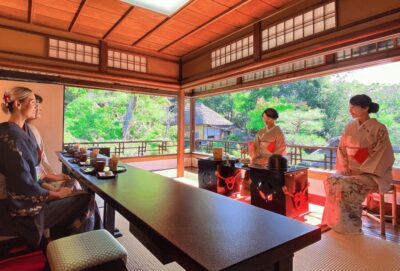
Kyoto: Tea Ceremony in a Traditional Tea House in Kiyomizu
Read our review →
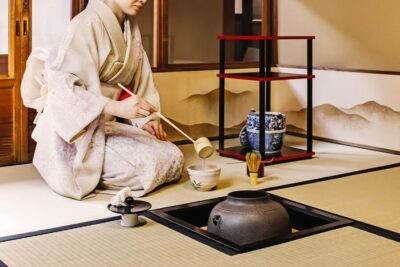
Kyoto: 45-Minute Tea Ceremony Lesson Experience
Read our review →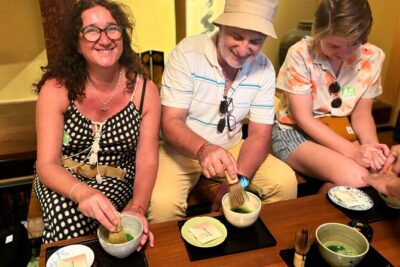
World Heritage Kyoto & Nara Uji Authentic Matcha Experience
Read our review →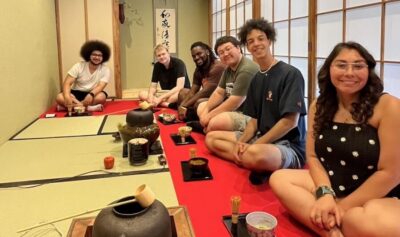
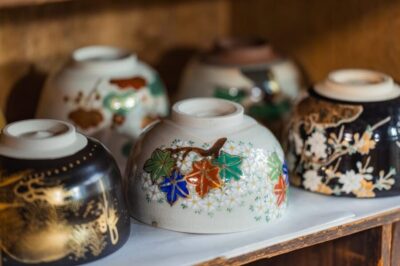
Kyoto: Table-Style Tea Ceremony at a Kyo-Machiya
Read our review →
Browse the lists this tour appears in