
Review · MATCHA EXPERIENCES
Yokohama: Sushi & Gyoza Cooking with Matcha Experience
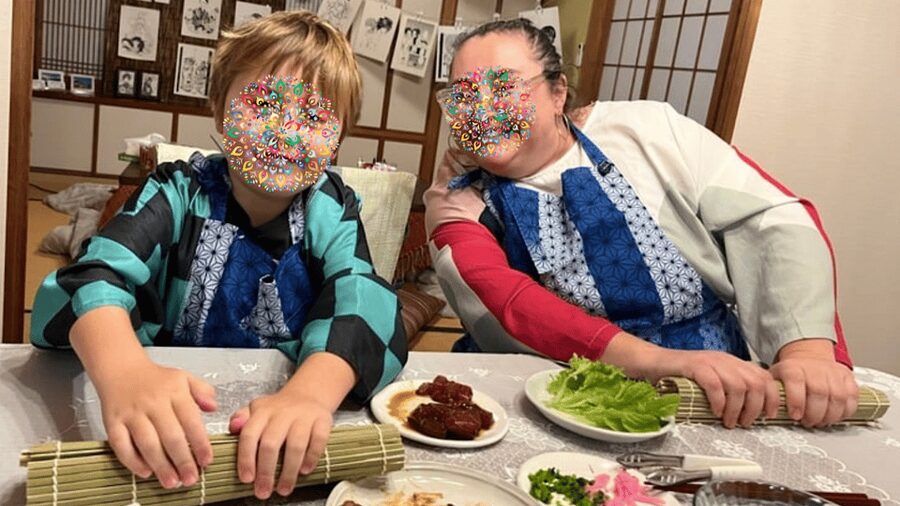
The most appealing part of this Yokohama activity is the mix of home-style culture and hands-on cooking. You begin in a traditional tatami room, choose a tea, manga, or relaxation session, then move to the kitchen to make sushi rolls and gyoza with host Yuka. It feels more personal than a standard restaurant meal.
I like the calm first hour and the useful second half. You can learn how matcha is prepared, try a creamy matcha latte, or draw manga characters with authentic tools before sitting down to eat what you made. The main consideration is that the activity is not suitable for wheelchair users or people with food allergies.
Key points to know before booking
- Three ways to begin: Choose matcha and green tea, manga-style drawing, or a quiet hour with tea and Japanese sweets.
- Two Japanese staples: Make your own sushi rolls and handmade gyoza, then eat the finished meal.
- A personal host: Yuka leads the session in English and also offers practical help with other parts of your Japan trip.
- Traditional setting: The opening hour takes place in a tatami tea room inside a Japanese home.
- Good value at $81: Tea, sweets, ingredients, cooking instruction, drinks, and the meal are included.
- Plan for floor sitting: Comfortable clothes are recommended, and wheelchair access is not available.
A Japanese home setting in Yokohama
This activity gives you a look at daily Japanese culture without asking you to spend a full day at a formal cultural attraction. You meet in front of a ticket gate, then begin the activity in a traditional home in Yokohama. Transportation to and from the meeting point is not included, so you need to arrange your own way there.
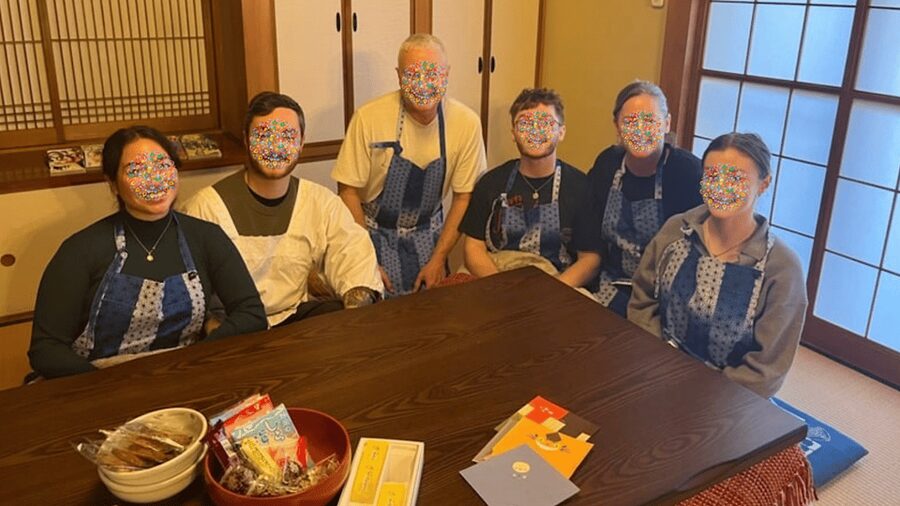
The home setting matters. A tatami room changes the pace right away. Instead of arriving at a busy cooking studio or large commercial venue, you settle into a quieter room with Japanese sweets and tea. That setting gives the first part of the activity a gentle, local feel.
You should wear clothes that let you sit comfortably and move around a kitchen. The supplied information does not give a total duration, but the cultural session itself lasts one hour before the cooking begins. Allow extra time beyond that hour, since the sushi and gyoza preparation follows afterward.
The activity ends back at the meeting point. That makes the outing easier to fit into a Yokohama day, though you will need to plan your next stop and transportation yourself.
More Matcha Experiences in Japan:
- World Heritage Kyoto & Nara Uji Authentic Matcha Experience
★ 5.0 · 1,573 reviews - Matcha Making Class in Tokyo with Authentic Japanese Sweets Set
★ 5.0 · 744 reviews - Kyoto: Tea Museum Tickets and Matcha Grinding Experience
★ 4.9 · 739 reviews
Choose matcha, manga, or a quiet tea break
The first hour lets you choose the sort of cultural activity that suits your mood. This is one of the strongest features because not everyone wants the same kind of introduction to Japan.
Matcha and green tea
Choose the tea option if you want a direct look at Japanese tea customs. You learn the basics of preparing and tasting matcha and green tea, with traditional sweets served in the tatami room.
Matcha has a strong, earthy taste that is not for everyone. If that sounds too intense, you can choose a creamy matcha latte instead. That small choice makes the activity friendlier for people who are curious about matcha but do not enjoy its sharper flavor.
You also have the chance to taste green tea, so this is not limited to one drink. The experience focuses on simple cultural understanding rather than a formal qualification or advanced tea training. Expect an approachable introduction, not a long ceremony with strict rules.
Manga-style illustration
The drawing option gives you a creative alternative to tea. You use authentic tools and draw manga-style characters with inspiration from Yuka’s own work. This should suit families, couples, and solo visitors who want something active but not physically demanding.
The activity information specifically recommends bringing a camera for manga-inspired photos. That suggests the drawing session offers good picture opportunities, although you should not expect a professional art course. It is a chance to try a distinctly Japanese art form with a local guide.
If someone in your group dislikes tea, this choice helps keep the outing balanced. One person may prefer drawing while another chooses the tea session, though the exact way mixed choices are handled is not specified. Ask Yuka when booking if your group wants different options.
More Cooking Classes in Japan:
- Private Kyoto Sushi Cooking Class & Tea Ceremony with Emika
★ 5.0 · 66 reviews - Xiao Long Bao, Beef Noodles & Boba Tea Cooking Class in Taipei
★ 5.0 · 159 reviews - Xiao Long Bao, Chicken vermicelli with mushroom and sesame oil, Tofu strips salad, Bubble milk tea. Taiwan Traditional Delicacies Experience-A (Taipei Cooking Class)
★ 5.0 · 79 reviews - Xiao Long Bao & Boba Tea Cooking Class in Taipei
★ 5.0 · 28 reviews
Quiet time in the tatami room
The relaxation choice is simple. You enjoy Japanese sweets and tea while taking in the peaceful room. This works well if you have been sightseeing all day and want a slower cultural stop rather than another lesson.
I like that the activity does not force every visitor into a performance. You can learn, draw, or simply sit and enjoy the setting. That flexibility makes the first hour useful for different ages and energy levels.
What the tea-room setting adds
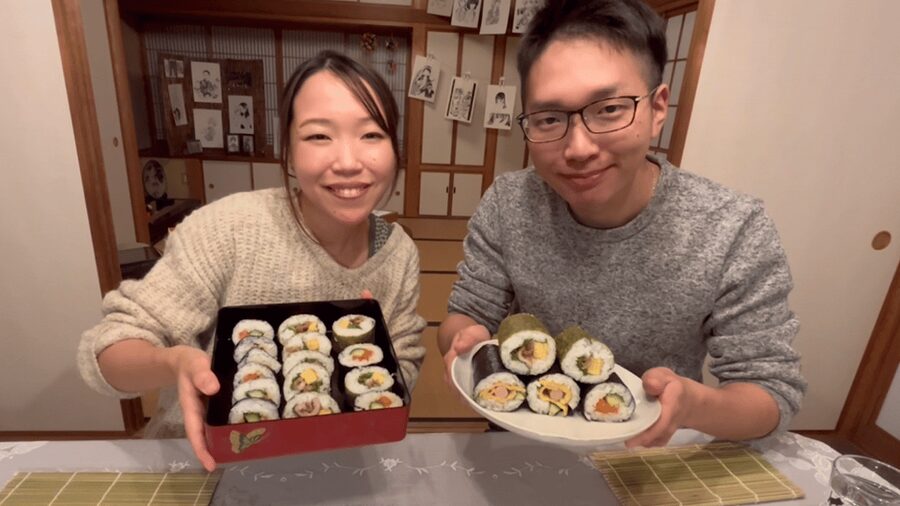
A tatami room is not just a backdrop for photographs. The floor seating, sliding doors, tea, and sweets create a small lesson in how space and hospitality work in a Japanese home. You get time to notice the room instead of rushing through a list of facts.
The setting also gives the cooking portion more meaning. You are not simply making popular Japanese food in a classroom. You first spend time in a home environment, then move into the kitchen to prepare dishes that many people associate with everyday Japanese meals.
You should be ready for a more informal experience than a formal sightseeing tour. The focus is on conversation, participation, and a friendly host. Yuka’s English is described as excellent, which is important when the class involves cooking instructions and questions about ingredients.
The available feedback also highlights Yuka’s help with other parts of a Japan trip. That is a useful bonus, especially if you want to ask practical questions while you are in Yokohama. Keep in mind that trip advice is an added benefit, not a promised sightseeing service.
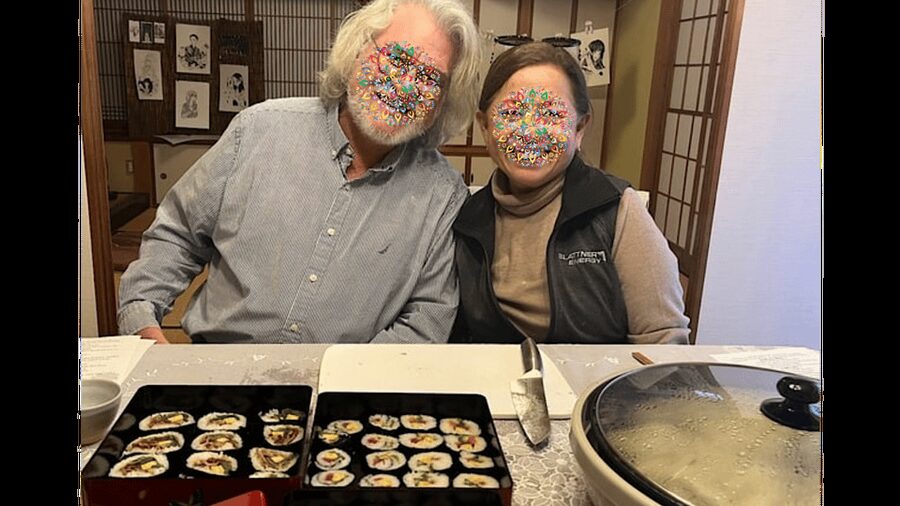
Making sushi rolls with seasonal ingredients
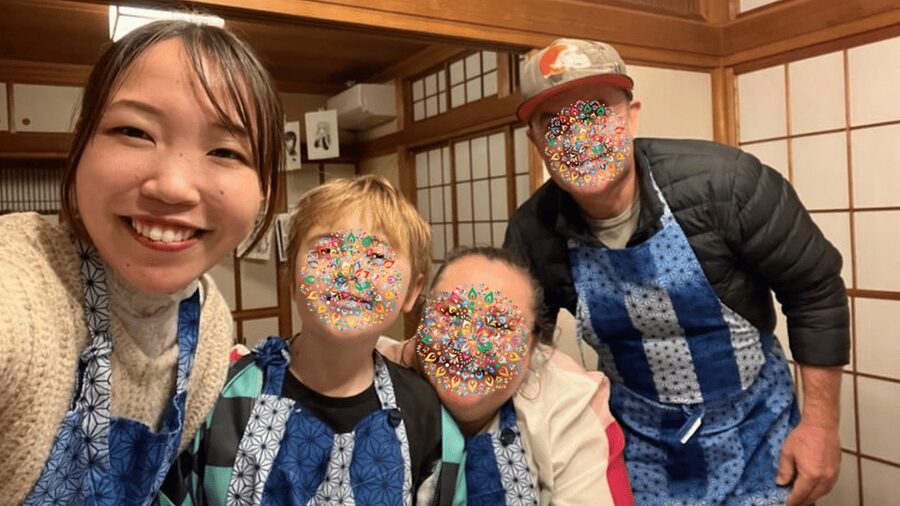
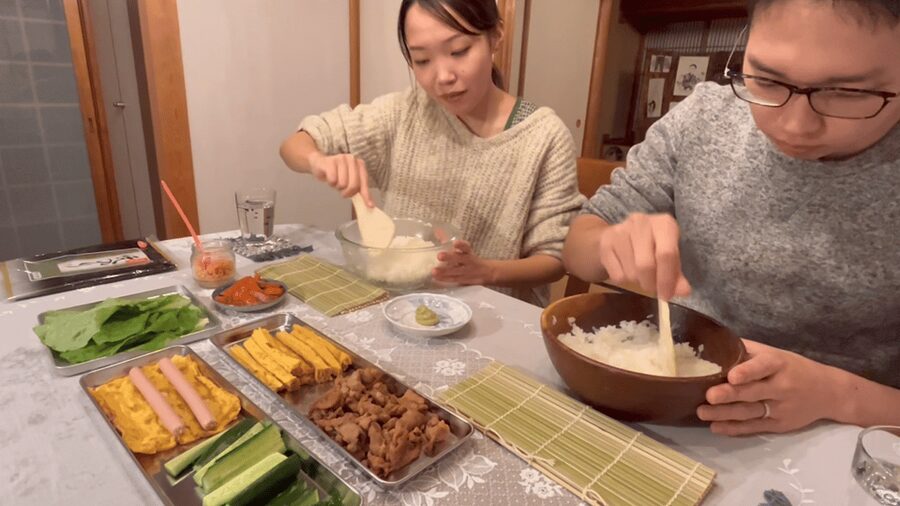
After the tea-room portion, sliding doors open to the kitchen and the cooking starts. You make sushi rolls, or maki, with fresh seasonal ingredients. The key benefit is control: you shape the rolls yourself instead of simply watching someone prepare them.
Sushi rolling looks easy until the rice and filling need to stay in place. With Yuka guiding you, you can work through the basic process at a comfortable pace. The supplied details do not list the exact fillings, so seasonal ingredients may vary.
That uncertainty is normal for a home cooking class. It also means you should not book this expecting a fixed menu identical to a restaurant. The point is to learn the method, handle the ingredients, and enjoy the result at the table.
This part suits children and adults, though younger children may need help with rolling and kitchen tasks. The activity is described as suitable for families, couples, and solo visitors. It also works for people who want a meal that feels connected to what they have just learned.
Folding and cooking handmade gyoza
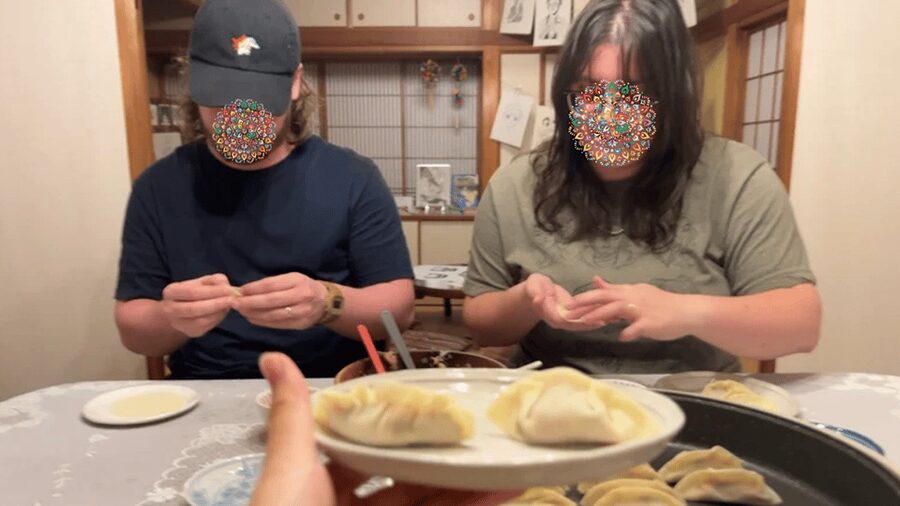
The gyoza lesson is likely to be the most satisfying part for anyone who enjoys practical cooking. You prepare handmade dumplings, learn how to fold them, and cook them with guidance from your host.
Folding gyoza takes a little patience. The shape does not need to be perfect to be fun, and the finished dumplings give you an immediate reward for the effort. This is a useful contrast with the sushi rolls, since the two dishes involve different techniques and textures.
The cooking class includes all materials and ingredients. You do not need to shop before arriving or bring kitchen equipment. Comfortable clothes are the only clothing advice given, and that is sensible for a session involving food preparation.
The strongest food praise centers on the gyoza. One detailed account described them as the best part of the meal, while also noting that the sushi rolls were delicious. You should still keep expectations sensible: handmade food quality depends partly on your own folding skills, and this is a cultural cooking session rather than a restaurant kitchen.
Eating your meal and choosing drinks
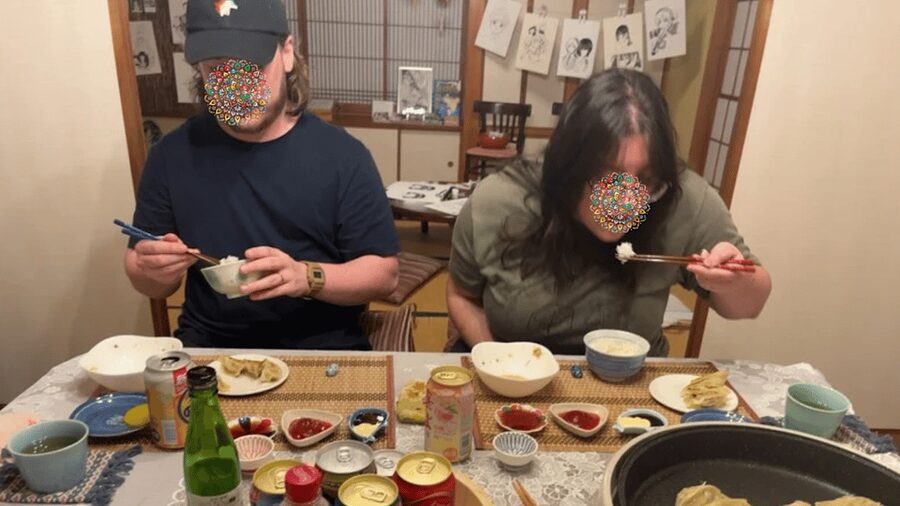
Once the cooking is complete, you eat the sushi and gyoza you made. That meal is included, along with a range of beverages. Alcoholic options are available, though the specific drinks are not listed.
This adds real value to the $81 price. You are paying for an hour in a private tea room, Japanese sweets, tea, ingredients, cooking instruction, the meal, and beverages. Compared with paying separately for a meal and a short cultural demonstration, the package offers a fuller afternoon or evening activity.
You should not bring outside food or drinks, since they are not allowed during the activity. If you have a food allergy, this experience is specifically not suitable. That is more than a minor warning, because sushi and gyoza can involve several ingredients, and no allergy-safe menu is promised.
People who simply dislike one ingredient should ask about it before booking. The available information does not confirm whether substitutions can be made. People with serious allergies should choose a different activity rather than count on changes at the last minute.
Why the $81 price can make sense
At $81 per person, this is not a cheap meal. It becomes better value when you count the number of parts included: a private tea-room session, sweets and tea, a cultural choice, a cooking class, ingredients, a prepared meal, drinks, and English guidance.
The private setting is important. You are not only buying food, and you are not only watching a demonstration. You receive time with a local host, a chance to try several Japanese customs, and a meal you help prepare.
The value depends on what you want from Yokohama. If you only want a quick lunch, this will feel expensive. If you want a structured cultural activity with a meal and personal instruction, the price is easier to justify.
The four available ratings are all five out of five, with praise focused on the host, clear instructions, the tea-room setting, the food, and the depth of the activity. That pattern gives you a clear idea of its strengths: personal attention and a full cultural session, not speed or low cost.
Who will enjoy this most
I would recommend this activity to families who want more than sightseeing photos. Children can choose drawing or cooking, while adults can focus on tea, food, and conversation. The flexible first hour helps groups with different interests.
Couples may like the balance of quiet tea-room time and shared cooking. You leave with photos, a meal, and a few new skills instead of only a souvenir. The setting also gives the outing a more personal feel than a large group class.
Solo visitors should consider it too. Cooking beside a local host gives you a natural way to ask questions and talk about Japanese food and customs. Yuka’s strong English makes that especially useful for anyone who wants easy conversation during the activity.
This is less suitable for people who want a formal, highly polished tea ceremony, an advanced sushi course, or a fast-paced sightseeing stop. It is also not right for wheelchair users, people with food allergies, or anyone uncomfortable with the activity’s traditional home setting and floor-based tatami room.
Practical details before you reserve
Meet in front of the ticket gate. The exact station or gate information should be confirmed in your booking details, since the general meeting information alone does not name the station.
Bring a camera if you want photos of the tea room, your cooking, or the manga session. Wear comfortable clothing suitable for sitting, drawing, and kitchen work. There is no need to bring cooking materials or ingredients.
The activity is offered in English. You can reserve now and pay later, which helps if your Yokohama plans are still taking shape. You can cancel up to 24 hours in advance for a full refund, giving you some flexibility.
The activity ends back at the meeting point. Since transportation is not included, check your route before you go and leave room for the cooking session to run at a relaxed pace.
Should you book this Yokohama cooking experience?
Book it if you want personal contact, Japanese home culture, and a meal you make yourself. The combination of tatami-room time, tea or manga, sushi rolls, and gyoza gives you more variety than a basic cooking class.
I would especially choose it for a first visit to Japan, a family day, or a couple looking for an activity that feels different from temple visits and restaurant meals. The host, Yuka, is praised for clear English instruction and helpful conversation, which strengthens the experience.
Skip it if you have food allergies, need wheelchair access, or want a formal tea ceremony or specialist culinary course. For everyone else, $81 is a fair price for a private cultural session, a full cooking lesson, and the meal and drinks that follow.
FAQ
Where does the activity take place?
It takes place in a traditional Japanese home in Yokohama, beginning in a tatami-style tea room and continuing in the kitchen.
Where do I meet the host?
You meet in front of the ticket gate. The activity ends back at the meeting point.
How long is the tea-room portion?
The private tea-room portion lasts one hour. The total duration including cooking is not specified.
What can I choose to do in the tea room?
You can choose a matcha and green tea experience, manga-style illustration, or relaxation time with tea and Japanese sweets.
What food will I make?
You will make sushi rolls using fresh seasonal ingredients and handmade gyoza.
Is the meal included?
Yes. You eat the sushi rolls and gyoza you prepare, and beverages are included. Alcoholic options are available.
Is the activity offered in English?
Yes. The activity is offered in English, and Yuka’s English is described as excellent.
What should I bring?
Bring a camera if you want photos, and wear comfortable clothes suitable for the activities. Food and drinks from outside are not allowed.
Is the activity suitable for wheelchair users or people with food allergies?
No. The activity is not suitable for wheelchair users or people with food allergies.
Fresh tea listings around Japan
- Japanese Sweets Making & Tea Ceremony in Yokohama, suburban Tokyo★ 5.0 · 4 reviews
- Matcha tasting for all five senses at Hotel Yokohama★ 5.0 · 7 reviews
- Kyoto Hidden Riverside Zen Mediation and Uji Matcha Experience★ 5.0 · 9 reviews
- Kyoto: Nighttime Zen Meditation and Matcha Tea Experience★ 5.0 · 7 reviews
- 2 Types of Japanese Sweets making and Tea Ceremony★ 4.6 · 17 reviews
- Kyoto Fushimiinari:Wagashi Making & Small Group Tea Ceremony★ 5.0 · 14 reviews
- Slow Cycling Tour at Uji’s Matcha Green Tea Fields and Heritage★ 5.0 · 25 reviews
- Whisk Your Own Matcha: A Zen Matcha Experience at Temple★ 3.6 · 7 reviews
Matcha Experiences, compared.
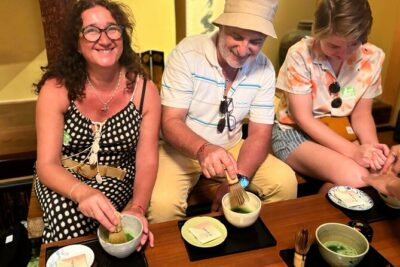
World Heritage Kyoto & Nara Uji Authentic Matcha Experience
Read our review →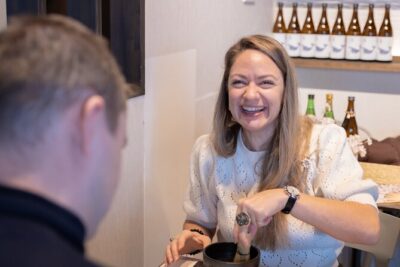
Matcha Making Class in Tokyo with Authentic Japanese Sweets Set
Read our review →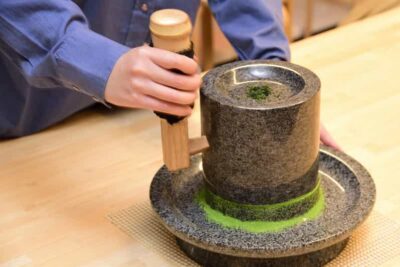
Kyoto: Tea Museum Tickets and Matcha Grinding Experience
Read our review →
Matcha Making Class in Osaka with Authentic Japanese Sweets Set
Read our review →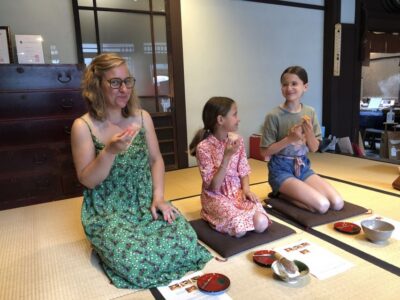
Kyoto: Tea Ceremony Meditation – Make Matcha with Tea Master
Read our review →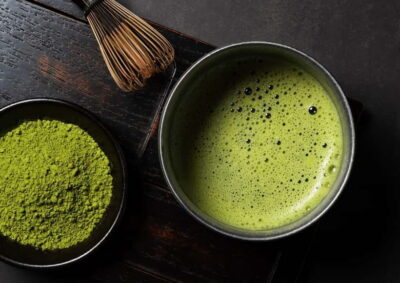
Tokyo: Matcha Making Experience with Mochi Sweets in Asakusa
Read our review →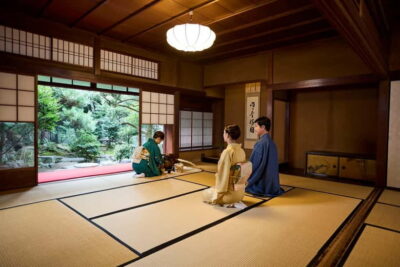
Kyoto: Kimono Tea Ceremony with Matcha and Sweet
Read our review →
Browse the lists this tour appears in