
Review · MATCHA EXPERIENCES
Kyoto: Tea Museum Tickets and Matcha Grinding Experience
The most memorable part of this one-hour Uji tea experience is the slow turn of the stone mill as tencha leaves become fine green matcha. You then whisk the powder yourself and drink what you made, rather than simply watching a tea demonstration.
I like the hands-on work and the included museum ticket. The digital exhibits explain Uji tea without demanding specialist knowledge, and the instructors, including Hideko, Keiko, and Yano-san, have a friendly, patient style. The main drawback is the strict schedule: arrive 15 minutes early, because you can be refused after 30 minutes and receive no refund.
Key points to know before booking
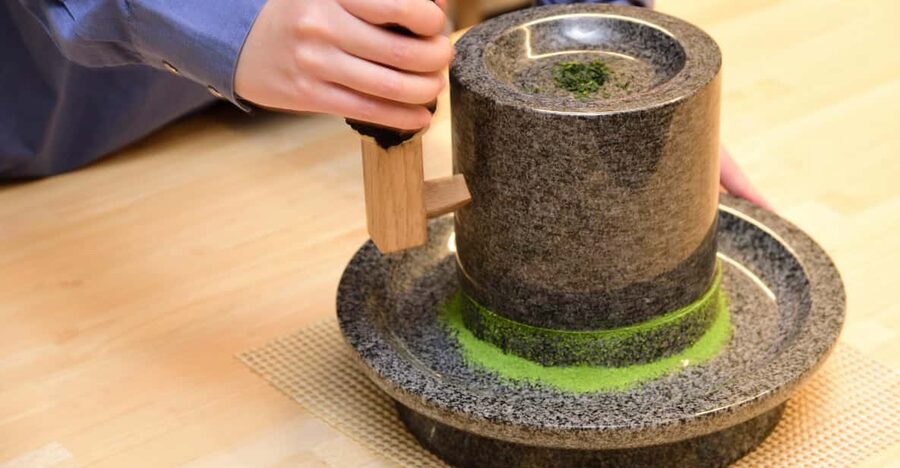
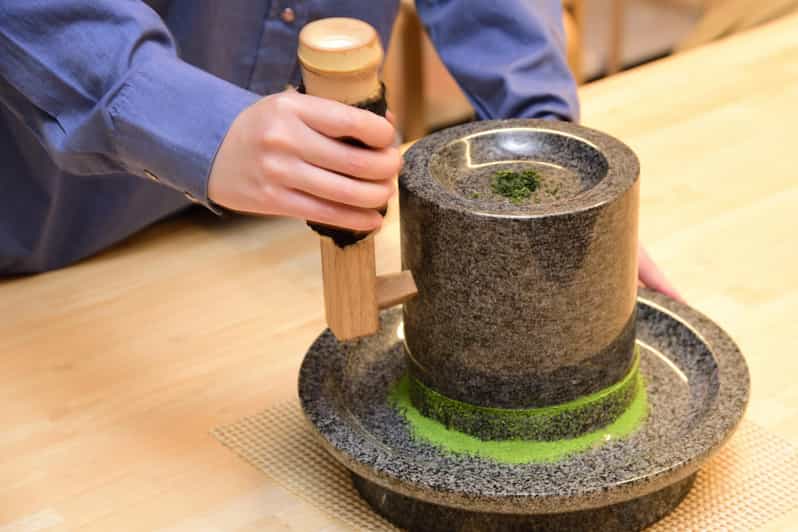
- You grind real tencha leaves: Turn the tea mill yourself and watch the leaves become matcha powder.
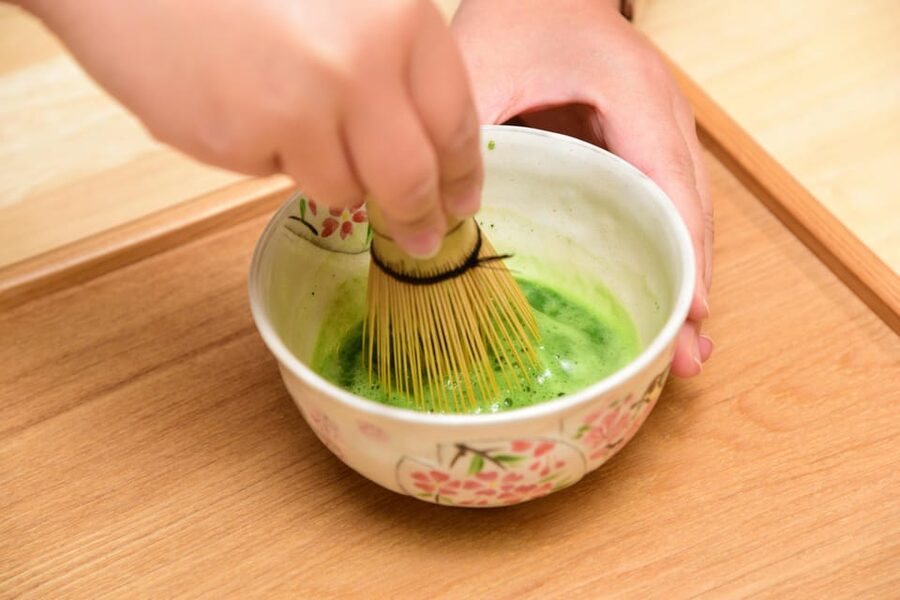
- You prepare and drink your own matcha: An instructor demonstrates the whisking method, then you make your cup.
- The museum ticket is included: Use the History Room and interactive digital displays before or after the workshop.
- English instruction is available: The guides teach in Japanese and English, with clear demonstrations and printed support.
- Uji Station is close: Chazuna is about four minutes from Keihan Uji Station or 12 minutes from JR Uji Station.
- Summer adds a cool option: At the 2:45 p.m. session, you may pour your freshly ground matcha over ice cream.
Why grinding matcha changes the experience
Matcha often reaches you in a tin, a café cup, or a dessert. Here, you see one important step before it becomes the bright green drink associated with Uji. You begin with tencha leaves and use a tea mill to grind them into powder.
The work is simple, but it is not rushed. Turning the mill gives you a better sense of the care behind matcha production. You are not merely shown an object in a display case. You handle the process, notice the texture of the powder, and then taste the result.
The class is guided rather than formal in a stiff way. The instructors explain how to grind and prepare the tea, then help you correct your technique. Guides such as Keiko and Hideko have been singled out for combining clear instruction with humor, which matters when you are trying to remember several small steps at once.
The amount of matcha you make appears intended for the session itself. You drink your prepared tea there, but do not count on taking the ground powder home. If you want tea for later, the center has an opportunity to buy tea and matcha equipment, though purchases are not part of the $23 price.
More Matcha Experiences in Japan:
- World Heritage Kyoto & Nara Uji Authentic Matcha Experience
★ 5.0 · 1,573 reviews - Matcha Making Class in Tokyo with Authentic Japanese Sweets Set
★ 5.0 · 744 reviews - Matcha Making Class in Osaka with Authentic Japanese Sweets Set
★ 5.0 · 509 reviews
The Chazuna museum gives the workshop a useful frame
The workshop makes more sense after you understand where Uji tea fits into the town’s story. Chazuna’s museum is in the Historical Park of Tea and Uji Town, and your admission is included with the class.
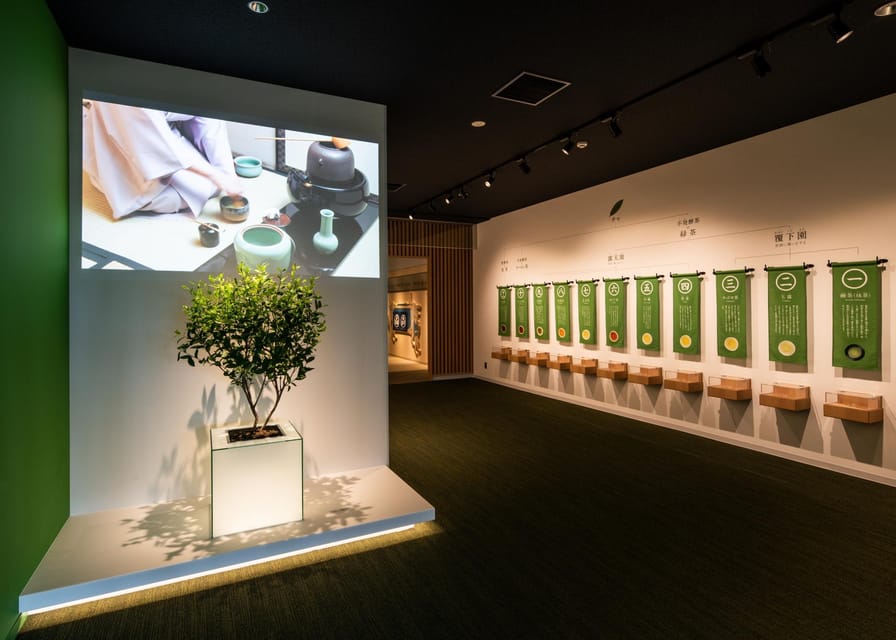
The History Room begins with a large 10-yen coin featuring Byodoin Phoenix Hall. It is an easy visual link between Uji’s well-known landmark and the local tea culture. The museum then uses digital displays to explain the town and the stages of tea production.
One unusual feature is a large 4K screen showing modernized drawings of the town, based on Meisho-zue. These displays are designed to be touched and explored, so the museum works well for visitors who prefer doing something over reading long blocks of text.
You can also find explanations of different Japanese teas and how they are grown and processed. That context helps you understand why matcha is different from ordinary loose-leaf green tea. The museum is not huge, but its short format suits the one-hour booking. I would allow extra time if you want to inspect every display instead of moving quickly to the workshop.
A playful photo area adds a lighter note at the end. One display lets you pose as if you are swimming in matcha, which is especially good for families and anyone who wants a cheerful photo rather than another temple picture.
What happens during the one-hour session
The exact order can vary with the class, but you should expect a clear sequence.
First comes an introduction to tea in Japan and to Uji’s role in tea production. The explanation covers tea types, cultivation, harvesting, and the path from leaf to cup. The instructors use demonstrations and a textbook or printed guide to support the English explanation.
Next, you grind the tea leaves. This is the central hands-on section. You turn the mill and produce the powder that will become your drink. The task is relaxing, but it also gives you a practical lesson in how much work goes into a small serving of matcha.
The instructor then shows you how to prepare the tea. You add the powder and whisk it into a drink, following the demonstrated method. The class has a traditional tea ceremony element, but it is presented in a friendly instructional setting rather than as an elaborate formal ceremony.
Finally, you taste your matcha, often with a sweet accompaniment. The tea is fresher in a very direct sense because you have just ground it. If you already drink matcha, you will appreciate the chance to compare a handmade cup with the versions you normally buy. If matcha is new to you, the guided preparation makes the flavor less mysterious.
The class is described as one hour, so this is not a full tea ceremony or a long agricultural tour. It is a compact introduction that combines explanation, making, drinking, and museum time.
The instructors make the difference
The activity depends heavily on the person leading your group. That is not a weakness unique to this class. Any workshop feels better when the teacher can explain a precise process without making beginners feel awkward.
The instructors have been praised for being warm, funny, and attentive. Hideko has been noted for making the lesson both informative and enjoyable. Keiko has been praised for professional, lively teaching, and Sukimoto has been remembered for strong preparation and a good sense of humor.
English is offered, though the level of ease may vary by instructor. One English-language session used a script and textbook closely, which made the explanation clear but a little less natural. That is worth knowing if you expect fluent, unscripted conversation throughout. The practical demonstrations remain the main point, and the instructors can guide you through the process even when spoken English is more careful.
Small-group attention is another plus. The guides help individual participants, answer questions, and demonstrate the motions more than once when needed. Solo visitors can be seated with other participants, so you do not need to arrive with a large group to take part comfortably.
More Tea Factory Tours in Japan:
- Uva Halpewatte Tea Factory Tour in Ella Sri Lanka
★ 5.0 · 653 reviews - Nuwara Eliya: Tea Factory and Pickle Waterfalls Tuk Tuk Tour
★ 4.7 · 113 reviews - From Colombo: Kandy, Pinnawala and Tea Factory Full-Day Trip
★ 4.4 · 99 reviews - Ella: Tea Factory, Train, and Nine Arch Day Tour with Pickup
★ 4.8 · 98 reviews
Is $23 good value in Uji?
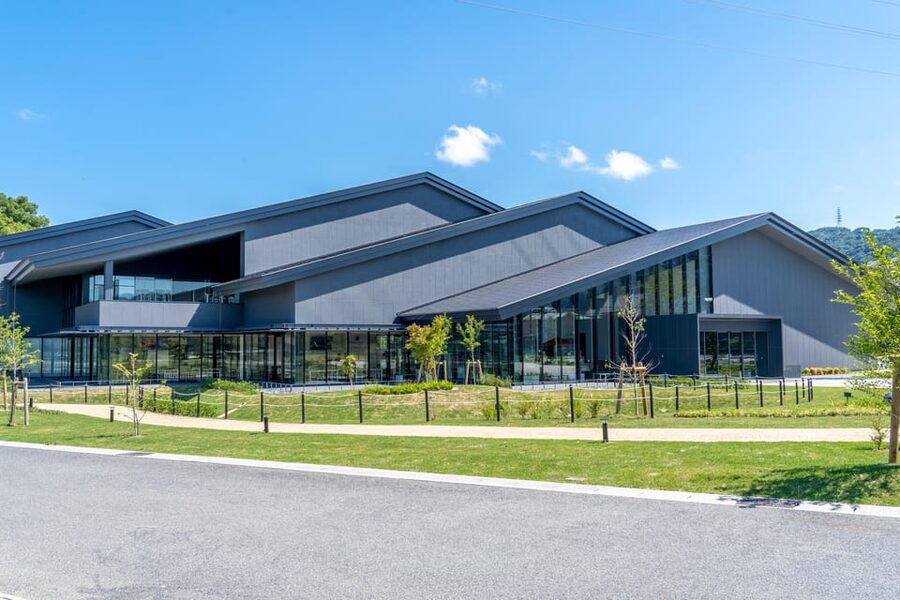
At $23 per person, the price is fair, mainly because it combines two separate activities: the matcha workshop and museum entry. A simple museum visit would not give you the same connection to the tea, while a hands-on class without context could feel brief. Together, they fill a useful hour.
The value is strongest if you are interested in matcha, Japanese food culture, or learning by doing. You get to handle the leaves, make the powder, prepare the drink, and taste it. That is more memorable than buying a matcha dessert and moving on.
Families also get good value from the interactive features. The museum’s touch displays and photo spot break up the historical information, while the grinding activity gives children and adults a task to share. The class is wheelchair accessible, which helps make it a practical choice for a wider range of visitors.
The price is less compelling if you want a long tea ceremony, a farm visit, or a large takeaway portion. This is a short introduction, not a full-day tea immersion. You pay for the guided process and the museum, not for a large souvenir supply of matcha.
Getting to Chazuna from Kyoto or Osaka
Chazuna is in Uji, a straightforward side trip from Kyoto. The meeting point is the first-floor reception area in the Historical Park of Tea and Uji Town.
From Keihan Uji Station, allow about four minutes on foot. From the South Exit of JR Uji Station, allow about 12 minutes. The walk from JR is still easy, but you should leave more time than the shorter Keihan estimate, especially if you are traveling with children or need to check in at the reception desk.
By car from Osaka, use the Keiji Bypass Uji Nishi Interchange and follow the side road toward Uji. The drive from that exit is about 10 minutes. From Tokyo or Nagoya, use the Uji-higashi exit, then turn left at the traffic light. The stated drive from that exit is about three minutes.
The practical point is simple: do not aim to arrive exactly at the start time. The operator asks you to reach reception 15 minutes early. Late entry is not flexible. After 30 minutes from the scheduled start, you can be refused, and the participation fee will not be refunded.
The best way to fit it into a Uji day
This class works well as part of a half-day in Uji. You can visit Chazuna, explore the town, walk along the main market street, and see Byodoin Phoenix Hall nearby. The market area is useful for matcha foods, sweets, tea, and souvenirs.
Book the tea session early enough to leave room for the museum and the rest of Uji. You can visit the museum before or after the workshop, but do not assume that the one-hour booking gives you unlimited time inside the displays. If you want to read and interact with everything, arrive early or plan time after the class.
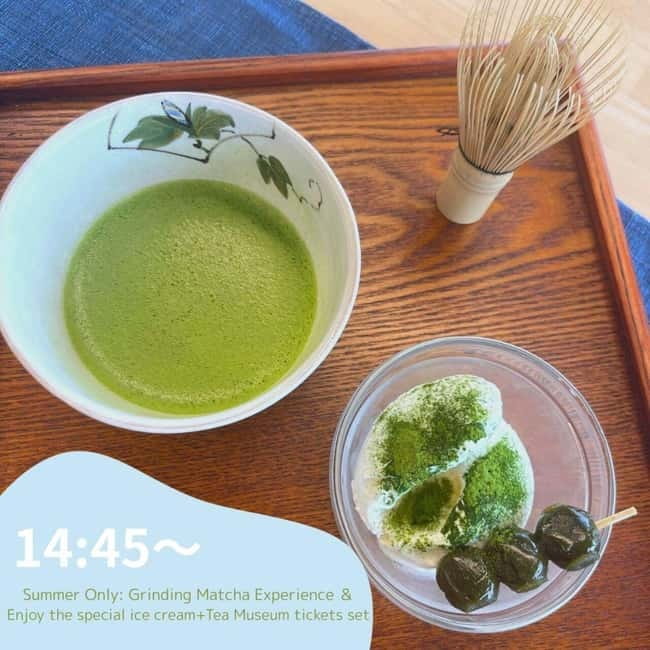
The experience also suits a rainy day. The workshop and museum are indoors, and the digital exhibits provide a focused activity when weather makes a long walk less appealing. In summer, the 2:45 p.m. session adds the option of pouring your freshly ground matcha over ice cream. You can eat the ice cream with the matcha or enjoy it as a cold matcha drink, making this time slot especially attractive on a hot afternoon.
Who should book this experience?
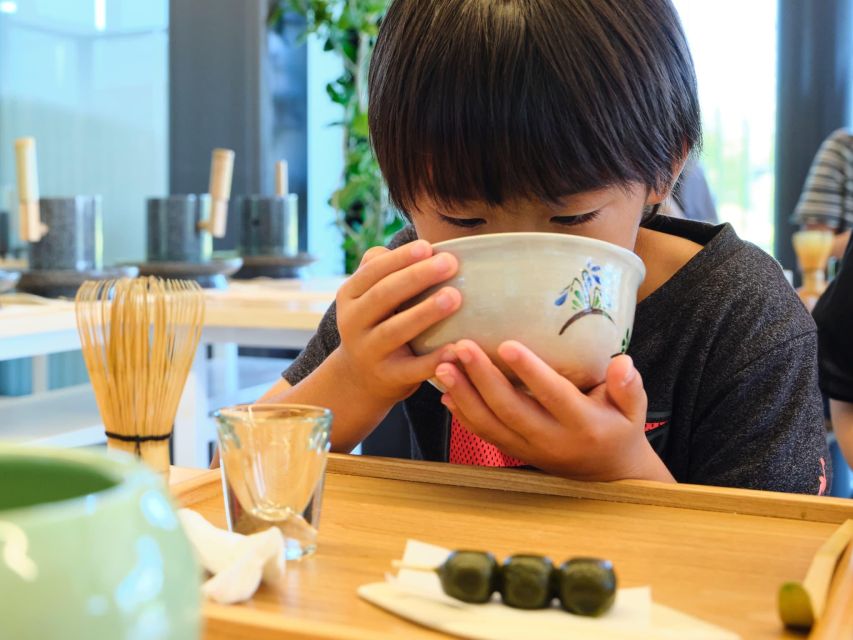
I would choose it for anyone who already likes matcha and wants to understand how it is made. The hands-on grinding is the part you cannot reproduce by simply visiting a tea shop.
It also suits first-time matcha drinkers. You are not left to guess how to whisk the powder, and the museum explains the wider tea story before or after you taste your cup. The session is family-friendly, accessible by public transport, and short enough to fit between major Uji sights.
Solo visitors should feel comfortable booking. The class can seat individual participants together, and the teaching format gives you something to focus on instead of making the experience depend on having companions.
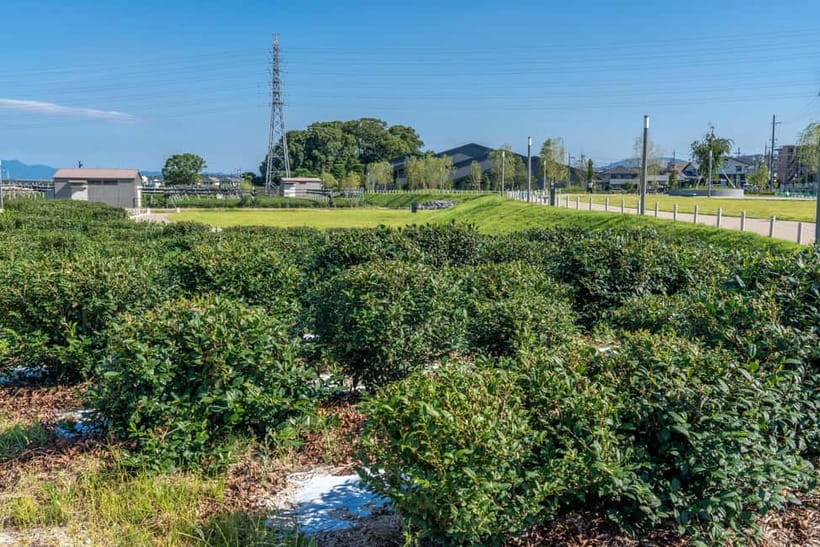
You may want to skip it if you have already taken several matcha-making classes and want a more advanced lesson. You may also find it too short if your main goal is a formal, extended tea ceremony or a visit to working tea fields. The views of tea fields and gardens are part of the setting and appeal, but the supplied details do not describe a separate field tour.
Booking, changes, and accessibility
You can reserve now and pay later, which helps if your Kyoto schedule is still taking shape. Free cancellation is available up to 24 hours before the experience for a full refund.
For a date or time change, use the website’s change procedure rather than calling. Make changes early, since near-term sessions can fill up.
The activity is wheelchair accessible. Japanese and English are the available languages. Most important, reach the first-floor reception 15 minutes before your booking and treat the start time as firm.
Should you book the Chazuna matcha experience?
Book it if you want a practical introduction to Uji tea rather than another display-only museum visit. For $23, you grind tencha, prepare and drink your own matcha, receive museum admission, and get a useful look at the history and production of Uji tea.
I would place it high on a Uji day plan, especially for matcha fans, families, solo visitors, and anyone who enjoys small cultural workshops. Just keep your expectations in proportion: it lasts one hour, the takeaway portion is limited, and the English delivery may be more scripted with some instructors. Arrive early, choose the 2:45 p.m. summer session if the ice cream option appeals, and leave time afterward for Byodoin and Uji’s tea shops.
FAQ
Where does the matcha experience take place?
It takes place at Chazuna in the Historical Park of Tea and Uji Town in Uji, Kyoto Prefecture.
How long does the activity last?
The matcha workshop lasts one hour. The included museum visit may require additional time if you want to explore all the displays.
What is included in the price?
The $23 price includes admission to the Chazuna Museum, the matcha-making activity, and an instructor.
Can I attend in English?
Yes. The activity is offered in Japanese and English.
Where is the meeting point?
Go to the first-floor reception area at Chazuna.
How far is Chazuna from Uji Station?
It is about a four-minute walk from Uji Station on the Keihan Uji Line and about a 12-minute walk from the South Exit of JR Uji Station.
How early should I arrive?
Arrive 15 minutes before your reservation and check in at the reception counter.
What happens if I arrive late?
Entry or participation can be refused after 30 minutes from the scheduled start, and the participation fee will not be refunded.
Is the activity wheelchair accessible?
Yes, the activity is wheelchair accessible.
Can I cancel for a refund?
You can cancel up to 24 hours in advance for a full refund. Date and time changes must be made through the website’s change procedure.
More Museums in Japan
- Afternoon Tea at the British Museum
★ 4.2 · 511 reviews - Private Abu Dhabi Sheikh zayed mosque with Louver Museum & Emirates Place Tea
★ 5.0 · 173 reviews - London: National Gallery Guided Tour and Afternoon Tea
★ 4.5 · 64 reviews
Fresh tea listings around Japan
- Yokohama: Sushi & Gyoza Cooking with Matcha Experience★ 5.0 · 4 reviews
- Japanese Sweets Making & Tea Ceremony in Yokohama, suburban Tokyo★ 5.0 · 4 reviews
- Matcha tasting for all five senses at Hotel Yokohama★ 5.0 · 7 reviews
- Whisk Your Own Matcha: A Zen Matcha Experience at Temple★ 3.6 · 7 reviews
- Kyoto Hidden Riverside Zen Mediation and Uji Matcha Experience★ 5.0 · 9 reviews
- Kyoto: Nighttime Zen Meditation and Matcha Tea Experience★ 5.0 · 7 reviews
- 2 Types of Japanese Sweets making and Tea Ceremony★ 4.6 · 17 reviews
- Kyoto Fushimiinari:Wagashi Making & Small Group Tea Ceremony★ 5.0 · 14 reviews
Matcha Experiences, compared.
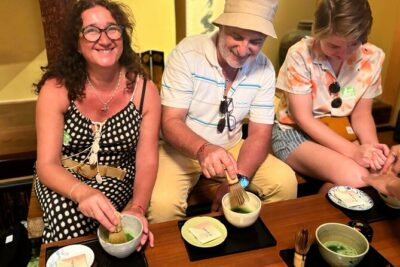
World Heritage Kyoto & Nara Uji Authentic Matcha Experience
Read our review →
Matcha Making Class in Tokyo with Authentic Japanese Sweets Set
Read our review →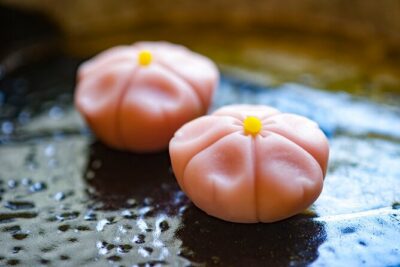
Matcha Making Class in Osaka with Authentic Japanese Sweets Set
Read our review →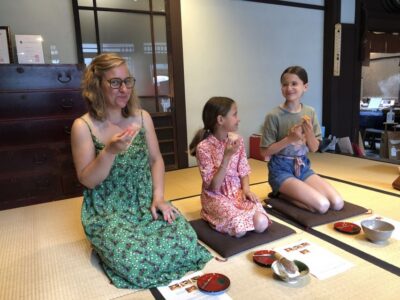
Kyoto: Tea Ceremony Meditation – Make Matcha with Tea Master
Read our review →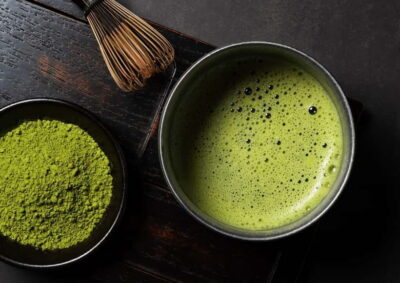
Tokyo: Matcha Making Experience with Mochi Sweets in Asakusa
Read our review →
Kyoto: Kimono Tea Ceremony with Matcha and Sweet
Read our review →
Browse the lists this tour appears in