
Review · TEA FACTORY TOURS
Uva Halpewatte Tea Factory Tour in Ella Sri Lanka
Uva Halpewatte is not just a pretty tea stop. It is a working factory where you can follow Ceylon tea from freshly picked leaf through the machinery that withers, rolls, dries, and sorts it. The factory floor is the main event, especially when production is running.
I like the clear, step-by-step explanations and the chance to ask questions in English. I also like the tea tasting at the end, which gives the process a useful finish. The main catch is timing: production may be limited later in the morning or absent on Sunday, so your visit can feel more like a museum tour than a factory tour.
Key points to know before you go
- A working Ceylon tea factory: You see modern manufacturing procedures and the machinery used to turn leaves into finished tea.
- Small groups: The tour is limited to a maximum of 15 people, making questions easier than on a large coach visit.
- Go early: Some reports say production is best seen before noon, while another notes that little may be happening after 8:30 AM on a particular day. Confirm current operating times before you go.
- English-language guiding: Guides such as Siva, Lahiru, and Rajha have been praised for clear explanations, humor, and tea knowledge.
- Tea tasting included: The visit ends with a tasting, though the strength and quality of the tea may vary.
- Useful add-ons on site: You can browse factory-fresh tea in the shop and use the cafe after the tour.
Why this factory visit matters in Ella
Ella is surrounded by tea country, but seeing rows of tea bushes only tells you half the story. The Uva Halpewatte visit explains what happens after the leaves leave the field. That is where the drink in your cup takes shape.
The factory is described as one of the largest producers of Ceylon tea and an award-winning, functioning operation. Those details matter because you are not simply looking at old equipment behind glass. You are visiting a place where tea production continues, with machinery and workers carrying out the work.
The visit is also a useful correction to the simple picture of tea making. Picking is only the first step. The leaves must be handled, processed, dried, graded, and prepared for sale. The guide explains this sequence as you move through the factory, giving you a clearer sense of how much labor and care sit behind an ordinary cup of black tea.
At about $18, I think the experience offers fair value if the machinery is running. You receive roughly an hour of guided instruction, access to a working factory, a tasting, and the chance to buy tea directly at the shop. It is not a full-day plantation outing, and it does not appear designed as an elaborate luxury food experience. Its value comes from direct access and clear explanation.
More Tea Factory Tours in Sri Lanka
- Nuwara Eliya: Tea Factory and Pickle Waterfalls Tuk Tuk Tour
★ 4.7 · 113 reviews - From Colombo: Kandy, Pinnawala and Tea Factory Full-Day Trip
★ 4.4 · 99 reviews - Ella: Tea Factory, Train, and Nine Arch Day Tour with Pickup
★ 4.8 · 98 reviews
Arriving at Uva Halpewatte Tea Factory
The meeting point is Uva Halpewatte Tea Factory on Badulla Road in Hela Halpe, Ella, postal code 90090. The activity begins and ends at the factory, so you are responsible for reaching the site yourself.
The listed opening hours are Monday through Sunday, 8:00 AM to 4:30 PM. That does not necessarily mean every hour offers the same factory activity. The most useful practical advice is to aim for the morning, preferably before noon, and confirm the current production schedule if seeing the machines in operation is important to you.
There is a real scheduling wrinkle here. One account says the factory was not working on Sunday and the plantation visit was offered instead. Another says that arriving after 8:30 AM meant there was no production to see. These details do not fit neatly together, so I would not treat any single time as guaranteed. Ask the operator what will be running on your chosen date.
The factory is set on a hill, and you may get broad views from the site. The scenery adds pleasure, but it should not distract you from the main point: this is a production visit, not primarily a viewpoint stop.
Following the leaves through the factory
The guide takes you through the tea-making process in stages. Expect explanations of how the fresh leaves are handled and how modern equipment changes them into the tea sold as Ceylon tea.
The exact order and level of detail can depend on the guide and the factory’s activity that day. Strong guides have explained the tea science and chemistry behind the process, not just pointed at machines. Siva, Lahiru, and Rajha are names associated with especially clear and engaging presentations, though you should not assume a particular guide will lead your group.
The best part of this format is the connection between explanation and machinery. You hear what a stage is meant to do, then see the equipment used to do it. That makes the process easier to remember than a lecture with photographs alone.
You may also be able to walk close to the factory floor and inspect the machines. That access gives the visit a more direct feel, although it also means the factory is a real worksite. Follow instructions carefully, stay with the group, and do not treat the machinery as a photo prop.
The production process is labor-intensive even with modern equipment. That becomes clear as the guide explains the many steps between picking and packing. I find this the most useful lesson of the visit because it changes the way you think about the price and character of tea. A packet on a shop shelf can look simple. The work behind it is not.
The guide makes or breaks the hour
The tour is short, so the guide has to use the time well. At its best, the presentation is focused, lively, and full of useful detail. Rajha has been praised for combining knowledge, enthusiasm, and humor. Siva has been described as explaining the chemistry of tea with unusual energy, while Lahiru has been singled out for an excellent explanation.
You can ask questions during the walk-through, and the small-group limit of 15 helps. This is not a private tour, but it is small enough that you are less likely to disappear in a crowd. If tea interests you, ask about the differences between tea types and how the factory’s stages affect the finished drink.
The quality can be uneven. A guide may rely too heavily on a practiced speech, particularly if the visit is quiet or the factory is not operating. One less positive experience found the introduction worn and overly focused on tips, with the history and wider importance of the tea industry receiving too little attention.
That is worth keeping in mind. The factory has plenty to explain, but the experience depends on how much the guide connects the machines to real tea production. A good guide does more than name each stage. They explain why it exists and what changes in the leaf.
Same city, a very different cup:
- Tea Plantation Tour in Ella, Sri Lanka
★ 5.0 · 319 reviews - Handmade Tea Tour in Ella Sri Lanka
★ 5.0 · 77 reviews - Tea Fields & Factory Tour
★ 5.0 · 67 reviews - Ella Private Day Trip with Train Ride & Tea Factory-All Inclusive
★ 5.0 · 61 reviews
Tea tasting at the end
The tour finishes with a tea-tasting session. This is a sensible ending because you can connect the factory process with the drink in front of you.
The tasting may be simple rather than elaborate. Some people have found the tea flavorful and appreciated trying it after learning how it was made. One tea enthusiast found the sample weak and lacking flavor. Your experience may depend on brewing strength, the selection offered, and the day’s preparation.
I would approach the tasting as a short demonstration, not as a formal tea course. Pay attention to color, aroma, strength, and aftertaste. If the tea seems light, you can still use the moment to ask what type you are drinking and how it differs from the tea sold in the shop.
The tasting also gives you a chance to decide what to buy. The on-site shop sells factory-fresh tea, and some visitors have bought packets for family. The shop staff have been praised for being friendly and well presented. Buying is optional, of course, and the visit should still be worthwhile if you leave empty-handed.
Factory visit or plantation visit?
These are related but different experiences. A plantation tour shows where the leaves grow and may include seeing or trying the picking process. The factory tour shows what happens after the leaves are collected.
If you can do both, they complement each other well. The plantation gives you the outdoor setting and the human side of picking. The factory gives you the machinery, processing stages, and final product. Together, they explain the full route from bush to cup.
Do not assume a booking for a factory visit will always deliver both parts. The advertised activity centers on the factory, with the tea estate and factory tour included in that setting. The accounts also describe a Sunday substitution in which a plantation visit took the place of factory production.
If your main goal is to walk among tea bushes, this may not be the best single choice. If you want to understand how tea is made, the factory is the more useful half of the story.
There may also be a handmade tea option at the site. One account describes bringing leaves, cooking them, and tasting the result. Treat that as a possible separate activity rather than a guaranteed part of this one-hour tour, and ask when booking if it interests you.
What the $18 price gets you
The $18 price is reasonable for an approximately one-hour guided visit, provided the factory is operating. You are paying for an English-language explanation, entry, access to the production area, and a tea tasting. The small group keeps the experience more personal than a large group transfer with a quick stop.
The value drops if no production is running. In that case, you may still receive a plantation or alternative visit, enjoy the views, taste tea, and browse the shop, but you will miss the most distinctive part of the factory experience.
The price also does not appear to include transportation to the site. Since the activity starts and ends at Uva Halpewatte Tea Factory, check your route from Ella before booking. A mobile ticket is provided, and confirmation is received at booking.
Most people can participate, and the maximum group size is 15. The supplied details do not describe special access arrangements or a detailed accessibility policy, so ask the operator directly if you have specific mobility needs.
Who should book this experience?
I would recommend it to anyone who drinks tea and wants more than a scenic plantation photo. It is especially good for first-time visitors to Sri Lanka who want a clear explanation of Ceylon tea without committing half a day to a larger excursion.
It also suits families and mixed-interest groups because the visit is short. Someone who is not passionate about tea can manage an hour, while a tea lover can ask questions and spend more time in the shop.
You should be realistic if you want a polished museum presentation, a long historical lecture, or a detailed tasting of many varieties. The presentation can feel rehearsed, and the tasting may be modest. The factory itself is the reason to go.
The experience is recommended by 94 percent of listed participants and carries a 4.8 rating from 653 ratings. Those figures suggest strong overall satisfaction, but they do not remove the key issue of timing. A great guide and active machinery can make this an excellent stop. A quiet Sunday or late arrival may produce a much thinner visit.
Booking, timing, and cancellation
The operator is Halpewatte Tea Factory. Free cancellation is available if you cancel at least 24 hours before the scheduled start time. Cancellations made less than 24 hours before the start time are not refunded, and changes inside that period are not accepted.
I would book a morning slot and contact the factory if your date falls on a Sunday. The listed hours run from 8:00 AM to 4:30 PM every day, but actual production may not match those hours. Confirming this one detail can protect the main purpose of your visit.
Should you book the Uva Halpewatte tour?
Yes, if you want a short, practical look at how Ceylon tea is processed and you can visit while the factory is working. The strongest reasons to go are the close look at the machinery, the clear English explanations, and the tasting that follows.
I would hesitate only if you are traveling on a Sunday, arriving late, or expecting a full plantation-and-factory day. In those cases, confirm exactly what will operate before paying.
For most visitors in Ella, this is a worthwhile one-hour stop at a fair price. Just make the call based on production timing, not the tea shop or the view alone.
FAQ
Where does the Uva Halpewatte Tea Factory Tour begin?
It begins at Uva Halpewatte Tea Factory on Badulla Road, Hela Halpe, Ella, Sri Lanka 90090.
Where does the activity end?
The activity ends back at the factory meeting point.
How long does the tour last?
The tour lasts approximately one hour.
How much does the experience cost?
The listed price is $18.
Is a tea tasting included?
Yes. The tour ends with a tea-tasting session.
Is the tour guided in English?
Yes. The tour includes an English-language guided explanation of the tea-making process.
How large can the group be?
The maximum group size is 15 people.
What are the opening hours?
The listed opening hours are Monday through Sunday, 8:00 AM to 4:30 PM.
Can I buy tea after the tour?
Yes. The factory has a shop selling factory-fresh tea, along with a cafe.
Can I cancel for a full refund?
Yes, if you cancel at least 24 hours before the experience starts. Cancellations made less than 24 hours before the start time are not refunded.
Fresh tea listings around Sri Lanka
- From Negombo: Ambuluwawa Tower & Tea Factory,Kandy Day Trip★ 5.0 · 9 reviews
- Kandy to Nuwara Eliya Day Trip – Little England & Tea Country★ 5.0 · 24 reviews
- From Colombo or Negombo: Pinnawala, Kandy & Tea Factory Tour★ 4.8 · 15 reviews
- Kandy & Pinnawala & Tea Factory Full Day Tour From Negombo★ 4.3 · 11 reviews
- Ella’s Ceylon Tea Plantation and Factory Tour★ 5.0 · 15 reviews
- Tea Plantation Tour in Ella, Sri Lanka★ 5.0 · 319 reviews
- Handmade Tea Tour in Ella Sri Lanka★ 5.0 · 77 reviews
- Shore Excursion From Colombo port to Ingiriya Tea Plantation & back for 2 People★ 4.5 · 11 reviews
Tea Factory Tours, compared.
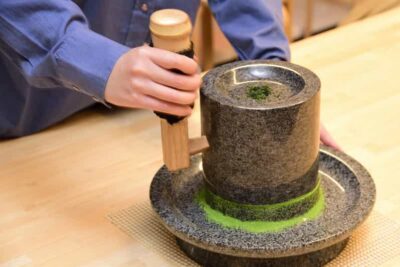
Kyoto: Tea Museum Tickets and Matcha Grinding Experience
Read our review →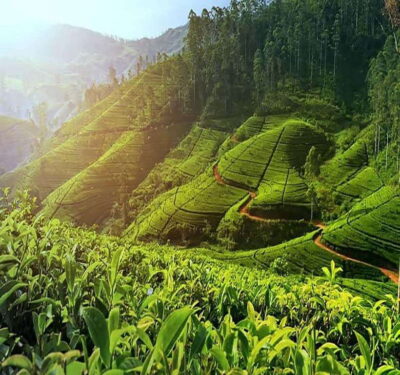
Nuwara Eliya: Tea Factory and Pickle Waterfalls Tuk Tuk Tour
Read our review →
From Colombo: Kandy, Pinnawala and Tea Factory Full-Day Trip
Read our review →
Ella: Tea Factory, Train, and Nine Arch Day Tour with Pickup
Read our review →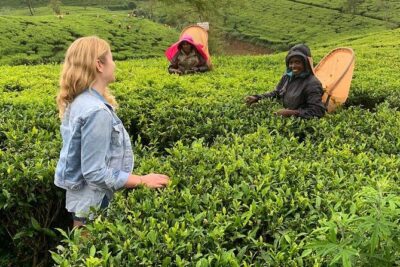

Ella Private Day Trip with Train Ride & Tea Factory-All Inclusive
Read our review →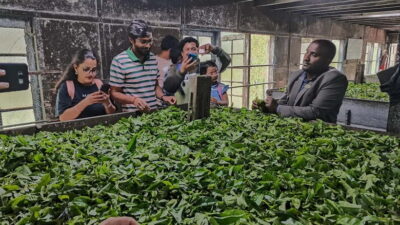
Munnar: Tea trail, Tea Factory, and Tea Tasting Tour
Read our review →
Nuwaraeliya Tea Factory and WaterFall Tour’s With DMJ Tours
Read our review →Browse the lists this tour appears in