
Review · ELLA TEA TOURS
Handmade Tea Tour in Ella Sri Lanka
Ella’s Handmade Tea Tour lets you handle the whole tea story, from plucking fresh leaves to making and tasting the finished drink. You also visit a nearby kovil, try traditional tea-plucker clothing, and finish with views from Sky Cafe.
I like the small private format, limited to six people, and the chance to take home tea you helped prepare. I also like that the experience joins plantation work with the factory process instead of showing you only a polished tasting room. The main drawback is timing: factory activity can be quiet on a weekend or holiday, which may make the plantation section feel less local than expected.
Key points at a glance
- You pick tea in the estate: The tour begins outdoors with a basket, tea-plucker attire, and an introduction to tea cultivation.
- A nearby kovil adds local context: Traditional worship forms part of the opening visit.
- You make and package your own tea: The hands-on section is more memorable than a standard factory walk-through.
- The group is capped at six: That gives you a better chance to ask questions and follow the process closely.
- Sky Cafe hosts the tasting: You sample several teas and taste the tea made by your own group.
- Weather and working days matter: Poor weather can cancel the activity, and a quiet weekend may mean fewer factory workers on site.
Starting at Uva Halpewatte Tea Factory
The meeting point is Uva Halpewatte Tea Factory on Badulla Road in Hela Halpe, outside Ella. The tour begins and ends there, so you do not need to arrange a second meeting point halfway through the morning.
The experience lasts about two hours, although the detailed factory visit is listed as one hour. That suggests the tea plucking, kovil visit, tea crafting, and tasting share the remaining time. You should arrive ready to move between the estate and the facility rather than expecting two full hours inside the factory.
The group size is one of the strongest practical features. With no more than six people, your guide can explain the steps without shouting over a large tour group. You also have a better chance to ask about the leaves, the machinery, or the differences between tea types.
The factory is open Monday through Sunday from 8:00 a.m. to 4:30 p.m. The listed time slots begin at 8:00 a.m. and continue through the day at roughly 90-minute intervals: 8:00, 9:30, 11:00, 12:30, 2:00, and 3:30. The final slot is shown as ending at 5:30, but the published schedule contains a time-format error, so confirm the final afternoon departure before booking it.
More tea experiences around Sri Lanka if you are still choosing
- Uva Halpewatte Tea Factory Tour in Ella Sri Lanka
★ 5.0 · 653 reviews - Tea Plantation Tour in Ella, Sri Lanka
★ 5.0 · 319 reviews - Nuwara Eliya: Tea Factory and Pickle Waterfalls Tuk Tuk Tour
★ 4.7 · 113 reviews
Picking leaves, dressing for the work, and visiting the kovil
The first part takes you to the tea estate. You receive a basket and can wear traditional tea-plucker clothing for the picking session. This is not just a photo stop. It gives you a simple sense of the repeated hand work behind a finished cup of Ceylon tea.
Tea plucking looks easy until you consider how carefully the leaves must be selected. The activity introduces the tea plant, cultivation, and the background of tea production before you enter the factory. You may come away with a better appreciation for why the raw leaves need careful handling from the field onward.
The nearby kovil is another useful touch. Traditional worship is included at the start, giving the visit a cultural element that a basic factory tour would miss. The stop appears brief, but it helps place the plantation within the daily life of the local community rather than treating tea as only an industrial product.
You should have a moderate level of physical fitness. The tour involves walking around the estate and factory, plus standing during demonstrations. The supplied information does not describe the exact walking distance or surfaces, so contact the factory if mobility is a concern.
The plantation section is also where conditions can vary most. If the factory is operating normally, you get a more active look at tea work. On a weekend or public holiday, there may be few or no workers present. The visit can still proceed, but it may feel more like a guided demonstration than a working plantation day.
Turning fresh leaves into handmade tea
After plucking, you visit a small tea-making facility for the handmade section. Here, you see how the leaves are handled and take part in creating your own tea. The exact style of tea depends on the session, but the experience includes making a green tea and preparing a blend to take home.
This is the part that gives the tour its personal edge. At a standard factory visit, you usually watch the process and then buy a packet. Here, your group has a direct role in producing and packaging a selected tea. That makes the final cup easier to understand because you have seen the leaves before they become a finished product.
You also receive a short explanation of the larger tea-making process at the factory. The guide takes you through the steps from cultivation toward brewing, linking the small handmade facility with the commercial production side of Uva Halpewatte.
The balance is useful. You see both the hands-on craft and the broader factory method, but you should not expect a long technical tour of every industrial stage. The detailed information describes the factory portion as a brief overview, while the personal tea-making activity gets the more active role.
Guide Parami has been singled out for patient, friendly explanations and clear teaching. Guide quality matters here because tea processing can sound like a list of unfamiliar terms. A good guide turns each step into something you can connect to the leaves in your own basket.
Tasting Ceylon tea at Sky Cafe
The tour ends with tea tasting at Sky Cafe. You sample the main types of tea made by the factory, then taste tea prepared by your own group. That comparison is the payoff: you can notice how different processing methods affect the cup, even if you are not a serious tea expert.
The tasting also gives you time to enjoy the setting. The factory and cafe have wide views over the Ella area, and the scenery is one of the clear pleasures of the visit. Bring a camera if you like photographs, but do not let the view distract you from the tasting. The useful question is not only which tea tastes best, but how the tea you made compares with the factory versions.
You do not need to know anything about tea before arriving. The experience is designed to explain the process from plant to drink, and the small group makes it easier to ask basic questions without feeling out of place.
The tea you select or make is packaged for you to take home. That makes the $85 price easier to assess. You are paying for a private, guided activity with materials, a tasting, a plantation visit, and a take-home product, not simply admission to a factory viewing area.
Same city, a very different cup:
- From Colombo: Kandy, Pinnawala and Tea Factory Full-Day Trip
★ 4.4 · 99 reviews - Ella: Tea Factory, Train, and Nine Arch Day Tour with Pickup
★ 4.8 · 98 reviews - Tea Fields & Factory Tour
★ 5.0 · 67 reviews - Ella Private Day Trip with Train Ride & Tea Factory-All Inclusive
★ 5.0 · 61 reviews
Is $85 a fair price?
At $85, this is not the cheapest way to see tea production in Ella. The value depends on what you want from the visit.
If you only want to walk through a factory and buy tea, the price may feel high. You can get a shorter introduction to tea production elsewhere without the plucking session or the hands-on tea-making work.
If you want a private activity that combines culture, outdoor time, instruction, tasting, and a small souvenir, the price is easier to justify. The group limit of six is important. Your money is buying attention from a guide and the chance to make tea yourself, not just a seat in a large group.
The experience also works well for families with older children and teenagers. The basket, clothing, leaf picking, tea making, and tasting give young people several things to do. The industrial history of tea may not hold their attention on its own, but the practical tasks help keep the visit moving.
I would also consider it for couples or friends who want a gentle, structured activity between Ella’s outdoor sights. It is not an all-day excursion, so you can fit it around other plans. The early slots are especially useful if you want the rest of the day free.
The quiet-day problem
The most important caution is the difference between a guided tea experience and a fully active factory day. The tour promises an overview of production, but the factory may be quiet during a weekend or holiday. If no workers are present, you may not see the normal rhythm of plantation labor or factory operations.
That does not make the tour worthless. You still have the estate visit, the handmade section, the explanations, the packaging, and the tasting. But if your main goal is to watch a busy tea factory at work, ask about operating conditions before you go.
Weather is another factor. The experience needs good weather, likely because the opening tea-picking session takes place outdoors. If poor weather cancels the tour, you can choose another date or receive a full refund. Cancel at least 24 hours before the start time if you need to cancel yourself. Cancellations within 24 hours are not refunded, and late changes are not accepted.
Who will enjoy this most?
I would choose this tour if you want more than a scenic stop and a cup of tea. It suits you especially well if you enjoy making things, asking questions, and taking home something connected to the place.
It is a good match for:
- Couples looking for a calm, unusual activity in Ella
- Families with teenagers who need something hands-on
- Tea drinkers who want to understand production from leaf to cup
- Small groups who prefer a private guide
- Visitors who want both plantation scenery and factory context
It may be less suitable if you dislike walking, standing, or outdoor activities. It may also disappoint you if you expect a large working factory with constant machinery and a full staff on every visit.
The mobile ticket is useful for keeping the booking on your phone, and confirmation is provided at the time of booking. Since the experience is private, only your group participates. That makes the format more relaxed, but it also means you should pay attention to the exact start time and arrive at the factory rather than waiting for a group transfer.
Should you book the Handmade Tea Tour?
Book it if you want to make your own tea, not simply hear about it. The strongest parts are the small group, tea picking, traditional kovil visit, handmade green tea session, and tasting at Sky Cafe. Guide Parami is a name worth requesting if guide choice is possible, since clear explanations make the process much easier to follow.
I would choose an earlier weekday slot if possible. That gives you a better chance of seeing normal factory activity and leaves the afternoon open. Before confirming, check the final time slot, especially if you are considering the listed 3:30 to 5:30 departure.
The tour is a solid choice for a personal, two-hour introduction to Sri Lankan tea. Just keep your expectations realistic: this is a hands-on cultural and production experience, not a long industrial plant tour. If that balance suits you, the $85 cost buys a more memorable visit than a simple tasting and souvenir purchase.
FAQ
Where does the Handmade Tea Tour start?
It starts at Uva Halpewatte Tea Factory, Badulla Road, Hela Halpe, Ella, Sri Lanka 90090.
Where does the tour end?
The activity ends back at the tea factory meeting point.
How long does the experience last?
The Handmade Tea Tour takes approximately two hours. The factory tour portion is listed as one hour.
How many people can join the tour?
The private activity accommodates up to six visitors at a time.
What activities are included?
You pick tea at the estate, visit a nearby kovil, see handmade tea production, receive an overview of factory tea making, package selected tea, and take part in a tasting at Sky Cafe.
Are different start times available?
Yes. The listed slots begin at 8:00 a.m., 9:30 a.m., 11:00 a.m., 12:30 p.m., 2:00 p.m., and 3:30 p.m. The final listed end time should be confirmed because the published schedule contains a time-format error.
What happens if bad weather cancels the tour?
You can choose a different date or receive a full refund if the experience is canceled because of poor weather.
What is the cancellation policy?
You receive a full refund if you cancel at least 24 hours before the start time. Cancellations or changes made less than 24 hours before the experience are not accepted or refunded.
Fresh tea listings around Sri Lanka
- Ella: Lipton’s Seat Tour with Dambetanna Tea Factory Visit★ 4.6 · 7 reviews
- From Colombo: Kandy & Pinnawala & Tea Factory Full Day Trip★ 4.3 · 2 reviews
- Comprehensive Excursion: Horton Plains and Pedro Tea Factory★ 4.5 · 4 reviews
- From Negombo: Ambuluwawa Tower & Tea Factory,Kandy Day Trip★ 5.0 · 9 reviews
- Kandy to Nuwara Eliya Day Trip – Little England & Tea Country★ 5.0 · 24 reviews
- From Colombo or Negombo: Pinnawala, Kandy & Tea Factory Tour★ 4.8 · 15 reviews
- Kandy & Pinnawala & Tea Factory Full Day Tour From Negombo★ 4.3 · 11 reviews
- Ella’s Ceylon Tea Plantation and Factory Tour★ 5.0 · 15 reviews
Ella Tea Tours, compared.
Uva Halpewatte Tea Factory Tour in Ella Sri Lanka
Read our review →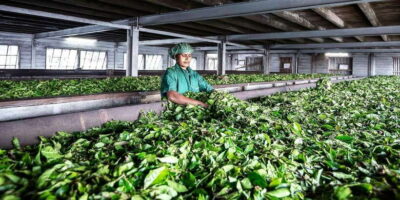
Ella: Lipton’s Seat Tour with Dambetanna Tea Factory Visit
Read our review →Browse the lists this tour appears in