
Review · TEA PLANTATION & FARM TOURS
Tea Plantation Tour in Ella, Sri Lanka
The best part of this Ella experience is the moment you swap sightseeing for work. You receive a basket, head into the tea rows, and try picking the tender leaves yourself. A short visit to a small Ganesh shrine near the plantation adds a local ritual before the picking begins. The physical effort is real, even for a few minutes.
I like the chance to meet an experienced plucker such as Maria, and I like the clear introduction to Ceylon tea grades, including OP, BOP, and FBOP. The mountain-top Sky Café also gives you wide views over tea fields and countryside. The main drawback is scope: the visit may focus on the fields and tasting, while the factory production area can be limited or require a separate fee.
Key points to know before you go
- Tea picking is part of the tour: You are expected to take part, not just watch.
- A short Ganesh ritual comes first: The customary worship takes place at a small kovil near the plantation.
- Guides make a difference: Sallay, Sally, and Nari are named as helpful guides on different visits.
- The tasting covers tea grades: You may try four grades and learn terms such as OP, BOP, and FBOP.
- The Sky Café sits high above Ella: It is about 300 meters above ground and 1,300 meters above sea level.
- Plan for about an hour: Tours operate from 8:00 a.m. to 4:30 p.m., with a maximum group size of 10.
Tea picking puts Ella’s famous drink in your hands
Ella is surrounded by tea estates, but looking at neat rows of bushes does not tell you much about the work behind your morning cup. This experience gives you a small taste of that labor. You carry a basket into the field and learn which leaves to pick before trying the motion yourself.
The usual instruction is simple: harvest the young leaves used for tea production. The task sounds easy until you repeat it. You quickly notice the stamina required to bend, reach, and work along the bushes for hours. A short session cannot reproduce a full working day, but it does give you respect for the skill and pace of professional pluckers.
You may also be offered traditional tea-picking clothing, described as a wraparound saree or sarong. This is part of the presentation, but it also helps you understand how the job is done in local dress. Wear something comfortable and suitable for outdoor work. The supplied information calls for moderate physical fitness, so this is not a fully passive factory stop.
One of the most useful human touches is meeting an experienced plucker. Maria is named as an older, highly skilled worker, while another account refers to Marietta. The spelling varies, but the point is clear: time with a real tea picker adds more than a staged demonstration. Watch how she handles the bushes and compare her speed with your own.
More Tea Plantation Tours in Sri Lanka
- Tea Fields & Factory Tour
★ 5.0 · 67 reviews - Tuk-Tuk Safari Liptons seat,Tea Fields Hike,TeaFactory Tour
★ 4.8 · 46 reviews - Galle Day Tour and Tea Plantation from Bentota & Other Places
★ 5.0 · 19 reviews
A small kovil adds meaning before the field
Before picking, the group traditionally worships Lord Ganesh at a small kovil close to the plantation. This is a brief cultural moment, not a long temple visit, but it gives the activity a sense of place.
I like this part because it connects the work to a local custom instead of treating the plantation as a photo backdrop. You are not only being handed a basket and sent into the bushes. There is a short pause before the work begins.
Do not expect a full religious tour or extensive explanation of the shrine. The available details describe a small kovil and customary worship. The focus remains tea picking, not temple sightseeing.
What the one-hour visit actually covers
The stated duration is about one hour, though the normal range is 40 minutes to an hour. The schedule is flexible, with operations running daily from 8:00 a.m. until 4:30 p.m. This is useful if your day in Ella includes other stops, but it also means you should not expect a long, slow estate visit.
The experience begins at Uva Halpewatte Tea Factory on Badulla Road in Hela Halpe, outside Ella. From the meeting point, the visit moves through an explanation of tea, the short worship ritual, the picking session, and tea tasting.
The order can vary. If you arrive between groups, you might join a tour already in progress. One person reported receiving only a few minutes of explanation before being given a basket and sent to pick. To avoid a rushed start, arrive early and ask when the next complete group begins.
The small group limit, up to 10 people, is a plus. You have a better chance of hearing the guide and getting a turn with the basket than you would in a large coach group. Still, the actual quality can depend on how the group is assembled and which guide leads it.
The tea lesson explains more than black tea
The teaching portion covers how tea is grown, harvested, dried, and stored. You also learn that Ceylon tea is sold in different grades and flavors. The terms can seem technical at first, but they matter if you want to understand why two teas from the same country can taste quite different.
The tasting may include four grades, with examples such as OP, BOP, and FBOP. You can use this as a practical lesson rather than simply drinking four cups. Notice the differences in strength, leaf size, aroma, and finish, then ask the guide to explain what each grade means.
The experience also introduces black, green, and white tea. That gives you a useful basic map of tea production. Ceylon tea is not one single flavor, and the tasting helps show how processing and grading affect the final cup.
The guides named in the feedback include Sallay, Sally, and Nari. Sallay is praised for keeping the talk interesting and adding humor. Nari is described as well informed and able to explain the daily work clearly. The names may reflect different guides or different spellings, so do not book solely on the expectation of a particular person.
Same city, a very different cup:
- Uva Halpewatte Tea Factory Tour in Ella Sri Lanka
★ 5.0 · 653 reviews - Nuwara Eliya: Tea Factory and Pickle Waterfalls Tuk Tuk Tour
★ 4.7 · 113 reviews - From Colombo: Kandy, Pinnawala and Tea Factory Full-Day Trip
★ 4.4 · 99 reviews - Ella: Tea Factory, Train, and Nine Arch Day Tour with Pickup
★ 4.8 · 98 reviews
The tasting is useful, but manage your expectations
The tasting is one of the most anticipated parts, and it can be a good close to the visit. You get to connect the leaves in the field with the finished drink, which makes the grading lesson easier to understand.
The quality of this part appears less consistent than the picking. On some visits, the tea was considered a pleasant finish. On others, four cups had already been prepared and were sitting out, with little explanation beyond their names. If tasting matters to you, ask what each cup is and how the grades differ.
That small question can turn a basic tasting into a better one. Ask about the leaf, the processing method, the strength, and the reason for serving that grade. The supplied information does not promise a formal tasting workshop, so you should see this as an introduction rather than a specialist tea course.
There is also a tea shop, where you can buy tea at what one account describes as good prices. Another account felt some factory-shop prices were high for Sri Lanka. I would compare labels and prices before buying, especially if the shop presents premium grades.
How much factory access should you expect?
The experience is connected to Uva Halpewatte Tea Factory, but the exact amount of factory access needs attention. The description refers to learning the manufacturing process, while several accounts describe the visit as focused mainly on the field outside the factory. One person specifically noted that the production area was not part of the paid plantation visit.
Another account treated the plantation visit as a follow-up to a factory tour. That suggests the site may offer separate activities, or that access depends on the ticket selected. Check what your $25 booking includes before arrival if seeing the machinery is important to you.
This distinction matters. If you want a short hands-on introduction, the price is reasonable. If you expect a full factory walk-through showing withering, rolling, drying, grading, and packing, you may feel shortchanged unless that section is clearly included.
The activity’s strongest material is the field work, not guaranteed factory access. I would book it for the picking and tea lesson, then treat any factory component as an extra benefit unless confirmed.
The Sky Café gives the visit a wider view
The Sky Café is described as sitting on a mountain top about 300 meters above ground and 1,300 meters above sea level. From there, you can look over tea estates and the surrounding countryside while having tea.
This setting gives the visit a pleasant pause after the field session. You are not just tasting tea in a plain room. The view helps explain why Ella’s tea country is such a popular stop, with green slopes and estates stretching around the town.
Weather matters here. Rain can interrupt the plantation part, as it often does in Sri Lanka’s hill country. One visit was cut short by a torrential downpour. The activity requires good weather, so a cancellation may lead to another date or a full refund.
Bring practical clothing rather than dressing only for photographs. The field may be wet, and the activity involves movement. The supplied details do not list special equipment, so you should not assume rain gear or protective clothing is provided beyond the optional picking attire and basket.
Is $25 good value for this Ella stop?
At $25, I consider the experience fair value if you want a short activity with direct participation. You receive a guide-led introduction, a basket for picking, a plantation visit, a tea lesson, and a tasting. The group size of up to 10 also helps the price feel reasonable.
The value drops if you expect a long tour or a detailed production visit. Forty minutes can pass quickly, especially if you join late or spend much of the time waiting for instructions. The reports of separate payment for factory access are important, so confirm that part before booking.
I would compare this with your other Ella plans. It is not a replacement for a full-day plantation visit, a long hike, or a serious tea course. It works well as a compact stop between other activities, particularly for people who drink tea and want a more grounded sense of the work.
The 4.8 rating from 319 reviews and 95 percent recommendation figure suggest strong overall satisfaction, but the lower scores point to a clear pattern: the picking is usually the highlight, while the welcome, factory access, or tasting may be less polished. That is a fair trade at this price if you know what you are buying.
Who will enjoy this experience most?
I would recommend it to tea drinkers, families with older children, couples, and anyone curious about everyday work in Sri Lanka’s hill country. The hands-on element makes it more memorable than simply looking at a plantation from a road.
It also suits you if you have limited time in Ella. The opening hours run every day from 8:00 a.m. to 4:30 p.m., and the short format is easy to fit around other plans. Public transportation is nearby, which helps if you are not using a private car.
You may want to skip it if you dislike outdoor work, have difficulty with moderate physical activity, or want a polished museum-style presentation. It is also not the best choice if your main goal is a long factory tour. Ask specifically about production-floor access before paying.
The experience is best approached with modest expectations. Think of it as a practical tea introduction with a picking session, not as an exhaustive account of Sri Lanka’s tea industry.
Booking, weather, and cancellation details
The ticket is mobile, and confirmation is received at booking. The start and end point is Uva Halpewatte Tea Factory, Badulla Road, Hela Halpe, Ella, Sri Lanka. The activity ends back at the meeting point.
Free cancellation is available up to 24 hours before the start time. Cancel inside that window and you will not receive a refund. Changes made within 24 hours are also not accepted.
Because the activity requires good weather, the operator may cancel in poor conditions. In that case, you are offered another date or a full refund. This is worth remembering during rainy periods, when the field work may not be practical.
Should you book the Halpewatte tea plantation tour?
I would book it if you want to pick tea yourself, meet a skilled plucker, and learn the basic difference between Ceylon tea grades without giving up half a day. The short format, small group limit, mountain views, and $25 price make it a sensible Ella add-on.
I would not book it expecting a guaranteed, detailed factory inspection. Confirm whether the production area is included, and ask how the tasting will be handled. If the answer is clear, you can decide if the price fits your plans.
For me, the strongest reason to go is the picking. A basket in your hands makes the tea trade feel less abstract, and even a brief session shows why the work demands such skill and stamina. Add the Ganesh ritual, the countryside views, and a few cups of graded tea, and you have a useful, memorable stop, as long as you accept its limited length.
FAQ
Where does the tea plantation tour begin?
It begins at Uva Halpewatte Tea Factory, Badulla Road, Hela Halpe, Ella, Sri Lanka 90090.
How long does the experience last?
The normal visit takes about 40 minutes to one hour. The stated duration is approximately one hour.
What are the opening hours?
The activity operates Monday through Sunday from 8:00 a.m. to 4:30 p.m.
Is tea picking included?
Yes. Participation in the tea-picking session is required, and you receive a basket for harvesting tea.
Do I need to wear traditional tea-picking clothing?
You may choose to wear the customary tea-plucker attire, described as a wraparound saree or sarong. The provided information does not say that this clothing is required.
Is there a religious ritual during the visit?
Yes. Before the picking session, the group performs customary worship of Lord Ganesh at a small kovil near the plantation.
What kinds of tea are discussed or tasted?
The experience covers black, green, and white tea, along with grades such as OP, BOP, and FBOP. A tasting of four tea grades is included in the available details.
Is a factory tour included?
The experience takes place at Uva Halpewatte Tea Factory, but the amount of access to the production area may vary. Some accounts describe the plantation and outside areas as the main focus, with factory access requiring a separate fee.
How large is the group?
The maximum group size is 10 people.
Can I cancel for a refund?
You can cancel at least 24 hours before the start time for a full refund. Cancellations or changes made less than 24 hours before the start time are not accepted for a refund. If poor weather causes the operator to cancel, you are offered another date or a full refund.
Fresh tea listings around Sri Lanka
- From Negombo: Ambuluwawa Tower & Tea Factory,Kandy Day Trip★ 5.0 · 9 reviews
- Kandy & Pinnawala & Tea Factory Full Day Tour From Negombo★ 4.3 · 11 reviews
- Kandy to Nuwara Eliya Day Trip – Little England & Tea Country★ 5.0 · 24 reviews
- From Colombo or Negombo: Pinnawala, Kandy & Tea Factory Tour★ 4.8 · 15 reviews
- Ella’s Ceylon Tea Plantation and Factory Tour★ 5.0 · 15 reviews
- Handmade Tea Tour in Ella Sri Lanka★ 5.0 · 77 reviews
- Uva Halpewatte Tea Factory Tour in Ella Sri Lanka★ 5.0 · 653 reviews
- Shore Excursion From Colombo port to Ingiriya Tea Plantation & back for 2 People★ 4.5 · 11 reviews
Tea Plantation & Farm Tours, compared.
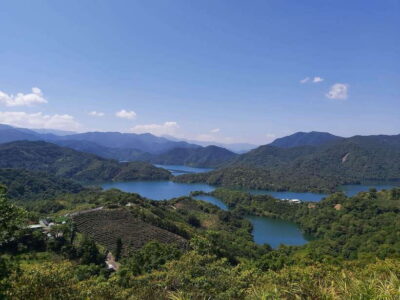
From Taipei: Thousand Island Lake and Pinglin Tea Plantation
Read our review →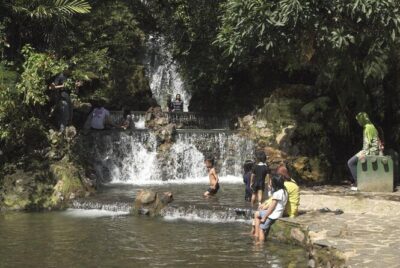
Active Volcano, Rice Field, Hot Spring, Fruit market, Tea Plantation with Lunch
Read our review →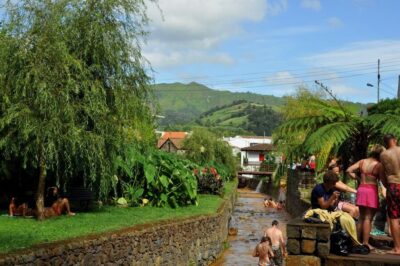
Furnas: Tea Plantations, Lake and Volcano Guided Tour
Read our review →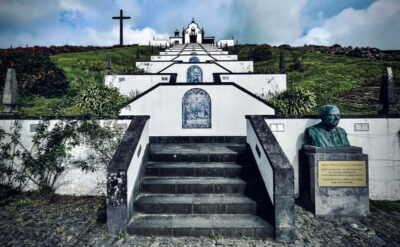
São Miguel: Furnas Volcano & Tea Plantation Tour with Lunch
Read our review →
Furnas Volcano & Tea Plantation With Traditional Lunch, East Tour
Read our review →
Thousand Island Lake and Pinglin Tea Plantation from Taipei
Read our review →
Furnas: Volcano Wonders, Tea Plantation & Waterfall Tour
Read our review →
Adventure in the Furnas, with volcanoes, lagoons and tea plantations
Read our review →Browse the lists this tour appears in