
Review · TEA PLANTATION & FARM TOURS
From Taipei: Thousand Island Lake and Pinglin Tea Plantation
Taiwan’s tea country begins surprisingly close to Taipei. This half-day trip carries you up twisting mountain roads to Shiding’s Thousand Island Lake, then into the tea-growing district of Pinglin for a museum visit and a proper tasting. I like the contrast between the calm reservoir views and the hands-on tea lesson. I also like that guides such as James, Sharon, Gordon, Grace, and Tony have a habit of adding useful local detail along the drive.
The main drawback is the road itself. The route is winding, and the shared vehicle can feel tight for taller passengers. The tea museum is also modest, so you should book this for the scenery and tea experience first, with the museum as a useful extra.
Key points at a glance
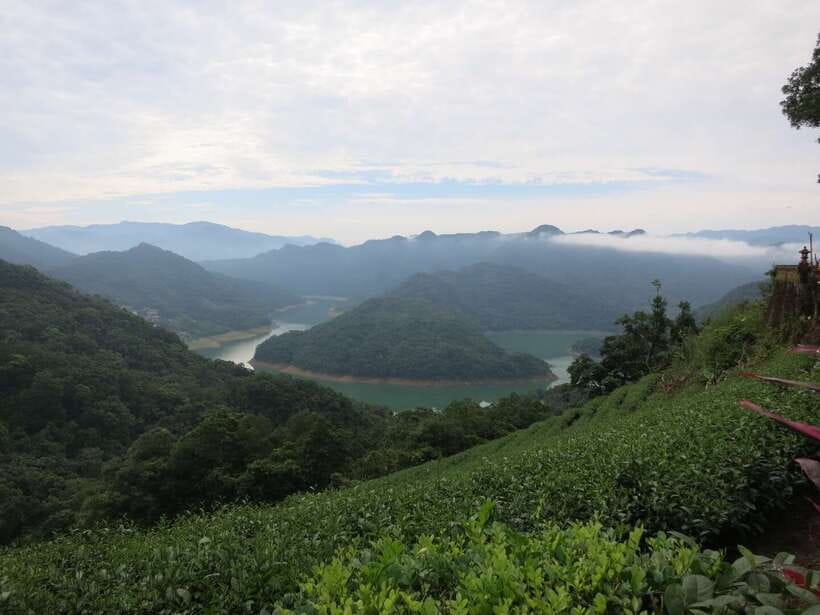
- Shiding’s Thousand Island Lake: See the many green-covered hills and inlets formed around Feitsui Reservoir from a high viewpoint.
- Bagua Tea Garden: Look down on orderly tea rows shaped around the symbols of the Eight Trigrams.
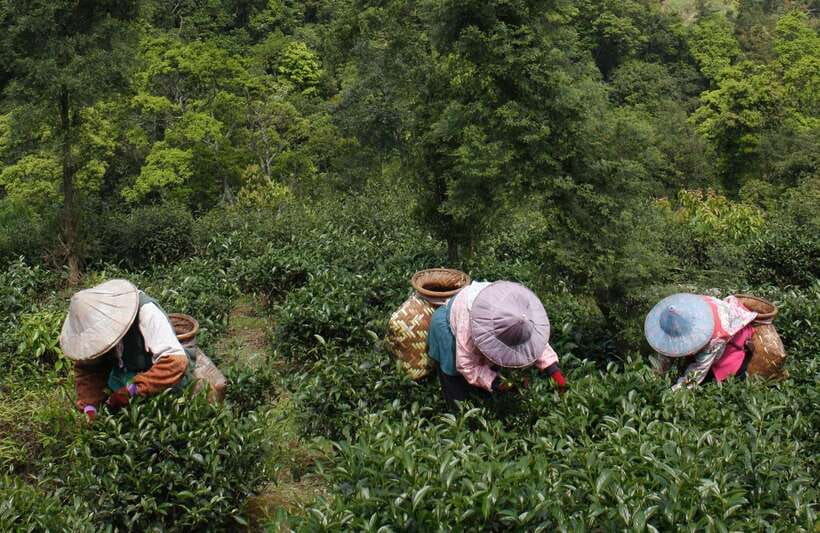
- Pinglin tea country: Visit the district where Wenshan Pouchong is grown and learn how tea is harvested and prepared.
- Tea tasting with a local specialist: Watch a proper Taiwanese brewing method and sample several teas, including honey black tea on some visits.
- Five-hour escape from Taipei: The trip includes air-conditioned transport, a guide, tea tasting, and return transfer.
- Flexible format: Join a small group or choose a private option, with departure guaranteed from one participant.
Why this short trip works so well from Taipei
If you have already seen Taipei 101, wandered Ximending, and spent time around the city’s temples and markets, this tour gives you a very different view of northern Taiwan without taking a full day. In about five hours, you trade traffic and towers for reservoirs, hills, narrow roads, tea farms, and an old village street.
I especially like the way the experience links scenery with culture. Thousand Island Lake is not simply a photo stop. The guide explains how the catchment area around Feitsui Reservoir creates the setting for tea farming, then the later stops show how that setting shapes local work and traditions.
The $40 price is strong value for a half-day outing. You get transport in an air-conditioned vehicle, a live guide, general liability insurance, and tea tasting. You do not get a meal, bottled water, or a full farm workshop, so bring water and some cash. If you want a private vehicle and hotel pickup, choose the private option, which may cost more than the basic shared rate.
More Tea Plantation Tours in the world:
- Active Volcano, Rice Field, Hot Spring, Fruit market, Tea Plantation with Lunch
★ 5.0 · 513 reviews - Furnas: Tea Plantations, Lake and Volcano Guided Tour
★ 4.8 · 511 reviews - São Miguel: Furnas Volcano & Tea Plantation Tour with Lunch
★ 4.9 · 375 reviews
The mountain road to Thousand Island Lake
Your guide meets you at MRT Zhongxiao Xinsheng Station, Exit 2, unless you select hotel pickup. From the station, the drive gradually leaves central Taipei behind and heads toward Shiding, a rural district of New Taipei City.
The road becomes twisty as the vehicle climbs. I would not choose this outing if winding roads make you seriously uncomfortable, though the drivers are reported to take the turns carefully and the air-conditioned vans are generally clean and comfortable. One useful detail is that the vehicle may change to a smaller van closer to the tea farms, where the roads become narrower.
The drive is part of the experience. Guides often explain places and buildings along the way, as well as the connection between Taipei, Shiding, Pinglin, and Taiwan’s tea trade. A strong guide can turn the transfer time into a moving introduction rather than dead time. Names that have been praised for friendly, clear commentary include James, David, Gordon, Grace, Sharon, Tony, Kevin, and Mali, though the guide assigned to you will vary.
Seeing Shiding’s Thousand Island Lake
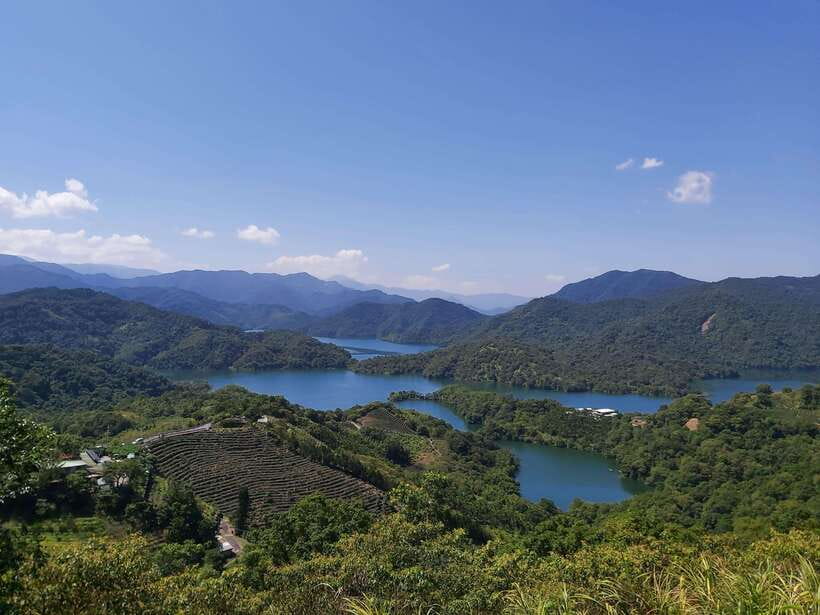
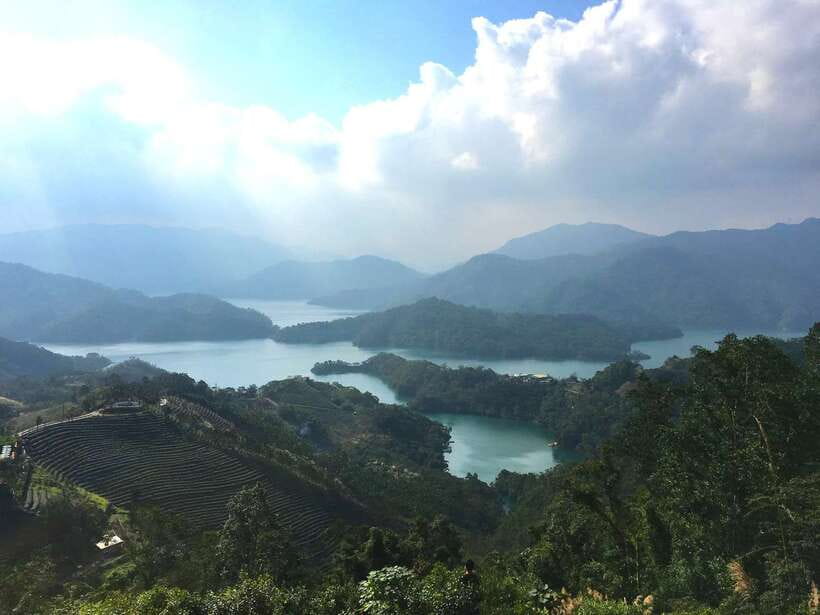
The first major stop lasts about 20 minutes. The name Thousand Island Lake refers to the many small, hill-covered sections visible around Feitsui Reservoir. It shares its name with the better-known lake in Zhejiang, mainland China, but the Taiwanese version is a reservoir catchment surrounded by tea country.
You will not be taking a boat ride or walking a long trail here. This is a viewpoint stop, designed for photographs and a short explanation of the area. The view is best understood from above, where the water cuts around the hills and creates the impression of scattered islands.
Give yourself time to look beyond the first photograph. The shape of the reservoir shows why the area has become a popular day trip from Taipei, but the surrounding tea fields are just as important. The climate and terrain support farms producing Wenshan Pouchong and Dong Fang Mei Ren, also called Oriental Beauty Oolong.
Weather matters. On a clear day, the reservoir and hills can look crisp and spacious. In rain or low cloud, the view becomes softer and less dramatic. The tour still runs in poor weather, and one useful attitude is to treat the stop as a scenic pause rather than a guaranteed postcard moment.
Bagua Tea Garden and the geometry of tea
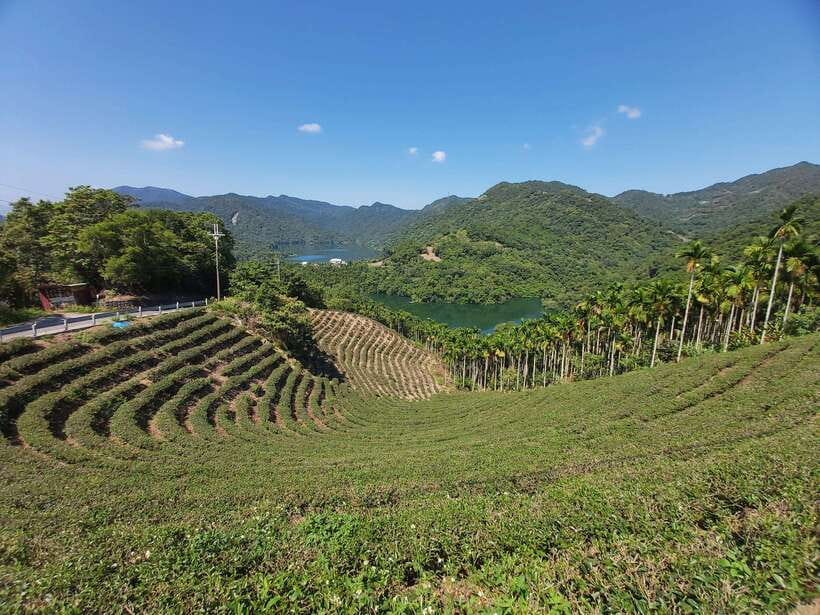
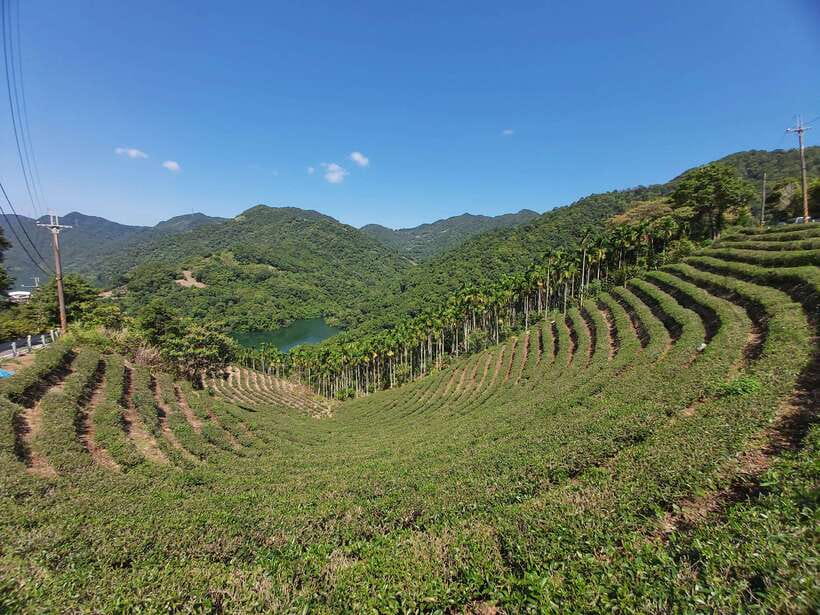
The next stop takes about 25 minutes at Bagua Tea Garden. From the hill, the planted rows form patterns associated with the Eight Trigrams, or Bagua. This is one of the more distinctive views on the trip because the tea field is both a working farm and a carefully shaped visual design.
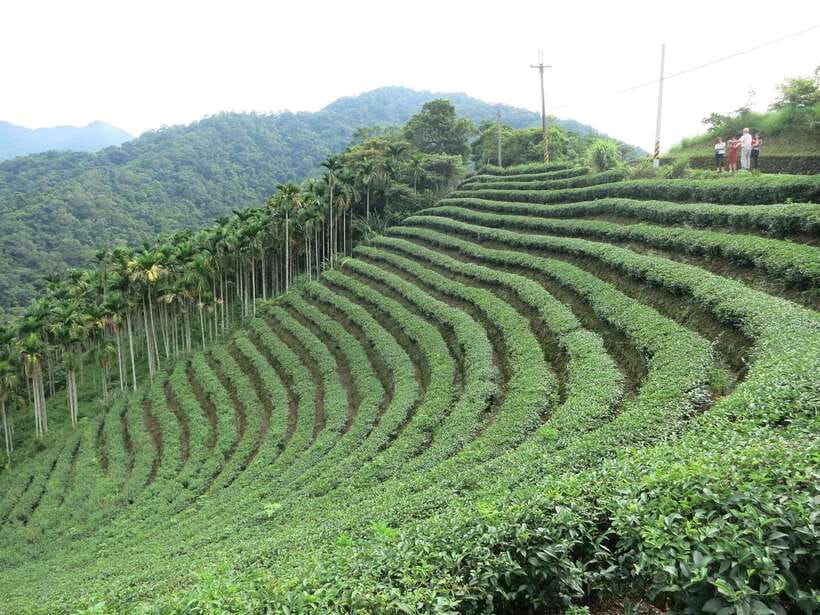
This is a good place to take photographs, but I also like it as a chance to understand how tea farming fits the slopes. The rows follow the form of the land rather than sitting on a flat plain. Your guide can explain the farm, the local tea varieties, and how the area’s conditions support cultivation.
Do not expect a long agricultural class or a large plantation visit. The stop is fairly short, and the focus is on the viewpoint and explanation. Still, it gives the later tea tasting more meaning. When you see the neat rows on the hill, a packet of tea stops being an anonymous souvenir.
More tea experiences around the world if you are still choosing
- Kyoto: Tea Ceremony in a Traditional Tea House in Kiyomizu
★ 4.9 · 3,519 reviews - London: Afternoon Tea Cruise on the River Thames
★ 4.4 · 3,274 reviews - Kyoto: Tea Ceremony Ju-An at Jotokuji Temple
★ 4.9 · 3,207 reviews - Afternoon Tea Bus Tour in Dublin
★ 5.0 · 2,791 reviews
Pinglin Tea Museum in a Hokkien courtyard
After roughly 15 minutes on the road, you reach Pinglin District. This is one of Taiwan’s main tea-growing areas, especially for Wenshan Pouchong.
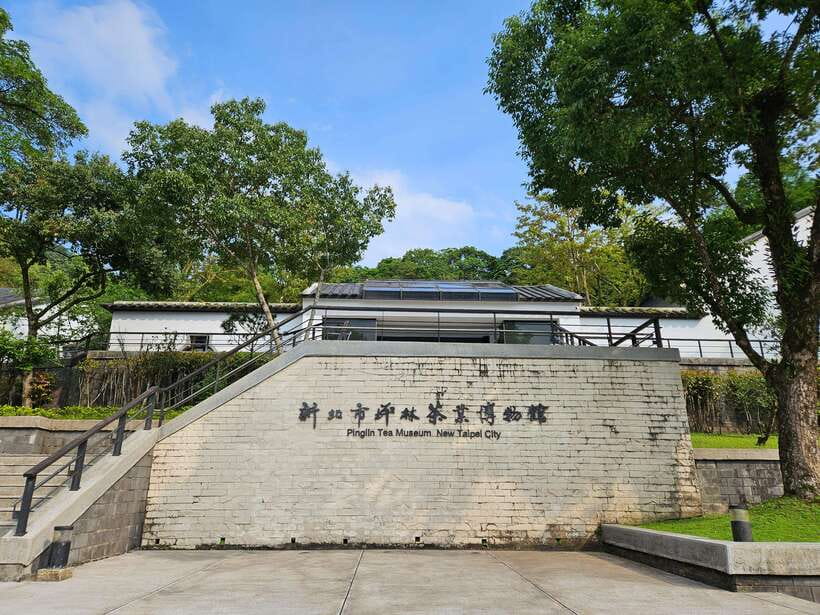
The Pinglin Tea Museum occupies a Hokkien-style siheyuan, or quadrangle courtyard house. Inside, you can see older tools and equipment used for tea harvesting and production. Displays cover the development of Taiwan’s tea industry, giving you a practical base before the tasting.
I would keep your expectations measured. The museum is not huge, and the visit is more useful for context than for a full afternoon of exhibits. One past visit found it closed, with the schedule adjusted to include Pinglin’s old street instead. Since the sequence and stop times can change with weather, traffic, and local conditions, it is wise to see the museum as one part of the outing, not the sole reason to book.
The courtyard style adds something the displays alone would not provide. It gives you a sense of traditional architecture and makes the visit feel connected to Pinglin rather than like a standard city museum.
The tea lesson that makes the trip worthwhile
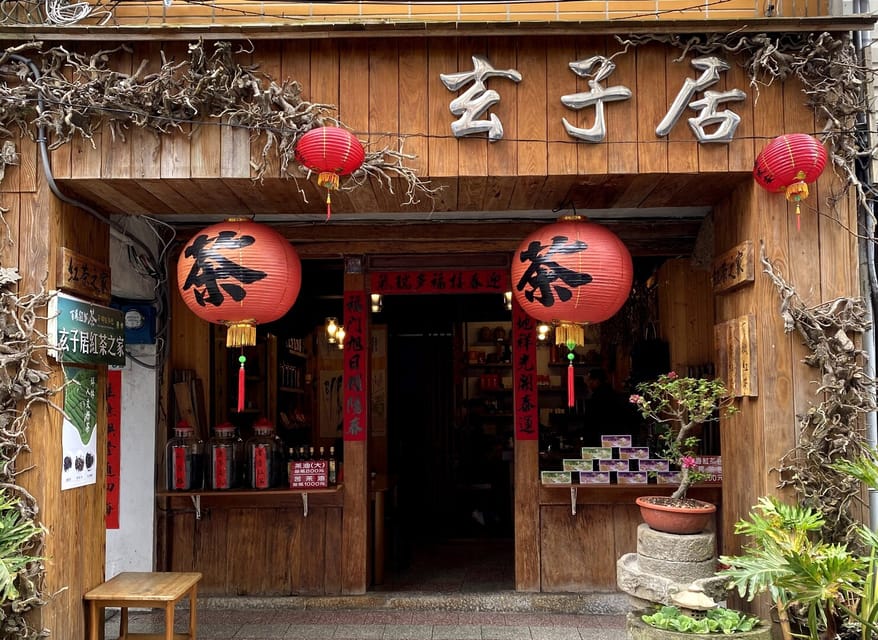
The tea shop and tasting are the heart of the outing. Your guide and a tea instructor explain Taiwanese tea, demonstrate proper brewing, and serve samples for you to taste. The session takes place after the museum and tea-field stops, when you have already seen where the product comes from.
This is not just a quick cup handed to you on the way out. You learn why Taiwanese tea is brewed in small amounts, how the leaves are handled, and how different teas can vary in aroma and taste. The tea ceremony is simple enough for a first-time visitor, but detailed enough to change how you approach tea at home.
The exact samples can vary. Wenshan Pouchong and Dong Fang Mei Ren are central to the area’s tea identity, and some tastings include honey black tea. The honey black tea was a particular favorite for some visitors, but I would not promise that every session offers the same selection.
The tea instructor and shop owner add a local, informal touch. There is usually time to ask questions, and the atmosphere is more relaxed than a formal cultural performance. You may also have the chance to buy tea. There is no stated pressure to purchase, but cash is useful if you want gifts or local tea to take home.
For me, this stop gives the $40 tour its real value. A viewpoint can be photographed in minutes. A good tasting teaches you something you can use for years.
Pinglin Old Street as a useful addition
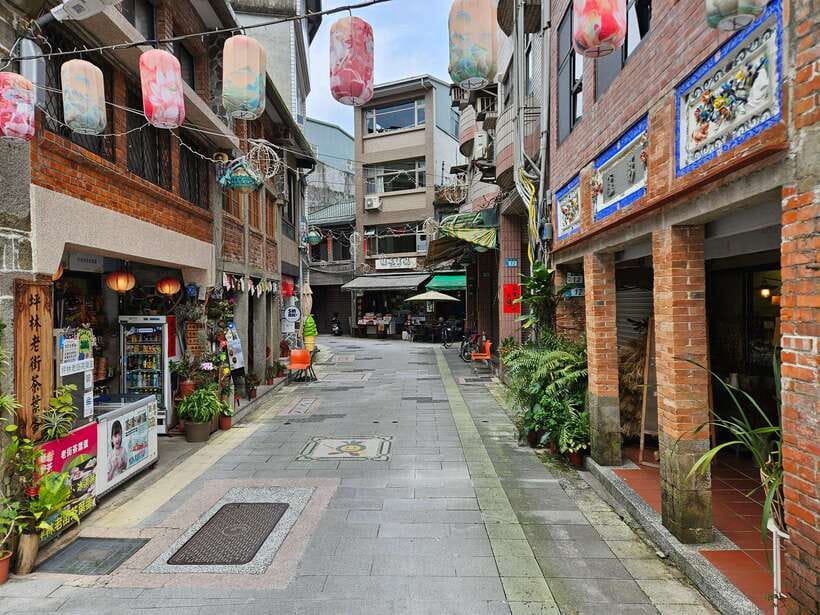
The itinerary includes about 30 minutes around Pinglin Old Street, with sightseeing, tea, and a tea ceremony element. This can be especially useful if the museum is closed or if you want a look at the local village beyond the formal exhibits.
The old street offers a slower, more ordinary side of Pinglin. You may find food shops and small local businesses, but food and drinks are not included in the tour. Bring cash if you plan to buy anything.
The stop is not a major market visit, and you should not expect a long period for independent shopping. It works best as a short final look at the community that supports the surrounding farms.
Transport, group size, and comfort
The tour lasts five hours, including the drives between Taipei, Shiding, and Pinglin. Shared tours use small groups where possible, while private tours offer a more personal pace and optional hotel pickup and drop-off. The standard meeting point is MRT Zhongxiao Xinsheng Station, Exit 2, with return options including the Taipei 101 area or MRT Zhongxiao Xinsheng Station.
Small groups make a difference here. The viewpoints are brief, the tea session benefits from questions, and a smaller vehicle is easier on narrow mountain roads. A solo participant can still depart because the tour has a minimum of one person, which is helpful when your Taipei schedule is tight.
Vehicle comfort depends partly on the assigned bus or van. One passenger found the bus cramped around the knees, while the smaller vans near the farms were more spacious and had good air conditioning. If you are tall, ask about the vehicle arrangement when booking if that matters to you.
Wear comfortable shoes. You are not signing up for a hard hike, but you will move around viewpoints, tea fields, museum grounds, and the old street. Large bags and oversize luggage are not allowed, so leave your suitcase at your accommodation.
The tour is not suitable for wheelchair users or people with mobility impairments. Children under 12 must be accompanied by an adult, and unaccompanied minors are not accepted.
Languages, weather, and the right expectations
Group commentary is offered in English or Chinese. Private tours add Vietnamese and Indonesian options, while the activity information also lists Vietnamese and Traditional Chinese among the available languages. Confirm your preferred language and tour format when you book.
Rain is common enough in northern Taiwan to plan around it. The scenery can still be worthwhile in wet weather, but bring suitable clothing and accept that the reservoir view may be misty. The operator may change the order or time at each stop because of traffic and weather.
I would book this for the subject, not for a packed sightseeing checklist. The itinerary is deliberately light. You spend short periods at the viewpoints, more time with tea, and much of the day learning from the guide during the drive.
Who should book this tea-country outing?
I recommend it most strongly if you like tea, local food traditions, rural scenery, or short cultural trips with clear transportation. It is also a smart choice for a first full day in Taipei, when you want an easy introduction to the area without arranging buses and mountain roads yourself.
Solo visitors can benefit from the group format, especially because guides often help with photographs. Couples and families with older children should find the pace manageable, provided everyone is comfortable with the winding drive. A private option makes more sense if you want hotel pickup, more control over the schedule, or a quieter tasting.
I would skip it if you want strenuous hiking, a long farm stay, extensive museum collections, or a food-focused day. The tea museum is compact, the main lake stop is brief, and the trip is not fully accessible for people with mobility limitations.
Free cancellation is available up to 24 hours before departure, and you can reserve now and pay later. Those policies help if your Taipei plans depend on weather, but the more important booking choice is shared versus private transport.
Should you book it?
Book this tour if you want a calm half-day beyond Taipei and are curious about how Taiwanese tea reaches your cup. The most memorable combination is the reservoir viewpoint, Bagua Tea Garden, and the guided tasting in Pinglin.
At $40, it is a sensible buy for included transport, live commentary, tea samples, and a five-hour route that would be awkward to organize on your own. Just bring cash, wear comfortable shoes, keep your luggage small, and prepare for winding roads. If the weather is dry and your guide is as engaging as James, Grace, Sharon, Gordon, or Tony have been on past departures, this can become one of the most rewarding short trips in the Taipei area.
FAQ
Where does the group tour meet?
Meet your guide at MRT Zhongxiao Xinsheng Station, station numbers BL14 and O07, at Exit 2. Take the escalator to ground level and look for the Edison Tours logo flag near the exit.
Is hotel pickup included?
Hotel pickup and drop-off are included only when you select the private option. For hotel pickup, wait in the lobby 10 minutes before the scheduled time. If the lobby is upstairs, go to ground level to meet the guide.
How long does the tour last?
The experience lasts five hours. Starting times depend on availability, and the order or time spent at each stop can change because of traffic or weather.
What languages are available?
Group tours offer English or Chinese commentary. Private tours offer English, Chinese, Vietnamese, and Indonesian options. Traditional Chinese is also listed among the available languages.
Is tea tasting included?
Yes. Tea tasting is included, along with an explanation of Taiwanese tea and a demonstration of how to brew it properly. Food, drinks, and bottled water are not included.
Can I bring luggage or book if I use a wheelchair?
Oversize luggage, large bags, and luggage in general are not allowed on the tour. The experience is not suitable for wheelchair users or people with mobility impairments. Children under 12 must travel with an adult.
Fresh tea listings around the world
- Victoria Falls: Devil’s Pool High Tea★ 4.0 · 6 reviews
- Yokohama: Sushi & Gyoza Cooking with Matcha Experience★ 5.0 · 4 reviews
- High Tea in the Savannah, Catering by Victoria Falls Hotel★ 5.0 · 12 reviews
- Japanese Sweets Making & Tea Ceremony in Yokohama, suburban Tokyo★ 5.0 · 4 reviews
- Matcha tasting for all five senses at Hotel Yokohama★ 5.0 · 7 reviews
- Victoria Falls: Cultural Tour with High Tea★ 4.8 · 12 reviews
- Victoria Falls Guided Tour with High Tea★ 5.0 · 4 reviews
- Kyoto Fushimiinari:Wagashi Making & Small Group Tea Ceremony★ 5.0 · 14 reviews
Tea Plantation & Farm Tours, compared.
Active Volcano, Rice Field, Hot Spring, Fruit market, Tea Plantation with Lunch
Read our review →
Furnas: Tea Plantations, Lake and Volcano Guided Tour
Read our review →
São Miguel: Furnas Volcano & Tea Plantation Tour with Lunch
Read our review →
Furnas Volcano & Tea Plantation With Traditional Lunch, East Tour
Read our review →
Thousand Island Lake and Pinglin Tea Plantation from Taipei
Read our review →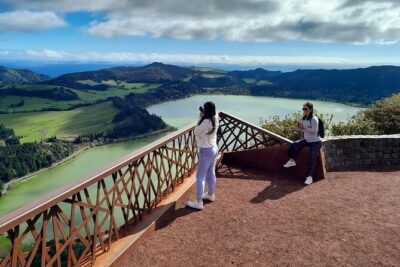
Furnas: Volcano Wonders, Tea Plantation & Waterfall Tour
Read our review →
Adventure in the Furnas, with volcanoes, lagoons and tea plantations
Read our review →Browse the lists this tour appears in