
Review · TEA CEREMONY EXPERIENCES
Kyoto Tea Ceremony & Kiyomizu-dera Temple Walking Tour
Kiyomizu-dera is the star here, but the tea ceremony gives this outing its real shape. You see one of Kyoto’s great temples, walk the old approach streets, drink matcha, and learn how to take part in a formal Japanese custom. The small group, capped at six people, keeps the pace personal.
I like two things especially: the guide helps you make sense of Shinto and Buddhist customs, and the route strings together several famous sights without forcing you to study a map. Guide Hide has been praised for clear explanations, easy humor, and taking photos along the way. The main drawback is the price, $109.39 per person, and the walking route includes hills and crowded shopping streets.
Key points at a glance
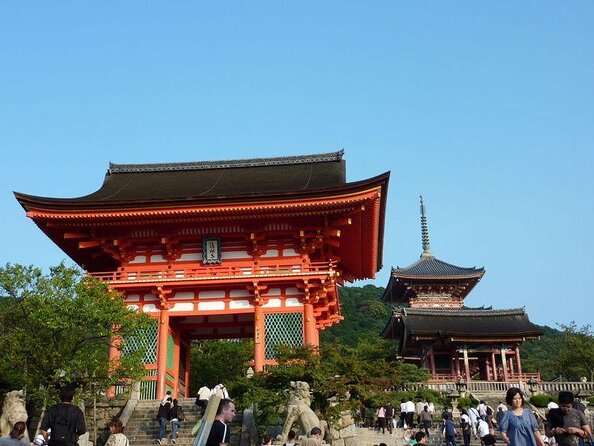
- Kiyomizu-dera’s wooden stage: See the famous 13-meter-high platform with views toward Kyoto and the surrounding trees.
- Otowa Waterfall ritual: Choose one of three streams and drink its water with a cup attached to a long pole.
- Tea ceremony with matcha: Learn the basic form of a traditional ceremony, with Haruki among the tea hosts praised for a warm, entertaining approach.
- Old Kyoto streets: Walk Kiyomizu-zaka, Sannenzaka, and Ninenzaka, lined with sweets shops, teahouses, pickles, and yatsuhashi.
- Small-group format: The maximum of six people makes it easier to ask questions and keep up on the slopes.
- Useful first-day orientation: The route gives you a clear sense of eastern Kyoto, especially if this is your first morning in the city.
Starting at Yasaka Shrine at 9:00 am
The tour begins at the Yasaka Jinja Nishiromon Gate, also called the Western Tower Gate, at 9:00 am. The address is 625 Gionmachi Kitagawa in Kyoto’s Higashiyama Ward, and the meeting point is near public transportation.
Give yourself extra time to find the gate. One person arrived in a panic after having trouble locating the guide, so the meeting instructions deserve your attention. Look for the Western Tower Gate rather than simply wandering around Yasaka Shrine and hoping to spot the group.
Starting at Yasaka Shrine puts you in one of Kyoto’s most historic districts from the first minute. It also lets the guide connect the streets, shrines, temples, and customs you see later in the morning. That context matters in Kyoto, where a simple gate or offering ritual can mean more once someone explains what you are looking at.
This is a morning walk, not a bus tour. Wear shoes with a firm sole, and expect to spend much of the three hours on foot. The activity ends back at the meeting point, which makes it easy to continue exploring Gion or return to your hotel afterward.
More Tea Ceremonies in Kyoto
- Kyoto: Tea Ceremony in a Traditional Tea House in Kiyomizu
★ 4.9 · 3,519 reviews - Kyoto: Tea Ceremony Ju-An at Jotokuji Temple
★ 4.9 · 3,207 reviews - Kyoto: 45-Minute Tea Ceremony Lesson Experience
★ 4.3 · 2,378 reviews
Kiyomizu-zaka and Kyoto’s old-fashioned streets
From Yasaka Shrine, the route leads toward the streets around Kiyomizu-dera. Kiyomizu-zaka has the look many people come to Kyoto hoping to find: traditional buildings, old teashops, Japanese sweets shops, and stores selling sundried foods and local specialties.
The street is not a museum piece. It is a working shopping route, and shopkeepers call out to people as they walk uphill. You might see visitors in rented kimono, local goods in shop windows, and, according to the tour description, the occasional maiko or geisha moving through the area. The guide helps you notice the details instead of treating the street as a simple path to the temple.
The route also includes Yasakakoshindo, described as one of Kyoto’s most colorful temples. This stop adds variety before Kiyomizu-dera. Rather than moving from one major monument to another, you get a look at a smaller religious site and the traditional streets that connect these places.
There is a practical tradeoff. Kiyomizu-zaka is a hill, and the upper section can be busy. The combination of slope, uneven pavement, and shop traffic means you should not expect a quiet stroll. The guide’s presence is useful here because you can keep moving without stopping to work out which lane leads to the temple gate.
Kiyomizu-dera and the wooden stage
Kiyomizu-dera was built on the site of Otowa Waterfall about 1,200 years ago. Its name comes from the waterfall’s pure water, and that connection between the temple and the spring is central to the visit.
The most famous viewpoint is the wooden stage, set about 13 meters above the ground. From here, you can look across trees and toward Kyoto in the distance. Cherry trees make the view especially appealing in spring, while maple trees bring strong color in autumn. The scenery changes with the season, but the height of the stage gives it interest at any time of year.
A guide adds value inside a place this famous. Kiyomizu-dera can feel like a series of gates, halls, views, and crowds unless someone explains what you are seeing. You can ask questions about worship, the temple’s past, and the difference between Buddhist and Shinto practices. Hide, one guide associated with this experience, has been praised for explaining both religions and keeping the conversation relaxed.
The temple entrance fee is included in the price. That matters because you are not paying for a guide only, then adding the main admission cost at the gate. You also receive photographs taken during the tour, which is useful if you want pictures of yourself rather than only pictures of the temple.
Kiyomizu-dera is one of Kyoto’s best-known sights, so it is rarely a secret corner of the city. The benefit here is not solitude. You are paying for a smoother visit, local explanation, and a planned route through a major sight that can otherwise feel confusing.
Drinking from Otowa Waterfall
The visit to Otowa Waterfall is more than a photo stop. The water divides into three streams, and each is associated with a different benefit. You choose one, then use a cup attached to a long pole to drink from it.
The ritual is simple, but the guide can show you the Japanese way of worshipping so you do not have to guess what to do. It is one of those small moments that turns a sightseeing stop into participation. You are not simply looking at a waterfall. You are taking part in a custom tied directly to the temple’s name and origin.
You should keep the ritual modest. The point is to choose one stream and receive its good fortune, not to treat the three benefits as a contest. The supplied information does not specify the exact three benefits, so your guide is the right person to ask on the day.
Same city, a very different cup:
- Kyoto: Table-Style Tea Ceremony at a Kyo-Machiya
★ 4.9 · 1,211 reviews - Kimono Tea Ceremony at Kyoto Maikoya, NISHIKI
★ 5.0 · 911 reviews - Kyoto: Kimono Tea Ceremony at Orizuruya Gion
★ 4.9 · 618 reviews - Kyoto: Tea Ceremony in 100-year-old Kyo-Machiya Townhouse
★ 4.8 · 546 reviews
Sannenzaka and Ninenzaka on the way back
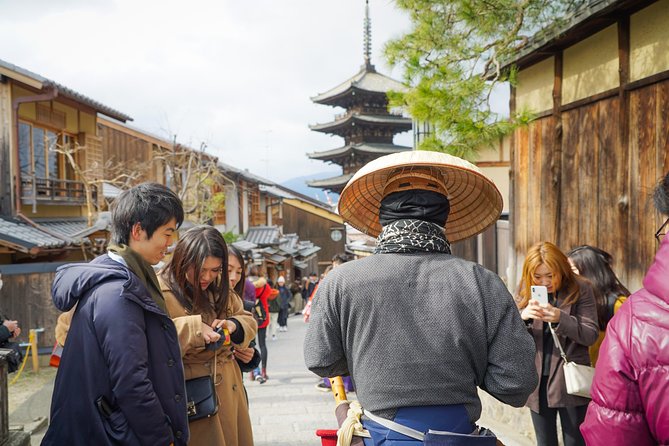
The streets around Kiyomizu-dera are part of the experience, not filler between the temple and the tea ceremony. Sannenzaka and Ninenzaka preserve the feel of old Kyoto, with traditional facades, souvenir shops, food stores, and slopes leading toward the temple.
Sannenzaka is linked to a famous warning: if you fall on the slope, you will supposedly die within three years, or lose three years from your life. The story has several versions, and it is best understood as a colorful reminder to watch your step. The hill once led toward the Toribeno burial ground, which may help explain how the legend developed.
Kiyomizu-zaka follows a roughly one-kilometer pilgrimage route toward the temple. Near the top, you pass the Niomon Gate and the three-story pagoda. Shops sell Kyoto pickles, yatsuhashi sweets, and other local goods, so leave room in your bag if you like edible souvenirs.
I like this part of the route because it gives you time to observe daily commerce around a sacred site. The drawback is that these streets can be crowded, and the slopes are not ideal for anyone who has trouble walking uphill. Children under six are not allowed, and the pace is better suited to older children and adults who can manage three hours on foot.
The tea ceremony and matcha break
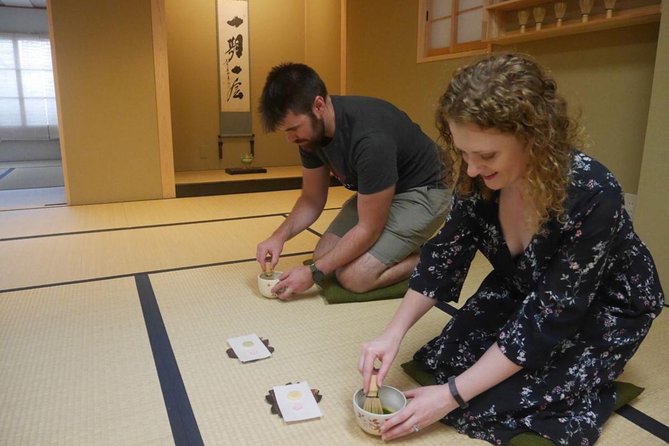
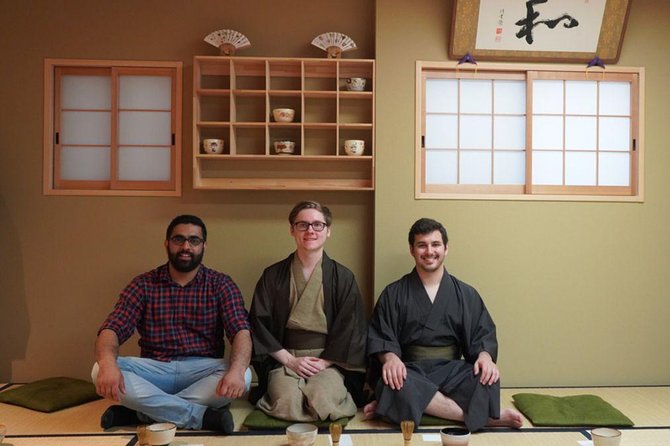
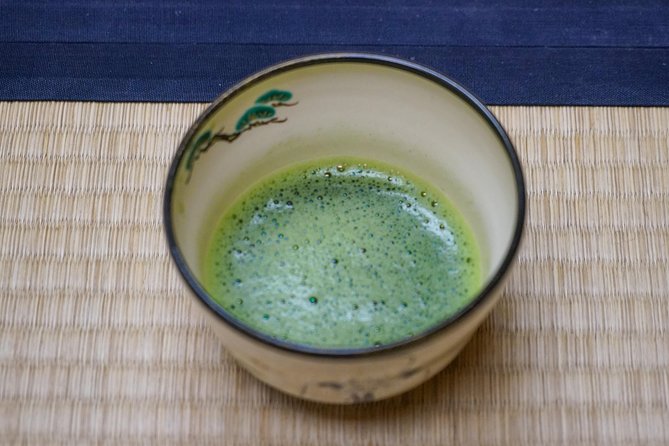
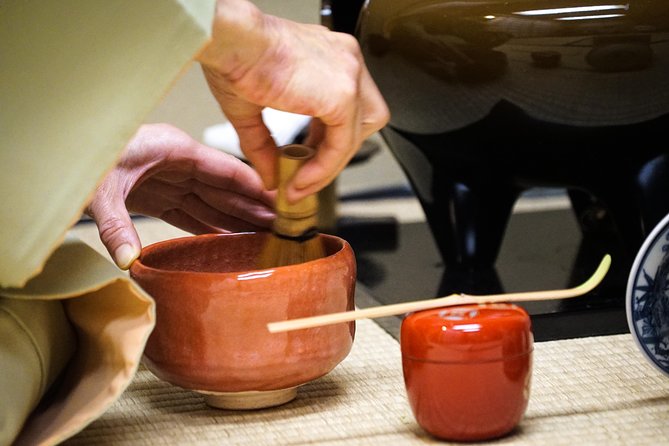
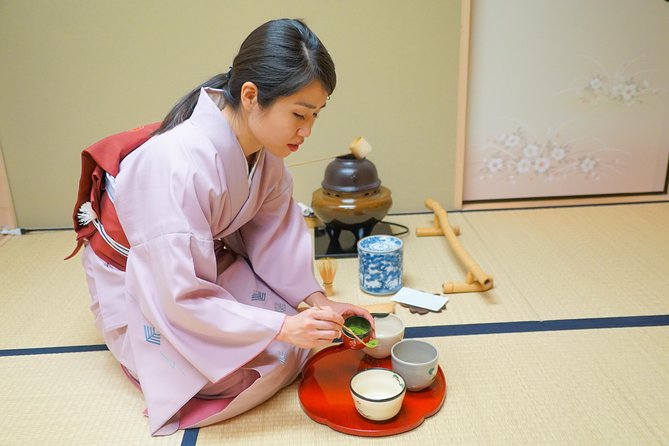
The tea ceremony is the tour’s most focused cultural lesson. After the walking portion, you sit down for a formal Japanese tea experience, drink matcha, and receive snacks and a few food samplings.
The ceremony offers a change of pace. Kiyomizu-dera and the old streets involve movement, noise, and constant visual detail. The tea setting asks you to slow down and pay attention to gestures, order, and presentation. A tea host such as Haruki may explain the process with warmth and humor, making the formal elements easier to follow.
You do not need to arrive as a tea expert. The value is in seeing how much care goes into preparing and serving the drink. The experience also gives you a chance to ask about the meaning behind the movements and customs.
Food is included, but this is not a full meal. Additional food and drinks cost extra, and the tour cannot guarantee an allergy-free experience or meet every dietary restriction. The food comes from kitchens outside the tour company’s control, and substitutions may not be possible at every stop. If you have serious allergies or strict dietary needs, contact the provider before booking and plan accordingly.
Group size, guiding, and photo help
The group has a maximum of six people. That is a strong feature for this route. A guide can answer more questions, keep the group together on narrow streets, and adjust explanations without speaking to a large crowd.
The best guide feedback centers on Hide. He has been praised for explaining temple formalities, discussing Shinto and Buddhism, keeping the mood light with jokes, and even talking baseball. Those details suggest a guide who can make the morning feel conversational rather than like a memorized speech.
A small group does not guarantee a particular guide, so treat Hide’s style as an example rather than a promise. Still, the format gives you a better chance to speak up if you want more detail about worship, architecture, or local life.
Photos are taken during the tour. That is a useful extra, especially at the temple viewpoints and in the old streets, where it can be awkward to ask a stranger to frame a picture. It also means you can spend more of the morning looking at the surroundings instead of managing your phone.
Is $109.39 a fair price?
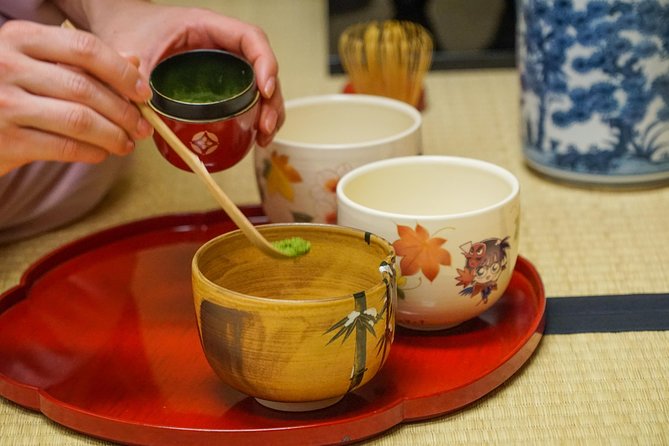
At $109.39 per person, this is not a budget walking tour. The price includes Kiyomizu-dera admission, the tea ceremony, matcha, snacks, food samplings, photos, and three hours with a local guide.
The value depends on what you would otherwise arrange yourself. You could walk through the temple district without a guide, but you would need to research the religious customs, find Otowa Waterfall, navigate the old streets, arrange a tea experience, and pay separate admission and food costs. This tour combines those pieces in one morning.
I see the price as reasonable for someone who wants structure and personal explanation, especially on a first day in Kyoto. It is less attractive if you prefer wandering alone, already understand Japanese temple customs, or mainly want a long tea ceremony rather than a walking tour with a short cultural session.
The small group is the key value point. A six-person maximum gives this outing a more personal feel than a large coach-style tour. The high rating of 4.9 from 115 ratings and a 97 percent recommendation rate also make it a strong option for people who value a well-organized introduction to eastern Kyoto, though no tour can promise a perfect match with every guide or pace.
Weather, clothing, and practical planning
Summer in Japan can be hot and humid. Bring water and wear a hat, especially because the route includes uphill streets and outdoor temple grounds. Comfortable walking shoes are more important than stylish footwear here.
The tour starts at 9:00 am, lasts about three hours, and returns to Yasaka Shrine. That timing leaves the afternoon open for Gion, more temples, shopping, or a rest at your hotel.
Free cancellation is available if you cancel at least 24 hours before the start time. Changes or cancellations made less than 24 hours before the local start time are not accepted for a refund.
Who should book this Kyoto morning?
I would choose this tour if you are visiting Kyoto for the first time and want a useful orientation to Higashiyama. It suits you if you like famous sights but want help understanding them, enjoy walking through older commercial streets, and would rather learn tea ceremony basics than book a separate formal session.
It is also a good fit for couples, solo visitors, and small family groups with children aged six or older. The guide-led format takes away much of the morning’s navigation work, and the photo help is a welcome touch.
I would skip it if you need a fully customized food experience, cannot manage hills, or want a quiet temple visit with no shopping streets. The route is popular, the slopes can be busy, and the food cannot be adjusted for every allergy or diet.
If you can accept those limits, this is a well-planned three-hour introduction to Kyoto’s eastern temple district. You get Kiyomizu-dera, Otowa Waterfall, old streets, matcha, snacks, and a guide who can explain what the rituals mean. For a first morning in Kyoto, that is a useful mix of landmarks and local custom.
FAQ
Where does the tour start?
It starts at Yasaka Jinja Nishiromon Gate, also called the Western Tower Gate, at 625 Gionmachi Kitagawa, Higashiyama Ward, Kyoto.
What time does the tour begin?
The start time is 9:00 am.
How long does the experience last?
The tour lasts approximately three hours.
Where does the tour end?
The activity ends back at the Yasaka Shrine meeting point.
Is Kiyomizu-dera admission included?
Yes. The entrance fee for Kiyomizu-dera Temple is included.
Is the tea ceremony included?
Yes. The experience includes a traditional tea ceremony and matcha.
Are snacks included?
Yes. Snacks and a few food samplings are included. Additional food and drinks are not included.
How many people can join?
The group has a maximum of six people.
Can children under six join?
No. Children under six years old are not allowed on this tour.
More Walking Tours in Kyoto
- The Way of Tea: Kyoto Crafts, Hidden Temples & Wabi-Sabi Walk
★ 5.0 · 41 reviews - Matcha Grinding Experience and Walking Tour in Uji Kyoto
★ 5.0 · 26 reviews - London: Kensington Palace Afternoon Tea & Guided Walk
★ 4.6 · 341 reviews - Notting Hill Walking Tour with Cream Tea
★ 5.0 · 319 reviews
Fresh tea listings around Kyoto
- Cycling Tour at Uji’s Matcha Green Tea Fields and Heritage★ 5.0 · 10 reviews
- Authentic Tea Ceremony & Sushi in The Museum of Kyoto★ 5.0 · 3 reviews
- Whisk Your Own Matcha: A Zen Matcha Experience at Temple★ 3.6 · 7 reviews
- Kyoto Hidden Riverside Zen Mediation and Uji Matcha Experience★ 5.0 · 9 reviews
- Kyoto: Nighttime Zen Meditation and Matcha Tea Experience★ 5.0 · 7 reviews
- Kyoto Fushimiinari:Wagashi Making & Small Group Tea Ceremony★ 5.0 · 14 reviews
- 2 Types of Japanese Sweets making and Tea Ceremony★ 4.6 · 17 reviews
- Matcha Grinding Experience and Walking Tour in Uji Kyoto★ 5.0 · 26 reviews
Tea Ceremony Experiences, compared.
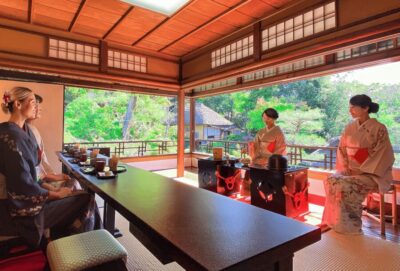
Kyoto: Tea Ceremony in a Traditional Tea House in Kiyomizu
Read our review →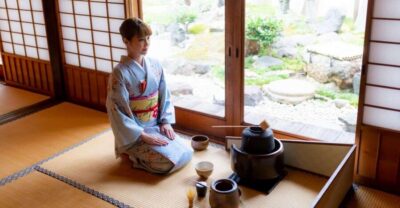
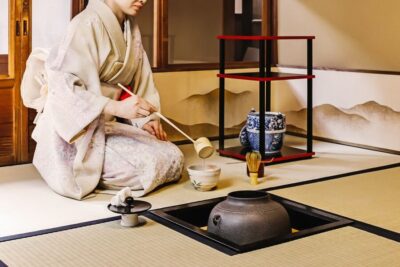
Kyoto: 45-Minute Tea Ceremony Lesson Experience
Read our review →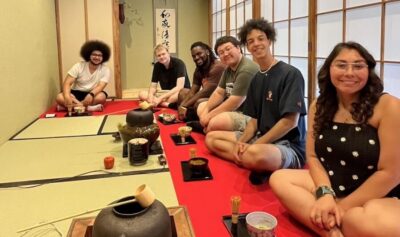
Kyoto: Table-Style Tea Ceremony at a Kyo-Machiya
Read our review →
Browse the lists this tour appears in