
Review · TEA CEREMONY EXPERIENCES
Kyoto Tea Ceremony & Kiyomizu-dera Temple Walking Tour
The best part of this three-hour Kyoto walking tour is the mix of grand temple views and small street discoveries. You move from Kiyomizuzaka’s old teashops and sweet shops to colorful Yasaka Koshin-do, then finish with your own bowl of matcha. I like the local snacks and the chance to make tea yourself, not just watch a formal demonstration. I also like that Kiyomizu-dera admission and tour photos are included.
The main caution is timing. The walk covers slopes and areas that are not suitable for wheelchairs or strollers, and one guest missed the tea ceremony after a misunderstanding about the schedule. Arrive ten minutes early, keep an eye on the clock, and tell the guide about allergies at least a day ahead.
Key points at a glance
- Make your own matcha: Learn the steps of preparing green tea, use a bamboo whisk, and enjoy Japanese sweets in a traditional tea room.
- See Yasaka Koshin-do: Colorful wish balls hang from the ceiling, making this one of Kyoto’s most photogenic stops.
- Explore Kiyomizuzaka on foot: Browse old teashops, sweet shops, and traditional shops selling sun-dried foods.
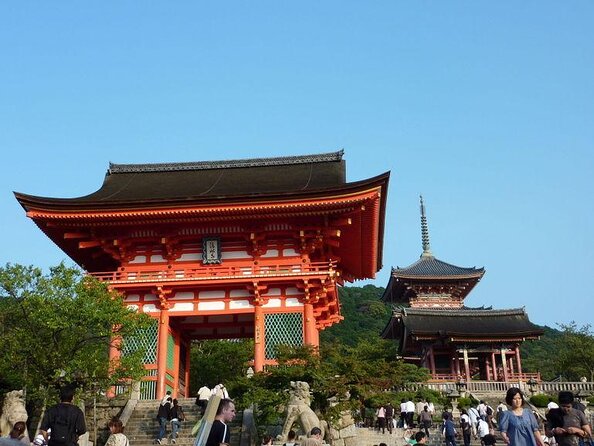
- Visit Kiyomizu-dera: Walk onto the famous wooden platform, look toward Kyoto, and visit the Otowa Waterfall.
- Taste along the way: Your guide points out local foods and provides a few samplings, while extra purchases cost more.
- Plan for a prompt start: Meet at the Yasaka-Jinja Shrine Nishiromon Gate, in front of the statue, where a MagicalTrip guide holds a sign.
Why this Kyoto tour works well in three hours
Kyoto can feel like a collection of separate sights unless someone helps connect the pieces. This tour links a shrine meeting point, old shopping lanes, two memorable temples, local snacks, and a tea ceremony into one compact route.
That makes the experience useful early in your Kyoto stay. You get an introduction to religious customs, traditional food, and the city’s old streets without spending a full day on a single attraction. The pace also suits you if you want structure but still prefer walking to riding between stops.
The price is $63 per person. I consider that fair if you value the guide, temple entrance, tea ceremony, snacks, and photos as one package. Kiyomizu-dera admission is included, as are the ceremony and a few food samplings. You should still bring cash for additional food, drinks, and souvenirs.
This is not a private cultural lesson or a long temple study session. It is a guided sampler, with several stops packed into a short period. You will get useful context and hands-on activities, but you should not expect a slow, scholarly examination of every building.
More Tea Ceremonies in Kyoto
- Kyoto: Tea Ceremony in a Traditional Tea House in Kiyomizu
★ 4.9 · 3,519 reviews - Kyoto: Tea Ceremony Ju-An at Jotokuji Temple
★ 4.9 · 3,207 reviews - Kyoto: 45-Minute Tea Ceremony Lesson Experience
★ 4.3 · 2,378 reviews
Meeting at Yasaka Shrine and entering the old streets
The tour begins at the Yasaka-Jinja Shrine Nishiromon Gate. More precisely, you meet in front of the shrine statue, ten minutes before the start, and look for a guide holding a MagicalTrip board.
That early arrival matters. The tour begins promptly, and the tea ceremony later in the schedule depends on the group staying on time. A simple plan is to arrive with water, comfortable shoes, and any food or allergy information already explained to the guide.
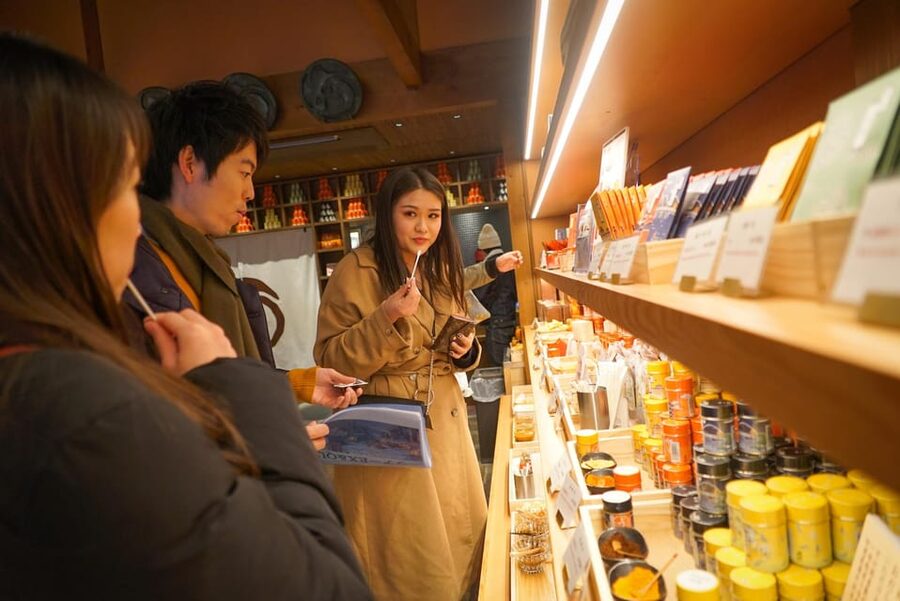
From the shrine area, you head toward Kiyomizuzaka. This is one of the most enjoyable parts for anyone who likes Kyoto’s traditional street feel. Old teashops, sweet shops, and shops selling Japanese sun-dried foods line the route. You may also see maiko and geisha moving through the streets, though the tour should be valued for the area itself rather than for a guaranteed sighting.
The guide helps turn shopfronts and lanes into part of the lesson. Instead of rushing directly to Kiyomizu-dera, you get a sense of the food and commercial traditions around the temple. I like this approach because the walk gives the major sight a proper setting.
A small limitation is that the route is not just a flat stroll. The itinerary includes locations that are not accessible by wheelchair or stroller, so this tour is a poor fit if you need fully step-free access. Children under six are not allowed.
Yasaka Koshin-do and its colorful wish balls
Yasaka Koshin-do is a short but highly photogenic stop. The temple is known here for the colorful balls hanging from the ceiling, each carrying a wish. Against the more restrained tones of many Kyoto religious sites, the colors make this place immediately memorable.
Your guide explains the religious culture connected with the stop, rather than treating it as a quick photo break. That context is important. Kyoto’s temples and shrines are not simply scenic backdrops, and the guide helps you approach them with more care.
The site is also a good example of the tour’s balance. Kiyomizu-dera is the major attraction, while Yasaka Koshin-do offers a smaller, more unusual scene. If you enjoy taking pictures, this may be one of the most rewarding stops for a few minutes of focused photography.
You should be ready to move on when the group does. The tour has several scheduled pieces, and lingering too long here could cut into the tea ceremony or food stops.
Local snacks along Kiyomizuzaka
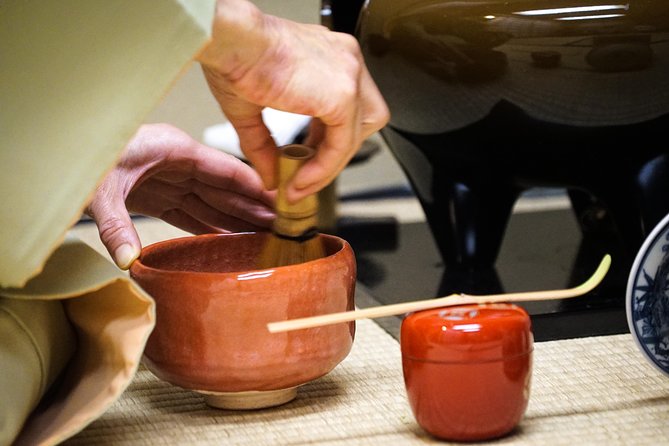
The food portion is designed as a tasting walk, not a full meal. You stop at several eateries and sample local snacks recommended by the guide. Extra food and drinks are available for purchase, so bring cash if you want to try more than the included samples.
This is one of the tour’s strongest practical features. A guide can point out foods that are easy to miss when you are walking alone, and the small tastings let you try something without committing to a full serving. You can also ask about the items as you go, which gives the food a cultural setting rather than making it a random snack stop.
Be careful with dietary needs. The food is prepared in kitchens that do not belong to MagicalTrip, so allergy-free preparation and substitutions cannot be guaranteed. Tell the company about allergies or dietary requests at least one day before the tour. The guide will try to help, but some stops may have no suitable replacement.
The included samplings are only a few bites, so eat beforehand if you need a proper lunch. This tour is best understood as a cultural walk with snacks, not a food tour that replaces a meal.
Same city, a very different cup:
- Kyoto: Table-Style Tea Ceremony at a Kyo-Machiya
★ 4.9 · 1,211 reviews - Kimono Tea Ceremony at Kyoto Maikoya, NISHIKI
★ 5.0 · 911 reviews - Kyoto: Kimono Tea Ceremony at Orizuruya Gion
★ 4.9 · 618 reviews - Kyoto: Tea Ceremony in 100-year-old Kyo-Machiya Townhouse
★ 4.8 · 546 reviews
Kiyomizu-dera and the Otowa Waterfall
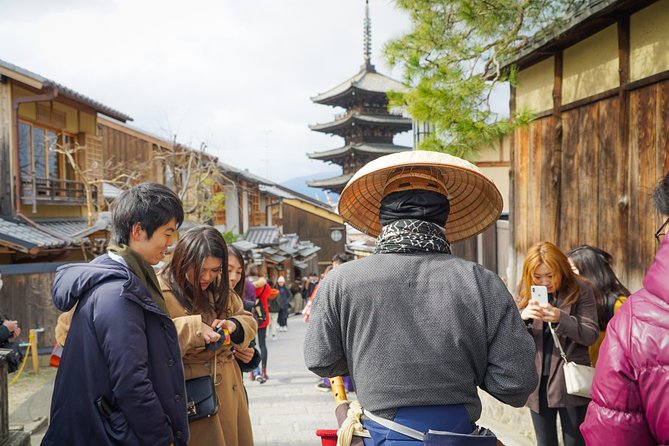
Kiyomizu-dera is the central sight, and the entrance fee is covered. The temple is known as the Water Temple because it was built on the site of the Otowa Waterfall.
The famous wooden platform gives you a broad view toward Kyoto, framed by cherry trees and maple trees. The scene changes with the season, but the appeal is constant: you get a major temple setting, elevated views, and a sense of how the site relates to the city around it.
The guide explains the temple’s place in Kyoto’s religious culture and helps you make sense of what you are seeing. That is useful here because Kiyomizu-dera can be crowded and visually overwhelming. A short explanation gives the buildings and rituals a clearer meaning.
The Otowa Waterfall is another hands-on moment. You can drink a cup of its clear water, which is said to bring good luck. There may be a line, so do not assume this part will be instant. If the queue is long, your patience will be tested, especially after walking through the temple grounds and streets.
This is also where comfortable shoes matter most. The route includes uneven and sloping areas, and the tour is not suitable for every mobility level. In summer, Kyoto can be very hot and humid. Carry water and wear a hat to reduce the risk of heat exhaustion.
A quiet room, bamboo whisk, and your own matcha
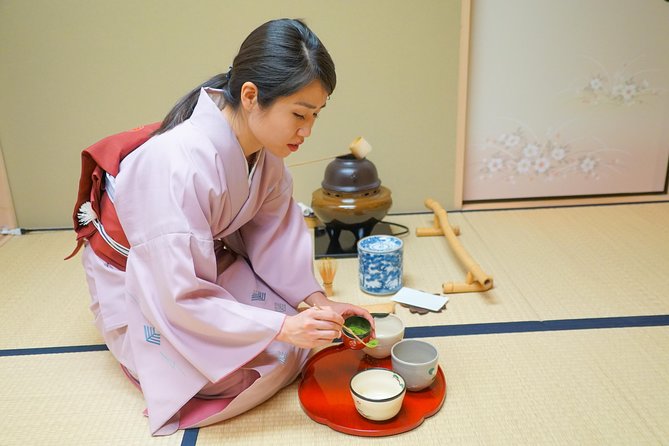
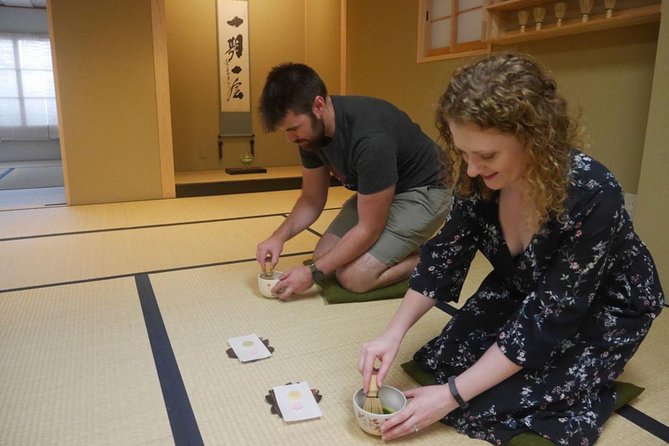
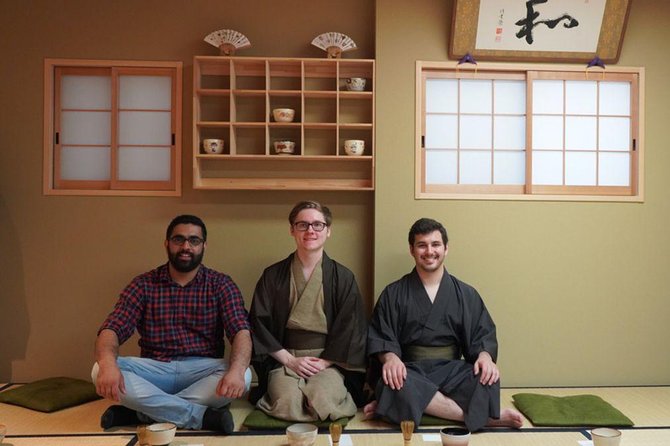
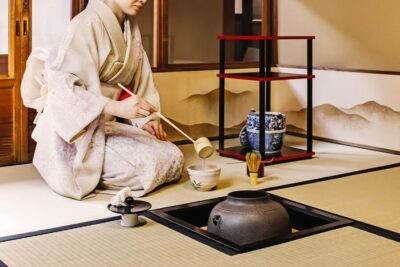
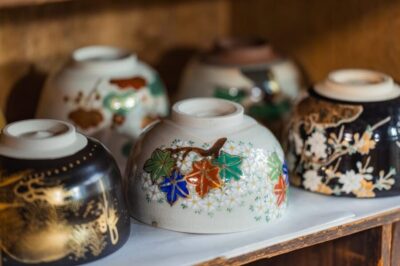
The tea ceremony gives the tour its hands-on finish. You enter a sophisticated room surrounded by tea utensils, including bamboo whisks and distinctive tea bowls. You learn some Japanese phrases and hear about the history and customs connected with the ceremony.
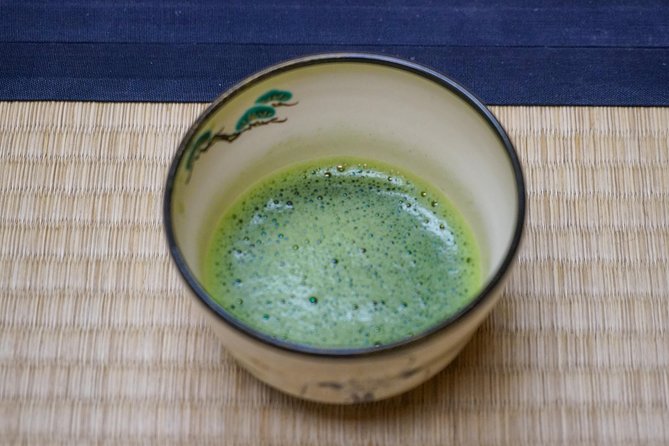
Then you prepare your own green tea. This is more engaging than sitting through a performance because you take part in the process. The guide explains the steps involved in making traditional matcha, and Japanese sweets accompany the tea.
Do not expect a full formal tea-school ceremony with every movement treated as a lengthy ritual. The experience is built for visitors who want an accessible introduction. You get the tools, the method, the language, and enough cultural background to understand why the preparation is deliberate.
The ceremony is also the part most vulnerable to a scheduling mistake. A guest who enjoyed the temple and street portions missed it because of a timing misunderstanding. The guide, Akiko, was described as considerate and tried to arrange another day or a refund for people leaving Kyoto, but it is better not to rely on a rescue plan. Confirm the schedule with the guide at the start, and stay with the group.
Guide quality can vary by assignment. Akiko received especially warm praise for making the cooking and tea portions fun and interesting. Another guide was new to the tour and a little nervous, though still provided useful explanations of the shrines, temples, and local history. That suggests the experience depends partly on who leads your group.
How much cultural context will you get?
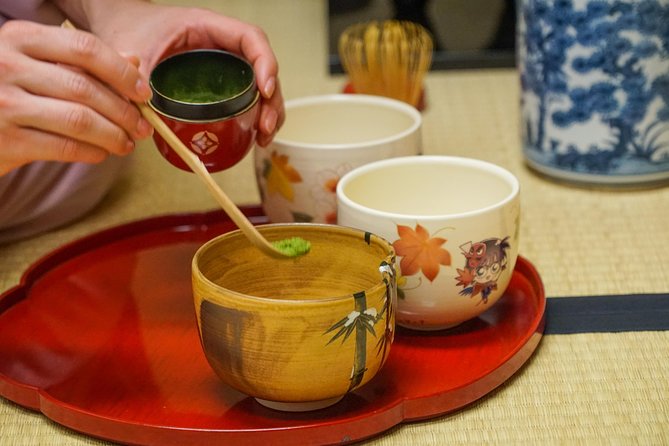
The tour gives you a clear introduction to Japanese religious culture, temple customs, and tea preparation. It is especially helpful if this is your first visit to Kyoto and you want someone to explain basic etiquette and meaning as you go.
The strongest explanations focus on the shrines and temples. If you are hoping for a detailed history of every neighborhood, you may find the coverage uneven. One guest particularly wanted more explanation while walking through Gion. Keep that expectation in mind: this is mainly a Kiyomizuzaka, Yasaka Koshin-do, Kiyomizu-dera, and tea ceremony experience, not a dedicated Gion history walk.
The English-language guiding is practical and conversational. You learn phrases related to the tea ceremony and receive explanations tied to what is directly in front of you. That format works well for people who prefer short lessons during a walk rather than a long lecture.
The value of $63 per person
At $63, the tour offers good value if you plan to visit Kiyomizu-dera anyway and want a guide to organize the day. The included temple ticket removes one small expense, and the tea ceremony adds an activity that would otherwise require separate planning.
The food samplings and photos add modest value, while the real benefit is the connection between the stops. You are not simply paying for entry to a temple. You are paying for a local guide, interpretation, a planned walking route, snacks, and a chance to prepare matcha.
The value is weaker if you only want to see Kiyomizu-dera quickly or if you dislike group schedules. The route has a fixed start, several stops, and a ceremony that begins at a set time. Extra food, drinks, and souvenirs are not included, so your total spending may rise.
The cancellation terms are friendly: you can cancel up to 24 hours before the tour for a full refund. You can also reserve now and pay later, which helps if your Kyoto plans are still shifting.
Who should book this experience?
I would recommend it to first-time Kyoto visitors, couples, solo visitors who want an easy introduction, and anyone curious about tea but unsure how to arrange a ceremony independently. It also suits people who want both major sights and smaller corners rather than a temple-only visit.
It is a particularly good pick if you like tasting local food, taking photos, and asking questions while walking. The guide can help you notice details you might pass without understanding, and the tea preparation gives you a skill to remember after the tour.
I would hesitate if you need wheelchair or stroller access, have serious food allergies, or prefer a slow, unstructured morning. Families with children under six cannot join. Summer visitors should also be ready for strong heat and humidity, with water and a hat packed.
Should you book the Kyoto tea ceremony and Kiyomizu-dera walk?
Book it if you want a compact introduction to Kyoto that combines Kiyomizu-dera’s views, local snacks, religious culture, and a hands-on tea ceremony. The $63 price is reasonable for the number of included elements, especially with admission and photos covered.
Before booking, make sure the walking route suits you, tell the operator about dietary needs at least a day ahead, and arrive ten minutes early. Most important, confirm the timing of the tea ceremony at the beginning. If you do that, this tour gives you a useful first look at Kyoto without making you plan every stop yourself.
FAQ
Where does the tour begin?
Meet in front of the statue at the Yasaka-Jinja Shrine Nishiromon Gate. The guide will hold a board marked MagicalTrip.
How early should I arrive?
Arrive ten minutes before the activity begins. The tour starts promptly.
How long does the tour last?
The tour lasts three hours and ends back at the meeting point.
Is Kiyomizu-dera admission included?
Yes. The entrance fee to Kiyomizu-dera is included in the tour price.
Is the tea ceremony included?
Yes. The tour includes a traditional tea ceremony, Japanese sweets, tea utensils, and instruction for making your own matcha.
Are food and drinks included?
A few samplings are included. Additional food and drinks are available for purchase but are not included.
What language is the tour offered in?
The tour is offered in English.
Can children join the tour?
Children under six years old are not allowed to join.
Is the tour suitable for wheelchairs or strollers?
Not fully. Some locations on the route are not accessible by wheelchair or stroller.
More Walking Tours in Kyoto
- Kyoto Tea Ceremony & Kiyomizu-dera Temple Walking Tour
★ 5.0 · 115 reviews - The Way of Tea: Kyoto Crafts, Hidden Temples & Wabi-Sabi Walk
★ 5.0 · 41 reviews - Matcha Grinding Experience and Walking Tour in Uji Kyoto
★ 5.0 · 26 reviews - Kyoto Gion Tea ceremony & Wabi-sabi Walking Tour
★ 4.5 · 7 reviews
Fresh tea listings around Kyoto
- Traditional Tea Ceremony in Kyoto★ 4.5 · 3 reviews
- Kyoto: Authentic Tea Ceremony in a Small Group★ 5.0 · 7 reviews
- Uji Walking Tour – Byodo-in temple and Tea Ceremony from Kyoto★ 3.5 · 3 reviews
- Tea ceremony at Kyoto’s Zen Temple Teahouse★ 5.0 · 2 reviews
- Tea Ceremony Experience in Traditional Kyoto Townhouse★ 5.0 · 19 reviews
- Tea Ceremony in 150 Years Old Townhouse with Tables and Chairs★ 5.0 · 22 reviews
- Sencha-do the Japanese Tea Ceremony Workshop in Kyoto★ 5.0 · 21 reviews
- Silent Beauty of Kyoto Zen Walk and Tea Experience★ 5.0 · 2 reviews
Tea Ceremony Experiences, compared.
Kyoto: Tea Ceremony in a Traditional Tea House in Kiyomizu
Read our review →
Kyoto: 45-Minute Tea Ceremony Lesson Experience
Read our review →
Kyoto: Table-Style Tea Ceremony at a Kyo-Machiya
Read our review →
Browse the lists this tour appears in