
Review · TEA & CALLIGRAPHY WORKSHOPS
Experience all of Japanese culture and Japanese food experience classes “origami, udon, Japanese food, green tea, calligraphy” in 4 hours
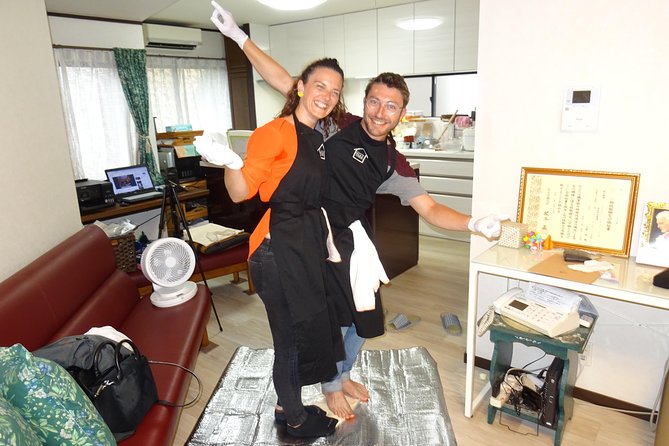
The most unusual part of this Tokyo experience is the setting: you leave the usual sightseeing route and spend four hours in Taka and Keiko’s home. You make lunch together, learn small pieces of Japanese tradition, and finish with your name written in calligraphy on colored paper.
I especially like the hands-on food work, from stepping on udon dough to shaping sushi and preparing gyoza. I also like the human touch: Taka meets you at Omori Station, walks you through a quiet neighborhood, and sends you back after the meal.
The main consideration is pace. Origami, noodles, several dishes, tea, calligraphy, and a long meal fill four hours, so this is less a quick cooking class and more a social visit. If you want a tightly timed kitchen lesson, it may feel relaxed. If you want time to talk, it is a strong choice.
Key points to know before booking
- Meet at JR Omori Station at 10:30 am: Taka waits at the central exit with a bag marked homecoming TAKA.
- Make udon from the raw ingredients: You even step on the dough, turning noodle preparation into a memorable activity.
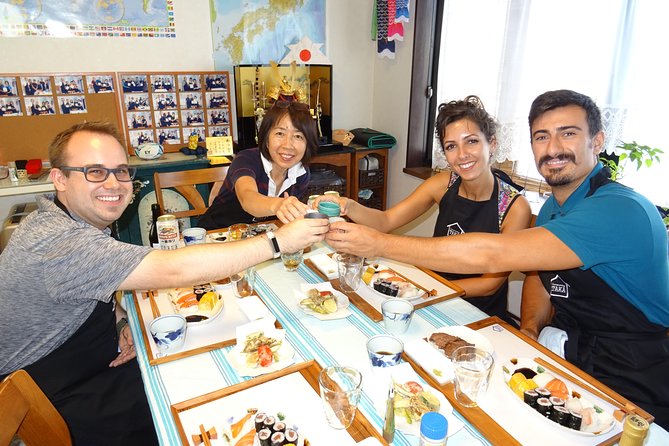
- Prepare a full Japanese lunch: Sushi, gyoza, tempura, and Japanese small plates are part of the meal.
- Alcohol and soft drinks are included: Sake, beer, shochu, and nonalcoholic drinks are available during lunch.
- Finish with matcha and calligraphy: You prepare green tea, eat Japanese sweets, and take home your name written by Keiko.
- Vegetarian and vegan options are available: Different ingredients can be used for all dishes.
Why this feels different from a standard Tokyo food tour
Tokyo offers plenty of food walks, restaurant tastings, and formal cultural demonstrations. This experience takes a different route. You are not simply watching someone prepare a dish or sampling a few bites before moving on. You work with Taka and Keiko in their home, sit down for lunch, and have time for conversation.
That setting matters. Japanese food can look simple on the plate, but the small actions behind it tell you a lot: how dough is handled, how ingredients are prepared, how food is shared, and how tea and sweets close a meal. You get a better sense of daily hospitality than you would from a rushed stop at a restaurant.
The hosts also aim to create an ongoing connection. Taka refers to participants as part of Team TAKA, and the experience is built around friendship as much as instruction. That will appeal to you if you enjoy meeting local people and hearing about ordinary life in Tokyo.
It is not a museum-style lesson, and it is not designed around a long list of famous sights. The reward is personal contact, practical activities, and a meal you helped create.
More Green Tea Tours in Japan
- Authentic Japanese tea tasting: sencha, matcha and gyokuro
★ 5.0 · 12 reviews - Uji: Green Tea Tour with Byodoin and Koshoji Temple Visits
★ 4.8 · 72 reviews - Scenic Green Tea Fields of Hidden Kyoto & Local Tea Exp (Private)
★ 5.0 · 32 reviews
Meeting Taka at Omori Station
Your morning begins at 10:30 am at the central exit of JR Omori Station. Look for Taka carrying a bag with the homecoming TAKA logo. From the station, you walk about eight minutes to his house.
The route takes you past a shrine and through a quiet residential area. That short walk is useful because it gives you a gradual change of scene. You start in a transport hub, then see a calmer side of Ota City before entering the home.
I like this arrangement because it removes the worry of finding an unfamiliar private residence on your own. You still need to arrive at the correct station exit and on time, but the host handles the walk from there.
The activity ends back at the meeting point. No transfer is included, so you are responsible for getting to and from JR Omori Station. The location is near public transportation, which makes it practical to fit into a Tokyo day, although the four-hour session leaves little room for another major morning attraction.
Folding an origami crane
Once you arrive, Taka explains the plan for the day. Origami comes first, with a paper crane as the project.
This is a simple opening activity, but it has a useful purpose. It gives everyone a chance to settle in, listen to instructions, and begin working with their hands before the cooking starts. You do not need to be an origami expert. The crane is familiar, traditional, and small enough to finish during the class.
For families, this may be one of the easiest parts for children to enjoy. The activity has a clear goal, and the finished crane gives you a small reminder of the morning. It also balances the food preparation, which requires more time and attention.
Do not expect a long history lecture about origami. The value here is the act of making something with guidance in a home setting.
Making udon by stepping on the dough
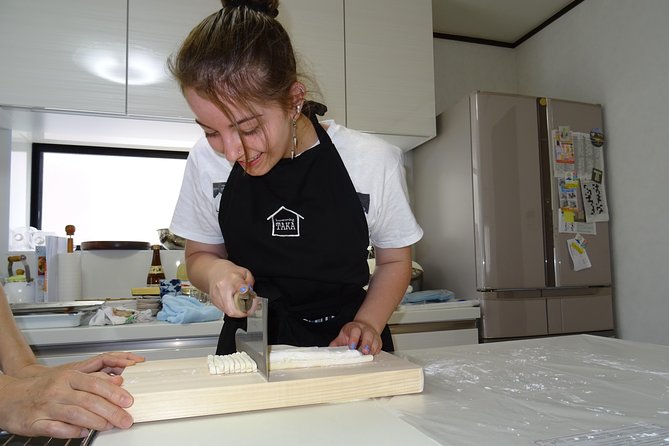
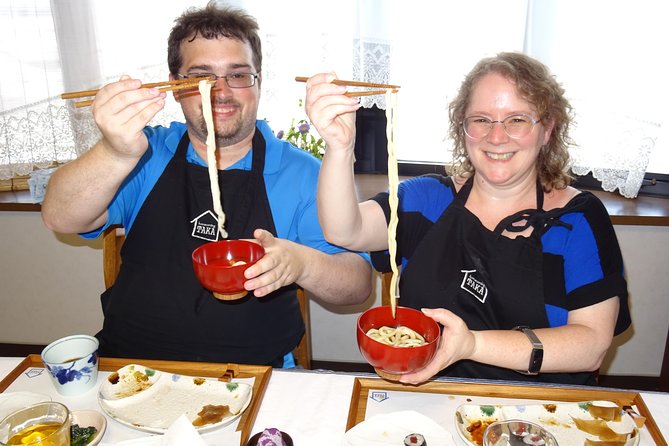
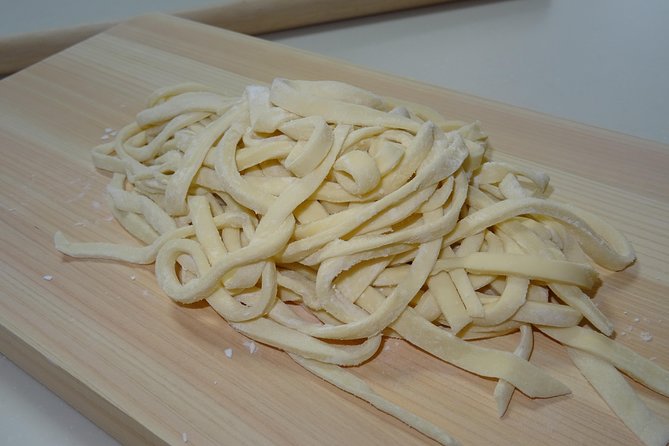
The udon section is one of the most distinctive parts of the experience. You follow the noodles from basic ingredients to the finished product, including the unusual step of pressing and kneading the dough with your feet.
That physical process makes the lesson more memorable than simply watching noodles being cut. You see how much work goes into producing a food that often arrives at a restaurant in a bowl with little explanation. The class gives you a practical connection to the texture and preparation of udon.
I would especially recommend this activity to families and anyone who likes cooking projects with a bit of fun built in. One parent described a ten-year-old enjoying the udon work in particular, and the activity is likely to be a good fit for children who prefer doing rather than listening.
The food preparation is hands-on, so an apron is provided. Still, wear comfortable clothing that you do not mind wearing during a kitchen activity.
More Tea and Calligraphy Workshops in Japan
- Tokyo: Practicing Zen with a Japanese Tea Ceremony
★ 4.7 · 105 reviews - Kyoto: Tea Ceremony Meditation – Make Matcha with Tea Master
★ 4.8 · 406 reviews - Osaka: Tea Ceremony, Calligraphy, and Kimono Experience
★ 4.9 · 130 reviews - An Amazing set of Cultural experience: Kimono, Tea Ceremony and Calligraphy
★ 5.0 · 69 reviews
Preparing sushi, gyoza, and tempura
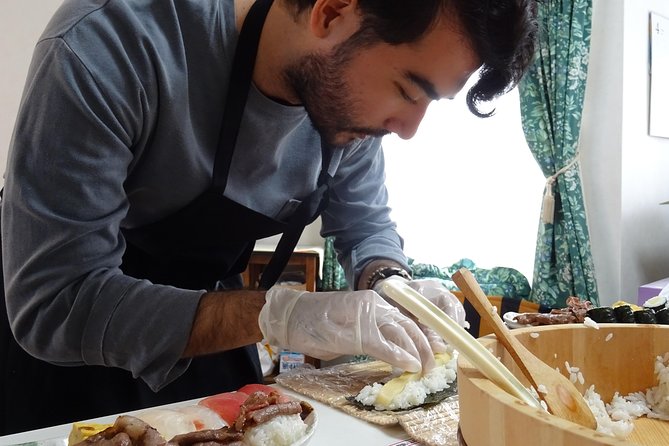
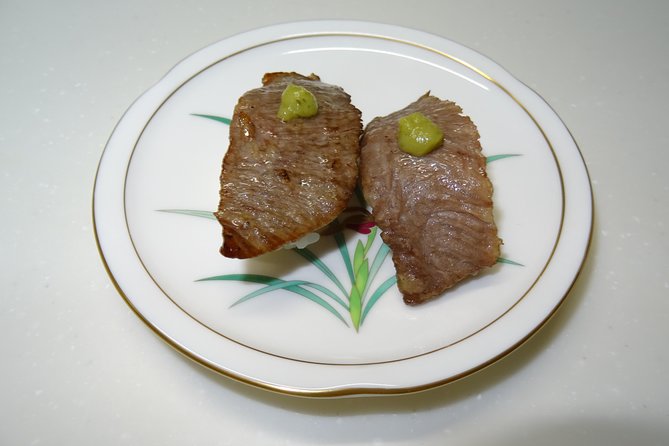
The main food session focuses on sushi and gyoza, with tempura and Japanese small dishes also served as part of lunch. You make the food with Taka and Keiko rather than sitting back while they do everything.
This is where the experience becomes more than a craft class. You learn by handling ingredients, following the hosts’ methods, and then eating the results at the same table. The meal gives you time to slow down and talk instead of rushing to the next stop.
The exact mix of small dishes may vary, but you can expect a broader Japanese meal than the headline dishes alone suggest. The provided description also says all ingredients are made in Japan, adding another local detail to the meal.
I like the balance of preparation and eating. Some cooking classes leave you standing at a counter for most of the session. Here, lunch is a proper part of the visit, with time for conversation and drinks.
The alcohol policy is generous: sake, beer, shochu, and soft drinks are included. That adds value, especially because you are not paying extra for each drink during the meal. It also means you should pace yourself, since the session begins in the morning and continues for several hours. If you do not drink alcohol, soft drinks are included as well.
Vegetarian and vegan participants can enjoy the dishes with different ingredients. You should provide those requirements when booking so the hosts can plan the substitutions. The activity description specifically says all dishes can be adapted, not just one side dish.
Matcha, Japanese sweets, and a quieter finish
After lunch, you prepare matcha together and taste it with local Japanese sweets. This is a calmer change of pace after the cooking and meal.
Matcha is often presented to visitors as a formal ceremony, but this section sounds more practical and social. You make the tea yourself, then enjoy it with a sweet rather than watching a distant demonstration. That makes it easier to understand the basic rhythm of tea preparation without turning the afternoon into a strict ceremony.
The timing also works well. After a busy cooking session, tea creates a natural pause before the final activity. If you are sensitive to caffeine, keep in mind that matcha is still tea, although the amount served is not specified.
Keiko’s calligraphy souvenir
The final planned activity is calligraphy. Keiko writes your name on colored paper, which you take home as a souvenir.
This is a better keepsake than a generic purchased item because it is made during the experience and carries your name. You may not be able to reproduce the exact lettering yourself, but you leave with a personal reminder of the visit.
The calligraphy also gives the day a clear ending. You have made food, shared a meal, prepared tea, and then receive something created specifically for you. Taka and Keiko also take time to say goodbye and walk you back to JR Omori Station.
That farewell is part of the tone of the experience. The hosts present the visit as the start of a friendship and invite you to return to their home in the future. If you prefer a private activity with minimal personal conversation, this emphasis may feel stronger than expected.
How much value do you get for $92.50?
At $92.50 per person, this is not the cheapest way to eat lunch in Tokyo. You could buy an excellent meal for much less, and a short origami activity or calligraphy souvenir would not normally justify the full price on its own.
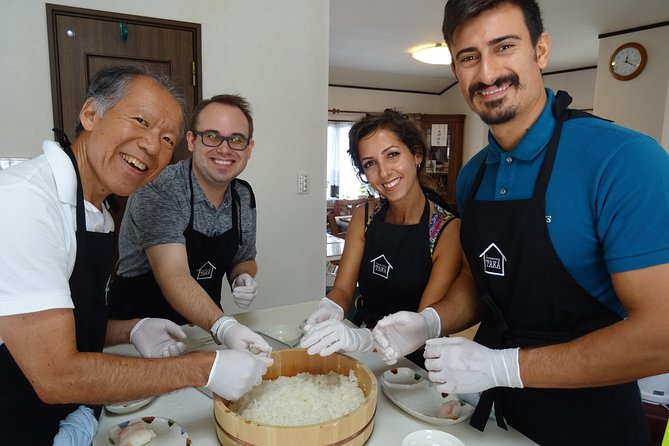
The value comes from the combination. You receive roughly four hours of hosted time, lunch, cooking instruction, origami, udon preparation, matcha, Japanese sweets, calligraphy, an apron, and drinks including alcohol. You are also paying for a private home visit rather than a large group class.
The food alone is only part of the calculation. If you want a meal and a lesson with clear technical instruction, the price is reasonable. If you mainly want to eat sushi and tempura, a restaurant gives you more choice and less time commitment.
I see this as particularly good value for families, couples, and small groups who want one substantial cultural activity during a Tokyo stay. The included drinks add value for adults, while the range of activities gives children several chances to stay interested.
The experience is also booked well ahead, on average around 107 days in advance. That suggests you should reserve early if it is important to your itinerary. Free cancellation is available up to 24 hours before the 10:30 am start time. Changes or cancellations inside that period are not accepted for a refund.
Who will enjoy this most?
I would choose this experience if you want to meet local hosts, eat in a home, and take part in several activities rather than focus on one narrow subject.
It is a strong fit for:
- Families with children who enjoy hands-on projects
- Couples looking for a personal cultural activity
- Solo visitors who want conversation and a welcoming social setting
- First-time visitors who want context for Japanese food and customs
- Vegetarians and vegans who need adaptable dishes
- Anyone who values a personal souvenir over a shop-bought gift
The session has also worked well for older children and teenagers. The activities change often enough to keep the morning moving, but the lunch conversation is not rushed.
I would think twice if you want a formal culinary qualification, advanced knife skills, a professional kitchen, or a tightly scripted cultural performance. You are visiting a couple at home, not joining a restaurant training course.
The activity is private for your group, but the hosts place strong importance on conversation and friendship. Your experience will depend partly on how much you enjoy that personal style.
Practical details worth knowing
Plan your morning around the 10:30 am start. Give yourself enough time to reach JR Omori Station, locate the central exit, and wait for Taka with the logo bag. The walk to the house is about eight minutes.
An apron is included, and the activity ends at the same meeting point. Lunch, drinks, origami, and the calligraphy souvenir are included. Transportation to and from Omori Station is not.
Tell the hosts about vegetarian or vegan needs when you book. The meal can be prepared with different ingredients, but advance notice is the sensible way to make sure the kitchen is ready.
You should also expect the four hours to be social. Bring questions, be ready to participate, and leave room in your schedule afterward. The hosts may keep the mood leisurely, and the food portion is meant to be enjoyed rather than rushed.
Should you book homecoming TAKA?
I would book this if you want a warm, personal Tokyo experience built around food and conversation. The strongest features are the home setting, the range of activities, the fresh udon process, and the chance to make sushi, gyoza, and tempura before sitting down to eat them.
The $92.50 price makes sense when you use the full package: four hours, lunch, drinks, hands-on instruction, tea, and a custom calligraphy souvenir. It makes less sense if you only want a quick meal or a short cooking demonstration.
For families, couples, and solo visitors who enjoy meeting people, this is one of the more personal ways to spend a half-day in Tokyo. Book early, arrive at Omori Station on time, and choose it because you want a shared home visit, not simply another item checked off a sightseeing list.
FAQ
Where does the experience begin?
You meet at the central exit of JR Omori Station in Tokyo at 10:30 am. Look for Taka carrying a bag with the homecoming TAKA logo.
How far is the home from JR Omori Station?
The walk from the station to the home takes about eight minutes. The route passes a shrine and continues through a quiet residential area.
How long does the experience last?
The activity lasts approximately four hours.
What activities are included?
You fold an origami crane, make udon noodles from the ingredients, prepare Japanese food such as sushi and gyoza, enjoy tempura and small dishes, make matcha, taste Japanese sweets, and receive a calligraphy souvenir.
Is lunch included?
Yes. Lunch is included, along with the food prepared during the experience and Japanese small dishes served by Keiko.
Are drinks included?
Yes. Sake, beer, shochu, and soft drinks are included.
Can vegetarians and vegans participate?
Yes. Vegetarian and vegan participants can enjoy the dishes with different ingredients.
Is this a private activity?
Yes. Only your group participates in the activity.
What happens if I need to cancel?
You can cancel up to 24 hours before the local start time for a full refund. Cancellations or changes made less than 24 hours before the start are not accepted for a refund.
More Tea and Calligraphy Workshops in Tokyo
- Beijing Culture: Tea Ceremony, Heritage Instrument & Calligraphy
★ 5.0 · 57 reviews - Osaka: Private Tea Ceremony and Calligraphy Experience
★ 5.0 · 50 reviews - Cultural Activities :Kimono, tea ceremony, Calligraphy and Amulet
★ 5.0 · 44 reviews - Samurai dress-up and shows, plus Tea Ceremony & Calligraphy
★ 5.0 · 27 reviews
More Green Tea Tours in Tokyo
- Osaka; Japanese Tea ceremony experience, Macha and Sencha
★ 4.9 · 29 reviews - Kyoto Matcha Green Tea Tour
★ 4.7 · 28 reviews - Slow Cycling Tour at Uji’s Matcha Green Tea Fields and Heritage
★ 5.0 · 25 reviews - Cycling Tour at Uji’s Matcha Green Tea Fields and Heritage
★ 5.0 · 10 reviews
Fresh tea listings around Tokyo
- Authentic Japanese tea tasting: sencha, matcha and gyokuro★ 5.0 · 12 reviews
- At an Antique Shop, Tea Ceremony and Japanese Sweets Forming★ 5.0 · 5 reviews
- Mochi Matcha Gluten Free Japanese Sweets Class near Shibuya area★ 5.0 · 26 reviews
- Japanese Matcha Tea Ceremony and Kimono Experience in Hanayaka★ 5.0 · 26 reviews
- Tokyo: Two Types of Japanese Sweets Making and Tea Ceremony★ 4.6 · 26 reviews
- Matcha Experience with of Japanese Tea Tasting in Tokyo★ 5.0 · 31 reviews
- EDOCCO Tea House–A Quick Dive into Japanese Traditional Culture★ 5.0 · 34 reviews
- Tokyo: Tea Ceremony Experience in Asakusa★ 5.0 · 36 reviews
Tea & Calligraphy Workshops, compared.
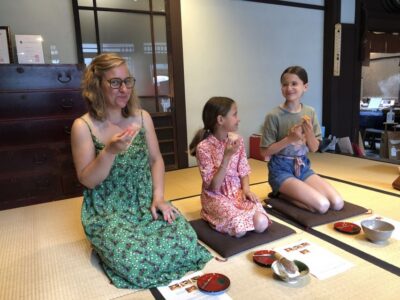
Kyoto: Tea Ceremony Meditation – Make Matcha with Tea Master
Read our review →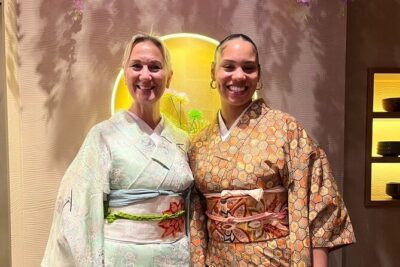
Osaka: Tea Ceremony, Calligraphy, and Kimono Experience
Read our review →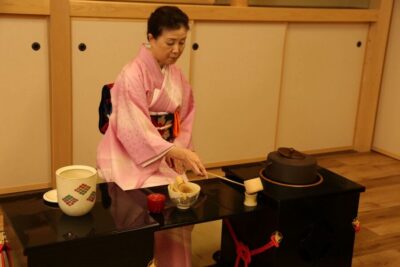
Tokyo: Practicing Zen with a Japanese Tea Ceremony
Read our review →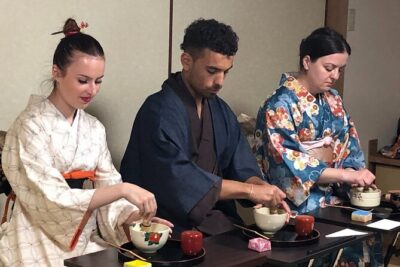
An Amazing set of Cultural experience: Kimono, Tea Ceremony and Calligraphy
Read our review →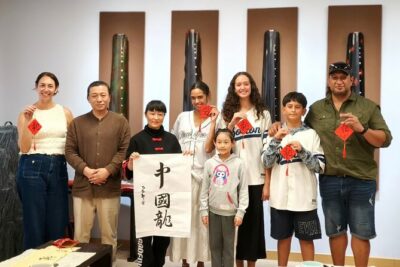
Beijing Culture: Tea Ceremony, Heritage Instrument & Calligraphy
Read our review →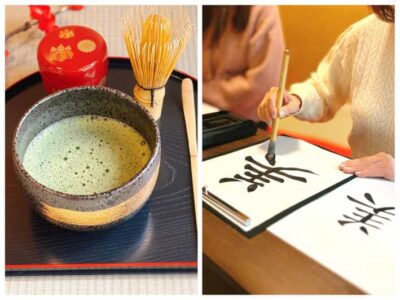
Osaka: Private Tea Ceremony and Calligraphy Experience
Read our review →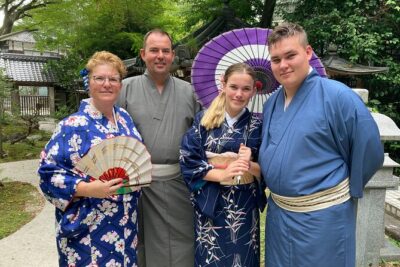
Cultural Activities :Kimono, tea ceremony, Calligraphy and Amulet
Read our review →
Samurai dress-up and shows, plus Tea Ceremony & Calligraphy
Read our review →Browse the lists this tour appears in