Review · MATCHA EXPERIENCES
Authentic Japanese tea tasting: sencha, matcha and gyokuro
The real pleasure here is comparison. In 90 minutes, you taste 12 Japanese teas, not just one polite cup of green tea. Seven sencha, four matcha powders, and one premium gyokuro let you notice how growing methods, grades, and preparation change the flavor.
I like the small group size, limited to four, and the careful pairing of matcha with a traditional Japanese confection. I also like the setting: a cozy apartment in downtown Tokyo, where the session sounds calm and personal rather than staged for a crowd.
The main consideration is taste. Green tea can be grassy, bitter, savory, or strongly umami, and not every cup will suit every palate. At $87 per person, this is best for curious tea drinkers who want a lesson and a tasting, not simply a quick cup of matcha.
Key points to know before booking
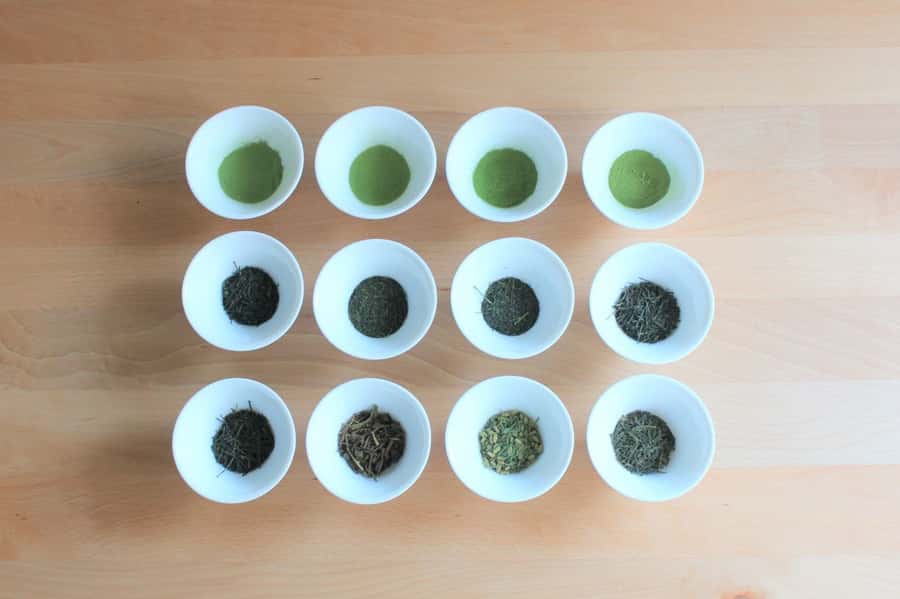
- Twelve teas in one sitting: Taste seven sencha, four matcha powders, and one premium gyokuro.
- A useful range of grades: Compare everyday tea with higher-grade and hand-picked examples.
- Small Tokyo setting: The experience takes place in a cozy apartment and accepts no more than four participants.
- English instruction: The tea expert explains preparation, background, and the development of Japanese tea in English.
- Matcha and sweets: A small portion of traditional Japanese confectionery is paired with the matcha.
- Best for adults: The experience is not suitable for children under 18 or pregnant women.
Twelve teas reveal what Japanese green tea can do
Many first-time visitors think Japanese green tea means one flavor: light, grassy, and perhaps a little bitter. This tasting gives you a better working map.
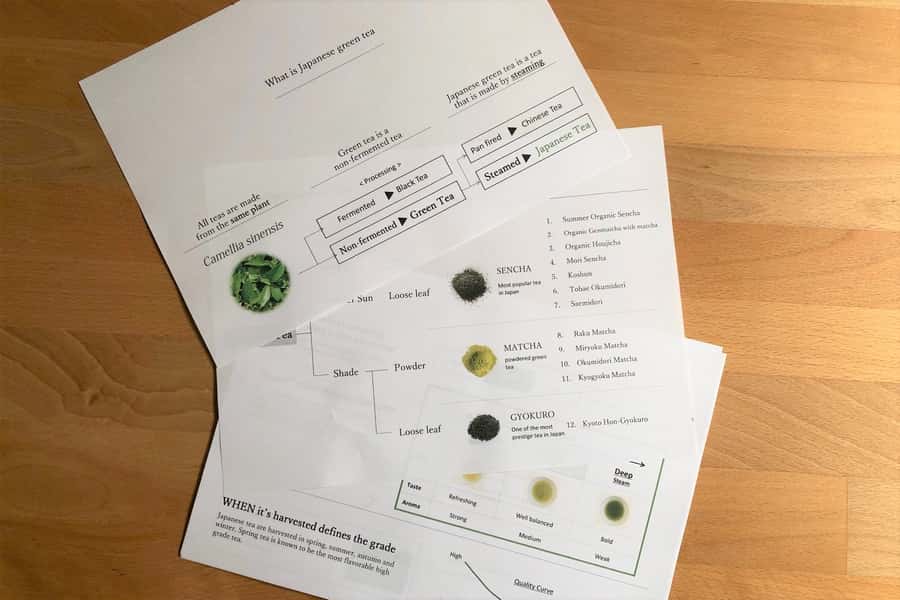
The session includes seven types of sencha, four types of matcha green tea powder, and one premium-grade gyokuro. That spread matters. You can compare several versions of the same broad style before moving to matcha, then finish with the tea known for its powerful savory character.
The sencha portion should be especially useful for building your palate. Sencha is an everyday Japanese green tea, but everyday does not mean plain. Different grades can show clear changes in aroma, body, sweetness, and umami. Tasting seven types side by side gives you a better chance of noticing those shifts than ordering a single cup at a café.
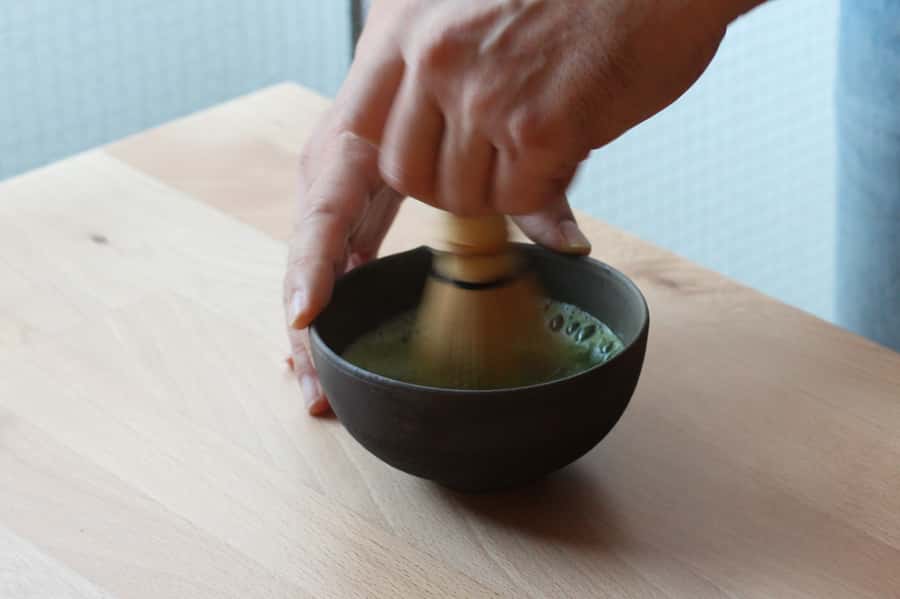
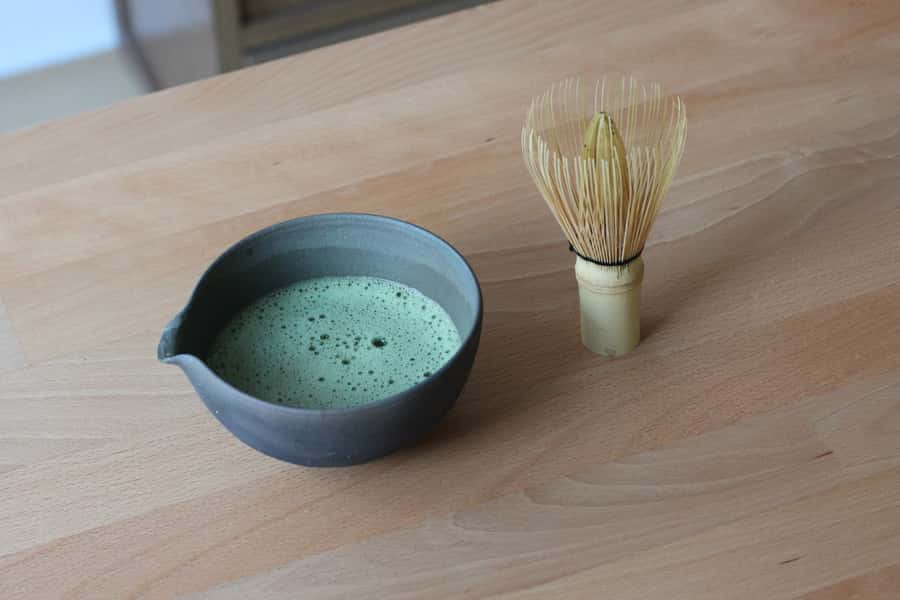
You will also taste matcha as a powder prepared for drinking, rather than treating it only as an ingredient in sweets. Four matcha types make the comparison more worthwhile. You can see how one powder differs from another and how preparation affects the final cup.
Gyokuro is the premium finish. Only one type is included, but that is enough to introduce you to a tea made for focused tasting. It is presented as a premium hand-picked tea, so you can compare its character with the more daily styles that come earlier.
More Green Tea Tours in Japan
- Experience all of Japanese culture and Japanese food experience classes “origami, udon, Japanese food, green tea, calligraphy” in 4 hours
★ 5.0 · 105 reviews - Uji: Green Tea Tour with Byodoin and Koshoji Temple Visits
★ 4.8 · 72 reviews - Scenic Green Tea Fields of Hidden Kyoto & Local Tea Exp (Private)
★ 5.0 · 32 reviews
The story behind sencha, matcha, and gyokuro
This is not only a tasting menu. The tea expert explains the history of Japanese tea and how it developed over time. That context gives the cups a reason to exist.
You learn about the different tea types while tasting them, which is more useful than hearing a long lecture before anything is poured. A term such as sencha becomes easier to remember once you have tasted several versions. The same is true of matcha and gyokuro.
The session also covers how the teas are made. You are told about the source, the grade, and the preparation method as you move through the tasting. Since the teas come from family farms, the experience connects the finished drink with the people and places that produce it.
I like this format because it helps you make sense of the price differences in Japanese tea. A premium tea is not simply more expensive because it comes in a nicer package. The tasting lets you compare grades directly, then decide which qualities matter to you.
The description refers to both daily tea and premium hand-picked tea. That range is important for shoppers. You may discover that you prefer a lower-priced sencha for everyday drinking, or you may decide that the fuller umami of a high-grade tea is worth seeking out.
What the 90-minute tasting feels like
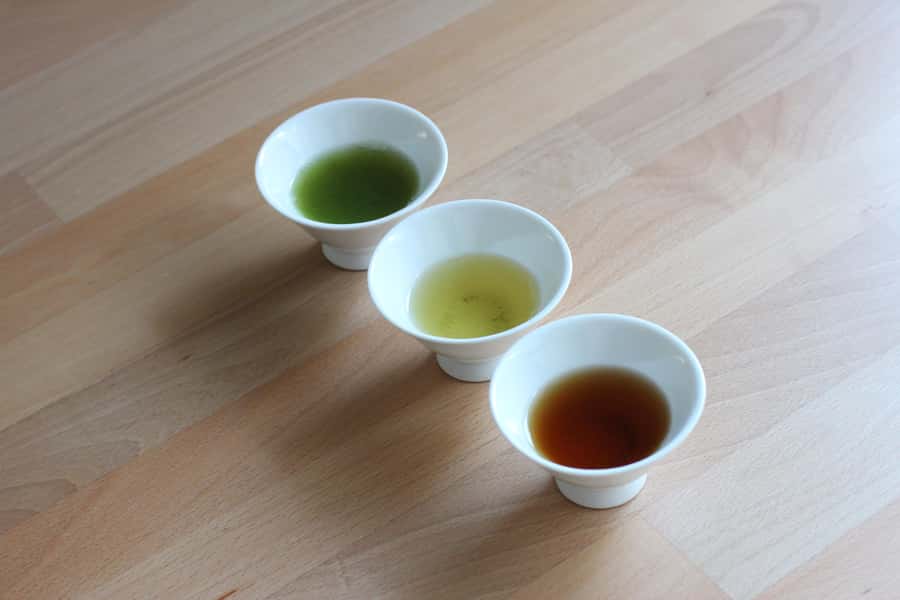
The experience lasts 90 minutes, which is long enough for twelve teas without turning into an all-day seminar. The pace should allow time for explanation, tasting, and comparison.
You meet at the entrance of the apartment. The arrival instruction is specific: push 202 and then press the bottom-right button. Pay attention to this detail, since apartment entry can be less obvious than walking into a shop with a large sign.
Inside, the group is limited to four people. That is one of the strongest practical features of the session. You have a better chance to ask questions, compare impressions, and see how each tea is prepared without competing with a large room of participants.
The instruction is in English. The host explains the background of Japanese tea and prepares each tea in an appropriate way. Preparation matters here, since brewing choices can change the taste of green tea. A tea expert who adjusts the method for each style gives you a fairer comparison than using one process for every cup.
The setting is a cozy apartment in downtown Tokyo. Do not expect a formal temple ceremony or a large traditional tea house. This is a compact, modern tasting session focused on learning and drinking tea. For many visitors, that makes it easier to ask basic questions without feeling self-conscious.
Why the seven sencha comparisons matter
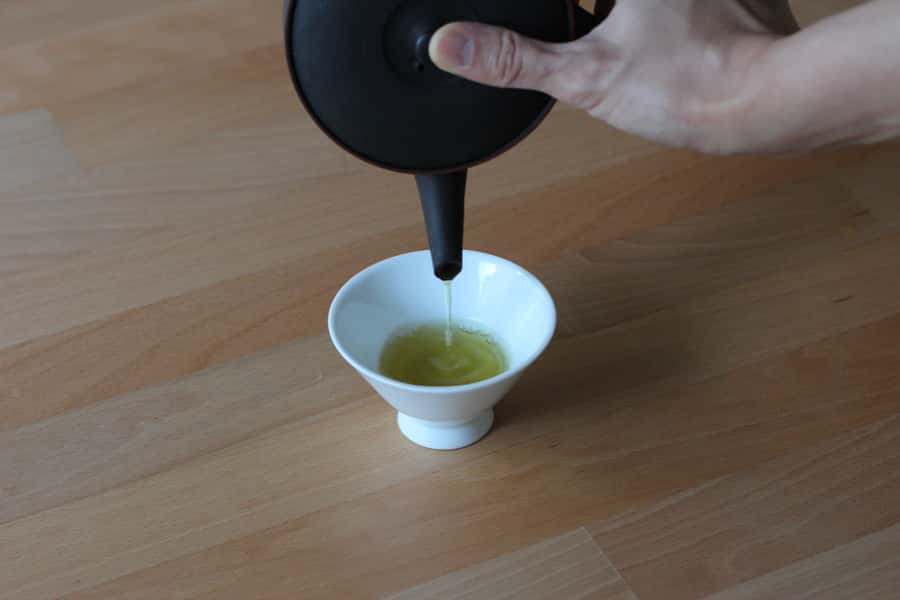
Sencha is the broadest part of the tasting, with seven varieties. That tells you where the session places its emphasis: on showing the range within a tea style you may otherwise treat as ordinary.
You can expect the guide to explain how the teas differ and how they are made. The key benefit is not memorizing seven names. It is learning to identify what changes from cup to cup.
You might notice one sencha feels light and clean, while another has more body or a stronger savory note. Some may be closer to the kind of tea you would drink daily, while others show a more refined grade. The exact flavor order is not provided, so you should not arrive expecting a fixed set of tasting notes.
The comparison can also help if you plan to buy tea in Japan. One past participant appreciated being able to taste different varieties before buying and also received tea to take home. Take that as a useful possibility, not a guaranteed part of the package, since the listed inclusions do not promise take-home tea.
More Matcha Experiences in Tokyo
- Matcha Making Class in Tokyo with Authentic Japanese Sweets Set
★ 5.0 · 744 reviews - Tokyo: Matcha Making Experience with Mochi Sweets in Asakusa
★ 4.9 · 388 reviews - Asakusa Cultural Walk & Matcha Making Tour
★ 5.0 · 245 reviews - Tokyo: Matcha and Kimono Experience
★ 4.7 · 219 reviews
Matcha paired with a traditional Japanese sweet
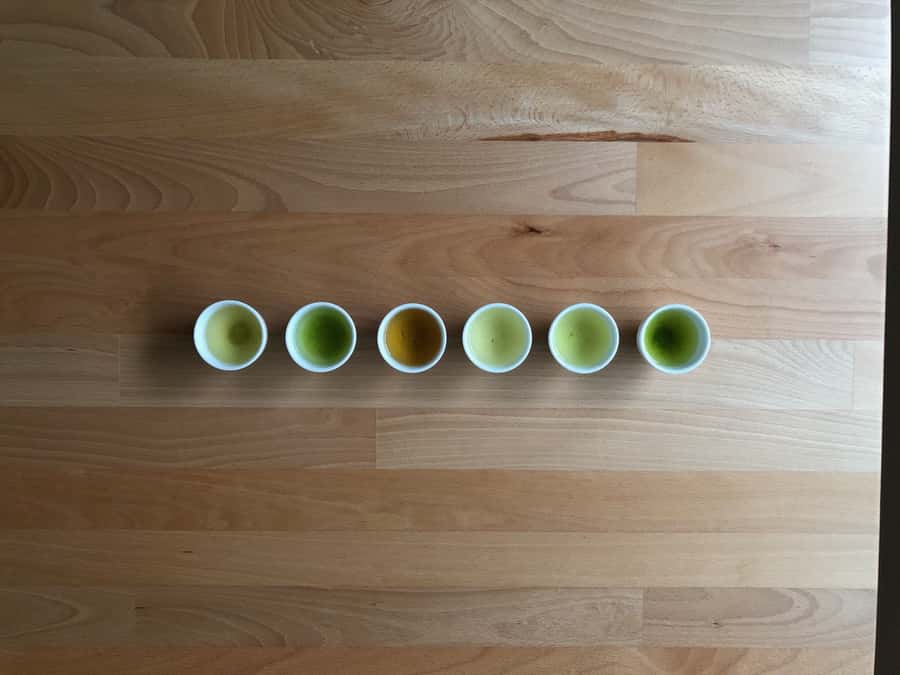
The matcha section includes four powders and a small portion of Japanese traditional confectionery. This pairing is more than decoration.
Matcha has a concentrated flavor because you consume the powdered tea rather than steeping leaves and removing them. The sweet gives your palate a different reference point and shows how Japanese confectionery can balance the tea.
The portion is described as small, so do not book this as a snack or dessert stop. It is a tasting accompaniment. If you need a full meal, eat before or after the session.
The four matcha types also give you a chance to compare powders directly. You may find that one seems smoother, more savory, more bitter, or more suited to pairing with sweets. The session does not promise a formal tea ceremony, though one participant specifically noted learning how to have a ceremony. You should expect an educational tasting with some traditional preparation, not a full-length ceremonial performance.
Gyokuro brings the premium comparison
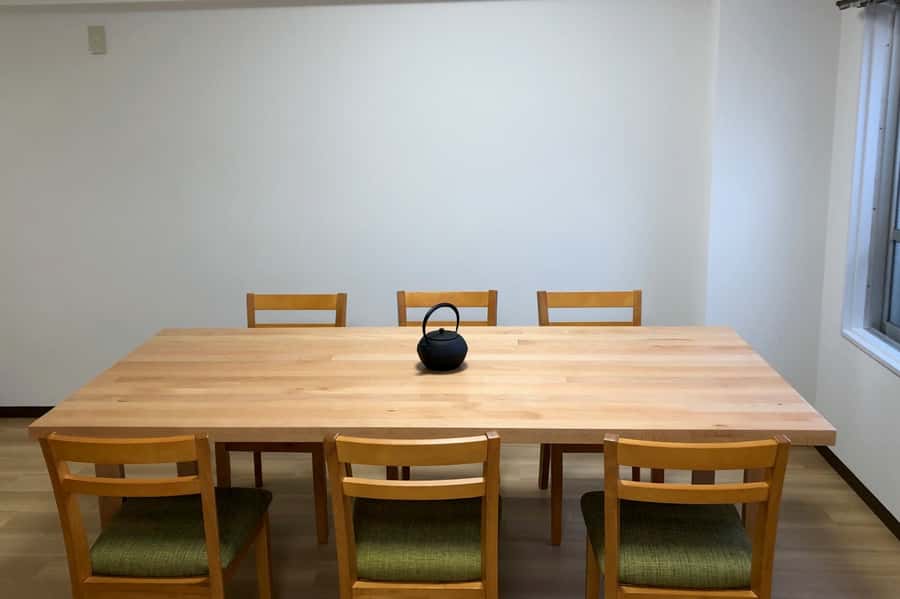
The tasting includes one premium-grade gyokuro. It is the smallest category in the lineup, but it gives the session a clear high point.
Gyokuro is often treated as a special tea rather than a basic daily drink, so tasting it beside several sencha helps you understand what premium means in practical terms. You are not just told that it costs more. You can compare the cup with the other teas while the distinctions are still fresh.
This is also where the expert’s preparation matters most. A premium tea deserves to be brewed in a way that shows its character. The experience promises that each tea will be infused appropriately, rather than prepared by one standard method.
If your interest is specifically gyokuro, keep your expectations measured. You receive one gyokuro type, not a separate gyokuro flight. The session is designed to explain Japanese tea as a whole, with gyokuro as one important part of the comparison.
The guide and the value of expert preparation
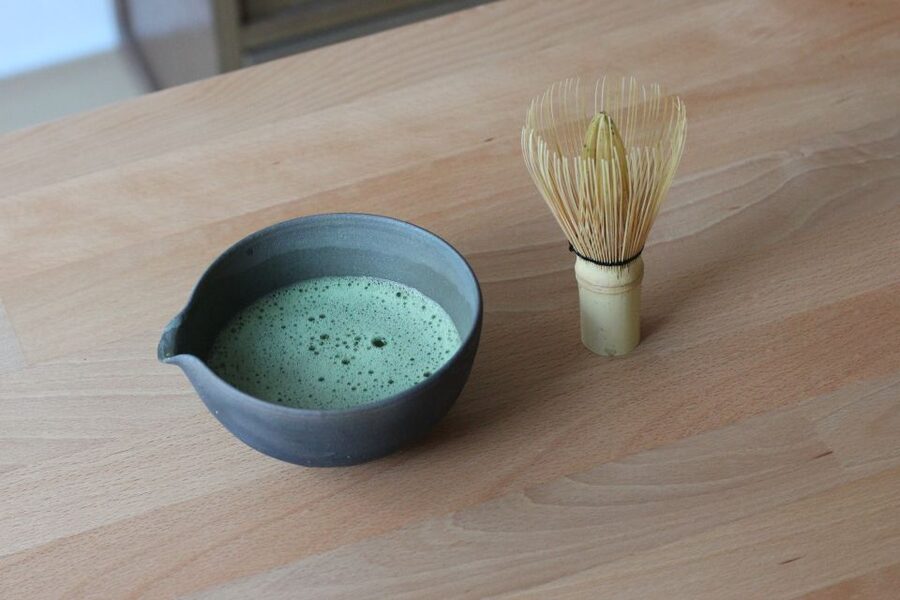
No guide name is provided, so I cannot tell you whom to expect by name. What is clear is the role: an English-speaking tea expert explains the types of tea, their background, their production, and their preparation.
That role is central to the value. Without explanation, twelve small cups can blur together. With guidance, you have a structure for noticing the differences and asking why they occur.
The information supplied about the host points to a professional who takes time to explain how the teas are made. Several ratings praise the instruction and the host’s command of the subject, while one person found the session especially educational. The strongest pattern is clear: book this for the teaching as much as for the drinking.
The small group also helps the guide respond to your interests. If you already drink matcha, you can focus on differences among powders. If you are new to Japanese tea, you can ask basic questions about sencha, gyokuro, and brewing without holding up a large class.
Is $87 a fair price?
At $87 per person, this is not a cheap way to drink tea. You are paying for twelve tastings, an English lesson, expert preparation, a small traditional sweet, and a limited group of no more than four.
The value is strongest if you would otherwise spend time and money trying to understand Japanese tea on your own. Seven sencha, four matcha powders, and a premium gyokuro provide a wide sample in one sitting. The family-farm sourcing adds interest, especially if you care about where tea comes from.
The value is weaker if you only want a relaxing drink or a quick introduction to matcha. You may find the number of teas too much if you prefer a simple, casual café stop. The tasting is also not a meal, and the confectionery portion is small.
I would compare this price with the cost of a guided food or drink activity in Tokyo. The group size is unusually intimate, and the range is unusually broad. For someone who already enjoys tea, the chance to compare grades directly makes the fee easier to justify.
Who should book this Tokyo tea experience?
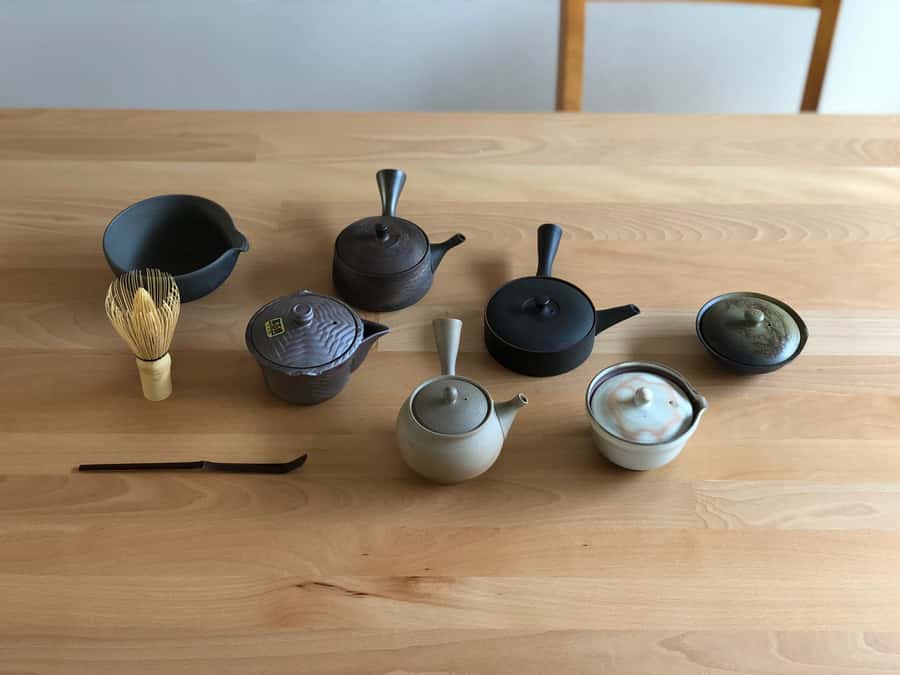
I would recommend it to adult visitors who enjoy green tea, food education, or hands-on cultural activities. It is a particularly good fit if you want something quiet between Tokyo’s larger sights.
You do not need to be a tea expert. In fact, beginners may gain the most because the session gives you a clear vocabulary and several direct comparisons. You can leave with a better sense of what you like instead of buying a tin based only on attractive packaging.
It also suits people who prefer small groups. With a four-person limit, the atmosphere should be more personal than a standard class. The apartment setting may appeal to you if you prefer a local home-style space over a polished commercial venue.
You should think twice if you dislike bitter, grassy, or savory drinks. Taste is personal, and one included participant noted that enjoyment depends on individual preference. Pregnancy and age restrictions also matter: the experience is not suitable for pregnant women or children under 18.
Book your timing carefully. The activity lasts 90 minutes, and starting times vary by availability. The booking terms allow cancellation up to 24 hours ahead for a full refund, and you can reserve now while paying later, which helps if your Tokyo plans are still shifting.
My final take on the tea tasting
I would book this if you want to understand Japanese tea rather than simply photograph a bowl of matcha. The seven sencha, four matcha powders, and one premium gyokuro create a thoughtful progression from daily drinking to special-occasion tea.
The strongest reasons to go are the four-person limit, the English instruction, and the chance to taste grades side by side. The cozy downtown apartment adds a calm change of pace, and the traditional sweet gives the matcha portion a useful food pairing.
I would skip it if you want a formal tea ceremony, a substantial meal, or a quick single-cup stop. For the right person, though, $87 buys a focused lesson, a broad tasting, and a practical introduction to the tea you will see throughout Japan.
FAQ
How long does the Japanese tea tasting last?
The experience lasts 90 minutes.
How many teas will I taste?
You will taste 12 teas: seven types of sencha, four types of matcha green tea powder, and one premium-grade gyokuro.
Is the experience conducted in English?
Yes. The instructor provides the experience in English.
How many people can join the group?
The group is limited to four participants.
Is food included with the tea tasting?
A small portion of traditional Japanese confectionery is included to pair with the matcha green tea powder.
Where does the experience take place?
It takes place in a cozy apartment room in downtown Tokyo. At the apartment entrance, push 202 and then press the bottom-right button.
Who should not book this activity?
The experience is not suitable for pregnant women or children under 18.
More Green Tea Tours in Tokyo
- Osaka; Japanese Tea ceremony experience, Macha and Sencha
★ 4.9 · 29 reviews - Kyoto Matcha Green Tea Tour
★ 4.7 · 28 reviews - Slow Cycling Tour at Uji’s Matcha Green Tea Fields and Heritage
★ 5.0 · 25 reviews - Guided Bike Tour to a Green Tea Farm in Shizuoka (not e-bikes)
★ 5.0 · 5 reviews
More Tea Tastings in Japan
- Matcha Experience with of Japanese Tea Tasting in Tokyo
★ 5.0 · 31 reviews - Nara:5 Type of Tea Tasting & Mindful Tea Ceremony
★ 5.0 · 28 reviews - Nara:Tea Tasting&Private Tea Ceremony -Master Matcha Making-
★ 5.0 · 19 reviews - Small Group Japanese Green Tea Tasting in Shizuoka
★ 5.0 · 7 reviews
Fresh tea listings around Tokyo
- At an Antique Shop, Tea Ceremony and Japanese Sweets Forming★ 5.0 · 5 reviews
- Mochi Matcha Gluten Free Japanese Sweets Class near Shibuya area★ 5.0 · 26 reviews
- Japanese Matcha Tea Ceremony and Kimono Experience in Hanayaka★ 5.0 · 26 reviews
- Tokyo: Two Types of Japanese Sweets Making and Tea Ceremony★ 4.6 · 26 reviews
- Matcha Experience with of Japanese Tea Tasting in Tokyo★ 5.0 · 31 reviews
- EDOCCO Tea House–A Quick Dive into Japanese Traditional Culture★ 5.0 · 34 reviews
- Tokyo: Tea Ceremony Experience in Asakusa★ 5.0 · 36 reviews
- Tokyo:Genuine Tea Ceremony, Kimono Dressing, and Photography★ 5.0 · 33 reviews
Matcha Experiences, compared.
World Heritage Kyoto & Nara Uji Authentic Matcha Experience
Read our review →
Matcha Making Class in Tokyo with Authentic Japanese Sweets Set
Read our review →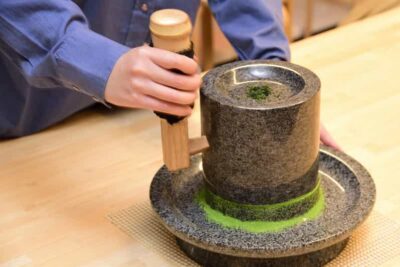
Kyoto: Tea Museum Tickets and Matcha Grinding Experience
Read our review →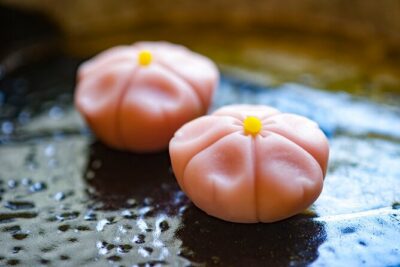
Matcha Making Class in Osaka with Authentic Japanese Sweets Set
Read our review →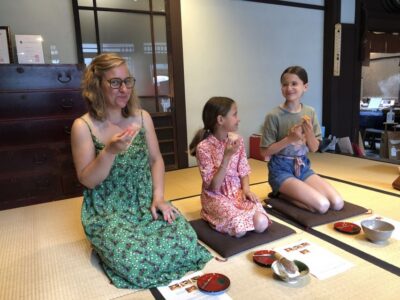
Kyoto: Tea Ceremony Meditation – Make Matcha with Tea Master
Read our review →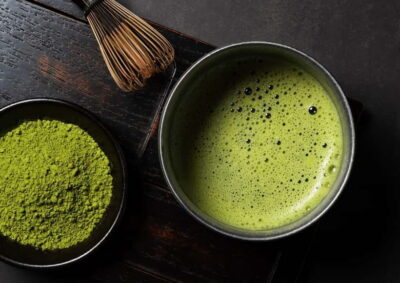
Tokyo: Matcha Making Experience with Mochi Sweets in Asakusa
Read our review →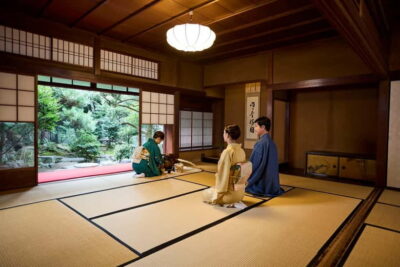
Kyoto: Kimono Tea Ceremony with Matcha and Sweet
Read our review →