
Review · TEA CEREMONY EXPERIENCES
Nara:5 Type of Tea Tasting & Mindful Tea Ceremony
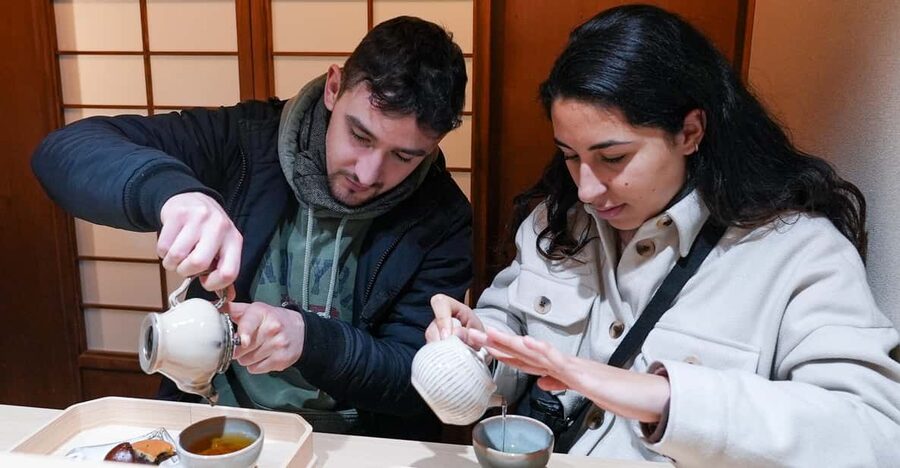
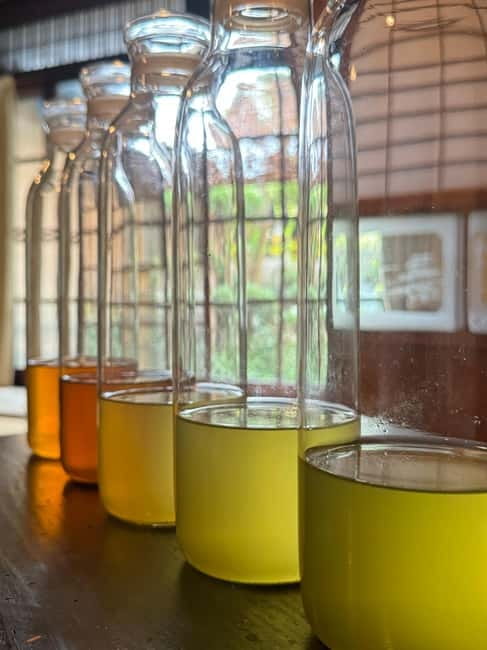
The best part of this Nara experience is the mix of serious tea tasting and calm ritual. You begin with five teas from Nara Prefecture, then choose a favorite for a carefully brewed pot before learning how to whisk matcha yourself in a traditional tea room.
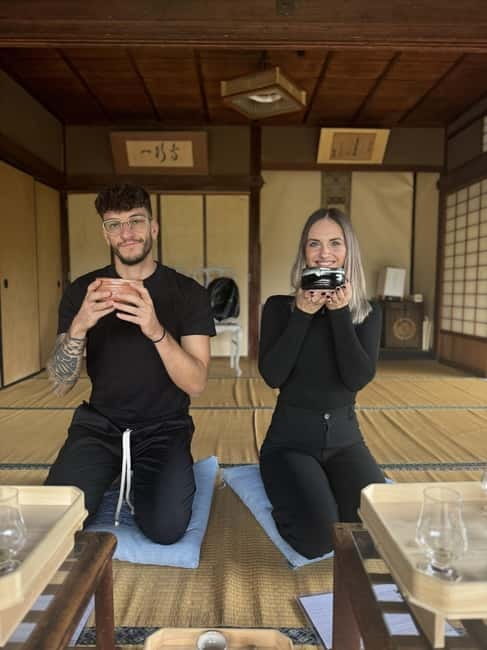
I like the personal teaching, especially the one-on-one matcha practice and feedback from the tea master. I also like the setting: a renovated, roughly 120-year-old Japanese house with a small garden, where the quiet pace gives you room to notice the tea, sweets, tools, and gestures.
The main consideration is comfort. You need to walk to the house and sit still on the floor for about two hours, even though the advertised session lasts 90 minutes. This is not a quick stop between major Nara sights.
Key points to know
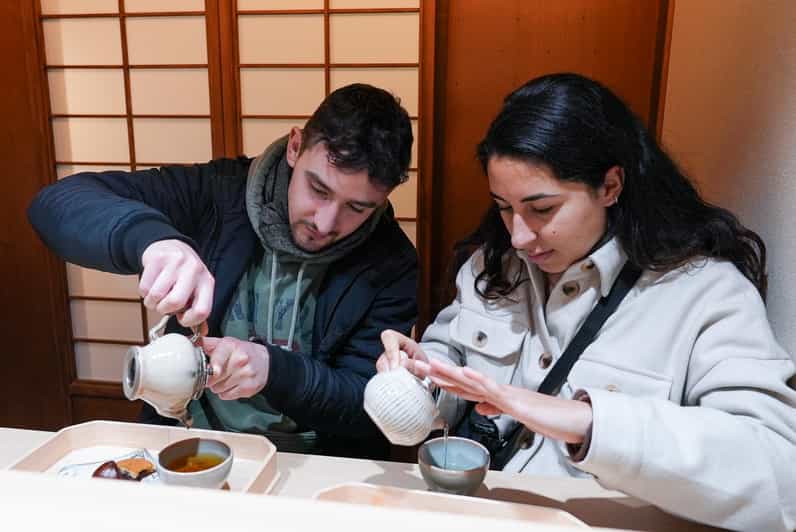
- Five Nara teas: Taste a flight that can include fragrant matcha and mellow roasted teas, all selected by the tea master.
- A favorite-tea finale: Choose one tea for a special pot-brewed serving, with the master adjusting each pour to bring out its flavor.
- Hands-on matcha: Learn the movements, then whisk your own bowl with personal guidance.
- A historic home setting: The tea room occupies a traditional wooden house overlooking a small Japanese garden.
- Seasonal wagashi: Two kinds of Japanese sweets are included, chosen to complement the tea.
- Small and private: The English-language experience is designed for an intimate group, with one host describing a maximum of four people.
Five teas give you a better start than a single ceremony
Many tea ceremonies begin with the ritual. This one begins with taste, which is a smart choice for first-time visitors. You can compare five Japanese teas before anyone asks you to remember the proper way to hold a bowl or turn a utensil.
The selection is made by the tea master, with teas sourced in Nara Prefecture. The exact lineup can change with the season, but the description points to a useful range: matcha with a pleasant aroma, along with softer roasted teas. That contrast helps you understand that Japanese tea is not one flavor or one style.
I like this tasting format because it gives you a point of reference. If you usually drink coffee, as one past participant did, the roasted teas may feel more familiar at first. Matcha brings a different experience, with its fine texture, grassy aroma, and more direct flavor.
You will not simply receive five cups and move on. The tea master explains what you are drinking and gives you a chance to notice the differences. Ask questions as you go, especially if you want to buy tea later in Japan or understand why one tea tastes lighter, sweeter, more roasted, or more intense than another.
More Tea Tastings in Japan
- Matcha Experience with of Japanese Tea Tasting in Tokyo
★ 5.0 · 31 reviews - Nara:Tea Tasting&Private Tea Ceremony -Master Matcha Making-
★ 5.0 · 19 reviews - Authentic Japanese tea tasting: sencha, matcha and gyokuro
★ 5.0 · 12 reviews
The favorite-tea pot is the quiet centerpiece
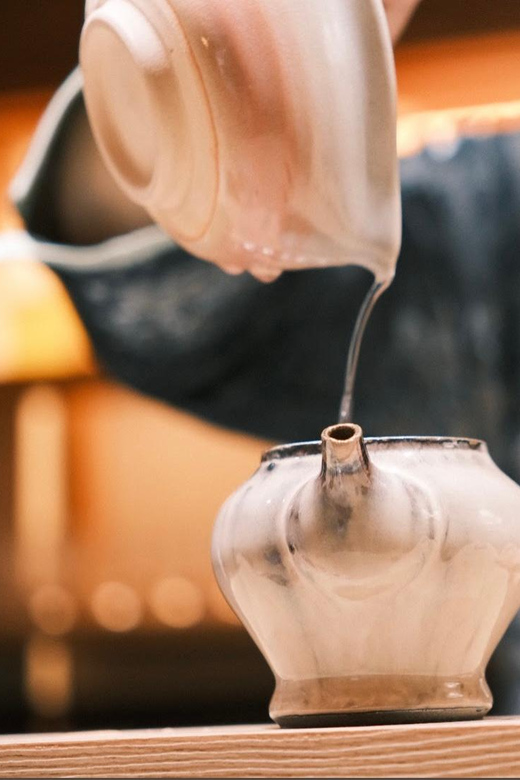
After the tasting, you choose your favorite tea. The tea master then prepares it in a special pot, paying close attention to the brewing process and pouring it in stages.
This second serving matters because it turns tasting into comparison. The first flight helps you pick a style. The pot-brewed serving lets you experience that choice with more care and more developed flavor.
The ritual is not rushed. Each pour is part of the presentation, but it also serves a practical purpose: tea can change as it brews, and the master controls how much flavor comes forward. You get a clearer sense of what makes the tea appealing instead of judging it from one quick sip.
This is also where the experience feels most like a private lesson rather than a standard tasting. You can ask for advice about which tea suits your preferences, and you can use that information when you visit tea shops elsewhere in Japan.
A 120-year-old house changes the mood
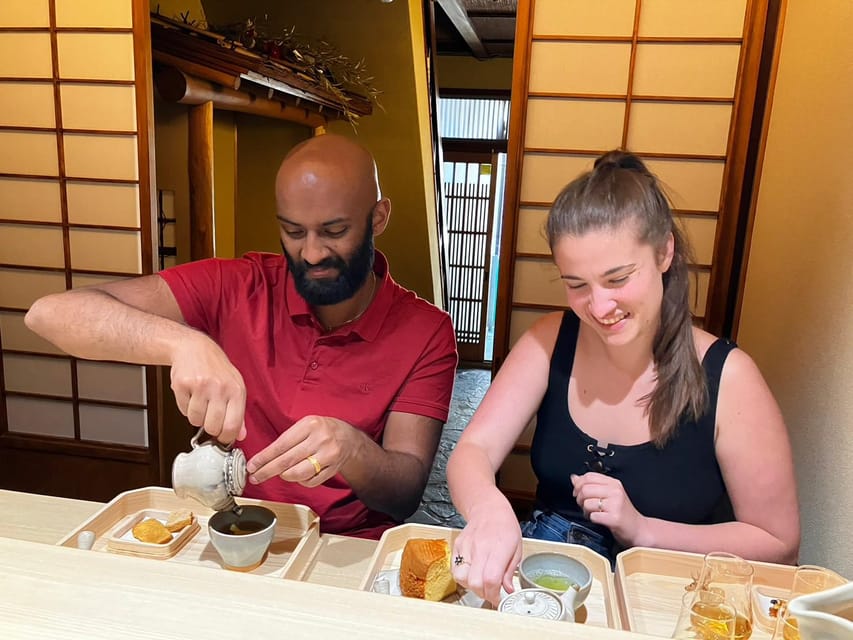
The tea room is in a renovated traditional Japanese house. One description places the building at about 120 years old, while another calls it 125 years old, so think of it as a century-old wooden home rather than a precisely dated monument.
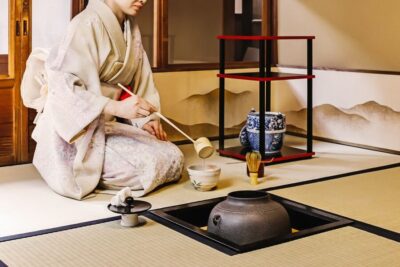
The setting is simple and quiet, with a small garden view. That matters because tea ceremony depends on attention. A busy commercial room would make it harder to notice the sound of the whisk, the shape of the bowl, or the way a sweet changes the taste of tea.
The house is also part of the cultural lesson. You are not only hearing about Japanese tea in an abstract way. You are sitting in a traditional domestic setting and learning how the room, tools, food, and movements fit together.
One host, Mike, is praised for being warm, helpful, and easy to talk with. The experience also gives you time to ask for local suggestions, so you can use the session to get practical ideas for places to visit in Japan. Those conversations are especially useful if you prefer personal tips to a fixed list of famous sights.
Matcha practice puts you in the tea master’s place
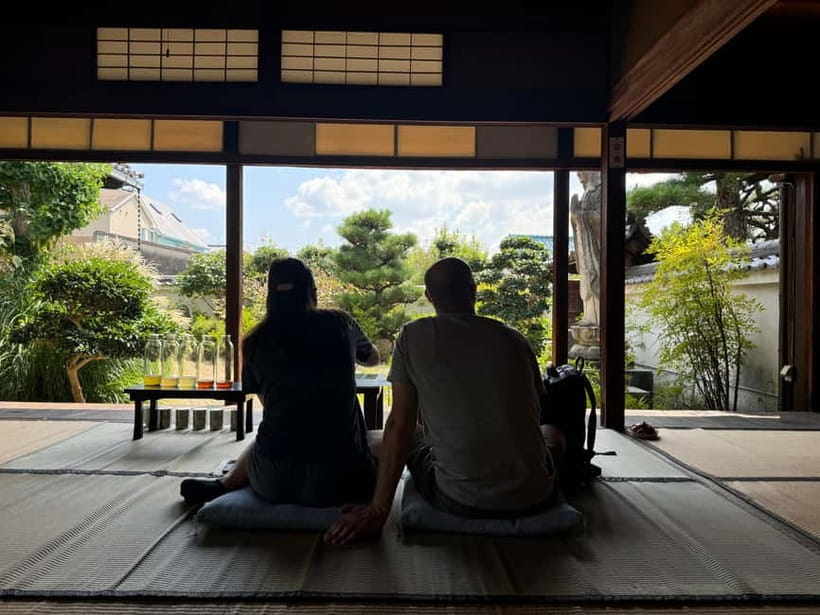
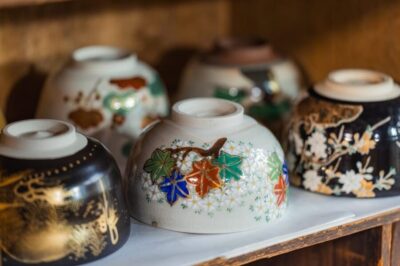
The second half moves into the tea ceremony. The tea master explains the tradition, the meaning behind the etiquette, and the purpose of the tools before you try the process yourself.
You will learn to whisk your own matcha. The point is not to produce a perfect bowl on your first attempt. It is to understand the repeated motion, the pace, and the concentration that make matcha preparation feel calm.
Personal feedback makes this more useful than watching a demonstration from across a room. The tea master can show you how to handle the whisk and adjust your movement as you practice. You then drink the tea you prepared, which gives the lesson a satisfying finish.
The ceremony also includes symbols and rituals. You will learn why the host handles objects in a particular way and how etiquette shapes the encounter. Some visitors may find the formal gestures unfamiliar at first, but the English instruction keeps the process approachable.
This is a good fit if you want to participate rather than simply photograph a ceremony. It is also a nice option for families with older children. One past group included a teenager who took the role of tea master in training and served tea to a parent, but children under 12 are not accepted.
More Tea Ceremonies in Japan:
- Kyoto: Tea Ceremony in a Traditional Tea House in Kiyomizu
★ 4.9 · 3,519 reviews - Kyoto: Tea Ceremony Ju-An at Jotokuji Temple
★ 4.9 · 3,207 reviews - Kyoto: 45-Minute Tea Ceremony Lesson Experience
★ 4.3 · 2,378 reviews - Osaka: Tea Ceremony Experience
★ 4.9 · 1,426 reviews
Wagashi makes the tea taste different
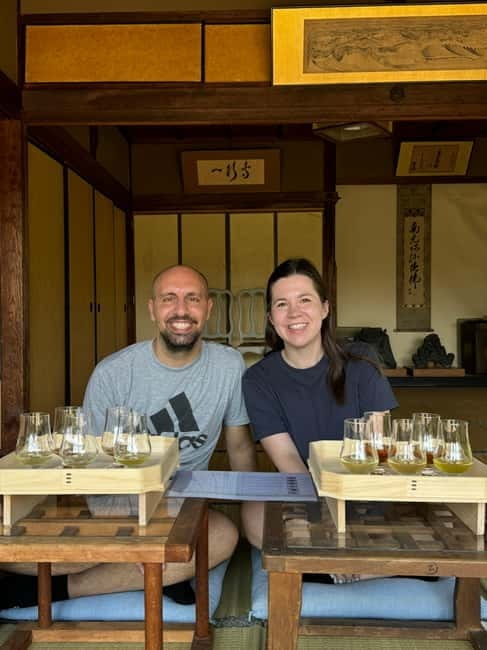
Two kinds of Japanese sweets are included, with seasonal wagashi served during the ceremony. These are not just a snack added to the price. Their sweetness prepares your palate for the tea and gives you another way to notice its character.
Wagashi can be delicate in shape and texture, and the seasonal choice may change. You should expect a small, carefully presented sweet rather than a large dessert. That suits the ceremony, where the food supports the tea instead of taking over.
The pairing is part of the lesson. After a sweet bite, the tea may taste less sharp or more balanced. A roasted tea can feel gentler, while matcha can seem more rounded. Take a sip before and after the wagashi if you want to notice the difference.
Some groups have also tasted sake during their time in the house, but sake is not listed among the included items. The reliable inclusions are five teas and two kinds of Japanese sweets.
What the 90 minutes feel like
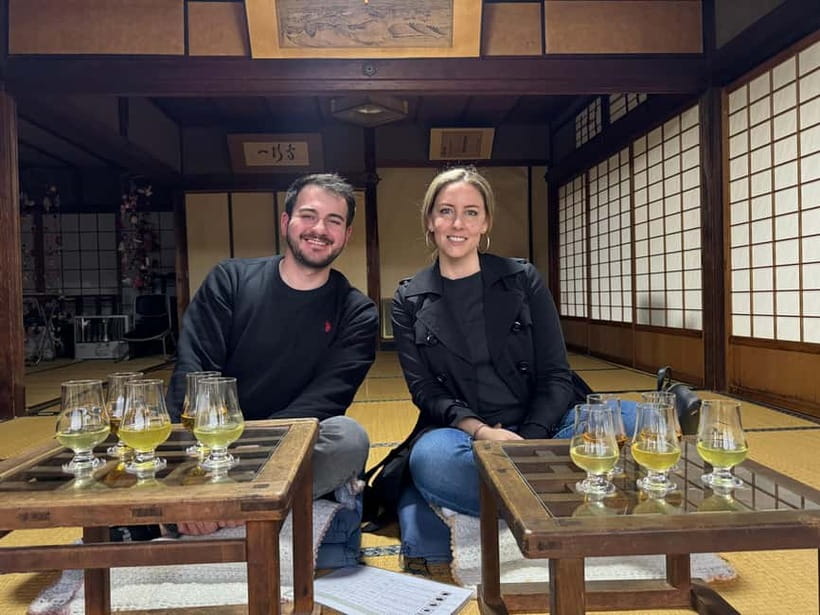
The experience is advertised as 90 minutes, but the mood is unhurried. Plan for a session that gives you time to taste, ask questions, practice matcha, and sit through the ceremony without being pushed from one step to the next.
The likely flow is straightforward:
- You arrive at the traditional house and settle into the tea room.
- The tea master introduces five Nara teas and explains their differences.
- You choose a favorite, which is then served from a pot.
- The host explains tea ceremony history, etiquette, and tools.
- You whisk your own matcha with guidance.
- Seasonal wagashi are served with the tea.
- You have time for questions and local suggestions.
One important practical point comes from the way the session is described by past participants: you may sit on the floor for close to two hours. The experience is wheelchair accessible, but you should still check whether floor seating works for you before booking, since accessibility to the building does not necessarily mean chair seating inside.
You also need to walk to the house. The precise route and meeting instructions are not provided here, so allow enough time to find the location rather than arriving at the last minute.
Private groups make the instruction personal
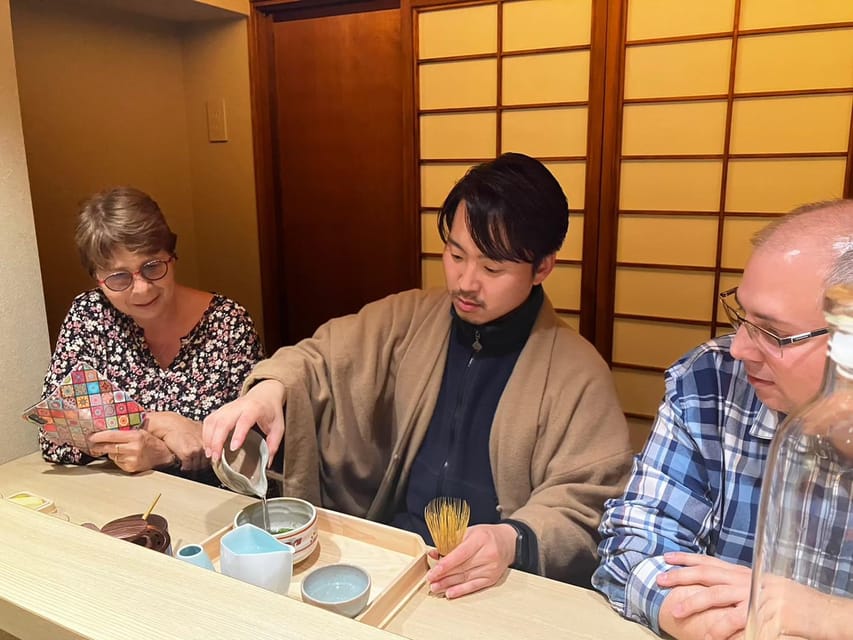
This is a private-group experience in English, not a large public demonstration. That changes the value of the $61 price.
With a large group, you might watch a matcha lesson but have little chance to correct your own technique. Here, the format allows for questions, individual feedback, and a more natural conversation with the host. One description says Mike welcomes only four people into the house, which gives you a useful sense of the intended scale.
The private format also helps if your group has different interests. One person can ask about tea production, another can focus on etiquette, and another can ask for sightseeing ideas. The tea master can respond without the fixed pace of a crowded class.
It may be less suitable if you want a lively social activity with many other visitors. The appeal is quiet conversation and personal attention, not group energy.
Is $61 a fair price?
At $61 per person, this is not the cheapest way to drink tea in Nara. You could find a simple cup of tea for far less. The price makes more sense when you count everything included: five teas, a second pot-brewed serving, a guided matcha lesson, a private tea ceremony, two sweets, an English-speaking instructor, and the traditional house setting.
I see the value in the teaching. You are not paying only for ingredients. You are paying for someone to explain how the tea is made, how to compare it, how to use the tools, and why the ceremony follows its particular order.
The private nature matters too. If you are traveling as a couple, family, or small group, the session can feel like a special cultural appointment rather than a standard attraction. For tea lovers, the tasting alone may justify the cost. For casual tea drinkers, the ceremony and house setting are the stronger reasons to book.
The experience has a 5.0 rating from 28 bookings, and the praise is especially consistent around the peaceful atmosphere, friendly hosting, tea quality, and personal instruction. That pattern suggests the main value is the complete setting and human contact, not just the number of teas.
Who will enjoy this most
I would recommend this to you if you want a slower cultural activity in Nara. It works well after a morning of temples, when you are ready to sit down and focus on something small and precise.
Tea lovers will get the most from the five-tea comparison and the chance to identify a favorite. You do not need to be an expert. In fact, beginners may benefit most because the host explains the basic differences without assuming prior knowledge.
It is also a good choice for couples and small families with children aged 12 or older. The hands-on matcha portion gives teenagers something to do, and the private format lets them ask questions without feeling self-conscious.
You may want to skip it if you dislike floor seating, have very limited time, or want a fast photo opportunity. The ceremony asks you to slow down. It is not a drop-in tasting that you can finish in 20 minutes.
Pregnant women and children under 12 are not permitted, so keep those restrictions in mind when planning a family schedule.
Booking details worth knowing
The activity runs for 90 minutes, with starting times available depending on the date. The instructor speaks English, and the group is private.
You can cancel up to 24 hours in advance for a full refund. The reserve-now, pay-later option also helps if your Nara plans are still shifting.
The experience is wheelchair accessible, but because the activity includes sitting on the floor, you should confirm that the seating arrangement meets your needs. You should also wear clothing that lets you sit comfortably and arrive with enough time to walk to the house.
Should you book the Nara tea ceremony?
Book it if you want personal instruction, local tea, and a quiet traditional setting in one compact experience. The five-tea tasting gives the session substance, while the matcha practice and ceremony give you a real role instead of leaving you as a spectator.
I would be especially happy to recommend it to tea drinkers, curious first-time visitors, and anyone who values conversation with a local host. Mike’s friendly approach, the old wooden house, the garden view, and the chance to ask for sightseeing tips make this more personal than a standard tea demonstration.
Think twice if floor sitting is difficult or if you prefer a short, informal tasting. For everyone else, $61 is a reasonable price for 90 minutes of careful teaching, good tea, seasonal wagashi, and a genuine look at one of Japan’s most thoughtful everyday traditions.
FAQ
How long does the tea experience last?
The advertised duration is 90 minutes. The session includes tea tasting, a pot-brewed serving, tea ceremony instruction, matcha practice, and seasonal wagashi.
How many kinds of tea are included?
You taste five kinds of Japanese tea selected by the tea master and locally sourced in Nara Prefecture. You also choose one favorite for a special pot-brewed serving.
Is the experience taught in English?
Yes. The instructor and activity language are English.
Is the tea ceremony private?
Yes. The activity is offered as a private-group experience. One description of the format says the host welcomes only four people into the house.
Are sweets included?
Yes. Two kinds of traditional Japanese sweets are included. They are seasonal wagashi served with the tea.
Can children attend the experience?
Children under 12 are not permitted. Pregnant women are also listed as unable to participate.
More Food and Drink Tours in Japan
- Private Tea Ceremony and Sake Tasting in Kyoto Samurai House
★ 5.0 · 163 reviews - Experience all of Japanese culture and Japanese food experience classes “origami, udon, Japanese food, green tea, calligraphy” in 4 hours
★ 5.0 · 105 reviews - Tokyo Sushi Making Class : Sake Ceremony & Matcha Experience
★ 5.0 · 44 reviews - Matcha tasting for all five senses at Hotel Yokohama
★ 5.0 · 7 reviews
Fresh tea listings around Japan
- Authentic Tea Ceremony & Sushi in The Museum of Kyoto★ 5.0 · 3 reviews
- Authentic Japanese tea tasting: sencha, matcha and gyokuro★ 5.0 · 12 reviews
- Asakusa Cultural Walk & Matcha Making Tour★ 4.5 · 7 reviews
- At an Antique Shop, Tea Ceremony and Japanese Sweets Forming★ 5.0 · 5 reviews
- Authentic Japanese Tea Ceremony Experience in Kamakura★ 4.5 · 8 reviews
- Japanese Sweets Making & Tea Ceremony in Yokohama, suburban Tokyo★ 5.0 · 4 reviews
- Matcha tasting for all five senses at Hotel Yokohama★ 5.0 · 7 reviews
- Yokohama: Sushi & Gyoza Cooking with Matcha Experience★ 5.0 · 4 reviews
Tea Ceremony Experiences, compared.
Kyoto: Tea Ceremony in a Traditional Tea House in Kiyomizu
Read our review →
Kyoto: 45-Minute Tea Ceremony Lesson Experience
Read our review →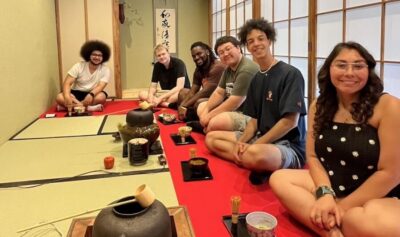
Kyoto: Table-Style Tea Ceremony at a Kyo-Machiya
Read our review →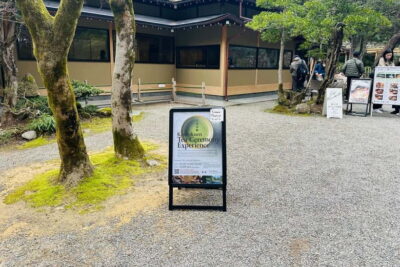
Browse the lists this tour appears in