
Review · MATCHA EXPERIENCES
Matcha Experience with of Japanese Tea Tasting in Tokyo
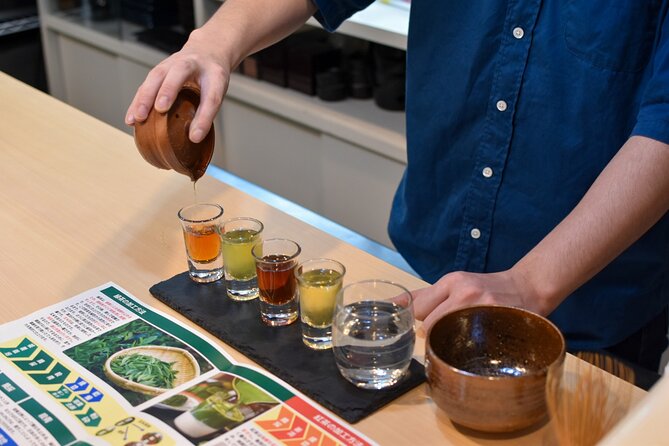
The most interesting part of this Tokyo experience is that Chisei does not treat tea as a single flavor or a café trend. A former tea farmer who grew tea in Kyoto for six years, he explains how cultivation and processing change the character of each cup, then lets you taste the difference for yourself. Seven or more Japanese tea styles appear during the session, along with matcha lattes, hojicha lattes, and homemade sweets from Rina.
I like the tiny group size, capped at five, because you can ask questions without waiting your turn all morning. I also like the hands-on finish: you whisk your own ousucha, or thin matcha, and leave knowing how to repeat the process at home. The main consideration is that this is a focused class in a hotel-based meeting space, not a formal temple ceremony or a broad Tokyo sightseeing tour.
Key points at a glance
- A former Kyoto tea farmer leads the tasting: Chisei explains growing and processing from direct experience.
- The tasting compares distinct Japanese teas: Expect sencha, kabusecha, gyokuro, deep-steamed sencha, genmaicha, hojicha, and Japanese black tea.
- You prepare your own matcha: The bamboo whisk lesson is practical, not just for watching.
- Rina’s homemade sweets add a personal touch: Tea leaves with ponzu are also part of the fun.
- The class stays intimate: No more than five people can attend.
- The session lasts about 90 minutes: It fits neatly into a Tokyo day, with free cancellation up to 24 hours before the start time.
A tea class built around tasting, not ceremony theater
Many visitors first meet Japanese tea as a sweet matcha drink or a powdered green tea dessert. This class gives you a broader view. Chisei begins with tea as an agricultural product, then connects farming methods, leaf processing, water, temperature, aroma, and taste.
That approach matters because Japanese tea names can feel like a wall of unfamiliar terms. Sencha, gyokuro, kabusecha, and hojicha are not simply different brands. They reflect different growing and processing choices, and the tasting gives you a clear way to compare them.
The class is hosted by Chisei and Rina at matcha tripJapan, located on the second floor of Henn Na Hotel in Taito City. The listed meeting point is inside Sports Bar Leaf, at 3 Chome 19, Kotobuki. You return to that same point when the class ends, so you do not need to plan for a separate drop-off.
The setting is practical rather than grand. If you want tatami mats, a historic tea house, or a temple garden, this will not provide that atmosphere. If you want a close look at how Japanese tea works, with enough time to taste and ask questions, the modest setting is less important.
More Matcha Experiences in Tokyo
- Matcha Making Class in Tokyo with Authentic Japanese Sweets Set
★ 5.0 · 744 reviews - Tokyo: Matcha Making Experience with Mochi Sweets in Asakusa
★ 4.9 · 388 reviews - Asakusa Cultural Walk & Matcha Making Tour
★ 5.0 · 245 reviews
Your welcome drink sets the pace
The class opens with a seasonal welcome drink. As you sip, Chisei explains the teas you will taste and gives you a basic framework for the session.
This first drink serves a useful purpose. You are not thrown straight into a line of unfamiliar cups. You get some context before the comparisons begin, which makes it easier to notice what changes from one tea to the next.
The pace also appears friendly and conversational. Several comments about the class point to patient answers and clear explanations, including careful attention to questions about tea farming, preparation, and flavor. If you already know a little about tea, you can ask more technical questions. If you are new to Japanese tea, you can start with the basics without feeling out of place.
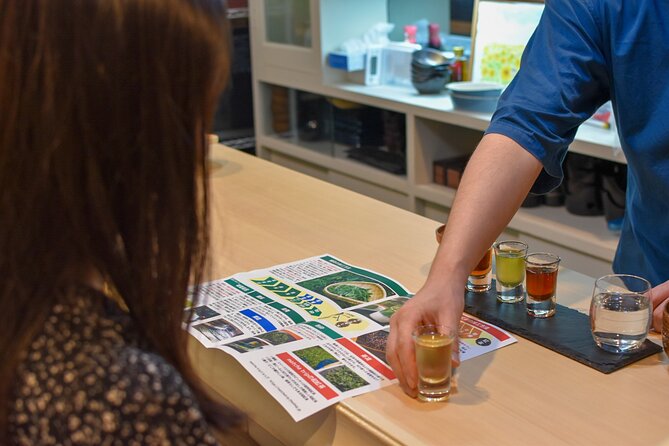
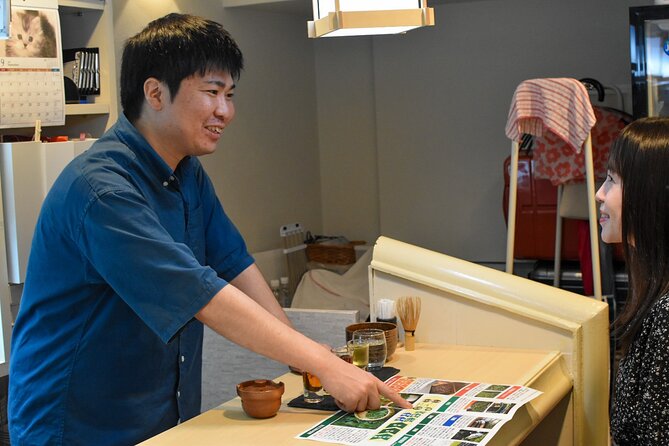
Chisei’s background is a major reason to book this particular class. He grew tea in Kyoto for six years, so his discussion is tied to firsthand farm work rather than only textbook descriptions. He also uses diagrams and pictures to explain cultivation and production, which helps when the vocabulary gets dense.
Six teas, six different ways to read the cup
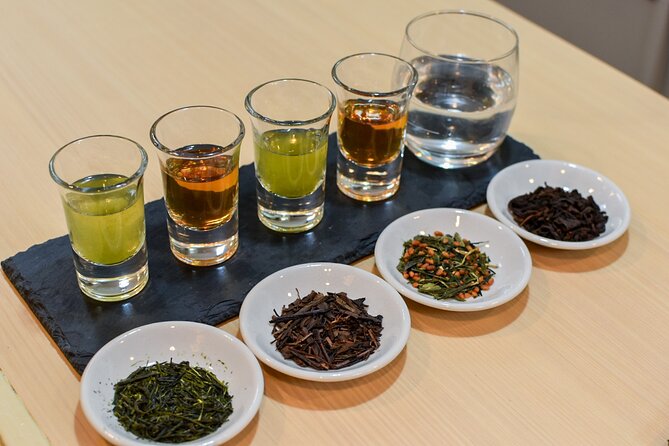
The central tasting compares six teas prepared in the way that best shows their character. Before each one is brewed, you look at the tea leaves, including their color and shape. Then you examine the brewed tea for color, fragrance, and taste.
The planned comparison includes:
- Sencha
- Kabusecha
- Gyokuro
- Deep-steamed sencha
- Genmaicha, or brown rice tea
- Hojicha, or roasted green tea
This sequence is valuable because it turns tasting into a visual and sensory exercise. You are not simply told that one tea is more fragrant or another has a roasted note. You see the leaves, smell the brew, and taste it in close succession.
Sencha is a useful starting point for understanding everyday Japanese green tea. Kabusecha and gyokuro offer a chance to compare teas grown with more shade, while deep-steamed sencha shows how processing affects the finished drink. Genmaicha brings the toasted character of brown rice, and hojicha shifts the experience again with its roasted profile.
The exact strength of each cup will depend on the preparation and the tea selected that day, but the point is comparison. By tasting several styles in one sitting, you can work out which qualities you actually enjoy. That is more useful than buying a large bag of tea because a label sounded appealing.
One nice extra is the chance to eat tea leaves with ponzu. This is not an everyday experience for most visitors, and it gives you another reminder that tea is a leaf, not just a liquid. The snack is small but memorable.
Japanese black tea and sweets change the mood
After the green tea comparisons, the session moves to Japanese black tea served with homemade sweets. The tea is selected to work well with the sweets, so this part feels less like a technical comparison and more like a relaxed pairing.
Rina prepares the homemade treats, and they have received especially strong praise. The sweets are not an afterthought placed beside a teabag. They are part of the hospitality and give you a chance to see how Japanese tea can work with food beyond the familiar matcha dessert format.
The class also includes coffee and tea offerings in its inclusions, but the heart of the experience is clearly Japanese tea. The refreshments are there to support the lesson, not replace it.
If you have allergies, Chisei has been described as asking proactively about allergy conditions. Still, you should communicate any dietary concern when booking or at the start of the class. The supplied information does not specify every ingredient in the homemade sweets, so do not assume they suit every diet.
More Tea Tastings in Japan
- Authentic Japanese tea tasting: sencha, matcha and gyokuro
★ 5.0 · 12 reviews - Nara:5 Type of Tea Tasting & Mindful Tea Ceremony
★ 5.0 · 28 reviews - Nara:Tea Tasting&Private Tea Ceremony -Master Matcha Making-
★ 5.0 · 19 reviews - Small Group Japanese Green Tea Tasting in Shizuoka
★ 5.0 · 7 reviews
Whisking matcha is the hands-on finale
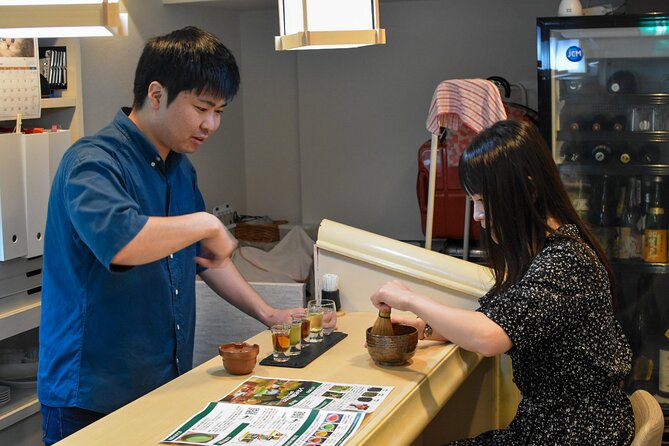
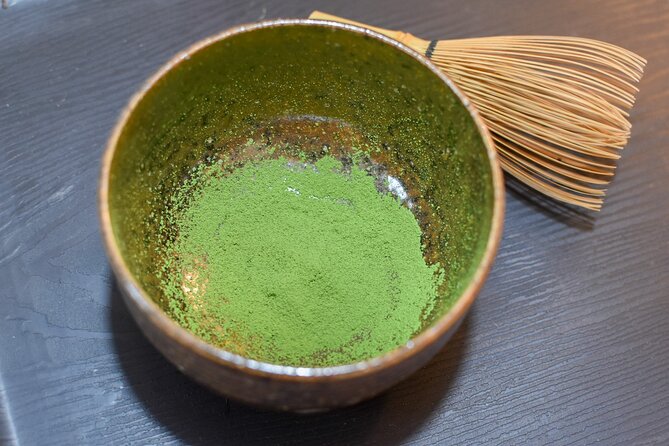
The final traditional step is making ousucha with a bamboo whisk. You do not only watch a matcha preparation. You handle the whisk and make your own bowl.
For many people, this will be the most satisfying part because it turns an elegant ritual into a skill you can use later. Chisei explains how to prepare the matcha, and you get a chance to practice the movement yourself. The aim is not to test you on ceremony rules. It is to help you make a good bowl once you return home.
That distinction is worth noting. This is a matcha-making experience with cultural context, not a full formal tea ceremony conducted according to every traditional rule. You will learn enough to prepare matcha with a bamboo whisk, but the class is designed for general visitors who want to understand and enjoy Japanese tea.
The class then includes two kinds of matcha and several matcha latte options, as well as hojicha latte. These drinks give you a useful contrast between traditional whisked matcha and modern café-style preparations. Hojicha latte is especially different in mood, with roasted tea replacing the greener, more vegetal character of matcha.
A small class makes the questions worthwhile
The maximum group size is five. That is a real advantage for this subject.
Tea tasting works best when you can stop and ask why one cup tastes sweeter, more savory, more roasted, or more astringent than another. In a large demonstration, you might hear the explanation but miss the chance to connect it to your own palate. Here, you have room to ask Chisei to clarify a term or repeat a preparation point.
The small format also suits mixed experience levels. One person may already know the difference between gyokuro and sencha, while another may have only tried matcha in a café. The class can accommodate both, at least according to the detailed teaching approach described for the session.
English communication is reported to be good, which matters because tea production has plenty of technical vocabulary. Chisei’s patient teaching style is another plus for anyone who likes to ask many questions. I would still remember that a 90-minute class has limits. You will learn a lot, but you will not cover every Japanese tea region, cultivar, ceremony school, and brewing method.
What the $57.98 price really buys
At $57.98 per person, this is not a cheap drink stop. It is also more than a simple matcha demonstration. You are paying for about 90 minutes of instruction, a tasting of several tea styles, homemade sweets, a matcha-making lesson, and a small group capped at five.
The value is strongest if you want to understand what you are drinking. A café can serve you matcha, but it rarely explains how shade growing, roasting, steaming, or leaf appearance affect the cup. This class gives you several direct comparisons in one sitting, which would be difficult to arrange on your own.
The price also includes a useful take-home benefit: you learn a method you can repeat at home. The experience provider sells tea products as well, and some people have purchased matcha, gyokuro, bowls, and other items after the class. You are not required to buy anything, but the lesson may help you choose wisely if you want to continue your tea practice.
I would skip it if your main goal is a low-cost refreshment, a formal temple ritual, or a full afternoon of sightseeing. I would consider it good value for a tea drinker, a curious first-timer, or anyone who wants a quieter cultural activity in Tokyo.
Timing, location, and practical planning
The session lasts approximately one hour and 30 minutes. That makes it easy to place before or after other plans in Taito City, but leave enough time to find the meeting point inside the hotel and on the second floor.
The activity begins and ends at the same location. Its listed address is:
matcha tripJapan
111-0042 Tokyo, Taito City, Kotobuki, 3 Chome 19
Henn Na Hotel, 2F, Sports Bar Leaf
The experience is near public transportation, though the supplied details do not name a particular station or give walking directions. Use the full address when planning your route and allow extra time, since hotel interiors can be less obvious than a street-level shop.
A mobile ticket is accepted, and confirmation is provided at booking. Service animals are allowed. The free cancellation deadline is 24 hours before the local start time. Cancellations or changes inside that window are not accepted for a refund.
The class is available to a maximum of five people, so availability may be limited on popular dates. There were more than five bookings in the previous month, which suggests steady interest, but it does not guarantee that every date will fill.
Who will enjoy this more than a café matcha
I would recommend this class to you if you like to know how food and drink are made. It is especially suited to:
- First-time matcha drinkers who want more than a sweet latte
- Tea fans who want to compare several Japanese styles
- Visitors looking for a quiet, indoor activity in Tokyo
- Couples, families, or small groups who prefer personal instruction
- People who want to prepare matcha at home after the trip
- Curious eaters interested in tea leaves, homemade sweets, and unusual flavors
It is also a good choice for someone who thinks they do not like matcha. The session includes sencha, roasted hojicha, genmaicha, Japanese black tea, lattes, and other styles, so you are not locked into one strong green tea flavor.
I would be more cautious about booking if you want a polished tourist performance with elaborate costumes and a historic setting. The focus here is tasting, teaching, and conversation. The location is functional, and the session is aimed at general visitors rather than commercial buyers or wholesale clients.
Should you book the matcha experience?
Book it if you want a personal, educational look at Japanese tea and appreciate learning by comparison. Chisei’s six years of tea farming in Kyoto give the class a useful foundation, while Rina’s homemade sweets and the tea-leaf tasting add warmth and surprise.
The strongest reasons to go are the five-person limit, the number of tea styles, and the chance to whisk matcha yourself. At $57.98, the experience makes the most sense when you value instruction and variety, not just a cup of tea.
Skip it if you are seeking a formal ceremony, a major sightseeing stop, or a quick inexpensive drink. For everyone else, this is a smart way to spend 90 minutes in Tokyo, especially if you want to return home able to tell sencha from hojicha and make your own matcha without guessing.
FAQ
How long does the matcha experience last?
The experience lasts approximately one hour and 30 minutes.
What is the price?
The listed price is $57.98 per person.
How many people can join the class?
The activity has a maximum of five participants.
Who leads the experience?
Chisei leads the tea instruction. He is a former tea farmer who grew tea in Kyoto for six years. Rina helps host the experience and prepares the homemade sweets.
Which Japanese teas are included?
The tasting includes sencha, kabusecha, gyokuro, deep-steamed sencha, genmaicha or brown rice tea, hojicha or roasted green tea, and Japanese black tea. The experience also includes matcha and latte options.
Do I get to make matcha?
Yes. You make ousucha, or thin matcha, with a bamboo tea whisk during the final part of the class.
Are sweets included?
Yes. Homemade sweets are served with Japanese black tea.
Are matcha lattes included?
Yes. The experience includes matcha latte options and hojicha latte. The listed inclusions specify two types of matcha and three kinds of matcha latte.
Where does the class start and finish?
It starts and ends at matcha tripJapan, on the second floor of Henn Na Hotel in Taito City, inside Sports Bar Leaf.
Can I cancel for a full refund?
Yes, if you cancel at least 24 hours before the experience start time. Cancellations or changes made less than 24 hours in advance are not refunded or accepted.
More Food and Drink Tours in Tokyo
- Experience all of Japanese culture and Japanese food experience classes “origami, udon, Japanese food, green tea, calligraphy” in 4 hours
★ 5.0 · 105 reviews - Tokyo Sushi Making Class : Sake Ceremony & Matcha Experience
★ 5.0 · 44 reviews - Jakarta: Volcano, Tea/Rice Fields, Hot Spring, Local Food
★ 4.9 · 515 reviews - Private Tea Ceremony and Sake Tasting in Kyoto Samurai House
★ 5.0 · 163 reviews
More Tea Tastings in Tokyo
- Twinings 2-Hour Tea Tasting Masterclass in London
★ 5.0 · 105 reviews - Tea Tasting and Pairing Concept Workshop
★ 5.0 · 57 reviews - Munnar: Tea trail, Tea Factory, and Tea Tasting Tour
★ 4.9 · 47 reviews - Biking Real Shanghai& Tea Tasting Experience
★ 4.5 · 45 reviews
Fresh tea listings around Tokyo
- Authentic Japanese tea tasting: sencha, matcha and gyokuro★ 5.0 · 12 reviews
- At an Antique Shop, Tea Ceremony and Japanese Sweets Forming★ 5.0 · 5 reviews
- Mochi Matcha Gluten Free Japanese Sweets Class near Shibuya area★ 5.0 · 26 reviews
- Tokyo: Two Types of Japanese Sweets Making and Tea Ceremony★ 4.6 · 26 reviews
- Japanese Matcha Tea Ceremony and Kimono Experience in Hanayaka★ 5.0 · 26 reviews
- Tokyo:Genuine Tea Ceremony, Kimono Dressing, and Photography★ 5.0 · 33 reviews
- EDOCCO Tea House–A Quick Dive into Japanese Traditional Culture★ 5.0 · 34 reviews
- Tokyo: Tea Ceremony Experience in Asakusa★ 5.0 · 36 reviews
Matcha Experiences, compared.
World Heritage Kyoto & Nara Uji Authentic Matcha Experience
Read our review →
Matcha Making Class in Tokyo with Authentic Japanese Sweets Set
Read our review →
Kyoto: Tea Museum Tickets and Matcha Grinding Experience
Read our review →
Matcha Making Class in Osaka with Authentic Japanese Sweets Set
Read our review →
Kyoto: Tea Ceremony Meditation – Make Matcha with Tea Master
Read our review →
Tokyo: Matcha Making Experience with Mochi Sweets in Asakusa
Read our review →
Kyoto: Kimono Tea Ceremony with Matcha and Sweet
Read our review →
Browse the lists this tour appears in