
Review · TEA CEREMONY EXPERIENCES
Osaka; Japanese Tea ceremony experience, Macha and Sencha
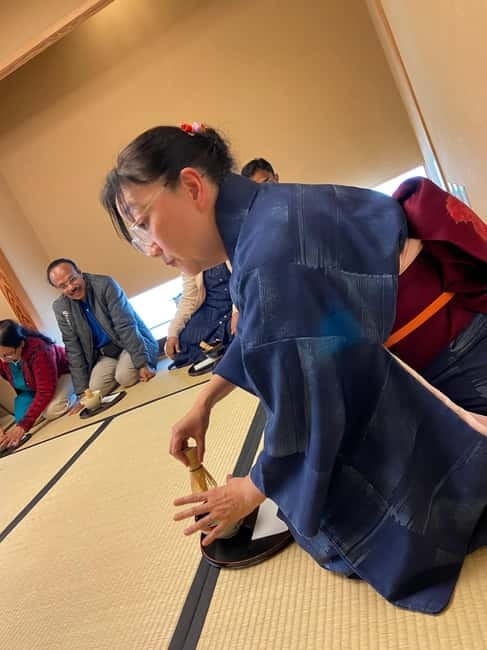
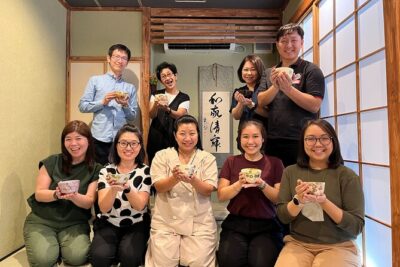
The most interesting part of this Osaka activity is that you do not just watch a tea master prepare matcha. You learn the small actions yourself, from handling the tea bowl to following the etiquette of the ceremony. I like the hands-on format and the chance to compare ceremonial matcha with everyday sencha. I also like that tea master Yuko explains the customs in clear English.
The main consideration is time. One hour gives you a neat introduction, not a long formal ceremony or a full meal. The activity is also not suitable for wheelchair users or people with food allergies, since traditional sweets and confectionery are served.
Key points to know before booking
- Matcha and sencha in one session: You taste both ceremonial matcha and the green tea commonly enjoyed in Japan today.
- Tea master Yuko may lead the class: She is praised for her gentle manner, clear English, and thoughtful explanations of tea history.
- You take part in the etiquette: This is more than a demonstration, since you prepare tea yourself under instruction.
- Traditional tatami-room setting: The room gives the activity a distinctly Japanese feel without requiring a full-day cultural program.
- Optional yukata photographs: You can add a yukata rental and have your photograph taken during the tea session.
- A $25 introduction: At one hour, the price is reasonable if you want a focused cultural activity between sightseeing stops.
A quiet change of pace in central Osaka
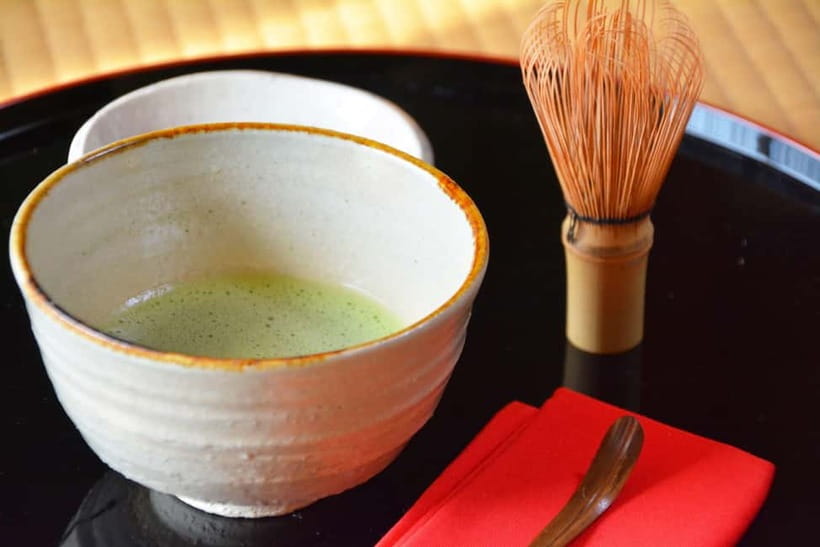
Osaka is known for food, bright signs, shopping streets, and a quick urban rhythm. This tea activity gives you a short pause from all that noise. You enter a traditional tatami room, sit close to the floor, and pay attention to movements that are easy to miss in a hurried demonstration.
The setting matters. Tea ceremony etiquette is built around care, order, and respect. The way tea is prepared, presented, and received is part of the lesson. You do not need prior knowledge, and you do not need to understand every Japanese custom before arriving. The instructor guides you through the basic steps.
The meeting point is at the underground Midosuji Line, Exit 3, on the ground floor. Osaka’s Midosuji Line is useful for getting around the city, but station exits can still be confusing. Give yourself a little extra time to find Exit 3 rather than rushing in at the start time.
More Green Tea Tours in Japan
- Experience all of Japanese culture and Japanese food experience classes “origami, udon, Japanese food, green tea, calligraphy” in 4 hours
★ 5.0 · 105 reviews - Uji: Green Tea Tour with Byodoin and Koshoji Temple Visits
★ 4.8 · 72 reviews - Scenic Green Tea Fields of Hidden Kyoto & Local Tea Exp (Private)
★ 5.0 · 32 reviews
What happens during the first matcha demonstration
The session begins with the tea master preparing matcha. You watch the careful sequence and hear an explanation of what the ceremony means, both as a social tradition and as a spiritual practice.
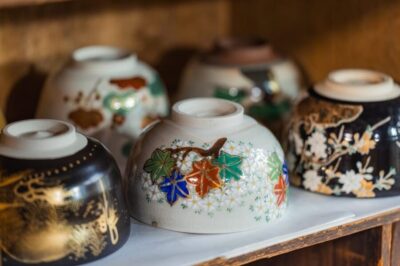
Matcha is powdered green tea whisked directly into water. That makes it different from tea leaves steeped and then removed. The preparation has a visual quality, but the point is not simply to watch a pretty performance. Your instructor helps you understand why the bowl, utensils, gestures, and order of service matter.
I like this part because it gives you context before asking you to copy the actions. Without that explanation, tea ceremony can feel like a set of mysterious rules. With it, each gesture becomes easier to understand.
The English-language instruction is an important part of the value. Yuko, the tea master named in the available information, has been praised for speaking English well and for explaining the tradition with patience and warmth. That makes the activity a good choice if you want more than photographs and a few memorized movements.
Your turn to prepare matcha
After watching the demonstration, you get to make tea yourself. The instructor explains how to follow the etiquette and helps you work through the process.
You should expect a structured lesson rather than free-form tea making. The ceremony has a clear rhythm, so you may need to slow down and copy the movements carefully. That is part of the fun, especially if you are comfortable trying something unfamiliar without worrying about getting every step perfect.
This hands-on section is also where the activity earns its price. A cheaper cultural stop might show you tea preparation from a distance, but here you actively take part. The lesson remains short enough for a busy Osaka day, while still giving you a sense of how formal tea service works.
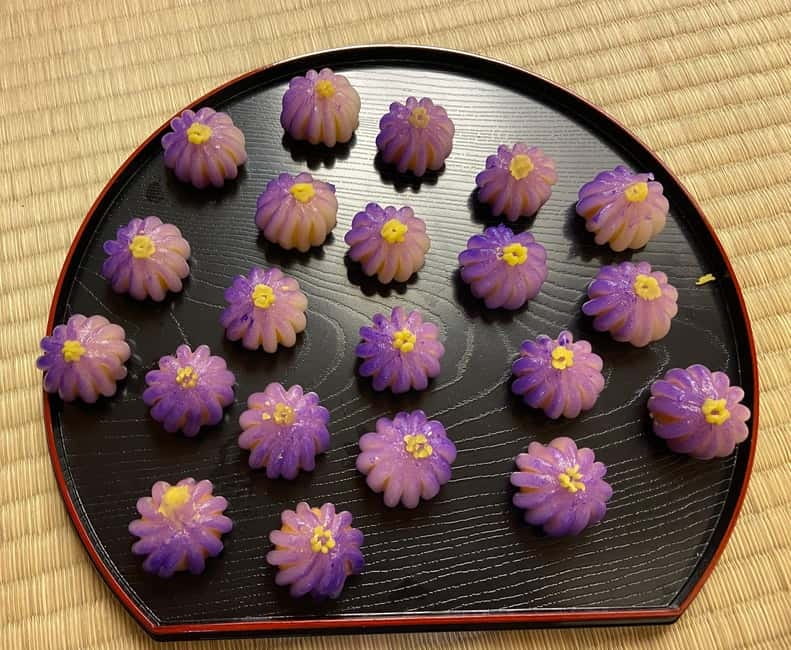
Traditional Japanese sweets are served with the matcha. They are included in the price, so you do not need to arrange a separate snack. The sweets are part of the tea tradition, not simply an extra dessert. Their flavor and texture are meant to accompany the tea.
If you have a food allergy, take the warning seriously. The activity advises people with food allergies not to eat the Japanese sweets and confectionery. You may still want to ask about the activity before booking, since the sweets are built into the session.
Sencha shows you everyday Japanese tea
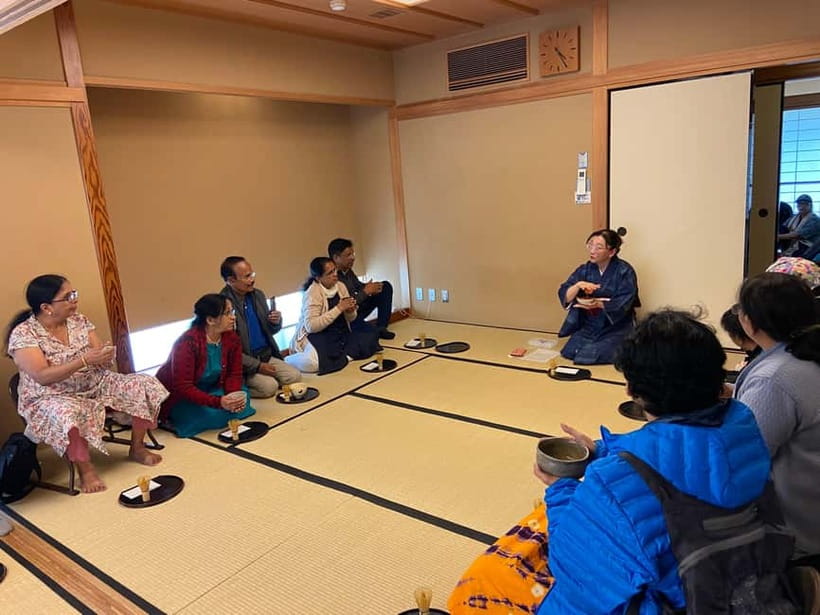
The second half moves from matcha to sencha. This is a useful contrast because many people associate Japanese tea only with the formal ceremony. Sencha is commonly drunk in Japan today, and the instructor explains its history and other features while you taste it.
The change from matcha to sencha makes the lesson more practical. Matcha represents a formal style of preparation, while sencha connects more directly with everyday tea drinking. Having both in one one-hour session helps you see that Japanese tea culture is not one single ritual.
You also receive current Japanese confectionery with the sencha. Again, people with food allergies should avoid the sweets. For everyone else, the pairing gives you two different tastes and two different ways of thinking about tea.
I especially like the comparison because it prevents the class from becoming too narrow. You are not left believing that Japanese tea is only about ceremonial bowls and carefully controlled movements. You leave with a basic understanding of both a formal tradition and a more common style of drinking tea.
More Tea Ceremonies in Osaka
- Osaka: Tea Ceremony Experience
★ 4.9 · 1,426 reviews - Tea Ceremony Experience in Osaka Doutonbori
★ 5.0 · 754 reviews - Osaka: Tea Ceremony, Calligraphy, and Kimono Experience
★ 4.9 · 130 reviews - Osaka: Japanese Traditional Sweets Making and Tea Ceremony
★ 4.7 · 118 reviews
Why the tatami room adds value
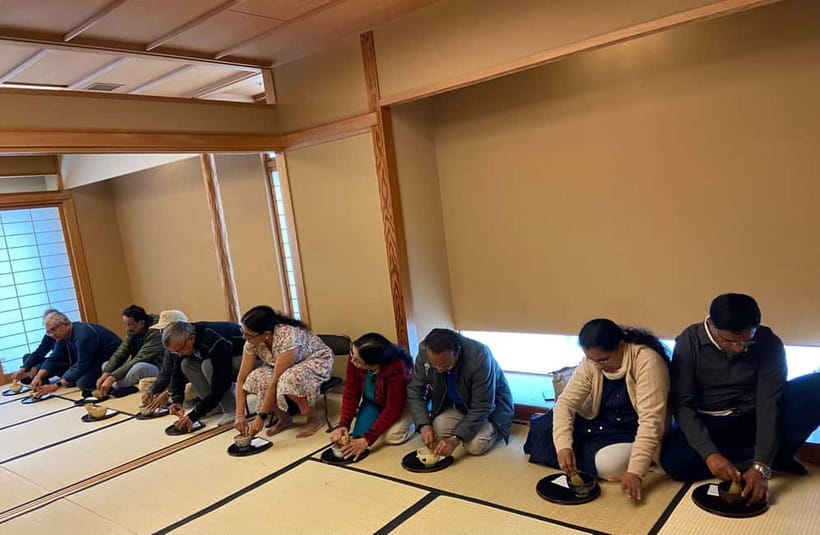
The tatami room is not just decoration. Sitting in a traditional room changes your posture and your pace. You become more aware of the floor, the tea bowl, and the person serving you.
For some people, sitting on tatami may be uncomfortable. The activity does not list accessibility for wheelchair users, and non-folding wheelchairs, electric wheelchairs, and scooters are not allowed. If you have mobility concerns, this is not a good activity to book without first confirming that the setting works for you.
The rules also ask you not to make noise, chew gum, smoke, drink alcohol, or attend while intoxicated. Pets, weapons, sharp objects, and fire are not allowed. These restrictions fit the quiet nature of the room, though they may make the activity unsuitable for large celebration groups. Bachelor and bachelorette parties are specifically not accepted.
You should treat the room as a calm cultural setting rather than a casual café. The more attention you give to the instructions, the more you will get from the session.
Adding a yukata for photographs
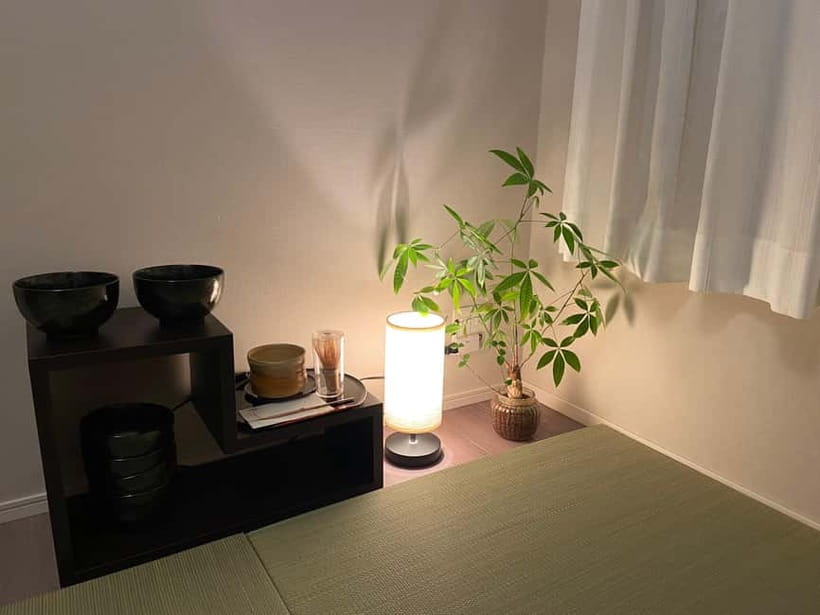
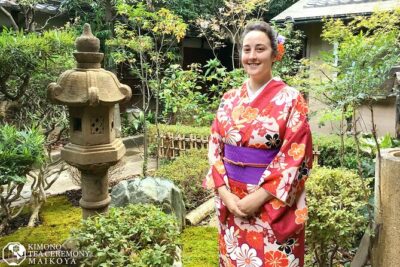
A yukata can be rented as an additional option when you book. This lets you wear a traditional summer-style Japanese garment during the tea activity and have your photograph taken afterward or during the session.
The yukata is not included in the $25 base price, so check the booking options if photographs in traditional clothing are important to you. The activity includes a chance to have your photograph taken after the tea session even without describing the standard photo setup in detail.
I would see the yukata as an optional extra, not a required part of the tea lesson. If your main goal is to understand matcha and sencha, the basic booking covers that. If you want a keepsake image from Osaka, the clothing option may add useful value.
Remember that the focus remains tea ceremony etiquette. This is not presented as a full costume outing or a long photo session. The yukata is an add-on to the cultural lesson.
What the $25 price really gives you
At $25 per person, this is a fairly accessible way to add a traditional Japanese activity to an Osaka itinerary. The price includes matcha, traditional sweets, sencha, current Japanese confectionery, and instruction from tea ceremony teachers.
The one-hour length keeps the cost easy to justify. You can fit it between other plans instead of giving up half a day. The tradeoff is that the class cannot cover every detail of Japanese tea culture. You receive an introduction, guided practice, and tasting rather than an advanced study.
The value is strongest for first-time visitors to Japan who want a cultural activity with clear English instruction. It also suits people who enjoy learning by doing. If you only want to sit back and watch, you may find the hands-on etiquette portion more structured than expected.
The current rating is 4.9 from 29 reviews, with particular praise for the friendly teaching style and explanations of tea ceremony history. Comments about Yuko describe her as kind, approachable, and very good at English. Those details matter because the instructor shapes a one-hour activity more than the room or the tea itself.
Who will enjoy this Osaka tea session
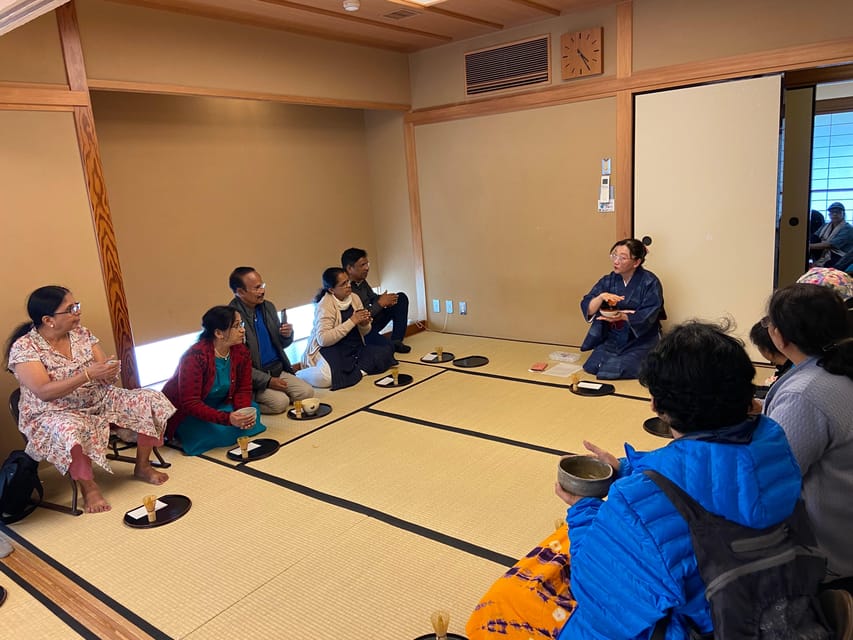
I would recommend this activity to you if you want a short cultural stop that feels distinctly Japanese. It works well for solo visitors, couples, families with older children, and small groups who can follow quiet-room etiquette.
It is also a good choice if you have already seen Osaka’s food and shopping areas and want a calmer change of pace. The session does not require a full day, and the combination of matcha and sencha gives you more substance than a single tasting.
You may want to skip it if you dislike sitting on the floor, have a food allergy, or need wheelchair access. It is also not a good fit for a noisy party group. The tea ceremony depends on concentration and respectful behavior.
You should also keep your expectations in check. This is an introduction, not an exhaustive lesson in tea ceremony. The instructor can explain the history and spirit of the tradition, but the one-hour schedule leaves limited time for detailed discussion.
Booking details worth checking
The activity is offered in English and Japanese. If you need English guidance, select a suitable time and confirm the language details when booking. Yuko is the named tea master in the available feedback, but the activity may also be led by another instructor.
You can reserve now and pay later, which helps if your Osaka schedule is still changing. Free cancellation is available up to 24 hours before the activity for a full refund. Starting times vary, so check availability before building the rest of your day around it.
The meeting point is at the underground Midosuji Line, Exit 3, ground floor. Since the description does not provide a full street address, keep the meeting instructions open on your phone and allow enough time to navigate the station.
The base price does not include meals or the yukata rental. Tea and sweets are included, but you should not treat this as lunch. If you need a larger meal, plan one before or after the activity.
Should you book this tea ceremony?
Book it if you want a well-priced, hands-on introduction to Japanese tea culture, especially with English guidance. The chance to prepare both matcha and sencha gives the hour a clear purpose, and the optional yukata adds a photo opportunity without making the clothing rental compulsory.
I would not book it if you need wheelchair access, have food allergies, or want a long, highly formal ceremony. For most other visitors, $25 is a sensible price for a quiet tatami-room lesson, two types of tea, sweets, and guided practice. It is a small activity, but it gives you a useful way to understand an important part of daily and ceremonial life in Japan.
FAQ
How long does the tea ceremony activity last?
The activity lasts one hour.
How much does the activity cost?
The listed price is $25 per person.
Where is the meeting point?
Meet at the underground Midosuji Line, Exit 3, on the ground floor.
Which languages are available?
The tea ceremony instructors speak English and Japanese.
Are tea and sweets included?
Yes. Matcha green tea with traditional Japanese sweets, sencha green tea with current Japanese confectionery, and instruction from tea ceremony teachers are included.
Can I wear a yukata?
Yes. A yukata can be rented as an additional option when you book. It is not included in the base price.
Is the activity suitable for people with food allergies?
No. The activity advises people with food allergies not to eat the Japanese sweets and confectionery.
Is the activity suitable for wheelchair users?
No. The activity is not suitable for wheelchair users, and non-folding wheelchairs, electric wheelchairs, and scooters are not allowed.
Can I cancel for a full refund?
Yes. You can cancel up to 24 hours in advance for a full refund.
More Green Tea Tours in Osaka
- Kyoto Matcha Green Tea Tour
★ 4.7 · 28 reviews - Slow Cycling Tour at Uji’s Matcha Green Tea Fields and Heritage
★ 5.0 · 25 reviews - Authentic Japanese tea tasting: sencha, matcha and gyokuro
★ 5.0 · 12 reviews - Cycling Tour at Uji’s Matcha Green Tea Fields and Heritage
★ 5.0 · 10 reviews
Fresh tea listings around Osaka
- Osaka Temple Head Spa &Matcha Facial – Refresh & Glow〈90min〉★ 5.0 · 24 reviews
- Premium Kimono Dressing, Tea Ceremony, Calligraphy, Samurai show★ 5.0 · 18 reviews
- Samurai dress-up and shows, plus Tea Ceremony & Calligraphy★ 5.0 · 27 reviews
- Osaka: Private Tea Ceremony and Calligraphy Experience★ 5.0 · 50 reviews
- Samurai Show, Tea Ceremony, Japanese Traditional Activities★ 5.0 · 56 reviews
- Osaka Temple Cool Foot Bath & Matcha Experience〈45min〉★ 4.9 · 82 reviews
- Osaka: Japanese Traditional Sweets Making and Tea Ceremony★ 4.7 · 118 reviews
- Osaka: Tea Ceremony, Calligraphy, and Kimono Experience★ 4.9 · 130 reviews
Tea Ceremony Experiences, compared.
Kyoto: Tea Ceremony in a Traditional Tea House in Kiyomizu
Read our review →
Kyoto: 45-Minute Tea Ceremony Lesson Experience
Read our review →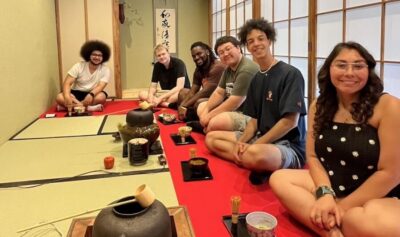
Kyoto: Table-Style Tea Ceremony at a Kyo-Machiya
Read our review →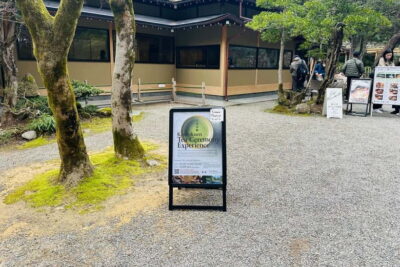
Browse the lists this tour appears in