
Review · MATCHA EXPERIENCES
Osaka: Nara, Todaiji, Uji Matcha, and Hot Spring Tour
The best part of this day is the contrast: sacred deer and a giant bronze Buddha in Nara, followed by green tea culture and a hot bath near Uji. You get several of Japan’s classic sights without arranging separate trains, buses, and admission plans.
I like the small maximum group of 15 and the included round-trip transport from Osaka. The deer encounter is easy to enjoy, and the hot spring gives the long day a calm finish. Good walking shoes are essential, though, and the schedule can feel tight if traffic or slow boarding eats into your sightseeing time.
The main caution is that the cultural stops and Uji portion are not explained with complete clarity. Tōdai-ji, Kasuga Shrine, Byodo-in, and the hot spring may involve separate fees, and one account describes being urged to shorten temple visits. Treat this as a broad sampler, not a slow, detailed tour of every site.
Key points to know before booking
- Nara Park comes first, with about 1 hour 20 minutes to see the free-roaming sacred deer.
- Tōdai-ji is home to a 15-meter bronze Great Buddha, but its entry fee is not included.
- Kasuga-taisha adds a Shinto shrine visit and about 40 minutes of walking and sightseeing.
- Uji matcha and Byodo-in are part of the advertised theme, but the exact time and admission arrangements should be confirmed before departure.
- Genji-no-Yu provides the day’s main rest, with roughly 1 hour 20 minutes in the hot spring and a longer Uji-related stop listed in the schedule.
- The $81 price covers transport and a guide, but food, drinks, several entry fees, and some personal costs are extra.
From Osaka to Nara: a full day with a clear tradeoff

This is an 8 to 9 hour outing, starting at 8:30 a.m. from 1-chōme-3 Nipponbashi Parking in Osaka’s Chūō Ward. You return to the same meeting point, which makes the day simple to plan if you are staying near central Osaka or can reach Nipponbashi by public transport.
The vehicle is air-conditioned, and a multilingual guide and driver handle the route. That matters here. Nara and Uji are close enough to visit in one day, but moving between deer park, temples, tea sights, and a hot spring requires coordination. You do not have to work out the connections yourself.
The tradeoff is time. The stated duration includes transportation, not just time at the attractions. A long day on the road can still offer good value, but you should not expect the relaxed pace of a private tour. With a maximum of 15 people, the group is smaller than a large coach outing, yet boarding and regrouping can still take a few minutes at every stop.
The tour needs at least four bookings to operate. If that minimum is not reached, you are offered the choice to cancel or change the route. The provider does not list individual guide names, so you should expect a multilingual guide rather than book this around a particular host.
More Matcha Experiences in Osaka
- Matcha Making Class in Osaka with Authentic Japanese Sweets Set
★ 5.0 · 509 reviews - Osaka: Matcha Making Experience with Japanese Sweets
★ 5.0 · 146 reviews - Osaka Temple Cool Foot Bath & Matcha Experience〈45min〉
★ 4.9 · 82 reviews
Nara Park and the deer: the easiest win of the day
Nara Park is the most approachable stop. You have about 1 hour 20 minutes to walk through the park and see the deer that roam freely among visitors. These animals are considered sacred and protected as a national treasure, which gives the encounter more meaning than a simple animal attraction.
The deer are the reason many people remember Nara. They appear around the park paths and temple grounds, and the open setting lets you see them as part of the city rather than behind a fence. Families with children should find this section especially appealing. One strong point from the available feedback is that the tour works well for families, since children can enjoy the deer alongside a major temple visit.
You may also see vendors selling food for the deer, but do not build your plan around receiving it as part of the tour. Food and drinks are not included in the tour price, and one poor experience involved deer food being unavailable from local sellers. Carry a little money and keep expectations practical.
Use this first stop to get your bearings, take photographs, and enjoy the deer without rushing toward the next landmark. Still, remember that deer are wild animals. Keep food under control, follow local instructions, and give them room when they lose interest.
Tōdai-ji and the Great Buddha: the day’s major sight
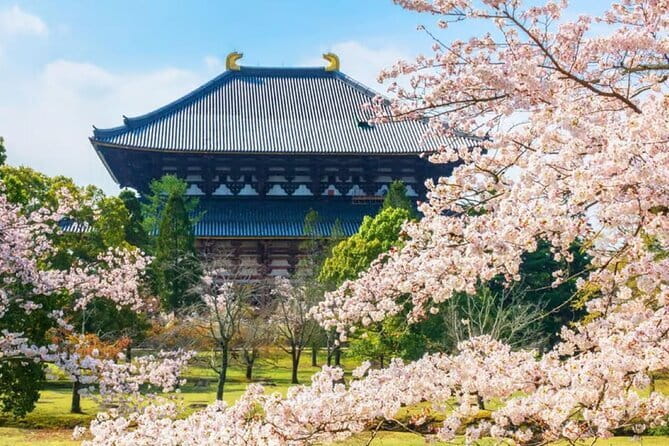
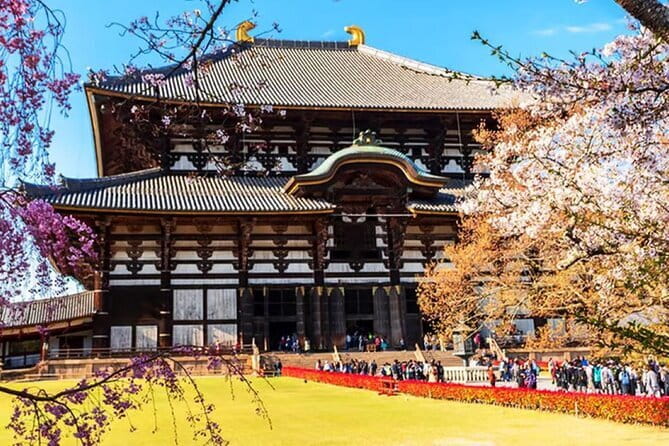
Tōdai-ji is the visual centerpiece of the Nara portion. Its Great Buddha, a bronze Vairocana Buddha, is about 15 meters tall. The scale of the statue and the temple hall gives this visit a sense of occasion that photographs cannot fully convey.
You have about 40 minutes allocated to Tōdai-ji. That is enough for a direct visit, but it leaves little room for wandering, lingering over details, or dealing with a long line. The admission ticket is not included, so budget separately for entry.
The schedule deserves careful attention here. One account says the group was advised not to enter the Buddha temple because there was not enough time. That does not mean this will happen on every departure, but it shows the risk of a packed route. If seeing the Great Buddha inside is one of your main reasons for booking, ask the guide at the start how much time is realistically available and whether the entry fee is being collected separately.
I would rank Tōdai-ji above the less certain Uji stops when deciding what matters most. Arrive ready to move, keep your ticket money handy, and do not spend the entire Nara Park stop taking photos if the Great Buddha is your priority.
Kasuga-taisha: a quieter Shinto contrast
Kasuga-taisha gives the morning a different character. Founded in the eighth century, this Shinto shrine is dedicated to Futsunushi no Mikoto, associated with protection of the Fujiwara clan. It is known for its many stone and bronze lanterns.
The planned visit lasts about 40 minutes. That is enough to see the approach and main shrine area at a purposeful pace, but not enough for a slow exploration of every path. The shrine also adds useful contrast to Tōdai-ji. You move from a large Buddhist temple and bronze Buddha to a Shinto setting shaped by lanterns, forest paths, and shrine architecture.
You will be on your feet for much of the morning. Wear shoes that handle uneven paths and extended walking, not just fashionable shoes for city streets. One positive account specifically advises good footwear, and the warning is worth taking seriously.
Cold weather can make this section harder, too. The park and shrine are outdoor stops, and one account found the long day difficult in very cold conditions. Check the forecast, dress in layers, and bring something you can remove inside the vehicle.
Same city, a very different cup:
- Osaka: Tea Ceremony Experience
★ 4.9 · 1,426 reviews - Tea Ceremony Experience in Osaka Doutonbori
★ 5.0 · 754 reviews - Osaka: Tea Ceremony, Calligraphy, and Kimono Experience
★ 4.9 · 130 reviews - Osaka: Japanese Traditional Sweets Making and Tea Ceremony
★ 4.7 · 118 reviews
Uji matcha and the uncertain cultural middle of the day
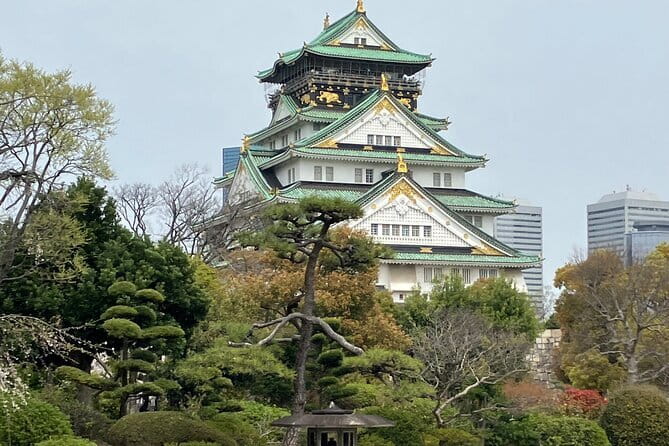
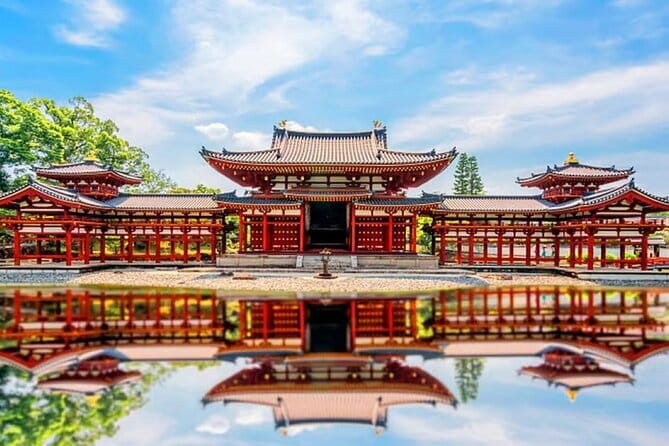
Uji is known for high-quality matcha, and the tour is designed to give you a taste of that tea culture. The description includes a traditional tea-house experience and a cup of rich green tea, along with a planned look at Byodo-in, the famous temple with its Phoenix Hall.
Byodo-in is a UNESCO World Heritage Site and one of Uji’s most recognizable sights. Its Phoenix Hall is the image printed on the Japanese 10-yen coin, making the visit rewarding even for people who know little about temple architecture. The admission fee is not included, however, and the supplied cost information also refers to separate charges connected with Byodo-in and the Tale of Genji Museum.
Here is the practical issue: the schedule gives a substantial Uji-related block, but the stop details are not fully consistent about how the time is divided between Uji sightseeing, matcha, Byodo-in, and the hot spring. Another account describes the Uji temple and matcha portion as being shortened because of time.
That makes Uji the part you should clarify before paying. Ask what is actually included on your departure: a tea tasting, free time in Uji, entry to Byodo-in, or simply a stop in the area before the hot spring. The tour theme promises all of these cultural elements, but the exact balance may depend on traffic, group timing, and the guide’s decisions.
If matcha is your main interest, this may not replace a dedicated Uji tea tour. If you want a brief introduction after Nara, it can work well, provided you accept that the tea stop may be short.
Genji-no-Yu: a welcome soak at the end
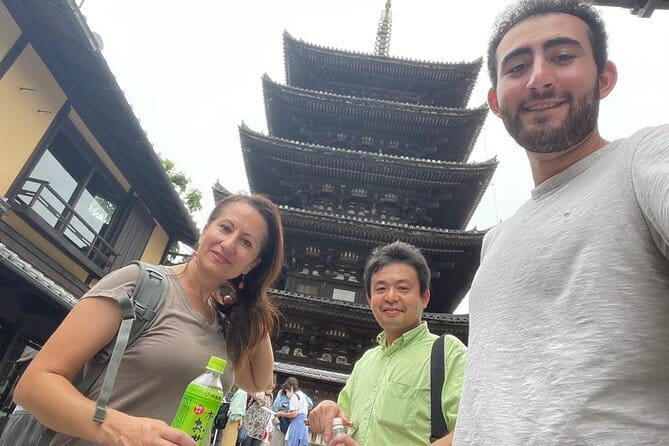
The final major experience is Uji Natural Hot Spring Genji-no-Yu. The facility offers indoor and outdoor baths and takes its name from The Tale of Genji, the classic work associated with Uji. The setting is intended for rest after a morning of temples and park walking.
The schedule lists about 1 hour 20 minutes at the hot spring, while the broader Uji section is listed as 2 hours 20 minutes. The entry is described as included in one part of the information, yet the exclusions also refer to hot spring costs of around $10. Because of that conflict, confirm the exact fee before departure. Do not assume every bath charge is covered by the $81 price.
The hot spring is a smart addition to this route. Nara can be tiring, especially in cold weather, and the soak gives you a chance to slow down before returning to Osaka. You should plan for an onsen environment rather than a Western swimming pool. The supplied rules specifically say visible tattoos are not allowed, so this is not a good choice if you cannot meet that condition.
You also need to follow the facility’s bathing rules and bring only what you need. The provided information does not specify towel rental, changing-room details, or bathing procedures, so ask the guide what is supplied before entering.
What the $81 price really covers
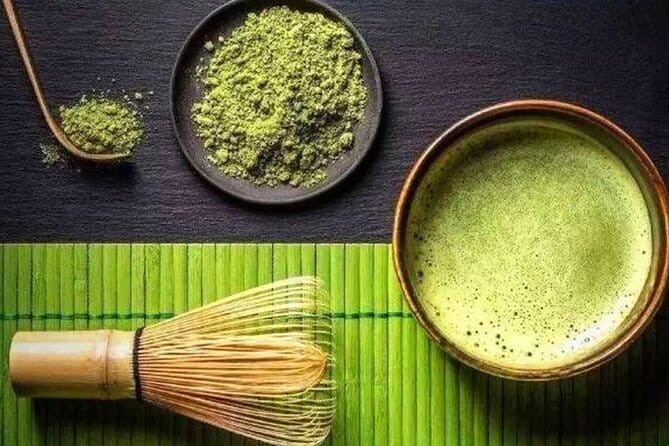
At $81 per person, this is a reasonable price for a long day that combines transport from Osaka, Nara, Uji, and a hot spring. The value is strongest if you want convenience and variety more than maximum time at any one temple.
The price includes:
- Round-trip transportation from Osaka
- An air-conditioned vehicle
- A multilingual guide and driver
- The planned hot spring entry, according to the inclusion details
The price does not include food, drinks, personal expenses, and several attraction fees. Tōdai-ji and Kasuga-taisha are listed as extra, and Byodo-in, the Tale of Genji Museum, and the hot springs are also mentioned among possible additional costs. Since the information is not perfectly consistent, confirm the final fee list when booking.
Bring cash or a payment method for tickets, snacks, drinks, and any deer food. The tour price is not a complete spending total.
Who will enjoy this route most

I would recommend this day to a first-time visitor who wants a broad taste of Nara and Uji without changing trains or planning several separate excursions. Families can benefit from the deer, the large Buddha, and the simple transport arrangement. The hot spring also helps balance the sightseeing.
It suits people who like variety. In one day you get a public park, Buddhist and Shinto sites, tea culture, and a Japanese bath. That range is the tour’s greatest strength.
I would hesitate if you want deep temple visits, long tea tastings, or plenty of free time. The schedule is ambitious, and the limited time at Tōdai-ji and Uji could disappoint if either place is your top priority. Independent visitors may prefer to spend a full day in Nara or Uji rather than cover both.
Use the cancellation terms to protect yourself: you can cancel for a full refund up to 24 hours before the start time. Changes or cancellations inside that window are not accepted for a refund.
Should you book the Nara and Uji day tour?
Book it if you want maximum variety with minimum planning. The deer in Nara, Tōdai-ji’s Great Buddha, Kasuga-taisha, Uji tea culture, and Genji-no-Yu make an appealing combination for $81, especially with transport from Osaka included.
Skip it if you need a slow, carefully timed temple day. The strongest concern is not the number of sights, but the possibility that Tōdai-ji, Byodo-in, or the matcha stop receives less time than expected. Confirm admission fees and the exact Uji schedule before booking, wear good shoes, and make the Great Buddha your first sightseeing priority if it matters most to you.
FAQ
How long does the tour last?
The tour lasts approximately 8 to 9 hours, including transportation time.
Where does the tour start and finish?
It starts at 8:30 a.m. at 1-chōme-3 Nipponbashi Parking, 1-chōme-3 Nipponbashi, Chūō Ward, Osaka. It ends back at the same meeting point.
Is transportation included?
Yes. Round-trip transportation from Osaka in an air-conditioned vehicle is included, along with a multilingual guide and driver.
Is the Tōdai-ji admission fee included?
No. The Tōdai-ji entry ticket is listed as an additional cost.
Are food and drinks included?
No. Food and drinks are not included. Personal expenses, including possible deer food, are also extra.
Is the tour suitable for children?
The provided information says most people can participate, and unaccompanied minors are not allowed. The deer and temple visit can suit families, but children must be accompanied by an adult.
Can I cancel for a full refund?
Yes. You can cancel at least 24 hours before the local start time for a full refund. Cancellations or changes made less than 24 hours before departure are not accepted for a refund.
More Hot Spring Visits in Osaka
- Osaka Temple Head Spa &Matcha Facial – Refresh & Glow〈90min〉
★ 5.0 · 24 reviews - Nara Deer Park, Uji Matcha, & Hot Spring Full-Day Tour from Osaka
★ 4.0 · 21 reviews - Jakarta: Volcano, Tea/Rice Fields, Hot Spring, Local Food
★ 4.9 · 515 reviews - Active Volcano, Rice Field, Hot Spring, Fruit market, Tea Plantation with Lunch
★ 5.0 · 513 reviews
Fresh tea listings around Osaka
- Osaka:Zen Tea Ceremony and Foot Bath Experience<45min>★ 5.0 · 7 reviews
- Nara Deer Park, Uji Matcha, & Hot Spring Full-Day Tour from Osaka★ 4.0 · 21 reviews
- Osaka: Tea Ceremony, Calligraphy, and Kimono Experience★ 5.0 · 6 reviews
- Discover Japanese Tea Blending Techniques in Osaka★ 5.0 · 19 reviews
- Osaka Japanese Cooking And Matcha Class near Osaka Castle★ 5.0 · 22 reviews
- Craft Sushi and Matcha Ice Cream in Central Osaka (3-Course Meal)★ 5.0 · 2 reviews
- ZEN therapy | Shiatsu-style massage, EnergyTherapy & Japanese Tea★ 5.0 · 5 reviews
- Tea and Calligraphy Session at a Table in Osaka★ 5.0 · 4 reviews
Matcha Experiences, compared.
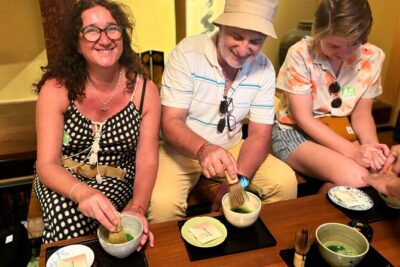
World Heritage Kyoto & Nara Uji Authentic Matcha Experience
Read our review →
Matcha Making Class in Tokyo with Authentic Japanese Sweets Set
Read our review →
Kyoto: Tea Museum Tickets and Matcha Grinding Experience
Read our review →
Matcha Making Class in Osaka with Authentic Japanese Sweets Set
Read our review →
Kyoto: Tea Ceremony Meditation – Make Matcha with Tea Master
Read our review →
Tokyo: Matcha Making Experience with Mochi Sweets in Asakusa
Read our review →
Kyoto: Kimono Tea Ceremony with Matcha and Sweet
Read our review →
Browse the lists this tour appears in