Review · TEA CEREMONY EXPERIENCES
Osaka:Zen Tea Ceremony and Foot Bath Experience<45min>
The best part of this Osaka experience is the unusual combination of temple ritual, matcha, and foot care in a single short visit. You’ll learn how to worship, offer incense, use kneaded incense, and prepare matcha before settling into a cooling foot bath with a light scrub massage.
I like the tiny group size, capped at three, and the way staff take photos with your phone so you can focus on the moment. I also like the setting: this is not simply tea in a shop, but a quiet cultural session held in a temple atmosphere. The main consideration is time. The core program lasts about 45 minutes, so this is a gentle introduction rather than a full-length tea ceremony or extended temple visit.
Key points
- Small groups of up to three: Expect close attention from the staff rather than a large demonstration.
- Several rituals in one visit: Worship, incense offering, kneaded incense, meditation, matcha, and a foot bath are all included.
- A 500-year-old temple setting: The atmosphere gives the tea preparation more meaning than a standard café tasting.
- Light foot massage included: The cooling foot bath comes with a scrub massage, making this part more than a simple soak.
- Traditional wagashi served with matcha: The Japanese sweet gives you a classic pairing with the tea.
- Convenient Osaka location: The meeting point is near public transportation in Kitahorie, and the activity returns there.
A Quiet Temple Break in Osaka’s Kitahorie District
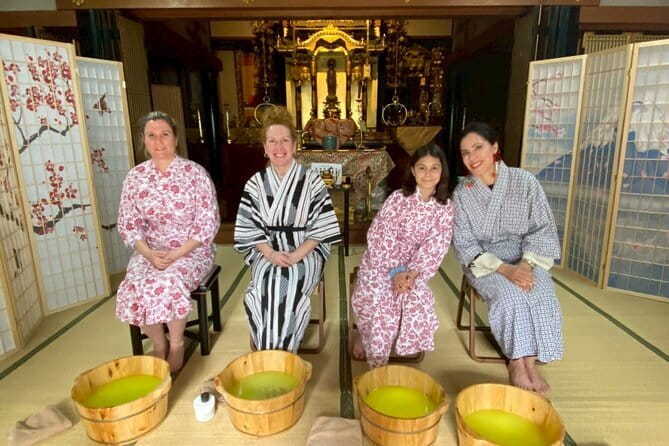
Osaka is famous for food, neon, shopping, and noisy streets. This experience gives you a short reset without asking you to leave the city. The meeting point is at Tossa de coracao, 1-chōme-6-19 Kitahorie, in Nishi Ward, and the activity ends at the same place.
The location is near public transportation, which matters on a busy Osaka day. You can fit this session between sightseeing stops instead of giving up half a day to reach a remote temple. One especially practical detail is its usefulness in bad weather. A rainy afternoon can turn a foot bath and quiet tea session into a welcome pause rather than another outdoor activity to cancel.
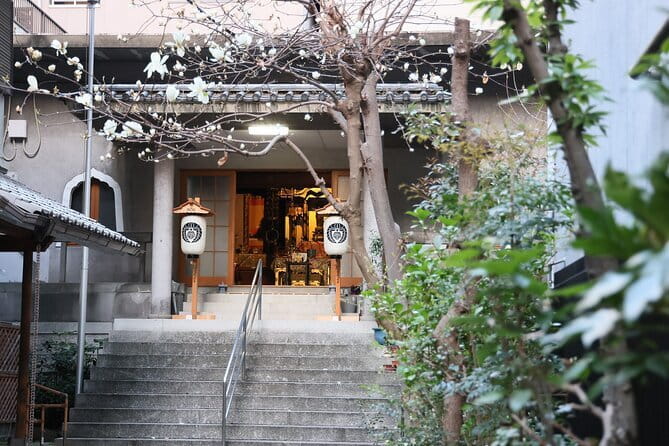
The setting is described as a small temple with about 500 years of history. That does not mean you should expect a large temple complex, grand gardens, or a long guided tour. The appeal is more intimate. You are given a short explanation of the temple and its customs, then invited to take part in a few simple acts instead of standing back while someone else performs everything.
More Tea and Calligraphy Workshops in Japan
- Osaka: Tea Ceremony, Calligraphy, and Kimono Experience
★ 4.9 · 130 reviews - Osaka: Private Tea Ceremony and Calligraphy Experience
★ 5.0 · 50 reviews - Samurai dress-up and shows, plus Tea Ceremony & Calligraphy
★ 5.0 · 27 reviews
Worship, Incense, and a Few Minutes of Stillness
The session begins with an explanation of the temple, how to worship, and the traditions connected with matcha. Guidebooks are used to help explain the customs, which is useful if you have never visited a Japanese temple before.
You will take part in worship and an incense offering. The staff also introduce kneaded incense, followed by meditation. These details give the experience a clear rhythm: first you learn how to behave in the sacred space, then you slow down and pay attention to scent, gesture, and silence.
This is a good feature for first-time visitors because the rituals can otherwise feel mysterious. You do not need to know the correct order of actions in advance. The explanations are intended to help you participate with care, not to test your memory.
The meditation portion is brief, based on the total length of the activity. It is best viewed as a calm pause rather than a formal meditation class. If you want a long period of silence or detailed instruction in Buddhist practice, this visit may feel too short. If you want a simple way to step away from Osaka’s busy pace, it fits the bill.
Changing Clothes for a More Traditional Feel
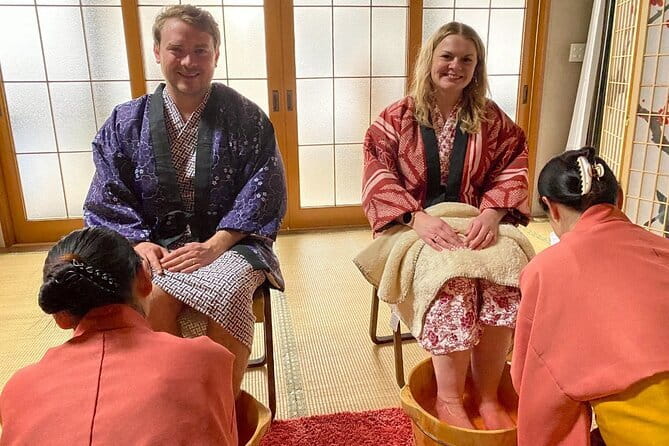
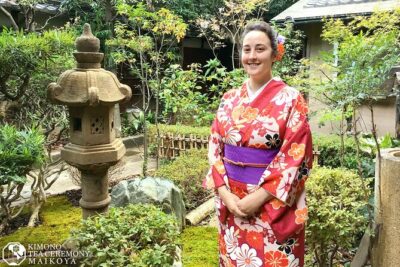
Information connected with the experience indicates that you may change into a yukata or kimono before the ceremony. This adds a visual and physical sense of occasion, especially when you are taking part in temple rituals and matcha preparation.
Clothing is one reason to allow a little breathing room around the scheduled time, even though the listed activity itself lasts about 45 minutes. The supplied details do not spell out every clothing procedure, so you should not assume that a full dressing service or extensive photography session is part of the package.
Still, the option makes the visit feel different from a quick tea tasting. A yukata or kimono changes how you sit, move, and pay attention. It also gives the staff a chance to take photos with your smartphone. Those photos are provided to you, a useful touch for anyone who wants a personal record without spending the whole experience taking pictures.
Preparing Matcha in a Temple Setting
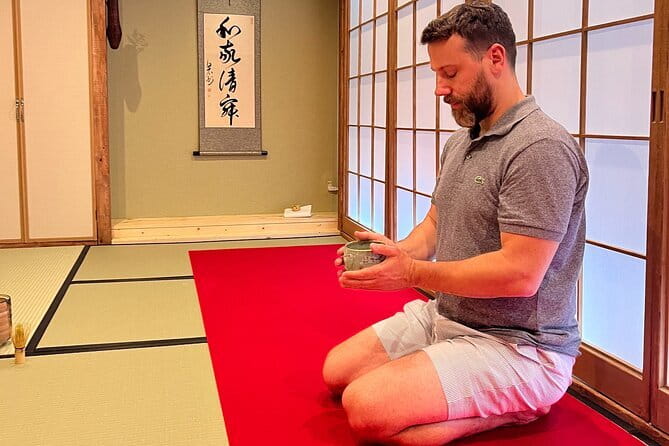
The matcha portion is the heart of the cultural lesson. Staff explain the background of matcha and show you the traditional way to prepare it. You are not simply handed a cup and told what you are drinking. The preparation itself becomes part of the experience.
You can expect a focused explanation of the tools, the method, and the customs around serving and drinking the tea. The point is not to turn you into a tea master in 45 minutes. It is to help you understand why the movements are careful and why the setting matters.
The temple atmosphere changes the feel of the matcha. In a café, the drink can seem like another Japanese specialty to sample between meals. Here, the tea follows worship, incense, and meditation, so you have a better sense of its place within Japanese culture.
A Japanese wagashi sweet is served with the matcha. The pairing is important because wagashi balances the bitter, grassy character of the tea with a small sweet bite. The supplied information does not identify the exact type of wagashi served, so do not book expecting one particular design or flavor.
If you are new to matcha, the taste may be stronger and more vegetal than you expect. The wagashi helps, but this is still a traditional tea experience rather than a sweetened latte. I would treat that contrast as part of the lesson.
More Tea and Calligraphy Workshops in Osaka
- Premium Kimono Dressing, Tea Ceremony, Calligraphy, Samurai show
★ 5.0 · 18 reviews - Learn Zen in a class of making Matcha tea near Osaka Castle
★ 4.8 · 17 reviews - Osaka: Tea Ceremony, Calligraphy, and Kimono Experience
★ 5.0 · 6 reviews - ZEN therapy | Shiatsu-style massage, EnergyTherapy & Japanese Tea
★ 5.0 · 5 reviews
The Cooling Foot Bath and Light Scrub Massage
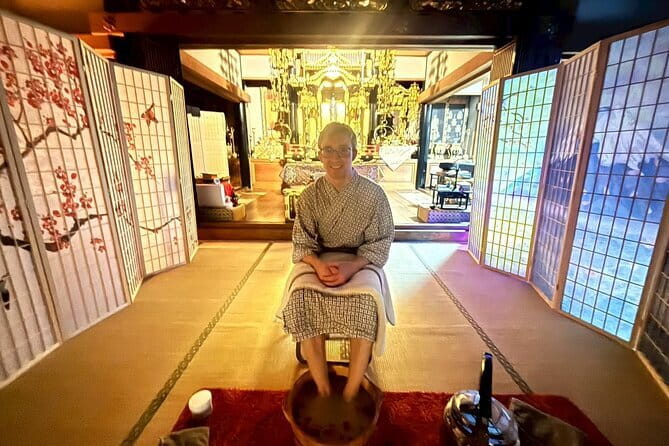
The foot bath is the experience’s most unexpected feature. After the ritual and tea elements, you can soak your feet in cool water and receive a light scrub massage. This gives the visit a physical side that balances the quiet mental focus of meditation.
The bath is described as cooling, so it is designed to refresh rather than provide a hot spring-style soak. The massage is light, not a full-body treatment. That distinction matters if you are seeking a serious spa session. You are receiving a short comfort treatment as part of a cultural activity.
The foot bath also makes practical sense after a day of walking around Osaka. The city rewards exploration on foot, but your feet may not agree by late afternoon. A brief soak and scrub can help you pause before heading back into the streets.
The order of activities may vary slightly, but you should expect the foot bath, massage, and tea to work together as one calm sequence. You are not choosing between a spa visit and a tea ceremony. You are getting a compact sample of both.
What the Small Group Size Changes
The maximum group size is three people. That is one of the strongest practical features of the booking. A small group allows the staff to explain the rituals directly, correct small mistakes, and give more attention during the tea preparation and foot bath.
The experience can also work well for solo visitors. A solo participant may receive one-on-one attention from two staff members, creating a very personal session. That can feel special, though some people may prefer having companions for a more social tea ceremony.
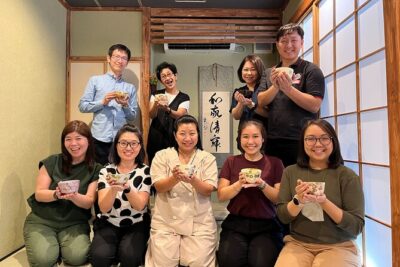
For three friends, the format gives you a shared activity without the crowd of a large class. You can take part together, relax during the foot bath, and have staff take photos of your group. Couples and small families may also appreciate the quieter setting.
The tradeoff is that a small operation may feel less formal than a major cultural institution. You are likely choosing personal attention and warmth over a large, highly staged performance. That is a good match for the format, but it is worth knowing before you book.
The Staff and Personal Attention
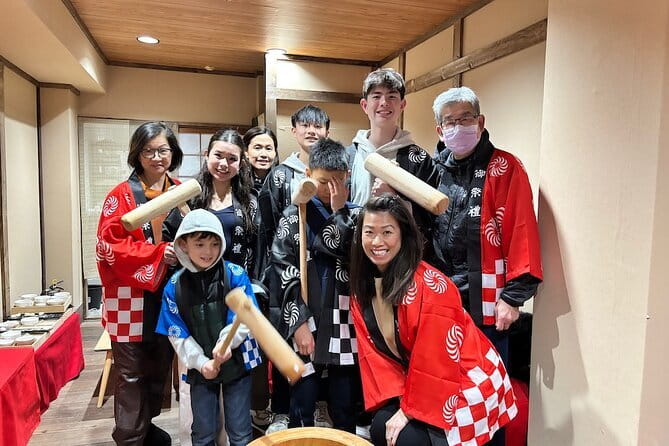
The staff are described as kind and attentive, and Arisa is specifically associated with both the massage and matcha ceremony. If Arisa is leading your session, you can expect her role to cover both the hands-on relaxation and the cultural instruction.
The experience is designed around guidance rather than passive observation. Staff explain the temple, worship, incense, meditation, and matcha traditions, then help you take part. Their manner matters because the customs can feel unfamiliar at first. A friendly instructor makes it easier to ask questions and relax.
You should also expect smartphone photos taken during the activity and given to you afterward. This is a small but valuable service. Cultural experiences often leave you choosing between paying attention and documenting the moment. Here, the staff help with that balance.
The current rating is 4.9 out of 5 from seven ratings. That is a very strong result, though the sample is small. I would take it as a useful sign of consistent satisfaction, not as proof that every visitor will find the format perfect.
Is $42.35 Good Value for 45 Minutes?
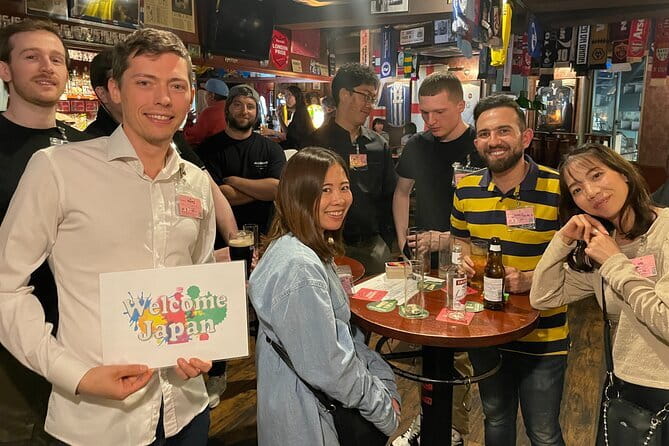
At $42.35 per person, this is not the cheapest way to drink matcha in Osaka. You are paying for several elements packed into a short visit: temple access, explanations of worship and incense, meditation, kneaded incense, matcha preparation, wagashi, a cooling foot bath, a scrub massage, and smartphone photos.
The value is strongest if you want variety and personal attention. A standard tea tasting may offer more time with the tea itself, while a spa treatment may offer a longer massage. This experience gives you a little of both, plus a cultural introduction in a small group.
The short duration makes the price easier to justify for a busy itinerary. You do not have to sacrifice a full morning or afternoon. You can schedule it as a calm interlude before dinner, after shopping, or during a rainy spell.
The price may feel high if your main goal is simply to drink matcha or receive a substantial massage. In that case, separate activities could offer more time in each category. For someone who values the combination, the cost is reasonable, especially with a maximum of three people and photos included.
Who Will Enjoy This Experience Most?
I would recommend this activity to first-time visitors who want a gentle introduction to Japanese customs without committing to a long formal ceremony. The instructions make it approachable, and the mix of ritual, tea, and foot care keeps the pace varied.
It also suits couples, friends, and solo participants who want a quiet hour in Osaka. The small capacity is a strong advantage for anyone who dislikes crowded classes or large group demonstrations.
The experience may be particularly welcome after a day of walking. The foot bath offers a practical break, while the temple setting gives you something more thoughtful than a standard relaxation stop.
I would be more cautious if you want a full tea school lesson, a long meditation, a hot bath, or a professional massage. The program touches on each theme but does not claim to provide an extended version of any one of them.
Booking Details and Timing
Confirmation is provided when you book, and a mobile ticket is available. The activity is listed as approximately one hour, with the main tea ceremony and foot bath experience described as 45 minutes. I would allow a little extra time around the appointment for arrival, changing clothes if offered, and leaving the temple calmly.
The meeting point is Tossa de coracao, 1-chōme-6-19 Kitahorie, Nishi Ward, Osaka, 550-0014, Japan. The activity ends back at this same point, so you do not need to arrange a separate return transfer.
Service animals are allowed, and the venue is near public transportation. The supplied details do not explain every accessibility feature inside the temple, so anyone with mobility concerns should confirm the physical arrangements before booking.
Free cancellation is available up to 24 hours before the start time. Canceling or changing the booking within 24 hours means no refund, and the cut-off uses Osaka local time.
Should You Book the Osaka Temple Tea and Foot Bath?
Book it if you want a short, personal cultural experience that combines several distinctly Japanese elements. The temple setting, incense, meditation, matcha, wagashi, and foot bath create a more memorable hour than a simple tea stop.
I especially like it for a rainy day, a quiet afternoon, or the end of a long walking tour. The small group limit and smartphone photos add real value, while the $42.35 price is fair for the number of elements included.
Skip it if you want a long, highly formal tea ceremony or a serious spa treatment. This is a compact introduction with a relaxed tone. For most visitors looking for a peaceful break and a taste of Japanese ritual, that compact format is exactly the point.
FAQ
How long does the experience last?
The experience lasts approximately one hour, while the tea ceremony and foot bath portion is described as 45 minutes.
Where does the activity begin?
It begins at Tossa de coracao, 1-chōme-6-19 Kitahorie, Nishi Ward, Osaka, 550-0014, Japan.
Where does the activity end?
The activity ends back at the same meeting point.
How many people can join?
The maximum group size is three people.
What is included in the experience?
The experience includes worship and incense offering, kneaded incense, meditation, a cooling foot bath with scrub massage, matcha, and Japanese wagashi.
Is a massage included?
Yes. The cooling foot bath includes a light scrub massage.
Are photos provided?
Yes. Staff take photos with your smartphone during the experience and give them to you.
Can I cancel for a full refund?
Yes. You can cancel at least 24 hours before the start time for a full refund. Cancellations or changes made within 24 hours are not accepted for a refund.
More Tea Ceremonies in Osaka
- Osaka: Tea Ceremony Experience
★ 4.9 · 1,426 reviews - Tea Ceremony Experience in Osaka Doutonbori
★ 5.0 · 754 reviews - Osaka: Japanese Traditional Sweets Making and Tea Ceremony
★ 4.7 · 118 reviews - Samurai Show, Tea Ceremony, Japanese Traditional Activities
★ 5.0 · 56 reviews
Fresh tea listings around Osaka
- Nara Deer Park, Uji Matcha, & Hot Spring Full-Day Tour from Osaka★ 4.0 · 21 reviews
- Osaka: Tea Ceremony, Calligraphy, and Kimono Experience★ 5.0 · 6 reviews
- Osaka: Nara, Todaiji, Uji Matcha, and Hot Spring Tour★ 4.0 · 7 reviews
- Discover Japanese Tea Blending Techniques in Osaka★ 5.0 · 19 reviews
- Osaka Japanese Cooking And Matcha Class near Osaka Castle★ 5.0 · 22 reviews
- Craft Sushi and Matcha Ice Cream in Central Osaka (3-Course Meal)★ 5.0 · 2 reviews
- ZEN therapy | Shiatsu-style massage, EnergyTherapy & Japanese Tea★ 5.0 · 5 reviews
- Tea and Calligraphy Session at a Table in Osaka★ 5.0 · 4 reviews
Tea Ceremony Experiences, compared.
Kyoto: Tea Ceremony in a Traditional Tea House in Kiyomizu
Read our review →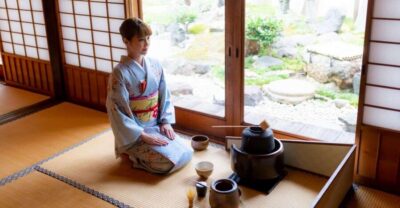
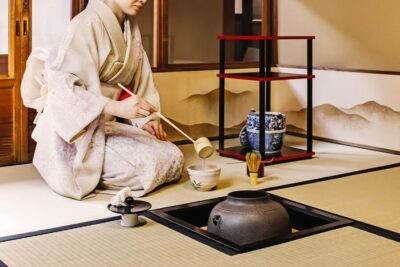
Kyoto: 45-Minute Tea Ceremony Lesson Experience
Read our review →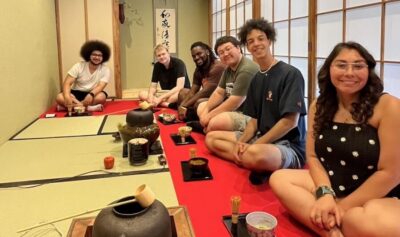
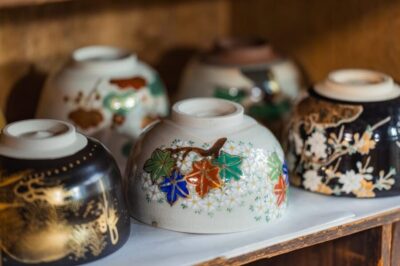
Kyoto: Table-Style Tea Ceremony at a Kyo-Machiya
Read our review →