
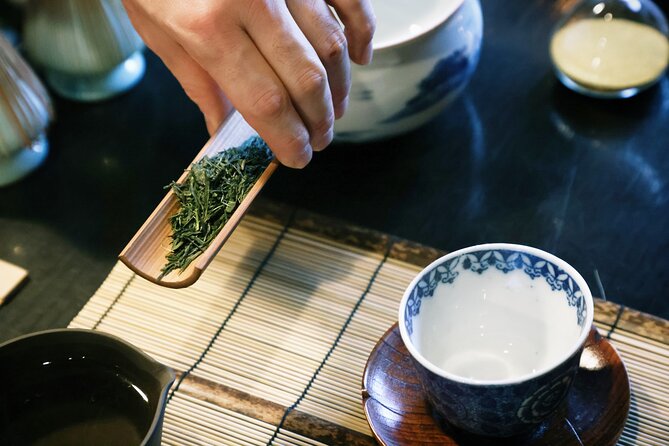
Review · OSAKA TEA TOURS
Discover Japanese Tea Blending Techniques in Osaka
The most interesting part of this Osaka experience is the way it treats tea as both an old craft and a living drink. You’ll brew sencha, wakocha, oolong, hojicha, and matcha, then use tea in fruit drinks and cocktails rather than stopping at a formal cup.
I like the tiny group size, with no more than three people, and I like that Ko teaches practical details such as water temperature, timing, and how to hold the teapot. The small tea samples and recipes are useful souvenirs, not clutter destined for a hotel drawer.
The one consideration is the pace. Two hours can pass quickly when you are tasting several teas, hearing the background of Japanese tea culture, and making drinks yourself. If you want only a quick matcha demonstration, this is more involved than necessary.
Key things to know before booking

- A three-person maximum keeps the workshop personal: You should have plenty of room to ask questions and handle the tea yourself.
- Ko teaches both brewing and mixology: The session moves from classic Japanese tea methods to fruit-based drinks and an alcoholic tea cocktail.
- Five distinct tea styles appear in the program: You’ll compare green tea, Japanese black tea, oolong, roasted tea, and matcha.
- The meeting point is Namba Yasaka Jinja: The activity begins at 3:00 pm and ends back at the same meeting point.
- You leave with recipes and tea samples: The useful takeaway is the ability to repeat parts of the workshop at home.
- The experience costs $54.46 per person: For a small, hands-on class with tastings and drinks, the price is reasonable if tea interests you.
Tea beyond the standard tourist cup
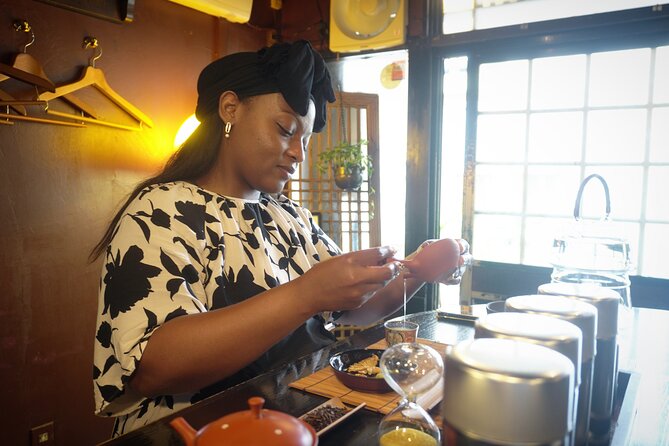
Osaka has plenty of food activities, but this workshop gives you a quieter way to understand one of Japan’s everyday staples. You are not simply handed a cup of matcha and shown how to whisk it. You work through several kinds of tea and see how each one responds to temperature, timing, handling, and brewing style.
That variety matters. Sencha, Japanese green tea, can taste fresh and grassy. Hojicha is roasted, with a warmer and more toasted character. Wakocha, or Japanese black tea, shows a different side of Japanese tea production, while oolong brings another level of contrast. Matcha is prepared as a fine powder rather than loose leaves, so it calls for a different method altogether.
The workshop also connects tea to daily life. Tea in Japan is not limited to a ceremony or a special occasion. It can be a simple drink, a social ritual, a cooking ingredient, or the base for a modern cocktail. That broad view makes this experience more useful than a single ceremonial demonstration.
More tea experiences around Osaka if you are still choosing
- Osaka: Tea Ceremony Experience
★ 4.9 · 1,426 reviews - Tea Ceremony Experience in Osaka Doutonbori
★ 5.0 · 754 reviews - Matcha Making Class in Osaka with Authentic Japanese Sweets Set
★ 5.0 · 509 reviews
Meeting Ko near Namba Yasaka Jinja
Your 3:00 pm start is at Namba Yasaka Jinja, 2-chōme-9-19 Motomachi, Naniwa Ward. The activity ends at the same meeting point, which keeps the plan simple and avoids the need to navigate to a second neighborhood afterward.
The setting is away from Osaka’s main tourist crush. That gives the afternoon a more local feel, especially if you enjoy seeing a calmer side of the city between major sightseeing stops. The workshop space is described as cozy and tea-focused, with antique items and a relaxed atmosphere rather than the feel of a large classroom.
Ko is central to the experience. He teaches in English and brings together tea preparation, sourcing, history, and mixology. The strongest part of his teaching style is its practical nature. You do not just hear that temperature matters. You learn how brewing choices affect the result, how to hold the pot, and why small movements can change the cup.
That level of instruction is useful for beginners because you do not need much prior tea knowledge. It also gives experienced tea drinkers something to think about, especially when the session turns to blending and mixed drinks.
The first tasting: comparing five Japanese teas
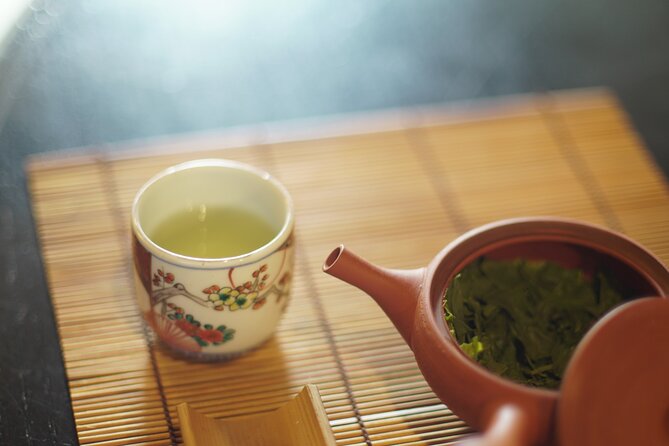
The workshop begins with an introduction to the teas used during the session. You’ll be guided through green tea, Japanese black tea, Japanese oolong, hojicha, and matcha, with attention to how each is made and prepared.
This is where the experience earns its place as more than a tasting. You learn the basic brewing variables:
- Water temperature
- Brewing time
- Tea-to-water balance
- How to handle the teapot
- How the tea-making process affects flavor
Those points may sound simple, but they are exactly what makes home brewing either rewarding or disappointing. A tea that tastes bitter or flat may not be poor tea at all. The water may be too hot, the leaves may be left too long, or the pot may be handled in a way that changes the flow.
Hojicha is likely to be a memorable comparison because roasted tea tastes very different from the bright profile many people associate with green tea. Matcha adds another useful lesson, since the powder is consumed rather than strained away. Tasting the teas side by side helps you notice those differences instead of treating Japanese tea as one broad category.
The discussion also covers how each tea is produced. You’ll get a basic explanation of the steps involved in making the teas and how those methods shape their color, aroma, and taste. It is not presented as a technical farming course, but it gives context to what is in your cup.
Learning the small movements that change the brew
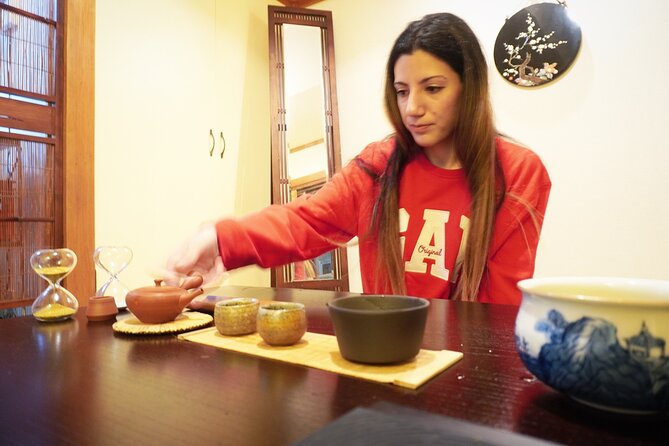
A good tea class does not stop at ingredients. It shows you how to use the tools. Here, you get hands-on practice with the teapot and brewing process, including details such as how to hold the pot correctly.
That may sound fussy until you try it. The way you pour affects how evenly the tea leaves release their flavor and how much liquid remains in the pot. Ko’s approach makes these details approachable rather than stiff. You can ask questions while the tea brews, then taste the result and adjust your method.
This is one of the strongest reasons to book the experience instead of simply ordering tea at a cafe. You leave with a method you can repeat. You may even find yourself looking at loose-leaf tea and teapots differently when you return home.
The format is relaxed, but it is still instructional. You should expect to take part rather than sit back and watch Ko do everything. If you prefer a polished performance with little participation, this may feel more active than expected. If you like learning by doing, the format is a good fit.
Same city, a very different cup:
- Osaka: Matcha Making Experience with Japanese Sweets
★ 5.0 · 146 reviews - Osaka: Tea Ceremony, Calligraphy, and Kimono Experience
★ 4.9 · 130 reviews - Osaka: Japanese Traditional Sweets Making and Tea Ceremony
★ 4.7 · 118 reviews - Osaka Temple Cool Foot Bath & Matcha Experience〈45min〉
★ 4.9 · 82 reviews
From tea ritual to fruit drinks and cocktails
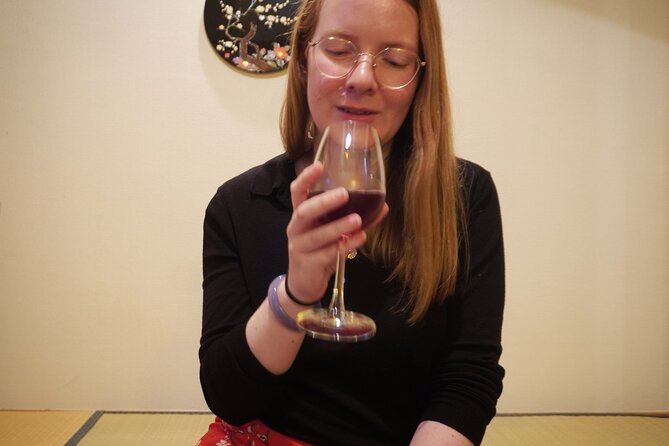
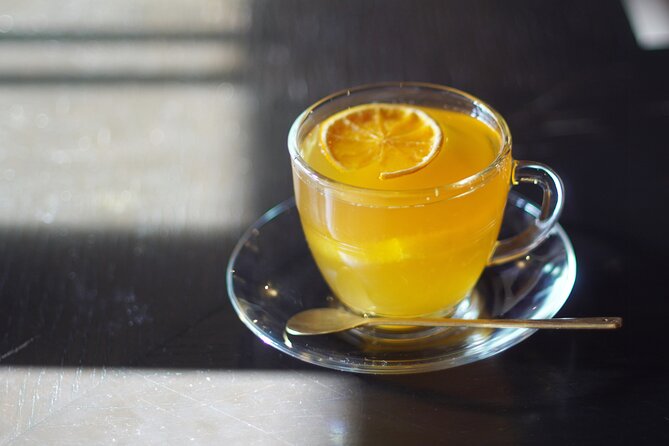
The modern section of the workshop changes the mood. Once you understand the classic brewing methods, you apply them to new drinks using natural ingredients such as fruit. The session also includes a tea cocktail, bringing alcohol and tea together in a way that feels more like Osaka mixology than a formal tea lesson.
This is not a gimmick added to fill time. It shows how tea can work as a flavor base. Hojicha can bring roasted notes, matcha can add color and a strong green tea character, and fruit can soften or brighten a drink. The exercise encourages you to think about tea as an ingredient rather than just a finished beverage.
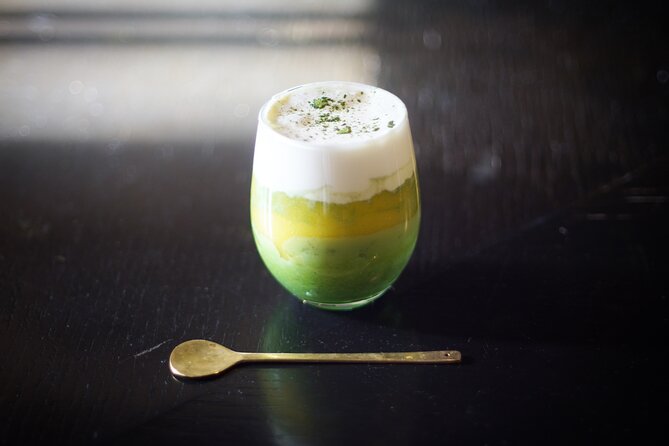
The mango matcha macchiato has received particular praise for its combination of matcha, mango, and foam. Exact drink choices may depend on the workshop, but the important point is that you will make and taste tea-based drinks using contemporary techniques.
You should also expect the alcoholic drink to be part of the tasting. If you do not drink alcohol, confirm the available arrangements before booking, since the published experience specifically includes a tea cocktail. The main workshop remains centered on tea, but this portion is a real part of the program rather than an optional afterthought.
Why the small group matters
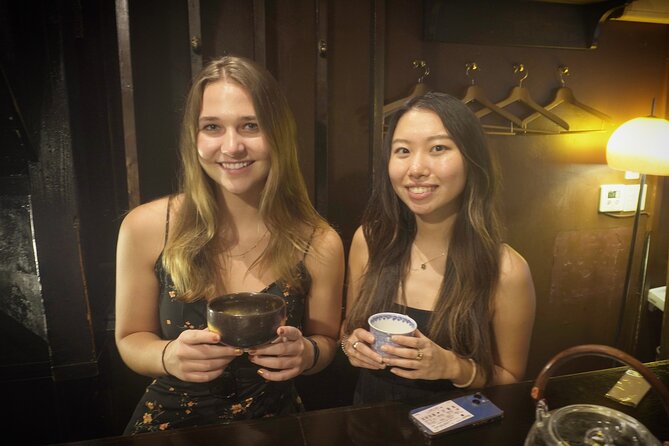
A maximum of three participants changes the experience considerably. Ko can watch how you brew, correct your grip, answer questions, and adjust the explanation to your interests. You are not trying to see over a crowd or waiting for a turn with one shared piece of equipment.
The small group also makes the conversation more natural. Tea can lead into Japanese food, farming, daily habits, drink culture, and home brewing. The relaxed tone is useful for people who want a personal introduction rather than a scripted lecture.
There is a practical tradeoff. A very small class can feel intimate, but it also means the experience depends heavily on your group dynamic. With only a few people, you will have more direct attention, yet there is less of the lively energy that comes from a larger class.
For couples, solo visitors, and small groups of friends, the format is especially appealing. It can suit a honeymoon itinerary or a slower afternoon away from Osaka’s major shopping streets. The activity is not designed as a large family attraction or a fast stop between crowded sights.
Is $54.46 a fair price?
At $54.46 per person, this is not the cheapest cup of tea you’ll have in Japan. You are paying for instruction, several tastings, hands-on preparation, modern drinks, a cocktail, a small group, and take-home recipes and tea samples.
The value depends on what you want from the afternoon. If you only want to taste matcha, a tea house will cost less and take less time. If you want to understand several tea styles and learn how to brew them yourself, the price is easier to justify.
I see this as a good-value activity for someone who will use the knowledge later. The recipes and samples give you a chance to continue the experience at home. You can try to reproduce a tea drink, brew the leaves properly, or share the samples with friends and family.
The workshop is also a useful break from ticketed attractions. Instead of adding another view, shrine, or museum to your schedule, you spend two hours learning a skill and tasting something specific to Japan. That kind of memory tends to travel home better than another souvenir.
Timing, transport, and what to plan around it
The listed duration is approximately two hours, beginning at 3:00 pm. I would keep extra time around the booking rather than scheduling a major attraction immediately afterward. Tastings, questions, and the hands-on work can make the afternoon feel unhurried, but you should still allow time to reach the meeting point.
Namba Yasaka Jinja is near public transportation, and the meeting instructions are straightforward. Bring your mobile ticket and arrive with the location saved on your phone. Since the activity returns to the starting point, you can plan dinner or an evening walk from the same general area.
The workshop is booked, on average, about 60 days ahead. That does not guarantee that every date sells out, but the small capacity makes advance planning sensible, especially if your Osaka schedule is fixed.
Free cancellation is available if you cancel at least 24 hours before the 3:00 pm start time. Changes or cancellations inside that window are not accepted for a refund, so check your plans before booking.
Who will enjoy this most?
This is a strong choice for:
- Tea drinkers who want to understand more than matcha
- Couples seeking a calm, personal activity
- Visitors who enjoy food and drink workshops
- Beginners who want clear instruction without a formal classroom
- Anyone curious about Japanese traditions in a modern setting
- People who like bringing recipes and edible souvenirs home
It may be less suitable if you dislike tea, do not want to handle brewing tools, or have no interest in tasting several varieties. It also may not fit a packed sightseeing day, since the value comes from slowing down and paying attention.
The cocktail portion makes it attractive to people interested in drinks and mixology, but tea remains the focus. You are not booking a bar crawl or a general cocktail class. You are learning how tea’s flavor, aroma, and structure can work in both nonalcoholic and alcoholic drinks.
Should you book this Osaka tea workshop?
Book it if you want a personal introduction to Japanese tea that goes beyond ceremony photographs and a single bowl of matcha. Ko’s teaching combines practical brewing, cultural context, several tea styles, and creative drinks in a small setting. The samples and recipes give the experience a useful afterlife at home.
Skip it if your Osaka schedule is too tight for two hours or if you want only a quick tasting. For everyone else, the combination of traditional technique and modern tea cocktails makes this a thoughtful afternoon activity, especially for couples and curious food-minded visitors.
FAQ
Where does the tea workshop begin?
The experience begins at Namba Yasaka Jinja, located at 2-chōme-9-19 Motomachi, Naniwa Ward, Osaka, 556-0016, Japan.
What time does the activity start?
The workshop starts at 3:00 pm.
How long does the experience last?
The activity lasts approximately two hours.
How many people can join the workshop?
The maximum group size is three travelers.
Which Japanese teas are covered?
The workshop covers sencha, Japanese black tea called wakocha, Japanese oolong tea, hojicha, and matcha.
Do you make tea cocktails during the activity?
Yes. The workshop includes modern tea drinks using natural ingredients such as fruit, along with a tea cocktail infused with alcohol.
Can you cancel for a full refund?
Yes. You can cancel at least 24 hours before the start time for a full refund. Cancellations or changes made less than 24 hours before the experience are not accepted for a refund.
Fresh tea listings around Osaka
- Osaka:Zen Tea Ceremony and Foot Bath Experience<45min>★ 5.0 · 7 reviews
- Nara Deer Park, Uji Matcha, & Hot Spring Full-Day Tour from Osaka★ 4.0 · 21 reviews
- Osaka: Tea Ceremony, Calligraphy, and Kimono Experience★ 5.0 · 6 reviews
- Osaka: Nara, Todaiji, Uji Matcha, and Hot Spring Tour★ 4.0 · 7 reviews
- Craft Sushi and Matcha Ice Cream in Central Osaka (3-Course Meal)★ 5.0 · 2 reviews
- Osaka Japanese Cooking And Matcha Class near Osaka Castle★ 5.0 · 22 reviews
- ZEN therapy | Shiatsu-style massage, EnergyTherapy & Japanese Tea★ 5.0 · 5 reviews
- Tea and Calligraphy Session at a Table in Osaka★ 5.0 · 4 reviews
Osaka Tea Tours, compared.
Matcha Making Class in Osaka with Authentic Japanese Sweets Set
Read our review →
Osaka: Matcha Making Experience with Japanese Sweets
Read our review →
Osaka: Tea Ceremony, Calligraphy, and Kimono Experience
Read our review →
Osaka: Japanese Traditional Sweets Making and Tea Ceremony
Read our review →
Osaka Temple Cool Foot Bath & Matcha Experience〈45min〉
Read our review →
Samurai Show, Tea Ceremony, Japanese Traditional Activities
Read our review →Browse the lists this tour appears in