
Review · MATCHA EXPERIENCES
Osaka Temple Cool Foot Bath & Matcha Experience〈45min〉
The best part of this Osaka experience is its clever mix of temple worship and matcha with a cooling foot bath. You offer incense, learn how to prepare tea, taste wagashi and matcha ice cream, and finish with a little foot massage. It gives you more than a photo stop, but it never asks you to spend half a day in a formal ceremony.
I like the calm pace and the personal touch. Staff explain each step in Japanese and English, help you wear a yukata, and take photos with your smartphone. The foot bath is especially useful after a day of walking, and the chance to make your own matcha gives the visit a hands-on finish.
The main consideration is the short 45-minute schedule. You get a pleasant introduction rather than a full temple tour or long tea ceremony, and the light massage is soothing but not a professional spa treatment.
Key points at a glance
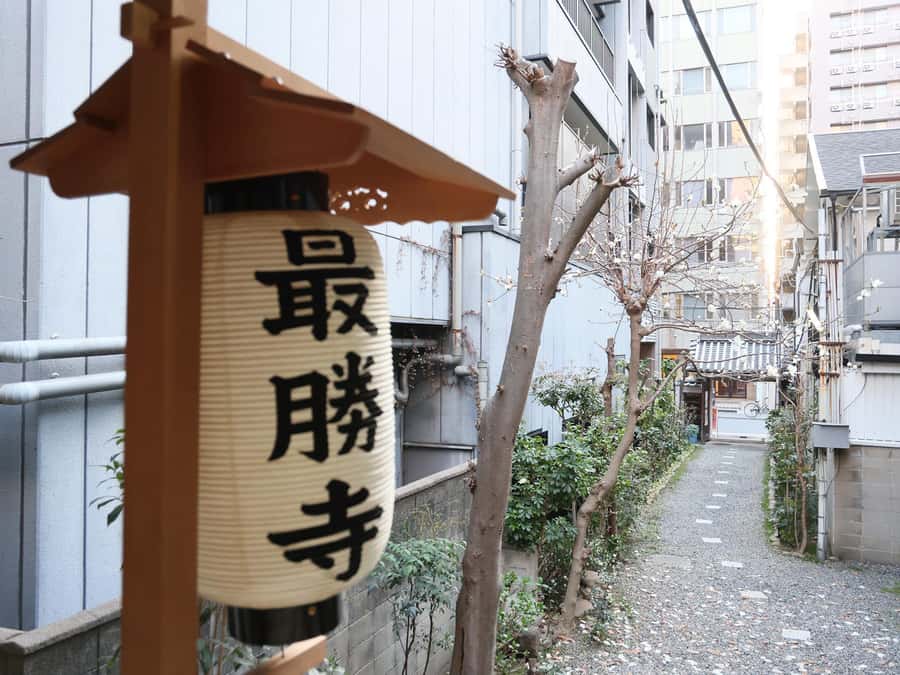
- Temple customs first: Learn about worship, incense offering, kneaded incense, and meditation before the tea.
- A practical rest for tired feet: The cooling foot bath includes a scrub and gentle massage.
- Matcha with several treats: Enjoy wagashi, matcha, and matcha ice cream in a traditional setting.
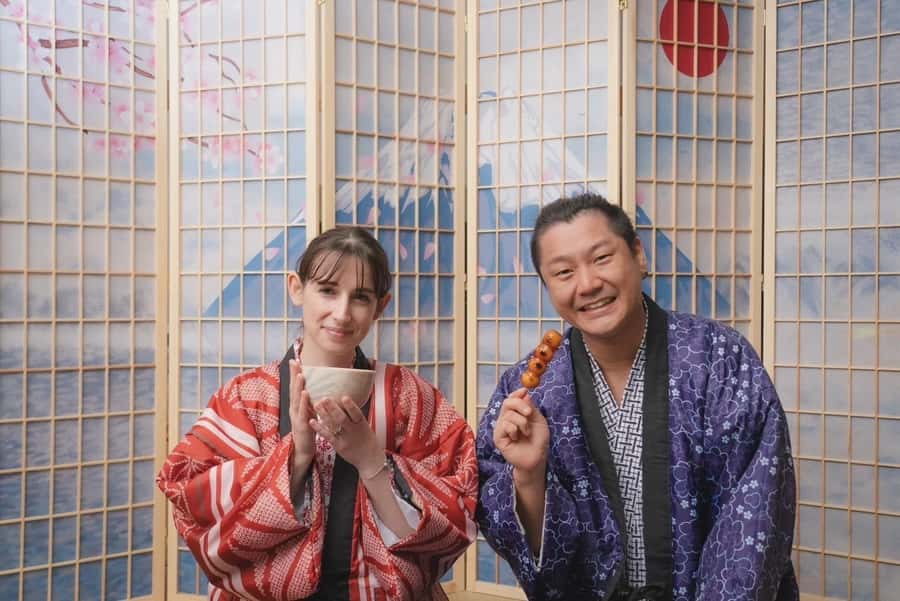
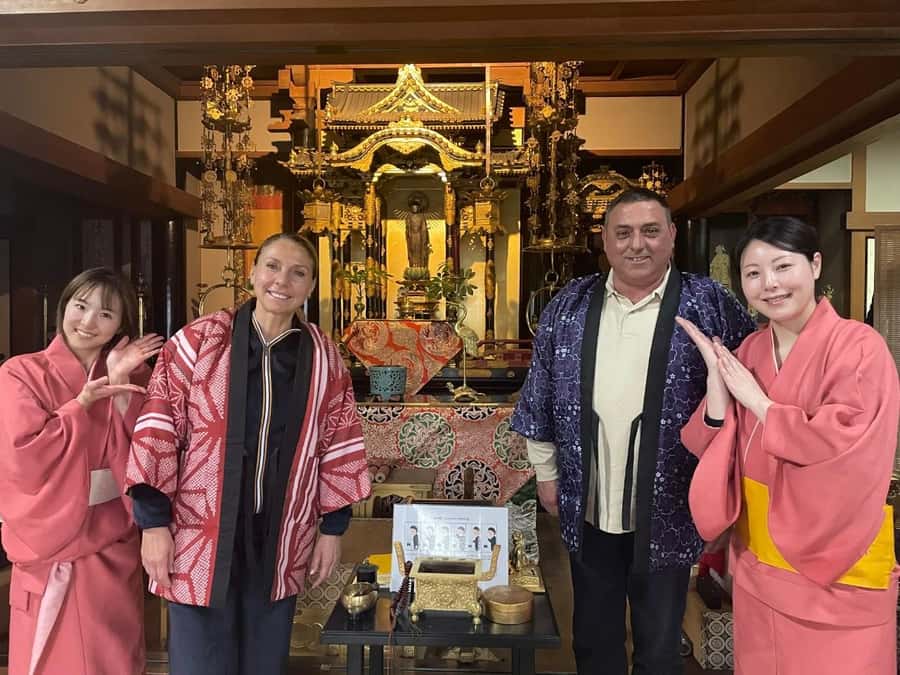
- Yukata photos included: Staff help you wear a yukata and take keepsake pictures with your smartphone.
- Good value for a short stop: At $34 per person, you receive a cultural lesson, refreshments, foot care, and photos in 45 minutes.
- A calm Osaka reset: This works especially well after a long day on foot or at the start of your visit.
A 45-minute introduction to temple life
This is a compact cultural activity, not a grand sightseeing tour. You meet at a location that depends on the option you book, then return to that same meeting point when the session ends.
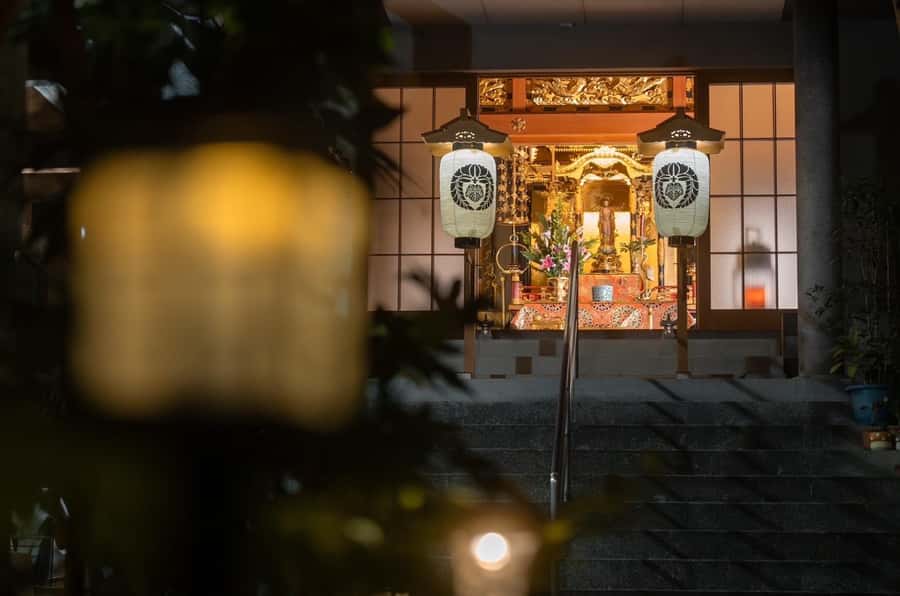
The experience begins with an explanation of the temple and the proper way to worship. That matters because many first-time visitors see people bowing, offering incense, or pausing at a shrine or temple, but do not know what those actions mean. Here, you are shown how to take part rather than simply watch from the edge.
You can expect an incense offering, the use of kneaded incense, and a short meditation element. These customs give the visit a quiet rhythm. Instead of rushing from one photo to the next, you spend a few minutes focusing on scent, movement, and stillness.
The teaching is available in Japanese and English. That makes the activity easier to follow, especially when the customs are unfamiliar. Staff members guide you through the process, so you do not need prior knowledge of Buddhist or tea traditions.
The temple setting is important. Matcha can feel like a restaurant activity when it is served without context. Here, the tea is connected to worship, etiquette, quiet attention, and the design of the setting. You come away with a better sense of why tea preparation is treated as a careful practice rather than a quick drink.
More Matcha Experiences in Osaka
- Matcha Making Class in Osaka with Authentic Japanese Sweets Set
★ 5.0 · 509 reviews - Osaka: Matcha Making Experience with Japanese Sweets
★ 5.0 · 146 reviews - Osaka Temple Head Spa &Matcha Facial – Refresh & Glow〈90min〉
★ 5.0 · 24 reviews
Incense, kneaded fragrance, and a quiet pause
The incense portion is one of the more unusual pieces of the experience. You do not simply enter a temple, snap a photo, and leave. You take part in a small ritual and learn how fragrance can help mark a moment of prayer or reflection.
Applying kneaded incense adds a tactile element. The action is simple, but it slows you down. You may find this part more meaningful if you enjoy learning through your hands instead of listening to a long lecture.
The meditation segment is brief, based on the 45-minute format. Do not book this expecting a full Zen retreat or extended spiritual instruction. Think of it as a short pause that helps you shift from Osaka’s busy streets into the more measured pace of the temple.
That short pause also sets up the foot bath well. The activity moves from worship to physical relaxation without feeling like two unrelated bookings. First you settle your mind, then you give your feet a break.
The cooling foot bath after a day of walking
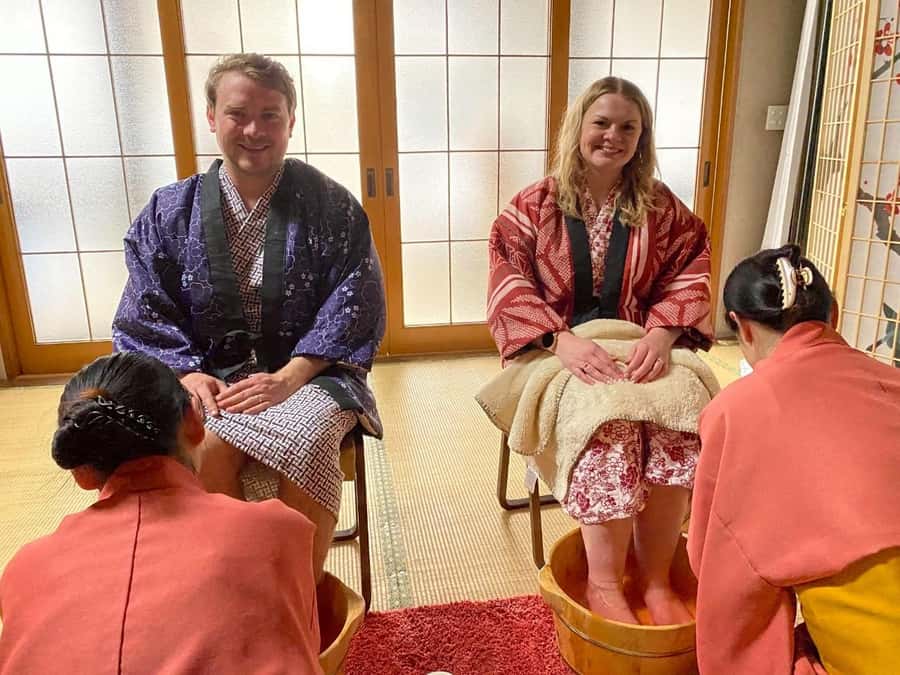
The foot bath is the feature that makes this experience especially practical. Osaka is easy to explore on foot, but a full day of stations, shopping streets, temples, and food stops can leave your feet sore. Sitting down with your feet in cool water gives you a clear change of pace.
The treatment includes a scrub massage and a little foot massage. The wording is worth noting: this is light foot care, not an extensive massage session. If you want firm pressure or a full-body treatment, this will feel modest. If you want gentle relief while doing something cultural, it fits nicely.
The cooling water may be welcome after warm-weather sightseeing. It also gives you time to enjoy the setting without needing to stand for another explanation or ceremony. The staff’s attention to the feet is a repeated strength of the experience, and it is easy to see why this part appeals to people who have already walked many kilometers.
You should wear or bring something that makes changing around the foot bath comfortable, though the provided information does not specify dress arrangements. The experience does include a yukata element, so staff will guide you through the clothing portion as part of the visit.
The foot bath is also a good reason to schedule this late in the afternoon or evening, if your chosen time allows it. The booking information does not state specific time slots, so check the available option before planning your day.
Learning to make matcha instead of only drinking it
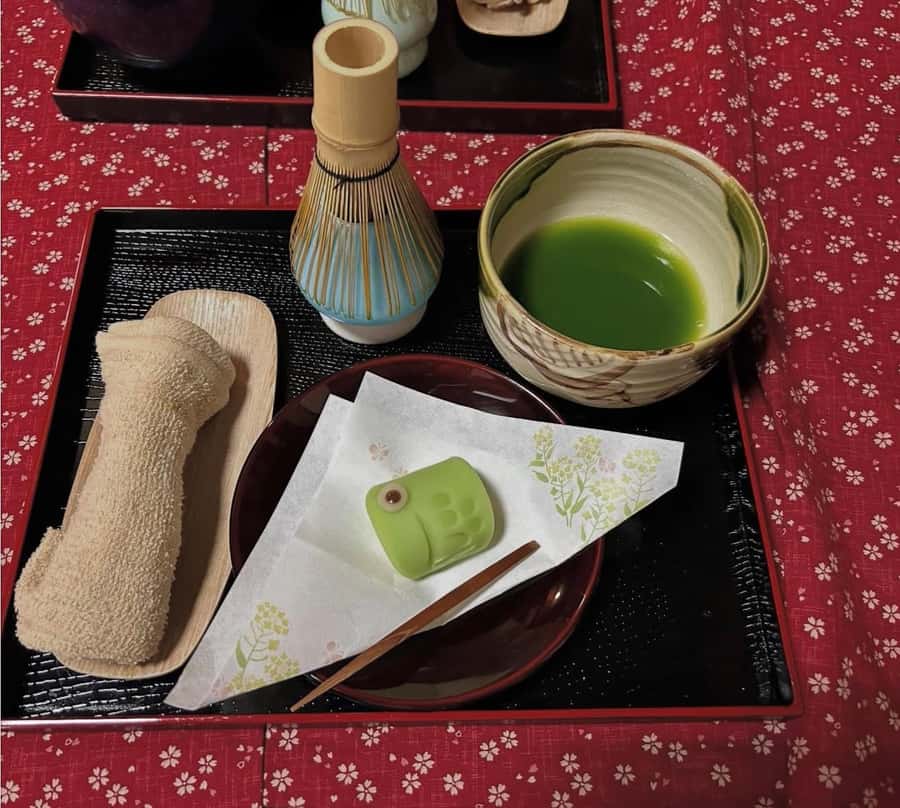
The matcha portion gives you the most hands-on cultural lesson. Staff explain how to prepare the tea, then you make your own cup. You are not just handed a green drink with a sweet on the side.
Matcha has a strong, earthy taste that can surprise anyone expecting a mild tea. The wagashi helps balance it with sweetness. These small Japanese confections are traditionally served with matcha because their sugar and texture soften the tea’s sharper notes.
The cup and tools are part of the appeal. One participant particularly enjoyed learning to whisk matcha in a beautifully designed cup. That detail points to an important feature of the activity: the object in your hand, the way you whisk, and the small movements around serving all contribute to the experience.
Your host may demonstrate the whisking speed and technique. One lighthearted comment wished the matcha had been whisked faster, so the preparation may not be rushed. That is not necessarily a problem. A slower demonstration gives you time to see what is happening, though anyone expecting a quick tasting should allow for a measured pace.
Matcha ice cream is also included. It adds a familiar, cool dessert to the more traditional tea and wagashi. If you are unsure about the taste of straight matcha, the ice cream offers an easier entry point.
Same city, a very different cup:
- Osaka: Tea Ceremony Experience
★ 4.9 · 1,426 reviews - Tea Ceremony Experience in Osaka Doutonbori
★ 5.0 · 754 reviews - Osaka: Tea Ceremony, Calligraphy, and Kimono Experience
★ 4.9 · 130 reviews - Osaka: Japanese Traditional Sweets Making and Tea Ceremony
★ 4.7 · 118 reviews
Yukata, smartphone photos, and a useful souvenir
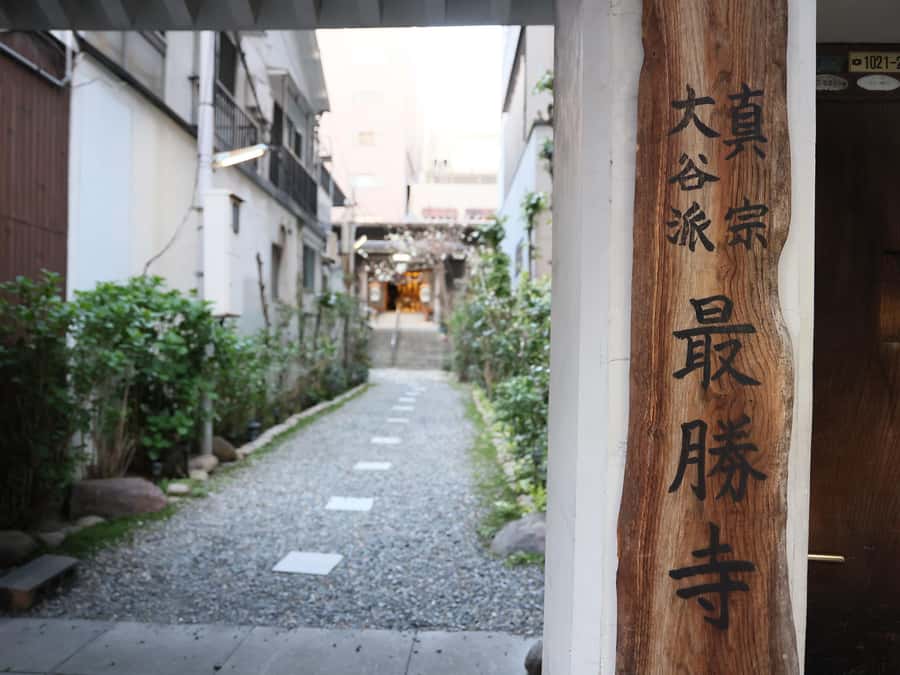
The yukata portion brings a visual element without requiring you to arrange a full photo session. Staff help you put on the traditional robe, then take photos using your own smartphone.
This is a small but useful benefit. You do not have to ask another visitor to take a rushed picture, and you leave with images stored on the phone you already use. The activity description says the photos are gifted to you, so confirm the exact photo process with the staff when you arrive.
The photos are not just a costume change detached from the rest of the visit. After learning worship customs and tea etiquette, wearing a yukata helps you picture how clothing, ceremony, and presentation fit together in Japanese culture.
Expect a commemorative photo rather than a large professional shoot. The 45-minute length leaves limited time for many poses or elaborate styling. Still, it gives you a record of the temple setting and the experience itself.
A shrine stamp was also available to one couple who collects them. This is a nice extra if you already keep a goshuin or temple stamp book, but it should not be treated as a guaranteed part of every booking because it is not listed among the included features.
Why the $34 price makes sense
At $34 per person, the price is reasonable if you want several small experiences bundled into one short visit. You receive matcha, wagashi, matcha ice cream, worship instruction, incense, meditation, a cooling foot bath, a scrub massage, a little foot massage, yukata assistance, and smartphone photos.
You are paying for the staff’s attention as much as for the food and bath. The hosts explain the customs, guide the tea preparation, help with clothing, and take your pictures. That level of help is valuable if this is your first tea ceremony or temple-based activity.
The price looks less attractive if you want only a full tea ceremony. It also may not suit you if your main goal is a long massage. The activity is designed as a sampler with a comfort break, not as a specialist tea school or spa appointment.
For a first day in Osaka, I think the value is strongest. You get an easy introduction to several traditions without committing to a long formal program. For a couple, it also provides a shared activity that is quieter than another meal or shopping stop.
Who will enjoy this most
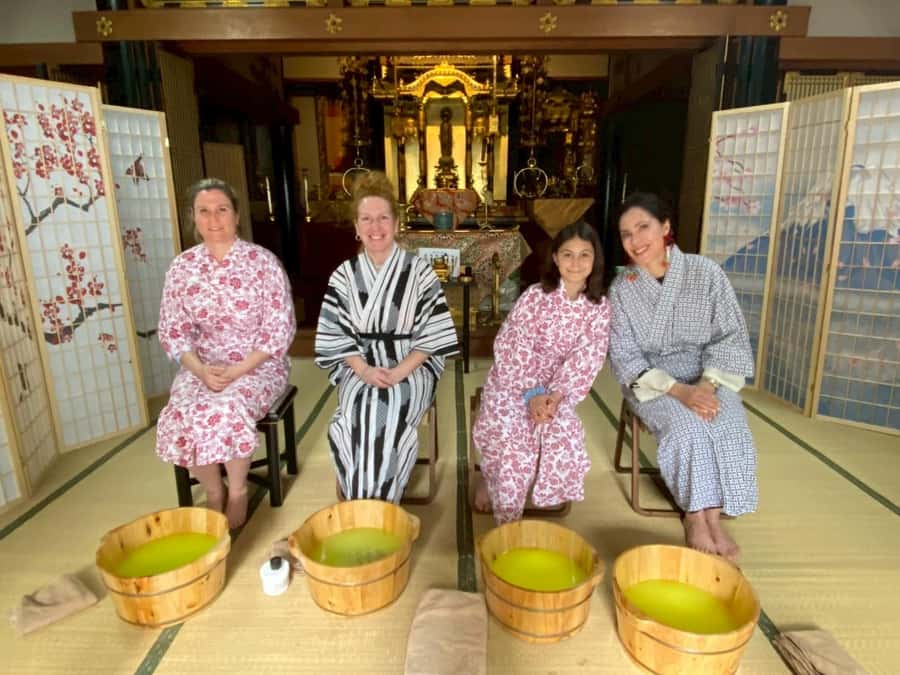
I would recommend this to anyone who wants a gentle cultural activity after a busy sightseeing day. The foot bath directly addresses tired legs and feet, while the temple and tea elements keep the session from feeling like a simple rest stop.
It also suits couples. The yukata photos, tea preparation, and calm setting create a shared memory without requiring either person to be an expert in Japanese customs.
Families may appreciate the short length, though the provided details do not specify a minimum age or child policy. Ask before booking if you are traveling with children.
This is a strong choice for first-time visitors who want an introduction rather than a demanding lesson. Staff walk you through each part, and the English-language option helps you understand what you are doing.
You may want something else if you have already attended a long, formal tea ceremony and want a more advanced version. In that case, the foot bath and dessert may still appeal, but the instructional portion could feel basic.
Timing, booking, and small practical points
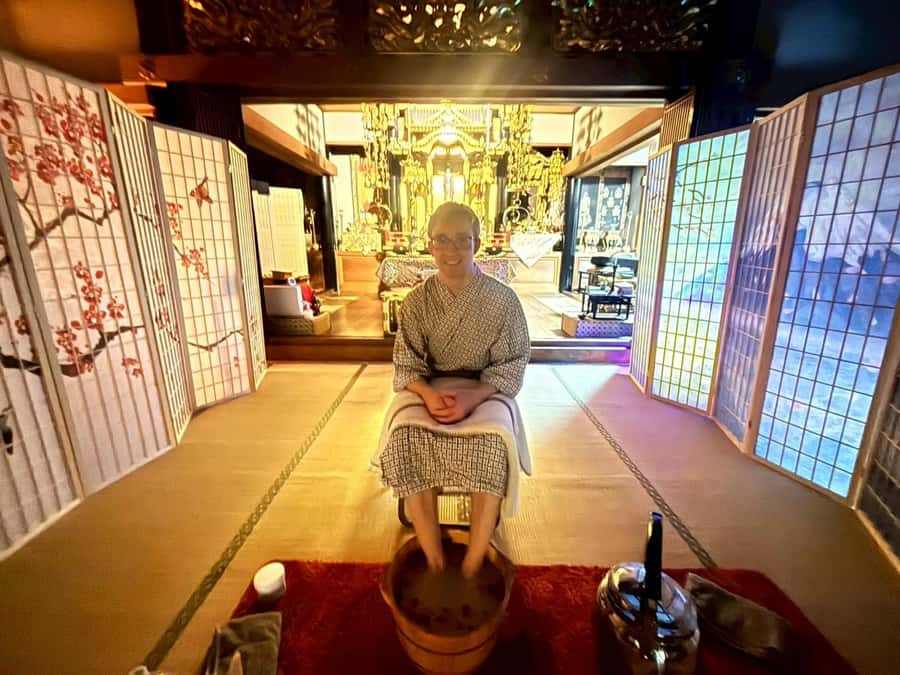
The activity lasts 45 minutes and ends back at the meeting point. The exact meeting location can vary by the option booked, so read that section carefully before setting your route through Osaka.
Japanese and English are available. That is especially useful during the worship and tea sections, where a few small instructions shape the experience.
You can reserve and pay later, which helps if your Osaka schedule is still shifting. Cancellation is free up to 24 hours in advance, with a full refund.
The experience provider is Japanese massage 唯一無二, The One and Only. Individual staff names associated with the sessions include Yuiitsumuni and Yumi, and Vanessa is also mentioned in connection with matcha preparation. Staff may vary by booking.
I would not schedule this between two attractions on opposite sides of the city. The activity itself is short, but you still need time to reach the meeting point and settle in. Treat it as a planned 45-minute pause, not a last-second filler.
Should you book the Osaka temple foot bath and matcha experience?
Book it if you want a compact, friendly introduction to temple customs and matcha, with a real chance to sit down and rest your feet. The strongest reasons are the gentle foot massage, clear guidance, yukata photos, and the chance to prepare your own tea.
Skip it if you want a long tea ceremony, a full massage, or a detailed historical tour. At $34, it offers good value for a short cultural sampler, but its appeal depends on enjoying several brief elements rather than one extended activity.
For most first-time visitors, I would place it after a full day of walking or near the start of an Osaka stay. You get a taste of worship, incense, tea, sweets, and traditional clothing in one calm session, with enough personal help to make the customs easy to follow.
FAQ
How long does the Osaka temple foot bath and matcha experience last?
The activity lasts 45 minutes.
How much does the experience cost?
The listed price is $34 per person.
What languages are available?
The experience is available in Japanese and English.
Is matcha included?
Yes. Matcha is included, along with wagashi and matcha ice cream.
Are Japanese sweets included?
Yes. The experience includes wagashi, which are traditional Japanese sweets.
Does the foot bath include a massage?
Yes. It includes a cooling foot bath, a scrub massage, and a little foot massage.
Are photos included?
Yes. Staff take photos with your smartphone, and the photos are included as a keepsake.
Can I wear a yukata during the activity?
Yes. The experience includes a commemorative photo wearing a yukata, with staff assistance.
Where does the activity begin and end?
The meeting point depends on the option booked, and the activity ends back at the meeting point.
Fresh tea listings around Osaka
- Osaka Temple Head Spa &Matcha Facial – Refresh & Glow〈90min〉★ 5.0 · 24 reviews
- Premium Kimono Dressing, Tea Ceremony, Calligraphy, Samurai show★ 5.0 · 18 reviews
- Samurai dress-up and shows, plus Tea Ceremony & Calligraphy★ 5.0 · 27 reviews
- Osaka; Japanese Tea ceremony experience, Macha and Sencha★ 4.9 · 29 reviews
- Osaka: Private Tea Ceremony and Calligraphy Experience★ 5.0 · 50 reviews
- Samurai Show, Tea Ceremony, Japanese Traditional Activities★ 5.0 · 56 reviews
- Osaka: Japanese Traditional Sweets Making and Tea Ceremony★ 4.7 · 118 reviews
- Osaka: Tea Ceremony, Calligraphy, and Kimono Experience★ 4.9 · 130 reviews
Matcha Experiences, compared.
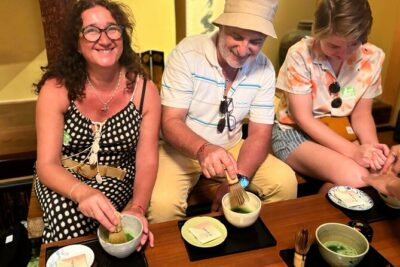
World Heritage Kyoto & Nara Uji Authentic Matcha Experience
Read our review →
Matcha Making Class in Tokyo with Authentic Japanese Sweets Set
Read our review →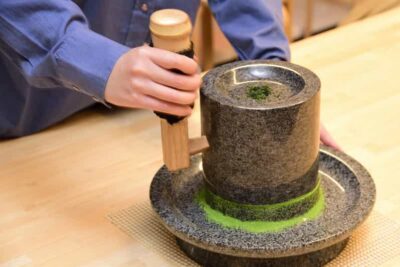
Kyoto: Tea Museum Tickets and Matcha Grinding Experience
Read our review →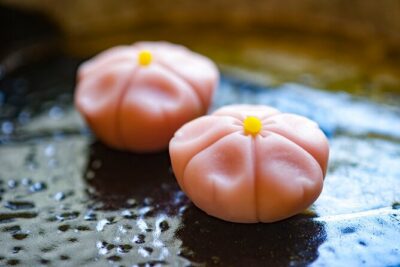
Matcha Making Class in Osaka with Authentic Japanese Sweets Set
Read our review →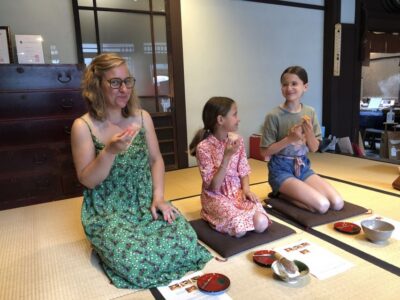
Kyoto: Tea Ceremony Meditation – Make Matcha with Tea Master
Read our review →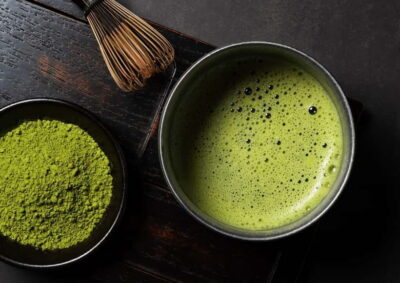
Tokyo: Matcha Making Experience with Mochi Sweets in Asakusa
Read our review →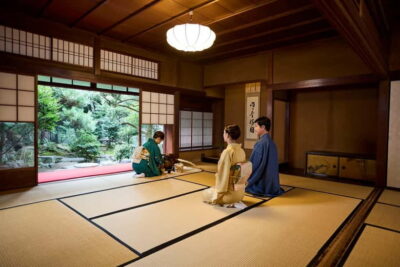
Kyoto: Kimono Tea Ceremony with Matcha and Sweet
Read our review →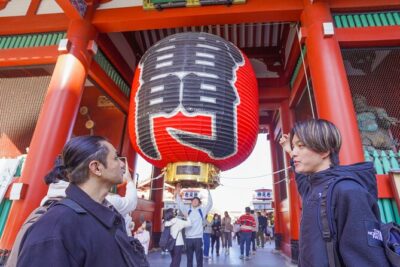
Browse the lists this tour appears in