Review · KIMONO & TEA CEREMONY
Osaka: Tea Ceremony, Calligraphy, and Kimono Experience
A kimono fitting, a brush in your hand, and a quiet tea room give this Osaka activity more substance than a quick photo stop. You learn why the ceremony matters, practice writing kanji, and prepare matcha yourself. The private feel and patient guides such as Meiji, Mika, and Nokko are two of its best features.
I also like the small souvenir you create in the calligraphy session, plus the calm setting in downtown Osaka. The main consideration is the meeting point: the entrance is not prominently labeled, so follow the Lawson and MixyHearts beauty salon clues carefully.
Key points to know before booking
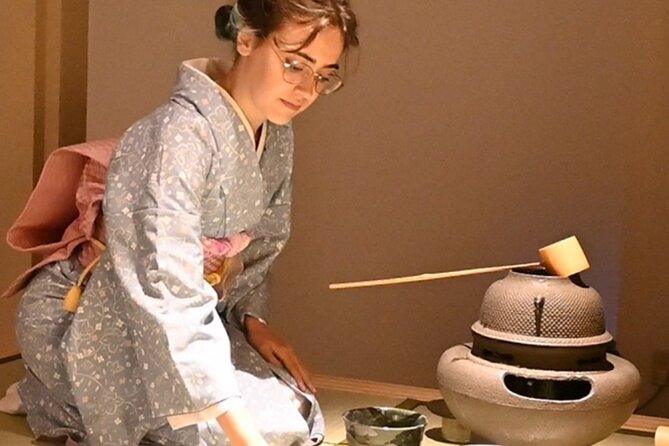
- Three traditions in one visit: Kimono dressing, calligraphy, and a Japanese tea ceremony fit into a three-hour session.
- You make the matcha: The tea portion is interactive, not just a demonstration. You learn the proper technique and prepare your own cup.
- Guides set the tone: Meiji, Mika, Nokko, Nikki, and other hosts are praised for patience, warmth, and clear instruction.
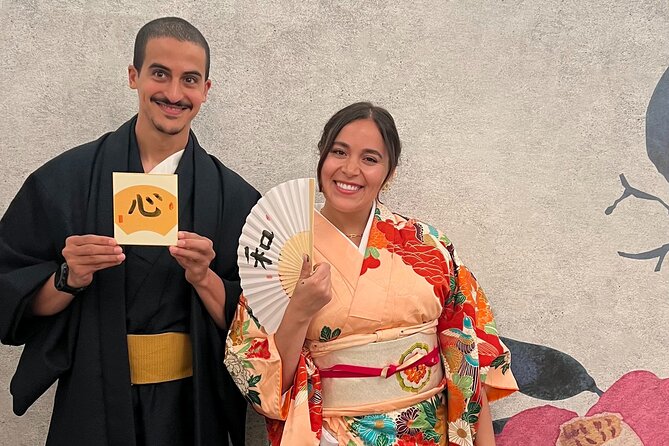
- A personal keepsake is included: Your calligraphy work gives you something meaningful to take home.
- Small groups keep it personal: The maximum group size is eight, with some larger groups split between rooms.
- Allow time to find the studio: It is near Tanimachi 9-chome and Osaka Uehommachi stations, but the building entrance can be easy to miss.
Why this Osaka cultural experience works so well
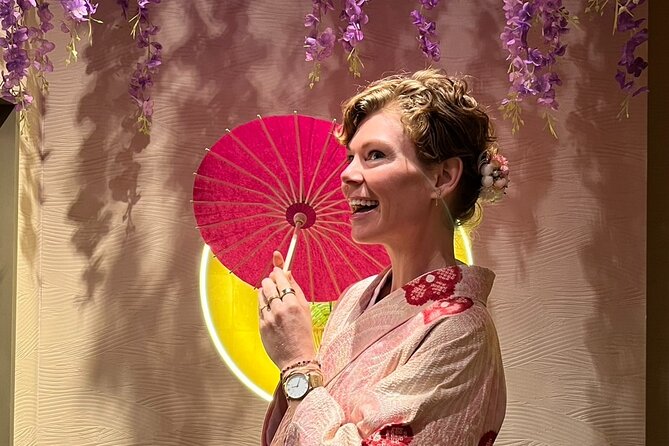
Many Osaka activities move at city speed. This one asks you to slow down and pay attention to small actions: how fabric is layered, how a brush meets paper, and how a bowl of matcha is handled. That change of pace is the point.
At $96 per person, the experience is not a cheap add-on. You are paying for three hours, a kimono costume, simple hairstyling, instruction, sweets, and a small group setting. I find the price reasonable for couples, families, or solo visitors who want more than a staged photograph. If you only want to put on a kimono for ten minutes, it will feel expensive.
The activity has earned a 4.9 rating from 130 bookings, and the strongest praise is remarkably consistent: the hosts are patient, the kimono choices are attractive, the tea ceremony is explained clearly, and the calligraphy produces a real souvenir. That combination gives the session a satisfying beginning, middle, and end.
More Kimono and Tea Ceremonies in Osaka
- Samurai Show, Tea Ceremony, Japanese Traditional Activities
★ 5.0 · 56 reviews - Samurai dress-up and shows, plus Tea Ceremony & Calligraphy
★ 5.0 · 27 reviews - Premium Kimono Dressing, Tea Ceremony, Calligraphy, Samurai show
★ 5.0 · 18 reviews
Finding the studio near Tanimachi 9-chome
The studio is in downtown Osaka, close to two useful stations. From Tanimachi 9-chome Station on the Osaka Metro, use Exit 11 and walk straight for about three minutes. A Lawson convenience store is the key landmark.
Continue to a building with the MixyHearts beauty salon on the first floor. Enter there and take the stairs to the second floor. One visitor found the entrance difficult because the door is not labeled, so do not assume the studio will be obvious from the street.
From Osaka Uehommachi Station on the Kintetsu Line, leave through the East Exit and walk left for about seven minutes. Again, look for MixyHearts on the first floor, then go upstairs.
I would arrive a little early, especially if you are navigating Osaka for the first time. The route itself is simple, but a missed entrance can turn a calm cultural appointment into a rushed start.
Choosing a kimono and getting dressed
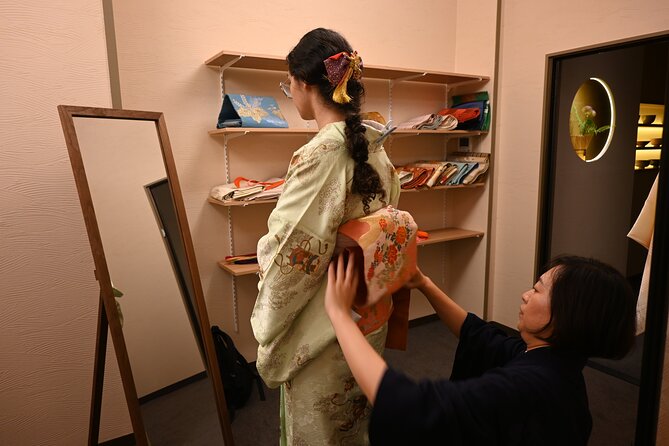
The first major part of the session is choosing your kimono. The selection includes different colors and styles, along with obi belts and other pieces that complete the outfit. You are assisted throughout the process, so you do not need prior knowledge of traditional clothing.
Kimono dressing is more involved than putting on a robe. The clothing is arranged in layers and tied carefully so the final shape looks right and stays in place. That detail is useful because it gives you a better sense of the work involved in traditional dress.
Simple hairstyling and hair accessories are included. Several visitors valued the way the hairstyle was matched to the kimono, while one guest with braids felt fully welcome and received careful help with her hair. Another guest wearing a larger US size said the staff helped select a kimono with a suitable length and made her feel comfortable.
That last point matters. Traditional clothing can make some people worry about fit, hair, or standing out. The staff’s patient approach appears to make the process accessible to a wide range of people. Still, the supplied information does not give exact size limits, so contact the provider before booking if fit is a serious concern.
Expect this part to be social and practical rather than solemn. You can take photographs, and the hosts are willing to help document the occasion. If pictures are important to you, bring your own phone and ask politely during the session.
Calligraphy gives the afternoon a personal center
Once dressed, you practice Japanese calligraphy with guidance from an instructor. You learn basic brush handling and work on kanji, rather than simply watching someone write for you.
This was a favorite part for many people, including those who did not expect to enjoy it. That makes sense. Calligraphy gives you something to do with your hands, and the practice has a quiet, focused quality. The goal is not perfect Japanese penmanship. It is learning how the strokes are formed and producing a piece that reflects your effort.
The instructor demonstrates, then encourages you through your own attempts. You are given time to work, ask questions, and try again. The result becomes a handmade keepsake, which gives this portion more value than a standard craft activity.
Do not worry if your first strokes look clumsy. The experience is designed for beginners, and the guides are used to helping people with no Japanese writing background. If you are traveling with children, teenagers, or a partner who prefers hands-on activities, calligraphy may be the most engaging section.
The one practical issue is room size. A group of seven has previously been split during the calligraphy and tea portions because the rooms hold about five people. The maximum group size is eight, but a larger booking may not experience every segment together at the same moment.
More Tea and Calligraphy Workshops in Japan
- Osaka: Private Tea Ceremony and Calligraphy Experience
★ 5.0 · 50 reviews - Kyoto: Tea Ceremony Meditation – Make Matcha with Tea Master
★ 4.8 · 406 reviews - Tokyo: Practicing Zen with a Japanese Tea Ceremony
★ 4.7 · 105 reviews - Experience all of Japanese culture and Japanese food experience classes “origami, udon, Japanese food, green tea, calligraphy” in 4 hours
★ 5.0 · 105 reviews
The tea ceremony is quiet, explained, and interactive
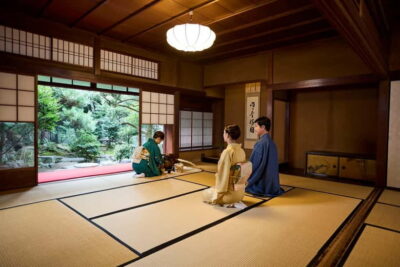
The final section takes place in a Japanese-style room with a small outside garden. After the color and activity of the kimono fitting and calligraphy, the tea room provides a natural change of mood.
You learn about the customs, background, and ideas behind the ceremony. The sweets are included, and the tea portion is interactive. You do not only watch the host prepare matcha. You are shown the correct technique and get a turn making your own cup.
That hands-on element is important. Tea ceremony can look mysterious if you only see the finished movements. The explanations make the gestures easier to understand, while the chance to prepare tea gives you a direct connection to the ritual.
The hosts are careful about pace. You have time to ask questions and take in the details instead of being pushed quickly from one activity to the next. Several visitors found the ceremony peaceful and informative, while others especially appreciated being allowed to participate.
Keep your expectations sensible. This is a three-hour introduction, not formal training in tea ceremony. You will learn the meaning and basic methods, but you will not become a tea master in one afternoon. For most visitors, that balance is just right.
Guides who make beginners feel at ease
The human side of this experience is one of its clearest strengths. Meiji is repeatedly described as kind, patient, and attentive during kimono dressing, hairstyling, calligraphy, and tea. Mika is praised for helping people choose clothing and for explaining each stage in a friendly way.
Nokko and Nikki are also noted for their instruction and calm manner. Other named hosts include Miko and Suzu. The activity offers English, Japanese, and Chinese, which makes the explanations more accessible for international visitors.
The guides do more than recite facts. They help with clothing, encourage hesitant calligraphy attempts, answer questions, and create an atmosphere where solo visitors do not feel awkward. One solo participant arrived worried about attending alone and quickly felt included.
Families benefit from this personal attention. Parents can enjoy the cultural side while children have something active to do. Couples get photographs and a shared memory without needing to plan several separate activities. Small groups of friends can also make the experience feel private.
The small-group limit is eight, but the exact feeling depends on the size of your booking. A private booking or very small group will receive the most individual attention. A group of seven may be divided for some sections, which is practical but worth knowing before you reserve.
What the $96 price includes
The $96 fee includes:
- Kimono costume
- Simple hairstyling
- Calligraphy instruction
- Japanese tea ceremony
- Sweets
Transportation, pickup, drop-off, extra food, extra drinks, personal purchases, and additional hairstyling or makeup are not included. You need to make your own way to the studio.
I see the value in the package because each part supports the next. The kimono changes how you experience the calligraphy and tea ceremony, while the calligraphy souvenir gives you a lasting reminder of the visit. The price is easier to justify if you plan to participate fully in all three sections.
It is less appealing if you mainly want a meal, a polished photo session, or a long tea tasting. This is a guided cultural lesson with clothing and craft elements, not a restaurant experience or a full-day sightseeing tour.
The three-hour length is also useful. It is long enough to avoid a rushed feeling, but short enough to fit around other Osaka plans. You could schedule it between visits to neighborhoods near central Osaka, though the appointment’s starting time should be checked when booking.
Who should book this activity
I would recommend it to first-time visitors who want an approachable introduction to Japanese customs. You do not need to know Japanese, understand kanji, or have worn a kimono before.
It is especially well suited to:
- Couples who want a shared cultural activity
- Families with children over age two
- Teenagers who enjoy crafts and photography
- Solo visitors who prefer a guided setting
- Small groups seeking a private or nearly private session
- Anyone who wants a physical souvenir rather than only photographs
The experience is not suitable for children under two, and babies under one are specifically excluded. The supplied details do not explain accessibility arrangements, so ask the provider directly if stairs, sitting positions, or clothing fit may affect your visit.
People who dislike structured instruction may find the format a little formal. The tea ceremony follows set customs, and calligraphy requires patience. That is also what makes the experience worthwhile, but it will not suit someone seeking a free-form afternoon.
Practical tips for a smoother visit
Wear something that makes changing clothes easy. The kimono is supplied, but you still need to arrive in your own clothing and walk from the station.
Save the meeting instructions on your phone before leaving. Look first for Lawson from Tanimachi 9-chome or MixyHearts from either route. The building entrance is the main point where people can lose time.
If you have long hair, braids, or concerns about styling, tell the staff what you need. The experience includes simple hairstyling, not a full salon service, and extra hairstyling or makeup costs more or is not included.
Bring a phone for photographs, but stay present during the tea ceremony. The best part is not only how the room looks. It is learning why each movement is done in a certain way.
Finally, keep your calligraphy piece flat and protected after the session. It is a handmade memento, and treating it carefully will help preserve the memory.
Should you book the Osaka kimono and tea experience?
Book it if you want a thoughtful three-hour introduction to Japanese tradition, with real participation rather than a quick costume rental. The mix of kimono dressing, beginner calligraphy, matcha preparation, sweets, and a small group setting gives you plenty for the price.
I would choose it over a tea ceremony alone if you have limited time in Osaka and want several connected activities in one appointment. The strongest reasons to reserve are the patient staff, the included calligraphy keepsake, and the chance to make your own tea.
Skip it if you only want a brief kimono photograph, do not enjoy guided crafts, or would rather spend $96 on food and sightseeing. For everyone else, this is a well-paced cultural experience that leaves you with both a new skill and something you made yourself.
FAQ
How long does the experience last?
The activity lasts three hours.
How much does the experience cost?
The listed price is $96 per person.
What is included in the price?
The price includes a kimono costume, simple hairstyling, calligraphy, a Japanese tea ceremony, and sweets.
Are transportation and hotel pickup included?
No. Transportation, pickup, and drop-off services are not included.
Where is the meeting point?
The studio is near Tanimachi 9-chome Station on the Osaka Metro and Osaka Uehommachi Station on the Kintetsu Line. The building has a MixyHearts beauty salon on the first floor, and the activity takes place on the second floor.
Which languages are available?
The activity is offered in English, Japanese, and Chinese.
How large is the group?
The small group limit is eight participants. Groups larger than about five may be split during the calligraphy and tea sections because the rooms hold about five people.
Can I cancel for a full refund?
Yes. You can cancel up to 24 hours in advance for a full refund.
Are young children allowed?
Children under two are not suitable for the activity, and babies under one are not allowed.
More Tea and Calligraphy Workshops in Osaka
- An Amazing set of Cultural experience: Kimono, Tea Ceremony and Calligraphy
★ 5.0 · 69 reviews - Beijing Culture: Tea Ceremony, Heritage Instrument & Calligraphy
★ 5.0 · 57 reviews - Cultural Activities :Kimono, tea ceremony, Calligraphy and Amulet
★ 5.0 · 44 reviews - Shizuoka Shore Excursion: Zen, Matcha & Calligraphy Shimizu Port
★ 5.0 · 14 reviews
More Tea Ceremonies in Osaka
- Osaka: Tea Ceremony Experience
★ 4.9 · 1,426 reviews - Tea Ceremony Experience in Osaka Doutonbori
★ 5.0 · 754 reviews - Osaka: Japanese Traditional Sweets Making and Tea Ceremony
★ 4.7 · 118 reviews - Osaka; Japanese Tea ceremony experience, Macha and Sencha
★ 4.9 · 29 reviews
Fresh tea listings around Osaka
- Osaka Temple Head Spa &Matcha Facial – Refresh & Glow〈90min〉★ 5.0 · 24 reviews
- Premium Kimono Dressing, Tea Ceremony, Calligraphy, Samurai show★ 5.0 · 18 reviews
- Samurai dress-up and shows, plus Tea Ceremony & Calligraphy★ 5.0 · 27 reviews
- Osaka; Japanese Tea ceremony experience, Macha and Sencha★ 4.9 · 29 reviews
- Osaka: Private Tea Ceremony and Calligraphy Experience★ 5.0 · 50 reviews
- Samurai Show, Tea Ceremony, Japanese Traditional Activities★ 5.0 · 56 reviews
- Osaka Temple Cool Foot Bath & Matcha Experience〈45min〉★ 4.9 · 82 reviews
- Osaka: Japanese Traditional Sweets Making and Tea Ceremony★ 4.7 · 118 reviews
Kimono & Tea Ceremony, compared.
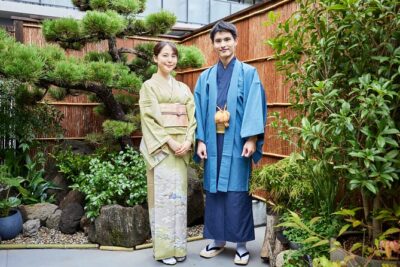
KYOTO Tea Ceremony with kimono near by Imamiya Jinjya Shrine
Read our review →
Kyoto: Kimono and Tea Ceremony Experience at Cultural Asset
Read our review →
Kyoto: Kimono Tea Ceremony with Matcha and Sweet
Read our review →