
Review · TEA CEREMONY EXPERIENCES
Osaka: Japanese Traditional Sweets Making and Tea Ceremony
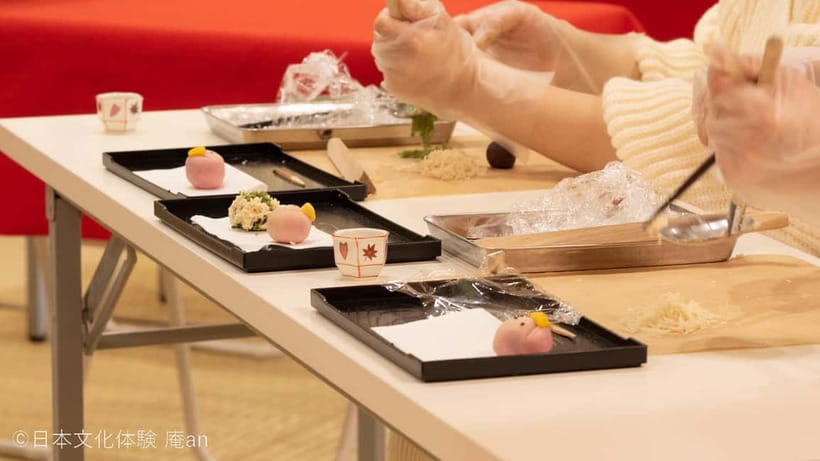
The most appealing part of this Osaka experience is that you do not simply watch a tea ceremony. You make two seasonal nerikiri sweets, starting with the coloring of bean paste and finishing with delicate flower and fruit shapes. Then you prepare matcha and eat your sweets with the tea.
I like the use of white and red bean paste from long-established Kyoto shops, and I like the clear link between the sweets and the season. The main consideration is language: the instructor is Japanese, and English support is offered as much as possible, so request it in advance rather than assuming every explanation will be translated.
Key points to know before booking
- Two handmade sweets: Make a flower-shaped nerikiri and a kinton nerikiri, both based on the season.
- Kyoto ingredients: Work with high-quality white and red bean paste produced by established Kyoto shops.
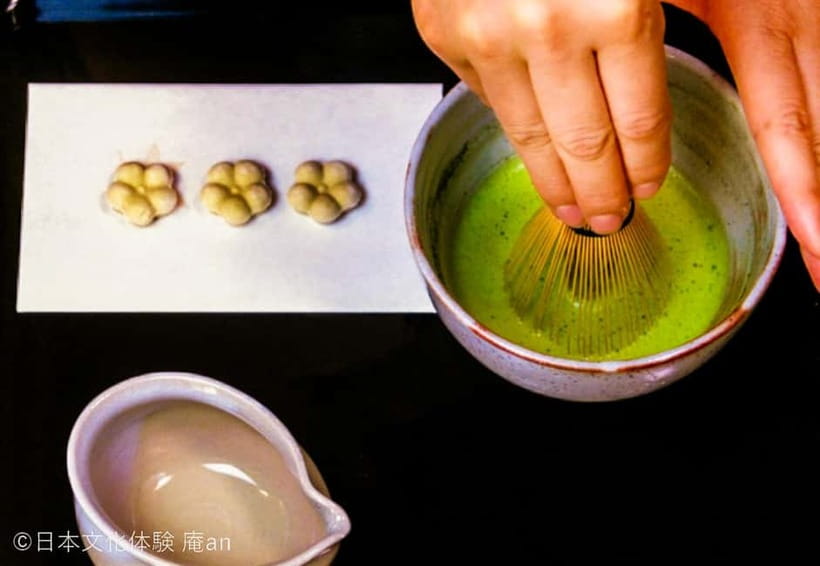
- Matcha from Uji: Watch a grinding demonstration, then prepare your own single-origin matcha.
- Patient instruction: Instructors including Maiko, Jun, and Mihiko have been praised for clear, friendly teaching in Japanese and English.
- Easy central location: The venue is one minute from Exit 10 of Higobashi Station, though you will need to use stairs.
- Good short activity: The full session takes 95 minutes and costs $18 per person, making it easy to fit into an Osaka day.
Why making nerikiri is the heart of the experience
Japanese sweets, called wagashi, are often admired for their looks as much as their flavor. Nerikiri is one of the finer types. Its soft white bean paste is colored and shaped into seasonal flowers, fruit, or other small forms.
That makes this more than a simple dessert class. You are learning how appearance, season, texture, and taste work together in Japanese sweets. The process begins with coloring white bean paste. From there, you shape it by hand into a flower-style nerikiri and a kinton nerikiri.
You do not need to be an artist. The point is not to produce a perfect confection worthy of a shop window. The point is to see how a plain mass of bean paste becomes something delicate through small changes in color, pressure, and shape. If you enjoy hands-on activities, this gives you something to do rather than another hour of passive sightseeing.
The ingredient choice matters, too. The class uses white and red bean paste made by long-established Kyoto shops. That gives you a better sense of the traditional taste than a generic sweet-making session would. The bean paste provides a gentle sweetness, which later balances the slightly bitter, grassy taste of matcha.
More Tea Ceremonies in Osaka
- Osaka: Tea Ceremony Experience
★ 4.9 · 1,426 reviews - Tea Ceremony Experience in Osaka Doutonbori
★ 5.0 · 754 reviews - Osaka: Tea Ceremony, Calligraphy, and Kimono Experience
★ 4.9 · 130 reviews
The 95-minute schedule, from paste to tea
The session begins with an explanation of traditional Japanese sweets. This opening gives you the basic context before you start handling the paste, including why the sweets take seasonal forms and how nerikiri differs from everyday snacks.
Next comes the flower-shaped nerikiri. You begin by coloring the white bean paste, then shape it into the required form. The work is fine and careful, but the instructor guides you through each stage. Expect the activity to reward patience more than speed.
The second sweet is kinton nerikiri. Kinton is known for its fine, loose strands of bean paste, which create a different look and texture from the smoother flower shape. Making two styles is useful because you can compare the techniques instead of repeating the same task twice.
The schedule allows about 55 minutes for the sweet-making portion, followed by a short break. That pacing is sensible. You get enough time to work carefully without the class becoming an all-day cooking lesson.
At around the 65-minute mark, the focus shifts to tea. You receive an explanation of the tea ceremony, then watch a demonstration of matcha being ground into powder. This is one of the more interesting details of the session because it connects the finished drink with the tea leaves and preparation process.
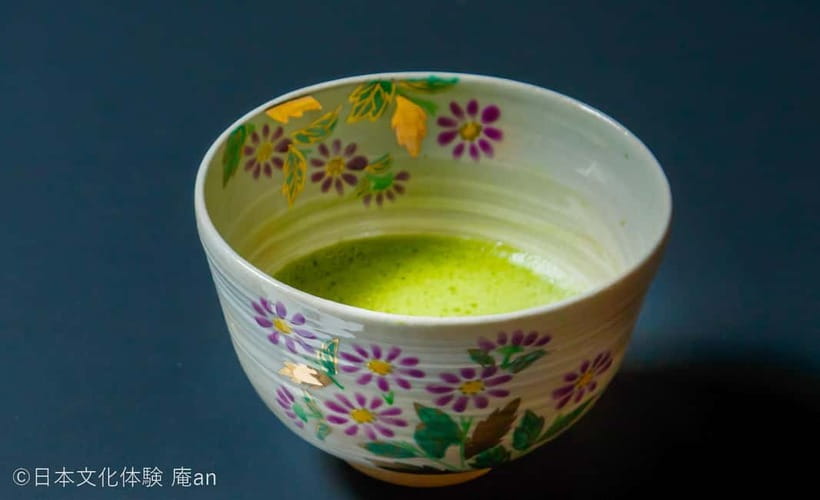
You then prepare your own matcha using Uji tea. The experience uses single-origin special matcha, rather than treating the drink as a decorative extra. The instructor explains the process and the proper way to drink and appreciate the tea.
The tea ceremony here is best understood as a friendly cultural introduction, not a long formal ceremony in a historic tea house. One class participant described it as a more casual tea ceremony, which is useful context for setting expectations. You will learn about the customs and practice the preparation, but the format remains approachable and compact.
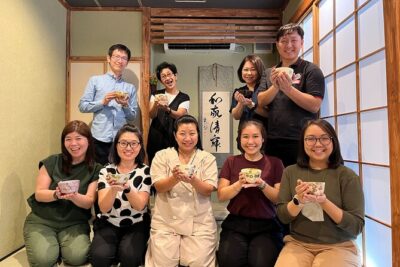
The final part includes time for pictures, followed by eating and drinking. The full visit lasts 95 minutes, and the room departure is scheduled at the end rather than left open-ended.
What the sweets and matcha taste like together
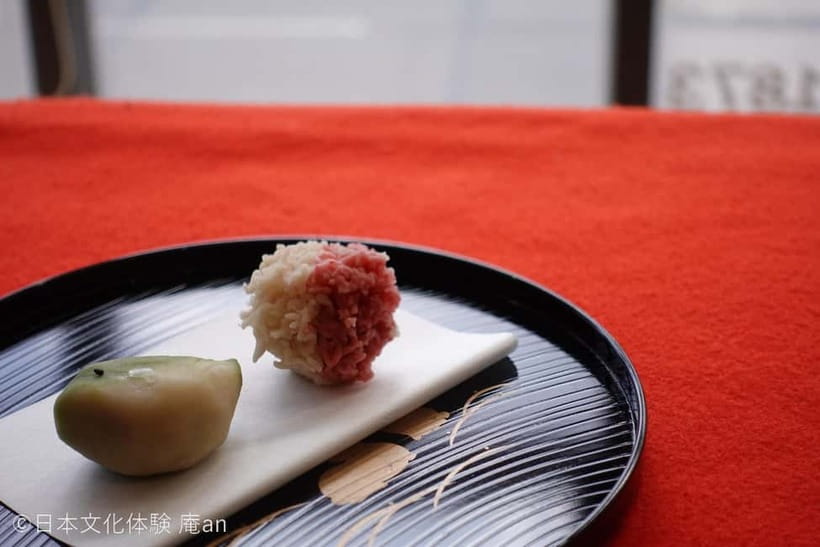
Nerikiri has a smooth, sweet bean-paste flavor. It is not the same as a Western pastry, and you should not expect buttery dough, cream, or a crisp crust. The appeal is the soft texture, gentle sweetness, and careful shape.
Matcha brings the opposite note. It is earthy, vegetal, and mildly bitter. High-quality matcha can have a smooth finish, but it remains a strong taste if you are new to powdered green tea.
Eating the two together is the lesson. The sweetness of the bean paste softens the tea, while the matcha keeps the sweets from feeling too sugary. You get to prepare both parts yourself, so the final tasting has a clear connection to the work you have just done.
This is also a useful choice for anyone who wants to understand why wagashi is served with tea. The sweet is not merely a snack placed beside the cup. It is meant to prepare the palate for the tea and balance its sharper flavors.
How good is the English support?
The official language is Japanese, and English translation is provided as much as possible. You should contact the provider in advance if you want English assistance.
That warning is worth taking seriously. Some instructors have handled both languages very well. Maiko has been praised for cheerful explanations in Japanese and English, while Jun and Mihiko have also been noted for patient, clear teaching. Another instructor apologized for having limited English, yet the explanation was still described as very good.
The experience can work without perfect English because the activity is visual and hands-on. You can watch the demonstration, copy the motions, and receive help at the table. Still, detailed cultural explanations and tea etiquette are easier to follow when translation is available.
If you book at the last minute, do not assume an English-speaking guide can be arranged. One visitor who signed up the night before still received some English help, but had not been able to request it ahead of time. That worked out, but advance notice is the smarter plan.
Same city, a very different cup:
- Matcha Making Class in Osaka with Authentic Japanese Sweets Set
★ 5.0 · 509 reviews - Osaka: Matcha Making Experience with Japanese Sweets
★ 5.0 · 146 reviews - Osaka Temple Cool Foot Bath & Matcha Experience〈45min〉
★ 4.9 · 82 reviews - Samurai Show, Tea Ceremony, Japanese Traditional Activities
★ 5.0 · 56 reviews
The instructors shape the mood
A good teacher matters here. The work involves small movements, and the tea preparation has specific steps. A rushed or stiff instructor could make the session feel like a craft test.
The teaching style has generally been patient and welcoming. Maiko is described as cheerful and enthusiastic. Other instructors have been praised for answering questions carefully, including questions asked in both Japanese and English. That is especially helpful if you want more than a quick demonstration.
The class also seems able to handle small groups. One couple had a private class because they were the only participants, and the instructor kept the energy going even with just two people. A private session is not guaranteed, but a small group can make it easier to ask questions and receive help with shaping the sweets.
Families can also consider it. Children under two who sit on a parent’s lap are free. Older children need their own paid place, and the activity has worked well for children around ten and twelve years old. The careful shaping may suit children who enjoy crafts, but it is not a loud or high-energy activity.
Location and arrival advice in central Osaka
The venue is in a convenient part of Osaka, close to several train stations. The easiest route is Higobashi Station on the Osaka Metro Yotsubashi Line. Exit 10 is about a one-minute walk away.
You can also walk from Watanabebashi Station on the Keihan Nakanoshima Line in about five minutes, or from Yodoyabashi Station in about seven minutes. Kitashinchi Station takes around ten minutes, while Osaka Station is about a fifteen-minute walk from the South Central Gate.
Give yourself extra time on arrival. One person had trouble finding the gray building because the map did not make the entrance obvious. The activity will not be held for late arrivals, and travel costs are not covered if you miss it. I would aim to arrive early, especially if you are navigating from Osaka Station or changing trains.
There is no elevator in the building. You will need to use stairs to reach the venue, so this is important if stairs are difficult for you or someone in your group. Nearby coin parking is available for anyone arriving by car, but train travel is the more practical option given the location.
Is $18 good value?
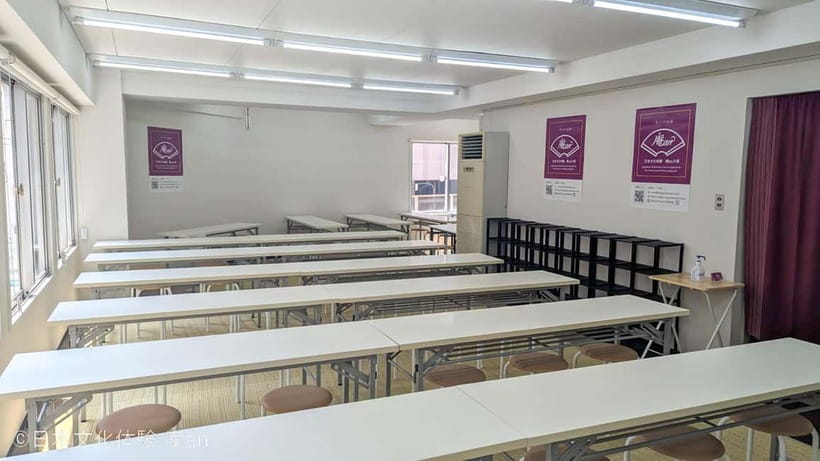
At $18 per person, this is a strong-value cultural activity in Osaka. You receive a 95-minute guided session, use of the required tools, two sweets to make, a tea preparation lesson, a matcha-grinding demonstration, and the chance to drink your own tea.
The value comes from the combination. A short wagashi class alone could feel limited, while a basic matcha demonstration might not justify much time or money. Put together, the two activities give you a fuller introduction to Japanese food culture.
There are two optional costs. A take-out box for the sweets costs 100 JPY, and an experience completion certificate costs 300 JPY. The sweets are intended to be eaten during the session, so buy the box only if you specifically want to carry them away.
The price also makes this a useful backup for a rainy day or a gap between Osaka sightseeing plans. You do not need to commit half a day, and the central location makes it easy to pair with other stops in the city.
Who should book this Osaka tea experience?
I would recommend it to first-time visitors who want a simple introduction to wagashi and matcha without committing to a long formal ceremony. It suits you if you enjoy making things with your hands, asking questions, and learning the meaning behind familiar Japanese customs.
It is also a good choice for families with older children, couples, and solo visitors who prefer a calm indoor activity. The price is low enough to make the experience easy to add to an Osaka itinerary.
You may want to choose something else if your main goal is a highly formal tea ceremony with strict traditional rules, a historic tea-house setting, or extensive English interpretation. This is a relaxed workshop with cultural explanation and participation. That is its strength, but it also sets the limit.
Book in advance if English support matters to you. Also check the starting time carefully, allow extra time to find the building, and remember the stairs.
Should you book it?
Yes, if you want a short, affordable, hands-on introduction to Japanese sweets and matcha. The best parts are the Kyoto bean paste, the two different seasonal nerikiri shapes, and the chance to grind and prepare Uji matcha yourself.
I would not book it expecting a grand ceremonial performance. I would book it for the chance to slow down, learn a few precise techniques, and taste the reason sweet bean paste and bitter green tea belong together. At $18, it offers a lot of cultural content for a small slice of your Osaka day.
FAQ
How long does the Osaka Japanese sweets and tea experience last?
The experience lasts 95 minutes. The schedule includes sweet-making, a short break, tea instruction, a matcha-grinding demonstration, the tea ceremony experience, picture time, and final eating and drinking time.
How many Japanese sweets will I make?
You will make two sweets. The class includes a flower-shaped nerikiri and a kinton nerikiri, with designs that match the season.
Is English available during the activity?
The official activity language is Japanese, and English translation is provided as much as possible. Contact the provider in advance if you would like English assistance.
Where does the experience take place?
The venue is about one minute on foot from Exit 10 of Higobashi Station on the Osaka Metro Yotsubashi Line. It is also within walking distance of Watanabebashi, Yodoyabashi, Kitashinchi, and Osaka stations.
Is the building accessible by elevator?
No. There is no elevator, and you need to use stairs to reach the venues.
Can I cancel the booking?
You can cancel up to 24 hours in advance for a full refund. The experience cannot be held for late arrivals, and travel expenses are not compensated if you miss the activity.
More Tea and Sweets Making in Osaka
- Matcha Making Class in Tokyo with Authentic Japanese Sweets Set
★ 5.0 · 744 reviews - Tokyo: Matcha Making Experience with Mochi Sweets in Asakusa
★ 4.9 · 388 reviews - Kyoto: Japanese Traditional Sweets Making and Tea Ceremony
★ 4.4 · 314 reviews - Make Traditional Nerikiri Sweets & Matcha experience in Shibuya
★ 5.0 · 130 reviews
Fresh tea listings around Osaka
- Osaka Temple Head Spa &Matcha Facial – Refresh & Glow〈90min〉★ 5.0 · 24 reviews
- Premium Kimono Dressing, Tea Ceremony, Calligraphy, Samurai show★ 5.0 · 18 reviews
- Samurai dress-up and shows, plus Tea Ceremony & Calligraphy★ 5.0 · 27 reviews
- Osaka; Japanese Tea ceremony experience, Macha and Sencha★ 4.9 · 29 reviews
- Osaka: Private Tea Ceremony and Calligraphy Experience★ 5.0 · 50 reviews
- Samurai Show, Tea Ceremony, Japanese Traditional Activities★ 5.0 · 56 reviews
- Osaka Temple Cool Foot Bath & Matcha Experience〈45min〉★ 4.9 · 82 reviews
- Osaka: Tea Ceremony, Calligraphy, and Kimono Experience★ 4.9 · 130 reviews
Tea Ceremony Experiences, compared.
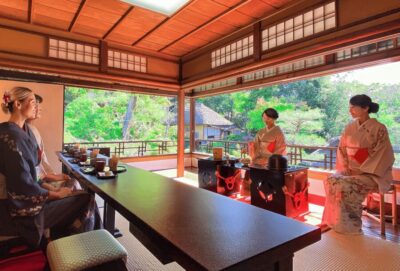
Kyoto: Tea Ceremony in a Traditional Tea House in Kiyomizu
Read our review →
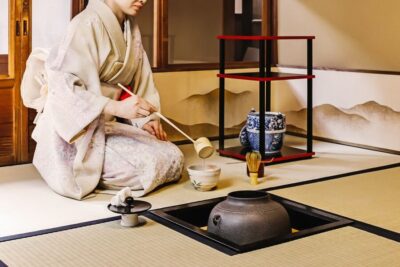
Kyoto: 45-Minute Tea Ceremony Lesson Experience
Read our review →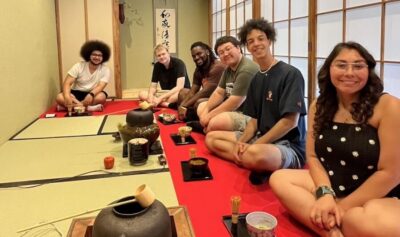
Kyoto: Table-Style Tea Ceremony at a Kyo-Machiya
Read our review →
Browse the lists this tour appears in