
Review · TEA CEREMONY EXPERIENCES
Kyoto: Japanese Traditional Sweets Making and Tea Ceremony
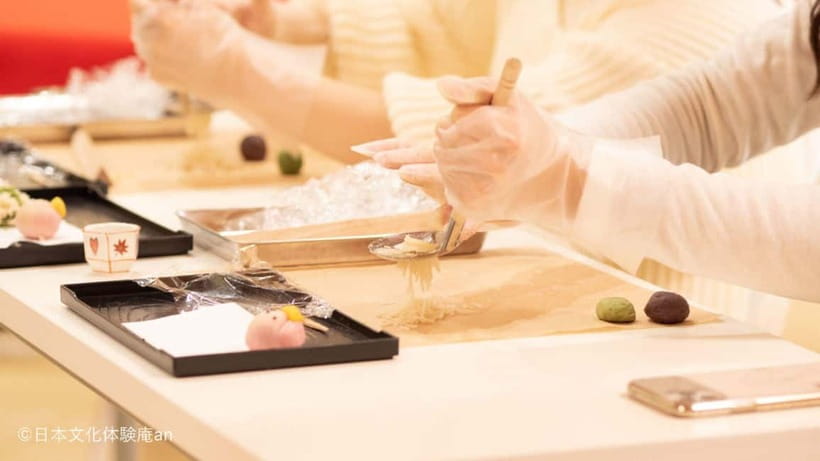
Kyoto’s prettiest sweets are made to look like flowers, leaves, and fruit, and this class lets you shape two of them yourself before drinking your own Uji matcha. You color white bean paste, form it around a filling, and learn the careful hand movements behind nerikiri, a high-grade Japanese sweet.
I like the excellent price, just $18 for 95 minutes, and the use of bean paste from long-established Kyoto shops. I also like the friendly, patient teaching and the chance to make seasonal designs rather than simply watch a demonstration. The main consideration is language: the class is conducted in Japanese, with English help provided as much as possible, so some instructions may require close watching.
Key points to know
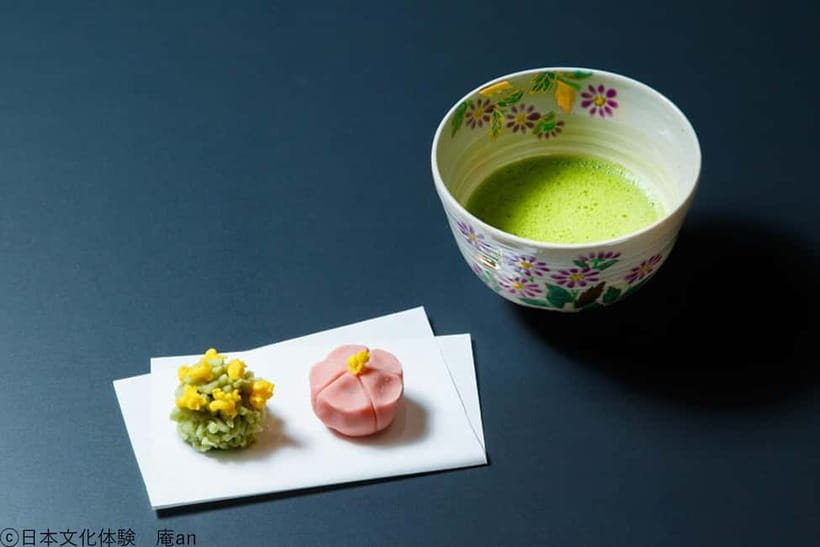
- Two seasonal nerikiri sweets: You color and shape the paste yourself, with designs that change with the season.
- Kyoto-made ingredients: The class uses white and red bean paste from long-established local shops.
- Matcha you prepare yourself: You whisk single-origin Uji matcha and drink it with your sweets.
- Good value at $18: The 95-minute session costs less than many Kyoto food activities.
- English support varies: Some instructors explain in both languages, while others rely more on demonstration.
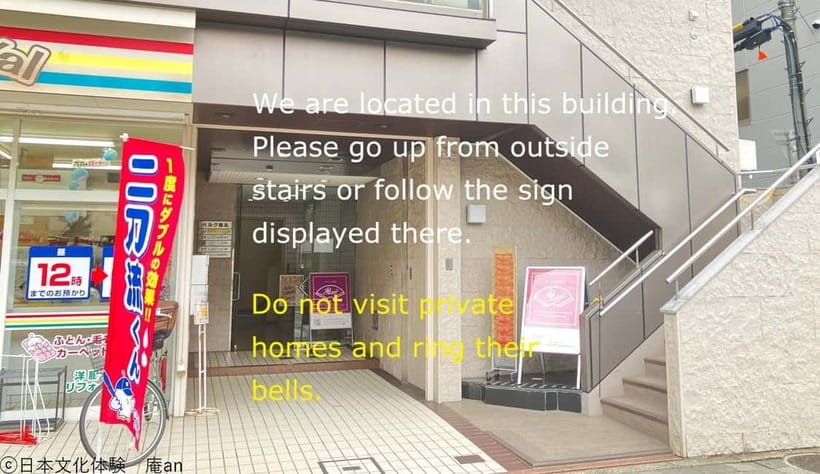
- Easy Gojo Station access: The venue is a one-minute walk from Exit 1, though stairs are required inside the building.
What you actually do in 95 minutes
This is a hands-on food and culture class, not a formal tea-school ceremony lasting several hours. You spend the first part making nerikiri, move into a lesson on matcha and tea manners, then eat the sweets you prepared with the tea you whisked yourself.
That balance works well. You are busy enough to stay interested, but the activity remains gentle and low intensity. It suits a rainy afternoon, a break from temple visits, or a family day when you want something indoors and calm.
The pace can vary with the group. Most sessions allow time to follow each step, but the class may feel rushed if you arrive late. The venue cannot hold the event for delayed arrivals, so plan to reach Gojo Station early rather than trying to cut it close.
More Tea and Sweets Making in Kyoto
- Kyoto: Traditional Tea Ceremony with Matcha & Sweets in Gion
★ 4.9 · 27 reviews - 2 Types of Japanese Sweets making and Tea Ceremony
★ 4.6 · 17 reviews - Kyoto Fushimiinari:Wagashi Making & Small Group Tea Ceremony
★ 5.0 · 14 reviews
Coloring and shaping Kyoto nerikiri
Nerikiri is not ordinary mochi. It is a refined Japanese sweet made from colored white bean paste, often shaped to resemble a seasonal flower or fruit. The finished piece is designed to be admired before it is eaten, which is why the forming process matters as much as the taste.
You begin by coloring the white bean paste. This is a simple step, but it gives you a feel for how much care goes into the small details. The shade needs to suit the seasonal design, and the paste must be handled gently so it keeps a smooth surface.
You then shape two sweets. The basic materials are prepared for you, so this is not a pastry-making course from raw beans or flour. That is worth knowing before booking. You are learning the finishing work, coloring, and shaping, rather than making every ingredient from scratch.
That setup is also why the activity works for first-timers and children. You can concentrate on your hands and the design without needing advanced cooking skills. The challenge is modest, but the results still feel personal because you created the final form.
The seasonal theme adds a nice Kyoto touch. You might make a flower, fruit, or another design suited to the time of year. Autumn designs have been used in past sessions, and the class changes its visual theme rather than repeating one fixed souvenir year-round.
The sweets use white and red bean paste supplied by long-established Kyoto shops. The quality matters here. Bean paste is the main flavor, so you should already have some interest in Japanese sweets, especially the soft, gently sweet taste of anko. If you dislike red bean paste, this will not suddenly change your mind.
I also like the way the class gives you a clearer sense of Japanese confectionery. In a shop window, a nerikiri can look almost too perfect to touch. Once you have tried to shape one, you understand the skill behind the smooth petals and tidy lines.
Making and drinking your own Uji matcha
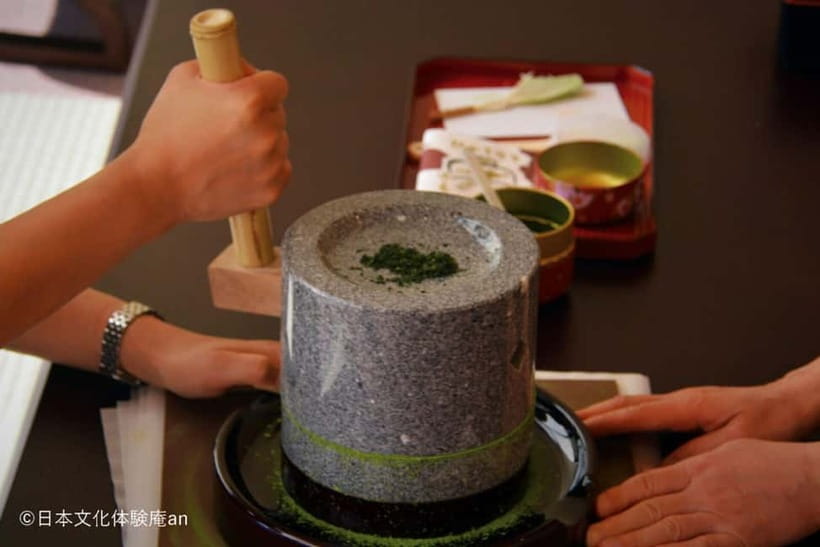
After the sweets, the class turns to tea. You prepare single-origin Uji matcha and learn the basic movements and etiquette connected with drinking it.
This is a practical introduction rather than an elaborate, formal tea ceremony. You learn how to prepare the tea, how to handle the bowl, and how to drink it in the customary manner. The instruction also covers the relationship between the bitter, grassy tea and the sweetness of the confection.
The matcha is a particularly good partner for the nerikiri. The bean paste gives you a soft sweetness, while the tea brings a more earthy, slightly bitter taste. Together, the two make sense in a way that each one may not do alone.
I would set your expectations correctly. The tea portion can be brief, and in some sessions it may feel more like a lesson in matcha manners than a full ceremony. One class had noise from another group leaving, and another account described the tea segment as rushed, with the drink cooling before it could be enjoyed.
That does not make the tea section pointless. It simply means you should book this for a short cultural introduction and a hands-on sweet-making class, not for a quiet, highly formal tea-school event. If the ceremony itself is your main goal, a dedicated tea ceremony in a traditional setting may suit you better.
English help and the value of watching closely
The official language is Japanese, but English assistance is provided as much as possible. This has worked very well in some sessions. Instructors have switched between Japanese and English, slowed down for international participants, and checked that people could follow the practical steps.
The format also helps. Much of the class is visual. You watch the instructor color, press, fold, and shape the paste, then copy the movement at your own table. Even with limited English, the hands-on parts are usually possible to follow.
Still, the English level is not guaranteed to be the same at every session. Some instructors speak very clearly in English. Others give fuller explanations in Japanese, leaving English speakers to watch the demonstration or work from shorter directions.
If you want extra English help, contact the provider when booking. That request is specifically encouraged. You should also expect a Japanese instructor, not an English-speaking guide as a fixed part of every departure.
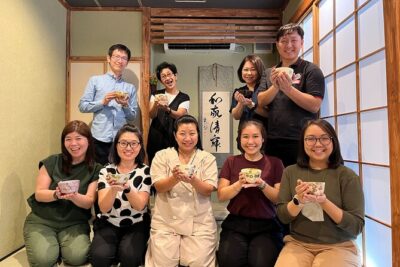
A small group can make a real difference. One participant particularly liked having the steps broken into easy parts, while another found the class comfortable because the group was modest in size. Group size can change, though. School students or another class may join the matcha section, and the room can become noisier than expected.
My practical advice is simple: sit where you can see the instructor’s hands, arrive on time, and do not be shy about copying the demonstration carefully. This is one of those classes where watching closely may be more useful than understanding every spoken word.
More Tea Ceremonies in Kyoto
- Kyoto: Tea Ceremony in a Traditional Tea House in Kiyomizu
★ 4.9 · 3,519 reviews - Kyoto: Tea Ceremony Ju-An at Jotokuji Temple
★ 4.9 · 3,207 reviews - Kyoto: 45-Minute Tea Ceremony Lesson Experience
★ 4.3 · 2,378 reviews - Kyoto: Table-Style Tea Ceremony at a Kyo-Machiya
★ 4.9 · 1,211 reviews
A good choice for families and low-key afternoons
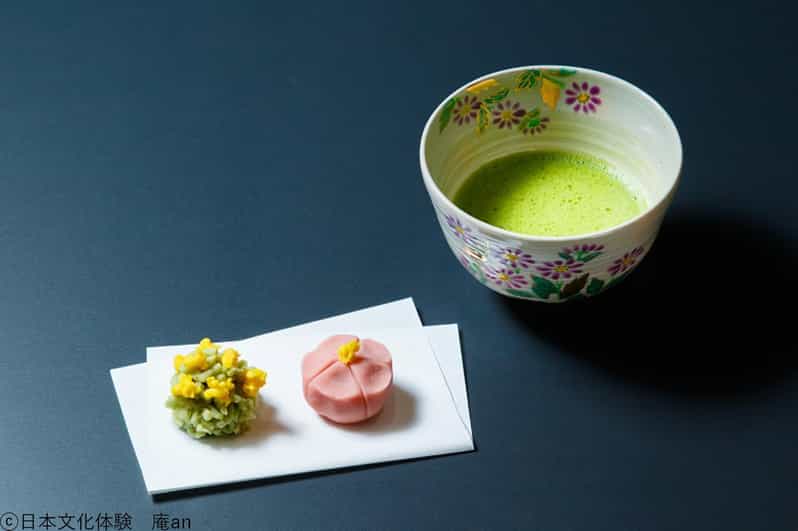
The activity is suitable for children, and the tasks are manageable for younger participants. One family found the level and timing a good fit for children aged 10 and 14. Another family enjoyed making the sweets with children and treated the activity as a gentle introduction to Japanese food culture.
Children under two who sit on a parent’s lap are free. Non-participants cannot enter, so everyone in your party should be included in the reservation if they plan to join the room.
The work is seated and low intensity. You are not cooking over a stove or moving between several locations. That makes it useful during hot, humid weather or on a wet Kyoto afternoon. One person appreciated the air conditioning after spending a week in 35 degree heat.
The venue is listed as wheelchair accessible, but the building has no elevator and you need to use stairs to reach each venue. That is an important practical issue. If you use a wheelchair or have difficulty with stairs, contact the provider before booking rather than relying on the general accessibility label.
Why the $18 price works
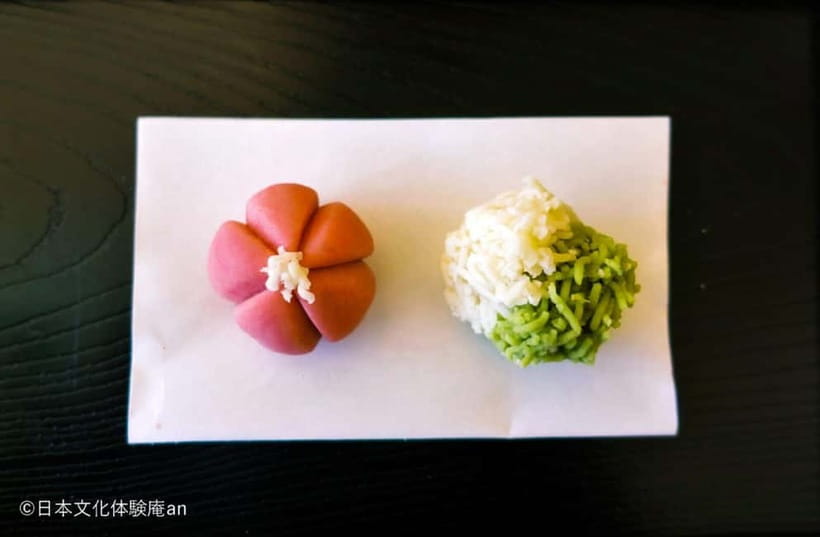
At $18 per person, this is inexpensive for a 95-minute Kyoto activity. You receive the sweet-making session and the matcha lesson, plus the food and drink you prepare. The class also gives you something more lasting than a snack: you leave with a better sense of how Kyoto’s seasonal sweets and tea fit together.
The price is especially fair if you want a simple activity between major sights. It is not a luxury tea experience, and the room may not have the silence or ceremony you would find at a more expensive venue. But you are paying for participation, ingredients, instruction, and a full hour and a half of structured time.
There are two optional extras. A take-home sweets box costs 100 JPY, and an experience completion certificate costs 300 JPY. The box is useful if you want to carry your creations away, though the central pleasure is eating them fresh with your matcha.
One small cost tip is worth noting. A past participant advised that you do not need a helper fee unless you are bringing a child who needs assistance. Since the supplied information does not give full details about that fee, check the booking page carefully and ask before adding anything extra.
Finding the venue near Gojo Station
The meeting point is one minute from Exit 1 of Gojo Station on the Subway Karasuma Line. The entrance faces Gojo-dori, the main street, which makes the final approach straightforward.
That location is convenient for fitting the class into a day in central Kyoto. You do not need to travel out to a distant workshop area, and the short walk from the station helps on rainy days. Give yourself a few extra minutes to find the entrance and reach the correct room.
Operation hours are 10:00 to 17:00. Reservations received after 17:00 are processed the next day. The class will not be held for late arrivals, and cancellation fees can apply depending on timing. Free cancellation is available up to 24 hours in advance for a full refund, but check the exact terms before changing a reservation.
Do not count on recovering transport costs if you cancel. If you change the date or time after a cancellation fee has been incurred, another specified fee may apply.
What could be improved
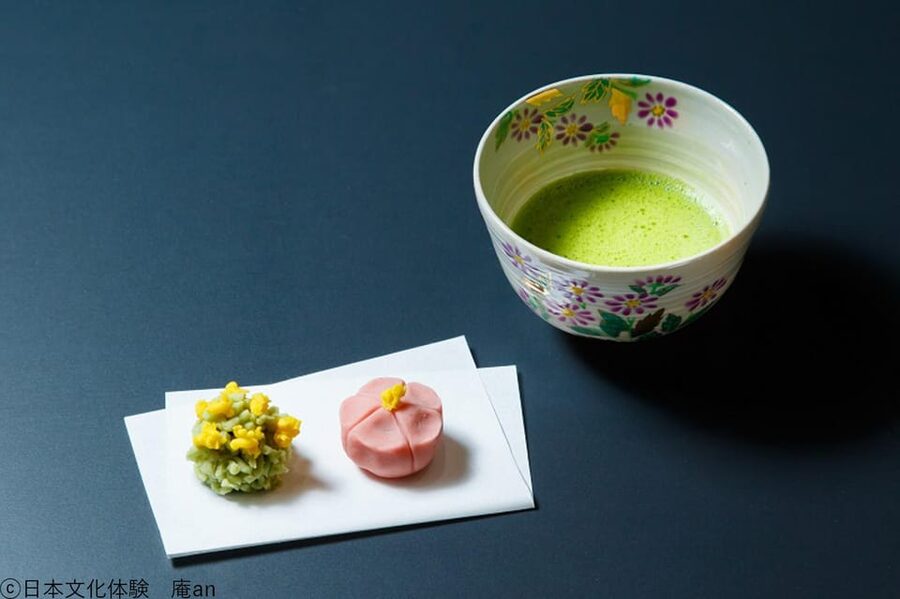
The main weakness is consistency in the tea portion. For some people, it is a lovely, informative pause after making the sweets. For others, it is too short and too crowded to feel like a true ceremony.
The room can also affect the experience. Another class may be leaving while you are learning about matcha, creating noise. A larger group of students may join for the tea section, even if the sweet-making part feels small.
Instruction visibility is another point to consider. One useful suggestion was a microphone headset and a screen showing the instructor’s hands. If you are seated far away, it may be harder to catch each movement, especially when the teacher is speaking Japanese and English.
These are manageable issues, not deal-breakers for most people. They matter if you are seeking a quiet, formal, highly polished ceremony. For a budget-friendly workshop with real participation, the tradeoff is reasonable.
Who should book this Kyoto experience
I would choose this class if you want to make something with your hands, learn a little about Japanese tea manners, and keep the cost low. It is a good match for first-time visitors, families with school-age children, couples, and anyone needing an indoor activity near a subway station.
It also suits curious eaters who want to understand nerikiri beyond its appearance. Making two sweets helps you appreciate the work behind the designs, while the matcha gives you a clear way to taste the balance between bitterness and sweetness.
I would look elsewhere if you want a formal tea ceremony with long periods of quiet, traditional architecture, or highly detailed English instruction at every stage. I would also contact the provider first if stairs, group noise, or limited English guidance could cause problems.
FAQ
Where is the Japanese sweets and tea experience held?
The venue is a one-minute walk from Exit 1 of Gojo Station on Kyoto’s Subway Karasuma Line. The entrance faces Gojo-dori.
How long does the activity last?
The experience lasts 95 minutes. Starting times vary, so check availability when booking.
What sweets will I make?
You will make two seasonal nerikiri sweets. You color and shape white bean paste, with red bean paste also used in the preparation.
Is English instruction available?
The instructor’s main language is Japanese. English translation is provided as much as possible, and you can contact the provider to request English assistance. The amount of spoken English may vary by instructor.
Is the tea ceremony formal?
The activity teaches the basics of preparing matcha and tea etiquette. The tea portion may feel more like a short matcha lesson than a long, formal ceremony.
What extra fees should I expect?
A sweets take-out box costs 100 JPY, and an experience completion certificate costs 300 JPY. These are not included in the $18 activity price.
Should you book it?
Book it if you want a friendly, affordable Kyoto food class with real hands-on work. The strongest part is the chance to shape two seasonal nerikiri from Kyoto bean paste, then eat them with matcha you prepared yourself.
Go in expecting a cultural introduction, not an elaborate tea-school ceremony. Arrive early, sit where you can see the instructor’s hands, and request English help in advance if needed. At $18, this is an easy activity to add to a Kyoto day, especially for families and anyone who wants a calm break from temples, shopping, and long walks.
Fresh tea listings around Kyoto
- Cycling Tour at Uji’s Matcha Green Tea Fields and Heritage★ 5.0 · 10 reviews
- Authentic Tea Ceremony & Sushi in The Museum of Kyoto★ 5.0 · 3 reviews
- Kyoto Fushimiinari:Wagashi Making & Small Group Tea Ceremony★ 5.0 · 14 reviews
- 2 Types of Japanese Sweets making and Tea Ceremony★ 4.6 · 17 reviews
- Kyoto Hidden Riverside Zen Mediation and Uji Matcha Experience★ 5.0 · 9 reviews
- Whisk Your Own Matcha: A Zen Matcha Experience at Temple★ 3.6 · 7 reviews
- Kyoto: Nighttime Zen Meditation and Matcha Tea Experience★ 5.0 · 7 reviews
- Matcha Grinding Experience and Walking Tour in Uji Kyoto★ 5.0 · 26 reviews
Tea Ceremony Experiences, compared.
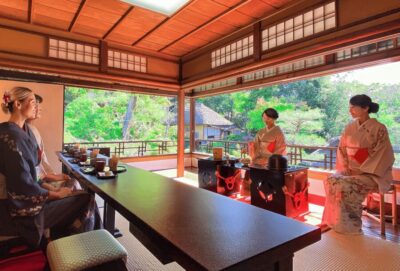
Kyoto: Tea Ceremony in a Traditional Tea House in Kiyomizu
Read our review →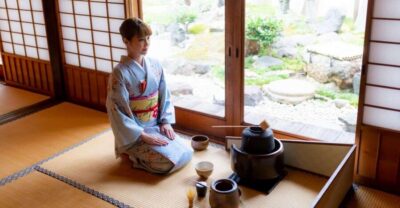
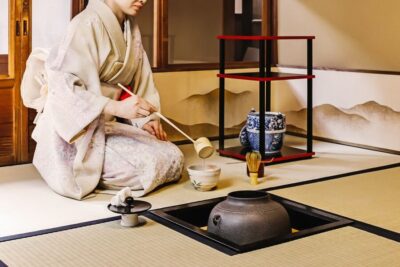
Kyoto: 45-Minute Tea Ceremony Lesson Experience
Read our review →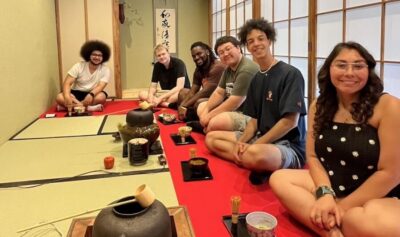
Kyoto: Table-Style Tea Ceremony at a Kyo-Machiya
Read our review →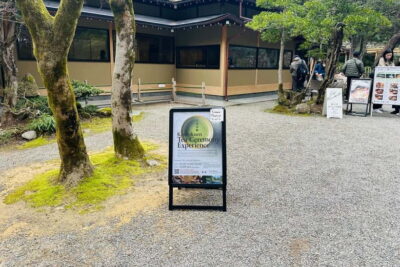
Browse the lists this tour appears in