Review · KIMONO & TEA CEREMONY
Japan’s Customs of Ikebana Art, Tea Ceremony & Kimono Welcome
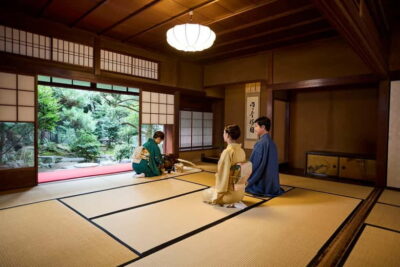
The best part of this Tokyo experience is its hands-on pairing of ikebana and matcha. You do not simply watch a demonstration. You arrange flowers yourself, prepare tea, and then enjoy the calm little ceremony with your finished work nearby. The setting is a traditional Japanese home, and your instructor welcomes you in a kimono.
I like the easy pace and the private format. I also like that beginners are clearly welcome: past participants arrived nervous and found the flower-arranging instructions easy to follow. The main drawback is the price, $173.34 per person, for about 1 hour 45 minutes. That is a serious spend for a short activity, especially since kimonos and the ikebana and tea equipment are not included as listed.
Key points to know before booking
- Two traditional arts in one visit: You learn seasonal ikebana and prepare matcha tea during the same private session.
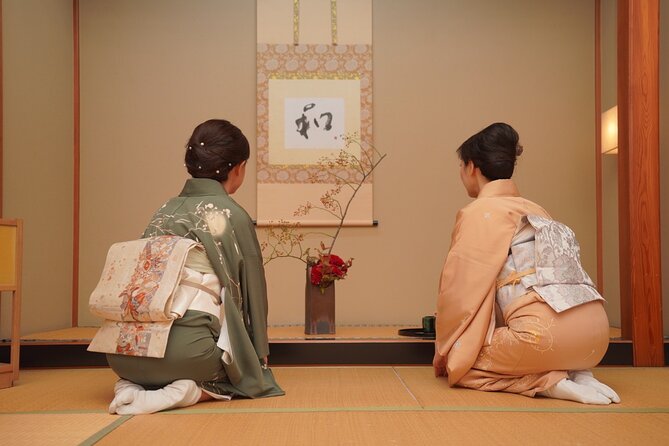
- A traditional house setting: The activity takes place in a Japanese home with a charming garden, not a large public venue.
- Beginner-friendly instruction: The teacher offers clear, kind guidance, making the flower arrangement approachable even if you have never tried it.
- Tatami or chair seating: You can sit on authentic tatami mats or use regular chairs if kneeling is uncomfortable.
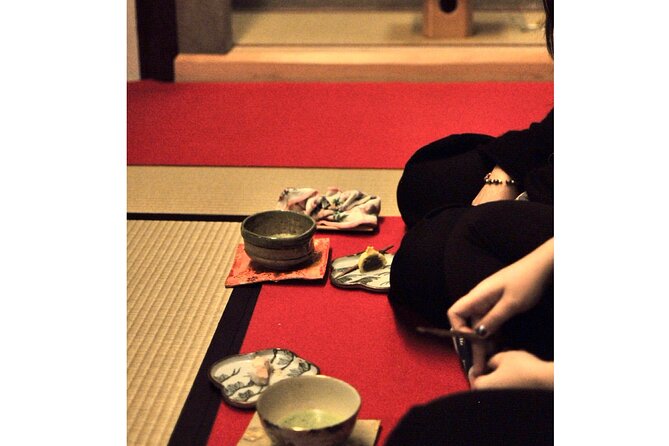
- Japanese sweets are included: Your handmade matcha is served with Japanese sweets during the tea portion.
- A short, private cultural lesson: The session lasts about 1 hour 45 minutes and returns you to the Toritsu-daigaku Station meeting point.
A quiet introduction to ikebana and matcha
Tokyo can be loud, fast, and crowded. This activity offers a very different hour and forty-five minutes. You enter a traditional home, meet an instructor wearing a kimono, and focus on two arts built around patience, form, and attention.
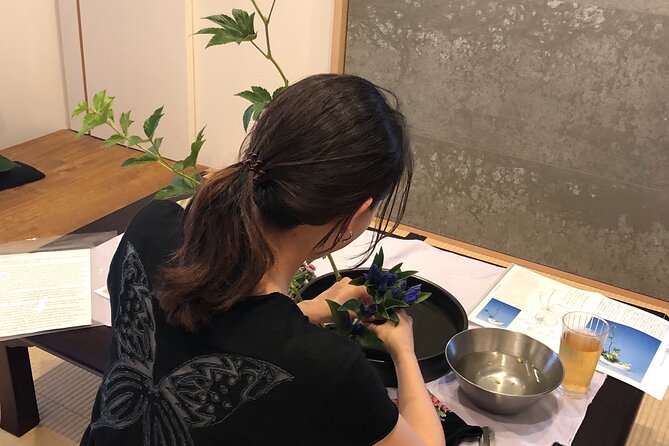
Ikebana is not simply putting flowers in a vase. The arrangement is shaped by the season, the lines of the stems, and the spaces between the flowers. You first watch a professional artist work, then try your own arrangement with guidance. That order matters. You get a visual example before handling the flowers yourself.
The matcha portion follows the same practical pattern. You learn how to prepare the tea, then sit down to drink what you made with Japanese sweets. This gives the activity a pleasant rhythm: watch, try, pause, and enjoy the result.
You should not expect a long formal tea-school ceremony or an advanced ikebana course. The supplied details describe a lesson and cultural experience, not a certification class. For most people, that is the appeal. You get a focused introduction without committing half a day to one subject.
More Kimono and Tea Ceremonies in Tokyo
- Kimono Tea Ceremony at Tokyo, Asakusa Maikoya
★ 5.0 · 638 reviews - Tokyo: Matcha and Kimono Experience
★ 4.7 · 219 reviews - Tokyo: Asakusa Kimono Dressing and Matcha Experience
★ 4.9 · 173 reviews
Arriving near Toritsu-daigaku Station
The meeting point is at Toritsu-daigaku Station, at 1-chōme-5-1 Nakane in Meguro City, Tokyo 152-0031. The activity is near public transportation, which makes it easier to fit into a day in Tokyo than an outing far outside the city.
The address is useful, but you should still allow enough time to find the exact home and meeting point. This is a private residence-style setting rather than a major attraction with a large sign and a busy reception desk. Confirmation is provided when you book, so keep those details available on your phone.
The experience runs Monday through Sunday from 8:30 a.m. to 8 p.m. during the stated operating period, January 16, 2025 through November 26, 2026. The broad schedule gives you useful choices. A morning appointment could begin your day quietly, while an evening time might work after sightseeing in Meguro or central Tokyo.
The activity ends back at the meeting point. That is convenient if you want to continue exploring the neighborhood or return by train without arranging a separate ride.
Watching a professional create an ikebana arrangement
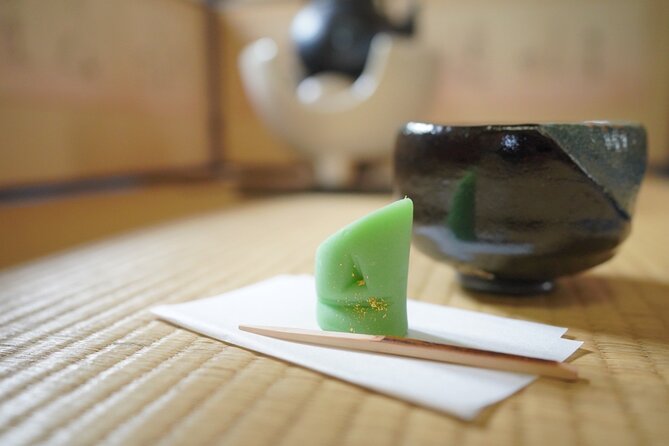
The flower portion begins with a demonstration by a professional ikebana artist. This is an important part of the experience because the art can look simple until you try to balance branches, flowers, and empty space yourself.
You get to see how the artist approaches the arrangement before creating your own. Seasonal flowers are part of the appeal. The exact flowers are not specified, so you should expect the selection to vary rather than assuming a particular blossom will be available on your date.
The instructor then guides you through your own arrangement. You do not need previous experience. One useful detail from the feedback is that a first-time participant felt nervous before starting but found the directions easy to follow. That suggests the lesson is structured for beginners rather than aimed only at people already studying ikebana.
The teacher’s manner is another strong point. The instruction is described as kind and effective, and the session can pass quickly because you stay occupied with the work. That is a good sign for anyone who likes cultural activities with a real task, rather than a demonstration where you sit quietly and watch.
Your arrangement becomes part of the final scene. You can admire it while drinking your matcha, which gives the flower lesson a satisfying finish instead of ending the moment the arrangement is complete.
Making matcha and taking a sweet break
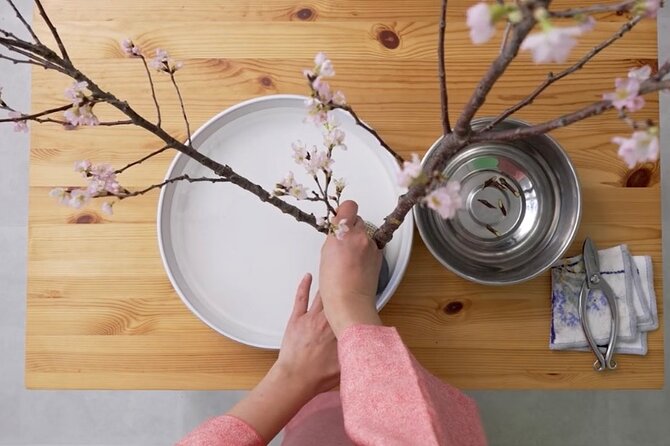
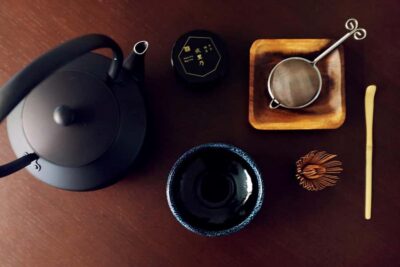
After ikebana, you learn the basics of preparing matcha tea. The listed refreshments are Japanese matcha tea and Japanese sweets. The sweets are a small detail, but they matter because matcha has a strong, grassy taste that is easier to appreciate with a sweet accompaniment.
The lesson lets you prepare your own tea rather than only receiving a cup. That hands-on step makes the ceremony more memorable and helps you understand the care behind a familiar Japanese custom. You can then sit, sip your matcha, and look at the arrangement you made.
The experience uses traditional tea-ceremony elements, but the information does not promise a full formal ceremony with every ritual detail. Think of it as an introduction to matcha preparation in a traditional setting. If you are seeking a highly formal, long tea-school performance, ask for clarification before booking.
The tea segment also creates a natural pause after the concentration of flower arranging. You have something to taste, something to look at, and time to reflect on the activity. It is a simple combination, but a well-judged one.
More Tea and Calligraphy Workshops in Japan
- Tokyo: Practicing Zen with a Japanese Tea Ceremony
★ 4.7 · 105 reviews - Experience all of Japanese culture and Japanese food experience classes “origami, udon, Japanese food, green tea, calligraphy” in 4 hours
★ 5.0 · 105 reviews - Practicing Zen through Japanese Tea Ceremony
★ 4.5 · 6 reviews - Tokyo Morning Japanese Tea and Meditation Experience in Japan
★ 5.0 · 2 reviews
Tatami seating, with chairs available
You can sit on authentic tatami mats or choose regular chairs. This is one of the most practical details in the description, especially if kneeling or sitting on the floor is difficult.
Tatami adds to the feeling of being in a traditional Japanese home. At the same time, the chair option keeps the activity from becoming physically demanding for everyone. You should state your seating preference when appropriate, since the available arrangement may depend on the room.
The activity information does not provide further accessibility details. If you have specific mobility, posture, or transfer needs, contact the provider before booking rather than relying only on the general chair option.
What the private format adds
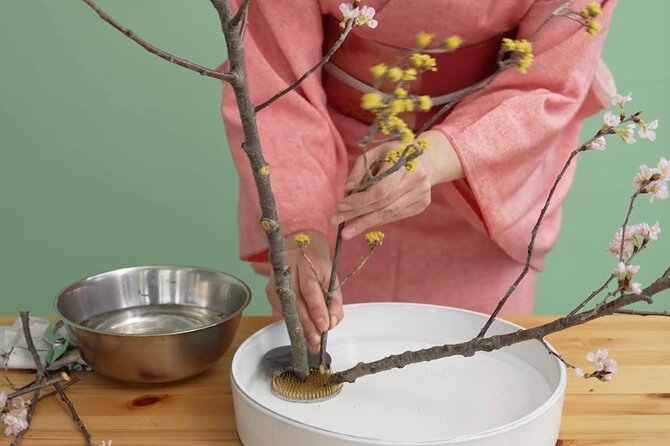
Only your group participates in this activity. That changes the tone considerably. You can ask questions, work at your own pace, and receive direct help with the flowers and tea instead of trying to hear an instructor over a large class.
A private lesson is especially useful for complete beginners. You can admit that you are unsure, ask for another explanation, or take a moment with the arrangement without feeling you are holding up a room full of people.
The private format also helps couples, families, or friends share one finished memory. Each person can create a different arrangement, then compare the results over tea. The supplied information does not state the maximum group size, so you should confirm that if you are booking for more than a small party.
The tradeoff is cost. At $173.34 per person, the private attention is doing much of the value work. If you only want to see ikebana or taste matcha, cheaper options may exist elsewhere in Tokyo. If you want both activities, direct instruction, a home setting, and a private appointment, the price becomes easier to defend.
What is included and what is not
Japanese matcha and Japanese sweets are included. Those are the consumable parts of the activity, and you should not need to arrange a separate snack stop during the session.
Kimonos are not included for participants. The instructor welcomes you in a kimono, but you should not assume that you will dress up yourself. That distinction matters if you are choosing this as a substitute for a kimono rental or a photo session.
Ikebana and tea equipment are also listed as not included. In practical terms, clarify what this means before you arrive. The activity clearly involves using flowers and tea tools during the lesson, but the details do not promise that equipment, flowers, or a finished arrangement can be taken home. Ask the provider if taking your arrangement with you matters.
The experience provider is Hiromi’s IKEBANA. No instructor name is supplied, so you should not expect to select a particular teacher when booking. You can expect to meet a kimono-clad instructor at the home.
Is $173.34 fair for 1 hour 45 minutes?
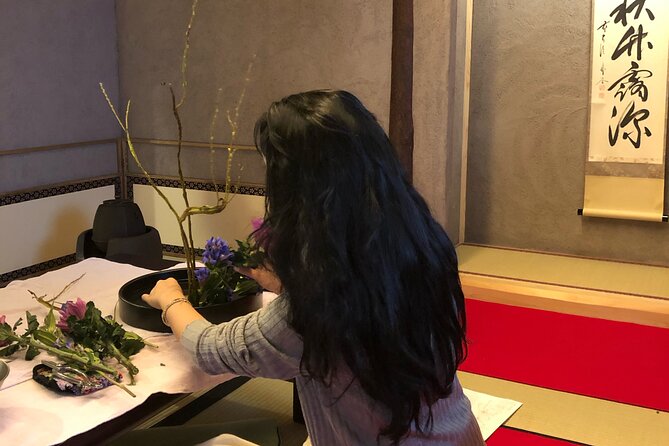
This is not a bargain activity. The per-person cost is high when measured only by time, and the session is under two hours. You are paying for more than the clock, though: a private format, a traditional house, direct teaching, two separate cultural activities, Japanese sweets, and the chance to make something yourself.
I would see the value in this experience if you have limited time in Tokyo and want a structured cultural encounter without traveling far from the city. It combines two activities that are often sold separately. You also avoid the uncertainty of trying to understand ikebana or matcha through observation alone.
I would hesitate if your budget is tight or if you mainly want photographs in a kimono. Participant kimonos are not included, and the activity is not presented as a dress-up package. I would also hesitate if you want a long, formal tea ceremony or a full ikebana course. This is a compact introduction.
The two positive accounts supplied with the activity point to the same strengths: seasonal flowers, clear teaching, and a kind instructor who helps nervous beginners relax. One participant even felt encouraged to begin studying the arts more seriously. That is a useful clue about the lesson’s tone. It aims to spark interest, not overwhelm you with technical rules.
Who will enjoy this Tokyo activity?
This suits you best if you want to do something hands-on and quiet between major sightseeing stops. It is a good fit for couples, families, small private groups, and solo visitors who would rather learn than simply take pictures.
It also works well for first-timers. You do not need to arrive knowing how to arrange flowers or prepare matcha. The teacher demonstrates the process, then helps you try it.
You may prefer another activity if you want a full kimono rental, a large group social event, or a long formal ceremony. You should also compare the price carefully if your main goal is only to drink matcha.
The chair option makes it more practical for people who do not want to sit on tatami. Still, the published information does not give a full accessibility assessment, so ask direct questions if you need more than a chair.
Booking details worth checking
Confirmation arrives at the time of booking. The activity uses a mobile ticket, so keep the booking information on your phone and check the meeting address before setting out.
The tour is non-refundable and cannot be changed for any reason. That is a firm condition, so book only when your Tokyo schedule is settled. The experience is offered daily during the published operating dates, from 8:30 a.m. to 8 p.m.
Because the activity ends where it begins, you can plan your onward transport more easily. The most important practical checks are your exact meeting instructions, seating preference, group size, and what happens to the flowers and materials after the lesson.
Should you book Hiromi’s IKEBANA?
Book it if you want a private, beginner-friendly introduction to two Japanese arts in a home setting. The strongest reasons are the seasonal flower arrangement, direct guidance, matcha preparation, Japanese sweets, and the chance to sit in a traditional room with either tatami or chairs.
Skip it if $173.34 feels steep for a short activity, if you need a participant kimono, or if you want an advanced or highly formal ceremony. For the right visitor, this is a calm and personal way to add substance to a Tokyo itinerary. For everyone else, the price deserves careful thought before you commit.
FAQ
Where does the ikebana and tea experience begin?
It begins at Toritsu-daigaku Station, at 1-chōme-5-1 Nakane, Meguro City, Tokyo 152-0031, Japan.
Where does the activity finish?
The activity ends back at the meeting point.
How long does the experience last?
The experience lasts approximately 1 hour and 45 minutes.
What time can I book this activity?
It operates Monday through Sunday from 8:30 a.m. to 8 p.m. during the published period from January 16, 2025 through November 26, 2026.
Is the activity private?
Yes. Only your group participates in the activity.
Do I need previous ikebana experience?
No previous experience is stated as a requirement. The instruction is suitable for beginners, and the flower-arranging directions are designed to be easy to follow.
Will the instructor wear a kimono?
Yes. You are welcomed by an instructor wearing a kimono.
Do participants receive or wear kimonos?
Kimonos are not included for participants.
Is seating on tatami required?
No. You can sit on authentic tatami mats or use regular chairs.
Are matcha and Japanese sweets included?
Yes. Japanese matcha tea and Japanese sweets are included.
Is the activity refundable or changeable?
No. The experience is non-refundable and cannot be changed for any reason.
More Tea and Calligraphy Workshops in Tokyo
- Kyoto: Tea Ceremony Meditation – Make Matcha with Tea Master
★ 4.8 · 406 reviews - Osaka: Tea Ceremony, Calligraphy, and Kimono Experience
★ 4.9 · 130 reviews - An Amazing set of Cultural experience: Kimono, Tea Ceremony and Calligraphy
★ 5.0 · 69 reviews - Beijing Culture: Tea Ceremony, Heritage Instrument & Calligraphy
★ 5.0 · 57 reviews
More Tea Ceremonies in Tokyo
- Tokyo: Traditional Tea Ceremony with a Tea Master
★ 5.0 · 528 reviews - Tea Ceremony Workshop in Tokyo by the Experienced Instrucor
★ 5.0 · 189 reviews - Asakusa: Kimono Tea Ceremony with Matcha and Sweet
★ 4.9 · 153 reviews - Tea Ceremony Experience in a Private Tea Room in Shibuya
★ 4.9 · 125 reviews
Fresh tea listings around Tokyo
- Yokohama : Tea Ceremony with Sweets and Souvenir★ 5.0 · 5 reviews
- Walking Tour: Yanaka,Nezu& Sendagi: Tea Ceremony & Old Tokyo★ 5.0 · 3 reviews
- Private Mochi・Matcha sweets Making Class Near Shibuya Area★ 5.0 · 22 reviews
- Private Kimono and tea ceremony at local home near Tokyo Disney★ 5.0 · 6 reviews
- 2 Hours Mochi &Nerikiri Making & Matcha Class in Bunkyo★ 5.0 · 21 reviews
- Kimono and Tea Ceremony in Asakusa Private Food Tour With Guide★ 5.0 · 4 reviews
- Tokyo: Tea Ceremony & Japanese Sweets Making★ 5.0 · 10 reviews
- Tokyo Sweets Tour: Hidden Gems & Matcha at an Old Tea House★ 5.0 · 6 reviews
Kimono & Tea Ceremony, compared.
KYOTO Tea Ceremony with kimono near by Imamiya Jinjya Shrine
Read our review →
Kyoto: Kimono and Tea Ceremony Experience at Cultural Asset
Read our review →
Kyoto: Kimono Tea Ceremony with Matcha and Sweet
Read our review →