
Review · TEA PLANTATION & FARM TOURS
Nairobi to Kiambethu Tea Farm Tour
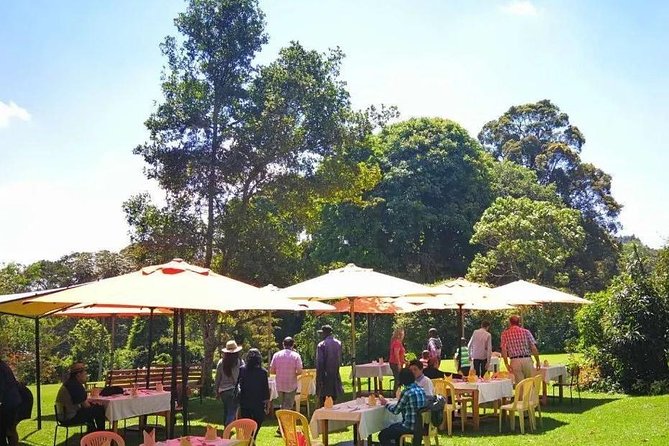
The best part of the Kiambethu Tea Farm tour is the way a simple cup of tea becomes a window into Kenya’s farming life. At the farm, Fiona explains the tea-making process over tea or coffee, then you walk among the plants, through indigenous forest, and into gardens filled with birds and flowers. The payoff is a three-course farm lunch with views toward the Ngong Hills.
I like two things especially: the gentle pace, and the mix of tea, food, history, and nature in one outing. Guides such as Obed and Dennis also make the drive useful, sharing stories about Kenya and even helping with Swahili phrases. The main consideration is time: traffic and the long ride from Nairobi can turn this into a full-day commitment, despite the advertised five-to-six-hour estimate.
Key points to know before booking
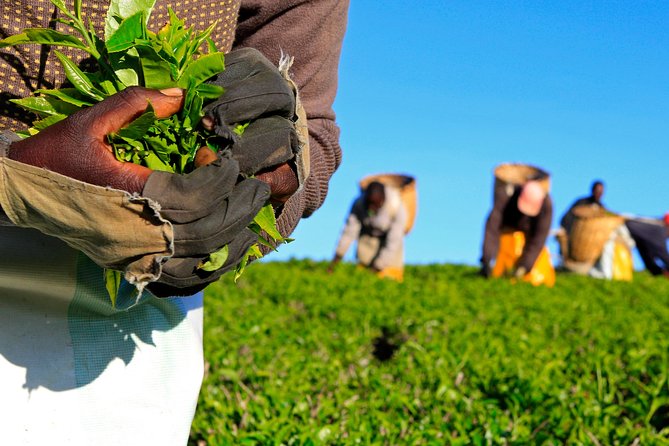
- Tea becomes the day’s main story: Learn how tea is grown and made, then see the crop in the field.
- The forest walk adds real variety: A Kenyan guide identifies local plants and explains their traditional uses.
- Lunch is a major part of the value: Expect a farm-fresh three-course buffet, tea, and a verandah with Ngong Hills views.
- The drive is part of the experience: Hotel pickup and drop-off are included, and guides such as Obed and Dennis may add useful context on the road.
- The setting is peaceful: Gardens, forest, tea fields, birds, and possible colobus monkey sightings offer a calm break from Nairobi.
- Plan around the schedule: Pickup begins at 9:30 a.m., with arrival at the farm around 11 a.m.; the farm is closed Mondays and on several holidays.
Why Kiambethu makes a good break from Nairobi
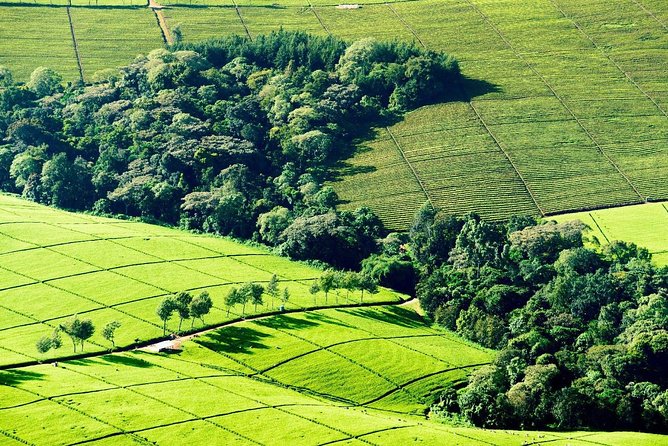
Nairobi gives you museums, markets, traffic, and city energy. Kiambethu gives you open tea fields, garden paths, forest shade, and a long lunch. That contrast is the real reason to book this outing.
The farm sits outside Nairobi near the Ngong Hills. You are not simply stopping for a photograph of tea plants. The visit is built around understanding how the crop reaches your cup, then seeing the farm as a working place with gardens, forest, and a family-style meal.
I like this format because it does not rush from one sight to another. You listen, walk, eat, and look. For a visitor who has already spent several days in Nairobi, it offers a slower day without requiring a separate safari or a complicated trip plan.
The setting also gives the tour a personal feel. Fiona is associated with the farm presentation, while Sarah is part of the welcoming team. Obed and Dennis have handled transfers and guiding, and the drive can become an informal introduction to Kenyan history and daily life.
More Tea Plantation Tours in the world:
- From Taipei: Thousand Island Lake and Pinglin Tea Plantation
★ 4.7 · 519 reviews - Active Volcano, Rice Field, Hot Spring, Fruit market, Tea Plantation with Lunch
★ 5.0 · 513 reviews - Furnas: Tea Plantations, Lake and Volcano Guided Tour
★ 4.8 · 511 reviews
The morning drive and 11 a.m. arrival
The day begins with pickup at 9:30 a.m. from your hotel. Round-trip transport is included, which matters in Nairobi, where arranging a reliable ride to a rural property can take more effort than expected.
One useful detail is the reported arrival time of about 11 a.m. That means the drive may take roughly an hour and a half, depending on your pickup point and road conditions. You should not treat this as a quick outing just beyond the city center.
The transfer is not dead time. Obed is praised for being prompt and personable, while Dennis has been described as a good guide on the road. Their commentary can cover Kenya’s past and present, and one guide even helped a passenger practice Swahili. That added conversation gives the journey more purpose than a silent car ride.
The tour is described as private, with only your group participating, although the headline also refers to a small group of up to 15 people. In practical terms, confirm the exact setup when you book if group size matters to you. Either way, pickup and drop-off remove much of the transport worry.
Tea, coffee, and the story of the farm
At the farm, the visit begins over a cup of tea or coffee. Fiona gives an informal talk about Kiambethu’s history and the process of making tea.
That informal approach suits the place. You are not sitting through a long classroom lecture. Instead, the story leads into the walk, where you can connect the explanation with the plants in front of you.
You learn about the crop in the field and gain a basic sense of the work behind tea production. The experience is not advertised as a technical factory tour, so you should not expect a full industrial processing demonstration. Its strength is the link between farming, family history, and the finished drink in your cup.
For me, that is enough to make the tea tasting meaningful. You are not just sampling a beverage. You have just heard how tea is grown and handled, then seen the fields where the process starts.
Coffee also appears in the welcome, and one guide’s commentary included coffee cultivation and processing. Still, tea is the clear focus of the Kiambethu visit. If coffee is your main interest, you should check the exact day’s presentation before booking.
Walking through the tea fields
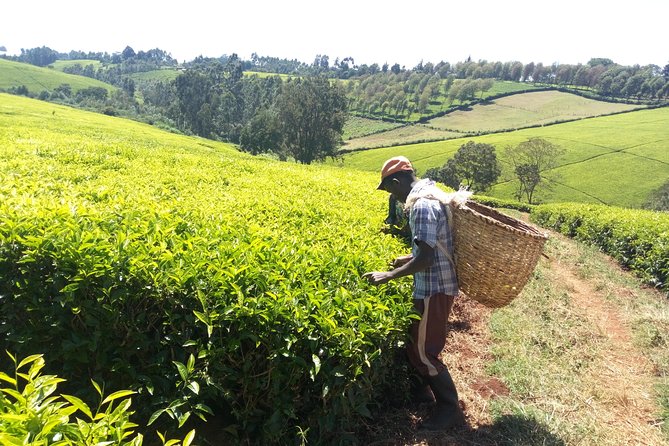
After the introduction, you have a chance to see tea in the field. The walk gives you a closer look at the crop and helps you understand the farm as a working place rather than a scenic backdrop.
The pace appears relaxed, making this a good fit if you enjoy looking closely and asking questions. You do not need to be a serious tea enthusiast. The basic story is accessible, and the setting does much of the work.
The tea fields also frame the later meal. From the verandah, you look back across the planted rows toward the Ngong Hills. The view is one of the tour’s strongest moments, especially after the quieter walk.
Bring sensible shoes and clothing you can walk in comfortably. The stated dress code is smart casual, so this is not a formal lunch, but it is also not a beach outing. The farm includes outdoor paths, a garden, and forest, so practical clothes make sense.
More Farm Visits in the world:
- Private Day Trip to Kiambethu Tea Farm in Limuru from Nairobi
★ 5.0 · 31 reviews - Day Tour To Kiambethu Tea Farm in Limuru
★ 5.0 · 22 reviews - Nairobi: Tea Farm Day Trip with Lunch at kiambethu
★ 4.0 · 21 reviews - Bowral Honey Farm Tour, Honey Tasting & morning Tea
★ 4.5 · 7 reviews
The indigenous forest and possible colobus monkeys
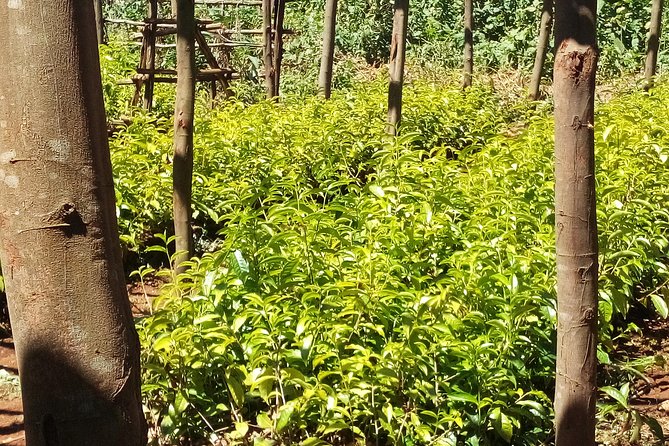
The forest walk adds the most character to the day. A resident Kenyan guide leads you through the indigenous forest, identifying plants and explaining how people traditionally use them.
This part gives the tour cultural value beyond tea. You learn that the surrounding plants are not just decoration. They can have practical, medicinal, or household uses in local tradition, and the guide provides the context.
Keep your eyes open for colobus monkeys. They may be seen close up, but wildlife is never guaranteed, so treat this as a possibility rather than the main reason to book. The forest is worth your time even if the monkeys stay out of sight.
The gardens offer another gentle walk, with birds and flowers adding color and movement. This is not a strenuous hike. It is a chance to slow down, look around, and enjoy the farm’s quieter corners.
For families, the forest and wildlife element may keep children interested, though children must be accompanied by an adult. For older visitors, the relaxed pace is helpful, but you should still be comfortable walking outdoors.
A verandah drink and the three-course lunch
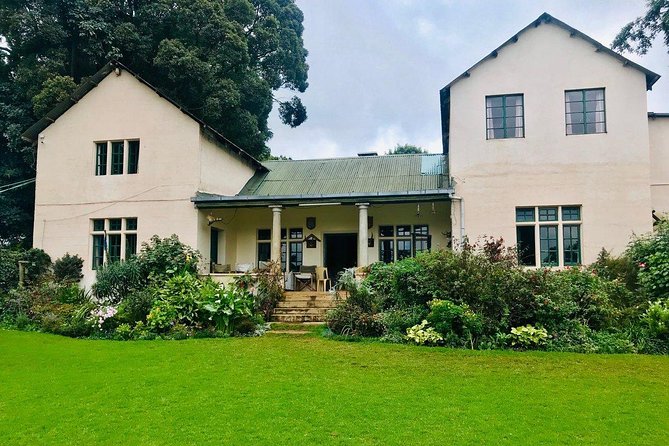
After the walking portion, you return to the house for a pre-lunch drink on the verandah. This is where the setting comes together: tea fields in front of you, the Ngong Hills beyond, and time to sit rather than hurry toward the next stop.
Lunch is a three-course buffet prepared at the farm. The food receives some of the strongest praise attached to this experience, with the meal described as the best of a ten-day Kenya visit. That is subjective, of course, but it tells you where the tour’s emotional center lies.
I like that lunch is not treated as an afterthought. A farm visit can feel thin if it offers only a short talk and a quick tasting. Here, the meal gives you time to enjoy the house and surroundings while connecting the visit to local food.
Tea is included, along with coffee and/or tea during the day. A tea pack is available for purchase, but it is not included in the price. If you want to take the experience home, set aside money for that extra purchase.
The buffet format also gives you a more relaxed meal than a fixed restaurant menu. The available information does not specify the dishes or dietary options, so contact the provider before booking if you have food restrictions.
Is the $108 price fair?
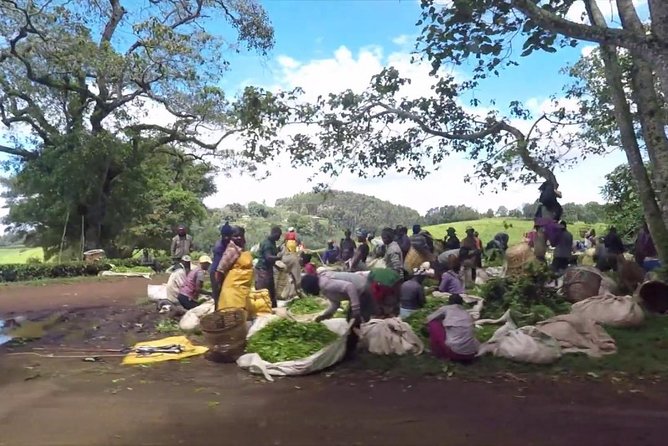
The listed price is $108 per person. That is not a bargain-basement Nairobi outing, but the value depends on how much you use the day.
The price includes hotel pickup and drop-off, a driver or guide, a professional guide, lunch, tea or coffee, and listed fees and taxes. You are paying for transport, interpretation, a farm visit, a forest walk, and a substantial meal rather than for admission alone.
The meal and private transfer are important parts of the calculation. If you would otherwise arrange a car to the farm and pay for lunch separately, the package becomes easier to justify. It is also useful for a solo visitor who wants a planned day without sorting out rural transport.
There is one detail worth confirming before payment. The information supplied for the experience says both that all fees and taxes are included and that an admission ticket is not included. That is a direct inconsistency. Ask Safari Port to clarify whether any entrance charge is payable on the day.
Group discounts are offered, which may improve the price for families or larger parties. The activity is booked about 30 days ahead on average, so reserve early if your Nairobi dates are fixed.
Timing, closures, and practical planning
The published duration is about five to six hours, while the detailed schedule can run closer to seven hours once pickup, the drive, and time at the farm are counted. I would plan the day as a full-day outing and avoid booking another fixed activity afterward.
The normal start time is 9:30 a.m., with arrival around 11 a.m. Since the tour includes a meal and several walking sections, you should not expect to return quickly after lunch.
Kiambethu is closed every Monday, the last day of each month, Christmas Day, and New Year’s Day. Check your dates carefully. A closure can be especially frustrating when your Nairobi stay is short.
Confirmation is provided at booking, and mobile tickets are supported. Free cancellation is available up to 24 hours before the start time for a full refund. Cancellations or changes within 24 hours are not refunded or accepted.
The dress code is smart casual. Comfortable walking shoes, sun protection, and a light layer are sensible choices, though the supplied details do not specify weather conditions or a required packing list.
Who will enjoy this tour most?
I would recommend Kiambethu to you if you enjoy food, gardens, gentle walks, and learning how an everyday product is made. It also suits anyone who wants a calm counterpoint to Nairobi’s city streets.
It is particularly good for:
- Solo visitors who want hotel transport and a structured day
- Couples looking for a scenic lunch outside Nairobi
- Families with children who can manage a garden and forest walk
- Tea drinkers curious about Kenyan production
- Visitors interested in plants and traditional uses
- Anyone who values a guide-led experience over independent sightseeing
The tour may be less suitable if you want a fast schedule, a factory-style tea production tour, or a wildlife outing with guaranteed sightings. Colobus monkeys are a possible bonus, not a promise, and tea is the main subject.
You should also think about the drive. If sitting in a vehicle for around an hour and a half each way feels like too much for a farm lunch, this may not be the right use of your Nairobi time. If you enjoy watching the city give way to quieter countryside, the journey adds to the day.
Should you book the Kiambethu Tea Farm tour?
I would book this if you want an easy, well-rounded day outside Nairobi with a strong meal at its center. The combination of tea fields, indigenous forest, local plant knowledge, gardens, possible colobus monkeys, and Ngong Hills views gives the outing more substance than a simple countryside lunch.
The best reasons to go are the relaxed pace, the farm setting, and the chance to hear directly about tea production before eating a three-course meal on the verandah. The guides can also make the long transfer worthwhile with stories about Kenya and basic Swahili.
Before booking, confirm the exact duration, group arrangement, and the conflicting admission information. Also check that your date does not fall on a Monday, the last day of the month, Christmas Day, or New Year’s Day.
If those details work for you, the $108 price buys a comfortable and memorable break from Nairobi, not just a cup of tea.
FAQ
How long does the Kiambethu Tea Farm tour take?
The experience is advertised as approximately five to six hours, though the detailed timing can extend to about seven hours when the drive and farm visit are included. Plan for most of the day.
What time does the tour start?
Hotel pickup begins at 9:30 a.m. Arrival at Kiambethu Tea Farm is scheduled for around 11 a.m.
Is hotel pickup and drop-off included?
Yes. Round-trip hotel transfers are included, along with a driver or guide and a professional guide.
What is included in the price?
The package includes lunch, coffee and/or tea, hotel pickup and drop-off, a driver or guide, a professional guide, and listed fees and taxes. A tea pack for taking home is not included.
Is the tour private or shared?
The activity is described as private, with only your group participating. The tour information also refers to groups limited to 15 people, so confirm the exact arrangement if this is important to you.
When is the farm closed?
Kiambethu Tea Farm is closed on Mondays, the last day of every month, Christmas Day, and New Year’s Day. Children must be accompanied by an adult, and the stated dress code is smart casual.
Fresh tea listings around the world
- Dubai: Bustronomy Panoramic Afternoon Tea City Tour★ 4.7 · 7 reviews
- Dubai: Sunset Cruise on Traditional Boat & Emirati High Tea★ 4.9 · 10 reviews
- Ella: Lipton’s Seat Tour with Dambetanna Tea Factory Visit★ 4.6 · 7 reviews
- Cycling Tour at Uji’s Matcha Green Tea Fields and Heritage★ 5.0 · 10 reviews
- Da Lat: Sunrise Panorama, Green Tea Hill and Strawberry Farm★ 4.0 · 3 reviews
- Dallas: Tea Around Town Bus Tour with Treats★ 3.7 · 8 reviews
- From Colombo: Kandy & Pinnawala & Tea Factory Full Day Trip★ 4.3 · 2 reviews
- Mauritius: Crocodile Park and Tea Factory Tour with Tasting★ 4.9 · 4 reviews
Tea Plantation & Farm Tours, compared.

From Taipei: Thousand Island Lake and Pinglin Tea Plantation
Read our review →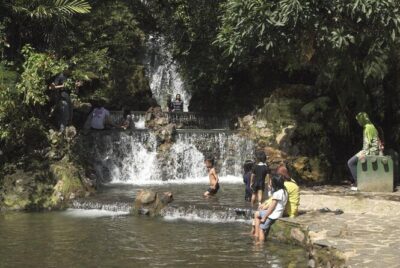
Active Volcano, Rice Field, Hot Spring, Fruit market, Tea Plantation with Lunch
Read our review →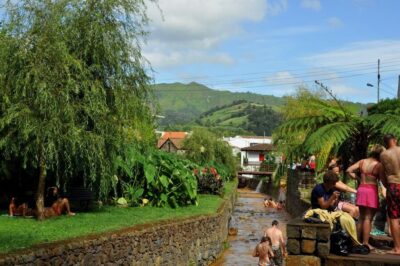
Furnas: Tea Plantations, Lake and Volcano Guided Tour
Read our review →
São Miguel: Furnas Volcano & Tea Plantation Tour with Lunch
Read our review →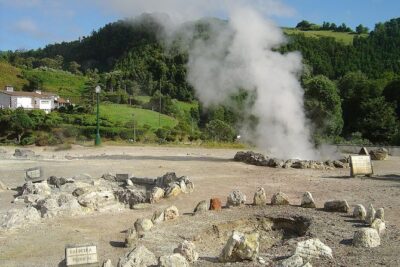
Furnas Volcano & Tea Plantation With Traditional Lunch, East Tour
Read our review →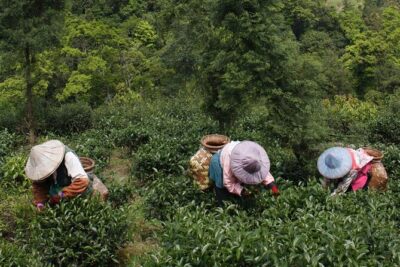
Thousand Island Lake and Pinglin Tea Plantation from Taipei
Read our review →
Furnas: Volcano Wonders, Tea Plantation & Waterfall Tour
Read our review →Browse the lists this tour appears in