
Review · KENYA TEA TOURS
Agro-Tourism Tea Workshop in Nandi Hills
Tea here is not just something poured into a cup. You follow it from the first careful pluck in Nandi Hills to the finished product at a local factory. That close look at tea production from field to cup is what makes this day different from a standard countryside outing. I like the chance to meet tea pluckers and see how their skill shapes the entire process. I also like that the day includes both farm work and factory production, not just a scenic drive through tea country.
The main drawback is the length. This is an approximately 10-hour private tour, with an early start and a full schedule. If you want a short stop for photos, this will feel too involved. You should also keep weather in mind, since poor conditions can lead to a changed date or cancellation.
Key points before you book
- Tea from hand harvesting to tasting: You follow the crop through harvesting, weighing, transport, factory processing, and tasting.
- A rare workshop in the Kenyan Highlands: The activity is described as the only tea-production workshop of its kind in the Highlands.
- A morning start from Iten: Pickup begins at The Swiss Side ItenFriends Bar, with available start times between 5:00 AM and 9:00 AM.
- Tea pluckers are part of the story: You see the repetition, speed, and physical effort behind a familiar Kenyan drink.
- A factory visit adds useful context: One of Nandi County’s 19 tea factories shows how fresh leaves become a finished product.
- Private transport and lunch are included: Your group travels privately, and the listed admission fees, farm visit, and lunch are covered.
Why this Nandi Hills day feels different
Many tea visits stop at a plantation view and a cup of tea. This one follows the working chain. You start with the harvest, watch the crop get weighed, see how it moves toward production, and then visit a factory where leaves are processed.
That order matters. It helps you understand why fresh tea leaves need careful handling and why each step depends on the one before it. The experience is part agricultural visit, part cultural outing, and part food activity.
I especially like the human side of the morning. Tea plucking is repetitive work, but it is not mindless work. The pluckers’ speed and accuracy affect the quality and quantity of the harvest. Seeing that skill in person gives you a better sense of the labor behind a simple cup of Kenyan tea.
The setting adds to the appeal. Nandi Hills is known here as a distinct tea-growing region, and the day gives you time in the open countryside rather than keeping you inside a vehicle or factory. The natural setting, quiet surroundings, and contact with local workers make this a good choice for anyone who wants more than a checklist of sights.
More tea experiences around Kenya if you are still choosing
- Nairobi to Kiambethu Tea Farm Tour
★ 5.0 · 51 reviews - Private Day Trip to Kiambethu Tea Farm in Limuru from Nairobi
★ 5.0 · 31 reviews - Day Tour To Kiambethu Tea Farm in Limuru
★ 5.0 · 22 reviews
Starting early from Iten
The meeting point is The Swiss Side ItenFriends Bar in Iten, Kenya. Available operating hours run from Monday through Sunday, with start times listed between 5:00 AM and 9:00 AM.
The exact departure time matters. A 5:00 AM start creates a very long day but gives you more time for the farm and factory visits. A later morning start may feel easier, though you should confirm the exact schedule at booking. Since the tour lasts about 10 hours, plan for most of your day to be committed.
Private transportation is included. That is useful in a rural area, where arranging several separate rides could be difficult and time-consuming. You return to the same meeting point at the end of the activity.
The tour is private, so only your group participates. I see this as a real advantage if you want to ask questions, move at a comfortable pace, or spend more time watching the harvesting process. It also makes the day easier for couples, families, or small groups with different levels of interest in agriculture.
The activity is near public transportation, but the tour itself includes private transport. That means you do not need to build the day around public connections once you meet the provider.
Seeing the tea harvest up close
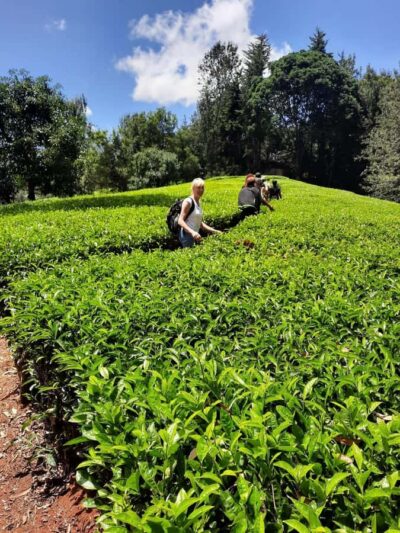
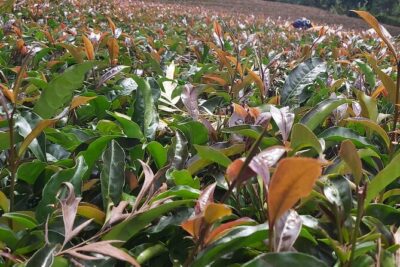
The morning begins with an explanation of how the harvest is carried out. This introduction gives you a useful frame for everything that follows. You are not simply looking at rows of tea plants. You are learning what is collected, how the work is organized, and why the harvest requires care.
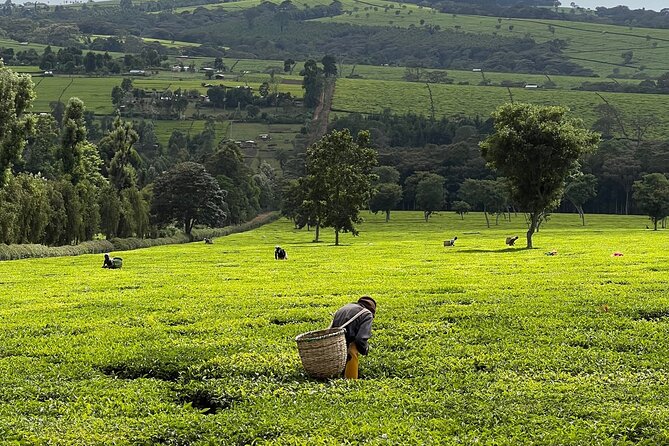
You then meet tea pluckers as they work. This is one of the strongest parts of the day because it puts a human face on the crop. Tea plucking is repetitive and physically demanding, yet the work requires consistency and speed. You get to watch the practical skill involved rather than hearing only a general description of farm life.
I would pay close attention during this part of the visit. The most useful details may be small ones: how the workers handle the leaves, how they keep the harvest moving, and how much effort goes into a task that can look simple from a distance.
The farm visit is included in the price, and this is where the tour feels most connected to daily work in Nandi County. You are seeing an active agricultural process, not a display arranged only for visitors.
Still, this part may not suit everyone. If you prefer polished attractions with set performances or many formal exhibits, the farm can feel quiet and work-focused. Its value comes from observation and explanation, so bring curiosity rather than expecting constant activity.
The modern weighing step
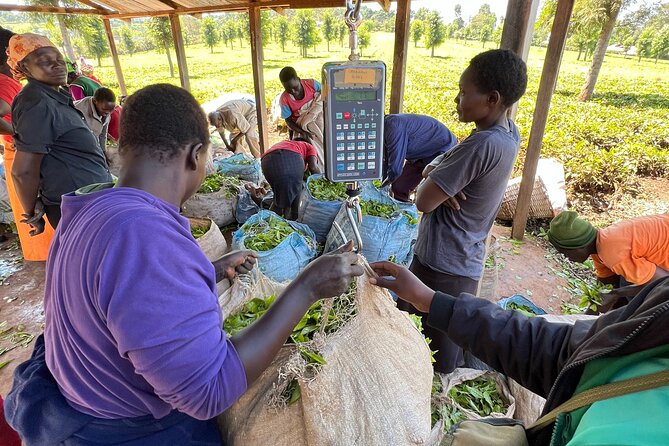
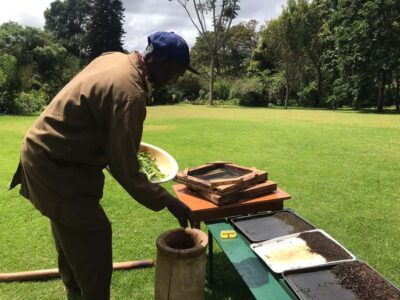
After harvesting, you witness the tea being weighed. The weighing process has recently been modernized, which adds a useful detail to the visit. This is the point where the day moves from hand work toward organized collection and transport.
Weighing may sound ordinary, but it helps explain how the harvest is recorded and managed. It connects the amount collected in the field with the next stage of the process. You can see how a crop gathered by individual workers becomes part of a larger production system.
This stop also gives you a clearer view of the business side of tea. A tea plantation is not only about green rows and rural scenery. It depends on measuring, moving, and processing a perishable product efficiently.
The modern equipment provides a contrast with the traditional image of hand plucking. The leaves are collected by people, then handled through newer systems designed to keep production organized. That combination of manual skill and updated weighing is one of the more interesting details of the workshop.
Same city, a very different cup:
- Nairobi: Tea Farm Day Trip with Lunch at kiambethu
★ 4.0 · 21 reviews - Nairobi: Purple Tea Farm Gatura Greens Day Trip
★ 4.9 · 16 reviews - Kaimbethu tea farm tour and lunch package
★ 4.8 · 14 reviews - Purple Tea Farm Tour from Nairobi City – Specialty Tea Tasting
★ 4.5 · 12 reviews
Lunch at the cottage
After the morning farm activities, you return to the cottage for lunch. Lunch is included, so you do not need to arrange a separate meal during this full-day outing.
This pause breaks up the schedule at a sensible point. After an early start and time outside, sitting down for a meal gives you a chance to rest before the factory visit. It also keeps the day from feeling like one long series of explanations and vehicle transfers.
The information provided does not specify the menu, so I would not book this expecting a particular dish. Treat lunch as a practical included meal rather than the main culinary feature. The food-centered highlight comes later with the tea tasting.
A cottage lunch also fits the character of the activity. This is a rural visit built around agriculture and local production, not a formal restaurant tour. You may find the setting as memorable as the meal itself, though the exact experience can depend on the day’s arrangements.
Inside one of Nandi County’s tea factories
After lunch, you visit one of the 19 tea factories in Nandi County. This is where the crop’s journey becomes easier to understand. You see how tea leaves are transformed into a finished product rather than stopping at the moment of harvest.
The factory visit is important because fresh leaves are only the beginning. The factory represents the machinery, timing, and organization needed to turn a farm crop into tea ready for use. The activity is designed to show that production process in sequence.
I like the balance between the farm and factory. The farm explains the work done by hand. The factory shows the larger system that follows. Together, they help you connect the pluckers’ effort with what eventually reaches the market and your teacup.
The factory is also likely to be the most structured part of the day. You may spend less time simply observing rural life and more time following a production process. If you are interested in food systems, manufacturing, or Kenyan agriculture, this is a strong reason to choose the tour.
The tradeoff is that factories can be practical rather than picturesque. You should expect an educational working environment, not a museum with extensive displays. The value comes from seeing production where it happens.
Ending with a Kenyan tea tasting
The day ends with a tea tasting. This is a fitting final step because it lets you connect the earlier stages with the finished drink.
A tasting can be simple, but after seeing the harvest and factory, it carries more meaning. You now know something about the effort behind the leaves in your cup. For anyone who already enjoys chai or Kenyan tea, this may be the most satisfying moment of the day.
One guest described the tea portion as the best part of a wider Kenyan trip, especially because it combined a culinary interest with a visit to the plantations and factory. That matches the main strength of the activity: it is not only about scenery. It lets you taste the result after learning how it was made.
The provided details do not list the number of teas or the exact tasting format. You should therefore expect a closing tasting, but not assume a large guided flight or a detailed tasting class.
What the $137.46 price includes
The listed price is $137.46 per person. For a 10-hour private activity, the value depends on how much use you make of the farm and factory visits.
The price includes:
- Private transportation
- All fees and taxes
- Farm visit
- Lunch
- Tea factory visit
- Tea tasting as part of the day’s program
That package is more useful than a low-cost transfer with separate entrance fees and meals. You are paying for a full day, transport, access to working tea sites, a meal, and a private format.
I consider the price reasonable for someone who wants a focused agricultural experience rather than a general sightseeing drive. The private format is especially important. If you are traveling with several people, the cost buys you a day arranged around your group instead of a large shared departure.
Personal expenses are not included. Keep money available for anything beyond the listed inclusions. Since the exact extra costs are not specified, do not assume every purchase during the day is covered.
Who will enjoy this tea workshop most
I would recommend this activity to you if you enjoy seeing how food and drink are produced. It is also a good fit if you want a quieter day in the Kenyan Highlands, prefer private touring, or have a particular interest in Kenyan tea.
The workshop suits:
- Tea drinkers who want to understand production
- Visitors interested in farming and local work
- People spending time in Iten who want a full-day outing
- Small groups seeking private transportation
- Anyone who prefers an experience built around real workplaces rather than staged attractions
- Visitors who enjoy combining countryside scenery with a factory visit
It may be less suitable if you want a relaxed half-day. The early start, 10-hour duration, and several stages require energy and attention. It may also disappoint anyone expecting a detailed food menu, a large tea museum, or a short photo stop.
Booking details and weather concerns
Confirmation is normally sent at booking. If you book within four hours of the travel time, confirmation is sent as soon as possible and depends on availability.
Free cancellation is available if you cancel at least 24 hours before the start time. Cancellations made less than 24 hours before the activity are not refunded, and changes within that period are not accepted.
Weather matters because the tour includes time at the farm. If poor weather cancels the activity, you are offered another date or a full refund. The experience also requires a minimum number of participants. If that minimum is not reached, you are offered another date, a different experience, or a full refund.
Those rules are worth checking before you commit, especially if you have a tight itinerary after leaving Iten. The activity runs from October 4, 2023 through June 18, 2026, with daily operating hours listed from 5:00 AM to 9:00 AM for starts.
Should you book the Nandi Hills tea workshop?
Book this tour if you want to understand Kenyan tea as a working product, not just drink it at breakfast. The combination of hand harvesting, modern weighing, a factory visit, lunch, and tasting gives the day a clear purpose.
I would choose it for a private group staying in or near Iten, particularly if you have already seen the area’s running and hiking side and want a different view of local life. The strongest moments are likely to be meeting the tea pluckers, following the leaves into the factory, and tasting the finished product at the end.
Skip it if you want a brief outing or a highly polished attraction with a fixed show. This is a long, practical day about agricultural work. For the right visitor, that is exactly why the $137.46 price makes sense.
FAQ
Where does the tea workshop start?
The activity starts at The Swiss Side ItenFriends Bar in Iten, Kenya.
Where does the tour end?
The tour ends back at the meeting point.
How long does the activity last?
The activity lasts approximately 10 hours.
What time can the tour start?
The listed opening hours are Monday through Sunday from 5:00 AM to 9:00 AM. Confirm your exact start time when booking.
Is transportation included?
Yes. Private transportation is included.
Is this a private activity?
Yes. Only your group participates in the activity.
Is lunch included?
Yes. Lunch at the cottage is included.
Does the tour include a tea factory visit?
Yes. The program includes a visit to one of the 19 tea factories in Nandi County.
Can I cancel for a refund?
You can cancel for a full refund up to 24 hours before the experience’s start time. Cancellations made less than 24 hours before the start are not refunded.
Fresh tea listings around Kenya
- Riara tea farm tour with lunch and tea tasting from Nairobi★ 5.0 · 3 reviews
- Purple Tea Farm Tour from Nairobi City – Specialty Tea Tasting★ 4.5 · 12 reviews
- Day tour to Kiambethu tea farm in Limuru from Nairobi★ 4.5 · 2 reviews
- Excursion to Kiambethu Tea Farm★ 5.0 · 6 reviews
- Tea Farm Experience at Riara Tea Farm And Factory Tour★ 5.0 · 11 reviews
- Tea Farm Tour From Nairobi (Kiambethu).★ 4.9 · 10 reviews
- Tea Farm Experience at Riara Tea Farm And Factory Tour★ 4.8 · 2 reviews
- Kaimbethu tea farm tour and lunch package★ 4.8 · 14 reviews
Kenya Tea Tours, compared.

Private Day Trip to Kiambethu Tea Farm in Limuru from Nairobi
Read our review →
Nairobi: Tea Farm Day Trip with Lunch at kiambethu
Read our review →
Purple Tea Farm Tour from Nairobi City – Specialty Tea Tasting
Read our review →
Tea Farm Experience at Riara Tea Farm And Factory Tour
Read our review →Browse the lists this tour appears in